
Air India Express Eyes Historic Profit as Tata's Budget Carrier Takes Flight

Abhishek Nayar
06 Feb 2026
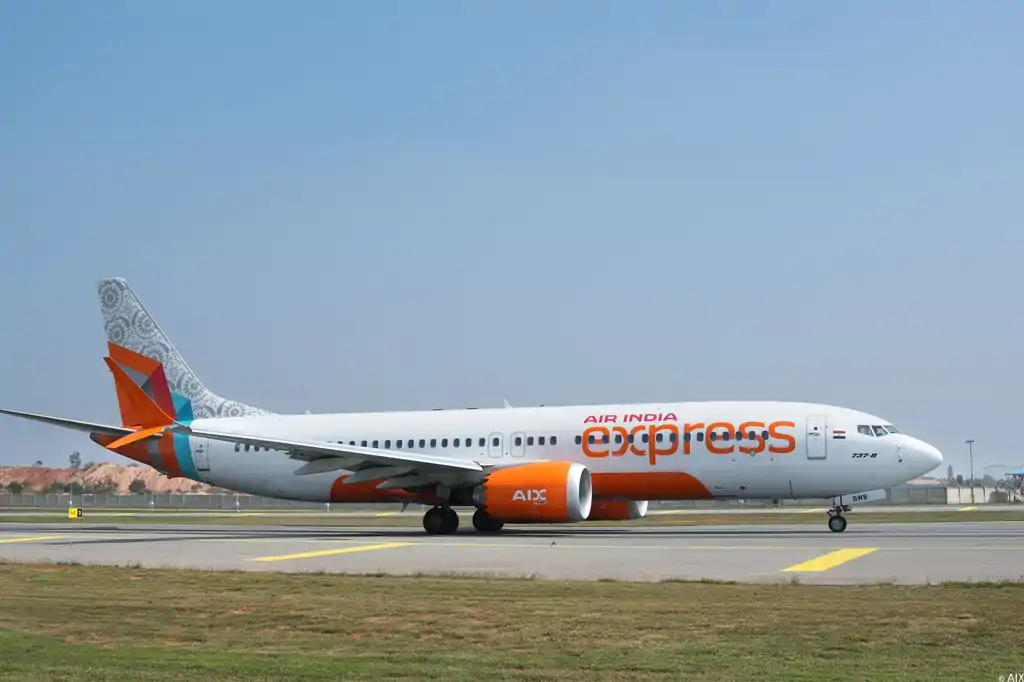
Air India Express stands on the brink of a significant milestone that could mark a turning point in its journey under new ownership. The low-cost airline is projected to achieve operating profitability during the second half of the current fiscal year, representing its first profitable period since the Tata Group acquired it as part of Air India in 2022. This anticipated success stems from strategic capacity expansion and growing market presence in India's competitive aviation sector.
A Glimmer of Hope Amid Challenges
The positive forecast arrives at a crucial moment for the broader Air India Group, which has been grappling with operational headwinds. The parent company, Air India's full-service division, has faced financial strain following Pakistan's decision to ban Indian airlines from its airspace. This restriction has forced carriers to take longer, more fuel-intensive routes, significantly impacting operational costs and profitability.
During a recent town hall meeting, Air India Express executives shared the encouraging profit projections with employees, according to highlights reviewed by Reuters and subsequently reported by Indian media outlets. The presentation revealed that the airline is committing more than seventy million dollars toward aircraft refurbishment initiatives, signaling confidence in its operational strategy and future growth trajectory.
Ambitious Expansion on the Horizon
Air India Express currently operates a fleet exceeding one hundred narrowbody aircraft from Boeing and Airbus. The airline's managing director outlined ambitious expansion plans in October, targeting a doubling of capacity within the next four to five years. This growth strategy envisions a fleet surpassing two hundred aircraft, positioning the carrier as a major player in the budget aviation segment.
The expansion received tangible momentum last month when Air India Express announced plans to incorporate thirty new Boeing 737 MAX jets into its operations. This fleet addition demonstrates the airline's commitment to modernizing its assets while scaling up service coverage across domestic and international routes.
Under the Microscope
Both Air India Express and its full-service parent company face intense scrutiny from industry analysts and government officials monitoring the turnaround progress. Air India itself is navigating a multi-billion-dollar transformation following decades of deterioration during government stewardship. However, the restructuring efforts encounter persistent obstacles, particularly ongoing delivery delays from aircraft manufacturers that constrain expansion timelines.
Industry expert Walsh acknowledged the nuanced pressure dynamics facing airlines globally. While immediate competitive pressures may have eased somewhat in certain markets, he emphasized that industry leaders remain concerned about long-term challenges. The fundamental question confronting carriers like Air India Express centers on sustainable growth strategies amid manufacturing bottlenecks, geopolitical disruptions, and evolving market conditions.
As Air India Express approaches this potential profitability milestone, stakeholders will watch closely to see whether the budget carrier can maintain momentum and deliver on its ambitious expansion blueprint in the years ahead.
With Inputs from Reuters
Read next
How Safe Are India's Skies When Nearly 400 Aircraft Show Recurring Problems?
Abhishek Nayar
06 Feb 2026
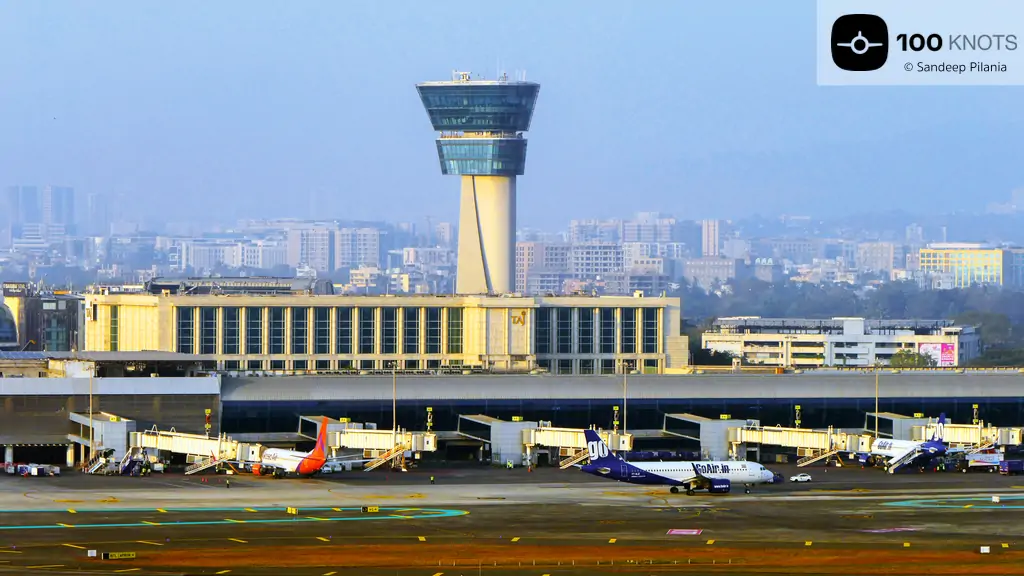
The Indian government revealed troubling figures in Parliament that raise questions about aviation safety standards across the country's commercial fleet. Speaking in Lok Sabha on Thursday, Minister of State for Civil Aviation Murlidhar Mohol disclosed that 377 aircraft operated by various scheduled airlines have been flagged for recurring defects during the period spanning from January last year through February 3 of this year.
IndiGo Bears the Largest Burden

The data presented to Parliament painted a concerning picture of maintenance challenges facing India's largest carrier. IndiGo, which dominates the domestic aviation market, had 405 aircraft undergo analysis for repetitive defects. Of these, 148 aircraft were identified as having recurring problems as of February 3 this year. This means that more than one-third of the analyzed IndiGo fleet showed patterns of repeated technical issues.
Air India's Fleet Shows Even Higher Defect Rates

The situation appears more severe for Air India, where the proportion of affected aircraft is considerably higher. Out of 166 Air India aircraft that underwent scrutiny for repetitive defects, a staggering 137 were identified as problematic. This represents more than 82 percent of the analyzed fleet showing recurring maintenance concerns. Meanwhile, Air India Express, the low-cost subsidiary, had 54 aircraft identified for repetitive defects from a total of 101 aircraft analyzed, marking just over half of its examined fleet.
Smaller Carriers Also Face Challenges

SpiceJet's analysis revealed that 16 planes out of 43 aircraft examined showed repetitive defects. The relatively newer carrier Akasa Air, despite operating a younger fleet, had 14 aircraft identified for repetitive defects out of 32 aircraft analyzed, indicating that even modern aircraft require constant vigilance.
Regulatory Response and Oversight Measures
The Directorate General of Civil Aviation has responded to these safety concerns with an extensive surveillance program. During the previous year, the aviation safety regulator conducted 3,890 surveillance inspections alongside 56 regulatory audits. Additionally, DGCA carried out 84 surveillance operations on foreign aircraft and performed 492 ramp checks as part of its planned oversight activities. Beyond these scheduled measures, the regulator also undertook 874 spot checks and 550-night surveillance operations as unplanned surveillance activities.
Addressing Future Safety Through Staffing
Recognizing the challenges ahead, Minister Mohol informed Parliament about significant structural changes within DGCA to strengthen its regulatory capacity. In 2022, the organization had 637 sanctioned technical posts. However, acknowledging the need to address anticipated manpower shortages, DGCA underwent restructuring that increased the number of sanctioned technical posts to 1,063, representing a 67 percent expansion in its technical workforce capacity to ensure more robust oversight of India's growing aviation sector.
With Inputs from NDTV
Read next
"They're Not Our Partners": How Aircraft Shortages Are Quietly Threatening the Sky's Biggest Climate Pledge
Abhishek Nayar
03 Feb 2026
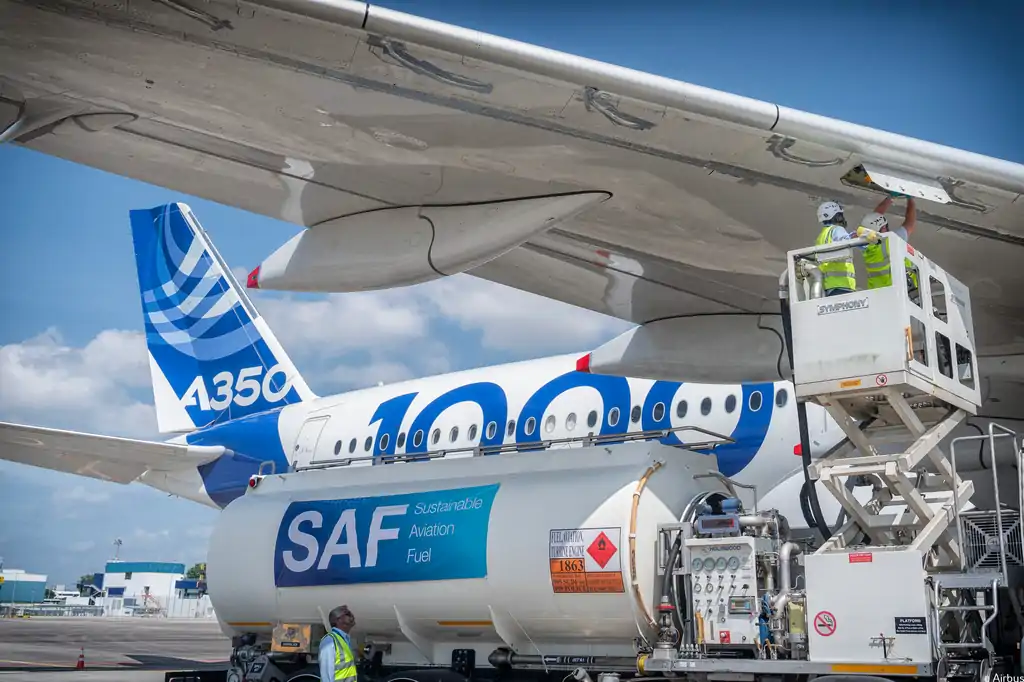
On the eve of the Singapore Airshow — Asia's largest aviation event, running February 3–8 — a stark warning echoed through the Changi Aviation Summit. Willie Walsh, director-general of the International Air Transport Association (IATA), laid bare an uncomfortable truth: the global airline industry's flagship goal of achieving net zero emissions by 2050 is quietly slipping out of reach.
A 2021 Promise Now Under Pressure
In 2021, IATA's roughly 350 member airlines collectively adopted the net zero by 2050 target — an ambitious pledge to curb aviation emissions, which account for 2% to 3% of the global total. The roadmap leaned heavily on two pillars: timely access to fuel-efficient new aircraft and a steady supply of SAF. Both are now buckling under pressure.
The Cracks Begin to Show
Speaking to Reuters TV on Monday, Walsh acknowledged the strain openly. Prolonged use of older planes and a SAF shortfall were driving up costs across the industry. Supply chain disruptions, maintenance bottlenecks, and soaring engine-part prices were widening the gap between airlines' thin margins and supplier profits.
"If I'm honest, I don't think it's got worse, but I see very little evidence of it getting better," Walsh stated plainly.
The Partnership Myth — Shattered
Perhaps the most striking moment came when Walsh turned his focus squarely on the engine makers and planemakers. Challenging the collaborative image often projected at industry events, he fired back at the notion of shared goals.
"It annoys me when I hear (engine makers) talking about partnership and partners. They're not our partners," he said bluntly — a rare and pointed remark that laid the three-way supply dispute between airlines, engine makers, and planemakers fully in the open.
Engine makers have defended their pricing, arguing that developing next-generation jet engines demands fair returns — noting that every drop of fuel saved delivers compounding environmental benefits across an aircraft's decades-long life.
Could Net Zero 2050 Be Abandoned?
The question on everyone's lips was whether IATA would hold firm. Walsh, while cautiously optimistic, left the door ominously open. Asked whether member airlines would reaffirm their commitment at IATA's June meeting, he responded candidly.
"It could well be the case that our member airlines will say that they can no longer commit to net zero in 2050," he acknowledged.
Green Goals vs. Shifting Politics
Walsh also pushed back against suggestions that airlines were losing appetite for climate action — particularly amid the retreat from green policies in the United States. While admitting short-term pressure had eased in some regions, he insisted the long-term outlook remains unchanged.
"Longer term, everyone I speak to still believes that there is a challenge there," he said. "The question is how are we going to do it?"
The skies may still be open — but the road to net zero just got a lot bumpier.
With Inputs from Reuters
Read next
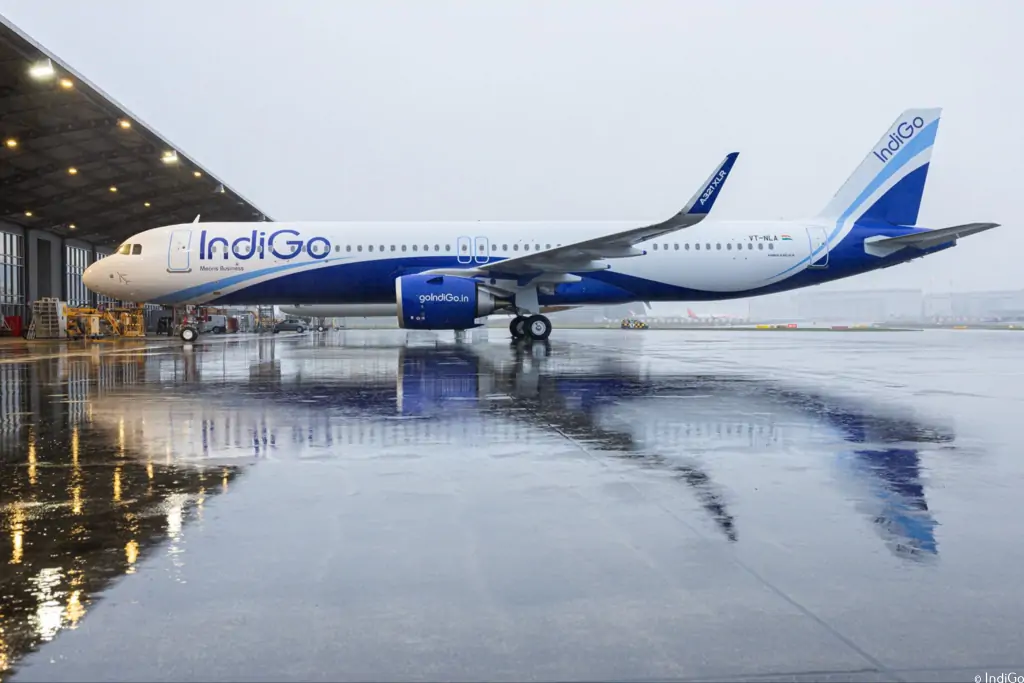
India's anti-trust watchdog, the Competition Commission of India (CCI), has begun a formal assessment of IndiGo, the country's largest airline, to determine whether the carrier indulged in anti-competitive business practices. The probe was set in motion following massive flight disruptions that rocked the nation's skies in early December 2025, raising serious questions about how dominant players wield their power in a deregulated market.
What Triggered the Scrutiny?
The disruptions of December 2025 caught both passengers and regulators off guard. In the aftermath, the CCI moved swiftly — on December 23, 2025, the watchdog formally sought a range of critical data from the Directorate General of Civil Aviation (DGCA). The information requested was extensive: details on passengers carried, route allocations, market share, and average airfares across all scheduled airlines in the country.
DGCA Delivers the Data
The DGCA complied promptly. On January 13, 2026, the aviation regulator handed over the requested information to the CCI, setting the groundwork for a deeper investigation. Minister of State for Civil Aviation Murlidhar Mohol confirmed this timeline in a written reply to a question raised in the Rajya Sabha on Monday. He further assured Parliament that the government would continue to review regulatory frameworks and policy measures as required to protect consumers and ensure fair market practices across the aviation sector.
What Is the CCI Actually Looking For?
The CCI's process follows a structured, two-step approach. First, the watchdog conducts a prima facie assessment — an initial evaluation to determine whether there is enough evidence to suggest a violation of competition norms. At present, that is exactly where things stand in the IndiGo case. The CCI is carefully examining whether the airline abused its dominant market position in any way that undermines fair competition.
If the CCI finds sufficient grounds at this stage, it will escalate the matter to a full-scale, detailed probe conducted by its Director General. That investigation would dig deeper into route allocation strategies, pricing patterns, and capacity deployment decisions.
A Deregulated Sky — But With Rules Still in Place
India's aviation sector operates under a deregulated framework, meaning airlines are free to choose routes and deploy flights based on commercial viability and market logic. However, this freedom is not without boundaries. Regulators remain vigilant to ensure that dominant players do not exploit their position at the expense of smaller competitors or consumers.
The outcome of the CCI's assessment of IndiGo is expected to send a strong signal about how seriously India intends to police its skies.
Comment