
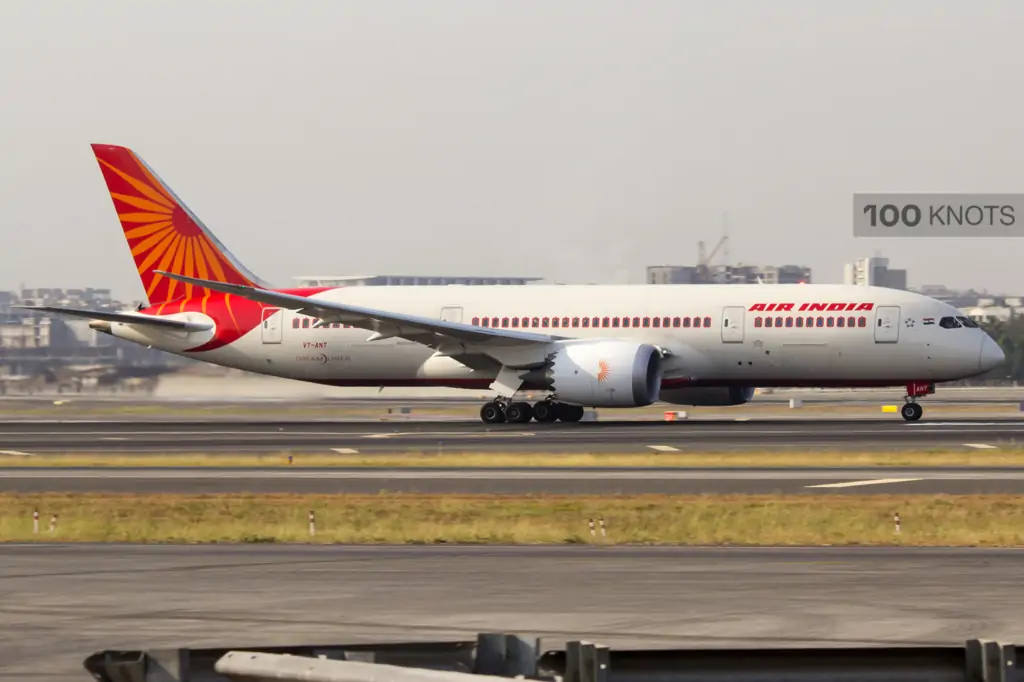
Air India, India's leading carrier and a Star Alliance member and BurdaLuxury, one of Asia's leading media companies, have announced a partnership to bring innovative, quality content to Air India travellers through the relaunch of Air India's in-flight magazine in mid-2023.
Combining BurdaLuxury's expertise in travel, lifestyle and luxury content with Air India's premium customer, the partnership reflects the airline's plans for significant brand evolution and expansion after being welcomed back to the Tata Group in 2022.
In 2022, Air India revealed a multi-stage transformation roadmap, with goals including growing both its network and fleet - recently announcing the purchase of 470 new jets to bolster its fleet - and developing a completely revamped customer proposition. As part of the revamped branding, the partnership will leverage BurdaLuxury's expertise in content creation to align its new inflight magazine with the airline's refreshed brand ethos. The new magazine will launch in June 2023 with all the attributes of a leading newsstand magazine.
"At BurdaLuxury, our passion is the creation of media products that truly thrill and engage readers. High-quality content and a dynamic, contemporary design aesthetic are our watchwords. We're excited to partner with the Air India team and look forward to delivering new levels of content quality to Air India’s 2.5 million monthly passengers through their monthly in-flight magazine," said Simon Clays, Director of Print Operations and Strategy, Asia at BurdaLuxury.
"Air India is on a flight path of exponential growth over the last year. We have been spreading our wings to not only strengthen our connectivity and fleet strength but also to enhance our customer experience in every area of operation. We are glad to have joined hands with BurdaLuxury to offer a world-class publication that will keep our guests engaged with a range of engrossing and enriching content to make their flight experience more pleasant and fulfilling," said Sunil Suresh, Head of Marketing & Communications of Air India.
Air India’s Transformation Plan
The flag carrier is expanding its fleet and network, revamping its customer proposition, and improving reliability in operations. Earlier in April, the airline said it had concluded its five-year transformation plan’s first phase, Vihaan.AI
Between May 2022-February 2023, Air India hired over 1900 cabin crew. Over 1,100 cabin crew have been trained in the last seven months (between July’22-January’23), and in the past three months, approximately 500 cabin crew have been released for flying by the airline. The first phase in the airline's transformation journey focussed on addressing legacy issues of the airline and laying the foundation for future growth.
Air India also recently announced it will use artificial intelligence-driven chatbots and other initiatives as part of modernising the digital systems for which it has made an initial investment of USD 200 million.
About BurdaLuxury
BurdaLuxury is one of?Asia's?most vibrant and progressive independent media houses. Its portfolio includes a variety of successful regional publishing brands in the lifestyle, luxury and travel markets across?Hong Kong,?India,?Malaysia,?Singapore, and?Thailand. Print publications include AUGUSTMAN, HELLO! Magazine?Thailand, Prestige, PIN Prestige, Architecture + Design and Travel + Leisure India & South Asia. Digital offerings include Lifestyleasia.com, Augustman.com, PrestigeOnline.com, PinPrestige.com, Architectureplusdesign.in and Travelandleisureasia.com. BurdaLuxury is part of the Hubert Burda Media family, one of the largest media companies in?Germany. Operating in 14 countries, Burda employs over 11,000 people and owns 550 media brands.

Read next
Airbus C295 Successfully Completes First Maiden Flight For India In Spain
Radhika Bansal
09 May 2023
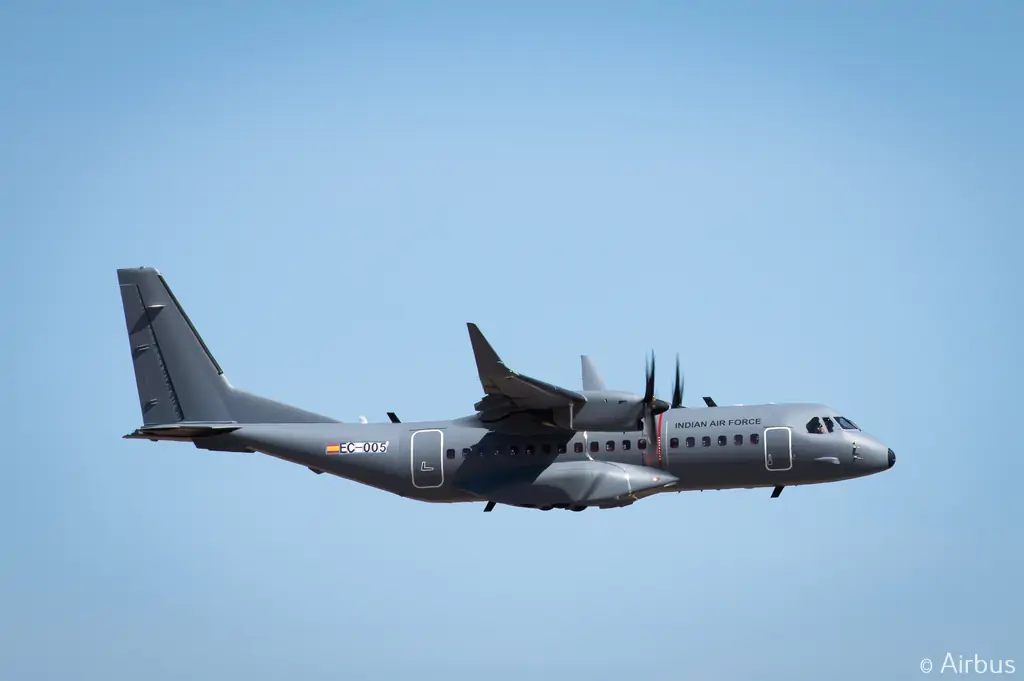
The first Airbus C295, a new-generation tactical airlifter, successfully completed its maiden flight for India on May 5. This marks a significant milestone towards its delivery by the second half of 2023, Airbus said in a media statement. The tactical aircraft took off from Seville, Spain, on May 5 at 11:45 am local time and landed at 2:45 pm after three hours of flight. An Indian Air Force team of about six pilots are already undergoing training at the Airbus international training centre, Seville, so that they are equipped to fly the transport aircraft once it's ready for India.
“This first flight represents a significant accomplishment for the first Make in India aerospace programme. With the Indian Air Force set to become the largest operator of the C295 in the world, this programme exemplifies our commitment to improving the Indian Air Force (IAF) operational capabilities," said Jean-Brice Dumont, Head of Military Air Systems at Airbus Defence and Space.
India acquired 56 C295 aircraft in September 2021 to replace the (IAF) legacy AVRO fleet. The first 16 aircraft will be assembled in Seville, Spain, and delivered to the customer in 'fly-away' condition. The following 40 aircraft will be manufactured and assembled by Tata Advanced Systems (TASL) in India as part of an industrial partnership between the two companies.
“The C295 Final Assembly Line being built in Gujarat is the first concrete, large-scale Make-in-India defence programme in the private sector that will unlock the industrial value chain of design, manufacturing, assembly, testing, delivery and maintenance of the complete lifecycle of the aircraft. This programme will significantly contribute towards developing the indigenous capabilities of Indian companies for an 'AatmaNirbhar Bharat'," Airbus said.
About C295 Final Assembly Line
Described as the first project of its kind for manufacturing a military aircraft in India by a private company, the total project cost is INR 21,935 crore. The aircraft can be used for civilian purposes as well and the TASL has plans to export them too after exhausting the commitment to IAF. Tata is establishing the main manufacturing facility at Vadodara and will also set up an aerospace and defence complex at Dholera. The company has tied up with Airbus which won a INR 21,935 crore contract to supply 56 transport aircraft to the Indian air force in 2021.
The new complex will be India’s first-ever private-sector aircraft manufacturing facility. While smaller aircraft have been made in India in the past, the projects were executed by public sector enterprises, mainly Hindustan Aeronautics Limited. All 56 aircraft will be fitted with an indigenous electronic warfare suite developed by Bharat Electronics Ltd and Bharat Dynamics Limited. After the completion of the delivery of 56 aircraft to the IAF, Airbus Defence and Space will be allowed to sell the aircraft manufactured in India to civilian operators and export to countries cleared by New Delhi.
The Avro replacement project was in the works for more than a decade. The defence acquisition council, India’s apex defence procurement body, accepted the necessity (AoN) in 2012 to replace the Avro planes with 56 new aircraft. Under India’s defence procurement rules, AoN by the council is the first step towards buying military hardware.
The global C295 programme comprises a total of 280 orders from 39 operators, making it an unmatched aircraft in its weight and mission class. The C295 is known to be a superior aircraft used for tactical transport of up to 71 troops or 50 paratroopers, and for logistic operations to locations that are not accessible to current heavier aircraft. The aircraft can airdrop paratroops and loads, and also be used for casualty or medical evacuation. The aircraft can perform special missions, disaster response, and maritime patrol duties.
After the mega deal was finalised last year, Airbus said the C295 programme would see the company bring its complete bouquet of world-class aircraft manufacturing and servicing to India in collaboration with its industrial partners.
Read next

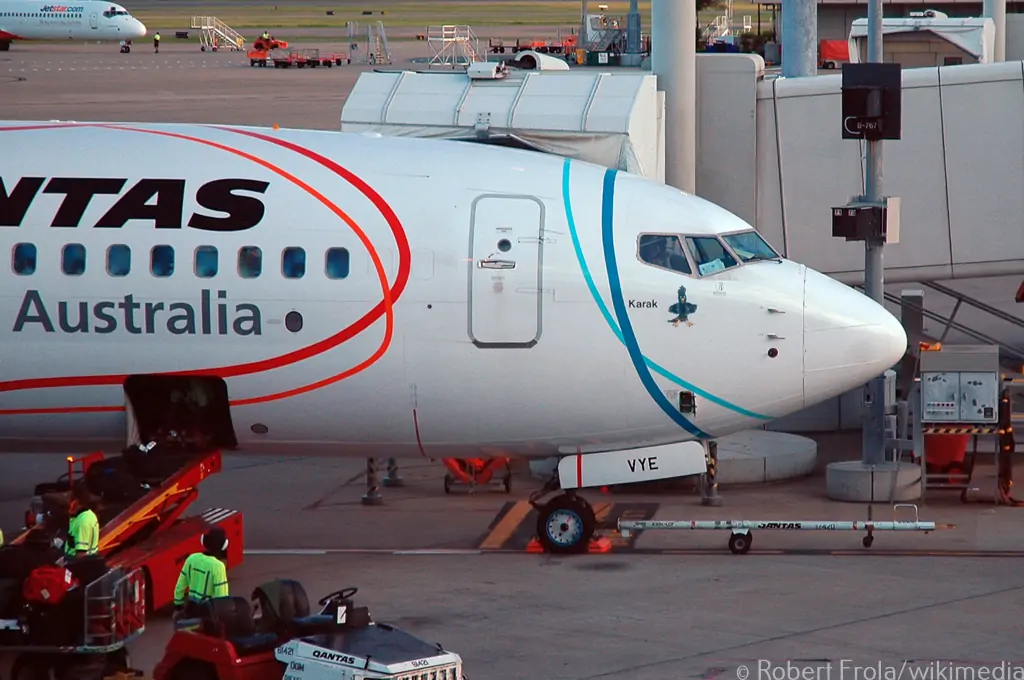
Qantas, Australia's largest airline, is at odds with its pilot union, the Australian and International Pilots Association (AIPA), over the employment of external pilots to fly the Airbus A380. Qantas wishes to depart from the practice of recruiting only internal pilots to fly its planes, but the AIPA remains steadfast in its opposition.
Present Scenario
Qantas has traditionally used internal pilots to operate their aircraft. The AIPA has been a staunch supporter of this practice and has fought all attempts to modify it. The union feels that hiring foreign pilots will jeopardize the safety and quality of Qantas flights. Qantas and AIPA have a long history of collaboration, but their relationship has been strained in recent years owing to salary and working conditions conflicts. The disagreement over who would fly the Airbus A380 has only heightened tensions between the two sides.
Qantas has filed a lawsuit against the Australian and International Pilots Association (AIPA), accusing the pilot union of preventing external applicants for the Airbus A380. On April 26, 2023, the airline filed a complaint against the union with Justice Goodman, a Federal Court of Australia Judge, demanding a hearing on May 26, 2023.
Qantas' Point of View
Qantas claims that recruiting foreign pilots for the Airbus A380 would benefit the airline in a variety of ways. For starters, it would lower the expense of training new pilots. Second, it would allow for greater flexibility in flight scheduling. Finally, it would give Qantas access to a bigger pool of talent for hiring pilots.
Potential Reasons
Cost-Effective Solution: Qantas believes that recruiting outside pilots will be a cost-effective way to save costs. External pilots may be willing to work at reduced pay, saving Qantas money. Due to the COVID-19 epidemic, the airline is facing serious financial issues and is looking for methods to minimize expenses.
Increased Adaptability: Qantas intends to expand its flexibility by engaging external pilots to fly its Airbus A380s. Internal pilots aren't always available or ready to work on short notice or at busy times. Hiring foreign pilots might provide Qantas more schedule flexibility, ensuring that flights run on time.
Pilot Scarcity: There is a global pilot shortage right now, and Qantas may not have enough internal pilots to satisfy demand. Qantas may need to engage external pilots to keep their planes manned and flights from being cancelled. Due to the high expense of training and other issues, the airline may have trouble attracting new pilots.
AIPA's Point of View
According to AIPA, hiring external pilots for the Airbus A380 would be a departure from precedent. According to the association, Qantas has always employed and trained its own pilots, and this tradition should be continued.
Taking Legal Action
Qantas and AIPA were unable to settle their disagreements through discussion, thus the case was brought to court. The Federal Court of Australia will hear the matter and decide whether Qantas' intention to engage foreign pilots for the Airbus A380 is legitimate. The court case has received a lot of media attention, with many industry experts weighing in on the possible outcomes. Some feel the court will find in favor of Qantas, while others believe AIPA has a good case and will win.
Consequences for Industry
The conflict between Qantas and AIPA has far-reaching consequences for the aviation sector. If Qantas is successful in employing external pilots for the Airbus A380, it may serve as a model for other airlines. This might result in fewer career prospects for internal pilots, as well as perhaps poorer compensation and working conditions throughout the sector. However, if AIPA is successful in keeping the history of selecting internal pilots, it may create a different precedent. It might send a message to other pilot unions that it is feasible to stand up against airlines while maintaining internal pilots' working conditions and salaries.
Qantas and AIPA's Future
The fate of the legal fight between Qantas and AIPA remains unknown, as does the future of the two companies. If Qantas is successful in acquiring external pilots, the airline-pilot union relationship may be strained even more. If AIPA is successful in continuing to hire internal pilots, it may indicate to Qantas that it has to cooperate more closely with the union in the future.
Conclusion
The legal dispute between Qantas and AIPA over who gets to fly the Airbus A380 has far-reaching consequences for the aviation sector. The court matter is still ongoing, and it is unclear what will happen next. Regardless of the conclusion, the disagreement has emphasized the conflict between airlines and pilot unions as well as the significance of sustaining internal pilot working conditions and compensation.
With Inputs from AeroTime, Sydney Moring Herald
Read next
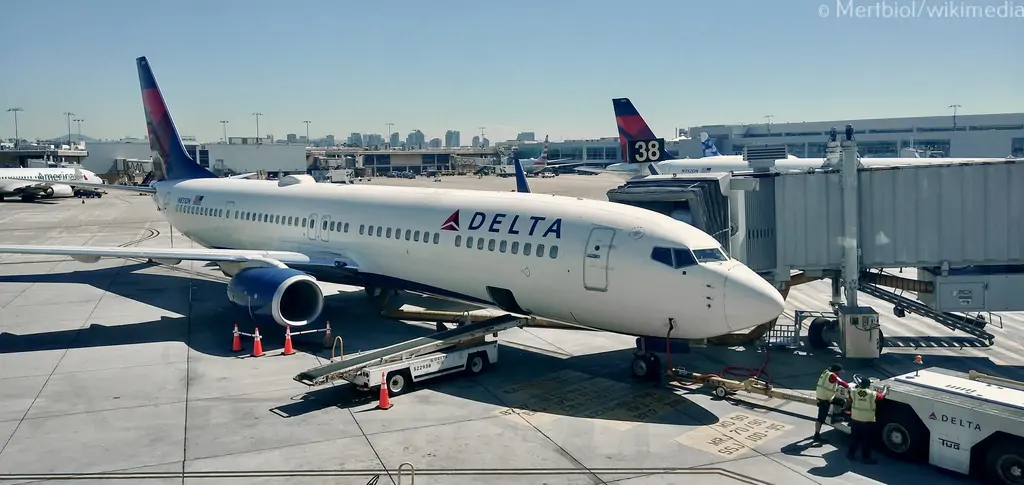
United Airlines has accused Delta Air Lines of hiking its rates on purpose in order to undermine the former's ticket sales. United Airlines is one of the world's major airlines, with approximately 700 planes and 90,000 workers. Delta Air Lines is another big airline company with a comparable fleet size and workforce count.
Accusations Levelled by United Airlines Against Delta Airlines
In a statement, United Airlines accused Delta Air Lines of purposely boosting its rates to undercut United's sales. United alleged that Delta raised its pricing on routes where the two airlines competed, causing a substantial decline in United's ticket sales. United Airlines also claimed that Delta Air Lines conducted a disinformation campaign, spreading false rumors about United's financial soundness and dependability. United stated that this had further harmed its brand and lowered customer confidence.
Present Situation
United Airlines has held a conference call to announce its opposition and petition to Delta Air Lines' request for gateway flexibility on its routes to Tokyo Haneda Airport. United stated that receiving exemptions for Delta's Haneda slots is not in the public interest, noting Tokyo as one of its destinations with the highest demand recovery post-pandemic.
If Delta did not utilize all of its slots, United would gladly compete for the openings that would arise, and it already has two routes in mind. The Chicago-based airline would seek to travel to Haneda from its hubs at Houston’s George Bush Intercontinental Airport and Guam's Antonio B. Won Pat International Airport. United provided letters of support from the Mayor of Houston and the Governor of Guam in its submission to the Department of Transportation.
Allegations Examination
We must evaluate the available evidence to decide if United Airlines' allegations against Delta Air Lines are true. To begin, we may compare the two airlines' ticket pricing on routes where they compete. According to a recent survey, Delta Airlines rates on competing routes were 10% higher on average than United Airlines' fares. This shows that United's charges may have some validity.
Potential Motives for Delta's Alleged Actions
What are the probable motivations for Delta Air Lines purposefully raising its rates in order to undercut United's sales? United's competitive pressure is one likely factor. United Airlines is one of the world's largest and most profitable airlines. It has a significant presence in a number of markets where Delta Air Lines also operates. This might have pushed Delta to raise its rates in order to retain its profitability.
The Effect on Consumers
The impact on customers is the same whether Delta Air Lines purposefully hiked their rates to undercut United's sales. Greater rates entail greater expenses for passengers, which may result in fewer people travelling or using alternative forms of transportation.
Conclusion
United Airlines' allegations against Delta Air Lines are severe and, if proven correct, may have far-reaching consequences for the airline industry and consumers. However, it is impossible to ascertain if Delta Air Lines deliberately raised its rates in order to undercut United's sales or for approval of its scheme with DoT, or whether the pricing disparities were just the product of regular market rivalry.
Read next
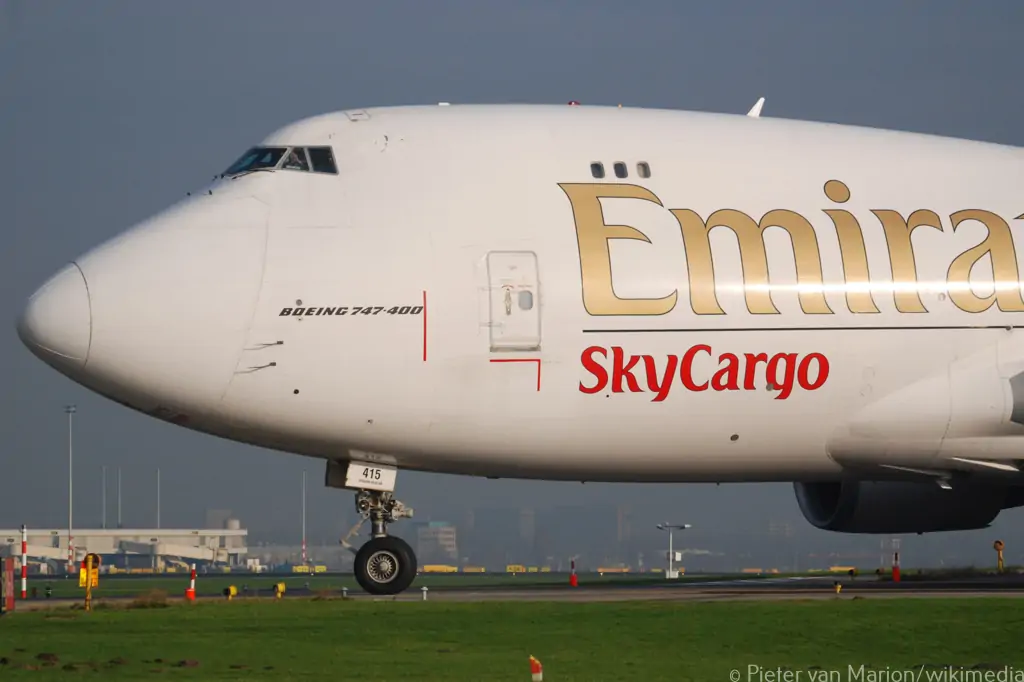
Emirates, one of the world's major airlines, has made a statement that has piqued the aviation industry's interest. The airline has opted to lease two Boeing 747-400 freighter planes to extend its cargo network and improve cargo capacity. This step demonstrates Emirates' commitment to expanding its cargo operations and meeting the growing demand for air cargo transportation.
An Overview of Boeing 747-400F Aircraft
The Boeing 747-400F is one of the world's most popular and frequently utilized cargo aircraft. It can fly up to 8,240 km without refuelling and has a cargo capacity of up to 120 tonnes. The aircraft is outfitted with cutting-edge technology and features that make it an excellent alternative for delivering big and bulky cargo such as machinery, electronics, and oversize items.
Emirates' leasing of two Boeing 747-400F aircraft
Emirates' intention to lease two Boeing 747-400F aircraft is a strategic move that will assist the airline in meeting the increased demand for air cargo transportation. Over the last year, the airline has witnessed a considerable surge in cargo demand as more businesses rely on air cargo to carry their goods because of interruptions in global supply chains caused by the COVID-19 epidemic.
Current Situation
Emirates has confirmed the leasing of two Boeing 747-400 freighter aircraft as part of its broader ambitions to expand the capacity of its SkyCargo business. These will complement the carrier's current Boeing 777F planes, providing additional flexibility and making Emirates the only operator of both the 747 and the Airbus A380.
"With the new aircraft, we can expand our freighter network and improve connectivity with the main Emirates network," he continued. The improved fleet mix also allows us greater flexibility to better service our various customers. Emirates SkyCargo is also investing in new product development as well as accelerating digitalization and technological innovation. Our goal is to be the industry leader in offering specialised solutions that are fast, dependable, adaptable, and efficient. More interesting things are on the way. "Watch this space."
The Effect on the Air Freight Industry
During the COVID-19 epidemic, the air freight business was one of the few bright spots in the aviation industry. The need for cargo planes has expanded dramatically as more businesses rely on air freight to convey their goods. As a result of the scarcity of cargo aircraft, particularly freighter aircraft, lease prices have risen, making it harder for airlines to develop their cargo business.
Emirates and the Air Freight Industry's Future Prospects
The lease of two Boeing 747-400 freighter aircraft by Emirates is part of the airline's bigger goal to grow its cargo operations and become a key participant in the air cargo business. With a fleet of over 100 aircraft and a global network, the airline has already established a strong position in the passenger market.
Conclusion: What Comes Next
Emirates' decision to lease two Boeing 747-400 freighter aircraft is a strategic move that will allow the airline to expand its cargo operations and fulfil rising demand for air cargo transportation. The acquisition of these aircraft will allow Emirates to provide additional cargo capacity and a wider choice of destinations to its clients, while also helping to alleviate the industry's cargo aircraft scarcity. The future for the air freight business is favourable as the global economy improves and trade volumes increase. Air cargo transportation demand is likely to rise in the future, and Emirates is well-positioned to capitalize on this trend.
With Inputs from Emirates
Read next
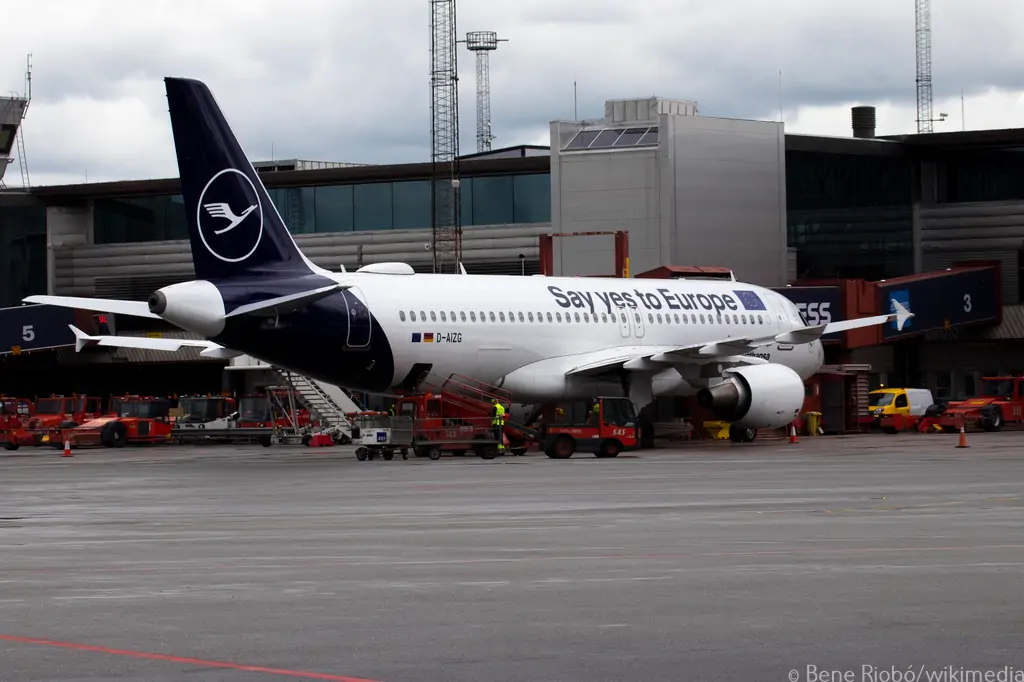
An important component of the aviation sector is air traffic control (ATC). It is in charge of ensuring air travel safety, guiding planes across airspace, and controlling air traffic flow. However, ATC strikes in Europe have a substantial environmental impact, releasing an additional 1200 tons of CO2 emissions per day. It is critical to investigate the impacts of ATC strikes on air travel, as well as the causes of the strikes and what may be done to reduce the environmental impact.
The Effects of ATC Strikes on Air Travel
ATC strikes have a substantial influence on air travel. Flights are typically cancelled or delayed as a result of these strikes, with some flights being redirected or even cancelled entirely. These disruptions generate passenger confusion and irritation, resulting in higher ticket costs and lower demand for air travel. As a result, the aviation business suffers as well, with airlines losing revenue and profitability.
Current Scenario
This year, there were 34 days of air traffic control strikes that seriously impacted European air travel between March 1st and April 9th. Although air traffic in France was predominantly disrupted, Germany was also affected to a lesser extent. Although it is obvious how strikes impede flights, such extended industrial action may also have a substantial environmental impact.
The number of flights affected
Each day in the first three months of this year, an average of 3,300 aircraft departed or arrived in France, including around 800 domestic flights. During the same time period, an estimated 3,700 planes travelled through French airspace. With around 23,000 flights per day in Europe overall, the strikes in France are anticipated to have disrupted 30% of daily European flights. Inside this 30%, about 3% were domestic flights within France; 11% were international departures and arrivals from and into France; 16% were overflights across France; and the remaining 70% were other flights. Furthermore, the 34 days of strikes this year are expected to have disrupted at least 237,000 flights to, from, or across France and Germany, emphasizing the severity of the flights affected.
Delays and cancellations
In addition, daily flight cancellation rates climbed by at least 37% when compared to a regular operational day. During the strike days in France, there were an additional 485 cancellations, with overflights going through French airspace accounting for 25% of the total. Punctuality rates fell by nearly nine percentage points, with average delays ranging from 11 to 23 minutes. Flights arrived an average of 17 minutes later than scheduled, a six-minute delay over a typical day without industrial action.
Extra kilometers flown
While cancellation rates increased, so did delay figures, as airlines were forced to reroute and fly further than normal to avoid French airspace. Each strike day between March 7th and April 9th saw an estimated additional 96,000 km flown. Another example occurred on March 12th, when around 40 planes were forced to extend their regular flight route flown on a non-strike day, March 5th, by at least 370 kilometers in order to avoid becoming trapped in the tangle of French airspace.
Additional fuel consumed
With flight paths being substantially expanded by thousands of kilometers on a daily basis, it is no wonder that airlines were burning an additional 386 tons of fuel on top of what they would normally burn for the routes flown on each strike day. The dramatic increase in fuel burned every day meant that airlines were emitting an additional 1,200 tons of carbon dioxide. In other words, if the European air traffic control strikes had not occurred, flight times and trajectories would have been significantly shorter, and daily emissions would have been much lower.
The Environmental Impacts of ATC Strikes
ATC strikes have serious environmental repercussions. Every day of a strike results in an additional 1,200 tons of CO2 emissions into the environment. This rise in emissions contributes to global warming and climate change, both of which have disastrous consequences for the world. Air pollution is also on the rise, posing health risks to those who live in afflicted areas.
Reasons for ATC Strikes
Pay and working conditions, staffing shortages, and safety concerns are common causes of ATC strikes. Many air traffic controllers allege they are overworked and underpaid, and they are demanding better compensation and working conditions. Staffing shortages are also an issue, with some ATC facilities having difficulty filling available jobs. Another problem is safety, with some air traffic controllers stating that understaffing and overwork increase the danger of an accident.
Mitigating the Environmental Impact of ATC Strikes
There are numerous methods for reducing the environmental impact caused by ATC strikes. One possibility is sustainable aviation fuel, with airlines increasingly embracing biofuels to lessen their carbon footprint. Another option to minimize emissions is through aircraft efficiency, with new technologies such as electric and hybrid engines becoming more prevalent. Alternative modes of transportation, such as railroads, are also feasible alternatives for short-haul trips.
Conclusion
The aviation sector as well as the environment are both negatively impacted by ATC strikes. These strikes have resulted in increased CO2 emissions, global warming, climate change, and air pollution, among other things. To reduce their environmental impact, the aviation sector must investigate sustainable alternatives such as alternative fuels and aircraft technology, and governments must address the root causes of the strikes. By doing so, we can lessen the environmental effect of ATC strikes and assure a sustainable future for aviation transport.
With Inputs from Eurocontrol
Comment