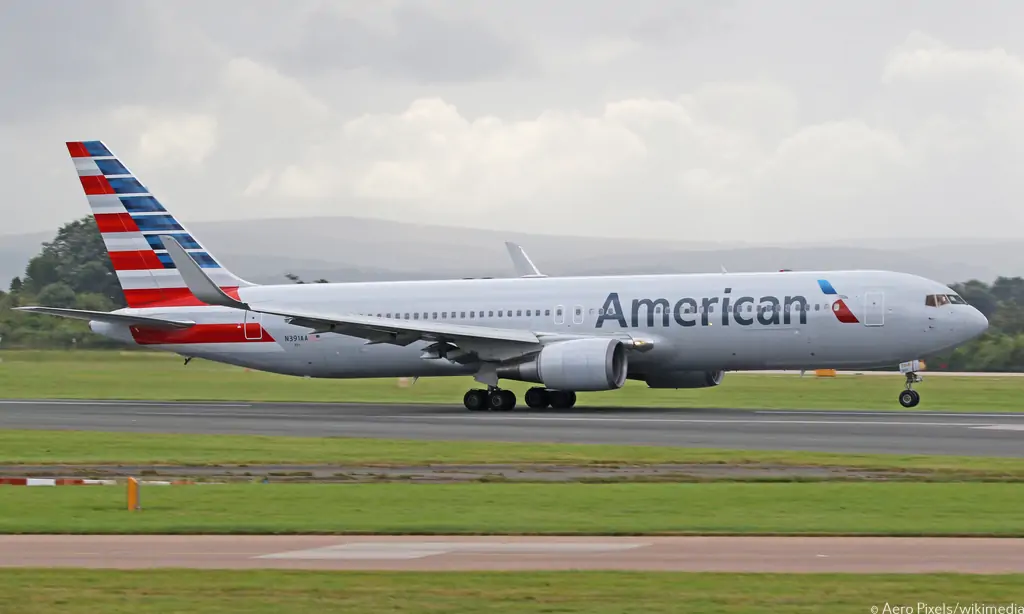
American Airlines has made a significant stride in its quest for profitability by announcing its largest plane order since 2011. The purchase of 260 new jets from Airbus, Boeing, and Embraer signals the airline's commitment to capitalizing on the resurgence of premium travel demand. This move comes amidst industry-wide efforts to recover from the impacts of the pandemic and underscores American's strategy to enhance its earnings through fleet expansion and optimization.
Boeing's Boost and Confidence in Certification
The order includes a diverse range of aircraft, with 85 Airbus A321neo jets, 85 Boeing 737 MAX 10s, and 90 Embraer E175 aircraft. Notably, this marks American Airlines' first-ever order for the MAX 10 variant, demonstrating a vote of confidence in Boeing despite recent safety concerns. Despite the setback caused by the Jan. 5 incident, American's Chief Financial Officer, Devon May, expressed confidence in Boeing's ability to address certification issues and ensure timely deliveries.
Fleet Flexibility and Options
May highlighted the strategic significance of the order, emphasizing its role in providing fleet flexibility and complementing existing Airbus A321 aircraft. With the first MAX 10 delivery scheduled for 2028, American has negotiated options with Airbus to mitigate potential delays, demonstrating prudent planning and risk management.
Industry Dynamics and Competitor Response
The move by American Airlines comes amidst intensifying competition in the aviation market, with rivals like United Airlines also exploring alternative aircraft options. United's potential mega order with Airbus underscores the competitive landscape and the scramble for production slots, reflecting the evolving dynamics of the industry.
Premium Travel Demand and Revenue Growth Strategies
The new plane order is expected to bolster American's ability to cater to premium travel demand, enabling the airline to add high-margin seats on domestic and short-haul international routes. Furthermore, American Airlines aims to drive revenue growth through its co-branded credit card programs, leveraging them as a lucrative source of income through the sale of miles to third-party partners.
Financial Outlook and Profitability Projections
With the anticipated increase in profit margin to 15%-18% by 2026, American Airlines foresees a substantial improvement in its financial performance. This optimistic outlook, coupled with a projected free cash flow of over $3 billion, reflects the confidence of the airline's management in its ability to capitalize on market opportunities and deliver value to shareholders.
Conclusion
American Airlines' bold move to secure a record-breaking plane order underscores its commitment to strategic growth and profitability. Despite challenges posed by recent safety incidents and industry competition, the airline remains optimistic about its prospects and aims to capitalize on the resurgence of premium travel demand. With a focus on fleet expansion, revenue growth strategies, and prudent risk management, American Airlines is poised to navigate the evolving landscape of the aviation industry and emerge stronger in the post-pandemic era.
With Inputs from Reuters

Read next

In a dramatic turn of events, JetBlue Airways and Spirit Airlines have called off their $3.8 billion merger agreement, citing insurmountable regulatory obstacles and anti-competition concerns. This decision marks a significant setback for both low-cost carriers and underscores the Biden Administration's staunch stance against consolidations in the aviation industry.
The Failed Merger, Challenges and Relief
JetBlue and Spirit Airlines had set their sights on creating the fifth-largest carrier in the United States through a merger. However, a U.S. judge's ruling in January blocked the deal, citing potential harm to consumers by reducing competition. President Joe Biden hailed the decision as a victory for consumers, emphasizing concerns over increased ticket prices and limited choices for travelers.
Privately, JetBlue executives expressed relief over the failed merger, citing Spirit's deteriorating financial situation. With Spirit facing challenges such as weak demand and financial instability, the merger's collapse raises questions about the future of the seventh-largest U.S. carrier.
Financial Implications & Market Response
Under the terminated agreement, JetBlue will pay Spirit $69 million, while Spirit shareholders had received approximately $425 million in pre-payments. Without the merger, Spirit now confronts a daunting path forward, with analysts warning of potential bankruptcy if financial issues are not addressed promptly.
Following the announcement, Spirit shares plummeted by 11%, reflecting investor concerns over the airline's future prospects. In contrast, JetBlue shares surged by 4.3%, signaling optimism about the carrier's independent trajectory.
Regulatory Scrutiny, Antitrust Action, Northeast Alliance and Ongoing Challenges
The ruling by U.S. District Judge William Young highlighted concerns about the merger's impact on competition and ticket prices. This reflects the Biden Administration's broader strategy of leveraging antitrust measures to promote consumer welfare and prevent monopolistic practices.
JetBlue's setback in the merger follows a separate antitrust ruling against its Northeast partnership with American Airlines. Despite facing regulatory hurdles, JetBlue remains focused on revenue-boosting initiatives and cost-saving measures to navigate the turbulent aviation landscape.
Conclusion
The collapse of the JetBlue-Spirit merger underscores the complexities and challenges inherent in consolidating within the aviation industry. As both carriers chart their respective paths forward, the regulatory landscape and market dynamics will continue to shape the future of air travel in the United States.
With Inputs from Reuters
Read next
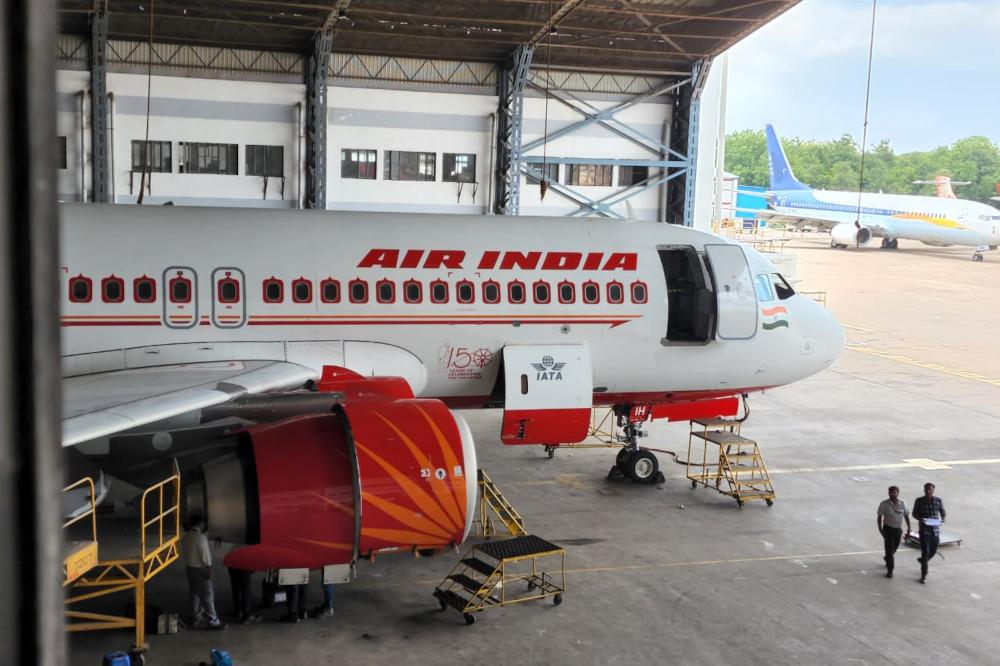
Air India, the renowned airline now under Tata Sons' ownership, has recently made headlines with its strategic move to refinance short-term loans from the State Bank of India and the Bank of Baroda. This financial maneuver, as reported by the Economic Times newspaper, showcases a significant step in the airline's journey towards financial stability and operational efficiency.
Refinancing Details & Purpose of Financing
In the last quarter of 2023, Air India secured a substantial sum of INR 190 billion rupees (USD 2.29 billion) over a three-year term at an interest rate of 7.5% per annum. This loan replaces a previous bridging loan of INR 180 billion (USD 2.17 billion) from the same banks. Notably, INR 133 billion (USD 1.6 billion) of the new financing originates from the State Bank of India, while INR 57 billion (USD 690 million) comes from the Bank of Baroda.
The funds acquired through this refinancing endeavor are earmarked to fulfill Air India's crucial working capital needs. Such provisions are vital for the airline's day-to-day operations and strategic initiatives, especially amidst the dynamic landscape of the aviation industry.
Rationale Behind the Decision & Financial Landscape
Air India's decision to stick with the existing banks, despite potential competition, underscores the strategic importance of stability and reliability in financial partnerships. The loan's linkage to short-term government treasury bills, with annual reset clauses, reflects a prudent approach to managing interest rate risks and ensuring cost-effective financing.
In the context of prevailing interest rates, Air India's financing choice appears astute. With six-month Indian government treasury bills offering approximately 7.1% returns and three-month bills yielding around 6.9%, the airline's loan terms align favorably with the current market conditions.
Global Financing Strategy
While local banks cater to Air India's immediate financial requirements, the airline also leverages international financial institutions for specific purposes. Recent collaborations with entities like Japan's Sumitomo Mitsui Banking Corporation (SMBC) and HSBC Bank highlight Air India's global financing strategy, aimed at optimizing aircraft acquisitions and operational capabilities.
Conclusion
Air India's successful refinancing of short-term loans underscores its commitment to financial prudence and strategic foresight. By securing favorable terms from reputable domestic banks and supplementing with international partnerships, the airline paves the way for sustained stability and growth in the competitive aviation landscape. As the industry continues to evolve, Air India's proactive financial management approach sets a compelling precedent for sustainable success.
With Inputs from ch-aviation
Read next
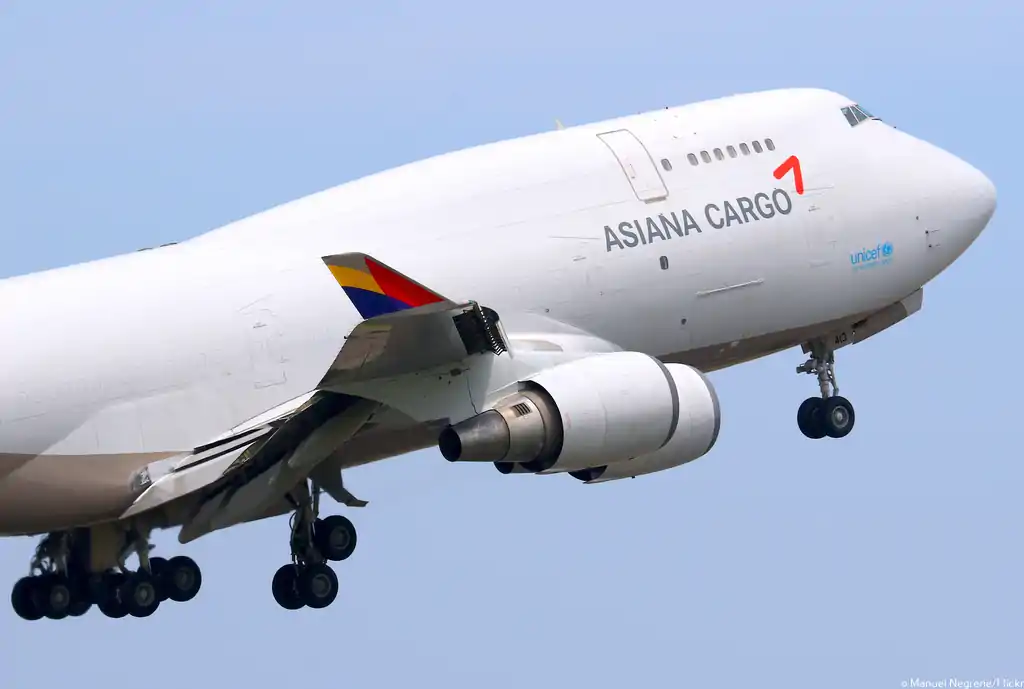
South Korea's aviation industry is abuzz with excitement as four major carriers step up to the plate in a bid for Asiana Airlines' coveted cargo arm. The move comes as Asiana charts its course following a planned merger with Korean Air, under the watchful eye of regulatory authorities. Let's delve into the intricacies of this high-stakes aviation deal.
The Bidding War Begins & Navigating Regulatory Waters
In a flurry of activity, four South Korean carriers—Jeju Air, Air Premia, Air Incheon, and Eastar Jet—have thrown their hats into the ring, submitting non-binding bids for Asiana's cargo business. The bids, managed by UBS Bank, mark a crucial step in the sales process initiated by Asiana Airlines.
The decision to divest the cargo business comes as a condition set by the European Commission for approving Asiana's merger with Korean Air. As part of the deal, Korean Air is set to acquire a 63.9% stake in Asiana, with the latter utilizing the sale proceeds to chip away at its debts.
Private Equity Backing & Diverse Players in the Arena
Behind the scenes, private equity funds are playing a pivotal role in bolstering the bids of the aspiring carriers. VIG Partners, JC Partners, Aekyung Group, and Socius are providing financial backing to Eastar Jet, Air Premia, Jeju Air, and Air Incheon, respectively.
The contenders represent a diverse spectrum of the aviation industry, ranging from low-cost passenger operators to dedicated freight specialists. While Eastar Jet, Air Premia, and Jeju Air cater to the passenger market, Air Incheon stands out as a dedicated freight operator.
Aero K: Waiting in the Wings & Costs and Revenue Streams
While Aero K expressed initial interest, the low-cost carrier opted out of the non-binding bid process. However, reports suggest that Aero K still harbors intentions to make a binding offer in subsequent stages of the bidding.
Acquiring Asiana's cargo business comes with a hefty price tag, estimated at over KRW1.5 trillion (USD1.1 billion), inclusive of assuming Asiana's debts. Nonetheless, the allure lies in the business's robust performance, boasting the second-largest market share in South Korea and generating impressive revenues in 2023.
Antitrust Hurdles Ahead & Conclusion
Despite progress on the merger front, the deal still hinges on approval from US antitrust authorities, underscoring the complexities inherent in such mega-mergers.
As South Korea's aviation landscape undergoes seismic shifts, the battle for Asiana's cargo business underscores the strategic maneuvers and financial stakes at play. With regulatory hurdles to navigate and fierce competition among carriers, the outcome of this high-flying saga promises to shape the future of the industry in the region.
With Inputs from ch-aviation
Read next
Will Aer Lingus Fly the A321XLR? CEO Warns of Uncertainty Amid Pay Dispute
Abhishek Nayar
06 Mar 2024

As the aviation industry eagerly awaits the debut of the Airbus A321XLR, all eyes turn to Aer Lingus, the Dublin-based carrier slated to be the global launch customer. However, recent statements from Luis Gallego, CEO of International Airlines Group (IAG), have cast doubt on whether Aer Lingus will indeed welcome this groundbreaking aircraft into its fleet. A contentious pay dispute between the airline and its pilots threatens to derail plans for the A321XLR's integration. Let's delve deeper into this issue and its potential implications.
Aer Lingus's Role as the A321XLR Launch Customer

Aer Lingus had been positioned as the inaugural operator of the A321XLR, a long-range variant of Airbus's popular A321neo. With its enhanced capabilities, the A321XLR promised to open up new route possibilities and fuel growth opportunities for the airline. However, Gallego's recent remarks indicate a significant hurdle standing in the way of this milestone achievement.
Pay Dispute Threatens Fleet Integration
The heart of the matter lies in a pay increase dispute between Aer Lingus and the Irish Airline Pilots' Association (IALPA). The pilots are seeking a substantial 20% wage raise, a demand that Gallego describes as "extreme." Negotiations have reached an impasse, with the gap between the two parties seemingly insurmountable. Gallego's warning that the A321XLRs will not be placed with Aer Lingus unless a pay agreement is reached underscores the severity of the situation.
IAG's Stance and Future Investment
Gallego's statements not only call into question the immediate fate of the A321XLRs but also hint at broader implications for Aer Lingus within the IAG portfolio. The CEO expresses reluctance to invest further in the Irish carrier amid such discord. This sentiment raises concerns about the airline's future trajectory and its ability to remain competitive in an increasingly challenging market.
Emerald Airlines Agreement Offers Contrast
In contrast to the standoff with Aer Lingus, Emerald Airlines, Aer Lingus's production carrier, has successfully navigated a pay increase negotiation with IALPA. The agreement, which includes a 10% wage raise implemented over several years, stands in stark juxtaposition to the deadlock facing Aer Lingus.
Conclusion
The fate of Aer Lingus's integration of the Airbus A321XLR hangs in the balance as the airline grapples with its pilot pay dispute. Gallego's warning serves as a stark reminder of the challenges facing the aviation industry, particularly in the realm of labor relations. As negotiations continue, the outcome will not only shape Aer Lingus's immediate future but also reverberate throughout the broader landscape of IAG and the global aviation community.
With Inputs from ch-aviation
Read next

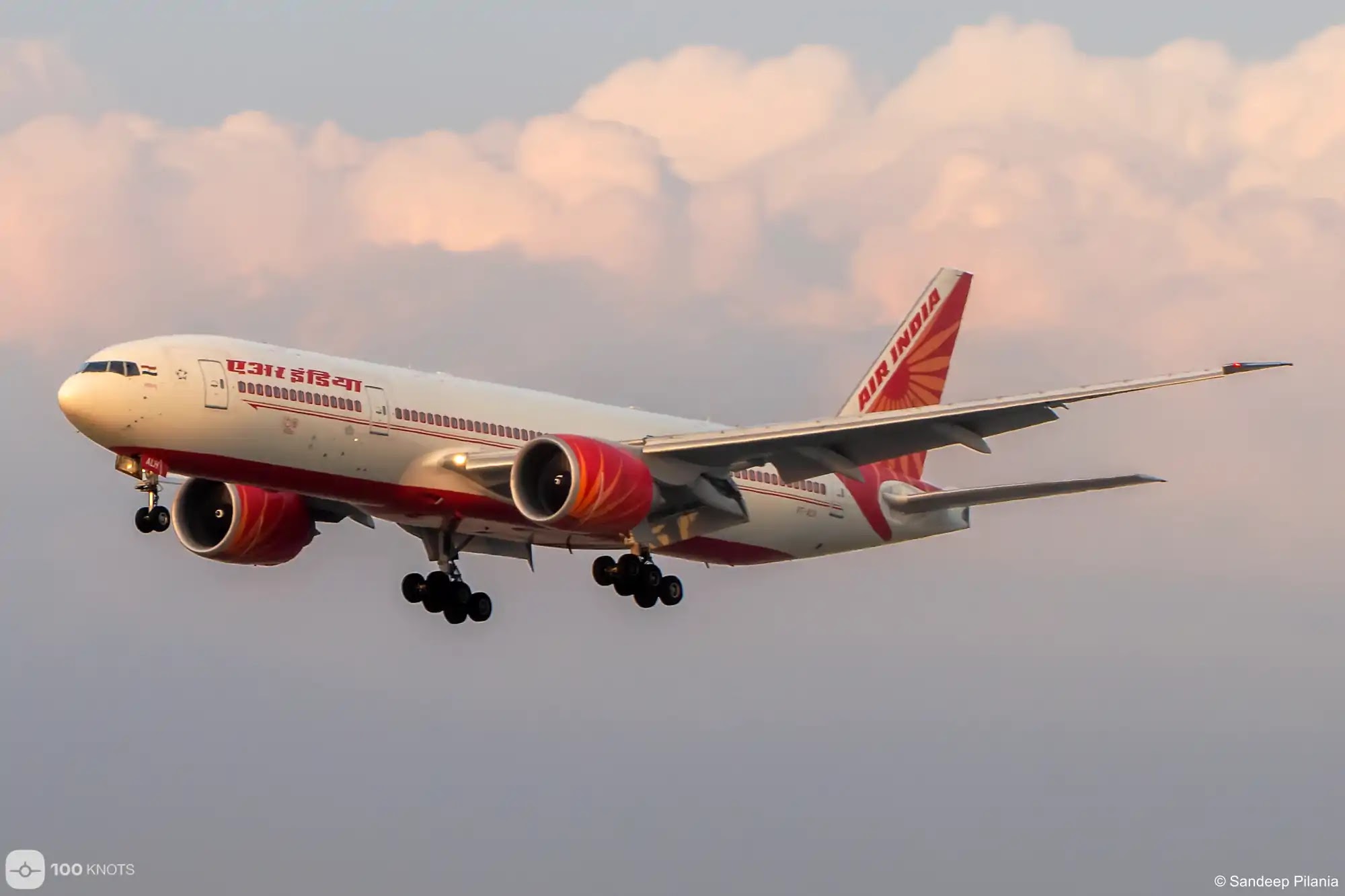
Air India is all set to expand its international lounge network by opening its second international airport lounge after New York, in San Franciso.
The tech hub of San Franciso has a significant amount of Indian population and Air India operates non-stop services to that city.
Air India has already leased space at the airport and work will soon begin on the lounge, a source said.
SFO will be the second-owned lounge for Air India after New York and will be open for passengers early next year.
Air India has also hired Hirsch Bedner Associates [HBA], a globally renowned hospitality interior design firm, to revamp its lounges at the Delhi and JFK airports. HBA, has been known for creating award-winning signature projects for leading global institutions like the Taj group, Marriott, InterContinental, Hilton as well as Singapore Airlines, per Air India.
These lounges will be designed to reflect the rich cultural heritage of India with world-class state-of-the-art amenities embodying the vibrant spirit of the new Air India - a global airline with an Indian heart. In sync with India's rich culinary traditions, the lounges will offer a diverse and delectable selection of Indian and international cuisine wrapped in class and comfort, according to the airline.
Meanwhile, the airline has already extended its lounge coverage to 100% on the international network and covered almost all domestic airports.
Comment