

In a significant move that could reshape its fleet, Emirates has struck a deal with Doric Nimrod Air Two, a Guernsey-based aircraft lessor, to purchase five Airbus A380 aircraft for $40 million each. This transaction, valued at a total of £153.53 million ($200.3 million), is set to finalize by the end of 2024, potentially signaling Emirates’ strategic shift in its A380 operations.
The Deal: A380 Acquisitions at a Bargain Price

According to a filing by Doric Nimrod Air Two on the London Stock Exchange (LSE), Emirates has agreed to acquire the five A380s at the conclusion of their respective lease agreements, scheduled between October 1 and November 30, 2024. These aircraft, with manufacturer serial numbers (MSNs) 105, 106, 107, 109, and 110, have been part of Emirates’ fleet since their delivery between October and November 2012.
The sale price for each aircraft was set at £30.71 million ($40.69 million), reflecting a sharp depreciation from their original value but still a valuable asset for Emirates as it navigates the evolving aviation landscape.
Doric Nimrod Air Two: Preparing for Dissolution
With the completion of this sale, Doric Nimrod Air Two plans to dissolve, distributing the proceeds to its shareholders by Q1 2025. The company, which managed these aircraft through a special purpose vehicle (SPV), had previously sold two other A380s to Emirates at $35 million each. This ongoing divestment indicates the lessor’s winding down operations, leaving Emirates with full ownership of these massive aircraft.

The Status of the A380s: What Lies Ahead?
Of the five A380s being purchased, three—registered as A6-EDX, A6-EDY, and A6-EDZ—are currently either stored or undergoing maintenance. A6-EDX, in particular, has not flown in over three years, while A6-EDY and A6-EDZ have been grounded at Dubai International Airport (DXB) since early August 2024. The possibility that these aircraft are undergoing 12-year checks remains, although details on their maintenance status are unclear.
Doric Nimrod Air Two’s recent report suggested that Emirates might defer certain maintenance checks until these aircraft are ready to be reactivated, allowing the airline to optimize the maintenance intervals once they are back in operation.
Emirates’ Fleet Strategy: A Focus on Ownership
Emirates, known for its expansive fleet, currently owns 138 of its 263 aircraft, with the remainder leased or of unknown status. The airline’s owned fleet includes 63 Airbus A380s, a critical part of its long-haul operations, alongside various Boeing 777 models. The acquisition of these five A380s reinforces Emirates’ commitment to maintaining a robust A380 presence, despite industry speculation about the aircraft’s future viability.
What Does This Mean for Emirates?
This deal could mark a strategic move for Emirates as it consolidates its fleet under direct ownership, possibly preparing for a broader shift in its operations or a refresh of its aging aircraft. With a substantial portion of its fleet already owned, this purchase underscores Emirates’ long-term investment in the A380, even as other airlines phase out the superjumbo.
As the airline industry continues to evolve, particularly in the wake of the pandemic, Emirates’ decision to buy back these A380s could signal a confidence in the aircraft’s continued relevance or a strategic pivot to optimize its fleet for future demands.
Conclusion: Emirates’ Future with the A380
The purchase of these five A380s from Doric Nimrod Air Two is more than just a transaction—it’s a clear statement of intent from Emirates. Whether this move is part of a broader strategy to rejuvenate its fleet or a tactical decision to capitalize on low asset prices, it will be interesting to see how these acquisitions impact Emirates’ operations in the coming years. As Doric Nimrod Air Two prepares to dissolve, Emirates stands poised to continue its dominance in the skies, bolstered by its growing fleet of A380s.

Read next
Is Air India's New Inflight Entertainment Service 'Vista' the Answer to Passenger Complaints?
Abhishek Nayar
23 Aug 2024
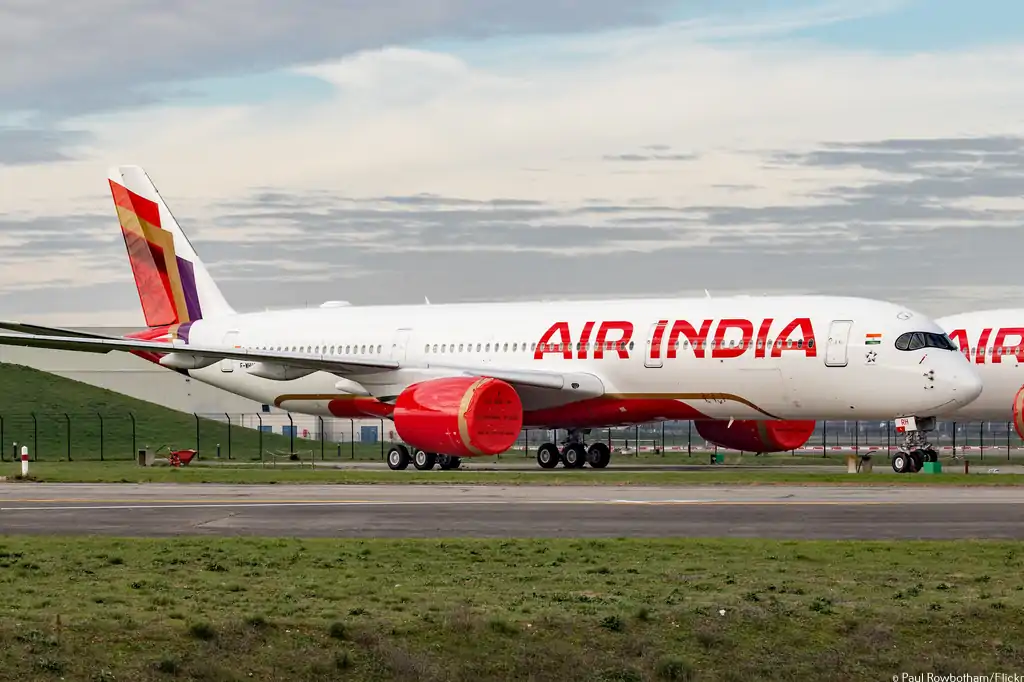
Air India, the Tata Group-owned airline, has taken a significant step to address ongoing passenger complaints regarding non-functional inflight entertainment systems. The airline, which is currently in the process of retrofitting its aging fleet and inducting new planes, has introduced a new wireless inflight entertainment service called 'Vista'. This move aims to provide uninterrupted entertainment for passengers until the retrofit is complete.
What is 'Vista'?
'Vista' is a wireless inflight entertainment system that allows passengers to stream content on their personal electronic devices. This service has been introduced in Air India's existing wide-body fleet and is set to be rolled out across its narrow-body planes as well. However, it's important to note that 'Vista' will not be available on the newly-inducted Boeing 777 and Airbus A350 aircraft, which are equipped with a new inflight entertainment system.
Fleet and Retrofit Plans
Air India currently operates a fleet of 140 aircraft, including both wide-body and narrow-body planes. As part of its modernization efforts, the airline is retrofitting its older fleet to improve passenger experience, and 'Vista' is a temporary solution to address the entertainment needs of passengers during this transition period.
Features of 'Vista'
One of the key features of 'Vista' is that it allows passengers to stream a wide variety of content directly to their personal devices, ensuring that they have access to entertainment throughout their flight. Additionally, the service includes a live map display, allowing passengers to track their flight in real-time.
The Bigger Picture: Enhancing the Passenger Experience
The introduction of 'Vista' is part of Air India's broader strategy to enhance the passenger experience. With complaints about glitches and non-functional inflight entertainment systems being a common issue, 'Vista' is seen as a stopgap solution to maintain customer satisfaction while the airline works on upgrading its fleet.
Conclusion: A Step in the Right Direction?
Air India's launch of the 'Vista' inflight entertainment service represents a proactive approach to improving the passenger experience amid ongoing fleet upgrades. While the service is a temporary measure, it demonstrates the airline's commitment to addressing customer concerns and enhancing its overall service offering. As the retrofit progresses, it will be interesting to see how 'Vista' is received by passengers and whether it successfully bridges the gap until the new systems are fully operational.
Read next
Is IndiGo Facing a Tax Turbulence? Understanding the Rs. 350,299 Penalty Dispute
Abhishek Nayar
23 Aug 2024
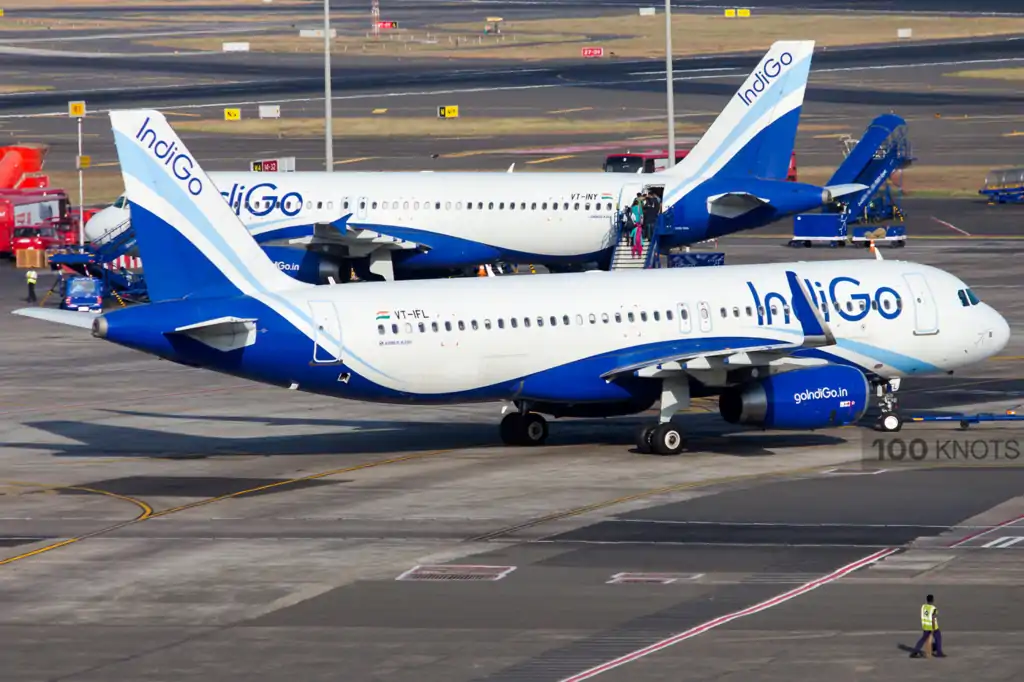
In a recent development, India’s largest airline, IndiGo, has found itself entangled in a legal battle over input tax credits (ITC) related to Goods and Services Tax (GST). The airline is contesting two separate penalties imposed by tax authorities in Odisha and Kerala, amounting to a total of Rs. 350,299.
Odisha: Penalty of Rs. 177,046 for FY 2017-18
The first penalty, imposed by the tax authorities in Odisha, amounts to Rs. 177,046. The case revolves around the input tax credit claimed by IndiGo for the financial year 2017-18. According to a regulatory filing by InterGlobe Aviation, the parent company of IndiGo, the appellate authority has rejected the airline's appeal, thereby upholding the demand.
"The appellate authority has rejected the appeal filed by the company and upheld the demand on account of availment of input tax credit for FY 2017-18," the filing stated. However, IndiGo is not backing down and has confirmed that it will contest this order before the appellate tribunal.
Kerala: Rs. 173,253 Penalty and the Battle Ahead
In Kerala, the airline is facing a similar predicament with a penalty of Rs. 173,253. The issue here also pertains to the denial of input tax credit, with the tax officer raising a demand against the company. According to the filing, IndiGo is preparing to challenge this order before the appropriate appellate authority.
"The tax officer has denied input tax credit availed and has raised a demand on the company," the filing noted. IndiGo remains firm in its decision to contest the order and is in the process of taking the necessary legal steps.
The Road Ahead for IndiGo
As IndiGo gears up to contest these penalties, the cases highlight the complexities surrounding GST compliance for large corporations. The outcome of these legal battles will not only have financial implications for the airline but may also set a precedent for similar cases in the industry.
For now, all eyes are on the appellate tribunal and the upcoming legal proceedings. Will IndiGo be able to overturn the penalties, or will this be a costly tax turbulence for the airline giant?
Read next
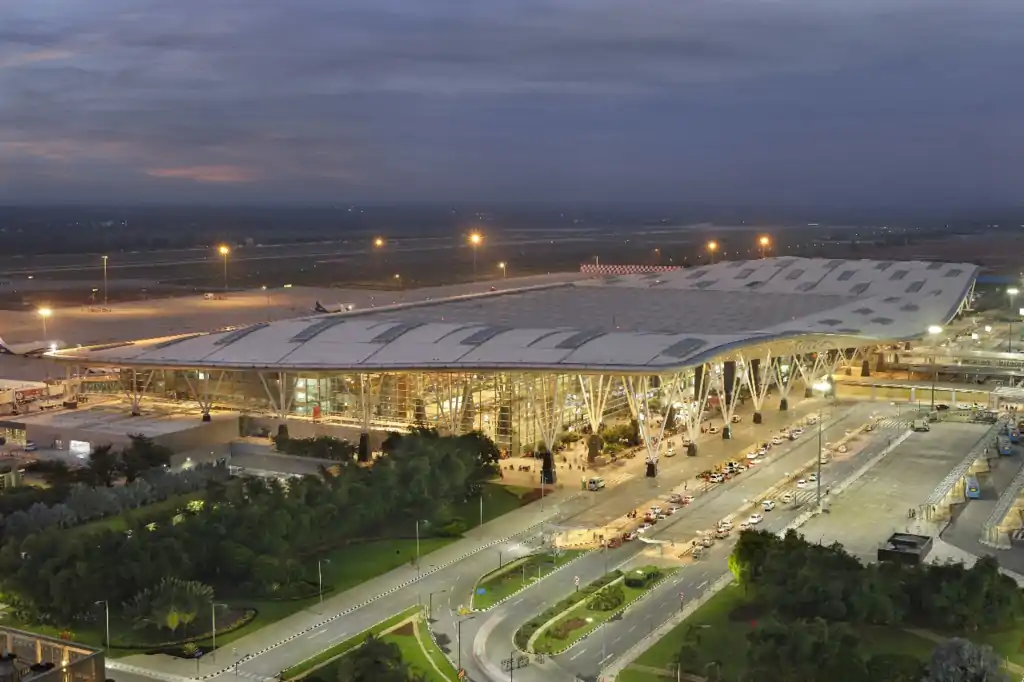
Bangalore International Airport Ltd, the operator of Kempegowda International Airport Bengaluru (BLR Airport), has announced a significant expansion in Japan Airlines (JAL) Group’s flight services. In response to rising demand, JAL will increase its operations on the Tokyo-Bengaluru route from the current three flights per week to five, starting the last week of October.
Strengthening Bengaluru’s Connectivity
This development marks a strategic move that positions Bengaluru as the premier gateway to South and Central India. With JAL being the sole airline offering a direct connection between South India and Japan, this expansion not only boosts connectivity but also simplifies travel for passengers from Bengaluru and its surrounding regions.
Exclusive Link Between South India and Japan
Kempegowda International Airport is currently the only airport in South India offering a direct link to Japan, underlining its growing importance as a hub for international travel. JAL operates a Boeing B787-8 aircraft on this route, featuring a two-class configuration with a seating capacity of 186 passengers.

Growing Passenger Demand
Since Japan Airlines commenced its operations at BLR Airport on 12th April 2020, the passenger traffic between Bengaluru and Japan has witnessed substantial growth. In 2022, 23,532 passengers traveled between the two regions, and in 2023, this number skyrocketed by 167.55% to 62,959 passengers. This surge is largely driven by increasing tourism and business activities between South India and Japan.
A Strategic Move for Regional Growth
Satyaki Raghunath, Chief Operating Officer of Bangalore International Airport Ltd, expressed his enthusiasm for this development: “We are delighted that JAL Group has chosen to expand its operations at BLR Airport, further solidifying our airport's reputation as South and Central India’s leading international gateway. This strategic decision not only enhances passenger convenience and boosts regional economic growth but also strengthens our commitment to connecting Bengaluru to major global centers of commerce and tourism. As we continue to expand our operations, we remain dedicated to delivering exceptional travel experiences and setting new benchmarks in connectivity.”
Conclusion
With Japan Airlines expanding its services, Bengaluru is poised to further strengthen its position as a crucial hub connecting South India to Japan. This move is expected to not only enhance travel convenience but also contribute to the economic growth of the region, making Bengaluru a key player in global connectivity.
Read next
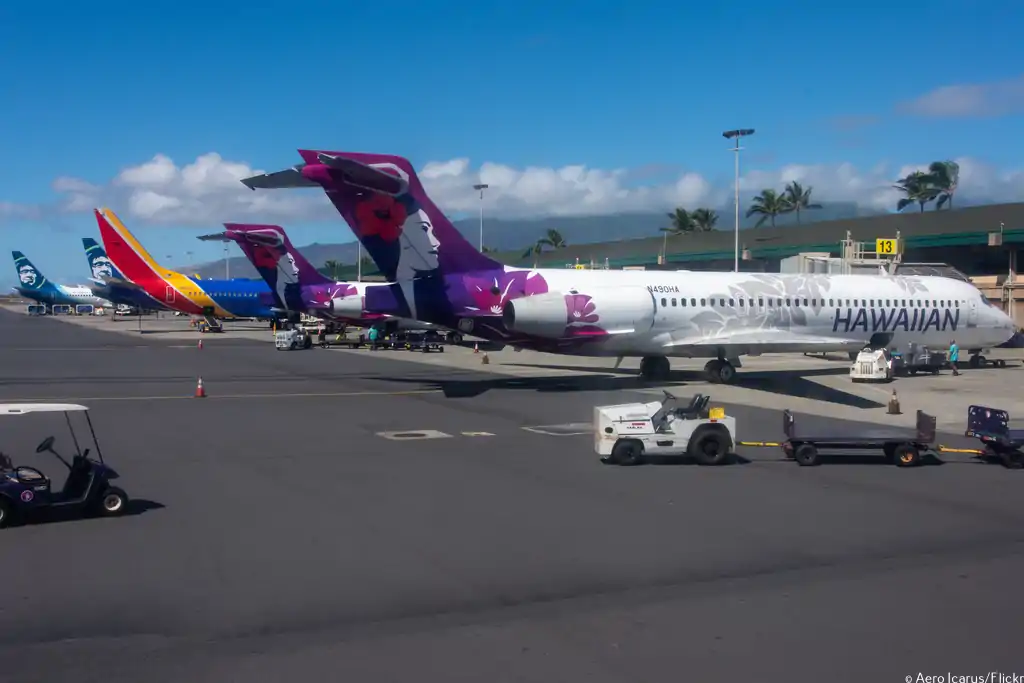
In a significant development in the U.S. aviation industry, Alaska Airlines proposed $1.9 billion acquisition of Hawaiian Airlines has successfully passed a crucial review by the U.S. Department of Justice (DOJ). This clearance marks an essential step forward in the merger process, but the final decision rests with the U.S. Department of Transportation (DOT), which is now scrutinizing the deal to determine if it aligns with the public interest.
Regulatory Hurdles: The DOJ’s Green Light
The DOJ’s clearance of the merger is a notable achievement for Alaska Airlines, the fifth-largest domestic carrier in the United States. Announced in December, the acquisition faced rigorous scrutiny, reflecting the broader regulatory landscape where mergers and acquisitions are increasingly under the microscope. The DOJ’s decision comes after Alaska Airlines agreed to extend the review period last week, a move that underscores the complexities involved in merging two major airlines.
Market Reactions: Stocks Soar Amid Optimism
Following the DOJ’s approval, Hawaiian Airlines’ shares surged by 11.5% in premarket trading on Tuesday, signaling investor confidence in the deal's potential. Alaska Airlines also saw a modest increase of 0.5% in its stock price, reflecting the market’s cautious optimism. Alaska Airlines hailed the DOJ's decision as a "significant milestone" in the journey to merge the two airlines.
The DOT’s Role: Ensuring Public Interest
Despite the positive momentum, the DOT's approval is still pending. The department has emphasized that it will only approve the transfer of certificates if it is deemed to be in the public interest. This review process will consider various factors, including the potential impact on consumers, competition, and service availability.
Hawaii's Governor Josh Green expressed his support for the merger, highlighting the benefits for Hawaiian residents, particularly the expansion of destinations accessible from the islands. However, the DOT's decision will be the ultimate determinant of whether these promises can be realized.
Legal Battles: Overcoming Opposition
The path to this point has not been without challenges. Just last week, a U.S. judge dismissed a lawsuit aimed at blocking the merger, which consumer groups argued would reduce competition and lead to higher prices and fewer routes. This legal victory for Alaska Airlines contrasts sharply with the hurdles faced by other airlines attempting similar deals. Earlier this year, JetBlue Airways' $3.8 billion bid to acquire Spirit Airlines was blocked by a federal judge, and the DOJ successfully dismantled JetBlue's Northeast partnership with American Airlines on antitrust grounds.
Conclusion: The Road Ahead
As the aviation industry watches closely, the fate of the Alaska-Hawaiian merger now lies with the DOT. If approved, the deal could reshape air travel to and from Hawaii, providing more options for travelers and potentially setting a precedent for future airline mergers. However, with regulatory scrutiny at an all-time high, the outcome remains uncertain. Will this merger ultimately take flight, or will it be grounded by concerns over competition and consumer impact? Only time will tell.
With Inputs from Reuters
Read next
Could Your Seat Cause a Mid-Air Dive? FAA Orders Urgent Inspections of Boeing 787 Dreamliners
Abhishek Nayar
22 Aug 2024

In March 2024, a routine LATAM flight suddenly plunged into a terrifying mid-air dive, leaving more than 50 passengers injured. The U.S. Federal Aviation Administration (FAA) has since launched a thorough investigation, revealing an alarming cause behind this near-catastrophic event. The uncommanded movement of the captain's seat led to the disengagement of the autopilot, sparking a rapid descent. This incident has prompted the FAA to issue a critical airworthiness directive for Boeing 787 Dreamliners.
FAA’s Directive: Ensuring Passenger Safety
The FAA's directive impacts a significant number of aircraft, specifically 158 U.S.-registered airplanes and 737 airplanes worldwide, encompassing the Boeing 787-8, 787-9, and 787-10 models. Airlines are now required to inspect the captain’s and first officer’s seats within 30 days to check for missing or cracked rocker switch caps or cracked switch cover assemblies. This move comes after the FAA received five reports of similar issues, with two cases still under investigation.
Potential Risks: A Seat Malfunction Could Lead to Disaster
The FAA's concern is not without merit. Uncommanded horizontal movement of an occupied seat could result in the autopilot disengaging, potentially causing a rapid descent of the aircraft. Such a scenario presents a severe risk, not only to the passengers but also to the crew. The LATAM incident highlighted this danger, and the FAA is now taking no chances in preventing a recurrence.
Boeing’s Response: Addressing the Safety Concerns
Boeing has acknowledged the FAA's directive and is cooperating fully to ensure the safety of its aircraft. The company has advised airlines to conduct the necessary inspections and perform any required corrective actions without delay. Boeing's swift response is aimed at maintaining passenger confidence in the 787 Dreamliner, one of its most popular long-haul aircraft.
Global Impact: What This Means for Airlines and Passengers
This directive has a global reach, affecting airlines worldwide that operate the 787 Dreamliner. For passengers, this may lead to flight delays or cancellations as airlines rush to comply with the FAA's requirements. However, these inspections are crucial to ensuring that every flight is safe and that incidents like the one involving LATAM do not occur again.
Conclusion: A Critical Step Towards Enhanced Safety
The FAA's order for immediate inspections of Boeing 787 Dreamliners underscores the importance of rigorous safety standards in aviation. As the industry grapples with this new directive, the priority remains clear: ensuring the safety and security of every passenger and crew member on board. The skies may be safer, but the recent events serve as a stark reminder of the constant vigilance required to keep them that way.
With Inputs from Reuters
Comment