

Once one of India's most sought-after budget airlines, SpiceJet is now caught in a storm of financial and operational struggles. The airline is grappling with challenges from its employees, creditors, and regulatory bodies. A combination of factors, such as the COVID-19 pandemic, rising fuel prices, and the global grounding of Boeing 737 Max aircraft, has led to the Gurgaon-based airline's steep decline. The question is: Can SpiceJet weather this storm, or is it heading for a crash landing?
The Impact of COVID-19 and Rising Fuel Prices
The pandemic hit the aviation industry hard, and SpiceJet was no exception. The airline saw a complete halt in passenger traffic in 2020, and while restrictions eased, travel remained limited until 2022. This significant reduction in passenger numbers caused a cash crunch, making it impossible for SpiceJet to meet lease payments, resulting in the grounding of many of its aircraft.
Fuel prices added more fuel to the fire. Brent crude oil surged to nearly $120 per barrel, while aviation turbine fuel (ATF) prices hit an all-time high of $175 per barrel in June 2022. These escalating costs put immense pressure on SpiceJet's already fragile finances.
Financial Woes: Outstanding Liabilities and Reduced Fleet
In a recent investor presentation, SpiceJet revealed its current liabilities are at an alarming Rs.3,700 crore. This includes outstanding payments to lessors, engineering firms, and suppliers. Additionally, the airline has Rs.650 crore in statutory dues. The financial strain has grounded over half of its operational fleet, reducing it from 74 aircraft in 2019 to just 28 in 2024. The remaining 36 planes have been grounded due to non-payment of dues and fund shortages.
DGCA’s Enhanced Surveillance and Delayed Salaries

The Directorate General of Civil Aviation (DGCA) placed SpiceJet under enhanced surveillance following an audit that highlighted "certain deficiencies" in the airline’s operations. As if regulatory scrutiny wasn’t enough, the airline has also faced backlash from its employees over delayed salaries. In August 2024, SpiceJet delayed the disbursement of June salaries for a section of its workforce, citing pressing operational financial commitments. This was not the first time salaries were delayed; the airline had adopted a phased payment approach post-COVID, leading to growing frustration among its employees.
Financial Performance: Declining Revenue and Profit
SpiceJet’s financial performance reflects the depth of its challenges. In the first quarter ending June 2024, the airline reported a 20% decline in its consolidated net profit, with Rs.158 crore compared to Rs.198 crore in the same period last year. Revenue from operations also fell by 15%, dropping to Rs.1,708 crore from Rs.2,003 crore year-on-year (YoY).
Hope on the Horizon?
Despite the grim outlook, SpiceJet is holding out hope for a turnaround. The airline has plans to unground its aircraft, expand its fleet, and explore new revenue streams by venturing into long-haul operations to Europe and North America. It is also eyeing regional destinations with exclusive access, a move that could boost operations. Discussions about introducing wide-body operations for Asia-Europe connectivity are also underway.
The Roadblocks to Recovery: Fundraising and Debt
While the airline has optimistic plans for growth, its pressing financial needs cannot be ignored. SpiceJet is in dire need of capital to sustain operations and has been attempting to raise funds. However, multiple fundraising efforts have yet to bear fruit, and the airline has defaulted on payments to vendors, including aircraft lessors. Some of these lessors have filed legal petitions seeking to declare the airline bankrupt, further complicating SpiceJet’s path to recovery.
Conclusion: Can SpiceJet Fly High Again?
SpiceJet is navigating a difficult period, with significant financial and operational challenges threatening its future. While the airline has outlined growth opportunities and expansion plans, the road to recovery is paved with obstacles. The airline needs urgent financial injections and restructuring to avoid further decline. Only time will tell if SpiceJet can soar back to its former glory or if it will crash under the weight of its mounting liabilities.

Read next

As part of India’s ambitious vision for advanced air mobility, the Directorate General of Civil Aviation (DGCA) has rolled out detailed guidelines for the development and operation of vertiports — facilities designed for vertical take-off and landing (VTOL) aircraft, including the much-anticipated electric Vertical Take Off and Landing (eVTOL) vehicles. These new guidelines, issued after extensive stakeholder consultations, are set to revolutionize urban air mobility by laying the groundwork for the infrastructure required to support this futuristic mode of transportation.
The Future of Air Travel: What are Vertiports?
Vertiports are specially designed terminals that support aircraft capable of taking off and landing vertically, like helicopters and eVTOL aircraft. Unlike traditional airports, vertiports cater specifically to urban environments where space is limited but demand for fast and efficient transportation is rising.
In line with global advancements in air mobility, India is gearing up to embrace eVTOLs as a solution to traffic congestion, pollution, and urban mobility challenges. With the government actively pushing for eVTOLs, vertiports will serve as key enablers of this transformation, ensuring that infrastructure keeps pace with technological advancements.
DGCA’s Guidelines: A Blueprint for the Future
The guidelines issued by DGCA provide a comprehensive framework for the development, operation, and regulation of vertiports. These include detailed specifications for the essential infrastructure needed, ensuring that vertiports are equipped to handle vertical take-off and landing aircraft efficiently and safely.
Key Highlights of the Guidelines:
Visual Aids and Landing Assistance
To ensure safe and precise landings, DGCA's guidelines set standards for the installation of visual aids. These include lights, markings, and other navigational tools that will assist pilots in executing vertical landings and take-offs with minimal risk.
Battery Charging and Sustainability
eVTOL aircraft are battery-powered, making charging infrastructure an essential component of vertiport design. DGCA emphasizes the need for state-of-the-art battery charging facilities that can support quick turnarounds and ensure the operational readiness of eVTOL fleets.
Emergency Preparedness
Safety is a paramount concern in any aviation operation. The guidelines incorporate emergency procedures, covering contingencies such as equipment failure, bad weather, or other unforeseen incidents. Operators will be required to implement robust safety protocols and have contingency plans in place.
Site Clearance and Authorization
For vertiport developers, the guidelines lay out a clear process for obtaining site clearance. After construction, vertiports will undergo an inspection to ensure they meet DGCA's operational standards before receiving authorization for commercial use.
Why These Guidelines Matter for India’s Aviation Future
India's urban landscapes are rapidly expanding, and traditional modes of transportation are often overwhelmed by the sheer volume of passengers and vehicles. eVTOLs promise a more efficient, eco-friendly alternative, enabling point-to-point travel within congested cities. DGCA’s vertiport guidelines are a crucial step in laying the foundation for this new era of air mobility.
The deployment of vertiports will not only make urban air travel more accessible but also create new opportunities for businesses, pilots, and engineers. The integration of eVTOLs into India's transportation system could drastically reduce travel times, particularly in metropolitan regions, and provide a cleaner, quieter alternative to helicopters.
What Lies Ahead?
With the issuance of these guidelines, India is now on the path to becoming a leader in advanced air mobility solutions. The next few years will likely see the construction of vertiports in key urban areas, followed by the commercial deployment of eVTOL aircraft.
While many challenges remain—such as public acceptance, regulatory hurdles, and infrastructure development—the DGCA's proactive approach signals a strong commitment to making this vision a reality.
Conclusion: A New Horizon for Aviation
As the skies over India's cities begin to fill with eVTOLs, vertiports will play an integral role in this air mobility revolution. DGCA’s guidelines provide the much-needed structure to ensure that these futuristic aircraft operate efficiently, safely, and sustainably. With proper implementation, vertiports could soon become as commonplace as airports, transforming how we think about urban travel.
The future of aviation in India is bright, and it’s taking off vertically.
Read next
Are Smaller Airports Ready to Handle India's Skyrocketing Air Travel Demand?

Jaideep Mirchandani
09 Sep 2024

As India's aviation sector prepares for an exponential surge in passenger traffic, a pressing question emerges: Are the smaller airports in Tier-II and Tier-III cities equipped to meet the growing demand? With air travel becoming more accessible to the masses and the middle class expanding rapidly, experts and industry leaders alike are emphasizing the need for substantial infrastructure development at regional airports.
India’s Air Traffic Boom: What the Numbers Say
According to the Civil Aviation Ministry, domestic air passenger traffic in India is expected to double by 2030, reaching an estimated 300 million passengers. The trend is already visible in the data. In the first half of 2024, domestic airlines carried 7.93 crore passengers, reflecting a 4.28% growth compared to the same period in 2023. Monthly growth stands at 5.76%, underscoring the need for more flight services and efficient airport management.
AAI’s Bold Vision for 2047: Doubling the Airports
Recognizing this unprecedented growth, the Airports Authority of India (AAI) recently unveiled a draft plan to double the number of airports by 2047, aiming to establish 300 operational airports across the country. Presently, India has 148 operational airports, but the plan goes beyond simply adding new ones. It includes upgrading 70 existing airstrips into fully operational airports, ensuring that even the smaller cities are well-connected to the broader aviation network.
The Rise of Regional Aviation Hubs
Jaideep Mirchandani, Chairman of Sky One, a UAE-based aviation major, underscores the need for new regional aviation hubs to manage the rising pressure on smaller airports. He notes that while major airports in metropolitan cities are nearing saturation, the development of regional hubs in Tier-II and Tier-III cities can help distribute air traffic more evenly.
“Regional airports can serve as connectors between smaller cities and major international airports. This will not only make air travel more accessible but will also reduce the burden on existing hubs, which are reaching their capacity limits,” says Mr. Mirchandani.
Infrastructure Challenges: What Smaller Airports Need
The rapid growth in air traffic has placed smaller airports under increasing pressure. Many Tier-II and Tier-III airports are not equipped to handle the expected surge in passengers and flights. They require significant infrastructure upgrades, including expanded runways, modern terminal facilities, and enhanced baggage handling systems to keep up with future demands.
While building new airport infrastructure is one solution, experts like Mr. Mirchandani suggest that enhancing the efficiency of current facilities could also help bridge the gap.
Modernizing Airports: The Technological Path to Capacity Expansion
One promising avenue to maximize existing airport capacity is through the modernization of air traffic management systems. Advanced technologies such as improved radar systems and satellite-based navigation can increase the number of flights an airport can handle, without the need for physical expansion. Optimizing runway usage and operational efficiency can similarly boost the capacity of smaller airports.
“By investing in modern air traffic management and operational improvements, smaller airports can manage more flights and passengers without necessarily expanding their physical footprint,” says Mr. Mirchandani. “This is crucial, as acquiring land for airport expansion is often a major hurdle.”

Strategic Airport Expansion: The Need for Flexibility
For new airports or terminal projects, experts emphasize the importance of designing with future expansion in mind. Flexibility in airport design will allow facilities to grow alongside passenger demand, avoiding the need for constant redesigns or major overhauls as traffic increases.
Additionally, there is a strong push for environmental sustainability in the design of new airports, given the increasing focus on reducing the carbon footprint of the aviation sector. Future airports are likely to incorporate green technologies, such as solar energy and efficient waste management systems.
India’s Path to Affordable and Accessible Air Travel
The AAI’s draft plan aligns with the goal of making air travel more affordable and accessible, particularly in smaller cities. By increasing the number of airports and flights serving Tier-II and Tier-III cities, air travel can become a viable option for a broader section of the population. This will not only boost tourism but also promote economic growth in these regions.
However, as Mr. Mirchandani notes, achieving this ambitious plan will require coordinated efforts between the government, private sector stakeholders, and the communities around the proposed airport sites. The success of this initiative hinges on collaboration and substantial investment in infrastructure, workforce training, and technology.
The Road Ahead: A Balanced Approach
India’s aviation sector stands at a crucial juncture, where the opportunity to create a well-distributed network of airports can redefine the country’s connectivity. While smaller airports in Tier-II and Tier-III cities hold the key to easing the burden on saturated metro hubs, their readiness for the future depends on how swiftly and efficiently investments in infrastructure and technology are made.
In the end, the expansion of India’s airport network isn’t just about meeting passenger demand—it’s about making air travel more inclusive, sustainable, and future-ready.
Read next
Engine Fire Sparks Urgent Inspections on Airbus A350-1000 Jets: How Safe Is Air Travel?
Abhishek Nayar
07 Sep 2024
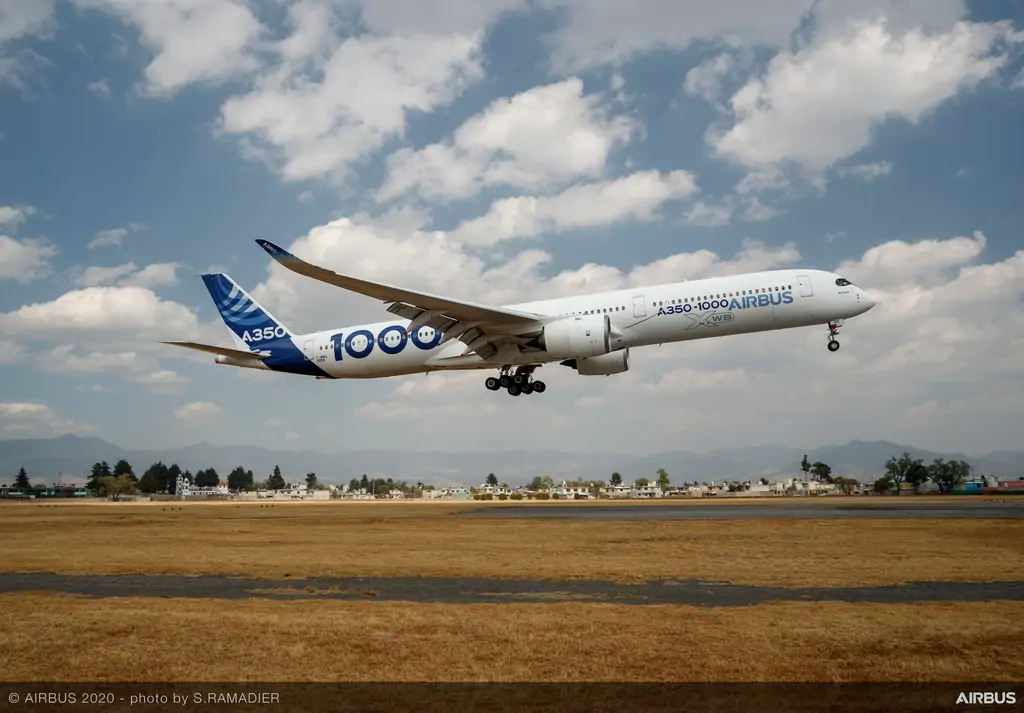
In an unfolding development that has captured the aviation industry's attention, the European Union Aviation Safety Agency (EASA) issued an emergency directive on Thursday, mandating inspections on the engines of Airbus A350-1000 jets. This action follows a serious incident involving a Cathay Pacific flight, during which an engine fire broke out due to a fuel leak.
A Swift Response to a Serious Incident
The EASA, after consulting with authorities and accident investigators from Hong Kong, as well as aircraft manufacturer Airbus and engine supplier Rolls-Royce, announced the precautionary measure. The agency's decision stems from initial findings into the Cathay Pacific incident, which forced a Zurich-bound flight to return to Hong Kong.
Cathay Pacific's investigation revealed that a hose failure in the fuel system sparked a fire, prompting immediate action by the crew. Though quickly extinguished, the fire's potential severity underlined the need for urgent intervention. As Florian Guillermet, EASA’s Executive Director, noted, this move is vital to prevent similar incidents.
What Exactly Happened?
The incident, classified as a "serious" one by aviation standards, suggests a high probability of an accident. Investigations have shown that a fuel hose, connecting the manifold and fuel injection nozzle, was pierced, resulting in a fuel leak that ignited. The fire caused notable heat damage to the engine housing and thrust ducts.
In response, EASA warned that, if left unchecked, this issue could cause further engine fires or severe damage, especially if coupled with other malfunctions. Rolls-Royce and Airbus have committed to working with regulators to ensure compliance with the new directive.
Impact on Airlines and the Aviation Industry
The EASA's directive affects the larger Airbus A350-1000 jets, which account for 15% of the total A350 fleet. Interestingly, the smaller and widely flown A350-900 model remains unaffected by this inspection order. The directive applies to 86 planes globally, except those already inspected by Cathay Pacific.
Airlines operating A350-1000s are required to complete visual inspections on the fuel hoses within three to thirty days. The checks, while essential, are seen as relatively straightforward tasks that do not require the removal of parts unless damage is detected. However, the move has overruled manufacturers’ initial stance of avoiding fleet-wide inspections, a decision influenced by the gravity of the situation.
Rolls-Royce’s Role and Concerns Over Short-Term Disruption

Rolls-Royce, the engine supplier for Airbus, has faced scrutiny following this incident. The company's XWB-97 engines, fitted on the A350-1000, have been central to the investigation. Rolls-Royce is working with airlines to minimize the short-term impact of these inspections, while also apologizing for any inconvenience caused.
The EASA’s decision to partially override manufacturer recommendations and enforce safety checks on the fleet marks a significant moment. This incident has become the first public test of EASA Executive Director Florian Guillermet, whose approach to safety oversight comes in the wake of the Boeing safety crisis.
Balancing Technical Challenges and Public Trust
The technical complexity of modern aircraft and engines means that manufacturers like Rolls-Royce and Airbus play a key role in preparing regulatory guidelines. However, recent history has shown that public trust in air safety can be fragile, and regulators are under growing pressure to act independently.
Airlines, while supportive of the inspections, have expressed concerns about communication from both Airbus and Rolls-Royce. The uncertainty has led to questions from passengers, prompting the manufacturers to address concerns through internal briefings with carriers.
What’s Next for the Airbus A350-1000?
As the investigation continues, there are high stakes for both Rolls-Royce and Airbus. The EASA has given airlines clear guidelines for inspections, but much rests on the findings of further probes into the incident. Airlines will be eager for clarity on part availability and repair timelines, as disruptions to their operations remain a key concern.
For passengers, while safety remains a top priority, the question looms: just how safe is air travel when a "serious incident" like this can occur? The outcome of this investigation, and the steps taken to prevent future occurrences, will be crucial in maintaining public confidence.
Conclusion: A Lesson in Vigilance
The Cathay Pacific engine fire serves as a stark reminder of the intricate safety checks that govern modern air travel. With regulators, airlines, and manufacturers working together to resolve this issue, the industry’s attention is firmly focused on ensuring that the skies remain safe for passengers worldwide. As the investigation unfolds, further revelations may reshape the future of aviation safety practices.
In an industry where safety is non-negotiable, swift action and clear communication will be key to restoring confidence in the Airbus A350-1000 and its engines.
With Inputs from Reuters
Read next

In a bold move aimed at transforming the future of Pakistan International Airlines (PIA), the Pakistani government is set to sell a 75% stake in the national carrier. This strategic sale, which mandates an investment of at least USD 500 million over the next three years, has stirred up excitement and competition among several major players in the aviation and corporate world. The announcement, made on August 29, 2024, in a briefing to the Senate Standing Committee on Privatization, marks a critical turning point in PIA's ongoing struggle for profitability and operational sustainability.
A New Era for PIA: Government Sets the Stage
The sale of a majority stake in PIA comes as part of Pakistan's broader initiative to privatize several state-owned entities. This ambitious move aims to revitalize struggling assets, boost the economy, and ease the financial burden on the government. Usman Akhtar Bajwa, Secretary of the Privatization Committee, confirmed that no more time extensions would be granted, with the final bidder and sale documents expected to be announced in October 2024.
PIA, burdened by years of financial mismanagement and heavy losses, is now on the cusp of a significant transformation. The buyer of this 75% stake will assume responsibility for PKR 220 billion (USD 789 million) in liabilities while also committing to an initial injection of PKR 80 billion (USD 287 million) in the first 12 months. This immediate capital boost represents more than half of the total investment required over the next three years.
The Contenders: Who’s in the Race?
Earlier in 2024, the government initiated a pre-qualification process for interested buyers, attracting notable aviation and business players. Six parties emerged as the front-runners after clearing the government’s rigorous screening process:
- Fly Jinnah
- AirBlue
- Arif Habib Corporation Limited
- Three consortia led by YB Holdings (Private) Limited, Pak Ethanol, and Blue World City.
Each of these contenders brings its own strategic advantages, making the competition to acquire PIA fierce.
The YB Holdings Consortium: A Strong Contender
The YB Holdings-led consortium stands out with key partners like AirSial, Serene Air, and Liberty Daharki Power Limited, adding substantial weight to their bid. With a combination of regional airlines and energy sector expertise, the consortium is positioned to leverage its resources for PIA’s revival.

Pak Ethanol Consortium: International Expertise
The Pak Ethanol consortium includes a diverse mix of international companies such as AsiaPak Investments Limited (Hong Kong), Swiss Aviation Group (Switzerland), Airport Competence (Austria), Pearl Asset Management (Australia), and Capital A Consultancy (Malaysia). This global alliance of aviation experts and asset managers could provide the international experience and innovation needed to restructure and rebuild PIA.
The Financial Rescue Plan: What’s at Stake?
While the Pakistani government has already offloaded PKR 623 billion (USD 2.23 billion) in liabilities from PIA's books to a separate company, the buyer will still inherit a considerable amount of debt. The new owner will need to restructure PKR 220 billion in liabilities while driving profitability.
Key financial expectations include:
- An initial investment of PKR 80 billion (USD 287 million) in the first year.
- A total investment of USD 500 million over three years to recapitalize and modernize the carrier.
- A strategic plan for operational efficiency, which will likely include fleet upgrades, route optimization, and improved service standards.
What Lies Ahead: The Road to October 2024
With the October 2024 deadline fast approaching, all eyes are on the outcome of this high-stakes privatization effort. The successful bidder will not only have to stabilize PIA’s financial health but also steer the airline into a competitive position in the global aviation market. As Pakistan looks to turn its national carrier into a success story, the race to secure the majority stake has captured attention both domestically and internationally.
Conclusion: The Future of PIA Hangs in the Balance
The upcoming sale of PIA's majority stake marks a pivotal moment for Pakistan’s aviation sector. With several influential players in the race and the government’s firm commitment to closing the deal, the revitalization of PIA may soon become a reality. However, success hinges on the strategic vision and financial muscle of the winning bidder. Will PIA rise from the ashes and reclaim its place among leading global airlines? The world will be watching as the October 2024 decision looms closer.
With Inputs from ch-aviation
Read next
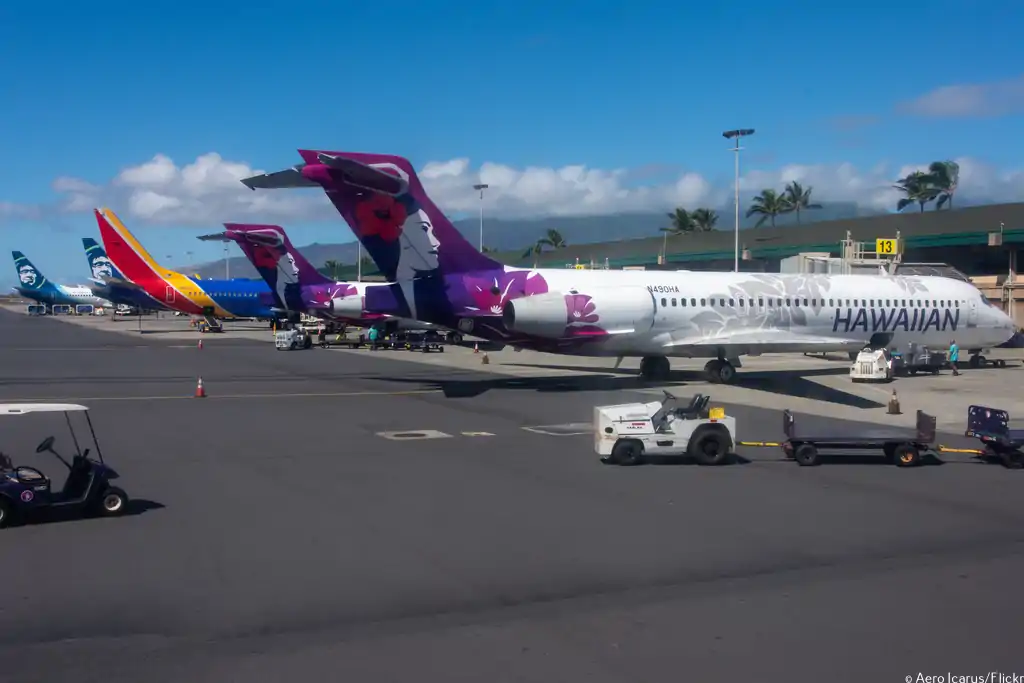
In a significant development for the airline industry, Alaska Airlines and Hawaiian Airlines recently celebrated what seemed like a major milestone in their merger journey. Just over two weeks ago, the US Department of Justice (DoJ) completed its regulatory investigation into the merger without calling for further scrutiny. However, the spotlight now shifts to the Department of Transportation (DOT), which holds the final say on whether this $1.9 billion merger will take flight.
DOJ Investigation: A Major Milestone for Alaska and Hawaiian Airlines
The completion of the DOJ’s investigation marked a key victory for Alaska Airlines and Hawaiian Airlines. The DOJ’s role in merger cases is to prevent any deal that could reduce competition or create a monopoly, and passing this stage without objections brought a sense of relief for both airlines. This milestone brought them one step closer to becoming the fifth-largest US airline, trailing only American, Delta, Southwest, and United Airlines.
DOT Review: The Final Hurdle
While the DOJ investigation may be over, Alaska Airlines and Hawaiian Airlines now face scrutiny from the DOT. This department’s primary focus is to assess whether the merger would benefit or harm public interest, particularly regarding international routes. In their merger, the two airlines have applied for a transfer of international route authorities, requiring the DOT’s approval. A spokesperson from the DOT stated:
"Alaska Airlines and Hawaiian Airlines have filed a transfer application to combine under one certificate and cannot combine their operating authorities without the US Department of Transportation's approval. The Department is reviewing the application and can only approve a transfer if it is in the public interest."
Opposition from United Airlines: Complicating Matters

Not everyone is enthusiastic about the merger. United Airlines has raised concerns about its potential impacts, particularly regarding its interline, codeshare, special prorate, and loyalty agreements with Hawaiian Airlines. United’s objections add complexity to the merger proceedings and may sway the DOT’s decision. Furthermore, a lawsuit was filed to block the merger, citing concerns over job losses, reduced services, higher fares, and potential damage to Hawaii’s economy.
This opposition brings a new layer of uncertainty to the process, as various interest groups vie for influence in shaping the DOT’s final ruling.
Support from Hawaii’s Leadership and Unions
Despite the challenges, the merger has found considerable support within Hawaii, with Governor Josh Green among its most vocal proponents. Governor Green emphasized that Alaska Airlines had made commitments to expand travel options for Hawaiians and protect union jobs. He noted:
"Alaska has reinforced commitments to our state and will maintain the Hawaiian Airlines brand, preserve and grow union jobs in our Hawai'i, as well continue to provide crucial passenger and air cargo service to, from, and within the Islands. I am confident that by the joining of these two airlines, a stronger company will emerge and offer more travel options for Hawai'i residents and local businesses."
Support has also come from unions, with the Airline Pilots Association International representing Hawaiian Airlines pilots signaling that they believe the merger will be beneficial. Captain Larry Payne, chair of the Association, remarked that after careful evaluation, the merger—if executed properly—would benefit their unionized workforce and the communities they serve.
What’s Next for the Merger?
While optimism abounds within Alaska and Hawaiian Airlines, the path to DOT approval remains challenging. Industry experts suggest that although the merger will likely receive DOT approval, it may take more time and effort than initially expected. United’s opposition and the ongoing lawsuit are potential roadblocks that could delay or alter the final terms of the merger.
Conclusion: Will the Merger Succeed?
The Alaska-Hawaiian Airlines merger, if successful, will mark a transformative moment for both companies, cementing their place as the fifth-largest airline in the US. With support from Hawaii’s leadership and unions, and having cleared the DOJ’s investigation, Alaska Airlines and Hawaiian Airlines are nearing the finish line. However, the final hurdle—the DOT approval—could be the most difficult to overcome.
As the aviation world watches closely, one key question remains: Will the merger finally take off, or will turbulence from opposition ground it indefinitely? Only time—and the DOT—will tell.
Comment