

SriLankan Airlines is stepping into the future of customer service with the launch of Yaana, an innovative Artificial Intelligence (AI)-powered chatbot that promises to transform how passengers interact with the airline. Developed in collaboration with CodeGen International (Pvt) Ltd., Yaana is designed to offer rapid, accurate, and empathetic support through advanced AI and Natural Language Processing (NLP) technologies.
Introducing Yaana: A Game-Changer for SriLankan Travelers

In an effort to enhance the travel experience, SriLankan Airlines has integrated Yaana into its corporate website, ensuring that passengers have access to reliable assistance 24/7. This state-of-the-art virtual assistant is equipped to handle a wide array of inquiries—from booking guidance to real-time updates during flight disruptions—making it an indispensable tool for travelers across Sri Lanka and beyond.
“Yaana features a generative AI virtual assistant powered by GPT-4 technology and is equipped with sophisticated retrieval capabilities to enhance customer interactions and efficiently address inquiries.”
— Chamara Perera, Group Head of Information Technology, SriLankan Airlines
The Technology Behind Yaana: AI and NLP at Its Best
Powered by GPT-4
At the core of Yaana lies GPT-4, the latest in generative AI technology. This ensures that every interaction is as natural and informative as a conversation with a human, enabling Yaana to understand and respond to queries with impressive accuracy.
Intelligent Data Retrieval and Custom Algorithms
Yaana’s ability to cross-reference multiple policy documents and real-time datasets, such as flight schedules and updates, allows it to deliver responses that are not only tailored to individual needs but also contextually relevant. This sophisticated approach guarantees that passengers receive the most accurate and empathetic support possible.

Enhancing Passenger Experience and Operational Efficiency
Rapid Resolution of Inquiries
Since its launch, Yaana has efficiently managed nearly 12,000 inquiries, autonomously resolving 88% of them. This high rate of resolution means that passengers can enjoy prompt assistance, reducing wait times and enhancing overall satisfaction.
“Since going live, Yaana has handled close to 12,000 inquiries with remarkable efficiency, autonomously resolving 88% of them. Furthermore, with its scalability, we anticipate Yaana will manage five times the current volume.”
— Dimuthu Tennakoon, Head of Worldwide Sales and Distribution, SriLankan Airlines
Real-Time Assistance During Disruptions
Air travel is often unpredictable. During unplanned flight disruptions, Yaana plays a crucial role by providing real-time updates and guiding passengers towards alternative travel arrangements swiftly and effectively.
Global Accessibility with Multilingual Support
Recognizing the diverse nature of its clientele, SriLankan Airlines has equipped Yaana with multilingual capabilities. This ensures that passengers from various linguistic backgrounds can access support in their preferred language, making travel more accessible and enjoyable for everyone.
A Milestone in SriLankan Digital Innovation
The launch of Yaana represents a significant step forward in SriLankan Airlines' digital evolution. By embracing advanced AI technology, the airline not only enhances the travel experience but also sets a new standard in customer service within the aviation industry. This initiative underlines SriLankan Airlines' commitment to being a leader in innovation, making air travel smarter and more responsive.
Experience the Future of Travel Today
With Yaana, SriLankan Airlines is redefining the way passengers experience air travel in Sri Lanka. Whether you need booking assistance, real-time flight updates, or personalized travel support, Yaana is here to ensure a smooth and seamless journey.
Visit SriLankan today to experience this breakthrough in customer service and discover how Yaana is set to revolutionize air travel in Sri Lanka.

Read next
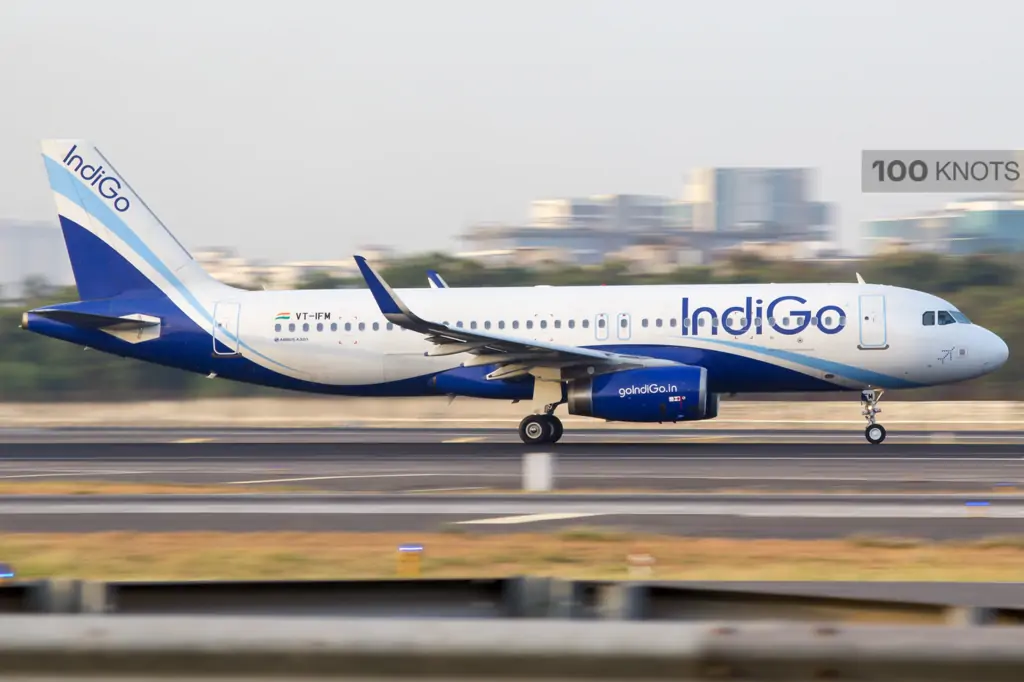
In a significant development, India's leading airline, IndiGo, has been penalized Rs.115.86 crore by the Goods and Services Tax (GST) authorities. This penalty arises from disputes over the classification of certain services and the denial of Input Tax Credit (ITC) for specific financial years. IndiGo has announced its intention to contest these orders before the appellate authority.
Breakdown of the Penalty
The total penalty of Rs.115.86 crore is divided into two primary components:
- Services to Offshore Recipients (Rs.113.02 Crore): The GST authorities have determined that certain services provided by IndiGo to offshore recipients do not qualify as "export of services." Consequently, these services are subject to GST, leading to a substantial portion of the penalty.
- Denial of Input Tax Credit (Rs.2.84 Crore): For the financial years 2017-18, 2018-19, and 2019-20, the authorities have denied ITC on specific services, resulting in the remaining portion of the penalty.
IndiGo's Response
In its regulatory filing, IndiGo stated that it is "actively engaging in contesting these orders before the appellate authority." The airline also emphasized that there is no material impact on its financials, operations, or other activities due to this penalty.
Understanding the Dispute
The crux of the dispute lies in the classification of services provided to offshore recipients. Under GST law, services exported out of India are typically zero-rated, meaning they are not subject to GST, and the exporter can claim a refund of the input taxes paid. However, for a service to qualify as an export, it must meet specific criteria, including the receipt of payment in convertible foreign exchange and the place of supply being outside India.
The GST authorities have concluded that certain services rendered by IndiGo do not meet these criteria, thereby excluding them from the "export of services" category. This reclassification subjects these services to GST and disallows the associated ITC, leading to the hefty penalty.
Implications for the Aviation Industry
This case underscores the complexities airlines face concerning GST compliance, especially in distinguishing between domestic services and exports. The outcome of IndiGo's appeal could set a precedent for how such services are treated under GST law in the future.
Conclusion
As IndiGo prepares to challenge the GST authorities' decision, the aviation and business communities will closely monitor the proceedings. The case highlights the importance of clear guidelines and thorough compliance with tax regulations to avoid substantial penalties.
Read next

In June 2020, the Portuguese government granted TAP Air Portugal up to €1.2 billion in state aid to help the airline navigate the financial challenges posed by the COVID-19 pandemic. This move was approved by the European Commission, the EU's competition authority, as a measure to support a company critical to the nation's economy and connectivity.
Ryanair's Legal Challenge
Ryanair, Europe's largest budget airline, has been a vocal critic of state aid to national carriers, arguing that such support distorts competition by favoring certain airlines over others. The airline initiated over 20 lawsuits against the European Commission's approvals of state aid during the pandemic, contending that these measures provided unfair advantages to recipients.
In the case of TAP, Ryanair challenged the Commission's decision, leading to a 2021 ruling by the EU's General Court that sided with Ryanair. The court found that the Commission had not adhered to proper procedures in its initial approval of the aid. Following this, the Commission conducted a more thorough assessment and issued a new decision approving the aid, which Ryanair contested again.
The Recent Court Ruling
On February 5, 2025, the EU's General Court dismissed Ryanair's latest challenge, upholding the European Commission's re-evaluated approval of the state aid to TAP. The court's decision signifies that the aid was deemed compliant with EU competition laws after the Commission's revised assessment.
Ryanair's Broader Campaign Against State Aid
Beyond the TAP case, Ryanair has actively pursued legal action against state aid granted to various airlines during the pandemic. The airline achieved victories in challenges against aid provided to Lufthansa, Condor, KLM, and Air France. However, it faced defeats in cases involving aid to SAS and Finnair. These mixed outcomes highlight the complex legal landscape surrounding state aid and competition within the EU aviation sector.
Implications for the Aviation Industry
The General Court's recent ruling underscores the delicate balance between providing financial support to national carriers in times of crisis and maintaining fair competition within the EU's single market. While state aid can be crucial for the survival of airlines facing unprecedented challenges, it also raises concerns about market distortion and the potential disadvantaging of carriers that do not receive similar support.
Ryanair's persistent legal actions reflect its commitment to challenging measures it perceives as compromising competitive neutrality. As the aviation industry continues to recover from the pandemic's impact, the tension between state intervention and market competition remains a pivotal issue for policymakers, airlines, and regulators alike.
With Inputs from Reuters
Read next

As the aviation landscape evolves, India is preparing to integrate Advanced Air Mobility (AAM) solutions, notably electric Vertical Take-Off and Landing (eVTOL) aircraft, into its airspace. This integration promises to revolutionize urban transportation, but it also presents challenges in air traffic management and regulatory frameworks.
Strategic Integration of eVTOLs into Indian Airspace
The Directorate General of Civil Aviation (DGCA) is at the forefront of developing a comprehensive regulatory framework for eVTOL operations in India. This framework encompasses airworthiness standards, pilot training and certification, and operational procedures to ensure safety and efficiency. The DGCA has already issued guidance materials on the design, operation, and authorization of vertiports, as well as type certification for eVTOL aircraft.
Harmonizing UTM and ATM Systems
To manage the anticipated increase in air traffic from eVTOL operations, India plans to optimize air traffic flow by integrating Unmanned Aircraft Traffic Management (UTM) systems with existing Air Traffic Management (ATM) systems. This integration aims to deconflict movements of multiple small aircraft and seamlessly incorporate autonomous drones into the shared airspace. The UTM framework will strategically organize the airspace, ensuring cooperation between unmanned and manned aviation, and dynamically adapt operations based on real-time circumstances.
Collaborative Efforts with Global Aviation Authorities
The DGCA is collaborating with international aviation bodies, including the European Union Aviation Safety Agency (EASA), the International Civil Aviation Organization (ICAO), the Federal Aviation Administration (FAA), and the Civil Aviation Authority of Singapore (CAAS). These partnerships aim to align India's regulatory framework with global standards, facilitating the safe and efficient integration of eVTOLs into both domestic and international airspace.
Establishing Infrastructure for Advanced Air Mobility
Based on the evolving regulatory framework, India plans to establish vertiports, designated air routes, and other essential infrastructure to support AAM operations. Vertiports will serve as hubs for eVTOL take-offs and landings, strategically located to optimize urban mobility and reduce congestion. The development of these infrastructures will be guided by safety considerations, operational efficiency, and environmental sustainability.
Conclusion
India's proactive approach to integrating eVTOLs into its airspace reflects a commitment to embracing innovative transportation solutions while maintaining stringent safety and regulatory standards. Through strategic planning, international collaboration, and infrastructure development, India aims to seamlessly incorporate Advanced Air Mobility into its urban landscapes, heralding a new era of aerial transportation.
Read next

The Moscow City Tourism Committee recently hosted a prestigious gala dinner, bringing together over 170 key partners from India’s tourism and business sectors. This landmark event, attended by major industry stakeholders, government officials, and media representatives, emphasized the growing collaboration between India and the Russian capital. With a strong focus on MICE (Meetings, Incentives, Conferences, and Exhibitions) tourism, Moscow is positioning itself as a top destination for Indian business and leisure travelers.
A Cultural Extravaganza: Showcasing Moscow’s Rich Heritage
Guests were warmly welcomed with the unique traditional “Moscow Tea Time,” setting the tone for an evening filled with cultural experiences. The highlight of the event was a captivating performance by the famous 'Rusy' dance troupe, blending Russian folk songs with modern choreography to showcase the city's vibrant cultural heritage. The gala also featured an exquisite spread of culinary delights and an extraordinary lucky draw, courtesy of Moscow’s travel and MICE industry.
Distinguished Delegates and Key Discussions
Among the esteemed dignitaries present were:
- Ivan Fetisov, Consul General of the Russian Federation in Mumbai
- Dr. Elena Remizova, Head of Rossotrudnichestvo in India and Director of the Russian House in New Delhi
- Evgeny Kozlov, First Deputy Head of the Office of the Mayor and the Government of Moscow, and Chairman of the Moscow City Tourism Committee
During the event, Evgeny Kozlov emphasized the increasing importance of India as a key market for Moscow’s tourism sector. Notably, the hassle-free e-visa system has significantly boosted travel interest, with a 1.4-fold increase in Indian visitors in 2024 compared to 2023, totaling over 61,000 visits in the first nine months alone.

Moscow’s Appeal: A Modern Hub for Business and Leisure
In his address, Evgeny Kozlov stated:
“Moscow is a modern capital of business tourism, boasting world-class infrastructure, including cutting-edge congress and exhibition venues, over 22,000 dining establishments, and advanced technological services. The Moscow City Tourism Committee reaffirms its commitment to supporting the growth of India’s MICE industry and enhancing our bilateral relationship through continued engagements and partnerships.”
Himanshu Patil, President of OTOAI, further supported this vision, expressing optimism about increased travel from India due to the simplified visa process. He predicted 2025 to be a successful year for outbound Indian travel to Moscow.

Strengthening Moscow’s Global Tourism Strategy
The Moscow City Tourism Committee plays a pivotal role in implementing policies that enhance Moscow’s attractiveness as a premier travel destination. In 2023, Moscow welcomed 2.3 million foreign tourists, with a significant number coming from India, China, CIS countries, and the Middle East. To further solidify its presence in India, Moscow has introduced the Moscow MICE Ambassadors program, along with business missions and participation in major industry exhibitions.
The Future of India-Moscow Tourism Relations
With a clear strategic focus, Moscow is strengthening its ties with India’s outbound tourism market. As travel restrictions ease and demand for unique destinations rises, Moscow is well-positioned to become a preferred choice for Indian travelers. Through continued collaboration, business engagements, and enhanced infrastructure, this partnership is set to flourish, opening new avenues for tourism and economic growth between the two nations.
What’s Next?
Will Moscow become the next big destination for Indian travelers? With a seamless visa process, a rich cultural heritage, and a thriving MICE industry, all signs point to a promising future for India-Moscow tourism relations.
Read next

In a significant development in aviation safety, the Directorate General of Civil Aviation (DGCA) has imposed a penalty of Rs 30 lakh on Air India for failing to meet critical regulatory standards. This article delves into the details of the case, the regulatory findings, and the implications for the airline and the broader aviation community.
Incident Overview
On July 7, 2024, a pilot operating under Air India’s banner was cleared for duty despite not fulfilling the mandatory regulatory requirement of having at least three takeoffs and landings within a stipulated recency period. This shortfall directly violated para 3 of the civil aviation requirements, raising concerns over safety protocols and the effectiveness of internal rostering systems.
DGCA’s Regulatory Findings
Non-Compliance with Recency Requirements
- Violation Noted: The pilot’s failure to meet the mandatory recency requirement of three takeoffs and landings was highlighted as a breach of established civil aviation standards.
- Safety Implications: Such requirements are in place to ensure that pilots maintain a high level of proficiency and readiness, which is critical for operational safety.
Recurrent Rostering Issues
- Oversight in Rostering: The DGCA noted that Air India's rostering controllers failed to address multiple spurious alerts on the CAE (Crew Alerting and Evaluation) window. This oversight indicates a systemic issue within the airline’s scheduling and safety compliance protocols.
- Internal Accountability: The lack of adequate response to repeated alerts suggests that there are lapses in the internal review mechanisms at Air India, potentially affecting overall flight safety.
Response to the Show-Cause Notice
- Unsatisfactory Explanation: Air India's responses to a show-cause notice issued on December 13, 2024, were deemed unsatisfactory by the DGCA. This led to the imposition of the penalty as a corrective measure.
- Enforcement Action: Exercising its powers under Rule 162 of the Aircraft Rules, 1937, the DGCA took decisive action by imposing a penalty of Rs 30,00,000 on Air India, signaling a strict stance on regulatory compliance.
Implications for Air India and the Aviation Sector
For Air India
- Operational Reforms: The penalty serves as a wake-up call for Air India to re-evaluate and strengthen its rostering procedures and overall safety management systems.
- Reputational Impact: Beyond the immediate financial repercussions, the incident may affect the airline’s reputation, prompting passengers and stakeholders to scrutinize its safety practices more closely.
For the Broader Aviation Industry
- Enhanced Oversight: The DGCA’s firm action underscores the importance of regulatory oversight in ensuring that airlines adhere to safety protocols. Other airlines may be prompted to conduct internal audits and reinforce compliance measures.
- Industry Standards: This case reinforces the need for robust training and operational checks, ensuring that pilots are fully prepared and that internal control systems are vigilant and responsive.
Moving Forward: Ensuring Aviation Safety
The recent DGCA order against Air India highlights a critical aspect of aviation safety: the necessity of rigorous adherence to regulatory standards and proactive management of safety protocols. As the aviation industry continues to evolve, such regulatory actions serve as important reminders for airlines to prioritize operational integrity and safety over all else.
Key Takeaway: The imposition of the Rs 30 lakh penalty on Air India is more than just a financial deterrent—it is a call to action for the airline and the industry at large to tighten safety measures, improve internal controls, and ensure that every flight meets the highest standards of operational excellence.
Comment