
Capital A Unveils Strategic Moves: AirAsia Sale and Capital Raising Initiatives

Abhishek Nayar
09 Jan 2024
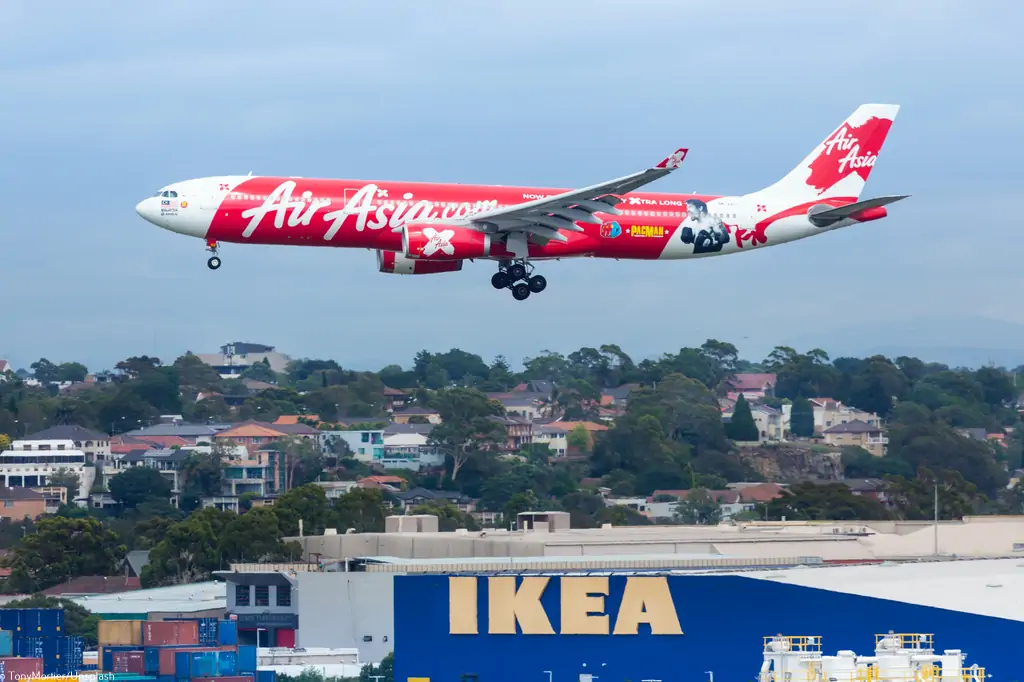
In a surprising turn of events, Capital A, the parent company of AirAsia, has announced a groundbreaking decision to sell AirAsia Malaysia and the AirAsia Aviation Group to AirAsia X. The move is part of a broader strategy to streamline the group and unlock greater shareholder value by separating the aviation businesses from Capital A.
Proposed Sale Overview
Capital A revealed that it has entered into a non-binding letter of offer with AirAsia X Berhad for the proposed disposal of its aviation businesses. This includes not only AirAsia Malaysia but also the AirAsia airlines in Thailand, Indonesia, Philippines, and Cambodia. The objective is to create a more focused and business-centric valuation of separate entities within the group.
Motivations Behind the Move
Capital A's CEO, Tony Fernandes, explained that the strategic decision aims to raise funds for business expansion. The challenging access to capital, primarily due to Capital A's Practice Note 17 (PN17) status, prompted the exploration of alternative routes. Fernandes emphasized the commitment to a "pure aviation play" and mentioned engaging with investors who favor such a strategy.
Capital Raising Initiatives
With the aviation businesses set to be sold to AirAsia X, Capital A plans to inject funds through various capital-raising initiatives. Fernandes highlighted the undervaluation of non-aviation businesses within Capital A, including Teleport, Capital A Aviation Services, and MOVE digital. These companies are expected to raise capital by offering shareholders an uplift on their Capital A shares, complemented by shares in the enlarged aviation group.
Market Response and Shareholder Value
Following the sale of the aviation business, Capital A shareholders will transition to become shareholders of the two separate listed companies. Fernandes believes that this move will ultimately unlock value for shareholders. The market's response to these strategic shifts will be closely monitored, and only time will reveal whether Capital A can attract the capital needed to successfully execute its expansion plans.
AirAsia X's Perspective
AirAsia X (AAX) expressed its approval of the proposed transaction, seeing it as an opportunity to become the overarching regional aviation provider for short and medium-haul routes under the AirAsia brand. AAX believes that this consolidation will strengthen its market position, enhance operational efficiency, drive cost savings, and improve financial performance.
Conclusion
The recent twists and turns at Capital A, including the sale of its aviation businesses to AirAsia X and various capital-raising initiatives, mark a significant chapter in the company's strategic evolution. The decision to circumvent the PN17 restrictions reflects a determination to chart a new course for growth and profitability. As financial markets analyze these moves, the future trajectory of Capital A and AirAsia X will become clearer, shedding light on whether this transformative journey proves successful.
Read next
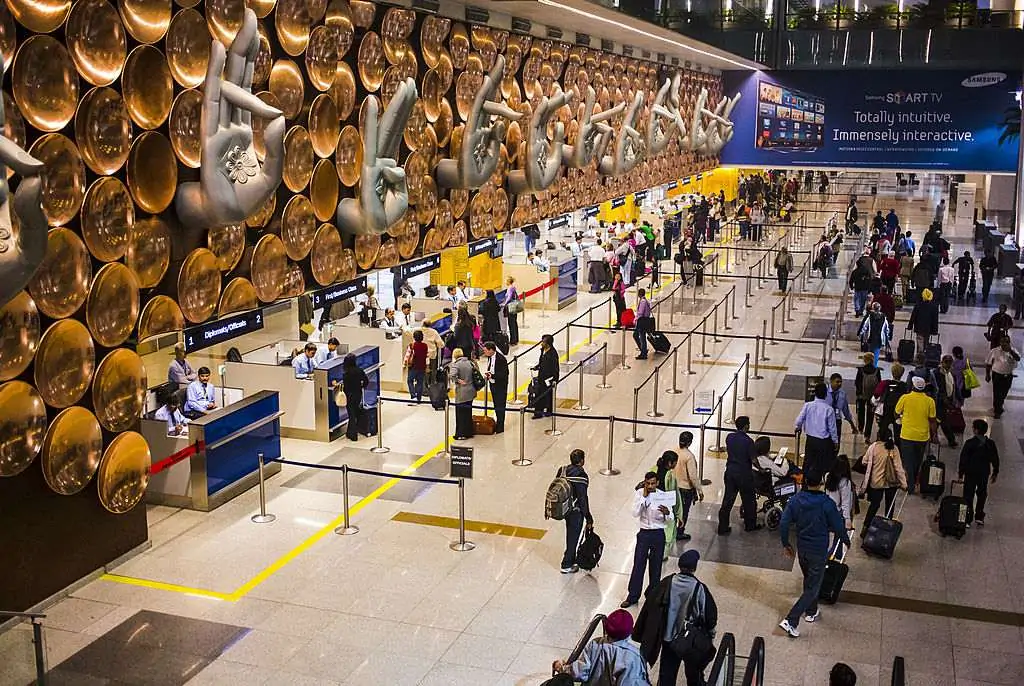
In a significant development, Delhi International Airport Limited (DIAL), owned by the GMR Group, has emerged victorious in an arbitration against the Airport Authority of India (AAI) concerning revenue sharing during the COVID-19 pandemic. The tribunal's award provides several directions favoring the airport, resulting in substantial financial adjustments.
Tribunal's Directives
- Refund of Rs 500 Crore from AAI: The tribunal has directed AAI to refund Rs 500 crore to DIAL, acknowledging the impact of the pandemic on the airport's operations.
- Waiver of Rs 1,800 Crore Payment: DIAL will receive a waiver of Rs 1,800 crore in payments to AAI, alleviating the financial burden on the airport.
- Force Majeure Clause Invoked: DIAL invoked the force majeure clause to suspend the revenue-sharing agreement, citing the pandemic's adverse effects on traffic flows and revenue. The tribunal upheld this invocation, excusing DIAL from making payments for the period from March 19, 2020, to February 28, 2022.
Legal Proceedings
- January 2021 Interim Relief: The Delhi High Court had granted interim relief to the airport, allowing it to defer revenue share payments to AAI until the arbitration settlement was reached.
- Likely Challenge by AAI: Despite the tribunal's decision, sources suggest that AAI is likely to challenge the award, indicating potential legal battles in the future.
Privatization Agreement and Concession Fees
- 2006 Privatization Agreement: As part of the privatization agreement in 2006, Delhi Airport agreed to pay 45.99% of its annual revenue as concession fees to AAI.
- Extension of Concession Agreement: The tribunal has ruled in favor of extending the concession agreement, granting GMR Group the right to operate the airport until 2037.
Conclusion
The arbitration award in favor of Delhi Airport marks a significant development in the ongoing dispute with AAI. The financial relief provided by the tribunal and the extension of the concession agreement provide stability for the airport during these challenging times. However, the possibility of further legal challenges adds a layer of uncertainty to the resolution of this complex issue. The aviation industry, already grappling with the aftermath of the pandemic, will keenly watch how this situation unfolds in the coming months.
Read next
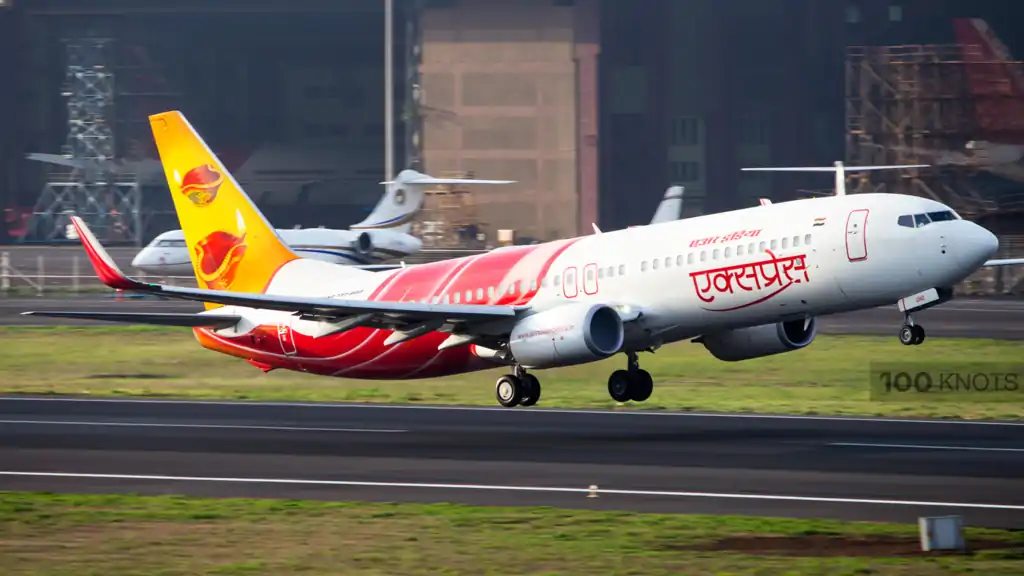
In the wake of a recent incident involving an Alaska Airlines Boeing 737 Max 9 on January 5, 2024, the Directorate General of Civil Aviation (DGCA) in India took proactive measures to ensure the safety of the Boeing 737 Max 8 aircraft operated by Indian airlines.
The incident, which resulted in the loss of a mid-cabin door and rapid decompression, prompted the DGCA to issue directives for mandatory checks on the exit doors of all Boeing 737 Max 8 planes in the country. As a result, three major Indian carriers - Air India Express, SpiceJet, and Akasa - have successfully completed the required safety assessments.
DGCA Directives and Response from Indian Airlines

Following the Alaska Airlines incident, the DGCA instructed all Indian operators with Boeing 737 Max 8 aircraft to perform checks on the operation and proper closing of all over-wing emergency exits. These measures were aimed at ensuring the structural integrity and safety of the aircraft in the event of an emergency.
In response to the DGCA directives, Air India Express, SpiceJet, and Akasa promptly conducted comprehensive inspections on their respective fleets to verify the functionality of exit doors, with a particular focus on over-wing emergency exits.

Successful Completion of Safety Checks
The DGCA confirmed on Monday that the mandatory checks have been satisfactorily performed on the Boeing 737 Max 8 fleets of Air India Express, SpiceJet, and Akasa. Air India Express operates four Boeing 737 Max 8 aircraft, SpiceJet operates eight, and Akasa operates a fleet of 20, which includes one Boeing 737-8200 with a mid-cabin door.
The spokesperson for SpiceJet assured that a thorough examination of their Boeing 737 Max fleet was conducted in compliance with DGCA directives. No adverse findings were identified during the inspection, and flight operations continued without disruption. It's important to note that SpiceJet does not operate the B737-9 variant of the Max, which was involved in the Alaska Airlines incident.
Akasa, in response to the DGCA guidelines, confirmed the completion of a thorough inspection of its entire fleet of in-service Boeing 737 Max aircraft. The airline stated that no adverse findings were discovered during the examination, and operations continued without disruption.
Safety Assurance for Passengers and Aviation Industry
The successful completion of the safety checks by these airlines reinforces the commitment of Indian aviation authorities and carriers to ensuring the safety and well-being of passengers. Regular and thorough inspections are crucial in maintaining the high safety standards required in the aviation industry.
The DGCA's proactive approach in issuing directives following the Alaska Airlines incident reflects the importance of swift and preventive measures to address potential safety concerns. The collaboration between aviation regulators and operators plays a crucial role in upholding the integrity of the aviation industry and ensuring the trust and confidence of passengers.
Conclusion
In summary, the recent safety checks conducted by Air India Express, SpiceJet, and Akasa on their Boeing 737 Max 8 fleets demonstrate a commitment to proactive safety measures in the Indian aviation sector. The successful completion of these checks, as mandated by the DGCA, provides reassurance to passengers and stakeholders alike, emphasizing the priority placed on safety in the aviation industry.
Read next

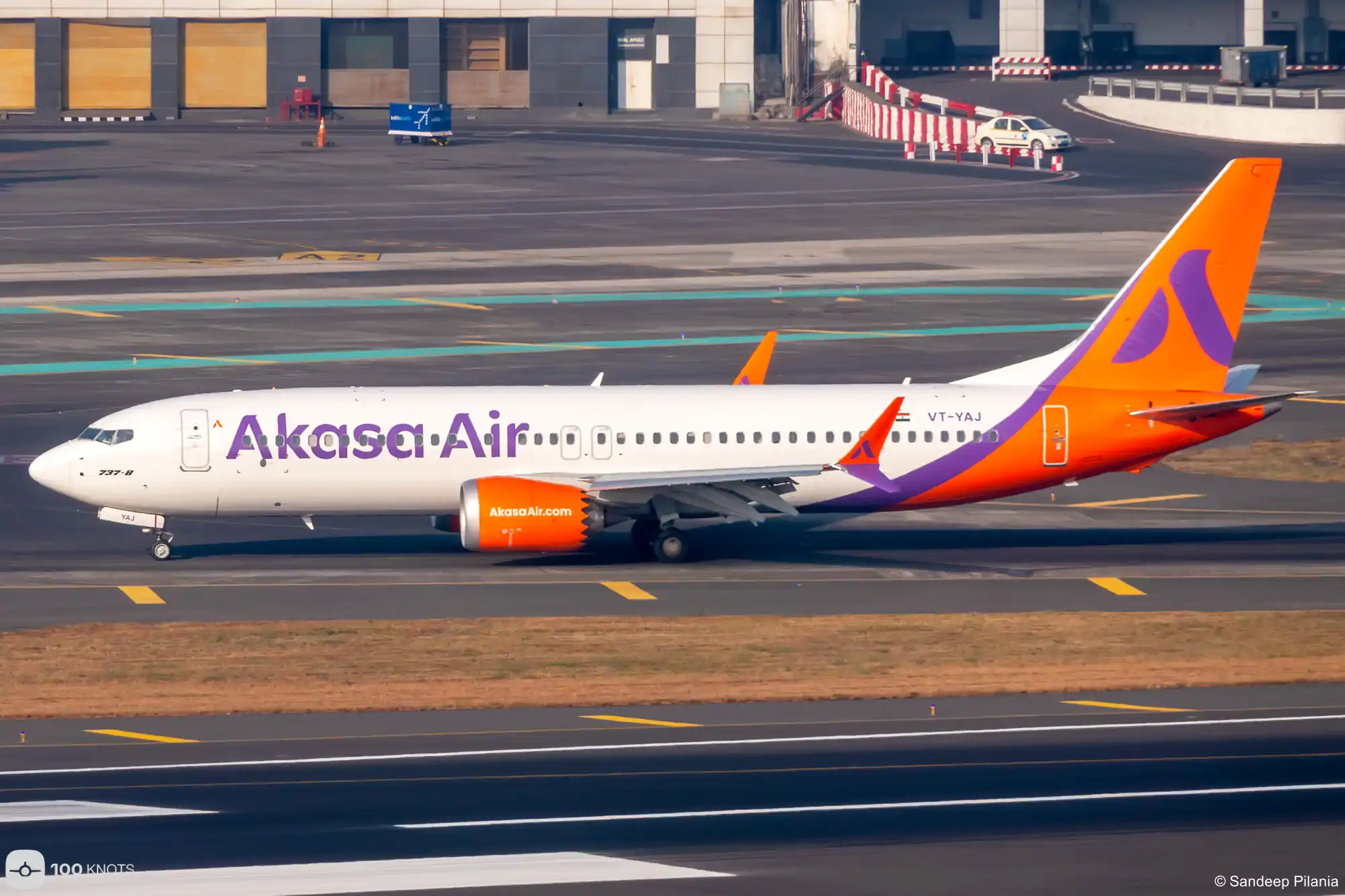
Akasa Air has completed the DGCA mandated safety checks on its exit doors, the airline said on Monday.
“Following the incident involving an Alaska Airlines flight on 5 January 2024 in the USA and the subsequent guideline issued by the Directorate General of Civil Aviation, Akasa Air has completed a thorough inspection of its entire fleet of in-service Boeing 737 Max aircraft,” the airline said in a statement.
Akasa flies 22 Boeing Max planes currently.
“We can confirm that there are no adverse findings. We can also confirm that there was no disruption to our operations during this time,” it added.
Akasa Air does not have any Boeing 737 Max-9 aircraft in its fleet, the aircraft on which the incident occurred.
Aviation regulator DGCA on Saturday asked airlines in India to inspect Boeing 737 MAX planes after a door of Alaska Airlines flew out mid-air
"Pursuant to the Alaska Airlines incident involving Boeing 737 -9 Max aircraft, there have been no inputs /guidance from Boeing so far," Dgca had said in a Saturday statement.
None of the Indian air operators have Boeing 737-9 Max as part of their fleet.
"However, as an abundant precautionary measure, DGCA has directed all the Indian air operators to carry out a one time inspection of the emergency exits immediately on all Boeing 737-8 Max aircraft currently operating as part of their fleet," it added.
FAA has grounded 171 Boeing 737 MAX planes after the Alaska Air accident.
Read next
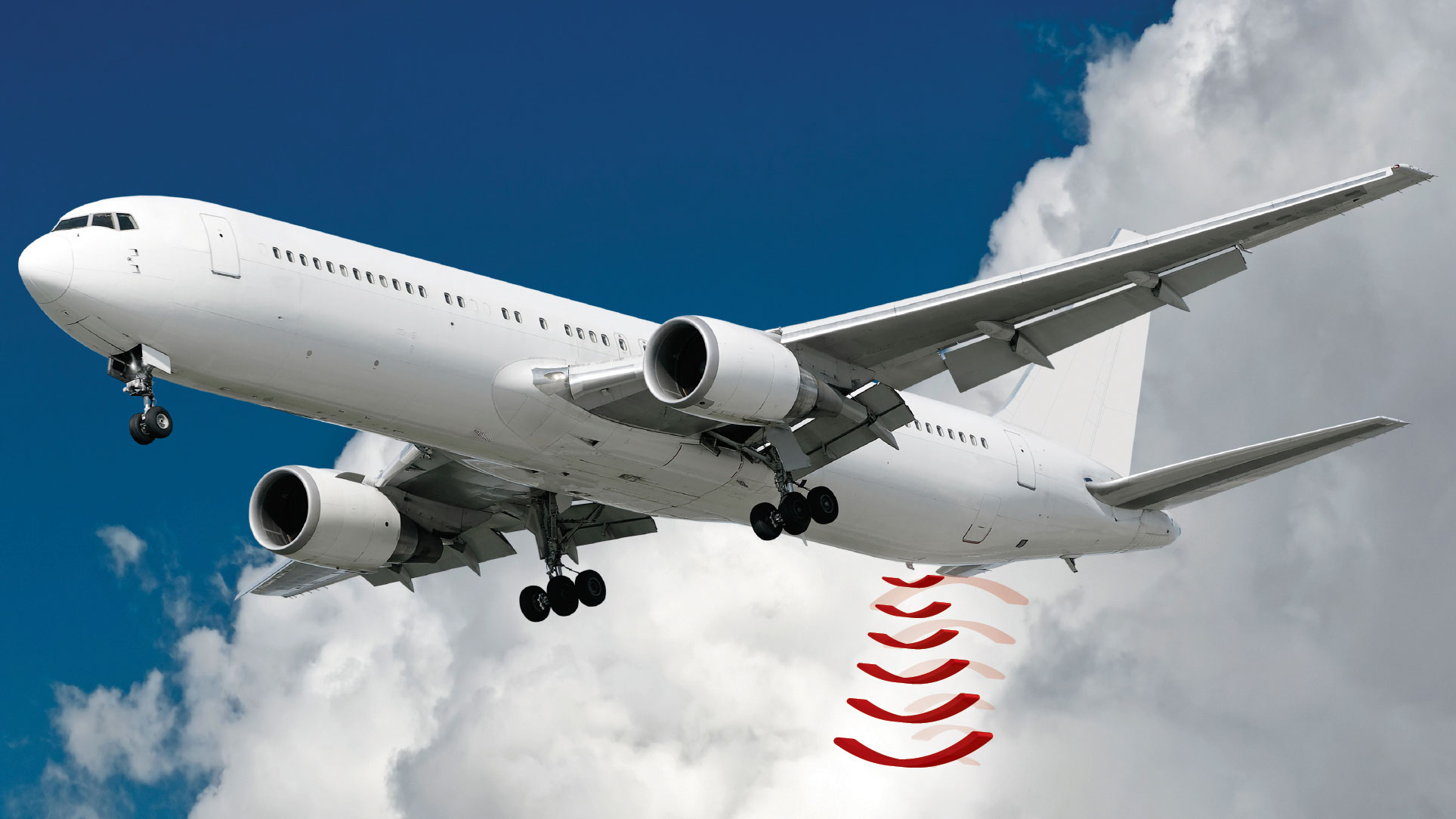
As the global rollout of 5G technology continues at an unprecedented pace, the Directorate General of Civil Aviation (DGCA) in India has issued a directive mandating airlines to upgrade their aircraft's radio altimeters (RAs).
This move comes in response to potential interference concerns between 5G telecommunications signals and existing aviation equipment. The decision was prompted by a series of regulatory actions and collaborative efforts between aviation authorities, telecom operators, and aircraft manufacturers.
Background
In November 2022, the Department of Telecommunications (DoT) directed major Indian telecom operators, including Bharti Airtel, Reliance Jio, and Vodafone Idea, to avoid deploying 5G base stations in the 3,300-3,670MHz frequency range (C-band) within specified proximity to airports. These restrictions aimed to prevent interference with airplane RAs and were applicable within zones extending 2,100 meters from both ends of a runway and 910 meters from the runway's centerline.
Temporary Restrictions and Aircraft Manufacturers' Response
To address the potential interference, the DoT imposed temporary restrictions on 5G base stations within a 540-meter perimeter of the specified zones, limiting their power output in the C-band to 58 decibel milliwatts (dBm). This measure was designed to remain in place until all aircraft operating in India were equipped with upgraded RAs.
In December 2022, the DGCA issued a directive instructing airlines to collaborate with aircraft and RA manufacturers for necessary replacements. Boeing and Airbus, two major aircraft manufacturers, communicated their timelines for retrofitting aircraft with upgraded RAs. Boeing aimed to complete the retrofitting of approximately 4,500 operational planes in the United States by March 2024, while Airbus indicated a retrofitting plan for its A320 family planes operating in India with upgraded RAs from Thales, a French electronics company.
Implications for the Indian Aviation Industry
The retrofitting process carries significant implications for the Indian commercial aviation sector, with Air India, for instance, comprising a fleet of 39% 787s and 777s. However, airlines have reassured us that the RA replacement is an overnight process that will not disrupt regular flight schedules. As of August 1, 2023, India's total commercial aircraft count stood at 647, with Airbus and Boeing constituting 68% and 22% of this total, respectively.
Financial Burden on Airlines
The financial burden of the RA upgrade falls squarely on the shoulders of the airlines. While the exact cost remains uncertain, the aviation industry is anticipated to face substantial expenses. The DGCA's decision was a result of extensive discussions with Indian carriers, driven by the DoT's insistence on a clear timeline for RA replacements.
Global Concerns and Varied Perspectives
The urgency of this issue is underscored by the U.S. Federal Aviation Administration reporting over 420 instances of anomalies in radio altimeters in areas with deployed 5G C-band as of January 2023. In nearly 100 cases, the possibility of interference from 5G emissions could not be ruled out. However, telecom industry executives in India emphasize differences between the U.S. and India, particularly a perceived 500 MHz frequency gap that they argue should allow safe aviation operations without interference.
Debates and Advocacy
The Cellular Operators Association of India has advocated for controlled flight simulations to verify that 5G signals do not disrupt air traffic control. The ongoing debate and subsequent actions reflect the complex interplay between advancing telecommunications technology and aviation safety, highlighting the need for careful coordination between sectors to ensure progress and safety in the skies.
Conclusion
India's directive to upgrade aircraft RAs in response to potential 5G interference represents a proactive approach to maintaining aviation safety amidst technological advancements. The collaboration between aviation and telecommunication sectors, along with the commitment of aircraft manufacturers, underscores the importance of regulatory measures to address emerging challenges in a rapidly evolving technological landscape. As the upgrade process unfolds, stakeholders must continue to navigate the complex interdependencies between telecommunications and aviation to ensure the skies remain safe and secure.
Read next
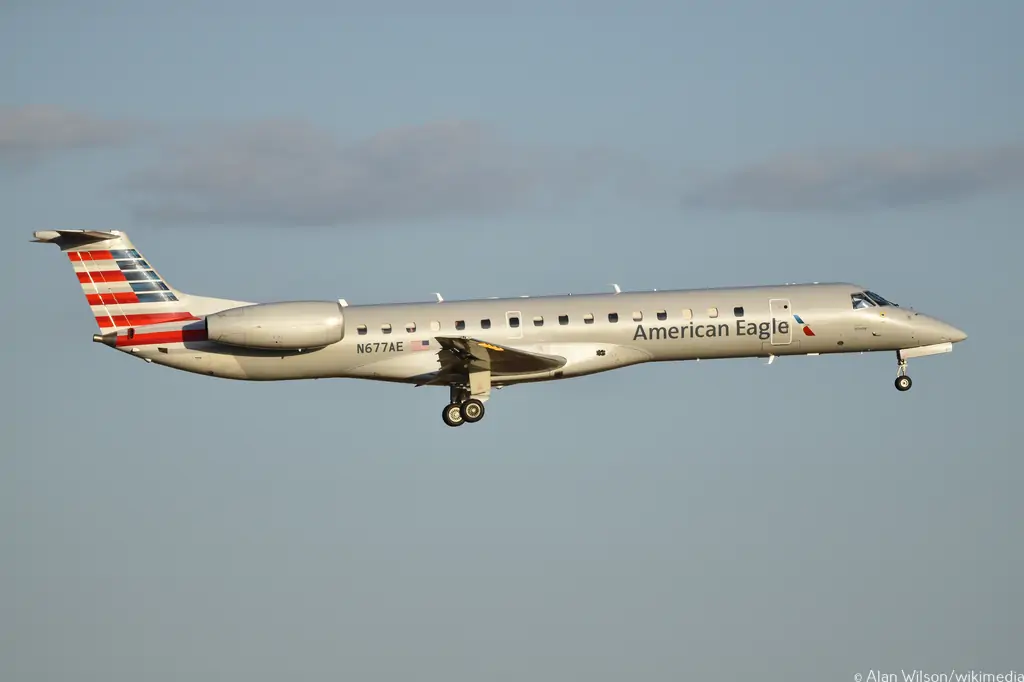
American Airlines subsidiary, Envoy Air, is set to bolster its regional fleet by adding 19 Embraer regional jets, enhancing its capacity and operational capabilities. The order, a combination of new-built E175s directly from Embraer and second-hand E170s and E175s from other carriers, underscores the airline's commitment to modernizing and expanding its regional aircraft fleet.
Order Details and Delivery Timeline
Envoy Air's latest order includes eleven E175s and eight E175s, with deliveries scheduled to commence in the fourth quarter of 2024. The strategic move reflects the airline's focus on optimizing its regional operations and meeting the growing demand for efficient and reliable regional air travel services.
In a statement to ch-aviation, Envoy Air clarified that the order encompasses both new-built E175s directly from Embraer and a selection of second-hand E170s and E175s sourced from other carriers. This diverse acquisition approach allows the airline to benefit from a mix of new and proven aircraft, ensuring flexibility and operational efficiency.
Current Fleet Composition and Ownership Structure
As of now, Envoy Air operates a fleet of thirty E170s and 108 E175s, all on behalf of American Airlines. The ownership structure of these aircraft is detailed in the ch-aviation fleets ownership module. Notably, all E175s are owned by American Airlines, with six originally ordered by Republic Airways. The E170s in the current fleet include a combination of aircraft owned by Americans and those under lease agreements.
The airline's decision to expand its regional fleet aligns with American Airlines' broader strategy to enhance its regional connectivity and services. American Airlines has an existing order for ten new E175s specifically designated for Envoy Air, indicating a sustained commitment to upgrading and modernizing the regional aircraft fleet.
Strategic Fleet Expansion and Retirement of E145s
Envoy Air's expansion plans involve not only the addition of new E175s but also the continued incorporation of second-hand E170s. With the latest order, the airline aims to achieve a fleet composition of forty-three E170s and 126 E175s, further solidifying its position in the regional aviation market. This expansion strategy follows the cessation of E145 operations by Envoy Air in mid-2023, indicating a strategic shift towards more modern and efficient regional jet aircraft.
Conclusion
Envoy Air's investment in 19 additional Embraer regional jets represents a significant step towards fortifying its regional fleet capabilities. The combination of new-built E175s and the inclusion of proven second-hand E170s and E175s showcases a thoughtful and pragmatic approach to fleet expansion.
As deliveries commence in the fourth quarter of 2024, Envoy Air is poised to enhance its operational capacity, offering passengers a more advanced and reliable regional travel experience. The move aligns with broader industry trends of airlines adapting their fleets to meet evolving market demands and underscores the crucial role played by regional carriers in ensuring comprehensive air connectivity.
With Inputs from ch-aviation
Comment