

On August 6, 2024, the European Union Aviation Safety Agency (EASA) unveiled a significant development in the aviation industry by updating the type certificate (TC) data sheet (TCDS) for CFM International's LEAP-1A and LEAP-1C engines. This revision, which officially took place on July 10, has profound implications for Airbus’ newest addition to the A320neo family, the A321XLR.
New Engine Models for A321XLR
EASA's revision to the TCDS has included four new engine models specifically designed for the Airbus A321XLR: the LEAP-1A32X, LEAP-1A33X, LEAP-1A33B2X, and LEAP-1A35AX. These engines have been tailored to meet the demanding requirements of the A321XLR, offering enhanced performance and efficiency. Notably, these models share a take-off thrust rating of 14,305 dekanewtons and a maximum continuous thrust of 11,054 daN.
Comparative Analysis
The newly certified engines provide a substantial boost in thrust compared to their predecessors. For instance, the LEAP-1A24 and LEAP-1A24E1 models, which are used in the A320neo and A321neo, have a take-off thrust of 10,680 daN and a maximum continuous thrust of 10,676 daN. This significant increase in thrust for the A321XLR models underscores their capability to handle longer ranges and higher maximum takeoff weights (MTOW).
Industry Implications
CFM International, a collaboration between GE Aerospace and Safran Aircraft Engines, highlighted that the LEAP-1A engine was originally designed with a 35,000 pound-force thrust (15,568 daN) rating. This foresight means that no additional modifications were required for these engines to power the A321XLR, ensuring 100 percent commonality with the existing A320neo family fleets. Gaël Méheust, President and CEO of CFM International, emphasized the operational and economic benefits this brings to airlines.
Future Prospects and Certifications
Airbus has announced plans to certify the A321XLR with Pratt & Whitney’s PW1100G engines, also known as the Geared Turbofan (GTF), later in 2024. This dual-engine certification strategy highlights Airbus's commitment to providing flexible and reliable options for its airline customers.
Iberia's Preparation for A321XLR

As Airbus prepares the A321XLR for its entry into commercial service, Iberia, a subsidiary of the International Airlines Group (IAG), stands at the forefront. The Spanish airline is set to receive four A321XLRs, with one already registered as EC-OIL. The aircraft has been undergoing pre-delivery test flights under the test registration D-AZXY, indicating its readiness for operational deployment.
Conclusion
The EASA’s certification of new LEAP-1A engine models for the Airbus A321XLR marks a pivotal advancement in aviation technology. This move not only enhances the capabilities of the A321XLR but also solidifies the aircraft's position as a leader in the long-range, narrow-body market. As Airbus and its airline partners, like Iberia, prepare for the A321XLR’s commercial debut, the aviation industry eagerly anticipates the transformative impact of this next-generation aircraft.

Read next
How Will AIX’ New Virtual Interline Platform Transform Your Travel Experience?
Abhishek Nayar
08 Aug 2024

Air India Express has recently announced an exciting development that promises to revolutionize the way passengers book their flights. On Tuesday, the airline revealed its new virtual interline platform, AIX Connect, which offers a broader range of booking options for travelers. This innovative platform is developed in collaboration with Dohop, a leading travel solutions technology company.
What is AIX Connect?
AIX Connect is a virtual interline platform designed to enhance the connectivity of Air India Express's network. This platform enables travelers to book self-connect itineraries between flights of Air India Express and those of partner airlines. The first partner airline to join this platform is Singapore's Scoot, offering passengers increased flexibility and convenience in planning their journeys.
How Does It Work?
Starting their flight search from Air India Express's official website, users can now connect to the new AIX Connect platform. This system allows passengers to book connecting flights where one leg of the journey is operated by Air India Express and the other by the partner airline, Scoot. This seamless integration simplifies the booking process, offering a more streamlined experience for travelers.
Key Features of AIX Connect
- Enhanced Connectivity: AIX Connect significantly expands the network of destinations available to Air India Express passengers.
- Seamless Booking Process: Users can book self-connect itineraries directly through the Air India Express website, making the entire process more convenient.
- Partner Airlines: The first partner airline, Scoot, opens up new travel possibilities, with more partners expected to join in the future.

Benefits for Passengers
The introduction of AIX Connect brings numerous benefits to travelers. By enabling self-connect itineraries, passengers can now enjoy more flexibility in their travel plans. This platform also allows for better pricing options and a wider range of destinations, making Air India Express a more attractive choice for international travelers.
Greater Flexibility
One of the main advantages of AIX Connect is the increased flexibility it offers. Passengers can now easily combine flights from Air India Express and Scoot, creating itineraries that best suit their needs and schedules.
Competitive Pricing
By integrating with partner airlines, AIX Connect can offer more competitive pricing options. This is particularly beneficial for budget-conscious travelers looking to get the best value for their money.
Expanded Destinations

The partnership with Scoot and future collaborations will significantly expand the range of destinations available to Air India Express passengers. This means more options for travelers seeking to explore new places.
Looking Ahead: The Future of AIX Connect
As Air India Express continues to innovate, the AIX Connect platform is expected to grow, with more partner airlines joining the initiative. This will further enhance the connectivity and convenience for passengers, solidifying Air India Express's position as a leading choice for international travel.
Upcoming Collaborations
Future collaborations with additional airlines will provide even more travel options, making AIX Connect a vital tool for passengers seeking comprehensive travel solutions.
Continuous Improvement
Air India Express is committed to continuously improving the AIX Connect platform, ensuring it meets the evolving needs of travelers. This includes integrating new features and functionalities to enhance the overall user experience.
Conclusion
The launch of AIX Connect marks a significant milestone for Air India Express, offering passengers an innovative and flexible way to book their flights. By partnering with leading technology company Dohop and integrating with Scoot, Air India Express is setting a new standard in the travel industry. Travelers can look forward to greater connectivity, competitive pricing, and a wider range of destinations, all through a seamless and convenient booking process.
Read next
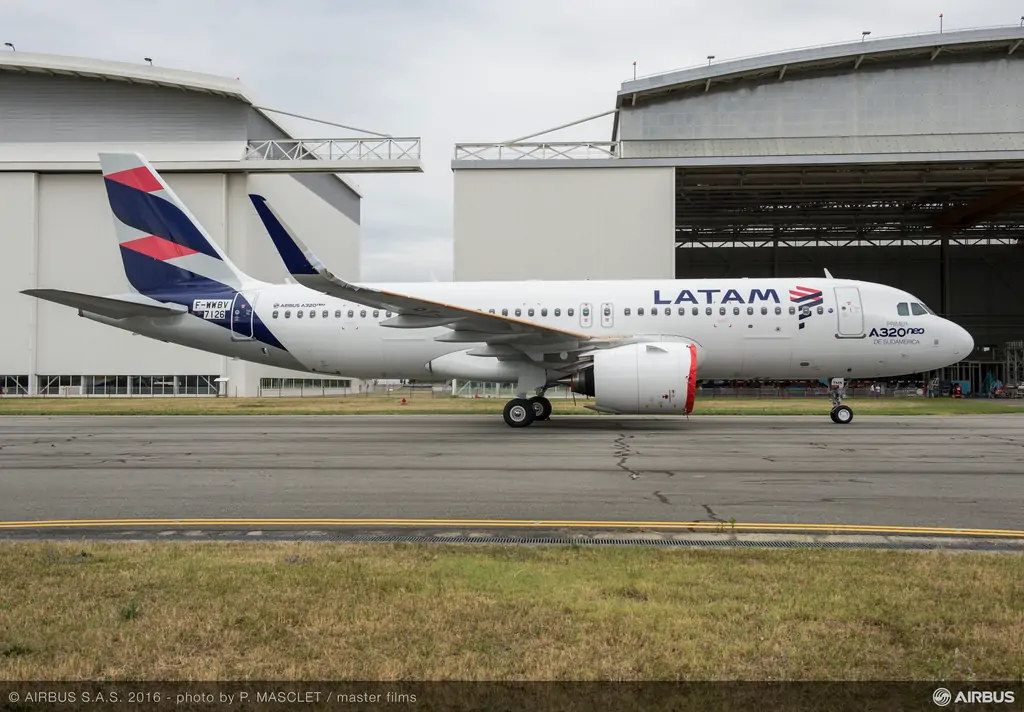
In a significant move that underscores its commitment to Latin America’s largest economy, LATAM Airlines has announced a $2 billion investment in Brazil over the next two years. This ambitious plan will channel funds into enhancing passenger products, advancing technologies, and bolstering aircraft maintenance.
Focus on Enhancing Passenger Experience and Maintenance Facilities
LATAM's strategic investment aims to elevate the overall travel experience for its passengers. The airline has outlined its intention to develop new products and integrate cutting-edge technologies to provide superior services. Additionally, a substantial portion of the investment will be allocated to maintaining and upgrading aircraft, ensuring safety and reliability.
Collaboration with Brazil’s Labor Ministry
A noteworthy aspect of this initiative is LATAM’s collaboration with Brazil's labor ministry. The airline has signed a Memorandum of Understanding (MoU) to focus on training workers in specialized skills. This partnership will primarily target the Sao Carlos facility in Sao Paulo state, which is renowned as the largest aircraft maintenance center in South America.
Sao Carlos: A Potential Aerospace Hub
LATAM envisions the Sao Carlos facility as a potential cornerstone for the Brazilian aerospace sector. With enhanced capabilities and skilled workforce training, the center could evolve into a "true Brazilian aerospace hub," positioning Brazil as a key player in the global aerospace industry.
High-Level Discussions and Strategic Partnerships
The announcement follows a high-level meeting between LATAM CEO Roberto Alvo, other company executives, Brazilian President Luiz Inacio Lula da Silva, and government officials. This dialogue highlighted the mutual commitment to advancing Brazil’s aviation sector.
Fleet Expansion with Embraer
Adding to its transformative plans, LATAM is in advanced discussions with Brazilian planemaker Embraer. The goal is to expand LATAM's fleet, a move supported by Brazil’s state development bank BNDES. This partnership underscores LATAM’s strategy to incorporate more locally manufactured aircraft, enhancing its operational efficiency and contributing to Brazil’s economic growth.
Conclusion: A New Era for LATAM and Brazilian Aviation
LATAM Airlines' $2 billion investment marks a new era for both the airline and Brazil’s aviation industry. With a focus on innovative passenger services, robust aircraft maintenance, and strategic workforce training, LATAM is set to play a pivotal role in transforming the Brazilian aerospace landscape.
With Inputs from Reuters
Read next
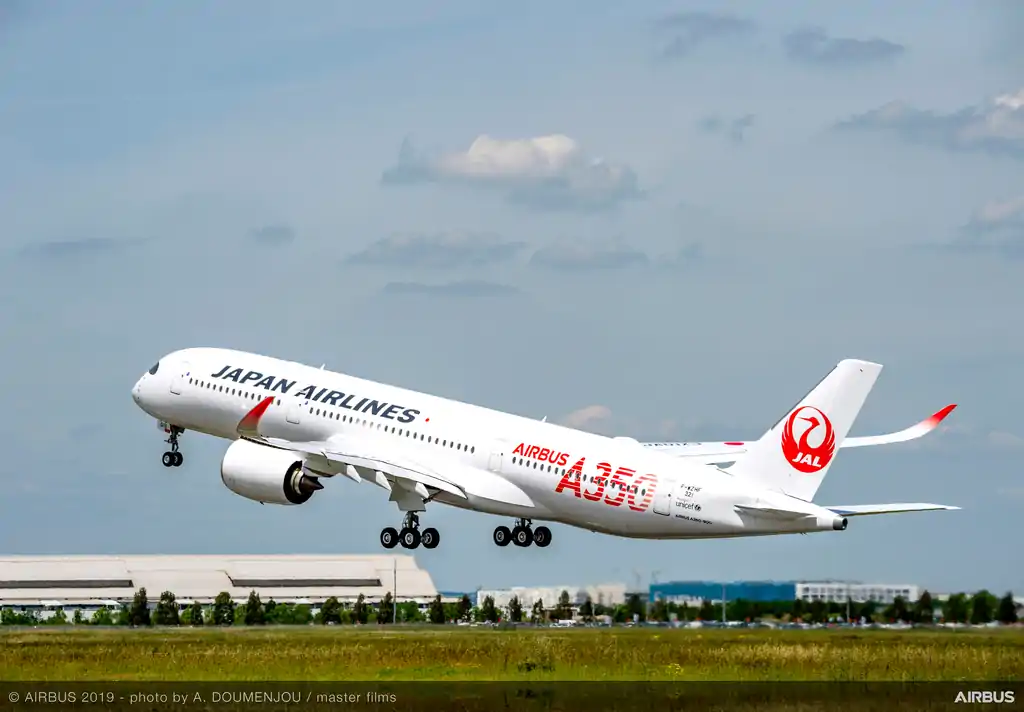
Airbus has once again showcased its industry prowess with a remarkable performance in July 2024. The European aerospace giant delivered 77 aircraft last month, bringing its total deliveries for the year to an impressive 400. Alongside this, Airbus added 59 new aircraft to its order book, highlighting a steady and robust year in both orders and deliveries.
A321XLR: The Star Attraction

A significant highlight for Airbus this year is the impending entry of the A321XLR into service. Iberia will become the launch customer for this long-range narrowbody, taking over from Aer Lingus, which had to forfeit its slot due to ongoing pilot negotiations. The A321XLR is poised to revolutionize medium-haul travel with its extended range and efficiency.
July Orders: A Closer Look

The July order book saw substantial contributions from several major airlines:
- Japan Airlines: The largest single order came from Japan Airlines, which finalized its acquisition of 20 A350s and added another 11 A321neos, constituting more than half of the month's orders.
- Virgin Atlantic Airways: Expanded its A330neo fleet by ordering seven additional A330-900s, bringing its total to 19.
- Undisclosed Customer: An anonymous client placed an order for 15 A321neos.
- Berniq Airways: Added six A320neos to its growing fleet.
The year's largest order came from American Airlines, which committed to 85 A321neos as part of a broader procurement that includes Boeing and Embraer aircraft. Saudia also made a significant investment, ordering 51 A321neos.
Deliveries Across the Globe

Airbus' delivery performance in July was equally impressive:
- United Airlines: Received its first Airbus aircraft in over two decades, rapidly expanding its A321neo fleet with three new additions between July 19 and 31.
- Japan Airlines: Took delivery of an A350-1000.
- Delta Air Lines: The sole American operator of A350s, added another A350-900 to its fleet.
- Croatia Airlines: Received its first A220-300 in Mirabel, Canada, marking the beginning of a fleet renovation with 15 A220s on order.
Airbus' Financial Landscape
Despite the robust delivery and order figures, Airbus has faced some financial headwinds. The first half of 2024 saw Airbus reporting just 327 gross orders, a sharp decline from 1,044 in the same period in 2023. Airbus' CEO attributed this to significant charges in their space business, which impacted the company’s financial performance. The CEO emphasized that the company is addressing these root issues and remains focused on its commercial aircraft deliveries and preparing for future ramp-ups.
Challenges and Strategic Focus
Airbus has not been immune to the broader challenges facing the aviation industry. The company is actively managing supply chain issues and working to secure key work packages. The focus remains on maintaining delivery schedules and preparing for the next phases of production increases.
Conclusion: A Bright Future Ahead
While 2024 has been a challenging year for many in the aerospace industry, Airbus has demonstrated resilience and strategic agility. With a strong order book, impressive delivery performance, and the exciting launch of the A321XLR, Airbus is well-positioned to continue its upward trajectory. As the company navigates financial and operational challenges, its commitment to innovation and customer satisfaction remains unwavering.
Airbus' achievements in July 2024 underscore its leadership in the aviation sector and hint at a promising future filled with further advancements and success.
Read next
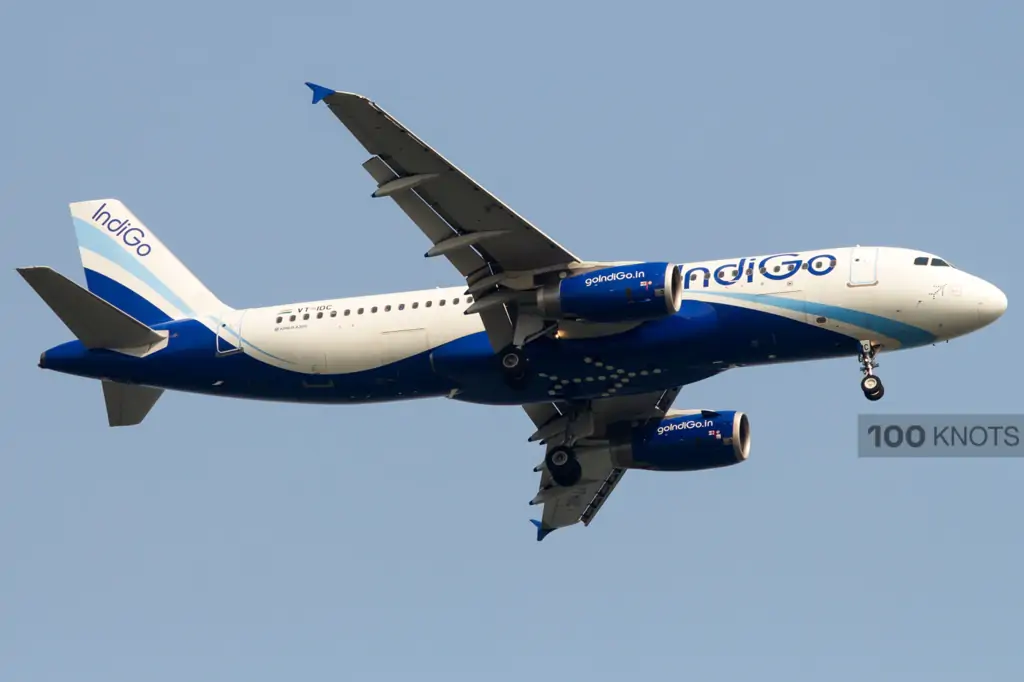
India's aviation landscape is currently dominated by two major players: IndiGo and the Tata-run Air India Group. However, this market structure raises a pressing question: Does India deserve more than just two major airlines? Rahul Bhatia, the promoter of IndiGo, believes so and has shared his insights on the matter.
The Decline of Indian Airlines

Over the past 12 years, India has witnessed the demise of three significant airlines: Kingfisher, Jet Airways, and Go First. These failures have inadvertently allowed IndiGo to capture a substantial share of the market, currently holding over 60% of the domestic passenger market. Meanwhile, the Air India Group, which includes Vistara, holds a 28.7% share.
IndiGo’s Stance on Market Dominance
Bhatia emphasizes that IndiGo's market dominance is not solely of its own doing. "Some of our growth was of our own volition but some of the growth came because few other airlines fell by the wayside," he said. He asserts that IndiGo has capitalized on opportunities created by the exit of other airlines, but it is not a deliberate strategy to form a duopoly.
Welcoming Competition
IndiGo's promoter welcomes competition, provided it comes with the right cost structure. "If an airline does not have the right cost structure, it will struggle sooner or later," Bhatia noted. He stresses that IndiGo is committed to keeping costs low, providing affordable fares, and maintaining a sustainable business model.

The Shift from Low-Cost Model
Contrary to the typical low-cost airline model, IndiGo is exploring a broader market. Bhatia highlighted that India’s aviation sector has room for growth beyond low-cost carriers, particularly in the long-haul market. He pointed out that Air India is the only Indian long-haul carrier, and its current market share is not sustainable.
The Challenge of Foreign Carriers
Indian carriers hold about 45% of the overall international passenger market, with foreign carriers capturing the remaining 55%. In the long-haul segment, foreign carriers have an even larger share. Bhatia underscored the need for Indian airlines to increase their presence in the long-haul market to reduce dependence on foreign carriers.
Commitment to Affordable Travel
Bhatia reassured that IndiGo would never be found guilty of "gouging" its customers. The airline’s business model focuses on low costs, affordable fares, and efficient operations. "Our business is to keep our costs low, provide affordable fares, fill up planes, buy more planes, fill them up again, and keep that cycle going," he stated.
Emotional Commitment to IndiGo
In a rare emotional moment, Bhatia expressed his commitment to IndiGo, addressing speculations about his financial moves. He clarified that selling a 2% stake in the airline was to fund his other businesses, reaffirming that IndiGo remains a central focus.
Conclusion
Rahul Bhatia’s insights reveal a nuanced understanding of IndiGo’s market position and the broader challenges faced by the Indian aviation sector. While IndiGo continues to dominate, the future of Indian aviation may well depend on fostering healthy competition and expanding into new markets, ensuring that the country has more than just two major airlines to serve its vast population.
Is IndiGo's market dominance a symptom of India's airline woes? The answer lies in understanding the complexities of the industry and the need for sustainable competition.
With Inputs from Economic Times
Read next

In a recent Rajya Sabha session, the Ministry of Civil Aviation, represented by Minister of State Murlidhar Mohol, provided comprehensive details regarding India's Bilateral Air Services Agreements (ASAs) with foreign countries. The topic, brought to the forefront by Dr. John Brittas, revealed intriguing aspects of India's international aviation strategy, focusing on the designation of cities rather than states as Points of Call (PoC).
India’s Expanding Global Air Network
India has executed Bilateral Air Services Agreements with a total of 116 foreign countries. These agreements play a crucial role in facilitating the operation of international flights between India and these nations, aiming to boost global connectivity and support economic and tourism growth.
Key Clarifications by the Ministry of Civil Aviation
Contrary to the specifics of Dr. Brittas's query, Minister Mohol clarified that the ASAs do not designate individual airports or entire states as Points of Call. Instead, the agreements typically specify cities as Points of Call. This approach ensures better management and operational efficiency, allowing for the inclusion of multiple airports within a designated city, providing greater flexibility and coverage for airlines.
Cities Designated as Points of Call
The cities designated under these agreements include:
- North India: Ahmedabad, Amritsar, Aurangabad, Bagdogra, Bhubaneshwar, Delhi, Dehradun, Gorakhpur, Jaipur, Khajuraho, Lucknow, Patna, Varanasi.
- West India: Calicut, Mumbai, Nagpur, Pune, Goa.
- South India: Bangalore, Chennai, Cochin, Coimbatore, Hyderabad, Madurai, Thiruvananthapuram, Tiruchirappalli, Vishakhapatnam.
- East India: Kolkata, Gaya, Guwahati, Port Blair.
The Rationale Behind City Designations
The standard practice in international aviation agreements is to designate specific cities rather than states to facilitate international flights. This strategy supports a more structured approach to global air connectivity by allowing for the inclusion of multiple airports within a city. It also enhances operational efficiency and provides airlines with greater flexibility.
No States as Points of Call
In response to the request for copies of the relevant pages of Bilateral Air Services Agreements designating states as Points of Call, the Minister confirmed that no such designations exist. Therefore, there are no documents to furnish concerning the designation of states as PoCs.
Enhancing Global Connectivity
By designating cities rather than states, India aims to streamline international flight operations and support a more structured approach to global air connectivity. This method aligns with international best practices and ensures better management of international air traffic, benefiting passengers and airlines alike.
Conclusion
India's Bilateral Air Services Agreements, which specify cities as Points of Call, underscore the nation's commitment to enhancing global connectivity and fostering economic growth. As India continues to expand its international air network, these agreements will play a pivotal role in supporting the country's aviation industry and facilitating seamless global travel.
Comment