
EasyJet Faces Challenges and Opportunities Ahead of Fiscal Year 2023-2024

Abhishek Nayar
09 Oct 2023
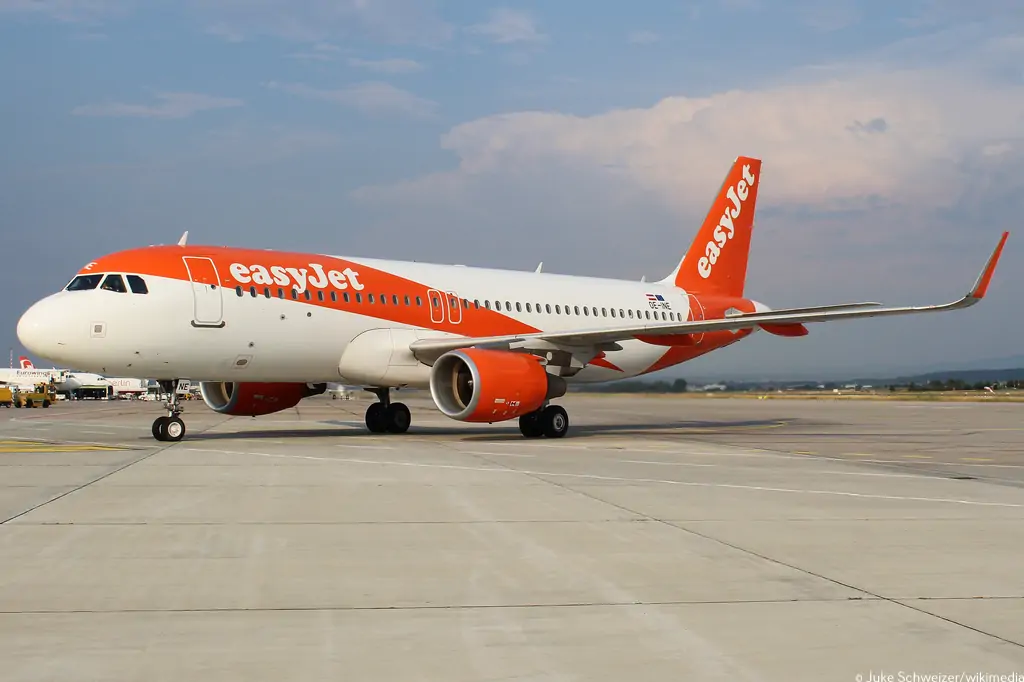
As easyJet prepares to notify its shareholders about its performance over the fiscal year on Thursday, October 5, 2023, investors are eagerly anticipating the results. The airline, which has seen a soaring share price over the previous year, faces many opportunities and challenges that will shape its future.
Share Price Soars, but Not Without Turbulence
Over the past 12 months, easyJet's share price has experienced a remarkable 52% increase, which has garnered the attention of investors and analysts alike. However, this impressive growth conceals moments of concern, notably a series of issues with National Air Traffic Services (Nats) during the summer. Outages caused disruptions to dozens of flights in August and September, leading easyJet CEO Johan Lundgren expressed disappointment in Nats for "letting down customers."
Sophie Lund-Yates, lead equity analyst at Hargreaves Lansdown, highlights the importance of understanding the extent of the damage to the airline's bottom line due to air traffic control constraints. She also emphasizes that these disruptions should not be seen as a long-term indicator of the group's health, underlining the significance of assessing booking momentum as the new fiscal year begins.
Rising Costs and Energy Price Concerns
The travel industry, including easyJet, continues to grapple with various pressures. The surge in energy prices has amplified these challenges. In recent months, there has been a modest but steady increase in oil prices, which has had a notable impact on EasyJet's shares, causing them to lose approximately 10% of their value in the last six months. Fuel, being an essential input cost for airlines, is directly affected by rising energy prices. Moreover, higher energy costs could potentially crimp consumer spending, further affecting the airline's profitability.
Russ Mould, the investment director at AJ Bell, points out that this decline in share value may be attributed to the resurgence in oil prices. He highlights that despite an optimistic third-quarter trading update provided by CEO Johan Lundgren in June, investors are keen to see if any profit forecasts for the 12 months to September 2024 will be disclosed. Mould notes that the current expert consensus predicts a further increase in pre-tax earnings to £552 million, though this figure still falls below the all-time high of £686 million seen in 2015.
Looking Ahead: Challenges and Opportunities
As easyJet moves forward, it faces both challenges and opportunities. The impact of air traffic control disruptions, energy price fluctuations, and cost-of-living pressures will continue to be significant factors to monitor. The airline must demonstrate its ability to adapt to these challenges while maintaining its resiliency.
Additionally, investors are eager to learn about easyJet's objectives and profit forecasts for the upcoming fiscal year. Whether the airline can reach or surpass its previous earnings peak remains a point of interest.
Conclusion
While easyJet's soaring share price over the past year is commendable, it is essential to recognize the airline's underlying challenges and uncertainties. Investors, analysts, and stakeholders will closely scrutinize the upcoming shareholder notification on October 5, 2023, for insights into the airline's strategies and fiscal year 2023-2024 plans. EasyJet's ability to navigate these challenges while capitalizing on opportunities will ultimately determine its future success in the dynamic aviation industry.
With Inputs from Evening Standard
Read next
Aviation Working Group Raise Outlook of India's Aircraft Leasing Compliance Index to Positive

Radhika Bansal
09 Oct 2023
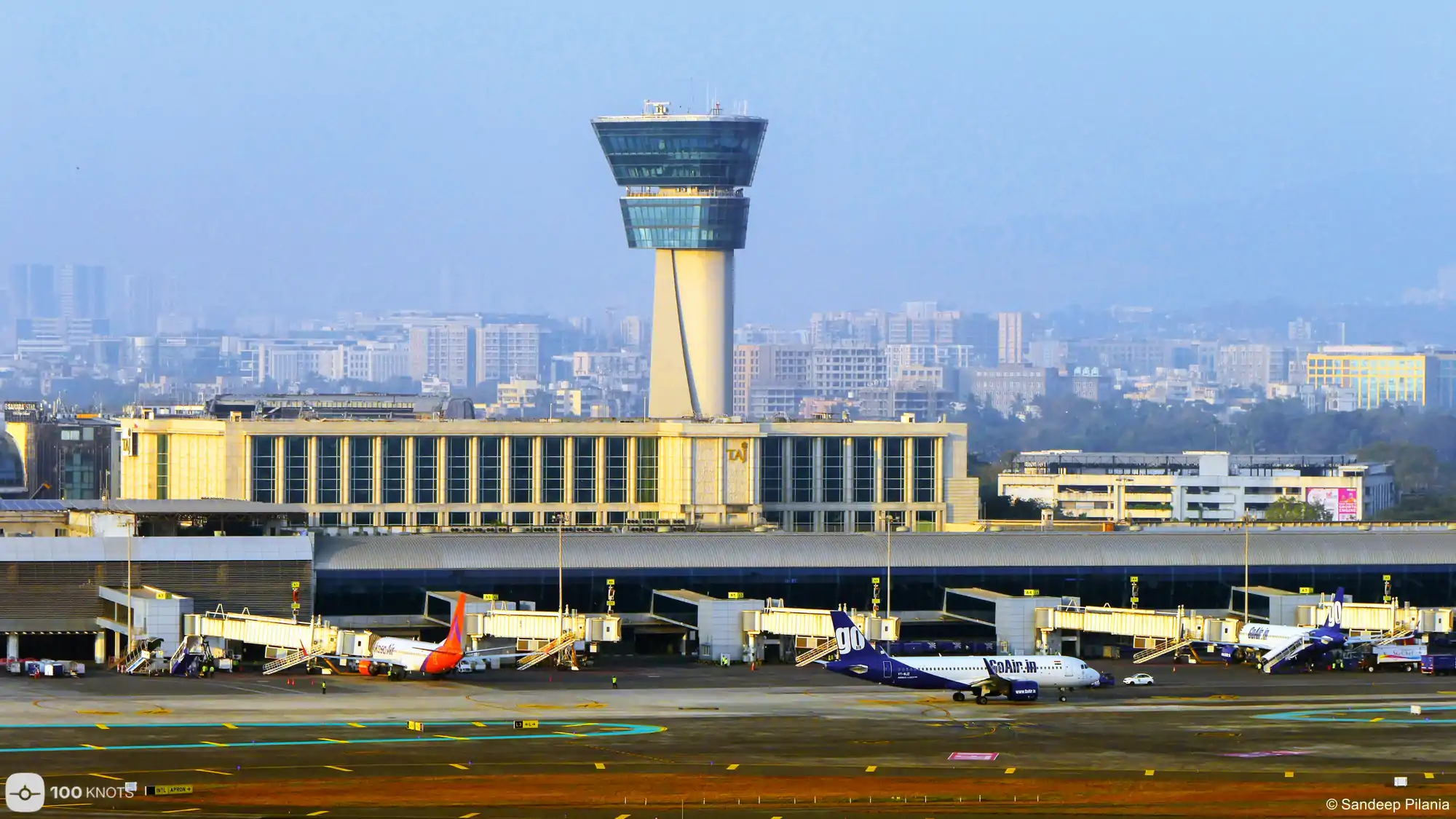
The Aviation Working Group (AWG), on October 6, raised the outlook of India's aircraft leasing compliance index, just a day after the country amended its insolvency law to exclude leased aircraft from assets that can be frozen.
The AWG — a not-for-profit legal entity comprised of major aviation manufacturers, leasing companies, and financial institutions — has revised its aircraft leasing compliance outlook for India to positive just 10 days after issuing a negative outlook for India on September 27. The AWG includes Boeing and Airbus.
"The Moratorium Exclusion disapplying the general moratorium provisions under IBC 2016 for CTC transactions is a material development affecting CTC compliance in India and a positive development relating to India’s CTC obligations," the AWG said in a notification.
The Ministry of Corporate Affairs (MCA) decision to exempt agreements relating to aircraft, aircraft engines, airframes and helicopters from the moratorium prescribed under the Insolvency and Bankruptcy Code, (IBC), 2016, was made to ensure rationalization of future lease rates, a senior government official was quoted by MoneyControl.
The AWG assigns its aircraft leasing compliance outlook based on the terms and conditions of the Cape Town Convention. Under the Cape Town Convention (CTC), lessors can take back the possession of aircraft leased to airlines. India is a signatory of CTC. The Cape Town Convention is a global treaty designed to increase the financing and leasing of aircraft, engines and spare parts by reducing a lessor's risk and by enhancing legal predictability in these transactions, including in the case of an airline's insolvency or default.
AWG had issued India a negative outlook after leasing firms could not take back their aircraft from bankrupt Go First. Since Go First is undergoing an insolvency resolution process, a moratorium is in place and lessors are locked in a legal battle with Go First for taking back the leased planes.
Despite, revising its outlook for India, the AWG has left the country on its CTC Compliance Watchlist. "While the country remains on the CTC Compliance Watchlist (the ‘watchlist’), its scorecard should be viewed with caution as it does not yet reflect the potential impact of ongoing material developments resulting in the watchlist placement," the AWG said.
AWG Downgrading India's Rank
AWG on September 27 had said that CTC remedies have not been made available to lessors nor have lessors been able to access aircraft to determine that their aircraft are being maintained by the leases as required by CTC. The actions and inactions in the GoFirst insolvency proceedings are developments that materially and negatively implicate CTC non-compliance in India, it said, and added that the country's variable A score is projected to be materially reduced under the compliance index formula from 3.5 to projected 2. Variable A pertains to legislation, regulations, and rules impacting CTC implementation.
Budget carrier Go First stopped flying on May 3 amid the grounding of many of its aircraft due to engine issues that resulted in financial woes. Go First had on May 2 filed a plea for voluntary insolvency resolution proceedings before the National Company Law Tribunal (NCLT). It filed its petition under Section 10 of the Insolvency and Bankruptcy Code to initiate insolvency against itself. The plea is different from Sections 7 and 9 where the financial and operational creditors, respectively, take the corporate debtor to the National Company Law Tribunal (NCLT) in case of default in payment of dues.
Commenting on the development, Vinay Dube, Founder and CEO, of Akasa Air said, “We applaud the government and the Honourable Minister for Civil Aviation for this progressive step, that cements into law the tenants of the Cape Town convention. The Indian aviation industry is set to grow multi-fold in the coming years. Currently, close to 80% of aircraft in India are leased, and as players continue to expand their operations, and the industry carves space for new players, India will need continued support from lessors to cater to this growth. The latest amendment to the IBC will encourage lessors to collaborate with Indian airlines by leasing more aircraft, at commercially favorable rates.”
(With Inputs from MoneyControl)
Read next
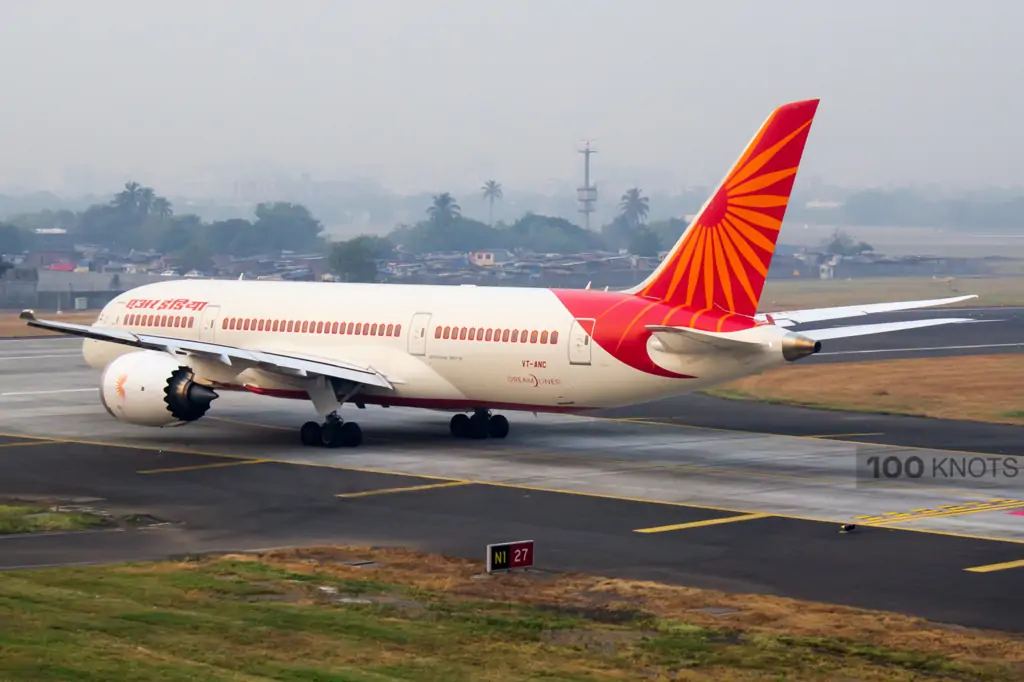
In a significant development for India's aviation industry, ModAir Aviation, an Indian leasing firm, recently acquired its fourth aircraft through IFSC GIFT City. This strategic move is set to transform the landscape of aircraft leasing in the country.
IFSC GIFT City: A Hub for Aircraft Leasing
IFSC GIFT City, located in Gujarat, has emerged as a premier destination for aircraft leasing activities in India. The International Financial Services Centre Authority (IFSCA) approved a comprehensive framework for aircraft leasing in February 2021, opening the doors to numerous leasing companies to establish themselves within the city's boundaries.
ModAir Aviation's Expansion
ModAir Aviation's recent acquisition of its fourth aircraft through IFSC GIFT City highlights the growing trend of aircraft leasing in India. The leasing firm is set to induct its fifth and sixth aircraft within the next ten days, indicating a robust demand for leased aircraft in the country.
The Cost Factor
According to IFSC sources, ModAir's latest acquisition comes at a price range of $2-3 million. These aircraft are intended to be utilized by flying training organizations, emphasizing the diverse applications of leased aircraft in India's aviation ecosystem.
Air India's Pioneering Role

Air India, the country's flagship carrier, took the lead in establishing a leasing operation within IFSC GIFT City. The airline's ambitious project involves the leasing of six A350s, which are scheduled to join the Tata-owned carrier's fleet. This initiative is managed through AI Fleet Services IFSC Limited, with a projected cost of Rs. 7,253 crores, signifying the substantial investments being made in aircraft leasing.
IndiGo's Entry into the Fray

India's leading low-cost carrier, IndiGo, has also recognized the potential of aircraft leasing in IFSC GIFT City. The airline has set up its firm in the financial center and plans to invest Rs. 30 crores in this venture. This move underscores the commitment of major players in the industry towards leveraging the opportunities offered by IFSC GIFT City.
The Expanding Ecosystem
IFSC GIFT City's aircraft leasing ecosystem is witnessing rapid growth. With 22 leasing companies already established in India, and over 100 assets being leased, the city is emerging as a key global hub for aircraft leasing. Vman Aviation holds the distinction of being the first company to enter this burgeoning sector.
Conclusion
The development of aircraft leasing in IFSC GIFT City is a game-changer for India's aviation industry. ModAir Aviation's latest acquisition, coupled with Air India and IndiGo's ventures, highlights the immense potential of this emerging sector. As more companies set up shop in IFSC GIFT City, the Indian aviation landscape is poised for significant transformation, promising a brighter future for the industry as a whole.
This growth in aircraft leasing is not only beneficial for airlines but also for the broader Indian economy, attracting investments and generating employment opportunities. With the right policies and continued support, IFSC GIFT City is on track to become a global leader in aircraft leasing.
With Inputs from Business Line
Read next
Ryanair CEO Criticizes UK's Air Traffic Control System Amid Gatwick Airport Disruption
Abhishek Nayar
09 Oct 2023

The CEO of Ryanair, Michael O'Leary, has launched a scathing critique of the United Kingdom's air traffic control system (NATS) following reports that Gatwick Airport has requested airlines to postpone flights due to a severe shortage of staff in the control tower. O'Leary's outspoken comments have highlighted concerns about NATS' management, staffing, and financial performance.
Gatwick Airport's Plea for Flight Cancellations
Gatwick Airport found itself in a challenging situation when a Covid-19 outbreak led to approximately 30% of its staff falling ill. Consequently, they approached airlines, including Ryanair, requesting flight cancellations due to a shortage of personnel capable of managing the volume of flights.
Ryanair, known for its assertive stance, refused to comply with the request, as O'Leary stated, "We politely told them to .... off. We won't be cancelling flights." This decision underscores the airline's frustration with the situation and its commitment to providing uninterrupted services to passengers.
O'Leary's Criticism of NATS Management
Michael O'Leary didn't mince words when he criticized NATS' management, particularly singling out NATS Chairman Martin Rolfe. He attributed the problems at Gatwick Airport and within NATS to what he deemed as "short staffing and mismanagement." Rolfe, in O'Leary's view, bears significant responsibility for these issues.
Examination of NATS' Executive Team
During his remarks, O'Leary turned his attention to NATS' executive team composition. He pointed out that several members of the leadership had backgrounds with EON, a privatized UK utility company, or were esteemed members of the British establishment who had previously overseen various government departments.
O'Leary highlighted the inadequacies in NATS' contingency planning, citing the incident on August 28-29 when the system collapsed. He noted that the backup system shared the same computer infrastructure, leading to both systems failing simultaneously. To exacerbate matters, the maintenance engineers tasked with restoring the system were working remotely, further impeding the recovery process.
Remuneration Controversy
One of the most striking revelations made by O'Leary was the significant increase in Martin Rolfe's remuneration despite NATS' performance issues. In just one year, Rolfe's remuneration climbed from £700,000 to £1.2 million, despite NATS reporting losses of approximately £27 million in 2022. This contrast between performance and remuneration has raised eyebrows and fueled criticism from industry observers.
Conclusion
The recent disruption at Gatwick Airport and Michael O'Leary's vocal criticism of NATS have brought the shortcomings of the UK's air traffic control system into sharp focus. Questions about management, staffing, contingency planning, and executive compensation are now front and center in the aviation industry. As passengers and airlines alike grapple with the consequences of these issues, there is a growing call for greater transparency and accountability within NATS to ensure the smooth operation of the nation's airspace.
With Inputs from Aviation Business News
Read next
Air India Introduces a New Tool Called Airport Briefing to Help its Pilots
Radhika Bansal
07 Oct 2023

Campbell Wilson, CEO of Air India, in a letter addressed to employees on October 6 said that the company has introduced a new tool called Airport Briefing, which will help Air India pilots mitigate risks better by enhancing their situational awareness.
“… Following the standardisation of EFBs and introduction of DocuNet, we have now introduced Airport Briefing – another tech tool that will significantly enhance situational awareness of our pilots,” the letter read.
Airport Briefing allows pilots to use their iPad EFB device to develop an accurate picture of the operating conditions of airports in the network, preparing them to handle unexpected situations and thereby mitigate risks, Wilson said. The introductory sessions saw the attendance of more than 300 pilots, he added.
The Air India CEO also spoke about the five-day Managing Global Airlines course run by Boeing and Cranfield University, exclusively for Air India. He attended the final session of the course before flying out of Delhi.
The course covered a broad base of topics such as aviation law, airline economics, alliances, revenue management and cargo among others and was attended by 40 people from various teams, including fleet acquisition, network planning, cargo strategy, aircraft leasing, product and strategic procurement.
“These courses are part of a broader initiative to expose ourselves to outside best practices, upskill and continually improve our capabilities so that we can mix it with all-comers. In that regard, I want to take a moment to acknowledge the work done by our L&D Team that has enabled around 9,300 employees to undertake various in-person training programs since April,” Wilson said.
This includes 1800+ employees from IFS, CXGH, and security on leadership development programmes; Three thousand employees in the Air India Service Excellence (ACE) programme, business essential skills, performance management and 4,400 new joiners across taking the one-day induction into AI culture and ethos, he added.
Introducing New Rosters
Air India recognizes the importance of reliable printed rosters for efficient crew scheduling and minimizing disruptions. To achieve this, the airline's operations team has been diligently working on improving the accuracy and timeliness of printed rosters. By ensuring that pilots and crew members have access to up-to-date and reliable schedules, the airline aims to enhance operational efficiency and reduce last-minute changes that can cause disruptions.
Efficient utilization of standby blocks is crucial for any airline. Air India's operations team has implemented strategies to optimize standby blocks effectively. This involves strategically placing standby crew members to ensure rapid response to any unforeseen operational challenges. By doing so, Air India aims to minimize delays and improve overall reliability.
Air India is at the forefront of embracing digital tools to modernize its flight operations. Two notable additions to their technological arsenal are the Pilot Sector Report (PSR) app and DocuNet.
"The PSR app streamlines post-flight reporting, while DocuNet streamlines document distribution, ensuring up-to-date and synchronized information." Both tools are user-friendly and integrate seamlessly with our existing systems", remarked Air India CEO Campbell Wilson.
The PSR app is designed to empower pilots with real-time information on their flight sectors. It provides critical data and insights that enable pilots to make informed decisions, enhancing safety and efficiency. This digital tool not only streamlines communication between pilots and the operations team but also contributes to overall pilot satisfaction.
(With Inputs from MoneyControl)
Read next

Relaxing regulations for aspiring drone pilots, the Ministry of Civil Aviation has announced the Drone (Amendment) Rules 2023, which aim to promote and facilitate drone operations across India. One of the key changes is the removal of the mandatory passport requirement for aspiring drone pilots. Previously, having a passport was a prerequisite for obtaining a Remote Pilot Certificate, causing difficulties for many individuals, particularly in the agricultural sector in rural areas.
To address this issue and further liberalize drone operations, the Ministry has now made it possible to submit a government-issued identity proof and address proof instead of a passport.
"The prerequisite of having a passport was becoming a hurdle for aspiring drone pilots, especially in the agricultural sector across rural India. This effort is to further liberalize, promote and facilitate drone operations across the country and make India a global drone hub by 2030," stated a release from the Ministry of Civil Aviation.
Under the amended rules, individuals can use government-issued proofs of identity and address, such as Voter ID, Ration Card, or Driving License, when applying for a Remote Pilot Certificate. This change aims to make drone piloting more accessible to a wider range of individuals.
The new rules, effective from September 27, 2023, have been introduced under the authority granted by the Aircraft Act, 1934 (22 of 1934), specifically section 5, sub-section 2 of section 10, and sections 10A, 10B, and 12A. These changes reflect the Ministry's commitment to foster the growth of the drone industry in India and position the country as a global drone hub by 2030.
Notably, a remote pilot certificate is required when the drone is of small to medium size - up to 2kg - for non-commercial drone use. All individuals between 18 to 65 years of age will be eligible to obtain a remote pilot certificate. They should have passed class 10 or its equivalent from a recognised board and should have successfully completed training as specified by the DGCA from any authorised remote pilot training organisation.
Within seven days of successful completion of the training and passing of the tests under sub-rule (1), the authorized remote pilot training organization will have to make an application for a remote pilot certificate in Form D-4 on the digital sky platform along with the fee as specified in rule 46, providing details of the individual who has passed the test. The individual in respect of whom the authorized remote pilot training organization has made an application will be issued a remote pilot certificate through the digital sky platform.
The DGCA will issue the remote pilot certificate within fifteen days from the issue of the remote pilot certificate to such individuals through the digital sky platform. A remote pilot certificate will remain valid for ten years if it is enlisted on the digital sky platform and is not suspended or cancelled by DGCA.
By removing barriers to entry, the government aims to encourage more individuals, especially those in rural areas and the agricultural sector, to embrace drone technology and its potential benefits.
The government is increasing the number of drone pilot training institutes across the country. In August, the Sangam city’s Naini Aerospace Limited (NAeL) in Orayagraj was given the go-ahead to set up the Remote Pilot Training Organisation (RPTO) by the DGCA. Reportedly, the NAeL tied up with a Prayagraj start-up Empyrean Robotics Technologies to provide the training to people enrolling for the course at what would be East UP's only such training institute.
Meanwhile, last year, Tamil Nadu signed a memorandum of understanding with the Indira Gandhi Rashtriya Uran Akademi (IGRUA), De Drone World Solutions aimed at producing 2,500 drone pilots a year.
Comment