
Engine Fire Sparks Urgent Inspections on Airbus A350-1000 Jets: How Safe Is Air Travel?

Abhishek Nayar
07 Sep 2024
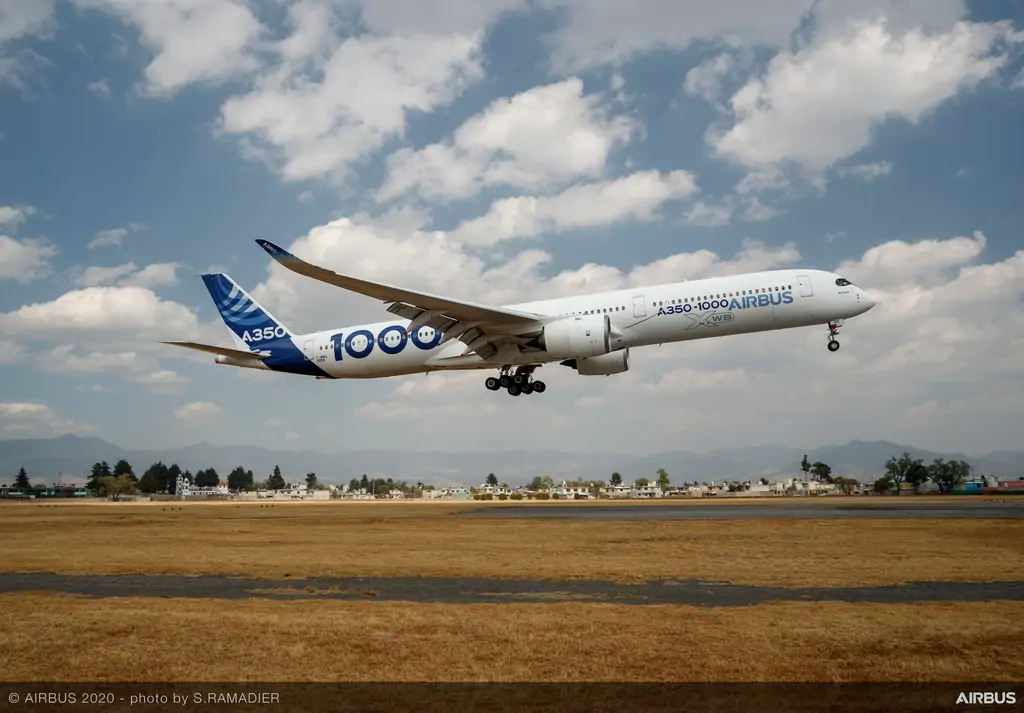
In an unfolding development that has captured the aviation industry's attention, the European Union Aviation Safety Agency (EASA) issued an emergency directive on Thursday, mandating inspections on the engines of Airbus A350-1000 jets. This action follows a serious incident involving a Cathay Pacific flight, during which an engine fire broke out due to a fuel leak.
A Swift Response to a Serious Incident
The EASA, after consulting with authorities and accident investigators from Hong Kong, as well as aircraft manufacturer Airbus and engine supplier Rolls-Royce, announced the precautionary measure. The agency's decision stems from initial findings into the Cathay Pacific incident, which forced a Zurich-bound flight to return to Hong Kong.
Cathay Pacific's investigation revealed that a hose failure in the fuel system sparked a fire, prompting immediate action by the crew. Though quickly extinguished, the fire's potential severity underlined the need for urgent intervention. As Florian Guillermet, EASA’s Executive Director, noted, this move is vital to prevent similar incidents.
What Exactly Happened?
The incident, classified as a "serious" one by aviation standards, suggests a high probability of an accident. Investigations have shown that a fuel hose, connecting the manifold and fuel injection nozzle, was pierced, resulting in a fuel leak that ignited. The fire caused notable heat damage to the engine housing and thrust ducts.
In response, EASA warned that, if left unchecked, this issue could cause further engine fires or severe damage, especially if coupled with other malfunctions. Rolls-Royce and Airbus have committed to working with regulators to ensure compliance with the new directive.
Impact on Airlines and the Aviation Industry
The EASA's directive affects the larger Airbus A350-1000 jets, which account for 15% of the total A350 fleet. Interestingly, the smaller and widely flown A350-900 model remains unaffected by this inspection order. The directive applies to 86 planes globally, except those already inspected by Cathay Pacific.
Airlines operating A350-1000s are required to complete visual inspections on the fuel hoses within three to thirty days. The checks, while essential, are seen as relatively straightforward tasks that do not require the removal of parts unless damage is detected. However, the move has overruled manufacturers’ initial stance of avoiding fleet-wide inspections, a decision influenced by the gravity of the situation.
Rolls-Royce’s Role and Concerns Over Short-Term Disruption

Rolls-Royce, the engine supplier for Airbus, has faced scrutiny following this incident. The company's XWB-97 engines, fitted on the A350-1000, have been central to the investigation. Rolls-Royce is working with airlines to minimize the short-term impact of these inspections, while also apologizing for any inconvenience caused.
The EASA’s decision to partially override manufacturer recommendations and enforce safety checks on the fleet marks a significant moment. This incident has become the first public test of EASA Executive Director Florian Guillermet, whose approach to safety oversight comes in the wake of the Boeing safety crisis.
Balancing Technical Challenges and Public Trust
The technical complexity of modern aircraft and engines means that manufacturers like Rolls-Royce and Airbus play a key role in preparing regulatory guidelines. However, recent history has shown that public trust in air safety can be fragile, and regulators are under growing pressure to act independently.
Airlines, while supportive of the inspections, have expressed concerns about communication from both Airbus and Rolls-Royce. The uncertainty has led to questions from passengers, prompting the manufacturers to address concerns through internal briefings with carriers.
What’s Next for the Airbus A350-1000?
As the investigation continues, there are high stakes for both Rolls-Royce and Airbus. The EASA has given airlines clear guidelines for inspections, but much rests on the findings of further probes into the incident. Airlines will be eager for clarity on part availability and repair timelines, as disruptions to their operations remain a key concern.
For passengers, while safety remains a top priority, the question looms: just how safe is air travel when a "serious incident" like this can occur? The outcome of this investigation, and the steps taken to prevent future occurrences, will be crucial in maintaining public confidence.
Conclusion: A Lesson in Vigilance
The Cathay Pacific engine fire serves as a stark reminder of the intricate safety checks that govern modern air travel. With regulators, airlines, and manufacturers working together to resolve this issue, the industry’s attention is firmly focused on ensuring that the skies remain safe for passengers worldwide. As the investigation unfolds, further revelations may reshape the future of aviation safety practices.
In an industry where safety is non-negotiable, swift action and clear communication will be key to restoring confidence in the Airbus A350-1000 and its engines.
With Inputs from Reuters
Read next

In a bold move aimed at transforming the future of Pakistan International Airlines (PIA), the Pakistani government is set to sell a 75% stake in the national carrier. This strategic sale, which mandates an investment of at least USD 500 million over the next three years, has stirred up excitement and competition among several major players in the aviation and corporate world. The announcement, made on August 29, 2024, in a briefing to the Senate Standing Committee on Privatization, marks a critical turning point in PIA's ongoing struggle for profitability and operational sustainability.
A New Era for PIA: Government Sets the Stage
The sale of a majority stake in PIA comes as part of Pakistan's broader initiative to privatize several state-owned entities. This ambitious move aims to revitalize struggling assets, boost the economy, and ease the financial burden on the government. Usman Akhtar Bajwa, Secretary of the Privatization Committee, confirmed that no more time extensions would be granted, with the final bidder and sale documents expected to be announced in October 2024.
PIA, burdened by years of financial mismanagement and heavy losses, is now on the cusp of a significant transformation. The buyer of this 75% stake will assume responsibility for PKR 220 billion (USD 789 million) in liabilities while also committing to an initial injection of PKR 80 billion (USD 287 million) in the first 12 months. This immediate capital boost represents more than half of the total investment required over the next three years.
The Contenders: Who’s in the Race?
Earlier in 2024, the government initiated a pre-qualification process for interested buyers, attracting notable aviation and business players. Six parties emerged as the front-runners after clearing the government’s rigorous screening process:
- Fly Jinnah
- AirBlue
- Arif Habib Corporation Limited
- Three consortia led by YB Holdings (Private) Limited, Pak Ethanol, and Blue World City.
Each of these contenders brings its own strategic advantages, making the competition to acquire PIA fierce.
The YB Holdings Consortium: A Strong Contender
The YB Holdings-led consortium stands out with key partners like AirSial, Serene Air, and Liberty Daharki Power Limited, adding substantial weight to their bid. With a combination of regional airlines and energy sector expertise, the consortium is positioned to leverage its resources for PIA’s revival.

Pak Ethanol Consortium: International Expertise
The Pak Ethanol consortium includes a diverse mix of international companies such as AsiaPak Investments Limited (Hong Kong), Swiss Aviation Group (Switzerland), Airport Competence (Austria), Pearl Asset Management (Australia), and Capital A Consultancy (Malaysia). This global alliance of aviation experts and asset managers could provide the international experience and innovation needed to restructure and rebuild PIA.
The Financial Rescue Plan: What’s at Stake?
While the Pakistani government has already offloaded PKR 623 billion (USD 2.23 billion) in liabilities from PIA's books to a separate company, the buyer will still inherit a considerable amount of debt. The new owner will need to restructure PKR 220 billion in liabilities while driving profitability.
Key financial expectations include:
- An initial investment of PKR 80 billion (USD 287 million) in the first year.
- A total investment of USD 500 million over three years to recapitalize and modernize the carrier.
- A strategic plan for operational efficiency, which will likely include fleet upgrades, route optimization, and improved service standards.
What Lies Ahead: The Road to October 2024
With the October 2024 deadline fast approaching, all eyes are on the outcome of this high-stakes privatization effort. The successful bidder will not only have to stabilize PIA’s financial health but also steer the airline into a competitive position in the global aviation market. As Pakistan looks to turn its national carrier into a success story, the race to secure the majority stake has captured attention both domestically and internationally.
Conclusion: The Future of PIA Hangs in the Balance
The upcoming sale of PIA's majority stake marks a pivotal moment for Pakistan’s aviation sector. With several influential players in the race and the government’s firm commitment to closing the deal, the revitalization of PIA may soon become a reality. However, success hinges on the strategic vision and financial muscle of the winning bidder. Will PIA rise from the ashes and reclaim its place among leading global airlines? The world will be watching as the October 2024 decision looms closer.
With Inputs from ch-aviation
Read next

In a significant development for the airline industry, Alaska Airlines and Hawaiian Airlines recently celebrated what seemed like a major milestone in their merger journey. Just over two weeks ago, the US Department of Justice (DoJ) completed its regulatory investigation into the merger without calling for further scrutiny. However, the spotlight now shifts to the Department of Transportation (DOT), which holds the final say on whether this $1.9 billion merger will take flight.
DOJ Investigation: A Major Milestone for Alaska and Hawaiian Airlines
The completion of the DOJ’s investigation marked a key victory for Alaska Airlines and Hawaiian Airlines. The DOJ’s role in merger cases is to prevent any deal that could reduce competition or create a monopoly, and passing this stage without objections brought a sense of relief for both airlines. This milestone brought them one step closer to becoming the fifth-largest US airline, trailing only American, Delta, Southwest, and United Airlines.
DOT Review: The Final Hurdle
While the DOJ investigation may be over, Alaska Airlines and Hawaiian Airlines now face scrutiny from the DOT. This department’s primary focus is to assess whether the merger would benefit or harm public interest, particularly regarding international routes. In their merger, the two airlines have applied for a transfer of international route authorities, requiring the DOT’s approval. A spokesperson from the DOT stated:
"Alaska Airlines and Hawaiian Airlines have filed a transfer application to combine under one certificate and cannot combine their operating authorities without the US Department of Transportation's approval. The Department is reviewing the application and can only approve a transfer if it is in the public interest."
Opposition from United Airlines: Complicating Matters

Not everyone is enthusiastic about the merger. United Airlines has raised concerns about its potential impacts, particularly regarding its interline, codeshare, special prorate, and loyalty agreements with Hawaiian Airlines. United’s objections add complexity to the merger proceedings and may sway the DOT’s decision. Furthermore, a lawsuit was filed to block the merger, citing concerns over job losses, reduced services, higher fares, and potential damage to Hawaii’s economy.
This opposition brings a new layer of uncertainty to the process, as various interest groups vie for influence in shaping the DOT’s final ruling.
Support from Hawaii’s Leadership and Unions
Despite the challenges, the merger has found considerable support within Hawaii, with Governor Josh Green among its most vocal proponents. Governor Green emphasized that Alaska Airlines had made commitments to expand travel options for Hawaiians and protect union jobs. He noted:
"Alaska has reinforced commitments to our state and will maintain the Hawaiian Airlines brand, preserve and grow union jobs in our Hawai'i, as well continue to provide crucial passenger and air cargo service to, from, and within the Islands. I am confident that by the joining of these two airlines, a stronger company will emerge and offer more travel options for Hawai'i residents and local businesses."
Support has also come from unions, with the Airline Pilots Association International representing Hawaiian Airlines pilots signaling that they believe the merger will be beneficial. Captain Larry Payne, chair of the Association, remarked that after careful evaluation, the merger—if executed properly—would benefit their unionized workforce and the communities they serve.
What’s Next for the Merger?
While optimism abounds within Alaska and Hawaiian Airlines, the path to DOT approval remains challenging. Industry experts suggest that although the merger will likely receive DOT approval, it may take more time and effort than initially expected. United’s opposition and the ongoing lawsuit are potential roadblocks that could delay or alter the final terms of the merger.
Conclusion: Will the Merger Succeed?
The Alaska-Hawaiian Airlines merger, if successful, will mark a transformative moment for both companies, cementing their place as the fifth-largest airline in the US. With support from Hawaii’s leadership and unions, and having cleared the DOJ’s investigation, Alaska Airlines and Hawaiian Airlines are nearing the finish line. However, the final hurdle—the DOT approval—could be the most difficult to overcome.
As the aviation world watches closely, one key question remains: Will the merger finally take off, or will turbulence from opposition ground it indefinitely? Only time—and the DOT—will tell.
Read next

JetBlue has faced a turbulent few years, grappling with the fallout of the COVID-19 pandemic and a failed merger with Spirit Airlines. Its stock price, which once stood at $21.27 in early 2020, has plummeted by over 75%, hovering just above $5 as of August 2024. However, despite these significant challenges, JetBlue is now forecasting a more optimistic future, signaling a potential turnaround. This article takes a deep dive into the factors driving JetBlue's improved third-quarter earnings outlook and what they could mean for the airline’s recovery moving forward.
From Struggles to Optimism: JetBlue’s Stock Recovery
JetBlue’s financial struggles post-pandemic have been evident, with declining revenues and operational challenges. However, the airline recently announced an improved third-quarter earnings forecast, catching the attention of both investors and the broader aviation market. The stock has responded positively, rising by 8.5% in the wake of this announcement, as reported by the Wall Street Journal.
Previously, JetBlue had anticipated a nearly 5% drop in revenue compared to its third-quarter numbers from 2023. Now, the airline has revised its forecast, predicting a 1% increase in revenue over the same period. This surprising turnaround can be attributed to several key factors that have worked in the airline’s favor.
The Summer Surge: Strong Bookings During Peak Travel Season
One of the most significant contributors to JetBlue's improved outlook has been stronger-than-expected bookings during the summer peak travel season. With the pandemic no longer a primary concern for travelers, there was a noticeable surge in demand for leisure travel, especially to popular summer destinations.
JetBlue capitalized on this surge, attracting new and returning passengers. Its competitive pricing, onboard service, and route network allowed it to compete effectively in an otherwise challenging market. This uptick in demand has provided much-needed relief to the airline's revenue stream and bolstered its market position.
Tech Outages at Competitors: A Windfall for JetBlue
In late July, a cybersecurity firm, CrowdStrike, released a software update that led to widespread operational disruptions across several U.S. airlines and airports. American Airlines, Delta Air Lines, and United Airlines were the most severely impacted by these outages, facing weeks of delays and cancellations.
While these legacy carriers were grappling with operational chaos, JetBlue benefited from the situation. The airline reported an increase in bookings from passengers who switched carriers due to the ongoing issues with competitors. This temporary boost provided JetBlue with a significant, albeit short-term, advantage.

Latin American Markets: A Long-Term Growth Driver
While the technology-related boost in bookings may be transitory, analysts are more optimistic about JetBlue's expansion in the Latin American market. The airline has reported a sharp rise in bookings in Latin American destinations, an increasingly important region for its financial recovery. Traditionally, the summer months are a slow season for travel to these “sun markets,” but JetBlue saw unexpected success.
The airline’s strategic decision to eliminate unprofitable routes and focus on high-demand markets in Latin America has paid off. This shift, coupled with rising demand, indicates that the carrier is making smart moves to ensure sustainable growth in the region.
Cost Management: Fuel-Efficient Aircraft and Declining Costs
JetBlue’s cost picture has also improved. Earlier in the year, the airline had anticipated a 6-8% increase in unit costs (excluding fuel), but this number has since been revised downward to 5-7%. Additionally, fuel costs—a significant expense for any airline—have stabilized. The price of jet fuel flattened over the quarter, and JetBlue continues to benefit from the introduction of more fuel-efficient Airbus aircraft into its fleet.
The combination of lower operational costs, stable fuel prices, and the addition of modern, fuel-efficient planes have contributed positively to the airline’s overall financial outlook.
What Lies Ahead for JetBlue?
While JetBlue’s recent announcements paint a more optimistic picture, there are still concerns about the sustainability of this recovery. Market analysts, such as CitiBank's Stephen Trent, have warned that the benefits from increased bookings—due to competitors' operational issues—are likely temporary. However, JetBlue’s ability to expose new groups of passengers to its award-winning onboard services during this time could yield longer-term advantages.
Additionally, the airline’s success in Latin American markets, cost control measures, and its expanded fleet of fuel-efficient aircraft provide a more stable foundation for future growth.
Conclusion: Will JetBlue Defy the Odds?
JetBlue has weathered an exceptionally tough few years, but its recent performance suggests that the carrier may be on the verge of a turnaround. Strong summer bookings, temporary benefits from competitor issues, and strategic moves in Latin America are all contributing to a more positive outlook. As the airline continues to navigate its path to recovery, only time will tell if these recent gains can be sustained. Nonetheless, the current forecast offers hope for JetBlue’s loyal investors and passengers alike.
Read next
Is Air India Group’s New MRO Facility in Bengaluru a Game Changer for Indian Aviation?
Abhishek Nayar
07 Sep 2024

On September 4, 2024, Air India Group took a significant step towards transforming Indian aviation with the commencement of a multi-bay Maintenance, Repair, and Overhaul (MRO) facility in Bengaluru. Marked by a special ceremony at Kempegowda International Airport (BLR), the groundbreaking event was attended by airline executives, government officials, and local dignitaries. This ambitious project aims to revolutionize how Air India handles aircraft maintenance while contributing to the broader aviation industry in India.
Building the Future of Aircraft Maintenance
The new MRO center is being constructed on a sprawling 35-acre site within Bengaluru's airport. Once completed, it will serve as a crucial hub for maintaining the fleets of Air India Group airlines, including those currently operated by Vistara, which is set to merge with Air India by the end of 2024. This development is part of the carrier’s broader strategy to expand its in-house maintenance capabilities and become more self-sufficient as it modernizes its fleet.
The facility is expected to set new benchmarks in aviation maintenance in India and globally. It will feature state-of-the-art infrastructure, including a "mega hangar" capable of accommodating both widebody and narrowbody aircraft under one roof for base maintenance. There are also plans for additional hangars, including one dedicated to aircraft painting, further expanding the center’s capacity.
A Partnership for Progress
Earlier this year, Air India entered into a strategic partnership with Singapore-based SIA Engineering Company (SIAEC) to develop the Bengaluru facility. The collaboration aims to combine global expertise with local talent, ensuring that the new MRO is equipped to meet international standards.
Once operational, the MRO is expected to generate over 1,200 new job opportunities for skilled aviation engineers. Additionally, the facility will support over 200 small and medium enterprises (SMEs) in the Karnataka region, enhancing the local supply chain and boosting the economy.
Cutting-Edge Technology and Infrastructure
The new facility will be equipped with some of the latest aircraft maintenance technologies. It will feature overhead tele-platforms, cranes, and universal docking systems to facilitate efficient and safe operations. The highlight of the MRO will be its vertical lift hangar doors, which will be the largest in India, allowing for seamless handling of large aircraft.
This investment in advanced technology underscores Air India’s commitment to setting new standards in aviation maintenance. The company has also reopened its refurbished wide-body hangar in Mumbai (BOM) and plans to build a new hangar in Delhi for line maintenance, solidifying its efforts to develop a comprehensive maintenance ecosystem across major Indian airports.

Empowering the Next Generation of Aviation Engineers
Beyond constructing a physical infrastructure, Air India is heavily investing in human capital. In 2025, the airline plans to open a Basic Maintenance Training Organization (BMTO) in Bengaluru. This facility will play a pivotal role in training future generations of engineers, providing them with the knowledge and certifications needed to work on a variety of aircraft types.
The BMTO aims to become a center of excellence in aviation training, offering students the opportunity to become type-rated engineers. Furthermore, Air India will seek CAR-147 accreditation for its training academy, which will allow the quick certification of new engineers, ensuring a steady stream of skilled professionals to meet the growing demands of the MRO facility.
The Strategic Importance for Karnataka and India’s Aviation Sector
Karnataka’s government has been quick to highlight the strategic significance of the MRO facility for both the state and the country. According to Gunjan Krishna, Commissioner for Industrial Development and Director, Department of Industries and Commerce, the construction of this facility represents a major milestone for Indian aviation and reinforces Karnataka’s role in the sector’s growth.
With Bengaluru already recognized as a global tech hub, the addition of a world-class MRO center further positions the city as a leading player in global aviation. This facility is expected to drive growth in India’s aviation sector, which is expanding at an unprecedented pace.
A New Era for Air India
For Air India, the new MRO facility in Bengaluru is a critical step in its broader transformation strategy. As the airline works to reposition itself as a world-class carrier, strengthening its in-house maintenance capabilities will be essential to achieving that goal. The company’s CEO, Campbell Wilson, emphasized the importance of the project, noting that the facility will enhance Air India’s ability to maintain its fleet while contributing to the overall development of India’s aviation ecosystem.
“The Bengaluru MRO facility is coming up at an opportune time to help strengthen India’s aviation ecosystem while enhancing our in-house capabilities to maintain our fleet,” said Wilson. “This is a step ahead in our mission to make Air India a world-class airline.”
Conclusion
The construction of Air India Group’s new MRO facility in Bengaluru represents a turning point for both the airline and the Indian aviation industry. With state-of-the-art infrastructure, strategic partnerships, and a focus on human capital, this project promises to set new standards in aircraft maintenance while creating significant economic opportunities. As Air India continues to expand and modernize, this facility will undoubtedly play a vital role in the airline’s future success and the growth of aviation in India.
Read next
Airlines on Edge as Rolls-Royce and Airbus Scramble to Address A350 Engine Issues
Abhishek Nayar
06 Sep 2024
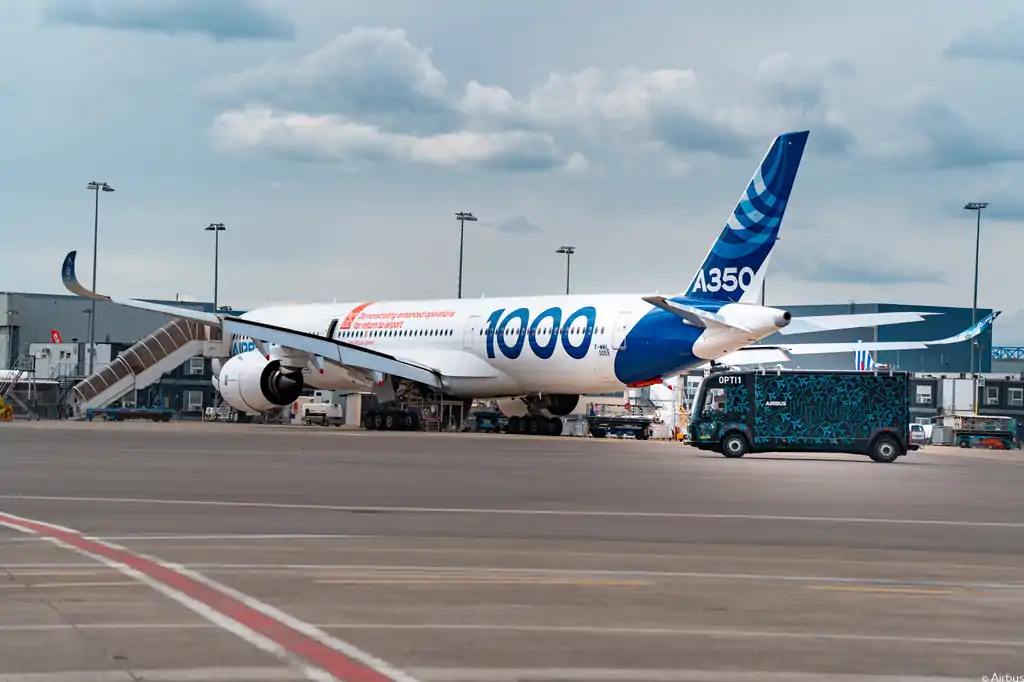
Airbus and Rolls-Royce are set to brief airlines on the potential fallout from an engine emergency that led Cathay Pacific to initiate a fleet review of its A350 aircraft. The issue, involving a fuel system malfunction, has prompted a series of precautionary inspections across airlines, leaving the industry eager for clarity. With safety at the forefront and financial consequences looming, the aviation world awaits crucial updates.
Cathay Pacific's Emergency: What Triggered the Scrutiny?

The spotlight turned on the Airbus A350-1000 and its Rolls-Royce XWB-97 engines after a Cathay Pacific jet bound for Zurich was forced to return to Hong Kong due to an engine failure, later traced to a fuel leak. The airline, in response, began inspections of its A350 fleet, revealing that 15 out of 48 jets needed repairs to fuel lines. This discovery led to widespread concern across the aviation industry, as other airlines, such as Singapore Airlines and Japan Airlines, began conducting precautionary checks of their own A350 fleets.
The Cause: Fuel Line Concerns Under Investigation
Initial investigations have identified that the fuel leak stemmed from a pierced flexible pipe, responsible for feeding fuel into the XWB-97 engine. Investigators are now focusing on whether this pierced pipe was the root cause of the leak or a symptom of a larger, yet-to-be-determined issue. As the investigation progresses, airlines and manufacturers remain on high alert for further findings that may impact flight safety and operations.
The Industry's Reaction: Precautionary Checks and Regulatory Uncertainty
Airlines across the globe are taking no chances, with some conducting voluntary inspections of their A350s while awaiting further guidance from Rolls-Royce. The European Union Aviation Safety Agency (EASA) has yet to issue any recommendations on worldwide checks or grounding of the fleet, although their decision could have serious financial implications for airlines if downtime becomes necessary.
“We have no further comment at this stage as we are still completing our assessment,” an EASA spokesperson stated, reflecting the uncertainty hanging over the situation. With potential regulatory action on the horizon, the pressure on Airbus and Rolls-Royce to provide conclusive answers is intensifying.
Financial Impact: Market Reactions and Flight Cancellations

As Cathay Pacific continues to inspect and repair its fleet, the airline has been forced to cancel dozens of flights, raising concerns about potential disruptions across the industry. Though the airline expects to return all its A350s to service by Saturday, this incident has highlighted the delicate balance between safety and operational efficiency.
On the financial front, Rolls-Royce saw a temporary 1.8% boost in its stock price on Wednesday, following steep declines earlier in the week. Investors remain cautious as further revelations could affect not only Rolls-Royce but Airbus and other stakeholders reliant on the smooth functioning of the A350 program.
What Lies Ahead: The Path to Resolution
As manufacturers prepare to brief airlines, the global aviation industry is holding its breath. While no widespread flaw has been discovered thus far, the final word on whether further action will be necessary rests with regulators. Should new evidence emerge, airlines may face costly maintenance delays and additional cancellations.
For now, the aviation community waits, with voluntary checks continuing across various fleets and an underlying sense of urgency for a resolution. The outcome of these investigations will likely set a precedent for how the industry addresses engine safety concerns going forward.
Conclusion: The Ripple Effect of Engine Issues on Global Aviation
The Cathay Pacific incident has cast a spotlight on the safety of the Airbus A350 and its Rolls-Royce engines, raising questions about the broader implications for the aviation industry. With safety investigations ongoing and airlines conducting inspections, all eyes are on the next steps from manufacturers and regulators. Will the aviation world see a widespread call for repairs, or will this remain an isolated incident? For now, airlines and passengers alike are left in a state of watchful waiting.
With Inputs from Reuters
Comment