
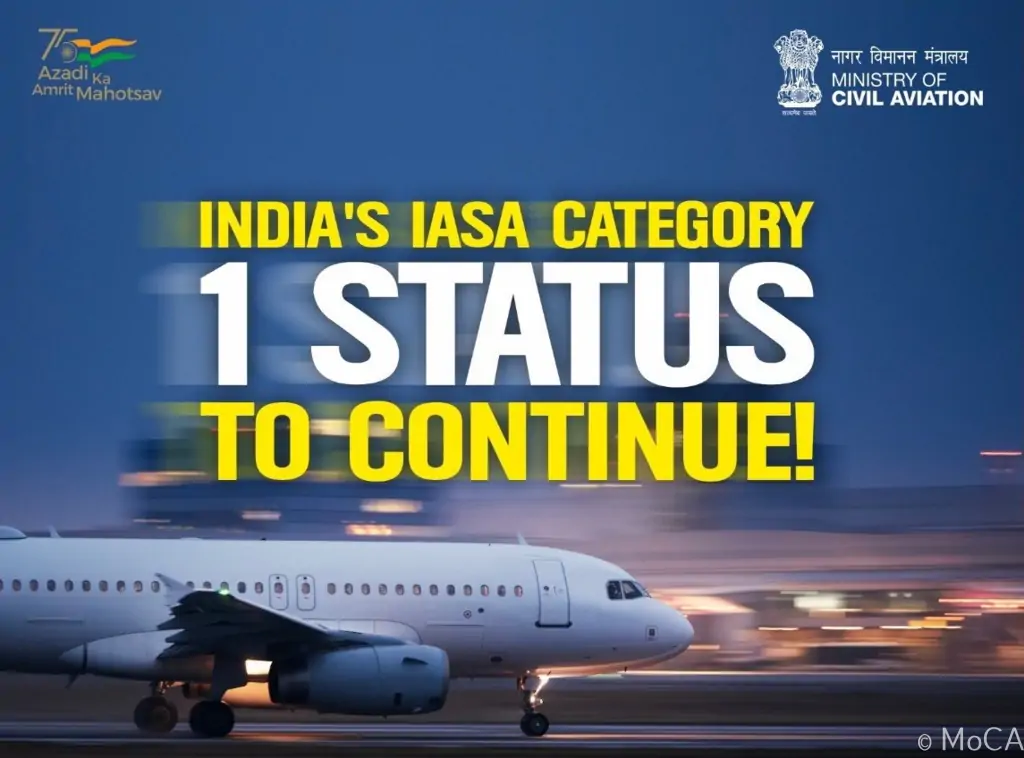
The Federal Aviation Administration (FAA) informed the Directorate General of Civil Aviation (DGCA) that India meets the international standards for aviation safety oversight of the Chicago Convention and continues to retain FAA International Aviation Safety Assessment (IASA) Category 1 status, DGCA officials said on Wednesday. This development comes days after India in the International Civil Aviation Organization (ICAO) audit in November 2022 had enhanced its global ranking significantly.
“Based on the positive outcomes of the assessment and follow-ups, FAA has informed DGCA on April 12, 2023, that India meets the international standards for aviation safety oversight of the Chicago Convention & its Annexes and continues to retain FAA IASA Category 1 status which was last assessed in July 2018” A statement from the DGCA read.
The Ministry of Civil Aviation tweeted that FAA had confirmed that it would continue India’s CAT-1 status as per its International Aviation Safety Assessment (IASA) programme. CAT-1 status implies that an airline can operate and offer its services to American cities and proceed with codeshare agreements with US carriers.
Civil aviation minister Jyotiraditya M Scindia also responded to the ministry's post, hailing India’s 16% jump in the global rating of the International Civil Aviation Organisation (ICAO). “After a significant 16% jump in its ICAO global rating, yet again, India’s civil aviation sector successfully retains its Category A status with FAA. India’s standards for aviation safety oversight continue to be amongst the best in the world! Congratulations @MoCA_GoI!” he tweeted.
FAA’s IASA program
Under its IASA program, the FAA determines whether a country’s oversight of its air carriers that operate, or seek to operate, into the US, or codeshare with a US air carrier complies with safety standards established by the ICAO. The IASA program focuses on a country’s ability to adhere to international aviation Safety Standards and Recommended Practices contained in Personnel Licensing, Operation of Aircraft and Airworthiness of Aircraft to the International Convention on civil aviation Chicago Convention.
Under its IASA program, FAA conducted an audit of the DGCA, India from October 25 to 29, 2021 in the areas covering aircraft operations, airworthiness, and personnel licensing. The IASA assessment was followed by final consultations on April 25-26 last year and further reviewed in July and September 2022. India scored an Effective Implementation (EI) of 85.65% from the previous EI of 69.95%, enhancing its global ranking significantly.
“FAA has stated that DGCA has demonstrated a commitment towards ensuring an effective safety oversight of India’s aviation system and appreciated the positive manner in which DGCA has worked with them,” the statement further read.
India’s Category 1 status has come at a time when Indian aviation is on a high growth trajectory and air carriers in India have major capacity induction and expansion plans. “The assessment by ICAO as well as FAA is a testimony to India’s commitment of having an effective safety oversight for its civil aviation system,” the DGCA concluded.
This is the second big thumbs up to India's aviation safety oversight. A recent ICAO audit saw India scoring its highest ever "effective implementation" score of 85.65% -- up from an earlier score of 69.95% -- which put India in the list of top 50 countries.

Read next
IndiGo to Report Its Second Consecutive Profitable Quarter in Q4: Brokerages
Radhika Bansal
12 Apr 2023
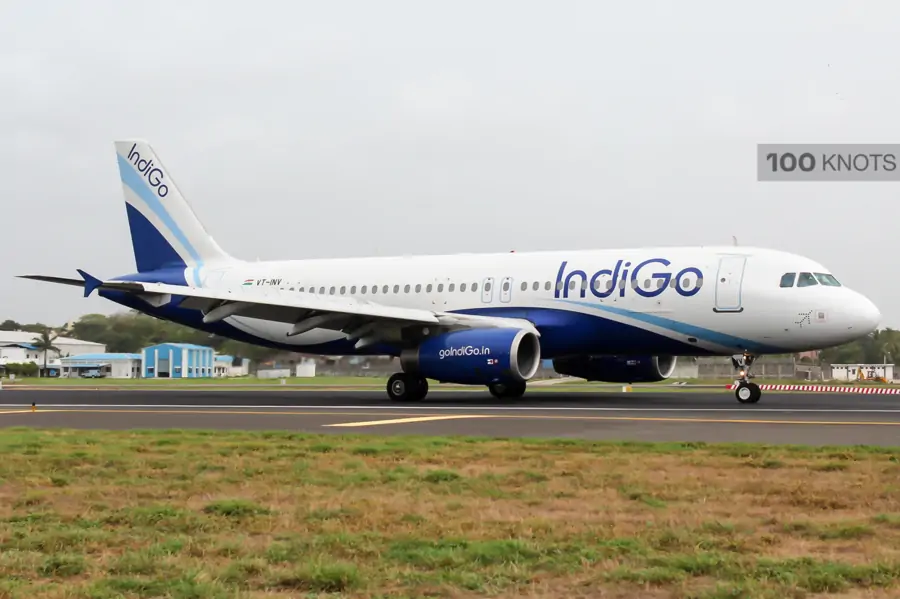
Brokerages predicted in their Q4 results preview that InterGlobe Aviation, which runs IndiGo, India's largest domestic airline, will report its second consecutive profitable quarter, while SpiceJet will report a loss in the fourth quarter of FY23 despite higher traffic, strong loads, and a better yield than the same period last year, in a report by Business Standard.
Domestic travel during the months of January through March is anticipated to have increased both sequentially and annually by over 50%. Travel volume has surpassed pre-Covid levels and has continued into the fourth quarter, which is typically a slow travel period. As a result, the report further mentioned that the seasonality impact is predicted to have caused the passenger yield to decrease by 11.5–12% sequentially. However, according to Elara Securities, the yield increased 8% YoY in Q4FY23.
According to Centrum Institutional Research, IndiGo, whose domestic market share increased to 55.9% in February from 54.6% the previous month, is expected to report a net profit of INR 864 crore in Q4FY23. Its net profit has been estimated by Elara Securities and Emkay Institutional Research to be INR 1,134 crore and INR 1,167 crore, respectively. Due to rising fuel costs, InterGlobe Aviation reported a loss of INR 1,682 crore during the same period last year.
SpiceJet to Incur Losses Again
In the report, Elara Securities estimates SpiceJet to post a net loss of INR 293 crore. While passenger volume is expected to have risen by 12% YoY, it is likely to be flat sequentially, it said. "We remain positive on the aviation sector, given the strong airfare discipline shown by the industry. Crude price softening augurs well for the sector. We remain positive on IndiGo as it is best placed to capture the expected 22 per cent demand growth in H2FY23 with its new-age Neo planes. International route expansion is expected to further bolster its bottom line," Elara Securities said.
Jefferies Assigns ‘Underperforming’ Rating to IndiGo
Earlier, IndiGo, which holds a dominant position in the rapidly expanding aviation market, is likely to face challenges in the medium term as new and existing players add capacity in the LCC (low-cost carrier) segment, according to brokerage firm Jefferies.
Jefferies says this will likely result in profit headwinds, even though lower fuel prices may provide some relief in the near term. The brokerage now has an 'underperform' rating on the stock and has cut its target price to INR 1,615, down 13% from the current market price. With significant aircraft orders within the industry, there is limited scope for missing out on traffic growth. Additionally, the overhang of a stake sale by a co-promoter is an added concern, Jefferies said.
In an extreme downside scenario, Jefferies expects the Indigo stock to fall 35% amidst a higher-than-expected increase in competition, which is likely to result in a sharp decline in yields. Passenger volume growth is also likely to be under threat due to an urban slowdown. "Resultant operating EBITDAR should see an EBITDAR CAGR at 41% over FY23eFY25e. We value IndiGo at 6x Mar-25E EBITDA to arrive at a profit target of INR 1,200,” it said.
(With Inputs from Business Standard and MoneyControl)
Read next

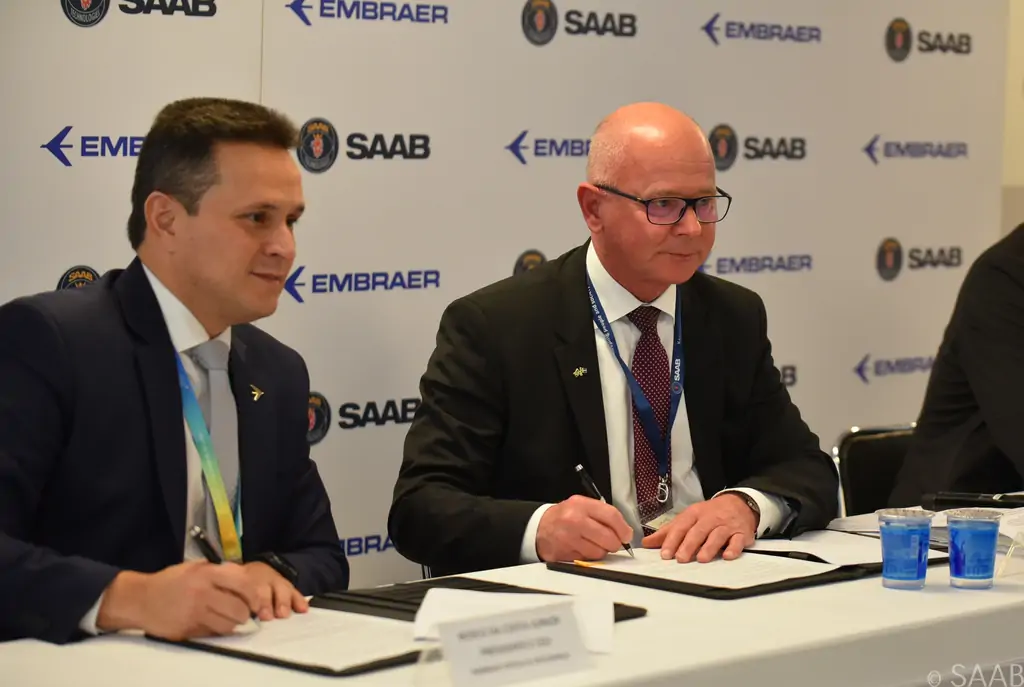
Saab and Embraer S.A. signed a Memorandum of Understanding (MoU) at LAAD (International Defense and Security Tradeshow) in Rio de Janeiro to extend their partnership in numerous areas, namely commercial growth, and engineering potential.
Background
Saab, a Swedish multinational corporation, is well-known for its cutting-edge military and security technologies. It has a global footprint and sells and services to military and civilian customers in over 100 countries. Saab's product portfolio comprises, among other things, modern fighter aircraft, missile systems, radars, and submarines.
The Collaboration
The firms will also seek new business prospects in Brazil and Latin America, including possible future Gripen customers, by utilising the Gripen Design and Development Network (GDDN), the Gripen Flight Test Center (GFTC), and Embraer's final assembly plant at Gavio Peixoto. Embraer and Saab will work in this way to boost Embraer's involvement in future Gripen contracts.
Potential Collaborative Opportunities
The Memorandum of Understanding signed by Saab and Embraer does not indicate any specific areas of collaboration except for business growth and engineering prospects. But, given their respective skills and product portfolios, the two organisations can explore a number of possible areas of collaboration. Some of these regions are as follows:
Partnership for mutual benefit
The two businesses will collaborate on a variety of tasks under the new arrangement, including research and development, production, and aftermarket services. This will entail the exchange of experience, technology, and know-how, as well as collaborative marketing and sales efforts.
Gripen, the genesis of connections
The Gripen E/F is a multi-role fighter aircraft system built to beat any foe. Gripen is designed for forward-thinking air forces and includes cutting-edge technology, the most advanced systems, sensors, munitions, and pods to assure battle advantage and air dominance in fiercely contested settings.
C-390 Millennium
The C-390 Millennium is the most advanced military tactical transport plane of its period. Its multi-mission platform provides unparalleled mobility by combining high productivity and operational flexibility with low operating expenses, an unrivalled combination. When compared to other medium-sized military cargo aircraft, the C-390 Millennium can carry more payload (26 tonnes) and fly faster (470 knots) and farther, capable of performing a wide range of missions such as transporting and dropping cargo and troops, medical evacuation, search and rescue, firefighting, and humanitarian missions, and operating on temporary or unpaved runways (i.e., including packed earth, soil, and gravel).
Conclusion
Embraer and Saab's relationship exemplifies the benefits of collaboration between firms in the aerospace and military industries. The two companies are able to produce and market some of the most sophisticated goods in their respective sectors by combining their knowledge and resources. The new deal to strengthen their collaboration on the Gripen and the C-390 Millennium is expected to result in even more cooperation and advantages for both firms, as well as the Brazilian economy as a whole.
With inputs from SAAB
Read next
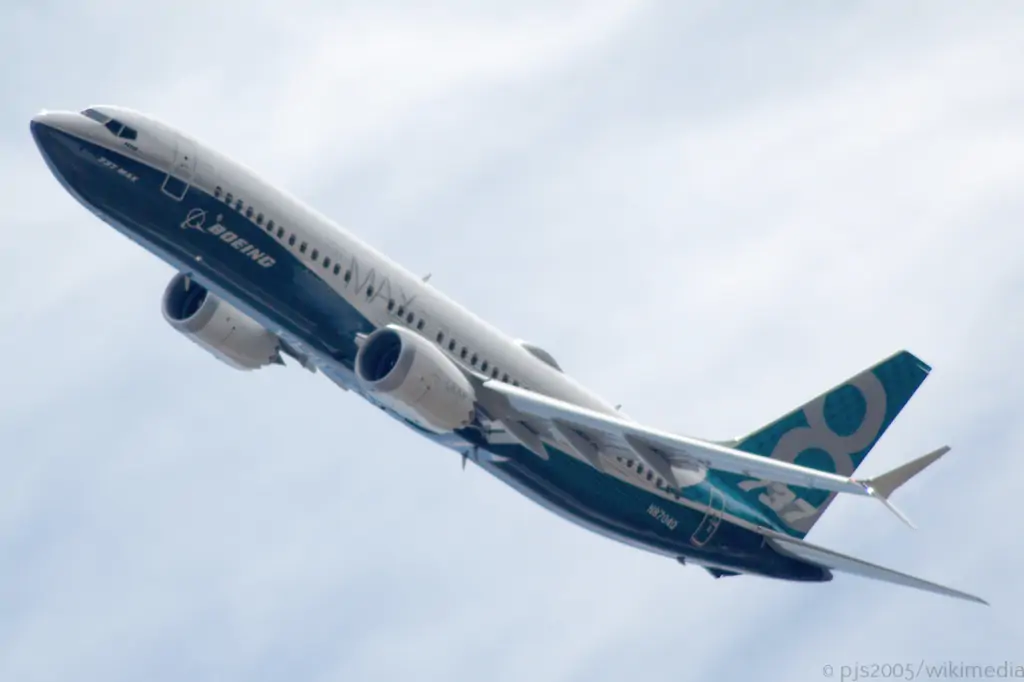
Chinese Airlines have restored operations of their 737 MAX fleet following a two-year grounding, according to Boeing. The commencement of 737 MAX operations by Chinese airlines is crucial for Boeing because China is one of the aircraft's main customers.
The Background of the 737 MAX Grounding
Following two tragic accidents within five months of each other, the 737 MAX was grounded internationally in March 2019. The first crash happened in Indonesia in October 2018, involving a Lion Air aircraft, and the second in March 2019, involving an Ethiopian Airlines flight. The aircraft's automatic flight control system, known as MCAS, was shown to be a contributing cause in both incidents.
Resumption of 737 MAX Operations in China
The restart of 737 MAX operations by Chinese airlines is an important milestone for Boeing, as China is one of the aircraft's main customers. China Southern Airlines was the first Chinese carrier to resume 737 MAX operations. Air China and Xiamen Airlines are two more Chinese airlines that have restarted 737 MAX flights.
Boeing's Reaction to the Grounding of the 737 MAX
Boeing has been trying to fix the concerns that led to the grounding of the 737 MAX, including upgrades to the MCAS system and additional pilot training. Boeing has also been attempting to re-establish trust with its customers and the flying public, with CEO Dave Calhoun admitting that the corporation had "lost the faith of the world."
Boeing did not name the 11 airlines, although Hainan Airlines Holding Co. Ltd., Fuzhou Airlines, Lucky Air, and Air China have all flown the planes in the months following.
Conclusion
The restart of 737 MAX flights by Chinese airlines is an important milestone for Boeing, as China is one of the aircraft's main customers. The aircraft has resumed operations after being grounded for two years due to two deadly crashes that resulted in major improvements to the aircraft's design and operation. While resuming operations in China is a welcome step for Boeing, the corporation still faces considerable obstacles in restoring the faith of its customers and the flying public.
With inputs from Reuters
Read next
Tata Group to Set Up New Ground Handling & Aviation Academy for Air India
Radhika Bansal
12 Apr 2023
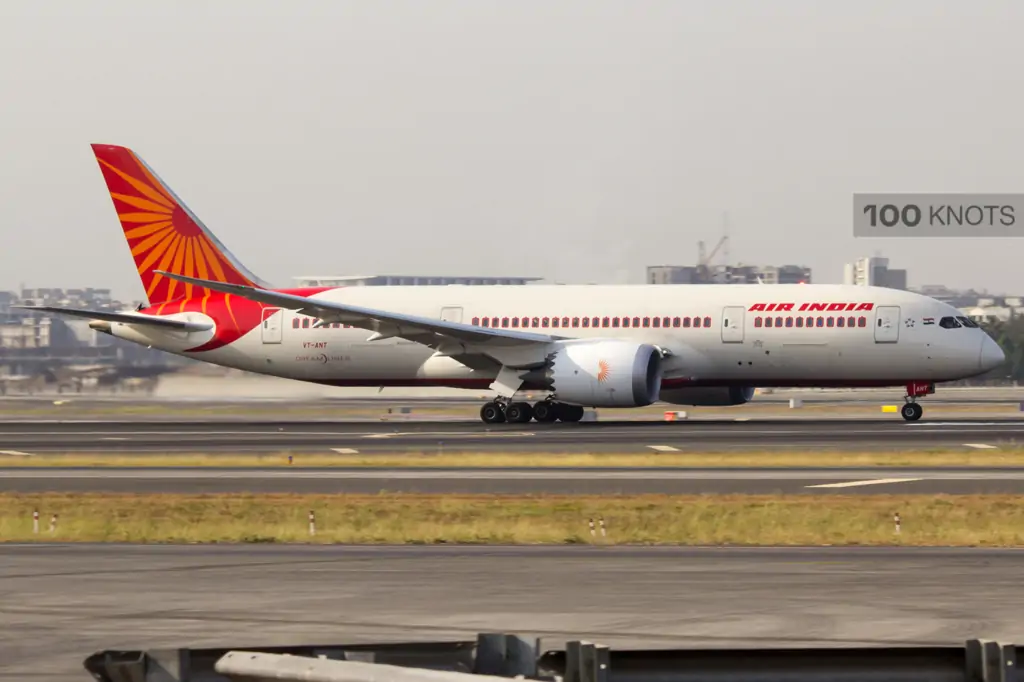
In addition to serving Air India's burgeoning in-house needs, Tata Sons plan to offer shared ground-handling services to other airlines. Air India Air Transport Services (AIASL), the former state-run carrier's ground-handling operation, may also be up for auction as part of these plans. As part of the sale of Air India, the government hived off its business units to a holding company called Air India Assets Holding, according to a report by the Economic Times.
A revamp of Air India's organization may include establishing an aviation training academy within the proposed entity. Air India wants its academy to be the largest and best in the world. According to officials, Tata Sons has set aside significant funds for the aviation business for the next five years to fund the proposed venture, the report added.
"That is the way forward discussed within the top management. Airport services and ground handling are also a critical consumer-facing role adding to the overall consumer experience in addition to the one inside the aircraft," said an official aware of the discussions. The plans are expected to fructify once Air India comfortably progresses on its recent ambitious aircraft-purchasing plans, officials said, as quoted by ET.
"This is another ambitious plan that will take a big focus once the initial set of critical Air India operational needs is taken care of," he said. The training academy and ground-handling services are parts of Air India's ambitious plans to be a top global airline. Going ahead, Air India will require several home-grown pilots, engineers, cabin crew, airport managers and other function specialists, the report added.
After state control ended in January 2022, Tata took to transforming the airline into the best in class in terms of fleet, technology, organization, and services. Recent ground-handling issues had cropped up, however, and the Tatas will now seek to strengthen this area as well, top officials said, as quoted by the report.
Why are These Changes Required?
Boosting Air India's ground-handling services are critical as the aviation-to-automobile conglomerate aims to build a global aviation powerhouse. Despite the Tata takeover, problems with old aircraft and technology glitches persist, preventing the carrier from reaching its full potential. The airline is undergoing a massive transformation. It is buying new aircraft, improving the quality of services and ensuring timely flights. As per the report, there was an issue with aircraft swapping that forced Air India to cancel a few flights even on Monday.
AI SATS is a joint venture between Air India and Singapore-based SATS Airport Services that provides airport services.
In the future, the airline plans to expand this venture. Sanjay Gupta, the CEO of the JV, said in February that the JV plans to establish a multimodal cargo hub at Greater Noida airport. A cargo terminal (ICT), as well as an integrated warehousing and logistics zone, will be included in the facility. Additionally, the government will shortly invite bids for the airline's engineering unit and its former ground-handling subsidiary AI Airport Services, the report added.
Air India has also raised INR 14,000 crore from the State Bank of India (SBI) and Bank of Baroda (BoB) through a mix of refinancing of old loans and fresh loans. INR 1,500 crore has been obtained through the Emergency Credit Line Guarantee Scheme (ECLGS), and INR 12,500 crore through the refinancing of existing loans. The ECLGS was first introduced during the Covid-19 pandemic to help small businesses but was later expanded to other sectors.
(With Inputs from The Economic Times)
Read next
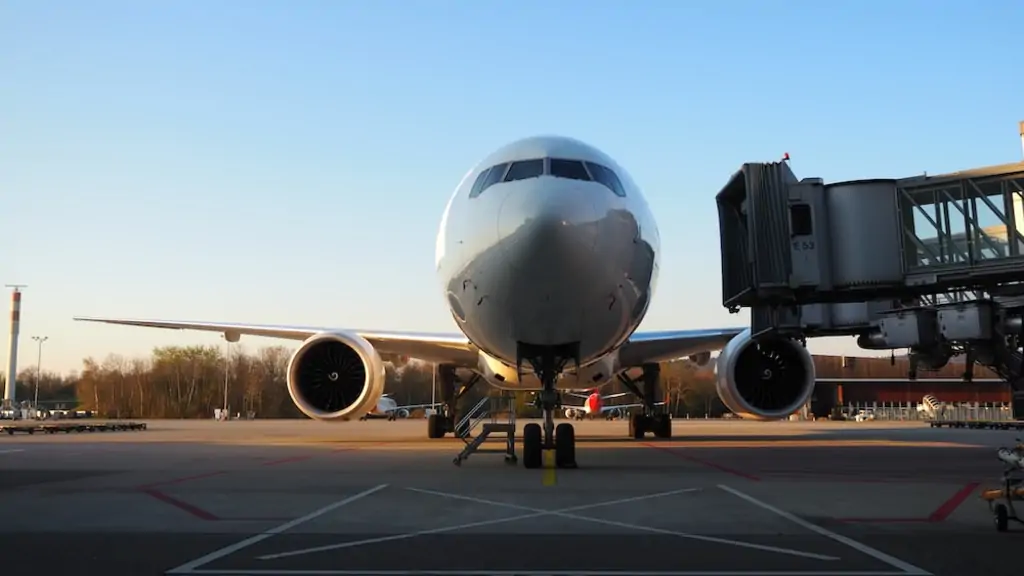
The Airports Authority of India (AAI) has achieved its highest ever capital expenditure (capex) in the fiscal year 2022-23, investing a total of Rs 5,175 crore to expand and enhance airport facilities, upgrade technology and improve operational efficiency.
In a tweet on Monday, April 10, the AAI said that AAI achieved the highest ever capex of 5175 cr. in FY 2022-23, for civil aviation infra development under the able guidance of HMCA @JM_Scindia (Jyotiraditya Scindia). This shows GoI’s commitment to modernizing and upgrading India’s airports!”
It said that investments in developing Ranchi Airport, Khajuraho Airport, Agartala Airport, Ayodhya Airport, Bhopal Airport and Chennai Airport had been made. This significant investment by AAI is expected to transform the Indian aviation industry, as it aims to enhance passenger experience and increase airport capacity.
“This #CAPEX is being utilized to enhance and expand airport facilities, upgrade technology, and improve operational efficiency, leading to the safer, more convenient and seamless travel experience for all at #AAIAirports,” it added.
Aviation Minister on CAPEX
Recently, Mr. Scindia also noted that in the past 65 years, India had 74 airports. Within the last nine years itself, an additional 74 airports and heliports were built, doubling the number to 148. The Union Minister said that the ministry plans to build over 200 airports, waterdromes and heliports in the next four-five years, he added.
As the civil aviation sector expands in India, both in terms of passenger traffic and aircraft, capital expenditure of about INR 98,000 crore for the development and expansion of airports is in the pipeline, Minister for Civil Aviation Jyotiraditya Scindia said.
“India houses the third largest aviation market, and with that, we must also strive to be the best service providers. A lot is being done today, and much more will be done to brace for the future,” he said. The government-controlled Airports Authority of India is undertaking the development of new and existing airports with a projected capital expenditure of around INR 25,000 crore from 2019-20 to 2023-24. Major airports such as those located in metro cities and operated by private consortiums have also lined up capital expenditure for expansion.
What is Airport CAPEX?
Capital expenditure or capital expense (capex or CAPEX) is the money an organization or corporate entity spends to buy, maintain, or improve its fixed assets, such as buildings, vehicles, equipment, or land. It is considered a capital expenditure when the asset is newly purchased or when money is used towards extending the useful life of an existing asset, such as repairing the roof. CAPEX are vital expenses for the airport industry; they are the funds used by an airport operator to acquire, construct, or improve fixed assets such as land and buildings. These types of outlay are made by airports to maintain or increase the scope of their operations and are allocated for specific periods. These expenditures can include everything related to increasing airport capacity, ranging from additional check-in desks to building a new terminal building or runway.
Comment