

American Airlines has played a pivotal role in transforming the airline reservation system in the rapidly evolving aviation industry. The airline has revolutionized how reservations are made and managed by leveraging technology and pioneering innovations.
Understanding the Importance of Reservation Systems
In the competitive airline industry, efficient reservation systems are the backbone of successful operations. These systems facilitate the management of flight inventory, bookings, ticketing, and other crucial aspects of airline operations. A robust reservation system streamlines processes, reduces manual efforts, and ensures accurate data management.
The Challenges of the Traditional Airline Reservation System
Before the advent of computerized reservation systems, the airline industry relied on manual processes for managing reservations. This manual approach posed several challenges, including limited accessibility, time-consuming processes, and a higher margin for error. Customers had to physically visit travel agencies or call airlines directly to book their flights, resulting in inconvenience and inefficiency.
The Meeting that Sparked Innovation
In 1953, C.R. Smith, the president of American Airlines, and R. Blair Smith, a senior sales representative for IBM, found themselves engaged in a conversation about the challenges faced by the airline industry while on a flight. The discussion revolved around the need for a data processing system to create and manage airline seat reservations effectively.
American Airlines Innovation: Introducing Computerized Reservation Systems
American Airlines recognized the need for a more streamlined and efficient reservation system. In the late 1950s, the airline collaborated with IBM to develop the first computerized reservation system, known as the Semi-Automatic Business Research Environment (SABRE). This groundbreaking system revolutionized the airline industry by introducing real-time access to flight availability, fares, and seat reservations.

Sabre Takes Flight: Real-Time Access and Enhanced Efficiency
After years of collaborative effort, the Sabre system was finally launched. With its implementation, American Airlines became the first airline to have a real-time, computerized system for managing passenger reservations. Sabre brought a significant shift in the industry, enabling airlines to access up-to-the-minute information on seat availability, passenger details, and flight schedules.
Benefits of the Computerized Reservation System
Implementing SABRE brought numerous benefits to American Airlines and the entire industry. Firstly, it enhanced the accessibility of flight information by providing travel agents and customers with instant access to real-time data. This empowered travel agents to respond quickly to customer inquiries and make bookings efficiently. Secondly, the computerized system enabled dynamic pricing, allowing airlines to optimize fares based on demand and availability. This flexibility revolutionized revenue management strategies within the industry.
Key Features
Flight Inventory Management
Sabre offers comprehensive flight inventory management capabilities, allowing airlines to efficiently manage their available seats, flight schedules, and routes. It provides real-time access to flight availability, empowering airlines to make informed decisions regarding seat allocations and flight planning.
Booking and Ticketing
The Sabre reservation system simplifies the booking and ticketing process for both airlines and travel agents. It enables quick and accurate reservation creation, modification, and cancellation. Travel agents can access the system to seamlessly search for flights, compare fares, and issue tickets.
Fare Management
Managing fares is a critical aspect of airline operations. Sabre offers sophisticated fare management tools that allow airlines to set and adjust fares based on various factors such as demand, competition, and seasonality. This feature helps airlines optimize revenue and stay competitive in the market.
Customer Relationship Management (CRM)
To enhance customer satisfaction, Sabre incorporates robust CRM capabilities. It enables airlines to store and manage customer data, preferences, and travel histories. This information can be leveraged to personalize services, offer targeted promotions, and build long-term customer loyalty.
Ancillary Services Integration
Sabre facilitates the integration of ancillary services, such as seat selection, baggage fees, and in-flight meals, into the reservation process. Airlines can efficiently manage and upsell these additional services, creating additional revenue streams while enhancing the overall travel experience for passengers.
Advantages
Enhanced Efficiency and Accuracy
By automating various processes, Sabre significantly improves operational efficiency and reduces the risk of errors. Manual tasks are minimized, and real-time data availability ensures accurate information for both airlines and customers.
Comprehensive Data Analysis
Sabre captures vast amounts of data throughout the reservation process. Airlines can leverage this data to gain insights into customer preferences, market trends, and revenue performance. Analyzing this information empowers airlines to make data-driven decisions and optimize their operations.
Seamless Integration with Travel Agencies
Sabre has built strong connections with travel agencies worldwide, making it easier for airlines to reach a broader customer base. Travel agents can access the Sabre system to search for flights, compare fares, and make bookings on behalf of their clients.
Personalized Customer Experience
With its CRM capabilities, Sabre enables airlines to personalize the travel experience for customers. From customized offers to tailored services, airlines can leverage the data stored in the system to provide a personalized touch, enhancing customer satisfaction and loyalty.
Global Connectivity
Sabre's extensive network and global connectivity allow airlines to reach many travelers worldwide. Airlines can expand their reach, form partnerships, and tap into new markets with the support of Sabre's comprehensive reservation system.
Enhancing Efficiency and Customer Experience
With the computerized reservation system, American Airlines significantly improved operational efficiency. The automated processes reduced the likelihood of errors and eliminated the need for manual paperwork. Moreover, customers could now conveniently book their flights through travel agencies or directly with the airline via phone. Electronic ticketing further streamlined the check-in process and eliminated the hassle of paper tickets.
A Milestone in Airline Automation: The Impact of the American Airlines-IBM Partnership
The partnership between American Airlines and IBM marked a milestone in the history of airline automation. Sabre revolutionized how airlines operated by harnessing the power of data processing technology. It laid the foundation for subsequent developments in airline systems and paved the way for a new era of automation.
Future Trends in Airline Reservation Systems
As technology advances, airline reservation systems are expected to undergo further transformation. Artificial intelligence (AI) and machine learning (ML) will likely significantly improve personalization and recommendation systems. Mobile applications and digital platforms will continue to evolve, providing customers with seamless and intuitive booking experiences. Additionally, integrating blockchain technology may enhance security and transparency in the reservation process.
Conclusion
The collaboration between American Airlines and IBM in developing the Sabre system stands as a testament to the transformative power of innovation and partnership. By recognizing the challenges faced by the airline industry and actively working together to overcome them, American Airlines and IBM brought about a paradigm shift in airline automation. The impact of this transformation extended beyond American Airlines, shaping the industry as a whole. The Sabre system's real-time access to passenger reservations and improved efficiency revolutionized the industry, forever changing how airlines managed their operations. As technology advances, the future holds even more exciting possibilities for airline reservation systems.
With Inputs from Sabre

Read next
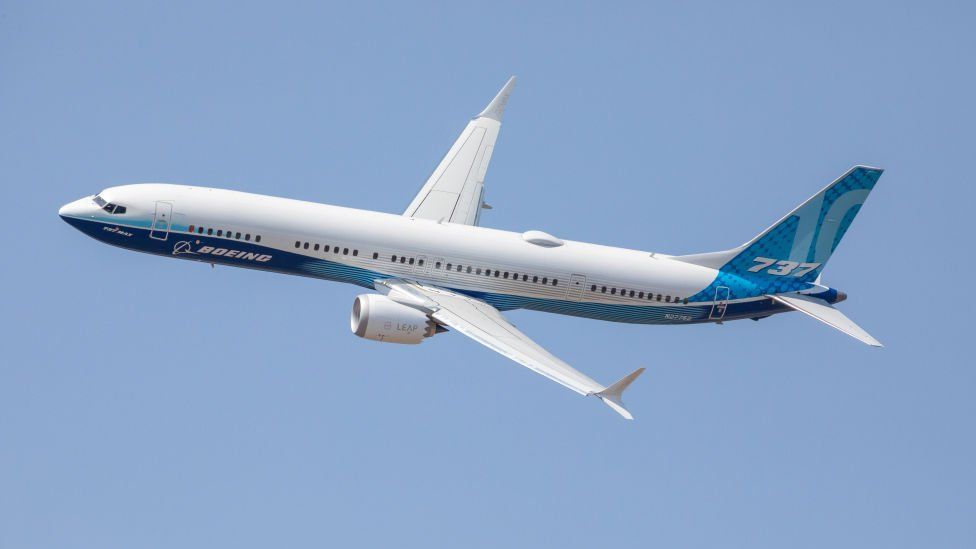
About 90% of China’s Boeing 737 MAX jets have resumed commercial operation as of the end of June, the U.S. aircraft maker said on its official WeChat account on Wednesday, June 28. Some planes have been dispatched to regional international routes, Sherry Carbary, president of Boeing China, said in the article.
The planemaker's shares rose 1.3% in U.S. premarket trading. China grounded all Boeing 737 MAX jets in the country following the crash of a 737 MAX jet operated by Ethiopian Airlines in March 2019, the second deadly accident of the model in five months.
According to official information, Chinese carriers grounded all 96 jets they had at the time. State-owned China Southern Airlines was the country's first carrier to resume flying the 737 MAX in January. Since then, Chinese airlines have been gradually reintroducing the model back into operation. In April, Boeing estimated that half of the country's MAX fleet was in operation.
"By the end of June, about 90% of China's 737 MAX fleet had resumed commercial operations, with some of the aircraft placed on regional international routes connecting domestic cities to several destinations in Central Asia and Southeast Asia," Carbary said.
Boeing, however, is yet to resume deliveries to China, a key market where it has lost ground to arch-rival Airbus SE in part due to geopolitical tensions between the United States and China. The head of Boeing's commercial business said earlier this month the planemaker was not counting on China deliveries in the immediate future. Last year, Boeing said it was in discussions to re-market jets meant for Chinese customers.
But in April, China's aviation regulator published a report that Boeing viewed as a key step to resuming deliveries of its bestselling 737 MAX jets. At that time, Boeing had over 130 completed MAX jets in inventory for Chinese customers.
Boeing Lossing its Grip
US aerospace giant Boeing is launching to revive its business in China but faces stiff competitive headwinds from France’s Airbus and the Commercial Aircraft Corporation of China (COMAC). On the upside, Boeing’s 737 MAX is back in service on Chinese domestic routes after being grounded for almost four years following fatal crashes in Indonesia and Ethiopia. On January 13, the 737 MAX was used on a flight from Guangzhou to Zhengzhou by China Southern Airlines.
The Boeing 737 MAX is a family of four short- to medium-range narrow-body, single-aisle aircraft with a seating capacity of up to 230 passengers and a flying range of up to 3,850 nautical miles. Certified by the US Federal Aviation Administration (FAA) in 2017, it is the fourth generation of Boeing 737 aircraft. China Southern, which has taken delivery of 34 of the jet and has another 16 on order, is the largest flier of 737 MAX aircraft in China.
Adding to the scarcity of aircraft is a supply chain that’s still struggling three years after the pandemic convulsed global markets. Airbus was forced to cut back its delivery targets twice in 2022, handing over fewer jets than anticipated and aggravating an already tight supply of new planes. Calhoun expects the seller’s market for planes to last another half-decade or so as shortages of seats, engines and other parts continue through the end of next year.
Upcoming Competition
Airbus still has the commanding lead it built in China—and around the globe—while Boeing was consumed by the Max crisis. But it will be many years before Commercial Aircraft Corp. of China, the country’s homegrown plane maker, can become a real challenger to Boeing, Cirium head Rob Morris says. That won’t happen until China’s answer to the Max, the C919, can prove its reliability in flying heavy daily workloads and the Chinese company can build the jet on a mass scale. That suggests the nation’s airlines will need to start ordering the Max if they want to meet the rising demand for seats. “I do see a credible path for Boeing to regain some element of market share in China, even if politics seem to be a huge roadblock,” Morris says.
Since January, Chinese carriers have pulled about three-quarters of the 97 Max planes they own out of storage. And in April the national aviation regulator removed the remaining technical hurdles to resuming deliveries of the 140 airliners sitting in Boeing’s storage lots. The final step in restarting Max exports is for China’s central economic planning agency “to simply say, ‘Deliver the airplanes,’” Calhoun says. “They’re already ordered, they’re on our tarmac—the airlines want them.”
Read next
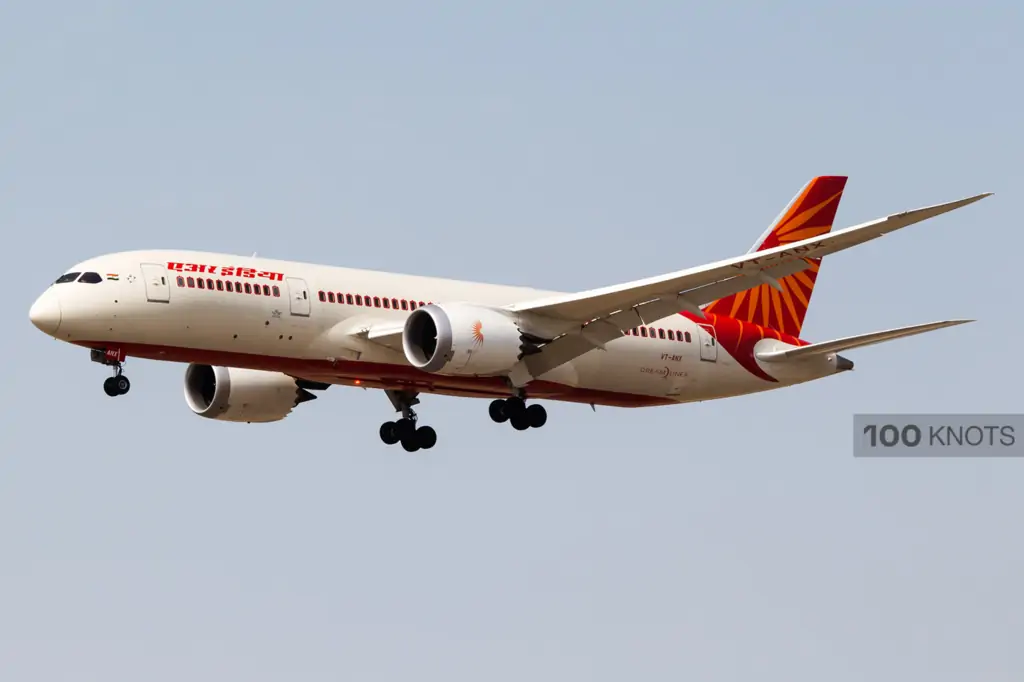
In a step towards rebranding the airline, Tata-group-owned Air India onboarded global marketing services company McCann Worldgroup India for the company’s creative mandate. The mandate to handle the airline’s advertising and marketing communications comes at a time when the airline has signed formal agreements to purchase 470 planes at the cost of USD 70 billion.
The marketing services company underwent a rigorous evaluation as a part of a multi-agency pitch for partnering with the airline, the agency said in a press release. The airline said it is building itself as a ‘Global Airline with an Indian Heart’. The appointment comes as Air India has embarked on a five-year turnaround plan to become a world-class global airline by investing in customer service, technology, and products.
“This is a brand that is close to the heart of flyers around the world, and the new Air India will be a manifestation of the aspirations of the global Indian. With McCann Worldgroup as a partner, we expect to transform the brand into one of the most admired and trusted brands in India and overseas,” said Nipun Aggarwal, Chief Commercial and Transformation Officer at Air India.
The agency will develop a new brand platform and develop a comprehensive range of multi-channel marketing communication.
Prasoon Joshi, CEO and CCO, of McCann Worldgroup India and chairperson, of Asia Pacific, said, "Air India is a brand that inspires us, and we are excited to partner with them as they chart a new course. Our McCann Global CEO, Daryl Lee, has genuinely supported and guided us. Also, support and input came in from Harjot Singh (global CSO) and John Wright who were an integral part of the pitch along with the stellar senior management colleagues Jitender Dabas, Alok Lall, Ashish Chakravarty, and their teams. We look forward to collaborating with Air India and offering the best-in-class strategic and creative services that build on and take the brand to newer heights."
Air India's Rebranding
Air India has recently onboarded London-based brand and design consultancy firm Futurebrands to design its new branding strategy. Futurebrands has worked on rebranding exercises for brands like American Airlines and the British luxury auto brand Bentley. Futurebrands is also part of McCann Global.
Earlier this year, the airline company hired former MakeMyTrip executive Sunil Suresh as its chief marketing officer. Seasoned marketer Colin Neubronner, who has worked with brands like Singapore Airlines and Jet Airways also joined the company's brand team.
Part of the Interpublic Group, McCann Worldgroup is a global marketing services company with an integrated network of advertising agencies in over 120 countries. The core Worldgroup network is comprised of McCann, MRM, CRAFT, and FutureBrand, and partners with Momentum Worldwide, Weber Shandwick and UM to deliver solutions across the entire marketing spectrum.
Air India's Transformation Plan
After the acquisition, Tata Group, on September 15, 2022, unveiled the transformation plan ‘Vihaan.AI’, which set time-bound transformation milestones to establish Air India as a world-class airline. As part of the plan, Air India, over the next 5 years, will strive to increase its market share to at least 30% in the domestic market while significantly growing the international routes from the present market share. Vihaan.AI focuses on five key pillars, exceptional customer experience, robust operations, industry-best talent, industry leadership, and commercial efficiency and profitability.
First Phase
'Taxi', the first phase of the transformation plan Vihaan.AI, which focussed on "addressing legacy issues of the airline at scale and laying the foundation for future growth," has concluded, the airline said and added that now the second phase 'Take Off', -- that will focus on developing the platforms, processes, and systems needed to build toward excellence -- has commenced. In this phase, Air India is expected to complete the consolidation of its airline business, develop a world-class institute for training and build on the momentum seen in the first phase. Air India CEO and MD Campbell Wilson said the first six months of the transformation journey had made great strides in tackling many issues that had built up over the years, and the airline has come a long way in establishing foundations for growth.
"The first six months of our transformation journey have engaged and united Air Indians behind a common cause, and made great strides in tackling many issues that had built up over the years. Our record-setting aircraft order, the commitment of USD 400 million to completely refurbish existing aircraft, the investment of USD 200 million in new IT, and the recruitment of literally thousands of staff are but a few of the significant investments being made to restore Air India to the upper echelons of global aviation. As we move into our Take Off phase, we will start seeing these investments bear fruit."
Second Phase
The second phase will also witness the consolidation of AirAsia India and Air India Express; the Low-Cost Carrier (LCC) entity has already merged their core reservations platforms, websites, and customer-facing systems. "Vistara will also be merged with Air India following the grant of regulatory approval. The release said that developing a world-class training academy will also take shape as the future direction and configuration of the airline's line and base maintenance," the release said. Apart from launching premium economy seats for the first time on select long-haul flights, Air India has revamped its menus on international and domestic routes. The airline also rolled out over 29 new policies across employees to improve welfare, designed new remuneration programs for legacy staff, and "onboarded more than 3,800+ employees across crew and other functions to support capability and growth," the release said.
The airline rolled out a new organizational structure and revamped roles across levels with a conscious effort to address the disparities between permanent and full-term contract employees. It also introduced over 29 new employee policies to improve welfare and two new training programs, Saksham and ACE, to upskill staff and improve service. Not only that, the airline onboarded more than 3800+ employees across crew and other functions to support capability and growth.
Read next
IAF to Host Air Exercise 'Tarang Shakti'; Attendance of 12 Air Forces Expected

Radhika Bansal
29 Jun 2023
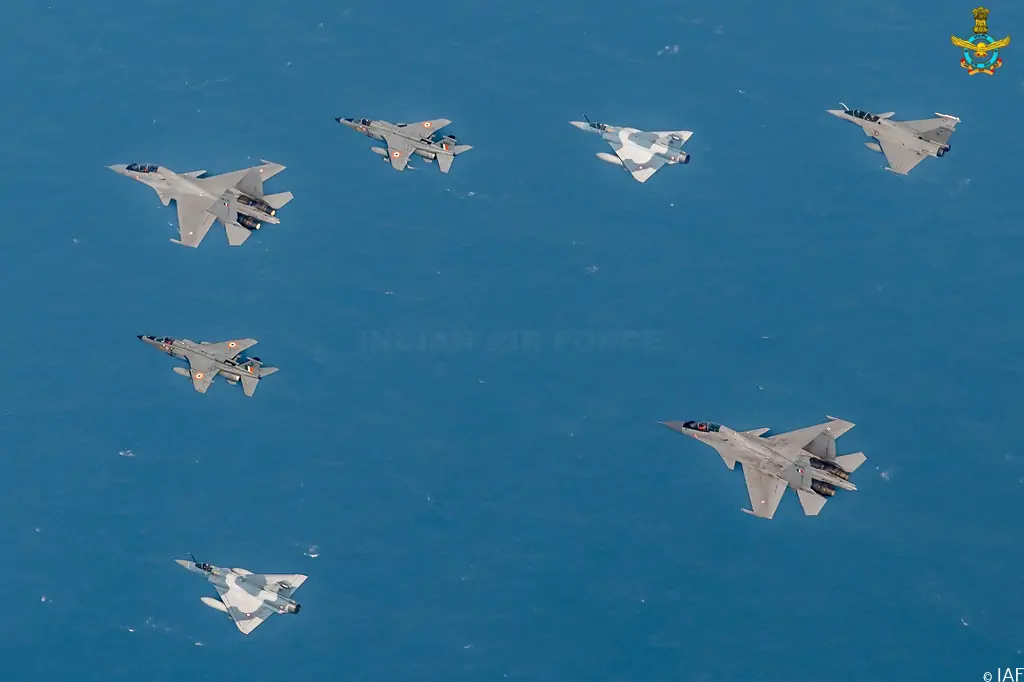
The Indian Air Force is preparing to host a mega exercise later this year that is expected to bring together 12 air forces, with the focus being on improving interoperability, imbibing best practices from one another and boosting military cooperation among the participating countries. Tarang Shakti will mark the largest multi-nation air exercise ever held in India.
The exercise, named Tarang Shakti, will be the biggest multi-nation air exercise to be conducted in the country and will involve fighter jets, military transport aircraft, mid-air refuellers and airborne warning and control system (AWACS) aircraft.
Tarang Shakti is in the planning stage and is likely to be conducted in October-November. Six air forces will participate in the exercise, while the rest will attend the aerial drills as observers. The air forces of the US, the UK, France and Australia are among those likely to take part in the exercise. Set to take place in the Rajasthan sector, `Tarang Shakti’ aims to enhance coordination, interoperability, and integration among the participating air forces, sending a strong message to potential adversaries in the region.
Aim of the Air Exercise
Tarang Shakti serves as a platform to strengthen defence ties and facilitate the exchange of knowledge and best practices among the participating air forces. It presents a unique learning experience for Indian pilots as they engage in joint operations and interact with their international counterparts. Through simulated scenarios and tactical drills, the exercise aims to improve coordination, communication, and strategic alignment, fostering an environment of shared expertise.
The exercise aims to enhance mutual understanding between the two Air Forces and share their best practices. The first phase of the exercise focused on air mobility and involved the transport of aircraft and Special Forces assets from both the Air Forces.
The IAF has emerged as a partner of choice for joint exercises for several air forces. This year, the IAF has participated in joint drills in France, Greece, Japan and the UK so far. While Tarang Shakti will be the biggest multilateral exercise to be conducted in India, the IAF has taken part in several such drills on foreign soil.
Air Exercises in the Past
In April, the IAF’s French-origin Rafale fighter jets debuted in an overseas exercise. Exercise Orion was held at the Mont-de-Marsan airbase in France from April 17 to May 5, and involved the air forces of the host nation, the US, the UK, Germany, Greece, Italy, Netherlands, and Spain. Four Indian Rafales, two C-17 heavy lifters, two ll-78 refuellers and 165 air warriors took part in the exercise. Shivangi Singh, the IAF's first woman pilot to fly the Rafale fighter aircraft, had also participated in the exercise. France is a likely participant in the upcoming Indian War games.
In April-May, the IAF took part in the INIOCHOS exercise hosted by the Hellenic Air Force at the Andravida air base in Greece. The IAF took part in the exercise with four Su-30 MKI fighters and two C-17 heavy-lifters.
In April, the air forces of India and the US conducted Exercise Cope India 2023 across three bases in the country – Kalaikunda, Panagarh and Agra. Two US B-1 supersonic heavy bombers also took part in Exercise Cope India 2023 for the first time. The bilateral exercise involved four US F-15E Strike Eagle fighter jets, two C-130J special operations aircraft, and a C-17 heavy-lifter. The IAF aircraft included Su-30s, Rafales, Jaguars, Tejas light combat aircraft, C-17s and C-130Js.
Three Rafale fighter jets of the IAF will take part in the Bastille Day flypast over the Champs Elysees in Paris on July 14. Prime Minister Narendra Modi will attend this year’s Bastille Day Parade as the guest of honour and a tri-services contingent will participate in the parade along with their French counterparts.
(With Inputs from Hindustan Times)
Read next
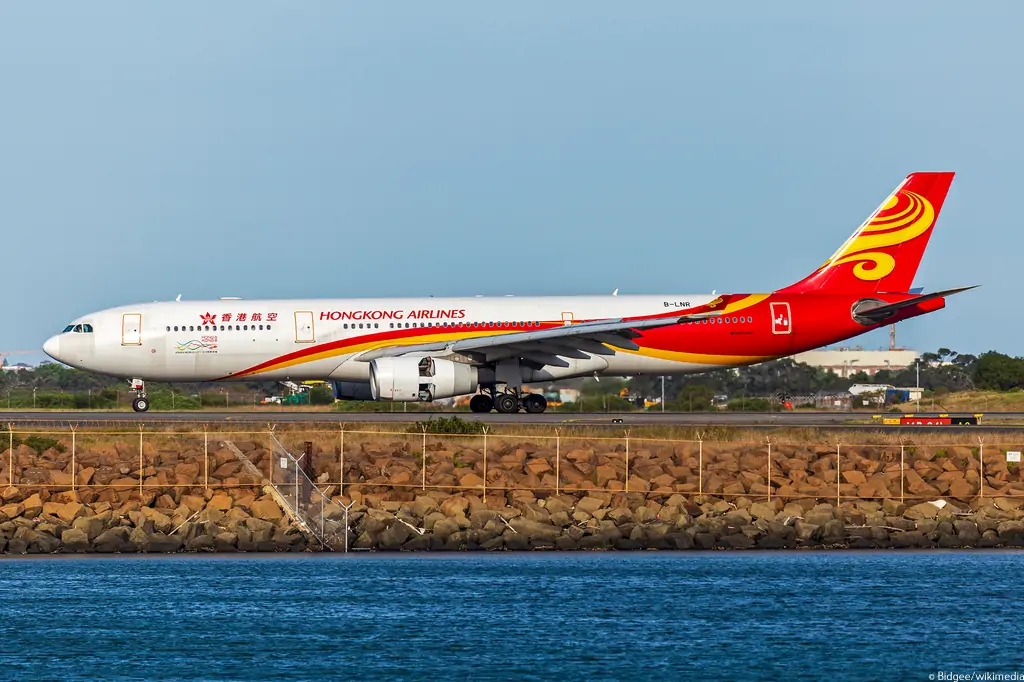
Hong Kong Airlines, a prominent player in the aviation industry, is taking strategic measures to bolster its position and recover from the challenges posed by the global pandemic. With the introduction of additional Airbus A330-300 widebody aircraft, the airline aims to fortify its route network and ensure seamless operations.
Expanding the Fleet for Business Recovery
To support its business recovery plan, Hong Kong Airlines is proactively expanding its fleet. By acquiring more Airbus A330-300 widebody aircraft, the airline can increase its operational capabilities and cater to a larger number of passengers. This expansion will contribute to the airline's overall growth strategy and help restore its position as a leading carrier.
Recruitment Drive for Local and International Talent
Recognizing the importance of skilled professionals in the aviation industry, Hong Kong Airlines is actively recruiting talent from both local and international markets. By attracting experienced individuals to join their team, the airline ensures that it has sufficient resources to manage its operations effectively. This recruitment drive is a testament to Hong Kong Airlines' commitment to delivering exceptional service and maintaining high standards of professionalism.
Inaugural Flight to Bangkok
On June 21, Hong Kong Airlines marked a significant milestone as its first newly added A330 widebody aircraft made its inaugural flight to Bangkok. The timing of this inaugural flight coincided with high summer travel demand, allowing the airline to cater to a larger number of passengers. This successful launch showcased the airline's dedication to expanding its route network and providing convenient travel options for its customers.
The Airbus A330
For many years, the fuel-efficient A330 widebody aircraft has been a pillar of the aviation industry. The new A330 has 292 seats, 32 in Business Class and 260 in Economy Class, and is outfitted with Hong Kong Airlines' traditional seat coverings. Its roomy interior and comfy seats make it the ideal aircraft for a pleasurable flying experience. The aeroplane also has plenty of overhead storage space, which is vital for the comfort of passengers.
Enhancing Capacity and Supporting Route Network
With the introduction of two more A330 widebody aircraft during the summer, Hong Kong Airlines aims to enhance its capacity and support the expanding route network. These additional aircraft will enable the airline to operate more flights, connect more destinations, and offer greater flexibility to its passengers. By strengthening its route network, Hong Kong Airlines ensures that it remains competitive in the ever-evolving aviation industry.
Hong Kong Airlines is pleased to relaunch suitably aged A330 widebody aircraft and to progressively increase its staff in an attempt to restore the network and provide customers with dependable service. After launching a new flight to Phuket on June 21, the airline will resume service to Sanya on July 1 and begin a brand-new service to Nagoya on July 8. With additional A330s on the ground, the airline plans to enhance its widebody flight operations to Tokyo, Osaka, Fukuoka, Nagoya, Bangkok, Taipei, and Shanghai, as well as boost frequencies in July and August, to offer a pleasant and joyful summer travel experience.
Meeting Passenger Needs and Driving Business Recovery
By adding a total of three A330 widebody aircraft to its fleet, Hong Kong Airlines demonstrates its commitment to meeting the needs of its passengers. The expanded capacity allows the airline to accommodate a larger number of travelers and provide them with enhanced services. This strategic move not only contributes to passenger satisfaction but also drives the airline's overall business recovery by capturing a larger market share and generating more revenue.
Comments
Mr. Hou Wei, Chairman of Hong Kong Airlines, stated, "During the recent Dragon Boat Festival holiday, our ticket sales were strong, reaching a peak since the pandemic began." The load factor even topped pre-pandemic levels by 7%, which is quite promising because our profitability has increased dramatically, and it also shows that our flight resumption efforts this year are gaining momentum. We will expedite flight recovery and broaden the reach of our flight destination network."
"Despite fierce competition in the local and international talent markets, we have successfully met our recruitment goals for the first half of the year." To boost competitiveness, the company will continue to actively recruit to support our fast-increasing business and expanding fleet, as well as commit resources for excellent training. We are excited to welcome additional great individuals to the Hong Kong Airlines team!"
Conclusion
In conclusion, Hong Kong Airlines' introduction of additional Airbus A330-300 widebody aircraft signifies its determination to bounce back from the challenges posed by the pandemic. By expanding its fleet, the airline aims to strengthen its route network, increase capacity, and provide a superior travel experience for its passengers. With a focus on recruitment and business recovery, Hong Kong Airlines is poised for success in the dynamic aviation industry.
With Inputs from Hong Kong Airlines
Read next
IndiGo's Becomes First Indian Carrier to Cross INR 1 Trillion in Market Capitalisation
Radhika Bansal
29 Jun 2023
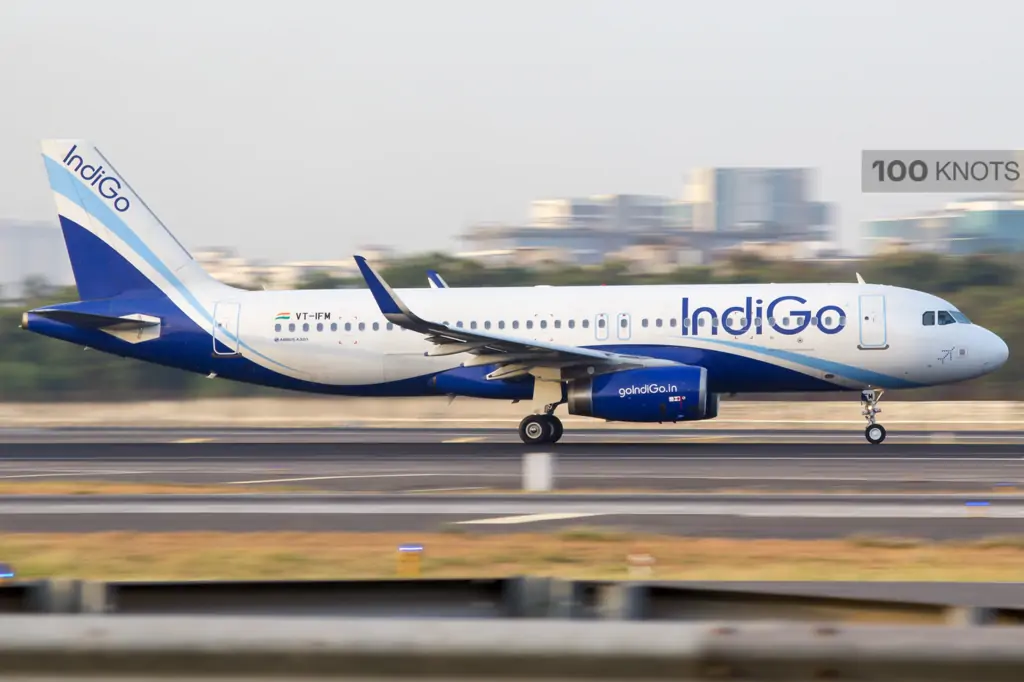
InterGlobe Aviation Ltd, which runs budget carrier IndiGo, has become India's first aviation company to cross INR 1 trillion in market capitalisation (MCap) with its shares surging 29% so far this year to record highs.
The stock hit a high of INR 2,595 on the BSE, up 2.5% from its previous close, with a market cap of INR 1.01 trillion. It has rallied nearly 38% since March 28. The stock hit a 52-week high of INR 2,634.25 on the BSE earlier in the session today, with a market value of INR 1.01 trillion. Shares of IndiGo settled 3.55% higher at INR 2,619.85 apiece on the BSE, compared to the previous close of INR 2,529.95.
The market share of India's largest airline rose 60%, up 390 basis points in May. Its market share stood at 61.3% after rising 70 basis points in April, 90 basis points in March and 130 basis points in February. The low-cost carrier flew 81.10 lakh passengers in May. One basis point is one-hundredth of a percentage point.
Effect of Upcoming Aircraft Order
IndiGo placed an order for 500 Airbus A320 Family aircraft, the largest order in the history of commercial aviation. The deal is pegged at USD 50 billion at list prices and the airline will take delivery of these new aircraft between 2030 and 2035. However, the actual cost of acquisition is expected to be significantly lower as such big deals happen at a substantial discount to list prices.
The current order comprises a mix of A320 Neo, A321 Neo, and A321 XLR aircraft. "The engine selection for this order will be done in due course and so will be the exact mix of A320 and A321 aircraft," IndiGo said in a statement. "This new order will bring the strategic relationship between IndiGo and Airbus to an unprecedented depth and breadth. With this new order, since its inception in 2006, IndiGo has ordered a massive total of 1.330 aircraft with Airbus", IndiGo said in a statement.
The airline stated that the fuel-efficient A320NEO Family aircraft will allow it to maintain its ‘strong focus’ on lowering operating costs and delivering fuel efficiency with high standards of reliability. At the moment IndiGo operates over 300 aircraft and has previous orders totaling 480 aircraft which are expected to be delivered by the end of 2030.
"With this additional firm order of 500 aircraft for 2030-2035, IndiGo’s order book has almost 1,000 aircraft yet to be delivered well into the next decade," the airline said. With the new order, since its inception in 2006, IndiGo has ordered a massive total of 1,330 aircraft with Airbus.
Industry’s Analysis
Global brokerage UBS raised IndiGo's target price from INR 2,690 to INR 3,300 (up over 22%) as a result of an improved Q1FY24 outlook. The brokerage maintained its 'buy' rating on the stock and indicates a 33% growth in value for the stock from Friday, June 23 close price of INR 2,466.8. The foreign brokerage firm also stated that it believes IndiGo is now very well placed to deal with any downturn and can handle any sudden up move in crude oil or the US dollar without the major capital burn.
According to the brokerage, the improved outlook has been driven by strong underlying demand, which has lifted passenger load factors (PLF); higher yields, which have been aided by strong demand and the suspension of GoFirst's operations; and lower fuel costs due to falling crude prices, lower VAT, and higher engine efficiency. The brokerage forecasts earnings per share (EPS) of INR 82 for Q1FY24E, which is 37% higher than IndiGo's record-high annual EPS in FY18. The brokerage expects Q1 yields to rise 6% year on year, with available seat kilometres (ASK) up 7% sequentially and 18% year-on-year.
In the January-March quarter of fiscal 2022-23, IndiGo reported a record profit of INR 919.2 crore, as air travel boomed. The total income for the airline during the quarter rose by 78% on the year to INR 14,600 crore. The airline reported a yield or revenue earned per paying passenger flown per km of INR 4.85 per km as compared to INR 4.40 per km in the same quarter a year ago.
Airlines with the largest Market Cap
Market capitalization, sometimes referred to as a market cap, is the total value of a publicly traded company's outstanding common shares owned by stockholders. Market capitalization is equal to the market price per common share multiplied by the number of common shares outstanding. Since outstanding stock is bought and sold in public markets, capitalization could be used as an indicator of public opinion of a company's net worth and is a determining factor in some forms of stock valuation.
Here are the Top 10 airlines with highest Market Cap.
S.No | Airline | Market Cap |
1. | Delta Air Lines | USD 30.03 B |
2. | Ryanair | USD 24.93 B |
3. | Southwest Airlines | USD 21.10 B |
4. | United Airlines Holdings | USD 18.46 B |
5. | Singapore Airlines | USD 16.46 B |
6. | Air China | USD 16.42 B |
7. | China Southern Airlines | USD 13.74 B |
8. | China Eastern Airlines | USD 12.93 B |
9. | Lufthansa | USD 12.64 B |
10. | InterGlobe Aviation (IndiGo) | USD 12.63 B |
Comment