
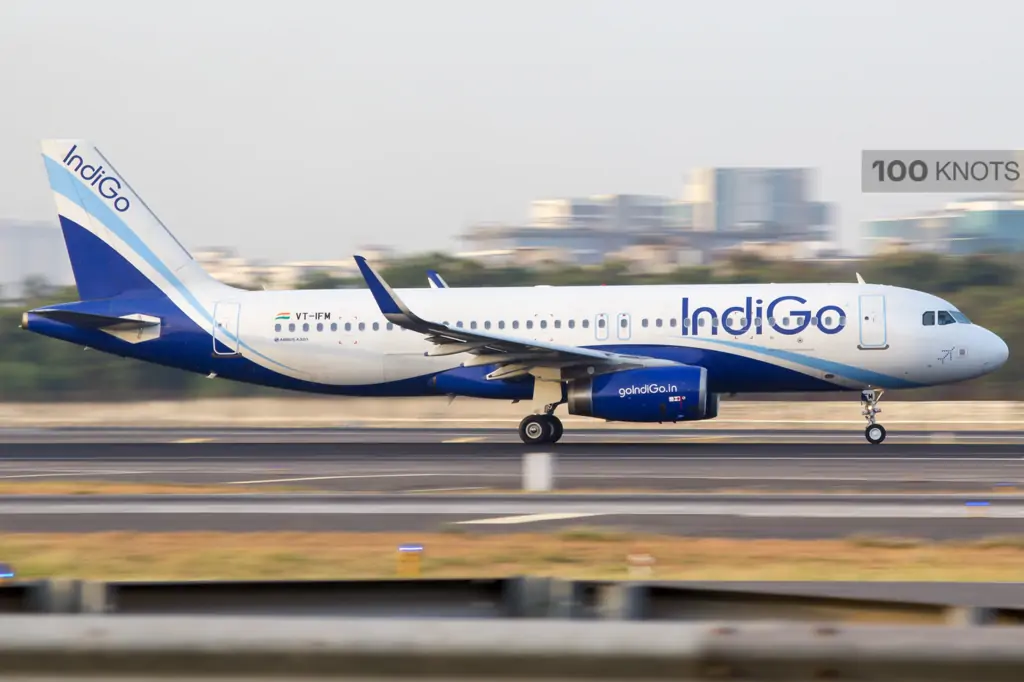
InterGlobe Aviation Ltd, the parent company of IndiGo, India’s largest airline, has announced a significant financial move to bolster its operational capabilities. The company’s board has approved a substantial loan of USD 43 million to its wholly-owned subsidiary, IndiGo IFSC, dedicated to aircraft acquisition and leasing. This strategic decision signals IndiGo’s commitment to expanding its fleet and maintaining its dominance in the competitive aviation market.
Key Details of the Loan Approval
Loan Amount: USD 43 million.
- Purpose: To meet funding requirements for aircraft acquisition.
- Beneficiary: IndiGo IFSC, a subsidiary specializing in aircraft, engine, and ground support equipment leasing.
- Registration: IndiGo IFSC is registered at the Gujarat International Finance Tec-City (GIFT City), India’s emerging global financial hub.
- Execution Timeline: The agreement for the loan will be finalized and executed in due course.
What is IndiGo IFSC?
IndiGo IFSC (InterGlobe Aviation Financial Services IFSC) operates as a dedicated lessor, managing aircraft, aircraft engines, and ground support equipment. Its presence in GIFT City provides tax advantages and access to international financial markets, making it a crucial part of IndiGo’s operational and financial strategy.
Strategic Importance of the Loan
- Fleet Expansion: The loan supports IndiGo’s efforts to enhance its fleet size, ensuring it meets growing passenger demand while offering newer and more efficient aircraft.
- Cost Efficiency: Leasing aircraft through IndiGo IFSC helps the airline optimize costs, benefiting from the favorable financial ecosystem at GIFT City.
- Market Leadership: As India’s largest airline, IndiGo’s move to strengthen its fleet underscores its intent to maintain leadership in the aviation industry amid increasing competition.
What This Means for the Aviation Sector
IndiGo’s decision comes at a time when the aviation sector is witnessing a resurgence in passenger traffic post-pandemic. Investments in fleet expansion and infrastructure signal confidence in sustained growth. By utilizing its subsidiary in GIFT City, IndiGo sets a precedent for other airlines to leverage India’s financial hubs for operational advantages.
Looking Ahead
With the USD 43 million loan, IndiGo reaffirms its position as a forward-thinking market leader. This investment not only enhances its operational readiness but also aligns with the broader vision of making India a global aviation hub. Stakeholders and aviation enthusiasts alike will be keen to observe the outcomes of this strategic financial move.

Read next
Air India’s Soaring Ambitions: South Asia’s Largest Flying Training Hub Takes Flight
Abhishek Nayar
21 Dec 2024

As India’s aviation sector accelerates to new heights, Air India, the nation’s leading global airline, is setting the stage for a transformative leap in pilot training. The airline has announced plans to establish South Asia’s largest Flying Training Organization (FTO) at Amravati’s Belora Airport in Maharashtra, with operations slated to begin by the second half of 2025, pending regulatory approvals. Here’s a closer look at this groundbreaking initiative and what it means for India’s aviation future.
An Ambitious Order of 34 Advanced Trainer Aircraft
To power its vision, Air India has placed an order for 34 cutting-edge trainer aircraft:

- 31 Single-Engine Aircraft: Supplied by Piper Aircraft, USA, these planes are equipped with state-of-the-art glass cockpits and G1000 avionics systems.
- 3 Twin-Engine Aircraft: Manufactured by Diamond Aircraft in Austria, these jets will cater to advanced training requirements.

All the aircraft will feature Jet A1 engines, ensuring a modern and efficient training environment. Deliveries are expected to commence in 2025.
FTO: A Pillar of Air India’s Vihaan.AI Transformation Program
The establishment of this FTO is part of Air India’s ambitious Vihaan.AI transformation program, designed to strengthen the airline’s infrastructure and ensure self-reliance in pilot training. The FTO aims to graduate 180 commercial pilots annually, addressing the growing demand for skilled aviators as Air India expands its fleet and operations.
State-of-the-Art Training Facilities at Amravati
The FTO at Belora Airport will span 10 acres and include:
- Digitally-Enabled Classrooms: Providing an advanced learning environment comparable to global aviation academies.
- Hostels and Amenities: Ensuring a comfortable and conducive space for cadet pilots.
- Digitized Operations Center: For seamless training coordination.
- In-House Maintenance Facility: To enhance operational efficiency and ensure high safety standards.
Air India’s Broader Vision for Aviation Training

This FTO complements Air India’s new Aviation Training Academy in Gurugram, which spans 600,000 square feet, making it the largest in South Asia. Together, these initiatives underline the airline’s commitment to:
- Building a Self-Reliant Pilot Pipeline: Reducing dependency on international training programs.
- Elevating Safety Standards: Ensuring top-notch training for aspiring pilots.
- Supporting India’s Aviation Growth: Aligning with the government’s Atmanirbhar Bharat vision.
Strategic Significance for India’s Aviation Ecosystem
Sunil Bhaskaran, Director of Air India’s Aviation Academy, highlighted the importance of this initiative, stating, “With this order of 34 trainer aircraft to support South Asia’s largest Flying Training Organization, we are delighted to be playing a part in building the aviation infrastructure India needs as one of the world’s fastest-growing aviation markets.”
Empowering the Next Generation of Aviators
With the FTO’s strategic location and world-class facilities, aspiring pilots will receive best-in-class training, preparing them to excel in the dynamic and demanding aviation industry. By creating a robust pipeline of skilled professionals, Air India is not just bolstering its workforce but also contributing significantly to the Indian aviation sector’s growth.
Conclusion
Air India’s latest venture into pilot training is a testament to its forward-thinking vision and commitment to excellence. As the FTO at Amravati takes flight, it promises to be a game-changer, shaping the future of aviation in India and beyond. For aspiring pilots, the skies have never looked brighter.
With inputs from Air India
Read next

Kempegowda International Airport Bengaluru (BLR Airport) has added yet another feather to its cap, with its 080 Domestic and International Lounges at Terminal 2 (T2) receiving prestigious accolades. These honors highlight the airport’s relentless pursuit of excellence in offering world-class travel experiences.
Award-Winning Lounges Setting New Standards
The 080 Domestic Lounge has been crowned the ‘Best Domestic Airport Lounge’ at the Travel + Leisure India’s Best Awards. Simultaneously, the 080 International Lounge earned the title of ‘Favourite Airport Lounge’ at the Condé Nast Reader’s Choice Awards 2024. These recognitions underscore the lounges’ exceptional blend of comfort, elegance, and unparalleled service.
Accolades Reflecting Passenger Trust and Appreciation
The awards, conducted annually by Travel + Leisure and Condé Nast Traveller magazines, celebrate excellence in the travel and hospitality sectors. Winning these reader-driven honors signifies the trust and admiration travelers have for BLR Airport’s 080 Lounges.
A Vision Brought to Life
Hari Marar, MD and CEO of Bangalore International Airport Limited, expressed pride in the achievement, saying: “Receiving the awards from Condé Nast Traveller and Travel + Leisure speaks of the passion and care that went into shaping the lounges at Terminal 2. Every element of the lounges reflects our commitment to crafting spaces that combine elegance, comfort, and a deep sense of place. These recognitions motivate us to continue elevating the travel experience and setting new standards in hospitality.”
Design Inspired by Bengaluru’s Vibrant Culture
The 080 Lounges are celebrated for their innovative design, drawing inspiration from Bengaluru’s rich culture and lush greenery. The spaces seamlessly merge modern luxury with local cultural elements, creating a unique atmosphere that resonates with passengers.
State-of-the-Art Amenities

The lounges provide a relaxing haven for travelers, featuring:
- Diverse culinary offerings that cater to varied palates.
- Dedicated workstations and high-speed Wi-Fi for business travelers.
- Comfortable seating and premium hospitality services to ensure a luxurious experience.
Global Recognition for BLR Airport
BLR Airport’s consistent recognition on global platforms highlights its dedication to redefining travel standards. The T2 lounges stand out not only for their superior hospitality but also for their successful integration of local culture with modern amenities.
Why Passengers Love the 080 Lounges
Travelers praise the 080 Lounges for their:
- Thoughtful design that prioritizes comfort and functionality.
- Warm and welcoming staff dedicated to enhancing passenger satisfaction.
- Tranquil environment that allows for relaxation amid the bustle of travel.
Conclusion
The awards for BLR Airport’s 080 Lounges are a testament to their commitment to creating exceptional travel experiences. By combining cultural authenticity with cutting-edge facilities, these lounges set a benchmark in the global aviation industry. As BLR Airport continues to garner accolades, passengers can look forward to more innovative and memorable journeys ahead.
Read next

The Directorate General of Civil Aviation (DGCA) has once again found itself at the center of an aviation debate, as leading airlines IndiGo and Air India requested a phased implementation of the revised flight duty norms. Initially set to come into effect on June 1, 2023, the new Civil Aviation Requirement (CAR) aims to mitigate pilot fatigue by providing increased rest periods. However, after initial postponements, the debate over the timeline for implementation continues.
What Are the New Norms About?
The DGCA’s revised CAR focuses on Flight Duty Time Limitation (FDTL), which governs how long pilots can fly before mandatory rest periods. The changes aim to:
- Increase the weekly rest period from 36 hours to 40 hours starting June 2024.
- Restrict night landings to a maximum of two per pilot between 12 am and 5 am by October 2026.
- Address broader concerns related to pilot fatigue.
These changes are part of a global trend emphasizing better working conditions for flight crews.
Airline Resistance: Practical Concerns and Challenges
IndiGo’s Stance

IndiGo, India’s largest airline, has agreed to a phased implementation beginning June 2024. The airline argues:
- A three percent increase in crewing requirements is necessary to accommodate the changes.
- The impact of additional rest periods should be assessed for potential adjustments post-June 2025.
- Restricting night landings by October 2026 needs careful operational planning.
Air India’s Concerns

Air India, while also supporting a phased approach, suggests starting implementation in June 2025. It highlights practical challenges:
- New definitions of night duty could disrupt current scheduling norms.
- Increased rest periods may not address fatigue risks comprehensively without a Fatigue Risk Management System (FRMS).
- Prescriptive regulations may overlook dynamic fatigue-related scenarios.
Pilots Push Back: Why February 2024 Matters
Pilot associations, including the Indian Pilots Guild, Indian Commercial Pilots Association, and Federation of Indian Pilots, are urging DGCA to implement the norms fully by February 15, 2024. They argue that delays compromise pilot well-being and passenger safety, as fatigue remains a significant operational hazard.
The Delhi High Court and Stakeholder Meetings
Amid growing tensions, the Delhi High Court intervened, instructing DGCA to hold discussions with stakeholders. A crucial meeting on December 18 saw airlines presenting their operational concerns and requesting additional time. However, the DGCA’s challenge lies in balancing industry preparedness with safety imperatives.
What Lies Ahead for Indian Aviation?
The phased implementation proposed by IndiGo and Air India reflects the complexity of transitioning to new norms. However, with increasing scrutiny from courts and pilot unions, the DGCA faces pressure to accelerate the process.
Conclusion: Safety vs. Operational Efficiency
The debate over revised flight duty norms underscores a critical question: How can India’s aviation sector balance safety with operational feasibility? While airlines argue for phased changes, pilots advocate for swift implementation, emphasizing safety and well-being. With regulatory, judicial, and industry perspectives in play, the coming months will reveal how Indian aviation navigates this high-stakes turbulence.
With Inputs from Business Standard
Read next
Akasa Air: Balancing High Safety Standards and Employee-Centric Culture Amid Controversy
Abhishek Nayar
19 Dec 2024

Akasa Air, a young but rapidly growing Indian airline, has found itself under scrutiny recently as some pilots voiced concerns about training and safety standards. Despite these allegations, the airline’s CEO, Vinay Dube, has staunchly defended its reputation, emphasizing the organization’s commitment to safety and employee satisfaction.
With a fleet of 26 planes, serving 27 destinations, including five international cities, and a workforce of over 4,300 employees, Akasa Air is navigating these challenges with a focus on transparency and improvement.
Safety First: A Non-Negotiable Priority

Vinay Dube reiterated in a recent interview that safety remains the cornerstone of Akasa Air’s operations. “Safety is Akasa’s priority, world-class safety... This is a continuous procedure,” Dube stated, highlighting the airline’s dedication to refining processes, procedures, and training mechanisms.
Despite some pilots raising red flags about alleged training inadequacies, Akasa Air has firmly dismissed these claims as “baseless and untrue.” However, the Directorate General of Civil Aviation (DGCA) has reportedly issued at least two show-cause notices to the airline for certain lapses, adding a layer of complexity to the situation.
Employee Satisfaction: Fact or Fiction?
Dube, who is also Akasa Air’s founder, strongly advocates the airline's identity as an "employee-centric" organization. According to him, employee satisfaction levels are consistently high.
- The airline deploys advanced data and analytics to gauge employee morale, running regular surveys for actionable feedback.
- Pilots have reportedly provided “extremely satisfactory feedback,” with attrition rates among pilots recorded at less than 1% annually.
Moreover, the airline claims that 324 pilots joined Akasa Air since October 2023, reinforcing its growing appeal as an employer. “It is impossible to build an employee-centric culture without proactively having employee feedback,” Dube added, emphasizing Akasa Air’s responsive approach to any concerns raised.
Challenges in the Cockpit: Allegations and Counterarguments
The turbulence began when a section of Akasa Air pilots wrote a letter to Civil Aviation Minister K. Rammohan Naidu on December 11, calling for an independent probe into the airline’s management practices, training methods, and safety standards.
While the allegations raised questions about the company’s operations, Akasa Air maintained that these issues are unfounded. Dube highlighted the strong rapport between the airline and its pilots, claiming, “Our pilots are extremely satisfied, and we continue to find ways to make sure that we are not complacent.”
Current Hiring Practices: Pilots in Focus
Unlike many competitors in the aviation industry, Akasa Air is not currently hiring more pilots, citing an adequate workforce to meet foreseeable expansion needs. This move aligns with Dube’s confidence in the airline’s structured growth and efficient workforce planning.
Expanding Horizons: From Domestic to International Skies
In just over two and a half years, Akasa Air has carved out a 4.5% market share in India’s domestic aviation sector as of October. The airline’s growing international footprint, now reaching five cities, reflects its ambition to be a major player in global aviation.
The Way Forward: Commitment to Continuous Improvement
Dube emphasized Akasa Air’s proactive stance in addressing employee feedback and enhancing operational efficiency. “We always look at ways in which we can continue to improve ourselves... this is a continuous procedure,” he said. The airline’s focus on leveraging data, listening to employee concerns, and maintaining robust safety protocols positions it for sustainable growth.
Conclusion: Can Akasa Weather the Storm?
While Akasa Air faces challenges amid allegations and regulatory scrutiny, its leadership remains steadfast in upholding high safety standards and fostering an employee-centric culture. The coming months will determine whether this young airline can successfully navigate the turbulence and soar to greater heights, maintaining trust among both employees and passengers.
For now, Akasa Air continues its journey as an airline promising innovation, safety, and satisfaction—flying through challenges with its values intact.
Read next
SriLankan’ Melbourne-Colombo Route: A Journey of Seven Years Connecting Cultures and Continents
Abhishek Nayar
19 Dec 2024
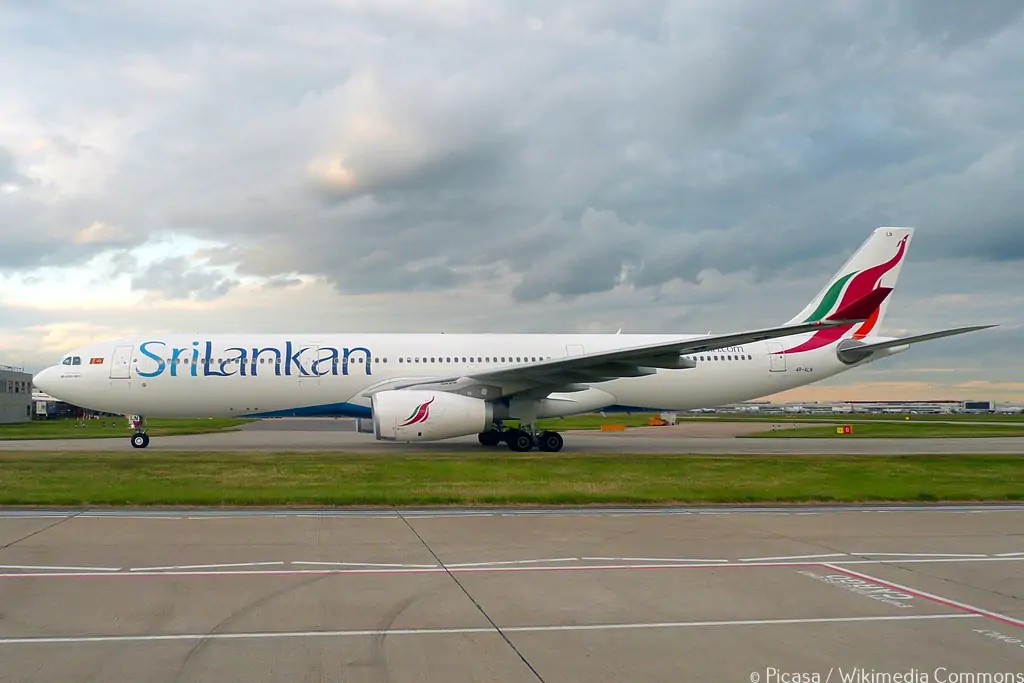
SriLankan proudly marked the seventh anniversary of its Melbourne-Colombo route, launched in 2017. Over the years, this route has not only become a lifeline for Sri Lankan expatriates and students in Australia but also a key travel corridor for tourists exploring destinations across South Asia, particularly India. The route’s success underscores the growing cultural and economic ties between Australia and Sri Lanka, with increasing traffic benefiting both regions.
A Gateway for Travelers
The Melbourne-Colombo route has emerged as one of SriLankan Airlines' top-performing operations. It is particularly favored by:
- Tourists seeking seamless travel to Sri Lanka and beyond.
- Indian passengers leveraging Colombo as a convenient hub.
- Travelers visiting friends and family or enjoying vacations across South Asia and Australia.
This popularity highlights the route’s role as a bridge connecting diverse communities and fostering cross-cultural exchange.
Statements from Leadership
Dimuthu Tennakoon, Head of Worldwide Sales & Distribution at SriLankan Airlines, reflected on this achievement, saying, “As we celebrate this milestone, SriLankan Airlines will continue exploring potential expansion opportunities across its network to support the envisioned growth of this important route. With a strong foundation built over the past seven years, the airline is well-positioned to enhance connectivity and promote tourism between Sri Lanka and Australia.”
Adding to this sentiment, V. Ravindran, Regional Manager Asia Pacific, expressed, “This achievement is a testament to the hard work and dedication of our entire team. As we move forward, we look forward to continuing to provide exceptional service and to strengthening our connections between Australia and Sri Lanka. Our commitment to our passengers remains unwavering.”
Modern Fleet and Unparalleled Service

SriLankan Airlines operates state-of-the-art Airbus A330-300 and A330-200 series aircraft on the Melbourne-Colombo route, ensuring passenger comfort and convenience. Flights UL604 and UL605 offer daily service, providing travelers with award-winning service that SriLankan Airlines is renowned for. The modern in-flight experience caters to the needs of diverse travelers, from business professionals to families.

Engaging with the Community
Beyond flight operations, SriLankan Airlines has actively engaged with the local Australian community. Its initiatives include:
- Sponsorships of Sporting Events: Supporting events like the Melbourne Half Marathon and the Great Ocean Road Running Festival has boosted the airline’s visibility while resonating with Sri Lankan and Australian cultures.
- Community Support: Regular participation in events organized by Sri Lankan expatriate organizations has strengthened the airline’s connection with the local diaspora.
- Collaborations with 'Invest Victoria': Partnerships with the Victorian government have furthered tourism and cultural exchange initiatives.
A Vision for the Future
As SriLankan Airlines celebrates this milestone, it looks forward to future growth. The airline’s commitment to expanding its network, enhancing passenger experiences, and deepening cultural ties positions it as a vital link between Australia and South Asia.
Conclusion: A Journey Worth Celebrating
The seventh anniversary of SriLankan Airlines’ Melbourne-Colombo route is more than just a marker of successful operations. It represents a journey of connecting people, promoting tourism, and fostering cultural understanding. With a vision for continued growth, SriLankan Airlines is set to elevate the travel experience for its passengers and further strengthen the bonds between two vibrant regions.
Comment