
Is SpiceJet Playing Payroll Favorites — Or Just Doing a “Phased Disbursement” Tightrope Act?

Abhishek Nayar
15 Sep 2025

In September 2025 multiple reports say SpiceJet has been paying junior staff (salaries up to Rs.55,000) on time, while many mid- and senior-level employees — mostly assistant managers and above — have been seeing their paychecks land 10–15 days late.
The airline’s FY25 annual report also shows it gave an interest-free advance of Rs.32 crore to Chairman Ajay Singh, which the company says is being adjusted from his subsequent salaries. Meanwhile the airline reported losses in recent quarters and has many aircraft still grounded.
What actually happened (the receipts, receipts)
- Senior staff — typically those drawing above Rs.55,000 a month — have reportedly experienced repeated delays in salary payments over the past few months, with delays generally in the 10–15-day range. Meanwhile, employees paid up to Rs.55,000 reportedly received their August pay.
- SpiceJet’s FY25 annual report confirms the airline had 6,484 employees (4,894 permanent staff) and discloses an interest-free advance of Rs.32 crore to Ajay Singh for a five-year period; the company says the advance was adjusted from his subsequent salaries (April and May 2025) and that the board approved the arrangement.
Cue the eyebrow-raise: Rs.32 crore to the chairman while others wait?
It’s an attention-grabber line: one end of the company is stretching cash to cover senior salaries later, and on the other end, there’s a large, interest-free advance to the CMD. SpiceJet’s annual report describes this advance as board-approved and not prejudicial to the company’s interest — in corporate governance speak that’s the equivalent of saying “trust us, we checked the math.” Critics will still squint at the optics.
The bigger money picture (why payroll became a juggling act)
SpiceJet has not been immune to the industry’s turbulence. Recent quarterly results showed a loss (the June quarter reported a net loss figure cited in coverage), and fleet utilization has been constrained — analysts and trackers reported only a fraction of the airline’s fleet in the air on some recent days (sources put the number of operational aircraft much lower than total fleet).
Lower utilization + maintenance/grounding costs = tighter cash flow, and payroll is sadly one of the visible places where that tightness shows.
Company line: “Phased disbursement schedule”
SpiceJet has characterized the delays as part of a “phased disbursement schedule” during “lean” periods, saying the payments roll out over a few days and that operational and fleet costs have been a driver. In plain English: the airline says it’s deliberate, scheduled, and temporary. Employees and unions tend to prefer “on time and predictable,” though — which is a different color of temporary.
Employee perspective (imagine your bank balance doing an air-show)
For junior staff, getting paid on time is relief; for higher-paid staff who budget on the assumption of punctual pay, a recurring 10–15-day lag can be frustrating — mortgage or loan EMIs don’t care about corporate phrasing. There’s also an intangible morale cost: when news headlines shout about big advances to top management at the same time salaries trickle out late for others, it’s hard not to feel a little… left on the tarmac.
Why this matters beyond HR drama
- Operational risk: unhappy staff — especially among managers who keep operations smooth — can amplify delay and safety risks if left unaddressed.
- Reputation risk: prospective recruits and partner’s notice. A payroll hiccup plus governance eyebrow-raisers = negative PR.
- Investor and regulator attention: board approvals for large advances and public reporting of operational constraints invite scrutiny.
(Also, no airline likes being the subject line of “Will they pay me?” text threads.)
What could SpiceJet do (and what stakeholders might watch)

- Reconfirm and publicize an exact payroll calendar so staff can plan.
- Offer short-term interest-free payroll advances for affected employees (yes, it costs cash today but helps morale).
- Improve transparency about cashflow plans and aircraft re-entry schedules to reassure staff and markets.
- Investors and regulators will likely watch upcoming quarterly results, fleet-in-service numbers and any board disclosures about liquidity.
A little humor (because we all need it):
If SpiceJet is running a “phased disbursement schedule,” maybe next they’ll phase their coffee machine: first espresso for junior staff, then decaf for senior managers. Kidding — please don’t actually do that.
What to watch next (the flight-plan)
- Any official follow-up from SpiceJet clarifying exact timelines for pending payments.
- Investor/market reaction to the FY25 disclosures and the airline’s June-quarter performance.
- Fleet operational updates — more planes in the air would mean revenue pickup and less payroll pressure.
TL; DR
- SpiceJet has reportedly paid employees earning up to Rs.55,000 for August; many higher-paid staff are seeing 10–15-day delays.
- The airline’s FY25 report shows 6,484 employees (4,894 permanent) and an interest-free advance of Rs.32 crore to CMD Ajay Singh, adjusted from later salaries per the company.
- SpiceJet says delays are due to a “phased disbursement schedule” during a lean period; the airline has also reported losses and lower fleet utilization recently.
- Optics suck when top management gets big advances while others wait; watch next earnings, fleet updates, and any clearer payroll calendar from the company.
Read next
Wanted: The Secret Playbook — How AIESL Is Chasing Aircraft Manuals to Keep India’s MRO Dreams Airborne
Abhishek Nayar
15 Sep 2025
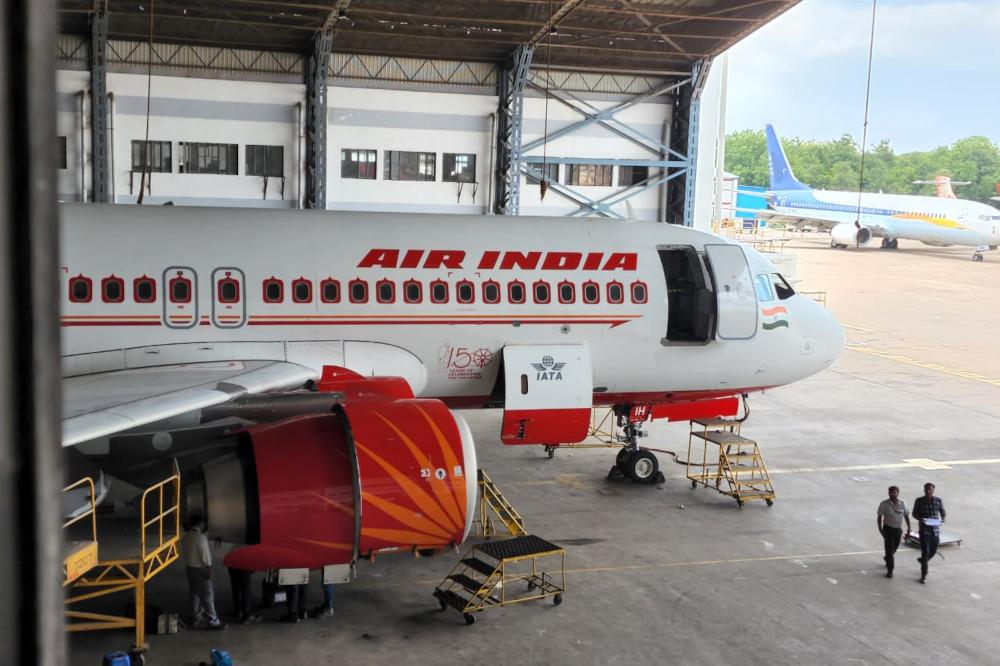
Picture this: you run a busy workshop that rebuilds fancy Swiss watches — but the watchmaker decided to keep the repair manual in a vault overseas. That, in a nutshell, is the delightful bureaucratic puzzle AI Engineering Services Ltd (AIESL) is now trying to solve — and yes, there’s a plan B: find friends who already have the keys.
Why the fuss? (Spoiler: manuals = magic)

AIESL, once part of state-run Air India before the airline’s sale to the Tata Group in January 2022, now finds itself without direct access to certain proprietary manuals and the constantly updated technical literature that OEMs provide for high-end component overhauls. Without those documents, doing complex, certified repairs on engines and avionics becomes legally and technically dicey. So AIESL is hunting for strategic partners who can legally provide access to that IP — or, put bluntly, to the secret playbook.
AIESL in a nutshell (facilities, scale and ambitions)
AIESL is a significant player in India’s MRO (maintenance, repair and overhaul) ecosystem — it runs major facilities across the country (Delhi, Nashik, Nagpur, Mumbai, Kolkata, Hyderabad and Thiruvananthapuram), serves domestic and foreign carriers, and employs thousands. The company says it wants to grow revenue through better utilization of its line and base facilities and by grabbing higher-value component work that currently flows overseas.
The IP chokehold: why OEM manuals matter so much
OEMs (original equipment manufacturers) don’t just make parts — they often control the manuals, training data, design documents and software tools required to certify complex repairs. That control can make it hard for an independent MRO to offer advanced services unless it has an explicit licence or partnership with the OEM. NITI Aayog’s MRO report flagged this exact tension — rising OEM presence in the aftermarket and their IP control has been a long-standing industry challenge and a material barrier to building an indigenous, high-value MRO industry in India.
What AIESL is doing (the move to buddy-up)
Rather than wage a legal war or try to reverse-engineer manuals (the latter is both risky and illegal), AIESL’s realistic playbook is partnership. Officials say the company is open to strategic tie-ups that would give it legitimate access to proprietary technical literature — an investment that’s costly but “critical” to sustain advanced capabilities. At the same time, AIESL is intensifying outreach to domestic airlines, collaborating with other MROs to share overflow work, and courting foreign carriers to maximize utilization of its facilities.
The larger runway: India’s MRO opportunity
India is one of the world’s fastest-growing aviation markets. With domestic carriers having hundreds — even over a thousand — planes on order and passenger numbers still climbing, the demand for in-country maintenance is poised to explode. Estimates and government studies project meaningful growth for the MRO market over the coming decade, turning this into a rare combo: strategic industrial policy + clear commercial demand. If AIESL and other Indian MROs can capture more of the aftermarket, the upside is higher domestic employment, forex retention, and technology transfer.
The tricky economics: getting IP rights is expensive... and political
Securing OEM licenses or creating joint ventures costs money and often requires concessions (revenue share, training obligations, or restrictive clauses). For a state-owned MRO that split off from a privatized carrier, negotiating favorable terms is both a commercial and political balancing act — you want capability without handing over sovereignty on servicing. The win condition? A deal that lets AIESL perform advanced work while building homegrown expertise and scale.
Who wins if this goes well (and who might not)
- Winners: Indian MRO ecosystem (jobs, skills), airlines (lower costs and faster turn-times), AIESL (higher-margin work), and — eventually — Indian OEM suppliers.
- Losers (or uncomfortable): OEMs who prefer the aftermarket revenue flowing through their authorized channels, and overseas MRO hubs that currently soak up India’s component work.
A small reality check
Think of the situation as a romantic comedy where the hero (AIESL) broke up with their ex (Air India privatized) and now finds out some of their shared possessions — the instruction manuals — are locked away. There’s awkward negotiation, some dramatic pleas, and, if the script goes Hollywood, a reconciliation of sorts where partners and IP holders help build a happily-ever-after MRO industry. Cue the swelling violins.
Fast fixes vs. long-term strategy
- Short-term: partner with airlines or third-party aggregators who already have authorized access; share overflow work with other domestic MROs to keep hangars busy.
- Long-term: secure licensing agreements or deeper JV arrangements with OEMs, invest in people and tooling, push for policy nudges that encourage OEMs to localize training/data, and encourage airlines to retain more work domestically.
What policymakers and industry should watch
- Transparency in IP terms — can India negotiate standard licensing terms that encourage localization?
- Skills pipeline — technician training and certified programs will be critical.
- Aggregators vs in-house — airlines often find it operationally simpler to pass component work to aggregators who send it overseas; changing that behaviour is key.
- Regulatory nudges — incentives for OEMs to share more documentation locally could be game-changing.
Final verdict
AIESL’s pursuit of partners to gain legal access to proprietary aircraft manuals is less about drama and more about survival and ambition: survival of shop-floor capabilities that depend on OEM-controlled IP — and ambition to turn India’s growing fleet into high-quality, local MRO business. If they get the partnerships right (and the government and airlines play supportive roles), India might keep a lot more maintenance work — and money — in-country. If not, the work will continue to leak overseas and India’s MRO aspirations will be delayed.
TL; DR
- AIESL is actively seeking strategic partners to gain legal access to proprietary aircraft manuals and technical literature necessary for high-end component overhauls.
- The issue stems partly from AIESL’s separation from Air India after the latter’s sale to Tata Group in Jan 2022, which changed access to some records/IP.
- OEM control over manuals and design data is a structural barrier for independent MROs — flagged in NITI Aayog’s MRO report.
- India’s MRO market is growing (strong fleet orders and optimistic forecasts); capturing more aftermarket work locally has big economic upside.
- AIESL already has a national footprint (Delhi, Nashik, Nagpur, Mumbai, Kolkata, Hyderabad, Thiruvananthapuram) and is ready to convert hangar space into higher-value work — if it can secure IP access.
Read next

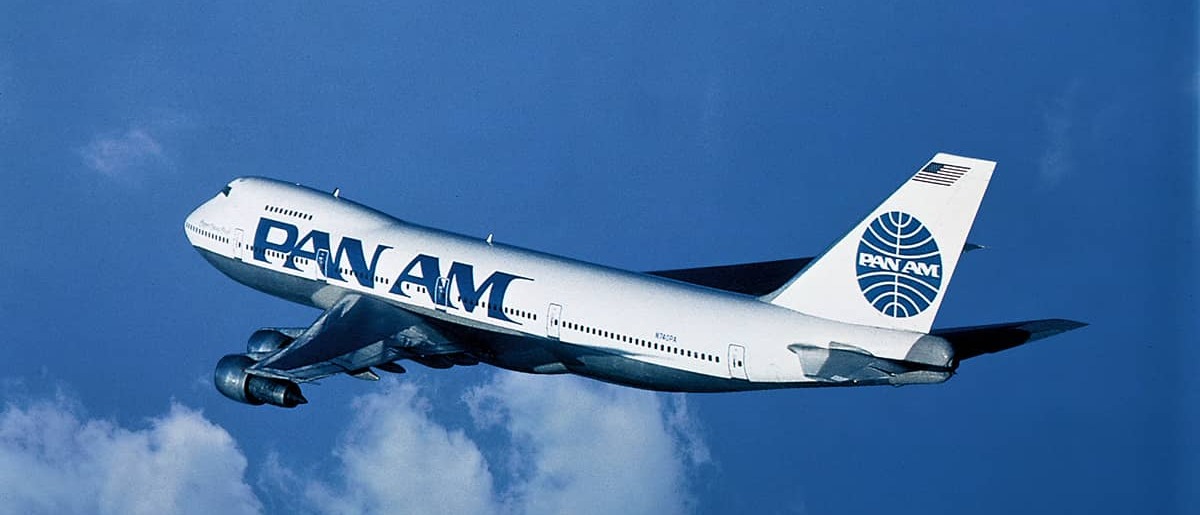
The golden age of aviation lives on in collective memory through images of elegantly dressed passengers sipping champagne at 35,000 feet, when flying was an event rather than mere transportation. Among the carriers that defined this era, none captured the public imagination quite like Pan American Airways, with its distinctive blue globe logo and promise of worldly sophistication.
After vanishing from the skies over 3 decades ago, this legendary brand is beginning luxury charter flights that have rekindled dreams of aviation glamour for a new generation of travellers!
Pan Am Airlines Legacy
Pan American Airways ceased operations on December 4, 1991, when its final flight departed Barbados for Miami aboard the Boeing 727 "Clipper Goodwill." This marked the end of an aviation empire that had dominated international travel for over 6 decades. Founded in 1927 as a modest service connecting Florida to Cuba, the airline transformed under Juan Trippe's visionary leadership during the 1930s, expanding across South America before conquering transatlantic routes.
The carrier pioneered numerous aviation firsts, including introducing the revolutionary Boeing 747 jumbo jet to commercial service. Pan Am's network stretched to iconic destinations worldwide, from Hong Kong's bustling terminals to Rio de Janeiro's beaches. The airline's crowning achievement came in 1977 during its 50th anniversary celebration, when Pan Am Flight 50 established a speed record for global circumnavigation while crossing both polar regions.
However, American airline deregulation, soaring fuel costs, and mounting financial pressures ultimately grounded the carrier permanently, leaving only memories of its distinctive "blue meatball" tail design.

Revival Dreams
The Pan Am brand experienced an unexpected renaissance in summer 2024 under Craig Carter, CEO of Pan American World Airways LLC, who acquired the trademark rights. The inaugural charter flight demonstrated remarkable market appetite for aviation nostalgia, with 35 passengers paying £45,000 each for a meticulously crafted journey aboard a leased Icelandair Boeing 757.
The six-day expedition departed New York's JFK airport, retracing historic transatlantic routes through Bermuda, Lisbon, Marseille, London, and Shannon. Every detail honoured Pan Am's heritage, from cabin crew wearing signature baby-blue uniforms to period-appropriate service standards. The experience proved so compelling that some passengers requested to sleep aboard the aircraft rather than disembark at destinations.
Carter reports that bookings sold out within three days, with passengers receiving enthusiastic receptions at every stop, including water-cannon salutes and crowds of aviation enthusiasts eager to witness the legendary livery's return.
Expansion Plans
The charter's success has emboldened Pan Am's leadership to pursue full scheduled service restoration.
Working alongside AVi8 Capital, an aviation consultancy, the company plans a methodical expansion beginning with charter operations before transitioning to regular passenger service. The initial fleet would comprise approximately four Airbus A320s, one Boeing 757, and an A330 for long-haul routes.
Carter envisions an exclusively premium carrier, potentially offering business-class-only configurations or economy seats with significantly enhanced legroom and comfort standards. The strategy targets transcontinental routes connecting major American cities like Miami, Los Angeles, and New York, focusing on markets with demonstrated demand for upscale air travel.
Additional charter services to African destinations and European Christmas markets are planned for the leased Boeing 757, maintaining momentum while regulatory approvals advance.

Lifestyle and Hospitality
Pan Am's revival extends far beyond aviation, encompassing a comprehensive lifestyle brand strategy. The company recently secured rights to operate a fixed-base operation at a Missouri airport, providing ground services including fueling, parking, and maintenance, with additional FBOs planned nationwide.
A Pan Am-branded Hilton hotel will open in Los Angeles next year, featuring an innovative "dinner theatre" concept within the adjacent Citadel shopping centre. This immersive restaurant recreates a 1970s Boeing 747 interior, complete with period-dressed cabin crew serving guests aboard a detailed aircraft replica.
Pan Am Travel, a premium travel agency, targets affluent leisure and business customers seeking elegant, glamorous experiences reminiscent of aviation's golden era. Strategic airport lounges across the country will further extend the brand's presence in travel infrastructure.
Industry Scepticism
Aviation industry experts express cautious scepticism about Pan Am's commercial viability beyond nostalgic charter operations. John Grant from OAG Aviation acknowledges the admirable spirit behind such ambitious projects while highlighting formidable challenges, including substantial startup costs, intense competition, and complex operational requirements.
Gilbert Ott, founder of frequent-flier website God Save the Points, warns that nostalgia alone cannot sustain long-term success against established carriers' high service standards. While recognising Pan Am's powerful brand recognition, he questions whether historical appeal can consistently fill aircraft seats.
Previous attempts at luxury aviation revival, including La Compagnie's decade-long Paris-New York service and Global Airlines' uncertain future following its Glasgow-New York inaugural flight, illustrate the sector's inherent difficulties.

Bottom Line
Pan Am's ambitious comeback represents more than corporate resurrection—it embodies a quest to restore aviation's lost glamour and sophistication. Beginning with a successful £45,000 charter flight that sold out in three days, the brand now pursues scheduled service restoration through premium aircraft acquisitions and comprehensive lifestyle expansion, including hotels, lounges, and immersive dining experiences.
However, industry experts remain sceptical about long-term viability, citing high startup costs, intense competition, and operational complexities that have challenged previous luxury aviation ventures. While CEO Craig Carter believes passengers will embrace Pan Am's promised premium experience, the ultimate test lies in whether nostalgic brand power can sustain commercial success in today's demanding aviation market, making Pan Am's journey from charter novelty to scheduled carrier one of the industry's most closely watched developments.
Read next
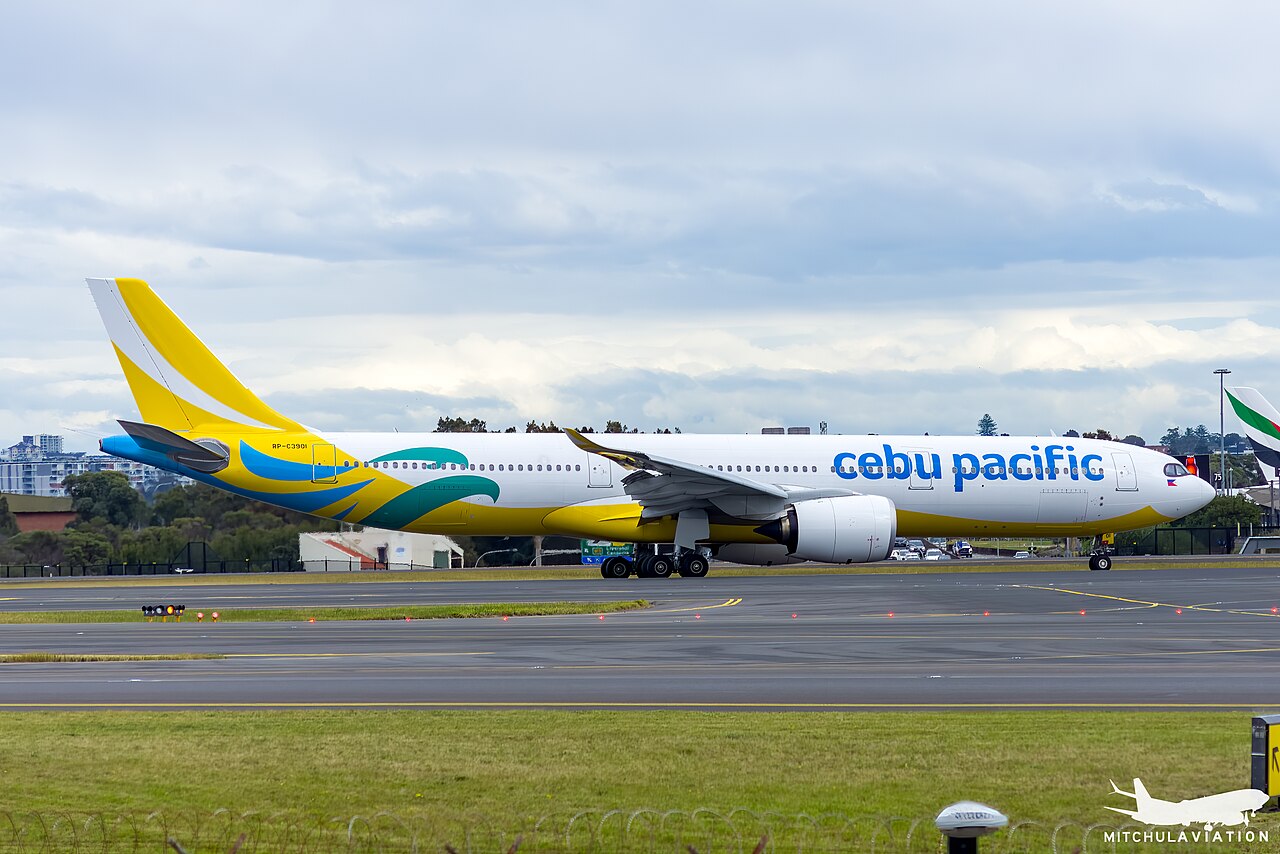
The aviation industry faces mounting pressure to reduce its environmental footprint, with airlines worldwide scrambling to implement sustainable practices. Against this backdrop, one Filipino carrier has emerged as a beacon of environmental responsibility, proving that affordable air travel and eco-consciousness can coexist.
This achievement represents not just corporate success but a testament to how strategic planning and technological innovation can drive meaningful environmental change in Southeast Asian aviation.
Cebu Airlines' Global Recognition
Cebu Pacific has secured an impressive 18th position in the Cirium Flight Emissions Review, establishing itself as the sole Philippine airline to earn this prestigious recognition. The comprehensive assessment revealed that the carrier achieved remarkably low emissions of 62.4 grams of CO2 per Available Seat Kilometre in 2024, positioning it among the world's most environmentally efficient airlines.
According to Aileen Isidro, CEB's Vice President for Corporate Strategy, this accomplishment validates the airline's commitment to balancing affordability with sustainability, ensuring that Filipino travellers can access eco-friendly flight options without premium pricing.

Fleet Modernisation
The foundation of Cebu Pacific's environmental success lies in its ambitious fleet renewal program. In 2024, the airline made aviation history by placing the Philippines' largest aircraft order, securing up to 152 aircraft from the A320neo family. This strategic investment demonstrates the company's long-term commitment to reducing its carbon footprint through the use of cutting-edge technology.
The new-generation NEO aircraft have delivered exceptional environmental benefits, enabling the airline to prevent approximately 157,000 tonnes of CO2 emissions in the past year alone. Each aircraft provides up to 20% improved fuel efficiency compared to older models, translating into significant environmental and economic advantages.
Sustainable Financing
Breaking new ground in Southeast Asian aviation, Cebu Pacific became the region's first low-cost carrier to secure financing for an A321neo through a sustainability-linked loan. This innovative financing structure directly connects borrowing costs to the airline's emissions-reduction performance, creating powerful financial incentives for continued environmental improvement.

Airport Operations
Beyond aircraft efficiency, Cebu Pacific has revolutionised ground operations through electric equipment deployment. The airline leads initiatives at Ninoy Aquino International Airport, introducing electric ground support equipment to reduce emissions during aircraft servicing.
A historic milestone occurred at Mactan-Cebu International Airport in May 2025, where Cebu Pacific completed the Philippines' first entirely electric aircraft turnaround, utilising exclusively electric ground support equipment and bridge-mounted systems.
Bottom Line
Cebu Pacific's 18th global ranking for lowest emissions represents more than individual corporate achievement—it demonstrates how Philippine aviation can lead environmental transformation while maintaining accessibility and affordability. Through strategic fleet modernisation, innovative financing, and ground-breaking operational practices, the airline has reduced over 157,000 tonnes of CO2 emissions while serving 63 destinations across Asia, Australia, and the Middle East. This recognition, supported by an ESG score of 46 from S&P Global, positions Cebu Pacific as a model for sustainable aviation development throughout Southeast Asia.
Read next
What Happens When Four Bolts Go Missing and a Giant Plane Decides to Surprise Everyone Mid-Flight?
Abhishek Nayar
13 Sep 2025
Yes, this actually happened — and the FAA just slapped Boeing with a proposed $3.1 million fine for a string of quality and oversight failures tied to the whole saga. Buckle up (not literally) — we’ll take this from the dramatic mid-air moment to the accountability roller coaster on the ground.
The one-sentence elevator pitch
A January 2024 mid-air cabin blowout on an Alaska Airlines 737 MAX 9 — later traced to missing/incorrectly reinstalled bolts and process failures — exposed widespread quality control and culture problems at Boeing. The FAA’s response: a proposed $3.1 million fine, continued hands-on inspections, and a hard stare at production practices.
The moment that started it all: the Alaska Airlines incident
On a January 2024 flight, a mid-exit door “plug” blew out mid-flight on a new 737 MAX 9. Miraculously there were no fatalities, but the incident was a wake-up call — planes aren’t supposed to surprise passengers by losing big sections of fuselage. The event prompted immediate groundings, a safety investigation, and months of scrutiny.
What the FAA found (short version: a lot)

The FAA’s enforcement action alleges hundreds of quality-system violations at Boeing’s Renton 737 factory and at Spirit AeroSystems’ facility in Wichita, dating from September 2023 through February 2024. Among the specific findings: Boeing presented two aircraft for airworthiness certificates even though they didn’t meet standards, and managers pressured an employee acting on behalf of FAA oversight to sign off so delivery schedules could be kept. That combination of skipped steps + schedule pressure is precisely what keeps regulators awake at night.
NTSB: it wasn’t just one loose bolt — it was the system
The National Transportation Safety Board’s investigation concluded that the probable cause centered on Boeing’s failure to provide adequate training, guidance and oversight for its manufacturing personnel — specifically around its parts removal and reinstallation process that should have ensured the four securing bolts were reinstalled correctly. In short: humans missed bolts, but systems failed the humans.
(Imagine a factory checklist that’s more “suggestion” than “rule.” That’s not how airplanes are supposed to be built.)
DOJ, deferred agreements, and the legal thicket
The January 2024 incident didn’t just ripple through aviation safety circles — it touched legal ones too. The Justice Department opened a criminal probe, and court proceedings have complicated prior agreements between Boeing and prosecutors (the company’s earlier deferred prosecution arrangements have been under reconsideration in subsequent legal filings and court orders). This isn’t a mere regulatory slap on the wrist — it carries potential criminal and contractual consequences.
Production cap, oversight posture, and what that means for the skies
Since the incident, the FAA has kept extra-tight eyes on Boeing. The agency halted production expansion and capped Boeing’s 737 MAX output at 38 planes per month — a limit that remains in place while regulators continue enhanced in-person oversight and inspect each 737 MAX and 787 before issuing airworthiness certificates. FAA leadership has said there’s been no decision yet on lifting that cap, and they’re moving cautiously. This is not just bureaucratic theater; production caps affect airlines, supply chains, delivery schedules, and market confidence.

Boeing’s answer (and the PR tightrope)
Boeing says it’s reviewing the FAA’s proposed penalties and insists it’s strengthening safety culture, training, and accountability — the usual and necessary moves after a reputational and operational hit. But words only buy you credit for so long; regulators, airlines and passengers want demonstrable process fixes and verifiable improvement.
Why this matters beyond airline headlines
- Safety is cumulative. One missing bolt is an incident, patterns of missing bolts are a system failure.
- Delegated oversight needs trust. The FAA can delegate certain checks to manufacturers — but that only works when the manufacturer’s culture, documentation and checks are airtight.
- Airlines and passengers feel it. Groundings, inspections and delivery slowdowns ripple into schedules and fares.
- Corporate culture is a business risk. Investors, customers and regulators punish firms that let speed or cost trump safety.
A little levity because this story needs it
If corporations had safety mottos, this one might not be “Measure twice, bolt once.” More like: “Measure twice, bolt once — and maybe don’t rush the coffee break.” Jokes aside: it’s tempting to anthropomorphize bolts as mischievous little gremlins, but the reality is: systems, training, and oversight determine whether bolts behave.
Final takeaway
This episode is a textbook example of how manufacturing details can scale into national headlines — and why aviation safety culture is both a moral and financial imperative. Regulators are acting, Boeing is under pressure to change, and the industry will be watching every rivet and checklist from here on out.
TL; DR
- The FAA proposed a $3.1 million fine against Boeing for wide-ranging safety violations tied to the January 2024 Alaska Airlines 737 MAX 9 mid-air blowout.
- The NTSB found Boeing failed to provide adequate training, guidance and oversight; missing/reinstalled bolts and faulty parts-removal processes contributed to the incident.
- The FAA found hundreds of quality-system violations at Boeing’s Renton plant and Spirit AeroSystems’ Wichita plant, and alleged Boeing presented two unairworthy aircraft for certification and pressured an employee to sign off.
- The Justice Department opened a criminal probe and prior legal agreements with Boeing have been impacted as courts and prosecutors reassess accountability.
- The FAA continues enhanced, in-person oversight, inspects each 737 MAX and 787 before delivery, and has kept a 38-planes-per-month production cap in place while it evaluates Boeing’s corrective actions.
With Inputs from Reuters
Read next
When the 777s Pack Their Bags: Air India Returns Delta-Leased 777-200LRs — North America Gets a New Look
Abhishek Nayar
13 Sep 2025
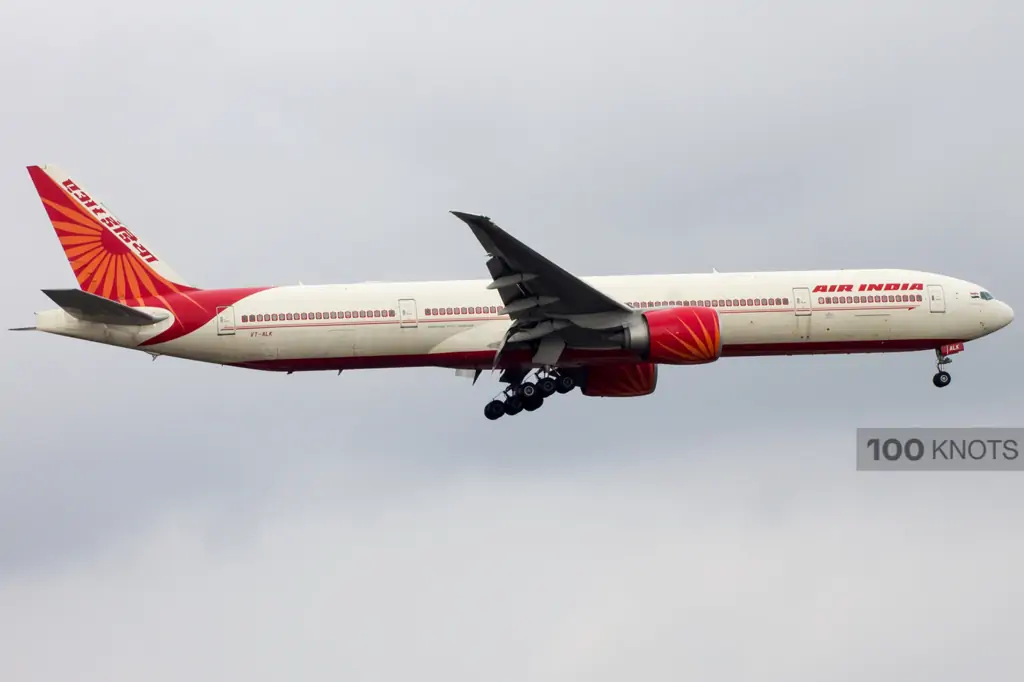
In a move that’s part operational housekeeping and part airline version of “it’s not you, it’s the lease,” Air India is returning five Boeing 777-200LR aircraft — leased from US-based Delta Air Lines — by March 2026. Two of those five have already been grounded for maintenance, and the handover is being done in phases so flights to North America can be reshuffled with as little passenger drama as possible.
What actually happened (short version)
- Air India will hand back five ex-Delta 777-200LRs as their lease terms end, with the process finishing by March 2026.
- Two of the five are already out of service for maintenance, starting the phased exit.
- Routes previously flown with those LR-configured 777s (notably a Delhi–San Francisco sector) are being moved to Air India’s 777-300ERs while schedules are adjusted. The carrier says it’s aiming for “minimal disruptions.”
Why this matters (and why you should care)
Leasing aircraft is the airline world’s version of flexible furniture — convenient, fast, but sometimes you have to give it back when the lease ends. For Air India, which is modernizing a massive fleet and juggling delivery delays, every widebody matters for transcontinental services. The handback forces route shuffles (think different seat maps, maybe different cabin service, and a slight rejig of frequencies), but Air India has already started swapping in 777-300ERs to keep the North America schedule healthy.
The operational side: maintenance, lease endings, and who called the shots
Air India had reportedly explored options — from extending the lease to even trying to buy the refurbished airframes — but Delta preferred to move the aircraft elsewhere. That, plus the fact some of those LR airframes had experienced technical issues earlier, appears to have sealed the deal. The phased return lets Air India maintain capacity while minimizing sudden cancellations.

Route effects — what passengers will actually notice
- Same routes, slightly different planes: For example, Delhi–San Francisco flights that used to be on a 777-200LR have already been switched to the 777-300ER. Expect slightly different seating (maybe more seats overall because the 300ER is bigger) and possibly a redesigned cabin layout.
- Schedule tweaks: Because this is a phased return, some departure times or frequencies may shift while Air India optimizes which aircraft go where. The airline says it’s adjusting with “minimal disruptions.”
The bigger picture: supply chains, new jets, and why airlines lease
Airlines lease to cover demand peaks, fill gaps while new jets are delivered, or test a route without a long-term commitment. Right now, manufacturers are still working through supply chain snags and delivery backlogs — which means airlines like Air India must be strategic about deployments and returns. Air India’s leadership has previously warned that global aircraft supply issues could persist for several years, making smart fleet moves essential.
What might become of those five 777-200LRs?
Delta will get them back — from there, a few common possibilities exist: remarketing to another airline, prepping for sale to a third party, or (less likely short-term) conversion to freighter use if economically sensible. That said, the public reporting suggests Delta sold/refinished at least some of these to another buyer instead of Air India buying them outright. (That’s industry housekeeping, not a soap opera — but almost as dramatic.)

A pinch of humor (because aviation can be dramatic)
Think of the 777-200LRs as well-travelled guests who overstayed their lease: polite, full of stories (and some engine snags), but you have to hand over the keys when the landlord calls. Air India’s swapping them for 777-300ERs is essentially like trading a comfy coupe for a roomier SUV — same trip, more legroom for your in-flight yoga.
What passengers should do (practical checklist)
- Check your itinerary: aircraft type and departure times can change during phased fleet swaps.
- If you have seat or meal preferences, reconfirm them — different aircraft = different seat maps.
- For frequent flyers: watch for schedule/aircraft updates that may affect upgrades or lounge access.
Bottom line
The fleet swap is a relatively tidy, planned adjustment: five ex-Delta 777-200LRs go home by March 2026; Air India redeploys 777-300ERs to maintain North America capacity; passengers should expect minor timetable and equipment changes but not wholesale cancellations. The move highlights how airlines manage capacity under tight global aircraft supplies.
TL; DR
- What: Air India will return five Delta-leased Boeing 777-200LRs by March 2026.
- Current status: Two of the five are already out for maintenance; return is phased.
- Route impact: Select North America services (eg. Delhi–SFO) moved to 777-300ERs; schedules adjusted.
- Why: Lease terms ending; Air India had explored extensions/purchase but Delta chose another buyer.
- Passenger action: Recheck your booking for aircraft and timing; expect minimal disruption.
Comment