
Is the Boeing 737 MAX Back on Track with United Airlines' Latest Delivery?

Abhishek Nayar
19 Jun 2024
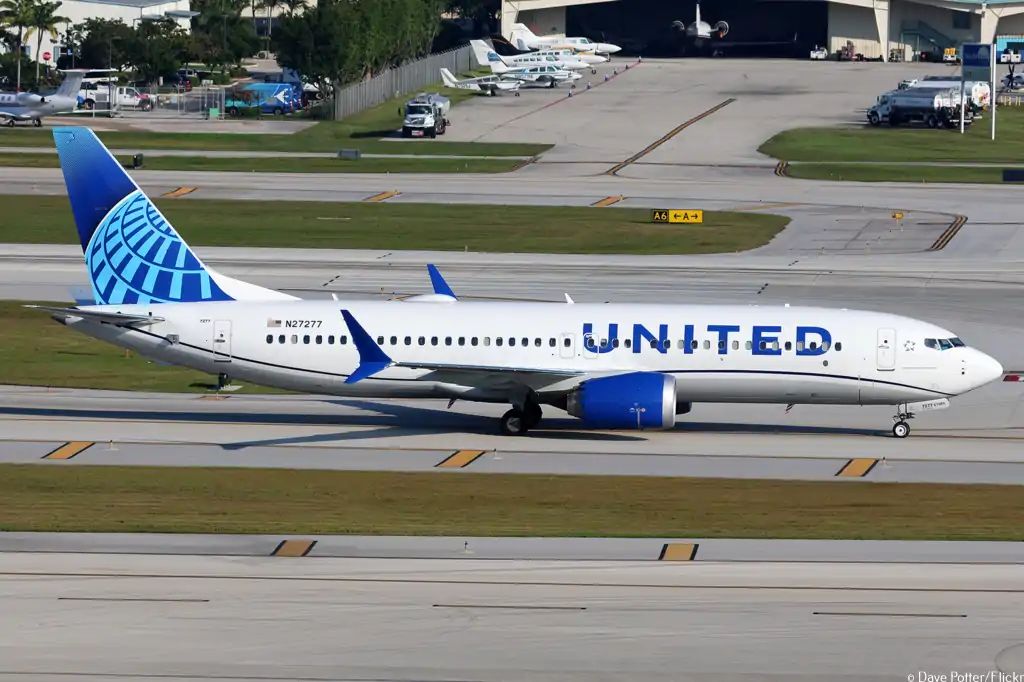
After a two-month hiatus, United Airlines has resumed taking delivery of its Boeing 737 MAX 8 aircraft. The recent delivery marks a pivotal moment for both the airline and Boeing, indicating that the issues surrounding the MAX series might be resolving. The Federal Aviation Administration (FAA) audit had paused these deliveries, but with United's latest acquisition, there's optimism for a more stable future for the 737 MAX 8.
The Latest Delivery: Details and Flight Path
Last Thursday, United Airlines received its latest Boeing 737 MAX 8, registered as N37351. The aircraft's journey from King County International Airport (BFI) near Seattle to Chicago Rockford International Airport (RFD) was meticulously tracked. Departing at 09:39, N37351 reached its cruising altitude of 37,000 feet over eastern Washington within 30 minutes. The flight path included a smooth descent over central Iowa, with the aircraft eventually landing at RFD at 15:07.
This delivery follows six test flights, highlighting the rigorous checks and balances implemented to ensure the aircraft's readiness. Initially spotted at Renton Municipal Airport (RNT) on February 11th in primer, the aircraft underwent painting and further tests before its delivery.
FAA Audit and Its Implications
The FAA's audit of United Airlines began in April, following several safety-related incidents. This scrutiny halted the airline's certification activities, including new aircraft deliveries. However, United successfully passed the audit last month, allowing the certification process to resume. This is a significant milestone, suggesting that the airline's safety protocols have met regulatory standards.
The Significance of the Latest Delivery
N37351 is the first 737 MAX delivered to United in over two months, a fact highlighted by aviation watchdog JonNYC. This delivery could be a precursor to more frequent deliveries, signaling a potential ramp-up in Boeing's production and delivery schedules. United currently has 87 MAX 8s in its fleet, with 39 more on order, underscoring the importance of these deliveries for the airline's operational capabilities.
Induction and Future Operations
Post-delivery, N37351 is undergoing aircraft induction at RFD, a process designed to integrate the new aircraft into United's fleet seamlessly. RFD's proximity to Chicago O’Hare International Airport (ORD) makes it a strategic location for this induction. Once inducted, the aircraft will likely enter service soon, enhancing United's operational capacity at ORD, a major hub for 737 MAX 8 and MAX 9 flights.
Industry Impact
United's resumption of 737 MAX deliveries comes shortly after Alaska Airlines received its second 737 MAX 8. These developments are crucial for Boeing, especially after the delays and challenges faced over the past years. The successful delivery and induction of these aircraft could restore confidence among other airlines and stakeholders.
Conclusion
The delivery of United Airlines' latest Boeing 737 MAX 8 marks a hopeful turn for both the airline and Boeing. With the FAA audit concluded and deliveries resuming, there is a cautious optimism in the air. As United integrates N37351 into its fleet, the industry will be watching closely, hopeful for a period of stability and growth for the 737 MAX series.
This development not only signifies progress for United Airlines but also points to a broader recovery for Boeing's best-selling narrowbody aircraft, potentially heralding a new chapter in commercial aviation.
Read next
US Airlines Suffer $1.6 Billion Loss in Q1 2024: Can Summer Turn the Tide?
Abhishek Nayar
19 Jun 2024

In a challenging start to the year, US airlines collectively posted a $1.6 billion after-tax loss in the first quarter of 2024, according to recent figures from the US Bureau of Transportation Statistics (BTS). This marks a significant increase from the $1.2 billion loss reported in the same period last year. Traditionally, airlines experience losses during the quieter winter months, with profits rebounding in the second, third, and fourth quarters. However, a combination of adverse weather, capacity cuts, and supply chain issues have compounded the financial woes of the industry this year.
Financial Breakdown: Revenue and Expenditure Insights
Revenue Streams: A Mixed Bag
US airlines reported operating revenues of $56.0 billion in Q1 2024, with ticket sales contributing a significant 74.6% ($41.8 billion). This proportion has remained steady compared to Q1 2023. Other notable revenue streams included:
- Baggage Fees: $1.7 billion, accounting for 3.1% of total income, down by 0.1% from the previous year.
- Reservation Change Fees: $250 million, making up 0.4% of total income, also down by 0.1% year-over-year.
Rising Costs: Labor and Fuel Take the Lead
The airlines' total operating expenditure reached $56.3 billion, with labor costs being the largest expense at $20.0 billion (35.8% of total expenditure), up from 33.4% in Q1 2023. Fuel costs, although slightly reduced as a proportion of expenditure from 22.6% to 20.0%, still represented a significant outlay at $11.3 billion.
Domestic vs. International Operations: Divergent Trends
Domestic Operations: A Slight Improvement
Domestic operations reported a $0.9 billion loss in Q1 2024, an improvement from the $1.3 billion loss in Q1 2023. This positive shift suggests some resilience in the domestic market, despite the broader industry challenges.
International Operations: Escalating Losses
Conversely, international operations saw an increased loss of $0.8 billion, up from a break-even point in Q1 2023. This escalation highlights the heightened difficulties faced in the international sector, including fluctuating demand and operational disruptions.
Contributing Factors: Weather, Capacity Cuts, and Manufacturing Delays
Several major weather events across the US significantly disrupted airline schedules in Q1 2024, contributing to the financial strain. Additionally, capacity reductions at heavily congested airports further impacted revenue. The ongoing troubles at Boeing, particularly the grounding of the Boeing 737 MAX 9 and delivery delays, exacerbated the challenges faced by many carriers.
Looking Ahead: Hopes Pinned on Summer Surge
With the busy summer travel season already in full swing, airlines are optimistic about recouping the winter losses. The industry's performance in the coming quarters will be critical, as the second quarter typically marks the beginning of a profitable period for airlines.
Quarterly Profit Recap: 2023 vs. 2024 Expectations
- Q2 2023: $3.7 billion profit
- Q3 2023: $0.4 billion profit
- Q4 2023: $1.5 billion profit
If the pattern holds, Q2 2024 should see a significant rebound, although the extent of recovery remains uncertain given the current economic and operational challenges.
Conclusion: Navigating Through Uncertainty
The $1.6 billion loss in Q1 2024 underscores the volatility and challenges faced by the US airline industry. While historical trends suggest a profitable remainder of the year, ongoing issues such as weather disruptions, capacity management, and supply chain bottlenecks, particularly involving Boeing, will continue to test the resilience of US carriers. The industry's ability to adapt and recover in the crucial summer months will be pivotal in determining the financial outlook for 2024.
Read next
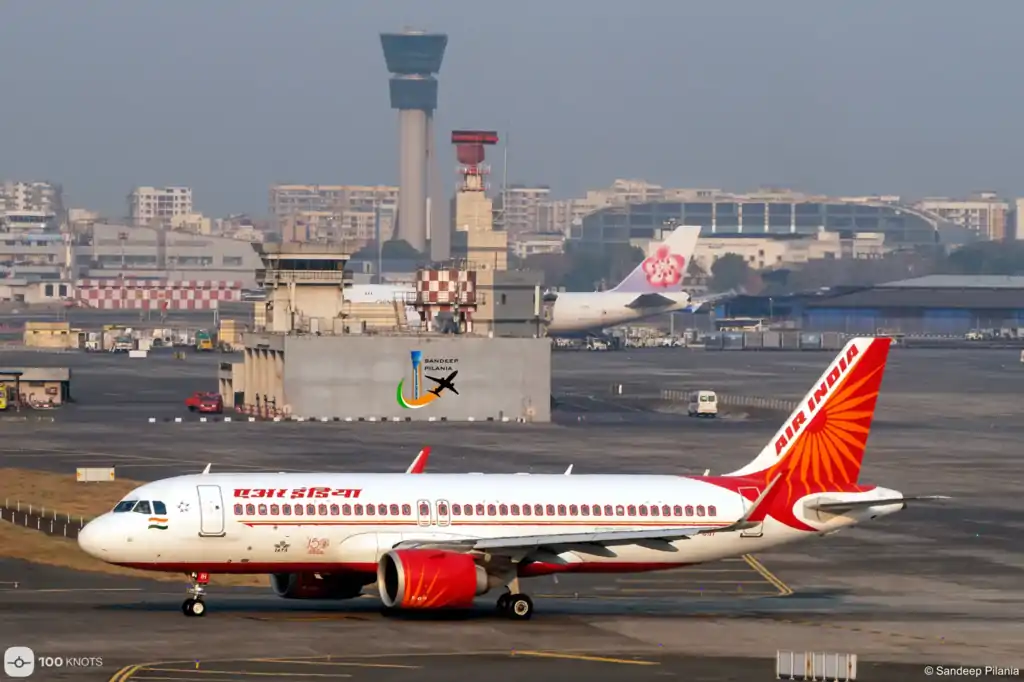
In a significant development for the aviation sector, Air India is setting up a flying school in Maharashtra’s Amravati. This move aims to address the rising demand for pilots and improve the quality of pilot training within India. The school, which is expected to train as many as 180 pilots annually, will initially cater to Air India’s internal requirements. However, the Tata Group, which owns the airline, envisions expanding the school's services to meet external needs in the future.
A Comprehensive Training Program for Aspiring Pilots
According to a report in The Economic Times, the new flying school will offer a full-time training program for aspiring pilots with no prior flying experience. This initiative will pave the way for these individuals to potentially join Air India’s cockpits upon completing their training. A source within Air India emphasized that the airline aims to control the supply of the next generation of pilots, which is crucial for the carrier’s long-term talent pipeline. Additionally, the airline seeks to enhance the quality of pilot training in the country.
Existing Training Centers and Collaborations
This is not Air India's first venture into pilot training. The airline has already established a training center in Gurugram in partnership with Airbus and US-based L3 Harris, which features six simulators. Similarly, other airlines such as IndiGo and SpiceJet have branded training programs affiliated with independent flight schools in India and abroad. These collaborations signify a growing trend of airlines investing in their own training infrastructure to ensure a steady supply of well-trained pilots.
The Pilot Training Path: From Ab Initio to Recurrent Training
Aspiring pilots must undergo ab initio training to obtain a license. Following this, they need type-rated training and necessary license endorsements for specific aircraft models like the Airbus A320 or Boeing 737. Furthermore, pilots are required to undergo recurrent training annually to retain their license endorsements. This rigorous training process ensures that pilots maintain high standards of competence and safety.
Government’s Push for Domestic Pilot Training
The development of Air India’s flying school comes amid the government’s efforts to promote commercial pilot training within India. Many aspiring pilots currently go abroad for training, which can be prohibitively expensive, costing up to Rs 2 crore. Establishing more domestic training facilities could make pilot training more accessible and affordable, reducing the need for students to seek training overseas.
Growing Demand for Pilots: A Look Ahead
The demand for pilots in India is set to increase significantly in the coming years. IndiGo, Air India, and Akasa have collectively placed orders for around 1,250 aircraft, which are expected to be delivered over the next decade. This surge in new aircraft will automatically increase the demand for qualified pilots, making initiatives like Air India’s flying school even more crucial.
Conclusion: A New Era for Pilot Training in India?
Air India’s initiative to set up a flying school in Amravati represents a forward-thinking approach to pilot training in India. By providing comprehensive training programs and enhancing the quality of training, the airline is positioning itself to meet the growing demand for pilots. This move not only benefits Air India but also has the potential to revolutionize the pilot training landscape in India, making it more accessible and affordable for aspiring pilots. As the aviation industry continues to expand, such initiatives will be key to ensuring a steady supply of skilled pilots to navigate the skies.
With Inputs from Business Today
Read next
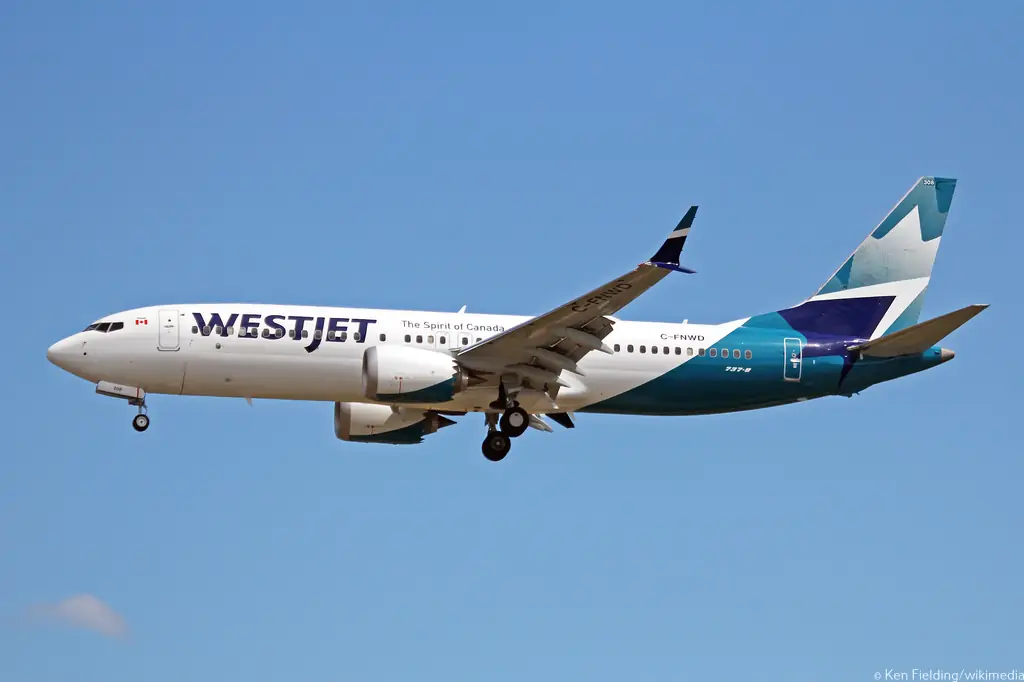
In a significant move for the Canadian aviation industry, pilots at WestJet Encore have successfully ratified a new five-year contract, securing pay increases and other benefits. This development comes as part of the ongoing efforts by the Air Line Pilots Association (ALPA) to ensure fair compensation and improved working conditions for pilots across North America.
A New Era for WestJet Encore Pilots
The Details of the Agreement
The newly ratified contract promises substantial pay increases for WestJet Encore pilots, marking a milestone in their ongoing negotiations. This contract will span five years, providing long-term stability and financial security for the pilots. The specific terms of the pay increases and other benefits have not been disclosed publicly, but the agreement is seen as a significant victory for the pilots and their union.
Role of ALPA in the Negotiations
The Air Line Pilots Association, which represents the pilots, played a crucial role in the negotiation process. ALPA is known for its rigorous advocacy for pilot rights, ensuring that their members receive competitive compensation and work under favorable conditions. This new contract is a testament to ALPA's effective negotiation strategies and commitment to its members.
Impact on WestJet Encore and Its Operations
Enhanced Pilot Morale and Retention
With the new contract in place, WestJet Encore can expect improved morale among its pilots. This is likely to result in better job satisfaction and reduced turnover rates, which are critical for maintaining operational stability and efficiency. Happy and well-compensated pilots are essential for ensuring the safety and reliability of airline operations.
Strengthening WestJet's Regional Network
WestJet Encore operates a vital network of regional flights that feed into the mainline WestJet Airlines, owned by Onex Corp. This network is crucial for connecting smaller communities to larger hubs and providing seamless travel experiences for passengers. By securing better terms for its pilots, WestJet Encore can ensure the continued strength and reliability of its regional operations, which in turn supports the broader WestJet network.
Broader Implications for Canadian Aviation
Setting a Precedent for the Industry
The successful negotiation of this contract sets a precedent for other regional carriers in Canada. It highlights the importance of fair compensation and the role of unions in advocating for employee rights. Other pilot groups and their unions may look to this agreement as a benchmark for their own negotiations, potentially leading to industry-wide improvements in pilot pay and conditions.
Navigating Post-Pandemic Recovery
The aviation industry has been significantly impacted by the COVID-19 pandemic, and the road to recovery has been challenging. This new contract is a positive sign of stability and growth within the sector. It indicates that airlines are willing to invest in their workforce as they navigate the post-pandemic landscape, aiming to attract and retain top talent.
What Lies Ahead for WestJet Encore
Continued Collaboration with ALPA
Moving forward, continued collaboration between WestJet Encore and ALPA will be essential. Regular communication and cooperation will help address any emerging issues and ensure that the terms of the new contract are effectively implemented. This partnership will be key to maintaining a positive working environment and supporting the airline's growth objectives.
Focus on Operational Excellence
With the new contract in place, WestJet Encore can focus on enhancing its operational excellence. This includes improving on-time performance, ensuring safety protocols are upheld, and providing exceptional service to passengers. By prioritizing these areas, the airline can strengthen its reputation and competitiveness in the regional aviation market.
Conclusion
The ratification of a new five-year contract for WestJet Encore pilots represents a significant achievement for the pilots, ALPA, and the airline. It underscores the importance of fair compensation and strong labor relations in the aviation industry. As WestJet Encore pilots enjoy the benefits of this new agreement, the broader Canadian aviation sector watches closely, potentially setting the stage for similar advancements across the industry.
With Inputs from Reuters
Read next
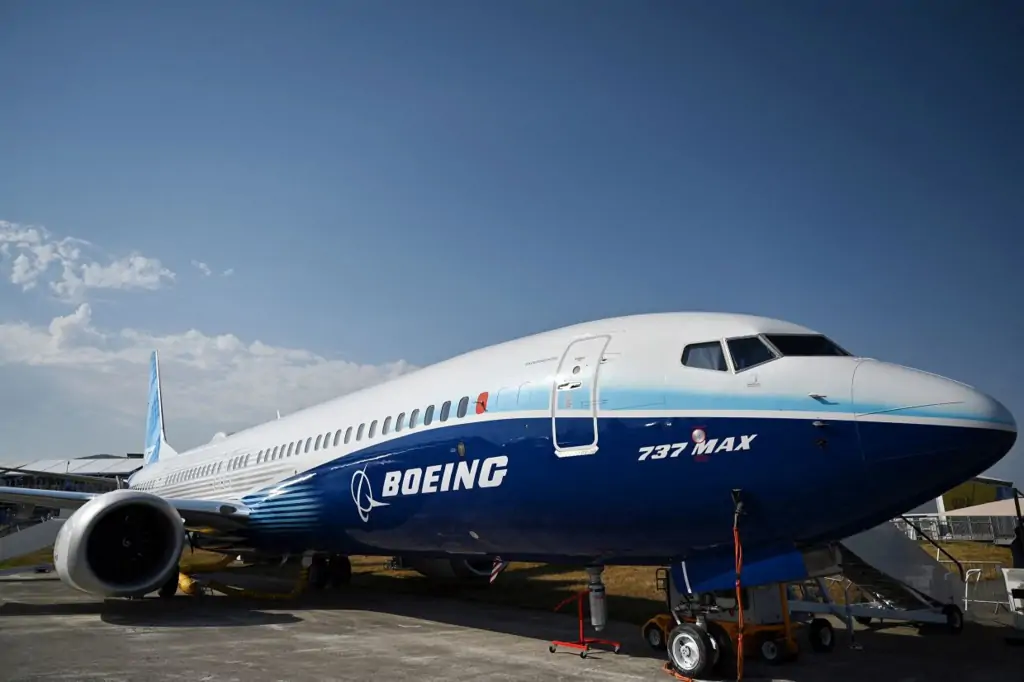
Boeing, one of the world’s largest aerospace companies, has recently informed suppliers of a significant delay in a key production milestone for its 737 jet family. This decision comes amid ongoing challenges that have plagued the company, affecting its output and financial outlook. What does this mean for Boeing and the aviation industry at large?
Boeing's Revised Production Timeline
In a recent communication with industry suppliers, Boeing announced that the production rate for its 737 jets would reach 42 units per month by September, a three-month delay from the previously set target of June. This adjustment indicates that Boeing anticipates continued difficulties in meeting its production goals.
The new supplier schedule also outlines future targets, with a goal of producing 47 units per month by March 2025 and 52 units per month by September 2025. These targets have also been postponed by three months from the initial projections.
Causes of the Delay
The delay stems from multiple factors, including regulatory scrutiny, supply chain constraints, and production issues. A significant incident in January, where a door plug blew off an Alaska Airlines jetliner mid-flight, has intensified scrutiny from regulators, airlines, and lawmakers. This incident has further compounded Boeing’s existing challenges, slowing down its production process.
Analysts note that while Boeing’s supplier master schedule provides expectations for production rates, actual production has been lagging due to these regulatory and supply chain pressures. The delay in the production milestone suggests that Boeing does not foresee an immediate resolution to these supply pressures.
Broader Industry Impact
Boeing’s struggles are not occurring in isolation. Rival Airbus, the world’s largest planemaker, is also experiencing disruptions due to shortages of parts and labor. This indicates a broader trend within the aerospace industry, where supply chain issues and labor shortages are creating significant hurdles for production.
Financial Implications
Boeing’s revised production schedule is likely to have financial repercussions. Last month, the company announced that it would burn, rather than generate, cash in 2024. Additionally, deliveries, which were expected to increase in the second quarter, will not see the anticipated boost. These financial challenges could impact Boeing’s overall market position and investor confidence.
Looking Forward
The delay in reaching production milestones raises critical questions about Boeing’s ability to navigate its current crisis and return to a stable production rate. As the company works to address regulatory concerns and supply chain issues, the broader aerospace industry will be closely watching Boeing’s next moves.
Will Boeing manage to overcome these production delays and stabilize its output? How will these challenges affect its competition with Airbus? Only time will tell, but one thing is certain: the aviation industry is in a period of significant uncertainty and transformation.
Conclusion
Boeing’s announcement of a delay in a key production milestone for its 737 jet family underscores the significant challenges the company faces. From regulatory scrutiny to supply chain issues, these delays have far-reaching implications for Boeing and the broader aerospace industry. As Boeing navigates these turbulent times, the industry will be keenly observing its strategies and outcomes, waiting to see if the company can rise above these challenges and secure its position in the market.
With Inputs from Reuters
Read next

Global airlines are setting their sights on India, betting big on the South Asian giant's burgeoning travel market. With its rapidly expanding aviation sector, India was the focal point at the recent International Air Transport Association (IATA) summit in Dubai, where industry leaders and analysts discussed the country's potential as one of the hottest travel markets over the next decade.
Record-Breaking Growth in Domestic and International Travel
India's domestic air travel market is on a meteoric rise, projected to double from a record 152 million passengers in 2023 to 300 million by the end of the decade. International traffic is expected to grow even faster, reaching 160 million passengers by 2030 from 64 million in 2022, according to aviation research group CAPA India. This explosive growth has positioned India as a key player on the global aviation stage.
Airlines Betting Big on India
To capitalize on this growth, major international carriers are expanding their presence in India. Turkish Airlines is considering new routes between Antalya and India, potentially through its joint venture with Lufthansa, Sun Express, or its Indian codeshare partner, IndiGo. Hungary-based budget airline Wizz Air is also eyeing its first foray into the Indian market, planning to launch flights next year.
Domestic Giants Expanding Fleets
India's leading airlines, IndiGo and Air India, are responding to the growing demand with record orders for new aircraft. The country's total aircraft fleet is expected to more than double, from around 700 planes currently to over 1,500 by 2030. This expansion is largely driven by sale and leaseback deals, making India an attractive destination for aircraft lessors.
Government Support and Infrastructure Development
The Indian government is supporting this growth with a $12 billion investment in new and upgraded airports across the country. This infrastructure development is crucial to accommodate the increasing number of flights and passengers. "India is taking its place on the world stage," said IndiGo CEO Pieter Elbers, emphasizing the country's strategic importance in global aviation.
The Challenges of Market Access
Despite the optimism, some international airlines are facing challenges in accessing the Indian market. Emirates and Turkish Airlines have expressed frustration over limited flight capacity rights, as the Indian government prioritizes domestic carriers. Emirates President Tim Clark warned that restricting foreign carriers could compromise India's economic growth.
A Growing Diaspora and Youthful Travelers
Much of India's travel growth is expected to stem from its vast diaspora of 35 million people, predominantly residing in North America, Europe, and South Africa. Additionally, a rising cohort of young, adventurous Indian travelers with increasing disposable incomes is contributing to the surge in demand.
A Decade of Unprecedented Growth
Independent aviation analyst Brendan Sobie predicts that the coming decade will be India's era of growth, mirroring the travel boom China experienced in the years leading up to the COVID-19 pandemic. This optimism is echoed by industry leaders who see India as a land of opportunities, driven by a unique combination of market demand and supportive government policies.
Conclusion: India's Soaring Future
With robust growth projections, substantial investments in infrastructure, and strategic expansion by both domestic and international airlines, India's aviation market is poised for unprecedented growth. As global airlines flock to tap into this dynamic market, India is set to become a central hub in the global aviation landscape, offering immense opportunities for growth and development. The sky is truly the limit for India's travel industry.
With Inputs from Reuters
Comment