
Turbines, Tenants and a Touch of Turbulence: How SpiceJet Plans to Unground Planes, Reclaim Engines — and Survive Winter Rush

Abhishek Nayar
08 Sep 2025
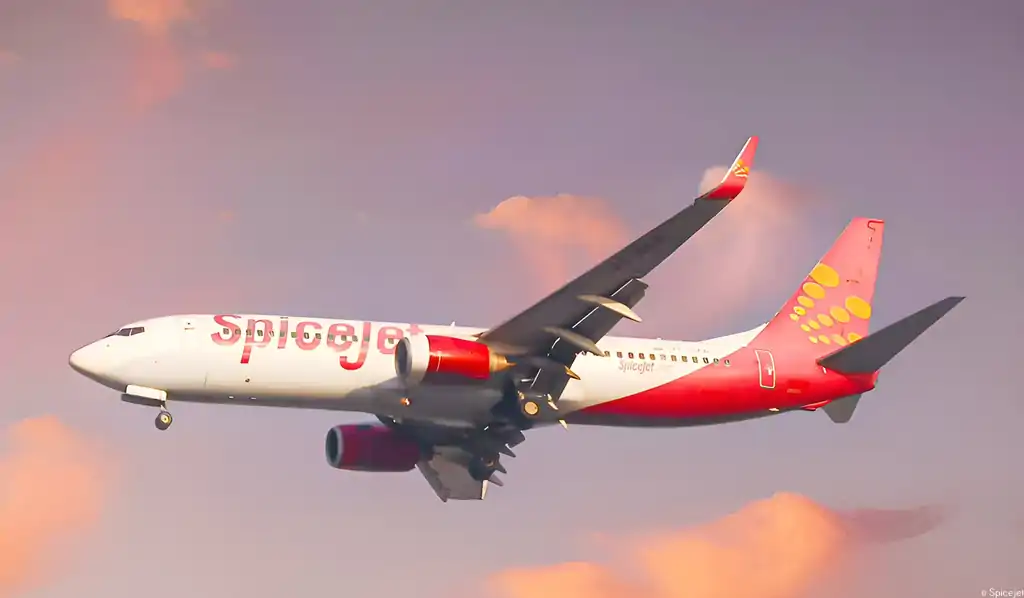
When planes sit too long, they get moody. SpiceJet’s answer: engines in rehab, damp leases on speed dial, and a plan to bring 10 aircraft back to life by April 2026 — with a few ready for winter.
The setup — why the airline has been playing “musical hangars”
SpiceJet’s recent investor presentation lays out the problem simply: a chunk of its fleet has been grounded, and those idle aircraft have been piling up rent and maintenance bills. To fix that, the airline says it has secured maintenance/overhaul slots and dispatched 19 engines to shops worldwide — specifically 7 engines for 737-NGs, 6 for 737-MAXs and 6 for Q400s — as part of a concentrated effort to get aircraft back flying.
(Short translation: planes without engines are like cars without batteries — very still, and expensive to stare at.)
The engine story — a global MRO relay race
Back in July, SpiceJet reported sending 17 engines for overhaul and celebrated the receipt of the first two overhauled engines — a CFM LEAP-1B (for 737-MAX) from StandardAero’s Houston facility and a Q400 engine from StandardAero’s Singapore shop. The July hand-over was a visible early win in the long slog of returning grounded aircraft to service.
By September, the formal investor presentation shows the program had expanded (or at least the formal tally did): 19 engines have been dispatched across global shops to accelerate restorations. That includes engines routed to StandardAero and to other engine shops (and some work coordinated with Carlyle Aviation for 737-NG support).
So: July = 17 engines started the journey; by the investor update the program counted 19 engines in the pipeline. Aviation maintenance is a slow waltz, not a sprint — but the beat is picking up.
The lease lifeline — damp leases to the rescue
To ensure capacity for the winter peak, SpiceJet has been lining up short-term lease deals. Corporate releases and media reports show multiple damp-lease inductions slated for October 2025. Press briefings announced an initial batch of five Boeing 737s joining in October — and the investor presentation notes secured lease agreements for 10 Boeing 737s on damp lease to be inducted from October 2025, with talks ongoing for additional narrow- and wide-body inductions. Damp leases (where crew/support are partly provided by the lessor) let SpiceJet scale quickly without the full administrative headache of wet leases.
Put simply: if the engines don’t return fast enough, the leased planes will help carry passengers while some birds finish their spa treatments.

What executives are saying (yes, marketing + optimism included)
Debojo Maharshi, Chief Business Officer, is quoted saying “SpiceJet is fully geared to meet the surge in travel demand for the upcoming winter and early summer seasons.” That’s the confident headline the airline wants stakeholders and flyers to hear as it stitches capacity back together.
Behind the quote is a mix of maintenance progress, lease covers and operational planning — a practical recipe for getting grounded planes back into the sky while ensuring flight options for passengers.
Why this matters — to passengers, competitors and the airline’s balance sheet
- Passengers: More aircraft (either returned or leased) means more seats, fewer cancellations and better on-time performance through the crucial winter period.
- Competitors: Rival carriers will watch for capacity signals — additional SpiceJet aircraft could nudge fares or slot competition on busy domestic routes.
- SpiceJet’s finances: Grounded-aircraft expenses (rent, maintenance and “ungrounding” costs) have been a drag. Restoring aircraft to service reduces that drain and increases revenue potential — provided the ungrounding is timely and reliable. The investor deck shows these are top priorities for management.
A few spicy caveats (because aviation loves caveats)
- Supply-chain and MRO timing are still wildcards. Engine overhauls require parts, shop capacity and testing — any bottleneck delays the return-to-service timeline. The company itself cites global supply chain disruptions as a factor.
- Leases are short-term fixes. Damp leases plug immediate capacity gaps but cost money; success hinges on balancing leased capacity with restored owned/operated aircraft.
The human moment — a little levity

If aircraft could talk, these grounded ones would probably complain about their “seat-back entertainment” (spoiler: it’s just a blanket). SpiceJet’s engineers, mechanics and logistics teams are doing the adulting required to coax these metal llamas back into proud, noisy flight. Meanwhile, passengers just want their fares to behave.
Bottom line
SpiceJet is executing a two-pronged recovery plan: push engines through global MRO channels (17 engines started in July; investor materials now report 19 engines dispatched), while bringing in leased 737s on damp-lease deals in October 2025 to keep seats available for winter demand. Management is bullish about meeting the winter and early-summer surge, but the success depends on timely overhauls and smooth lease.
TL; DR
- Ungrounding target: SpiceJet plans to unground ~10 aircraft by April 2026, with 4–5 expected in early winter to cover peak demand.
- Engines in the shop: Company says 19 engines dispatched globally for overhaul (7 for 737-NG, 6 for 737-MAX, 6 for Q400). Earlier in July the airline had reported 17 engines sent and received the first two overhauled units.
- Lease boost: SpiceJet has secured damp-lease inductions (joining from Oct 2025) — corporate releases mention five arriving in October and investor updates reference a total of 10 Boeing 737s on damp lease.
- Exec line: Debojo Maharshi says the airline is “fully geared” to meet winter and early summer demand.
- Watch points: MRO timelines and global supply chain issues remain the main operational risk; if the shops run on schedule, seats and on-time metrics should improve.
Read next

In a heartfelt note to staff this past Sunday (dated around September 7, 2025), Air India CEO Campbell Wilson leaned into his inner stand-up comedian (minus the mic drop) while addressing what might look like a flurry of flight snafus.
Incidents (not equal to) Crisis
With the group operating over 1,200 departures every single day—that’s essentially one takeoff every 60 seconds—Wilson puts those recent operational mishaps into the airline-sized context they deserve: “entirely normal” for a carrier of this scale.
Transparency as the New Black
Air India isn’t shy about reporting every little glitch: from go-arounds to small technical hiccups, nothing’s too minor to mention. Wilson says this hyper-transparency may temporarily generate more headlines, but it’s all part of building long-term trust.
A Flight Plan for Better Performance
While the airline shares the operational spotlight with things going bump in the night, Wilson is quick to flaunt the good news too:
On-Time Performance Cleared 80% in August
- That’s nearly a 10-percentage-point leap above the 2024 average of Air India and Vistara.
Net Promoter Score (NPS) at a Historic 36
- Customers are smiling—or so says the record-high NPS, riding strong from July’s momentum.
Better Baggage, Happier Passengers
- Mishandled baggage incidents are down, and the reunification speed is up. Air India’s also arming its front-line staff—and soon, cabin crew—with e-vouchers to smooth over customer frustrations on the spot.
Culture That Doesn’t Sleep on Values
- The company’s ethos, “Staying grounded, staying focused, and acting with authenticity and integrity—whether or not someone is watching”.
New Routes, New Buzz—From the Desert to the Skies

As if oscillating between mishaps and momentum wasn’t enough, Wilson dropped a surprise flight announcement:
Seasonal Twice-Daily Delhi - Jaisalmer
- Starting October 2025 through March 2026, get ready to fly back and forth across the Thar with style and frequency.
Air India Express Expands
- With new services launched from Chandigarh and Ahmedabad, Dehradun joins that roster from September 15, bringing AIX’s network to a hearty 58 domestic + 17 international destinations.
AIX Joins the IATA Club
- Membership in the International Air Transport Association (IATA) isn’t just networking—it’s a nod to global standards of safety, service, and operational excellence.
Fun-Size Summary
What’s It Like at Air India? | Why It’s a Big Deal |
One departure every minute! | More flights = more chances for a tiny glitch to go viral. |
Ops glitch or flash mob malfunction? | They report even minor stuff—trust is the goal. |
OTP and NPS climbing like a hot air balloon | Great metric gains give travelers something to smile about. |
Staff with instant e-voucher powers | Who needs a superhero when you've got cabin crew on your side? |
Desert routes meet frequent flyers | Delhi ? Jaisalmer is about to get seriously scenic. |
TL; DR
- Incidence rate = normal given 1,200+ daily flights.
- Transparency is in overdrive, to build trust—even at the cost of more headlines.
- August wins: OTP over 80%, NPS at an all-time high of 36.
- On-the-spot fixes: e-vouchers now available via frontline staff; soon cabin crew too.
- Route expansion: Delhi–Jaisalmer twice daily (Oct–Mar), Dehradun joins AIX from Sept 15, network now 58 domestic + 17 international.
- AIX earns its IATA badge—airline cred just leveled up.
Read next
China Eastern Airlines Soars to New Heights with Record-Breaking Summer Performance
Abhishek Nayar
07 Sep 2025
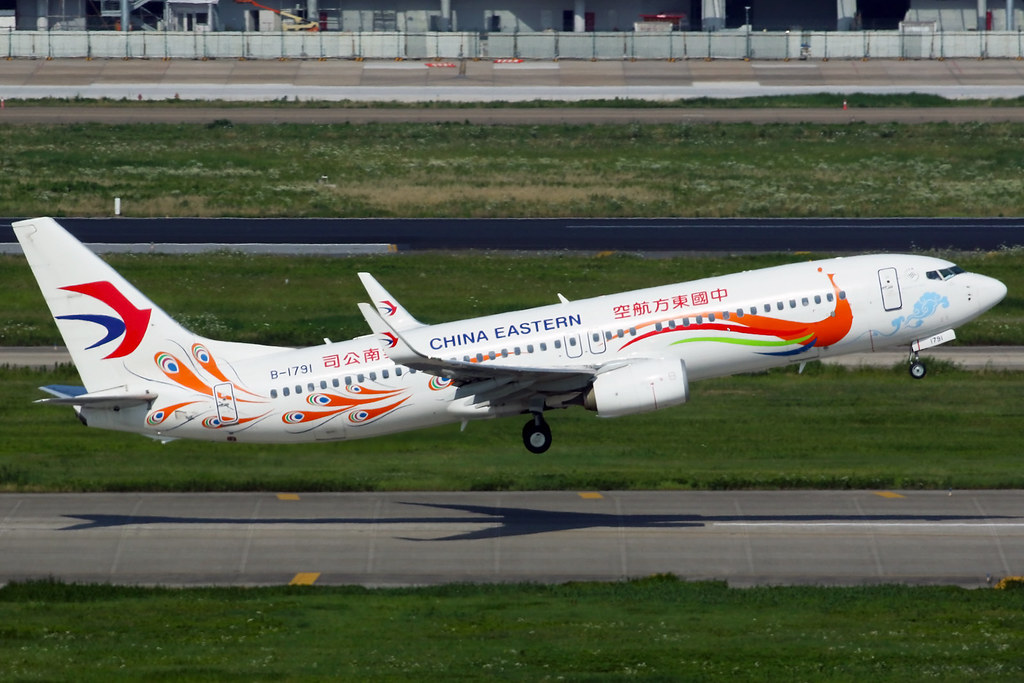
The summer of 2025 marked a pivotal moment for China Eastern Airlines as the carrier achieved unprecedented milestones in international aviation. Between July and August, the airline witnessed extraordinary passenger volumes and operational success that solidified its position as a leading global carrier. This remarkable achievement reflects not only the airline's strategic expansion but also the resurgent demand for international travel in the post-pandemic era.
China Eastern Airlines Summer Statistics
During the two-month period from July 1 to August 31, 2025, China Eastern Airlines operated an impressive 194,000 flights while serving over 28 million passengers. This summer season became the most successful in the airline's operational history. The international segment alone contributed significantly with 27,000 departures accommodating 4.49 million travellers, demonstrating robust global connectivity.
The carrier's international network has expanded dramatically, featuring 229 routes with an average of 3,052 weekly round-trip flights. New direct connections now link Shanghai to European cities including Geneva, Milan, and Copenhagen, while enhanced frequencies serve popular destinations across Europe, North America, Australia, Japan, South Korea, and North Africa.

Customer Satisfaction
China Eastern Airlines has prioritized passenger convenience through innovative service offerings. The "Shuttle Service" between Beijing and Shanghai provides Easy Boarding capabilities and complimentary Wi-Fi access. The PVG-SHA Transfer service streamlines connections between Shanghai's two major airports, eliminating baggage collection requirements for transit passengers.
The Air-Rail Transport program connects 48 Chinese cities and served over 560,000 passengers during the summer months. This integrated approach combines air and rail travel for seamless domestic and international journeys.
Inclusive Travel Solutions
The airline's commitment to accessibility shines through specialized services. The Pets in Cabin program currently operates on 17 domestic routes and will expand to 110 routes across 31 airports by September. The Star Wing Escort service, launched in June 2025, has already assisted nearly 60 passengers with autism, ensuring comfortable travel experiences.
The Unaccompanied Minor service has been revolutionized with self-service capabilities including quota management and escort coordination. This enhancement resulted in a 39.63% usage increase, serving an average of 735 young passengers daily during peak season.
Aviation+ Initiative
China Eastern's innovative "aviation +" concept integrates flight services with cultural, sports, and tourism experiences. This holistic approach transforms traditional air travel into comprehensive journey packages that offer passengers cultural immersion opportunities alongside transportation. This strategy addresses evolving traveler expectations for experiential journeys that extend beyond mere point-to-point transportation, positioning the airline as a lifestyle brand rather than just a carrier.

Bottom Line
China Eastern Airlines' record-breaking summer performance demonstrates the carrier's successful adaptation to growing international travel demand. With 194,000 flights serving 28 million passengers, including 4.49 million on international routes, the airline has established new industry benchmarks. Through strategic route expansion, innovative passenger services, and inclusive travel solutions, China Eastern has positioned itself as a premier global carrier. The aviation + initiative further distinguishes the airline by offering integrated travel experiences that combine transportation with cultural and recreational opportunities, setting new standards for modern air travel excellence.
Read next

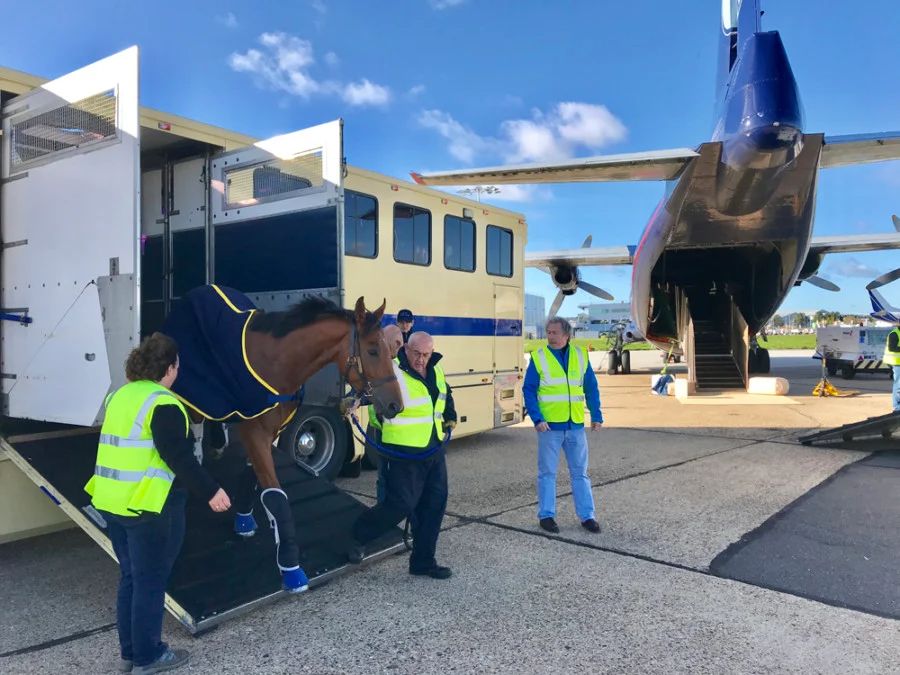
The skies above us carry more than just human passengers and cargo—they serve as vital highways for countless living creatures embarking on journeys across continents.
From tiny bees contributing to global pollination efforts to majestic marine mammals seeking sanctuary in distant waters, the aviation industry has evolved into a sophisticated network capable of safely transporting thousands of animal species worldwide.
This remarkable transformation didn't happen overnight; it represents 50 years of dedicated innovation, regulatory development, and unwavering commitment to animal welfare that continues to shape how we move Earth's most precious cargo through the clouds.
Foundation
The landscape of airborne animal transportation experienced a revolutionary shift in 1969 with the introduction of IATA's Live Animals Regulations (LAR). This initiative emerged through extensive collaboration between international organisations, national authorities, and animal welfare specialists worldwide.
Simultaneously, the Live Animals and Perishables Board (LAPB) was established to oversee comprehensive safety protocols covering classification systems, labelling requirements, packaging standards, handling procedures, and documentation processes.
This foundational year marked an expansion from managing merely hundreds of animal species annually in the 1990s to accommodating thousands of diverse species today. The regulations extend far beyond basic logistics. It encompasses critical conservation efforts such as wildlife reintroduction programs, endangered species relocation, and family pet reunification services that demonstrate the essential role aviation plays in modern animal welfare.

Beluga Whale Sanctuary Mission
Spring 2019 witnessed a milestone in animal transportation history when Little Grey and Little White, two beluga whales, completed a remarkable 6,000-mile transatlantic journey. Their destination represented something extraordinary—the world's first open-water beluga sanctuary in Iceland's pristine coastal waters, offering these marine mammals an opportunity to experience natural habitat conditions after years in captivity.
Precision Planning
The success of this monumental undertaking required months of intensive preparation and innovative engineering solutions. Cargo specialists developed custom-designed slings and transport containers specifically engineered to accommodate the whales' unique physiological requirements during flight. Every component was meticulously tested to ensure maximum safety and comfort throughout the extended journey.
Animal Welfare Excellence
Expert veterinarians and animal behaviourists dedicated countless hours to understanding the psychological and physical needs of these magnificent creatures. The comprehensive care protocol included specialised dietary planning, gradual container acclimatisation processes, and stress-reduction techniques designed to minimise trauma during transport. This holistic approach established new industry benchmarks for large marine mammal relocation.
The successful completion of this mission demonstrated that with proper planning, scientific expertise, and unwavering dedication to animal welfare, even the most challenging transportation scenarios could be executed safely and humanely.

Current Global Patterns in Animal Aviation
Today's animal transportation network spans the globe with remarkable diversity and frequency. The most active routes reveal fascinating patterns of international animal movement, with Netherlands-to-United States connections leading global traffic, followed by Pakistan-to-China and Philippines-to-Chinese Taipei corridors.
Primary Transportation Corridors
The ten busiest animal transport routes showcase the international scope of this industry:
- The Netherlands to the United States
- Pakistan to China
- Philippines to Chinese Taipei
- Norway to China
- Canada domestic routes
- Egypt to the United Arab Emirates
- Sri Lanka to the United States
- Argentina to the Netherlands
- Sweden to China
- United States to the Netherlands
Species Diversity and Container Innovation
Modern animal aviation accommodates an impressive range of species, with bees, horses, dogs, cats, and fish representing the most frequently transported animals. The current IATA LAR manual spans over 500 pages, cataloguing more than 3,400 scientific species names and 56 distinct container requirement categories.
Container design has evolved into a sophisticated science, incorporating species-specific ventilation systems, reinforced construction for potentially destructive animals, and double-containment protocols for venomous species. These specialised units must balance safety, comfort, and practical handling requirements while ensuring secure closure mechanisms prevent accidental openings during transport.

Technology and Passenger Preferences
The animal transportation sector continues evolving with cutting-edge technological integration and shifting consumer preferences. Airlines are implementing advanced monitoring systems providing real-time environmental data, while airports invest in specialised animal handling facilities featuring climate-controlled environments, quarantine capabilities, and on-site veterinary services.
Development and Training
Enhanced staff training programs have become industry priorities, focusing on compassionate animal handling techniques and emergency response protocols. These comprehensive educational initiatives ensure personnel possess the knowledge and skills necessary to maintain the highest welfare standards throughout the transportation process.
In-Cabin Travel Revolution
Perhaps the most significant recent trend involves the dramatic increase in in-cabin pet travel options. Many pet owners now prefer keeping their animals nearby during flights rather than utilizing cargo transport services. Airlines have responded by revising policies to accommodate this preference while maintaining strict adherence to IATA LAR standards.
Enhanced passenger amenities include approved carrier designs, designated seating arrangements, and comprehensive in-flight care guidelines. However, availability varies significantly among airlines and regions, with passenger safety considerations sometimes limiting these options.
Future Outlook
The IATA LAR has served as the industry's cornerstone for over 5 decades, continuously adapting to accommodate new species, emerging technologies, and evolving welfare standards. Through ongoing collaboration between regulatory bodies, airlines, and animal welfare organisations, the aviation industry maintains its commitment to safe, humane animal transportation.
Annual manual updates and certification programs ensure personnel remain current with the latest protocols and best practices. The CEIV Live Animals certification program specifically validates company compliance with established regulations, reinforcing industry-wide commitment to excellence.
As we look toward the future, continued collaboration between regulatory authorities, airlines, and animal welfare experts ensures that aviation will remain a vital component in global conservation efforts, family reunification, and species preservation initiatives.
Read next

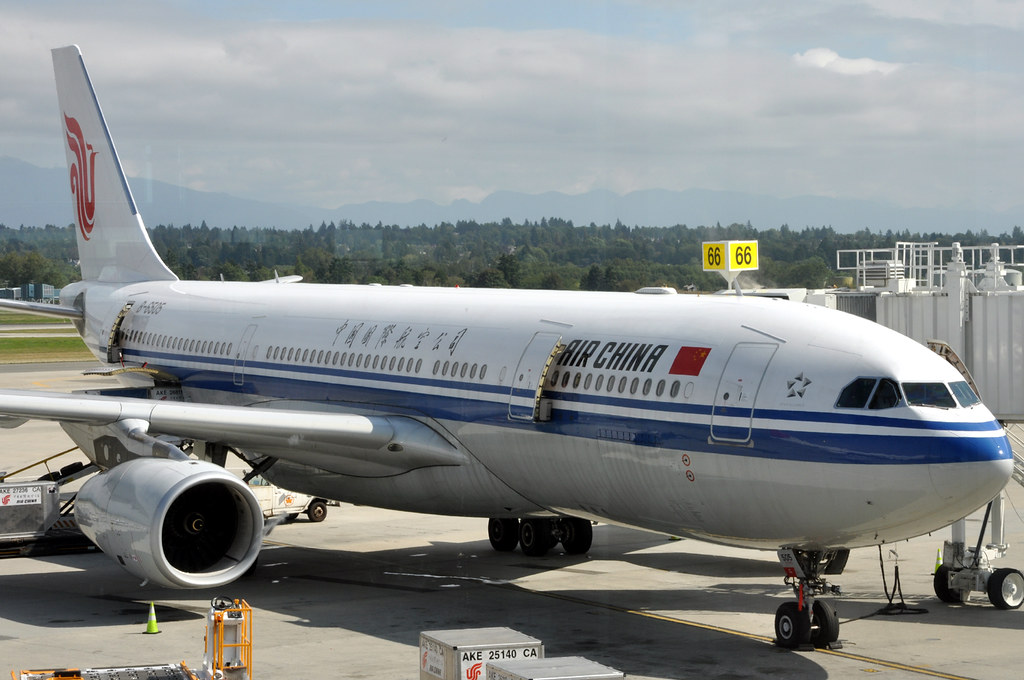
After nearly half a decade of suspended operations, the aviation landscape between India and China is witnessing a pivotal transformation. The silence in the skies that began with the pandemic's onset in 2020 and was further complicated by border tensions is finally being addressed. This renewed interest in restoring direct air connectivity represents more than just resumed flight schedules—it signals a broader diplomatic and economic thaw between two of Asia's largest economies.
Chinese Airlines Request to DGCA
Three Chinese airlines, including one specialised cargo operator, have formally submitted applications to India's Directorate General of Civil Aviation (DGCA) requesting permission to restart direct flight operations. This represents the first tangible effort by Chinese carriers to re-establish their presence in the Indian aviation market since operations ceased.
The application process follows established protocols, with DGCA approval serving as the initial requirement before airlines can proceed to secure landing slots at India's premier airports, including New Delhi, Mumbai, and Kolkata. Aviation industry insiders indicate that once regulatory clearance is obtained, formal slot allocation procedures will commence.

Bilateral Cooperation
Both nations are working collaboratively to expedite the restoration process. Indian airlines are simultaneously preparing to relaunch services to major Chinese destinations, including Beijing, Shanghai, and Guangzhou. To streamline operations, both governments have established a framework that limits initial flight frequencies to 2019 levels, thereby eliminating the need for complex bilateral aviation agreement renegotiations.
A senior Indian delegation recently travelled to China to resolve outstanding regulatory challenges, demonstrating the commitment from both sides to restore air connectivity.
Historical Context
The suspension of direct flights began in early 2020 due to the global pandemic, though connections to Hong Kong resumed earlier. The situation became more complex following the Galwan Valley border conflict later that year, which effectively froze any immediate prospects for resumption of service.
Recent diplomatic engagement, including the meeting between Prime Minister Modi and President Xi Jinping, has created momentum for renewed cooperation. India's embassy in Beijing has also resumed processing tourist visas for Chinese citizens after a five-year hiatus.

Economic Opportunities Ahead
Aviation analysts anticipate significant economic benefits from resumed operations. Before the suspension, India-China routes maintained exceptional profitability with load factors reaching 90 per cent. Currently, approximately one million passengers travel between the countries annually through connecting flights via Singapore, Bangkok, and Dubai.
Industry projections suggest passenger traffic could nearly triple to three million annually once direct services resume, driven by student travel, business requirements, and tourism demand. This restoration is expected to benefit various sectors, including e-commerce, pharmaceuticals, and manufacturing.
Looking Forward
The resumption of China-India direct flights marks a significant milestone in bilateral relations, promising to restore vital connectivity that supports trade, tourism, and educational exchanges. With regulatory processes underway and strong market demand evident, the aviation bridge between these neighbouring giants appears set for a robust revival, ending one of the most prolonged service suspensions in recent aviation history.
Read next
Etihad’s Big Leap: 27 New Cities, 20 Planes — and AED 1.12bn Smiles to Prove It
Abhishek Nayar
04 Sep 2025
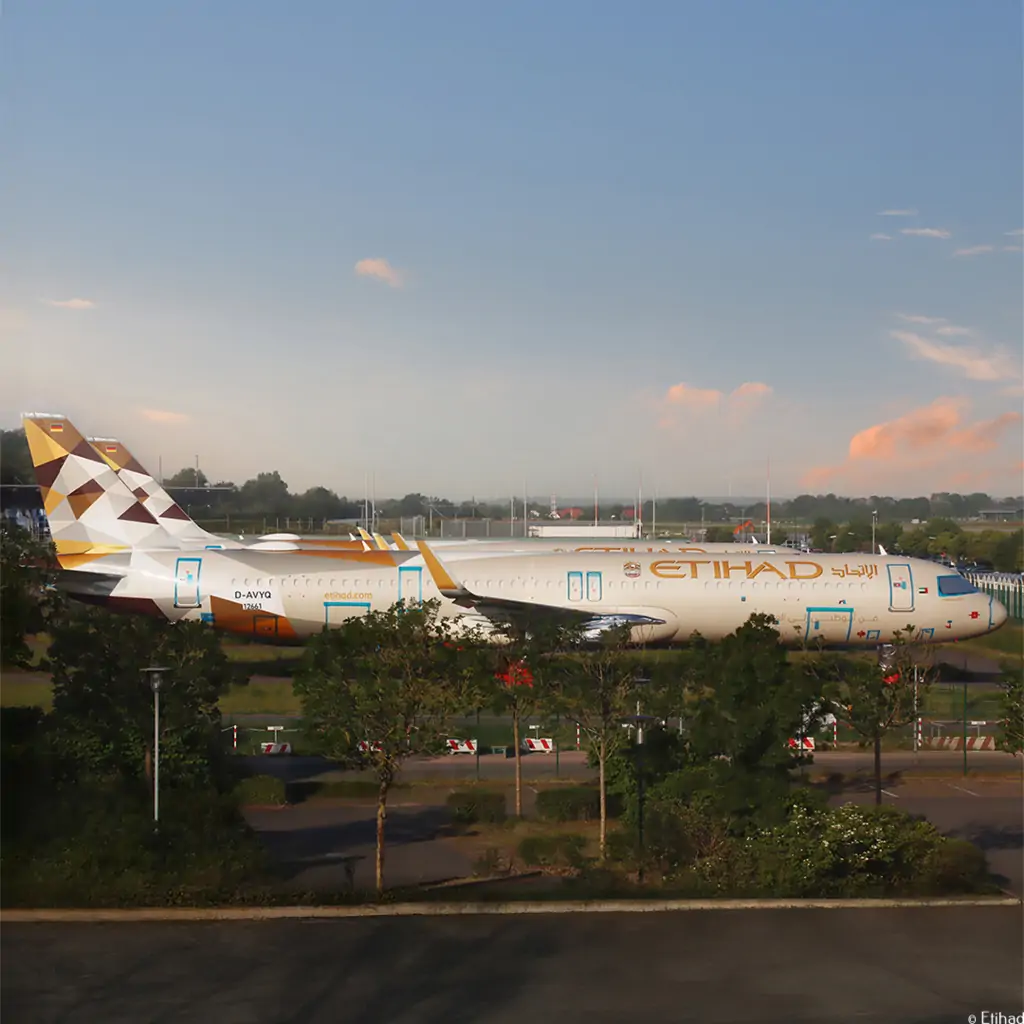
Etihad Airways posted its most profitable first half ever — a net profit of 1.12 billion UAE dirham (about $304.96 million) — a 32% jump versus a year earlier.
During the six months to June 30, the airline carried 10.2 million passengers, up 17% year-on-year, even as the Middle East navigated regional frictions that disrupted travel.
How did Etihad pull off the trick?
Expansion, expansion, expansion (and yes — execution)
Chairman Mohamed Ali Al Shorafa credited the surge to an aggressive international push: 27 new destinations launched or announced since January, and the fleet grew by 20 aircraft over the past 18 months — a network-and-capacity strategy that fed both demand and revenue.
Running toward opportunity, not away from risk
That growth came despite a jittery geopolitical backdrop — Reuters noted disruptions across the region, including a 12-day air conflict in June between Israel and Iran that had broader impacts on carriers in the Middle East. Against that noise, Etihad’s marketing and schedule moves appear to have found steady demand.
IPO talk: ready, but not rushing to the gate
CEO Antonoaldo Neves told Reuters Etihad is ready for an initial public offering, but there are no immediate plans to go public; the carrier says it can self-fund a $20 billion expansion strategy over the next 10 years. In other words: IPO-capable, IPO-optional.
That positions Etihad in a comfortable strategic spot — it can tap public markets if the timing and valuation are right, but for now it doesn’t have to. Think of it as having a well-charged phone and not needing to use a power bank just yet.
The engine behind revenue: more than just seats sold
- Network effect: New routes create more point-to-point travelers and feed transfer traffic into Abu Dhabi — which helps tourism, hotel stays, and hub economics (stopovers aren’t just scenic; they’re lucrative).
- Fleet strategy: Adding 20 aircraft in 18 months is bold. Newer, more fuel-efficient types (Etihad has been modernizing with A350s and others) help cut unit costs and improve schedules.
- Load factors & utilization: Higher seat-fill and clever timetabling turn more flights into profit-makers — the data show improved utilization and demand rebound.
The risks Etihad is balancing (because planes don’t fly on optimism alone)

- Geopolitical shocks — the region isn’t always calm; quick reroutes and contingency planning are expensive and operationally heavy.
- Fleet financing & delivery timing — ordering hundreds of millions of dollars of jets is a long-lead play; delivery schedules, engine issues across the industry, and leasing markets can be a headache.
- Competition — Dubai and Doha aren’t sleeping. Abu Dhabi needs to keep differentiating — whether on product, pricing, or connecting flows.
(If airlines had mood rings, Etihad’s would be “optimistic amber.”)
Why this matters beyond the balance sheet
Etihad’s growth helps Abu Dhabi’s broader strategy: turning the emirate into a global travel hub, diversifying the economy, and boosting tourism and commercial connections. When an airline grows this deliberately, the benefits ripple through hotels, ground handling, aviation services, and the local jobs market.
Plus — a mildly selfish but fun thought — more Etihad routes = more excuses for wanderlust. And who doesn’t need another reason to fly somewhere with better coffee and fewer layovers?
What to watch next
- Will Etihad convert IPO readiness into a listing? The decision likely depends on ADQ (the shareholder) and market timing.
- Fleet delivery cadence and any new long-haul orders (777X, A350 variants, lease deals) — these will shape capacity and unit costs.
- Passenger mix: business vs leisure vs connecting traffic — the margin story differs across those buckets.
Final served with a wink
Etihad has taken a bold growth posture and, for now, the numbers show the gamble paying off. The airline looks like a chess player who’s already moved several pieces ahead — while smiling politely and offering you a surprisingly good cup of in-flight coffee.
TL; DR
- Net profit H1 2025: AED 1.12 billion (~$305 million), +32% y/y.
- Passengers H1 2025: 10.2 million, +17% y/y.
- Expansion engine: 27 new destinations launched/announced since January; 20 aircraft added in ~18 months.
- IPO status: Etihad says it’s ready for an IPO but has no immediate plans, and believes it can self-fund $20bn of growth over 10 years.
- Context: Strong results came despite regional tensions (including a June 12-day Israel-Iran air conflict affecting regional travel)
With Inputs from Reuters
Comment