

Vistara to start Mumbai-Paris route, bookings open.
Vistara will connect Mumbai with Paris starting 28th March with five weekly non-stop flights.
This new long-haul route is in addition to Vistara’s 5x weekly service between Delhi and Paris, which has been receiving a favourable response since its launch in November 2021 and will be its sixth long-haul route between India and Europe. It will also be Vistara’s third long-haul route from Mumbai after London and Frankfurt as the airline aims to further enhance connectivity between India and Europe.
Vistara will deploy its state-of-the-art Boeing 787-9 Dreamliner, featuring a three-class configuration, on the route.
The airline is offering all-inclusive return fares at INR 49,999 for Economy, INR 79,999 for Premium Economy, and INR 1,49,999 for Business Class. Flight will leave Mumbai at around 2 pm and from Paris at around 10 pm.
"Recognised as one of the world’s top destinations for tourism while also being a major hub for business, fashion, culture and commerce, Paris holds significant importance for us. We are delighted to announce direct connectivity between Mumbai and Paris, our sixth route to Europe. The addition of this much-awaited connection is in line with our strategy to position Mumbai as a vital hub for international travel. This also underscores our commitment to offering a multitude of travel options to our customers while choosing to fly the country’s most loved airline,” Vinod Kannan, Chief Executive Officer, Vistara.

Read next
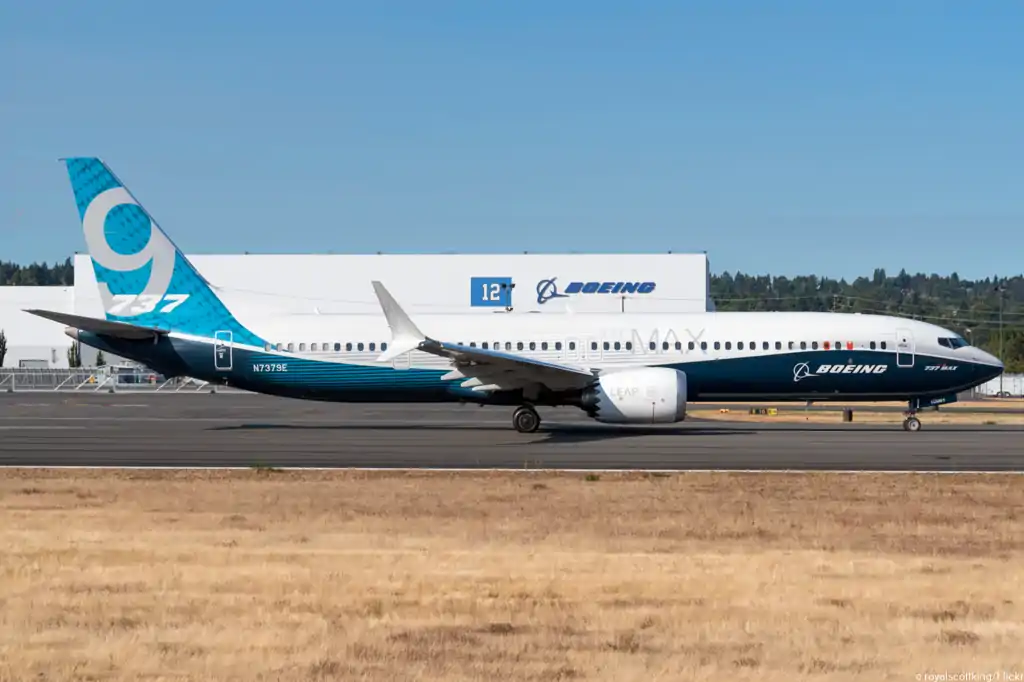
The Boeing 737 MAX crisis has taken a new turn as both United Airlines and Alaska Airlines reported finding loose parts on multiple grounded MAX 9 aircraft. This development has intensified concerns among industry experts regarding the manufacturing processes of Boeing's best-selling jet family.
Grounding and Initial Incidents
U.S. regulators grounded 171 MAX 9 planes after an Alaska Airlines-operated flight experienced a panel detachment shortly after takeoff from a Portland, Oregon, airport. The incident prompted an emergency landing, highlighting the severity of the issue.
Alaska Airlines' Discovery

Alaska Airlines disclosed on Monday that its technicians observed "loose hardware" during preliminary checks of its fleet. Formal inspections are pending final documentation from Boeing and the U.S. Federal Aviation Administration (FAA).
United Airlines' Findings

United Airlines, another major carrier operating the MAX 9 model, revealed that preliminary checks uncovered bolts requiring tightening on several panels. The number of affected airplanes, initially reported at five, has increased to close to 10 during subsequent inspections.
Ongoing Discussions, Inspection Guidelines & Boeing's Response
Ongoing discussions between Boeing, the FAA, and the airlines aim to establish precise inspection guidelines. Boeing is expected to revise the guidelines submitted to airlines, pending FAA approval before repairs can commence.
Boeing expressed its commitment to ensuring every MAX 9 meets design specifications, highest safety, and quality standards. The aerospace giant pledged to collaborate closely with operators to address any findings during inspections, expressing regret for the impact on customers and passengers.
Passenger Concerns, Industry Impact & Quality Control Concerns
Reports suggest that passengers are expressing concerns about the safety of the MAX 9 aircraft. While the model is utilized by a limited number of carriers, prolonged safety concerns could escalate pressure on Boeing, already grappling with various production issues since the global grounding of the 737 MAX family in March 2019.
Safety experts, including U.S. aircraft safety expert John Cox, have emphasized that the recent developments indicate a fleet-wide quality control problem rather than isolated incidents. Investigators are set to examine both manufacturing and maintenance records to determine the root cause of the issues.
Door Plug Installation Process & FAA's Enhanced Inspections
The MAX 9 model features a panel known as a door plug, replacing an exit on planes configured for higher passenger capacity. This panel is installed in two stages, initially by supplier Spirit AeroSystems and later completed by Boeing. Instances of bolts requiring additional tightening have been identified during preliminary inspections.
The FAA announced that enhanced inspections, covering both left and right cabin door exit plugs, door components, and fasteners, must be completed before the planes can be cleared for operation.
Conclusion
Boeing's latest 737 MAX crisis underscores the challenges the company continues to face in maintaining the safety and integrity of its aircraft. As inspections proceed and more information becomes available, the aviation industry will closely monitor developments, and Boeing will strive to restore confidence in its best-selling jet family.
With Inputs from Reuters
Read next

Ryanair, Europe's largest airline by passenger numbers, is grappling with delivery delays from Boeing, resulting in a potential shortfall of five to ten aircraft for its peak 2024 summer season. The setback is expected to prompt a revision of the airline's traffic growth projections, with Chief Executive Michael O'Leary expressing concerns about the impact on passenger numbers and profits.
Boeing MAX 8200 Delivery Challenges
Ryanair had anticipated the delivery of 57 Boeing MAX 8200 planes by the end of April. However, O'Leary revealed that the delays could result in the carrier receiving only around 50 aircraft by the end of June. The airline experienced a similar situation during the winter season when it received only 11 out of the expected 27 aircraft, leading to cuts in the winter schedule and a downward adjustment in traffic forecasts for the year ending in March 2024.
Revised Traffic Growth Projections
Due to the ongoing Boeing delivery delays, Ryanair is likely to carry 200 million passengers for the financial year beginning in April, compared to the earlier forecast of 205 million. This downward adjustment, representing a 2-2.5% decrease in profits, reflects the challenges posed by the shortage of aircraft for the peak summer season.
Financial Impact and Concerns
O'Leary emphasized the financial implications of the shortfall, estimating a potential 2-2.5% reduction in profits due to a 5 million passenger deficit. The CEO expressed frustration over the situation, highlighting the need for timely and reliable aircraft deliveries to meet the airline's operational demands.

Winter Schedule Cuts and Previous Forecast Adjustment
In response to the delivery delays experienced during the winter season, Ryanair had to make adjustments to its schedule, leading to a revised traffic forecast for the year ending March 2024. The initial projection of 185 million passengers was lowered to 183.5 million, indicating a year-on-year growth rate of 9%.
Quality Control Concerns for Boeing and Airbus
O'Leary took the opportunity to call for improvements in quality control from both Boeing and rival planemaker Airbus. While acknowledging the resilience of the Boeing 737, he stressed the importance of avoiding short-term reputational issues, signaling a need for enhanced production processes to address ongoing delays.
Conclusion
Ryanair's challenges with Boeing delivery delays underscore the broader issues faced by airlines dealing with production setbacks. As the airline industry strives to recover from the impacts of the global pandemic, timely and reliable aircraft deliveries remain crucial for operational efficiency and meeting passenger demands. The situation also highlights the need for continuous improvements in quality control within the aerospace industry to prevent reputational damage and financial losses for both manufacturers and airlines.
With Inputs from Reuters
Read next
Cathay Pacific Faces Capacity Woes as Lunar New Year Flight Cuts Trigger Concerns

Abhishek Nayar
10 Jan 2024

Hong Kong's flagship carrier, Cathay Pacific Airways, is grappling with capacity challenges as it announces significant flight reductions during the bustling Lunar New Year period. While the airline aims to mitigate cancellations and disruptions, the move has raised concerns about its operational capabilities. The city's leader, John Lee, emphasizes the need for Cathay to address these issues urgently, and the pilot union calls for a government inquiry to investigate management decisions made in 2020.
Cathay's Flight Reduction Strategy
Cathay Pacific revealed its plan to cut an average of a dozen flights per day until the end of February due to operational strain. The decision underscores the airline's struggle to manage its operations efficiently, especially during the critical Lunar New Year travel season. The move is seen as a proactive measure to prevent widespread cancellations and inconvenience to passengers.
Government's Concerns and Communication with Cathay
John Lee, Hong Kong's leader, expressed deep concern over Cathay Pacific's capacity problems. The government has already engaged with Cathay's management to ensure that passenger inconveniences are minimized. Lee emphasizes the necessity for Cathay to confront these challenges seriously, highlighting the urgency for Hong Kong to rebuild its aviation capacity promptly.
Cathay's Workforce Changes and Recruitment Plans
Cathay Pacific, responding to the impact of the COVID-19 pandemic, significantly reduced its workforce and implemented changes to staff contract terms and conditions. In November, the airline announced plans to recruit 5,000 more staff in 2024. The juxtaposition of downsizing and subsequent expansion underscores the complex dynamics faced by the aviation industry in the wake of the pandemic.
Pilot Union's Call for Review
The Hong Kong Aircrew Officers Association, representing some of Cathay's pilots, calls for a thorough review of the airline's current challenges. They attribute the issues to management decisions made in 2020, which they claim have led to cancellations and chronic staff shortages. The union argues that these challenges jeopardize Hong Kong's position as a global aviation hub.
Pilot Staffing Levels and Impact on Operations
According to the union, Cathay Pacific's passenger business is currently staffed by only 58% of the pilots it had before the onset of the pandemic. This stark reduction in pilot numbers is cited as a significant factor contributing to operational challenges, further emphasizing the need for a comprehensive examination of management decisions and their repercussions.
Conclusion
Cathay Pacific's decision to slash flights during the Lunar New Year period has brought attention to the airline's capacity problems, prompting concerns from both the government and its pilot union. The delicate balance between downsizing in response to the pandemic and the subsequent need for rapid expansion poses a unique set of challenges for Cathay. As stakeholders await the outcome of a potential government inquiry, the airline faces the critical task of addressing these issues to safeguard its standing as a key player in the global aviation landscape.
With Inputs from Reuters
Read next
Delta Nears Order for Airbus Wide-Body Jets Amidst Asia-Pacific Growth Strategy
Abhishek Nayar
10 Jan 2024
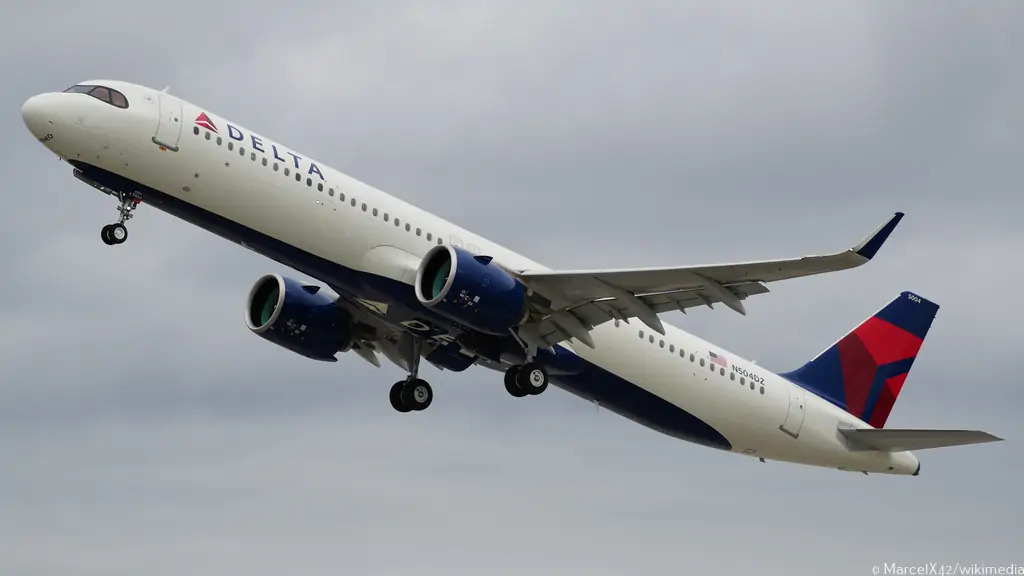
Delta Air Lines is reportedly in the final stages of negotiations with Airbus for a substantial order of wide-body jets, including additional A350-1000 aircraft, according to industry sources. The deal, if finalized, could be announced as early as Friday, coinciding with Delta's fourth-quarter earnings report. This potential order comes on the heels of Delta's 2022 purchase of 100 Boeing 737 MAX 10 jets, reaffirming the airline's commitment to a diversified fleet.
Delta's Existing Airbus Fleet
Delta Air Lines, based in Atlanta, has historically been a prominent Airbus customer, with a fleet that includes 65 Airbus A330 and 28 A350-900 wide-body jets as of the end of September. The airline also has commitments to acquire an additional 16 of each model. This move underscores Delta's confidence in Airbus's wide-body offerings as it seeks to enhance its long-haul capabilities.
Strategic Focus on Asia-Pacific Growth
The impending order for Airbus wide-body jets aligns with Delta's strategic vision to expand its network in the Asia-Pacific region. Despite the global travel industry's slow recovery from the pandemic, U.S. airlines, including Delta, are increasing their focus on the Asia-Pacific market, anticipating a surge in high-margin revenue. Delta, United Airlines, and American Airlines are collectively projected to boost seat capacity to the region by over 70% in the current quarter, reflecting the airlines' confidence in the region's potential.
Airbus's Record-Setting Performance
In the backdrop of Delta's potential order, it's noteworthy that Airbus achieved a record-setting performance in the previous year, both in terms of gross and net orders. The European aircraft manufacturer's continued success in securing orders further solidifies its position as a key player in the global aviation industry.
Renewal of Fleets Amid Supply Concerns
Airlines worldwide are racing to renew their fleets due to concerns of a potential shortage in the coming years. Delta's consideration of additional Airbus wide-body jets is part of this broader industry trend. As carriers look to modernize their aircraft, manufacturers like Airbus are positioned to play a crucial role in meeting the demand for fuel-efficient and technologically advanced planes.
Conclusion
Delta Air Lines' nearing order for Airbus wide-body jets underscores the airline's strategic approach to fleet diversification and growth in the Asia-Pacific market. With the potential announcement coinciding with the earnings report, stakeholders eagerly await further details of the deal. As the aviation industry grapples with challenges and opportunities, partnerships between major airlines and aircraft manufacturers are crucial for driving innovation and meeting evolving market demands.
With Inputs from Reuters
Read next
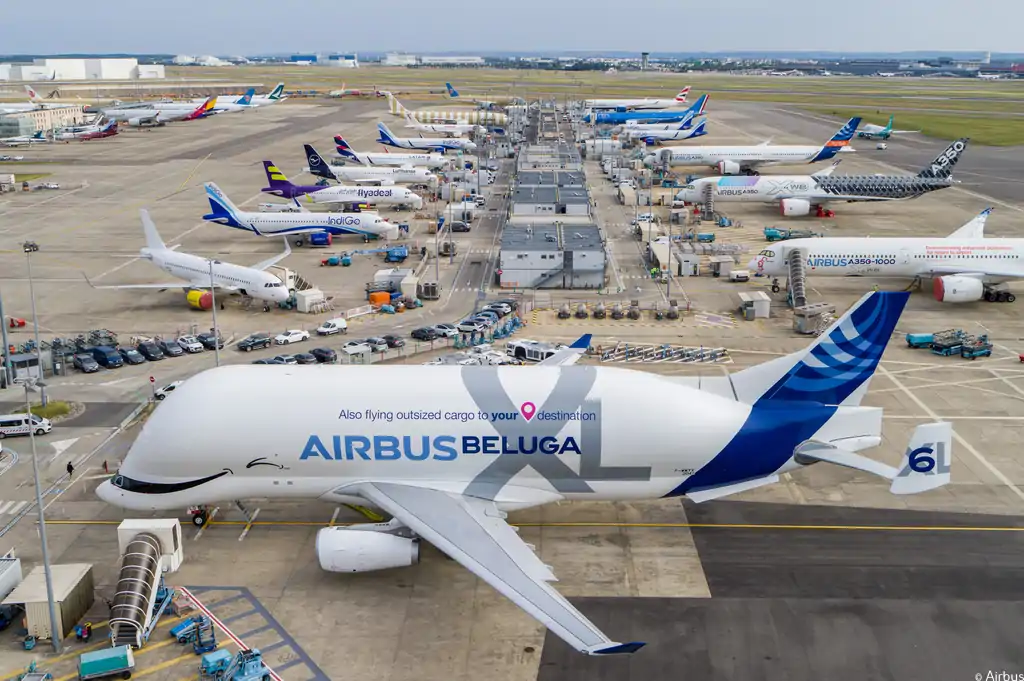
In a significant development for the aviation industry, Airbus has been granted an Air Operator Certificate (AOC) for its fleet of iconic Beluga cargo aircraft. This marks a pivotal moment for the European aircraft manufacturer as it establishes its airline, Airbus Beluga Transport (AiBT), allowing it to operate flights independently. The journey towards securing the AOC began in June 2023, culminating in November 2023 with the acquisition of the Continuous Airworthiness and Maintenance Organisation certificate.
Fleet and Expansion
As of today, AiBT boasts a fleet comprising three Beluga aircraft, with a fourth set to join the ranks later in the year. This expansion signals Airbus's commitment to strengthening its transport capabilities. The move to secure an AOC reflects the company's strategic vision and aims to streamline operations by enabling AiBT to operate flights autonomously.
Infrastructure and Headquarters
While leveraging existing infrastructure, Airbus has also invested in a new office headquarters adjacent to its current facility at Toulouse-Blagnac Airport (TLS). The establishment of this dedicated space underscores Airbus's commitment to providing AiBT with a robust operational base. This move is expected to enhance efficiency and support the airline's growth as it takes on a more prominent role in the aviation landscape.
Strategic Staffing and Recruitment
Managing Director of AiBT, Benoît Lemonnier, emphasized the meticulous process of resourcing the new airline. The recruitment strategy involved assembling a skilled management team by mid-2023, followed by the hiring of experts in various domains such as flight operations, crew planning, and the addition of new pilots. Currently, AiBT comprises nearly 60 employees, sourced through both external recruitment and internal job mobility within Airbus, predominantly from Airbus Transport International (ATI).

Career Opportunities and Pilot Recruitment
Airbus is offering enticing career opportunities for pilots seeking a unique work experience. AiBT is set to differentiate itself by providing a distinctive work pattern, including a higher frequency of shorter flights and lower altitude flying, particularly when the payload demands it. The airline plans to transfer 12 pilots from ATI to AiBT, while also actively recruiting externally to meet the estimated requirement of 36 pilots by 2026.
Operational Focus and Customer Base Expansion
Initially, AiBT will concentrate on short-haul flights between Airbus' European sites. However, the airline has ambitious plans to extend its services to external customers globally. Lemonnier highlighted AiBT's successful delivery of payloads for Airbus Helicopters and Airbus Defence and Space in 2022/2023, with plans to expand the customer base in 2024.
Beluga Aircraft Legacy
The Airbus Beluga, introduced in September 1994 and based on the A300 aircraft, quickly became an aviation icon due to its distinctive appearance. The newer variant, the BelugaXL, entered service in January 2020, utilizing the popular A330 platform. With its increased capacity, the BelugaXL has played a crucial role in projects like the Airbus A350. Operating under its own AOC, AiBT is poised to enhance and solidify the Beluga's role in Airbus's transport operations.
Conclusion
The establishment of Airbus Beluga Transport with its own Air Operator Certificate marks a significant milestone for Airbus. This move not only streamlines the company's cargo operations but also opens new avenues for growth and customer service. As AiBT takes flight, it signifies not just the expansion of Airbus's transport capabilities but also offers unique career opportunities for aviation professionals seeking a distinctive and varied work experience.
Comment