
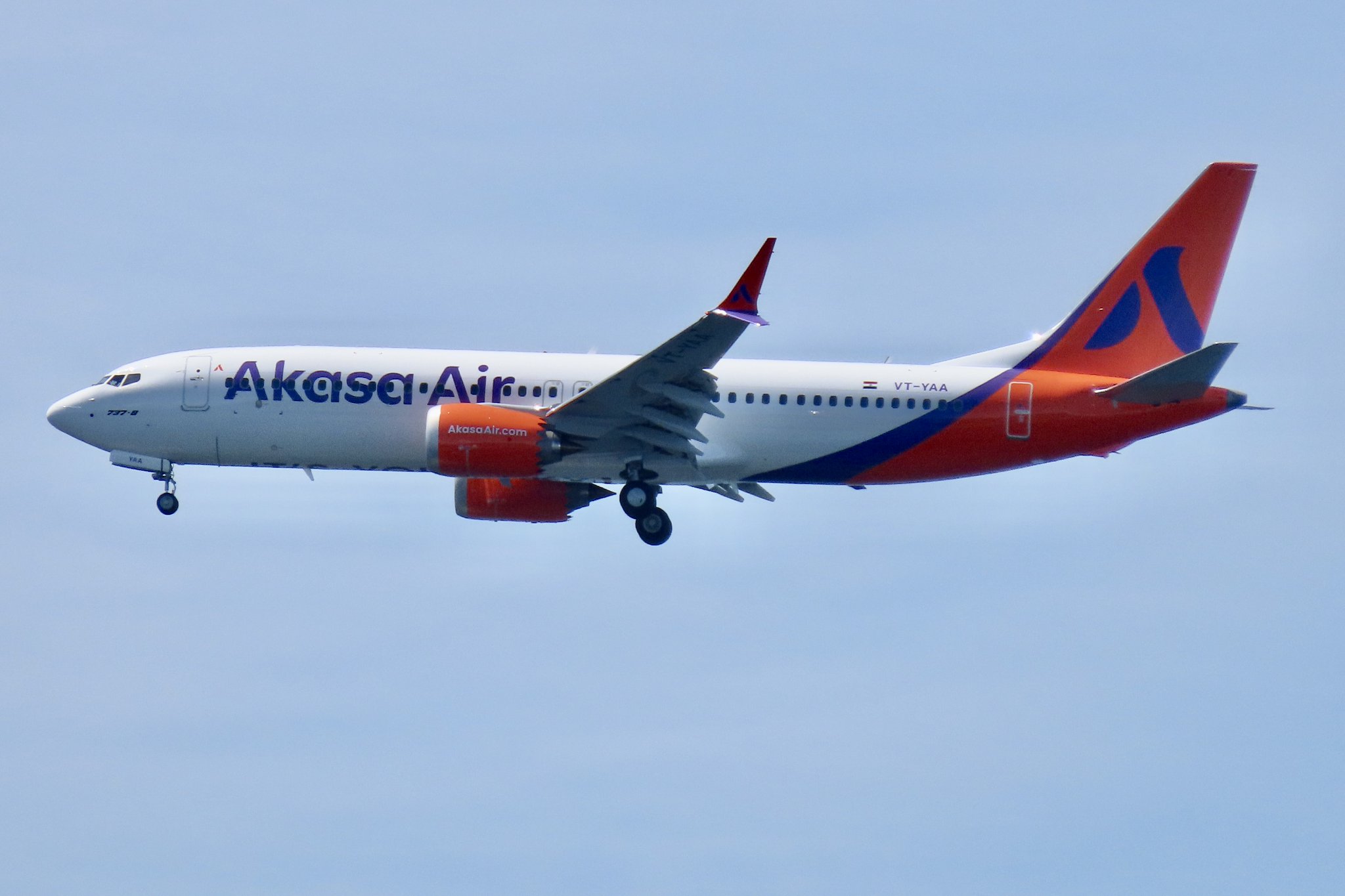
Akasa Air, India's rapidly expanding low-cost carrier, has established a comprehensive international network exclusively focused on Middle Eastern destinations during August 2025. Operating with its modern Boeing 737 MAX 8 fleet, the airline has strategically positioned itself to serve the substantial travel demand between India and the Gulf region, completing 533 scheduled flights across five key Middle Eastern destinations throughout the month.
Akasa Air's Strategic Middle East Focus
Akasa Air's international expansion has been methodical, with the airline launching daily direct flights connecting Abu Dhabi with Bengaluru and Ahmedabad in March 2025, and introducing its first international flight from Kochi to Jeddah in June 2025. This targeted approach reflects the airline's understanding of market dynamics, focusing on routes with high passenger demand driven by business travel, diaspora connections, and religious tourism.
The airline's exclusive Middle East strategy capitalises on the region's significance as a hub for Indian expatriate workers, business travellers, and pilgrims travelling to Saudi Arabia for religious purposes. This focused deployment allows Akasa Air to optimise operations, crew scheduling, and maintenance planning while building expertise in specific markets before expanding to other regions.
Route Network Analysis
According to Cirium aviation analytics data, Akasa Air's August 2025 international schedule demonstrates a well-balanced network serving 4 major Indian cities with connections to five Middle Eastern destinations. The route structure reveals strategic frequency allocation based on market demand and operational efficiency.
Akasa Air International Routes - August 2025
| Origin City | Destination City | Route Code | Monthly Flights | Total Route Flights |
|---|---|---|---|---|
| Mumbai (BOM) | Jeddah (JED) | BOM-JED | 79 | 158 |
| Jeddah (JED) | Mumbai (BOM) | JED-BOM | 79 | |
| Ahmedabad (AMD) | Abu Dhabi (AUH) | AMD-AUH | 31 | 62 |
| Abu Dhabi (AUH) | Ahmedabad (AMD) | AUH-AMD | 31 | |
| Bangalore (BLR) | Abu Dhabi (AUH) | BLR-AUH | 31 | 62 |
| Abu Dhabi (AUH) | Bangalore (BLR) | AUH-BLR | 31 | |
| Mumbai (BOM) | Abu Dhabi (AUH) | BOM-AUH | 31 | 62 |
| Abu Dhabi (AUH) | Mumbai (BOM) | AUH-BOM | 31 | |
| Mumbai (BOM) | Kuwait (KWI) | BOM-KWI | 31 | 62 |
| Kuwait (KWI) | Mumbai (BOM) | KWI-BOM | 31 | |
| Kochi (COK) | Jeddah (JED) | COK-JED | 19 | 38 |
| Jeddah (JED) | Kochi (COK) | JED-COK | 19 | |
| Mumbai (BOM) | Doha (DOH) | BOM-DOH | 18 | 36 |
| Doha (DOH) | Mumbai (BOM) | DOH-BOM | 18 | |
| Mumbai (BOM) | Riyadh (RUH) | BOM-RUH | 14 | 28 |
| Riyadh (RUH) | Mumbai (BOM) | RUH-BOM | 14 | |
| Ahmedabad (AMD) | Jeddah (JED) | AMD-JED | 13 | 26 |
| Jeddah (JED) | Ahmedabad (AMD) | JED-AMD | 13 | |
| Total | 533 | 533 |
Mumbai-Centric Operations
Mumbai emerges as Akasa Air's primary international hub, accounting for 286 of the 533 total flights (53.7% of operations).
The city serves five different Middle Eastern destinations, demonstrating its strategic importance for the airline's international network. The Mumbai-Jeddah route leads with 158 total flights, reflecting the strong demand for religious tourism and the substantial Indian Muslim population seeking Hajj and Umrah travel opportunities.
Mumbai's connectivity extends across the Gulf region with 62 flights each to Abu Dhabi and Kuwait, 36 flights to Doha, and 28 flights to Riyadh. This comprehensive coverage positions Mumbai as Akasa Air's gateway to the Middle East, leveraging the city's status as India's commercial capital and its large expatriate workforce in Gulf countries.

Multi-City Network Strategy
Beyond Mumbai, Akasa Air has strategically developed secondary hubs to capture regional demand. Abu Dhabi receives service from three Indian cities - Ahmedabad, Bangalore, and Mumbai - with 186 total flights, making it the most connected Middle Eastern destination. This reflects Abu Dhabi's role as a major business and tourism centre attracting travellers from across India.
Ahmedabad contributes 88 flights across two destinations (Abu Dhabi and Jeddah), serving Gujarat's substantial business community and religious travellers. Bangalore provides 62 flights exclusively to Abu Dhabi, catering to the technology sector's business travel needs and the city's growing international connectivity requirements.
Kochi's 38 flights to Jeddah represent a strategic addition to serve Kerala's significant Muslim population and the state's traditional connections to the Middle East through trade and employment.
Premium Offerings
Akasa Air enhances its international routes with comprehensive onboard facilities designed to ensure passenger comfort throughout Middle Eastern flights. The airline's signature "Café Akasa" in-flight dining service provides passengers with multi-cuisine meals, healthy options, and industry-first offerings like Kombucha, setting new standards for low-cost carrier dining experiences.
The cabin experience emphasises comfort with soft seat cushions and ample legroom, while USB charging ports on most aircraft ensure passengers remain connected during flights. The airline has also pioneered inclusive services, providing Braille safety cards and menu cards for visually impaired passengers, demonstrating commitment to accessibility.
While Akasa Air currently does not offer in-flight Wi-Fi or entertainment systems, the airline encourages passengers to download content beforehand and focuses resources on tangible comfort improvements and service quality.
Future Growth
Akasa Air's concentrated Middle East strategy positions the airline as a specialised carrier serving one of India's most important international corridors. The 533 monthly flights across five destinations demonstrate the airline's commitment to frequency and connectivity, essential factors for business travellers and diaspora communities.
The airline has indicated plans for future expansion beyond the Middle East, with potential destinations including Hong Kong, Dubai, Sharjah, Vietnam, Laos, Tashkent, and Bali, focusing on high leisure markets and diaspora destinations. However, the current Middle East concentration allows Akasa Air to establish operational expertise and market presence before diversifying geographically.
Operational Excellence
The August 2025 schedule represents Akasa Air's mature international operations, building on the experience gained since launching international services. The airline's Boeing 737 MAX 8 fleet provides optimal capacity and range for Middle Eastern routes, while the frequency distribution ensures regular connectivity for business and leisure travellers.
Akasa Air's international network in August 2025 demonstrates strategic focus, operational efficiency, and commitment to serving India's substantial Middle Eastern travel demand. The 533 monthly flights across five destinations establish the airline as a significant player in the India-Middle East corridor, providing passengers with reliable connectivity, modern aircraft, and enhanced service standards that differentiate it in the competitive international market.

Read next
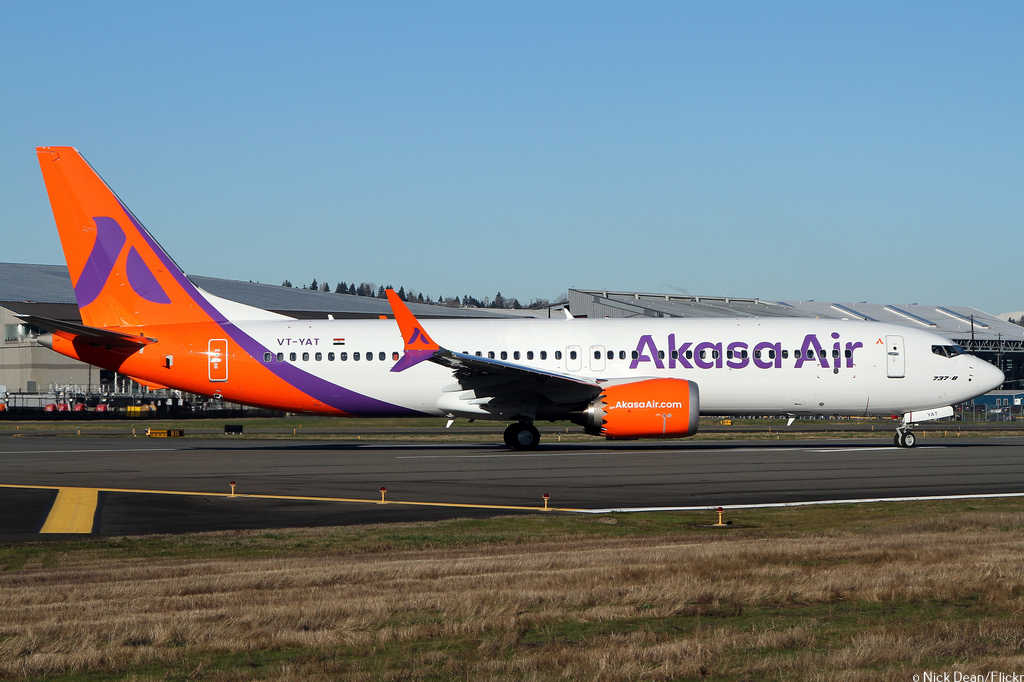
When a fledgling airline posts a near?50% year?on?year revenue surge in FY25, you sit up and take notice. Akasa Air, India’s third?largest carrier by market share, has been turning heads—and tables—on typical low?cost dynamics. But is this takeoff sustainable? Let’s unpack the numbers, the fleet story, and what lies ahead.
Financial Takeoff: FY25 Metrics

Akasa’s CFO, Ankur Goel, reports some stunning figures for the last fiscal year:
- Revenue growth: +49% y?o?y
- ASK (Available Seat Kilometers) jump: +48% y?o?y
- Fleet expansion: +50% (to 30 Boeing 737 MAXs)
Despite being a young operator, Akasa’s
- RASK (Revenue per ASK): 13%
- CASK (Cost per ASK, incl. fuel): <10%
That gap is what every airline CFO dreams of. And with EBITDA margins improving by 50% over FY24, the runway looks clear—if they can keep the momentum.
Fleet Expansion: Orders, Deliveries, and Projections

Since launch, Akasa has inked three major Boeing 737 MAX deals:
- 2021: 72 aircraft
- 2023: +4 aircraft
- 2024: +150 aircraft
Total order book: 226 jets (30 delivered so far; 196 to come by 2032).
Goel hints FY26 may see even more deliveries than planned—targeting a 25–30% fleet growth every year.
Boeing Partnership: A Smooth Ascent
“Not many airlines can induct 30 aircraft in 2–3 years,” Goel quipped, praising Boeing’s support. With early MAX?family teething issues largely behind them, negotiations now revolve around “how soon can we get our planes?” That close collaboration could mean even faster network expansion, especially with Navi Mumbai and Noida airports coming online.
International Ambitions: Beyond Domestic Borders

Today, roughly 16% of Akasa’s flights are international. The goal: 20–25% by year’s end. Stronger bilateral rights—especially to the Middle East—and the MAX’s 6?hour range unlock Southeast Asia routes too.
Charting the Future: What’s Next?
- ASK growth: +30% projected for FY26
- RASK trajectory: Upward trend seen in first 7 months of FY25 and 4 months of FY26
- Cost control: Further CASK reductions in sight
If Akasa keeps beating its own projections, that curious question— “Is this just the beginning?”—might soon have an emphatic “Yes!” as an answer.
TL; DR
- Revenue up 49%, ASK up 48%, fleet up 50% in FY25.
- RASK/CASK gap of ~5 percentage points driving margin improvements.
- 226 Boeing 737 MAX orders (30 delivered; 196 more by 2032).
- EBITDA margins jumped 50% versus FY24—profitability within view.
- International share to climb from 16% to ~25%.
- ASK guidance: +30% in FY26; fleet to grow 25–30% annually.
With Inputs from Mint
Read next
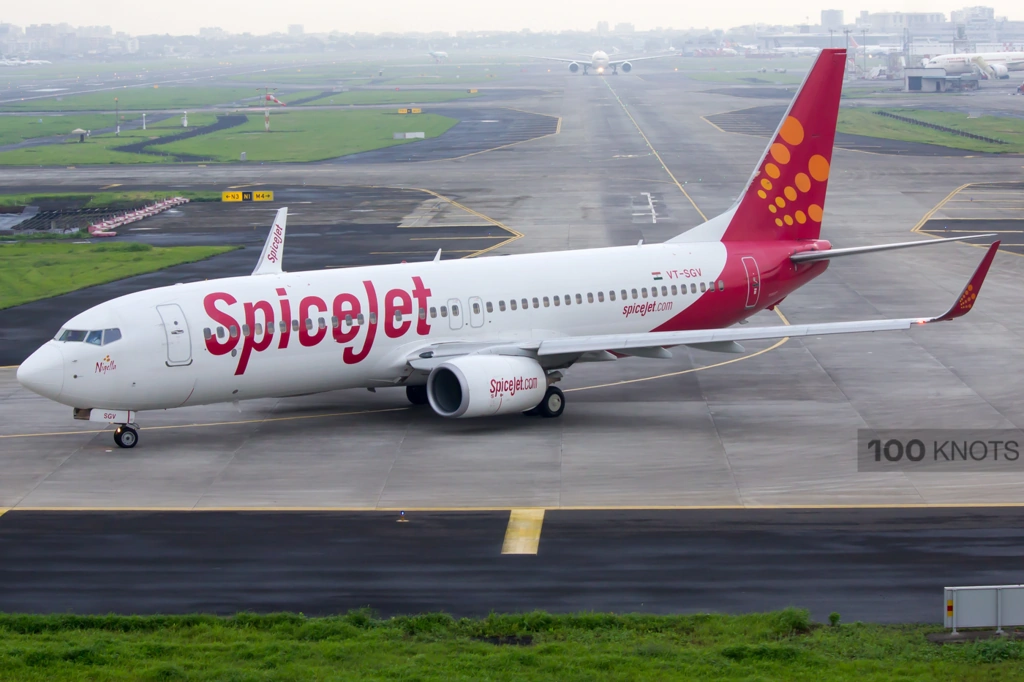
Imagine gearing up for takeoff only to have runway lights extinguished mid-air. That’s precisely how SpiceJet must have felt on July 23, 2025, when the Supreme Court of India dismissed Kalanithi Maran–backed KAL Airways’ appeal for a staggering Rs.1,300?crore in damages. It wasn’t just another courtroom drama—it was the final descent in a decade-long promoter saga that reshaped how corporate disputes navigate the Indian aviation landscape.
Background of a High-Stakes Promoter Dispute
2010–2015: The Rise and Fall of KAL Airways’ Stake
Between 2010 and 2015, KAL Airways, under the aegis of media baron Kalanithi Maran, held a commanding 58.5?% stake in SpiceJet. Riding on that equity wave, Maran was poised to influence the budget carrier’s strategic direction—until financial headwinds forced a dramatic pivot.
The Rs.1,500?Crore Takeover Deal
In early 2015, Ajay Singh swooped in, acquiring Maran’s stake for a nominal Rs.2 but assuming liabilities north of Rs.1,500?crore. It sounded like a rescue mission on paper—but buried in the fine print were clauses and transactions that would later spark fierce legal crosswinds.
Convertible Warrants and Preference Shares: The Money Trail
Rs.679?Crore Paid, No Shares Issued
As part of the takeover, Maran and KAL Airways paid Rs.679?crore for convertible warrants and preference shares. Yet, under Singh’s stewardship, those instruments never materialized—a discrepancy Maran saw as grounds for recovery.
How Convertible Warrants Work
Think of warrants as airline upgrade vouchers: they promise the holder a future stake—if and when exercised.
Preference Shares in Corporate Finance
Preference shares pay fixed dividends and prioritize investors in liquidation—making their non-issuance a serious breach of trust.

Arbitral Tribunal’s First Verdict (July 2018)
Claim Denied, Partial Refund Ordered
In July 2018, a three-judge arbitral tribunal—retired Supreme Court justices at the helm—rejected the Rs.1,323?crore damages claim but ordered SpiceJet to refund Rs.579?crore plus interest. It was a split runway: claims grounded, partial landing approved.
Panel of Retired SC Judges
The tribunal’s stature added weight: former constitutional luminaries, now arbitrators, dissected complex finance before delivering a mixed verdict.
Delhi HC’s Single-Judge Rejection (July 2023)
Challenges Under the Arbitration Act
Both sides challenged portions of the arbitral award under Sections 34 and 37 of the Arbitration and Conciliation Act, 1996—sparking parallel court battles.
Grounds for Dismissal
In July 2023, a single-judge bench of the Delhi HC dismissed Maran’s challenge outright—citing procedural defects and insufficient evidence to revisit the tribunal’s conclusions.
Division Bench’s Remand and Further Appeals (May 2024)
Fresh Consideration Under Section 34
A division bench partially overturned the single-judge order in May 2024, remanding the matter for fresh consideration on strict Section 34 grounds.
Why the Division Bench Sent It Back
They sought clarity on whether the tribunal’s narrower refund award truly captured Maran’s rights—extending the legal holding pattern by months.
Delhi HC’s “Calculated Gamble” Ruling (May 23, 2025)
Condonation of Delay Denied
On May 23, 2025, the Delhi HC division bench slammed Maran’s reflights: condonation of delay was refused. The court accused the appellants of “willful concealment” and strategic dithering.
“Deliberate and Willful Concealment” Explained
In stark language, the bench called the saga a “calculated gamble”—stalling appeals to see which judgments stuck, then pouncing on the most favorable one.
The Final Stop: Supreme Court’s Dismissal (July 23, 2025)
Apex Court’s Reasoning
On Wednesday, a vacation bench upheld the HC’s May 23 verdict wholesale, emphasizing that Maran and KAL Airways missed crucial deadlines and kept key facts under wraps—two cardinal sins in civil procedure.
Implications for SpiceJet
For SpiceJet, the SC ruling is a legal tailwind: it all but extinguishes a Rs.1,323?crore overhang, bolstering its balance sheet and investor confidence in a turbulent market.

Lessons for Corporate Litigants
Timeliness Is Everything
Court calendars move at glacial speeds—miss a filing deadline, and you risk the bench calling it quits.
Full Disclosure Beats “Strategic Silence”
Hiding facts may feel tactical, but judges frown on gamesmanship. Transparency often wins the day.
Impact on Aviation Sector Confidence
Lender and Lessors’ Perspective
Banks and leasing companies will sleep easier knowing promoter disputes can’t linger indefinitely.
Promoter Disputes in India’s Fast-Growing Market
As India’s aviation boom accelerates, clean governance and swift dispute resolution become non-negotiable.
Anatomy of the Rs.1,323?Crore Claim

- Rs.679?Crore: Paid for warrants & preference shares
- Rs.579?Crore + Interest: Ordered refund by tribunal
- Rs.744?Crore: Additional damages originally sought
- Rs.1,323?Crore: Total claim rejected by SC
What’s Next for Kalanithi Maran & KAL Airways?
With the SC’s stamp of finality, Maran’s avenues have all but evaporated. Could he pivot to negotiation or accept the tribunal’s partial refund? Only time will tell—but one thing’s clear: the legal fuel tank is empty.
Conclusion: Grounded Outcomes, Clear Skies Ahead
Corporate battles can be bumpy—full of technicalities, deadlines, and unexpected gusts. But the SpiceJet–KAL Airways saga reminds us that timely action and full transparency are non?negotiable. For SpiceJet, the verdict is uplifting: a substantial liability lifted, a clearer runway for growth. For litigants everywhere, it’s a cautionary tale: play fair, file on time, or prepare for a hard landing.
TL; DR
- Supreme Court on July 23, 2025, dismissed KAL Airways’ Rs.1,323?crore damages appeal against SpiceJet.
- Legal battle spanned from a 2015 stake sale, through an arbitral award (Rs.579?crore refund), Delhi HC rulings, to final SC closure.
- Delhi HC labeled Maran’s tactics a “calculated gamble” for stalling appeals.
- SC upheld dismissal—no damages, no further refund.
- Lesson: transparency and punctuality are paramount in corporate litigations.
With Inputs from CNBC TV18
Read next
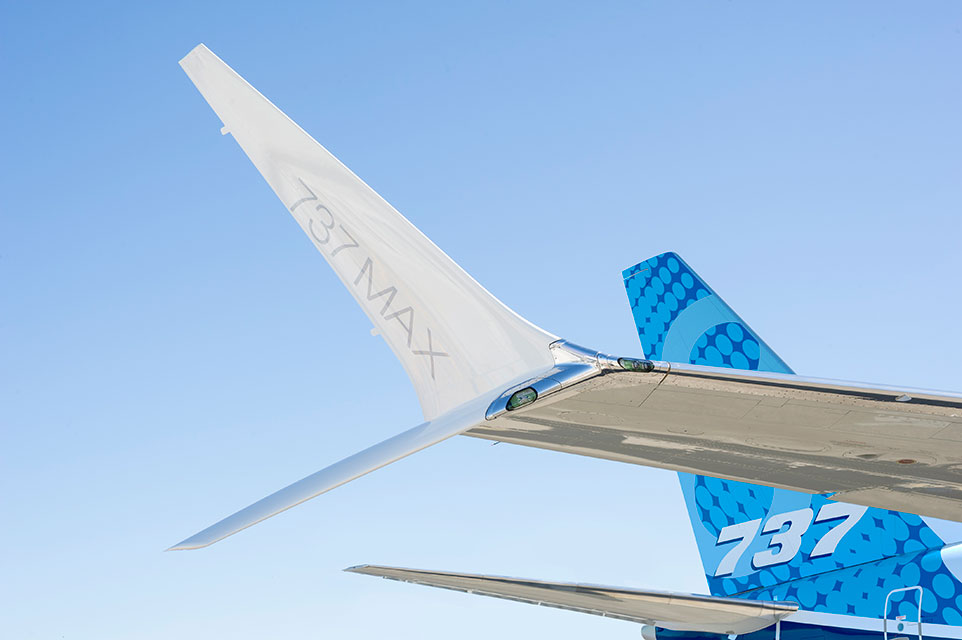
IndiGo, India's largest domestic carrier, has strategically deployed its modest Boeing 737 MAX 8 fleet exclusively on international routes connecting Indian cities to Doha, Qatar. This tactical deployment represents a significant operational shift for the predominantly Airbus-operated airline, which turned to Boeing aircraft as a solution to overcome fleet grounding challenges that emerged in 2024.
IndiGo Fleet Expansion Through Wet Leasing
IndiGo's journey with Boeing aircraft began as an emergency response to substantial operational disruptions. In 2024, the airline faced a critical shortage when engine problems grounded approximately 70 aircraft from its primary Airbus fleet.
Cirium, the world's most trusted source of aviation analytics, tracks such fleet utilisation patterns that help airlines optimise operations during challenging periods.
To address this capacity crunch, IndiGo entered into a wet-lease agreement with Qatar Airways, acquiring seven Boeing 737 MAX 8 aircraft. This arrangement allowed IndiGo to maintain operational capacity while its grounded aircraft underwent maintenance and repairs. The wet-lease model provided immediate access to aircraft along with crew and maintenance support, enabling rapid deployment without extensive training requirements.
Delivery Timeline & Current Status
The Boeing 737 MAX 8 deliveries to IndiGo followed a structured timeline spanning nearly a year. The first aircraft arrived in July 2024, marking IndiGo's initial foray into Boeing operations. The delivery process continued gradually, with the most recent aircraft joining the fleet in May 2025, completing the seven-aircraft commitment.
Currently, 6 of the 7 Boeing 737 MAX 8 aircraft remain operational, while one aircraft remains grounded for maintenance at Doha Airport.
This maintenance rotation ensures continued airworthiness standards while maintaining service levels on the critical India-Qatar corridor.
Doha Route Deployment Strategy
IndiGo has adopted a focused deployment strategy for its Boeing fleet, concentrating all operational aircraft exclusively on routes connecting Indian cities to Doha. This approach leverages the strong travel demand between India and Qatar, particularly driven by the substantial Indian expatriate population in the Gulf region and growing business connections between the two nations.
The strategic choice of Doha routes offers several advantages. The destination provides strong passenger loads, reliable profitability, and operational efficiency by concentrating maintenance and crew resources. Additionally, Qatar's strategic location serves as a gateway for onward connections throughout the Middle East and Europe.
Route Network Analysis
According to Cirium's scheduled flight data for June 2025, IndiGo operated an extensive network connecting seven major Indian cities to Doha. The route structure demonstrates careful market analysis, with frequency allocations reflecting passenger demand patterns and airport slot availability.
IndiGo Boeing 737 MAX 8 Route Network (June 2025)
| Indian City | Airport Code | Monthly Flights to Doha | Monthly Flights from Doha | Total Monthly Flights |
|---|---|---|---|---|
| Mumbai | BOM | 90 | 90 | 180 |
| Delhi | DEL | 60 | 60 | 120 |
| Hyderabad | HYD | 56 | 56 | 112 |
| Bangalore | BLR | 30 | 30 | 60 |
| Chennai | MAA | 30 | 30 | 60 |
| Kannur | CNN | 30 | 30 | 60 |
| Kochi | COK | 26 | 26 | 52 |
| Total | 322 | 322 | 644 |
Mumbai emerges as the dominant route with 180 monthly flights, reflecting the commercial capital's strong business and leisure travel demand to Qatar. Delhi follows with 120 flights, serving the diplomatic and business corridor between the two capitals. Hyderabad's 112 flights highlight the growing technology sector connections and substantial Telugu-speaking population in the Gulf region.
The southern Indian cities of Bangalore, Chennai, Kannur, and Kochi collectively contribute 232 flights monthly, demonstrating IndiGo's strategy to serve the significant South Indian diaspora in Qatar and the broader Gulf region.
Network Expansion in July 2025
IndiGo's confidence in the India-Doha routes led to network expansion in July 2025. The airline added ten additional flights across select routes, increasing total monthly scheduled flights from 644 to 655. The expansion focused on high-demand routes from Bangalore, Mumbai, Kannur, Hyderabad, and Chennai, indicating strong load factors and market response.
This measured expansion reflects IndiGo's data-driven approach to capacity management, ensuring optimal aircraft utilisation while maintaining service quality and profitability standards.

Future Outlook
IndiGo's deployment of the Boeing 737 MAX 8 represents more than temporary fleet management; it demonstrates strategic flexibility in responding to operational challenges. The exclusive focus on Doha routes has created a profitable niche operation while maintaining the airline's predominantly Airbus domestic network.
The success of this Boeing operation may influence IndiGo's future fleet decisions, particularly for international route expansion. However, the airline's long-term commitment remains with Airbus aircraft, as evidenced by its substantial order book for A320neo and A321neo aircraft.
The Boeing fleet's performance on Qatar routes also provides valuable operational data for potential future international expansion using similar aircraft types. As IndiGo continues growing its international presence, lessons learned from the Boeing deployment will inform strategic decisions regarding fleet diversification and route network optimisation.
This tactical use of Boeing aircraft showcases IndiGo's operational agility and commitment to maintaining service levels despite challenging circumstances, while establishing a strong presence in the lucrative India-Qatar travel market.
Read next
Air India Flight Catches Fire at Delhi Airport: All Passengers Safe in APU Malfunction

Pragya Chauhan
23 Jul 2025
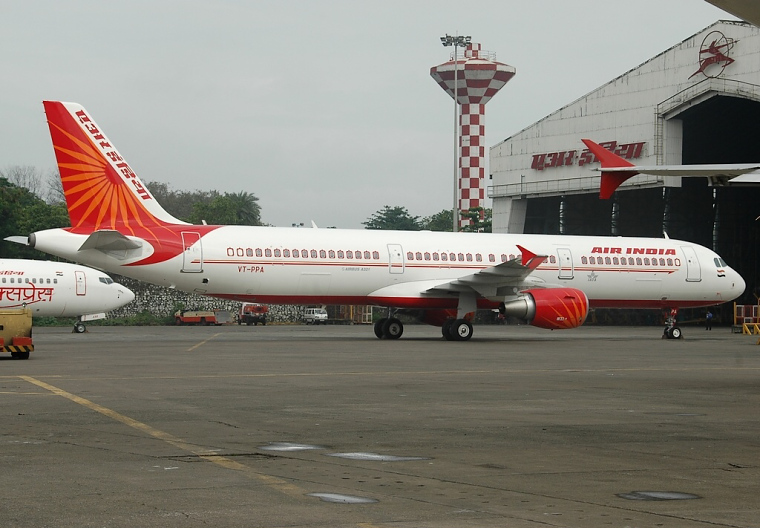
An Air India flight from Hong Kong experienced a fire in its auxiliary power unit (APU) shortly after landing at Delhi’s Indira Gandhi International Airport on Tuesday, July 22, 2025. While the incident caused concern among passengers and airport authorities, all passengers and crew members were safely evacuated with no injuries reported.
The Incident Details
Flight AI 315, operating the Hong Kong to Delhi route, encountered the fire incident after it had successfully landed and parked at the gate. According to an Air India spokesperson, “the incident occurred while passengers had begun disembarking, and the APU was automatically shut down as per system design.” The auxiliary power unit, which provides electrical power and air conditioning when the main engines are not running, caught fire during the post-landing procedures.
The timing of the incident was fortunate, as it occurred after the aircraft had safely completed its landing and taxi procedures. Passengers had already begun the disembarkation process when the fire was detected, allowing for a swift and orderly evacuation.
Swift Emergency Response
Airport emergency services responded immediately to the incident, following standard protocols for aircraft fires. The automatic shutdown of the APU, as designed by safety systems, helped contain the situation and prevent it from escalating into a more serious emergency. Fire suppression teams were deployed to ensure the fire was completely extinguished and that there was no risk of reignition.
Delhi airport authorities coordinated closely with Air India ground staff to manage the evacuation process efficiently. All passengers were moved to safety within the terminal building, where they received assistance and updates about alternative arrangements for their onward journey.

Aircraft and Route Information
The aircraft involved in the incident was operating one of Air India’s regular international routes between Hong Kong and Delhi. This route is typically served by Airbus A321 aircraft, which are part of Air India’s narrow-body fleet used for medium-haul international operations. The APU fire, while serious, occurred in a component that is separate from the main flight systems and engines.
Air India has been expanding its international operations and fleet modernization efforts as part of its post-privatization growth strategy. The airline operates multiple daily flights between major Asian cities and India, with Hong Kong being a significant hub for connecting passengers from Southeast Asia and China.
Safety Measures and Protocols
The incident highlights the effectiveness of modern aircraft safety systems and emergency protocols. APU fires, while uncommon, are a known risk in aviation, and aircraft are equipped with automatic detection and suppression systems specifically designed to handle such situations. The rapid shutdown of the affected unit prevented the fire from spreading to other aircraft systems or causing structural damage.
Aviation safety experts emphasize that such incidents, while concerning, demonstrate the multiple layers of safety built into modern commercial aircraft. The automatic systems worked as designed, and the crew followed established emergency procedures to ensure passenger safety remained the top priority.
Impact on Operations
The fire incident caused temporary disruptions to operations at Delhi airport, with the affected gate being temporarily closed for safety inspections and cleanup. Airport authorities worked to minimize delays to other flights while ensuring that all safety protocols were properly followed.
Air India immediately began arrangements for affected passengers, including rebooking on alternative flights and providing necessary accommodation where required. The airline’s crisis management team was activated to handle passenger communications and coordinate with airport authorities and regulatory bodies.
Investigation and Follow-up
As is standard procedure with any aircraft incident involving fire, aviation authorities have initiated a preliminary investigation to determine the exact cause of the APU malfunction. The aircraft will undergo thorough inspections before being returned to service, and maintenance records will be reviewed as part of the investigation process.
Air India has committed to full cooperation with the investigation and has assured that all necessary safety measures will be reviewed and reinforced. The airline emphasized that passenger and crew safety remains its highest priority in all operations.
Bottom Line
While the APU fire on Air India flight AI 315 created a tense moment for passengers and crew, the incident was handled effectively through proper safety protocols and emergency response procedures. The fact that all passengers and crew members escaped without injury underscores the importance of robust safety systems and well-trained emergency response teams in aviation. This incident serves as a reminder of the constant vigilance required in aviation safety and the effectiveness of modern aircraft safety systems when properly maintained and operated.
Read next
Is Air India’s Safety Protocols Under a Microscope After Nine Show Cause Notices?

Abhishek Nayar
23 Jul 2025
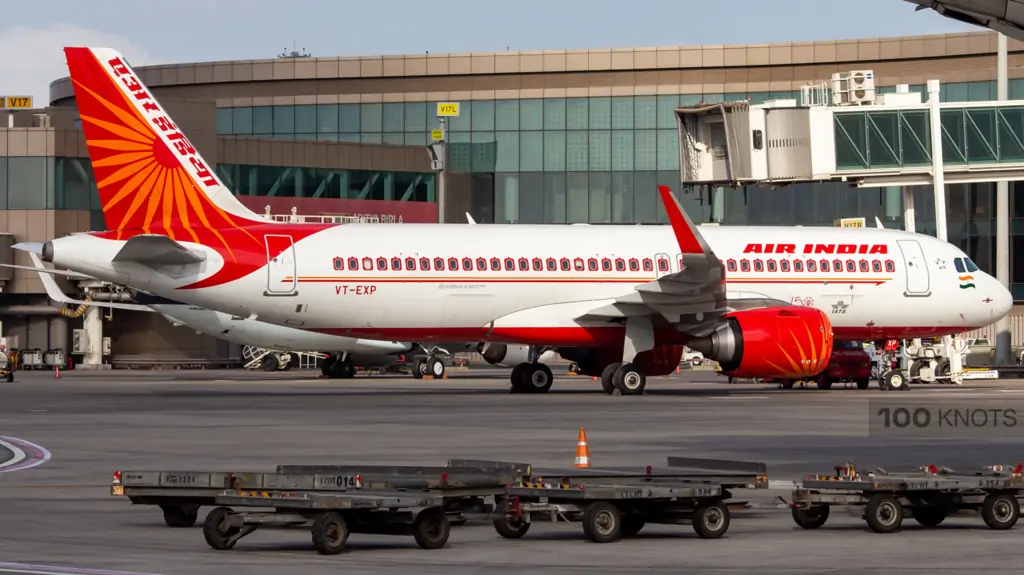
Last month’s tragic crash of Air India’s Boeing 787-8 on its Ahmedabad–London Gatwick flight, which claimed 260 lives and injured 81, has intensified scrutiny on the airline’s safety practices. In Parliament, the Civil Aviation Ministry revealed that nine show cause notices were issued to Air India over the past six months for five distinct safety violations, with enforcement action completed for one of them.
The Boeing 787-8 Tragedy: Catalyst for Deeper Investigations
What happened?
On June 15, Flight AI347 suffered a catastrophic failure shortly after takeoff, resulting in a crash that killed 260 passengers and crew. Eighty-one more were injured in the incident.
DGCA’s immediate response
The Directorate General of Civil Aviation (DGCA) mandated additional checks on all Boeing 787-8 and 787-9 aircraft operated by Air India.
Aircraft Inspections: Numbers Tell a Story
Fleet overview
- Total Boeing 787s in fleet: 33
- Inspected to date: 31
- Minor findings in 8 of those (all rectified and aircraft cleared to fly)
- Remaining 2 aircraft: Under scheduled maintenance
Nine Show Cause Notices, One Enforcement Action Completed
In response to queries in the Rajya Sabha:
- Show cause notices issued: 9 (for five identified safety violations)
- Enforcement completed: 1 violation
- Details pending: Specific violations and airlines’ corrective measures were not publicly disclosed.
Enforcement Actions: A Growing Regulatory Muscle

DGCA’s broader enforcement history shows:
- 2023: 542 actions
- 2024: 673 actions
- 2025 (Jan–Apr): 254 actions
What This Means for Air India
- Reputation on the line: Multiple show cause notices signal systemic gaps in safety management.
- Operational impact: Fleet inspections and maintenance affect scheduling, potentially disrupting routes and revenue.
- Regulatory scrutiny: With only one violation fully addressed, Air India faces continued oversight until all safety concerns are closed.
- Public confidence: Rebuilding passenger trust will require transparent communication and demonstrable safety improvements.
Looking Ahead: Closing the Safety Loop
Civil Aviation Minister K Rammohan Naidu and MoS Murlidhar Mohol emphasized that every aspect of the crash is under review—ruling out sabotage and focusing on mechanical and procedural factors. DGCA plans 56 regulatory audits this year, combining planned and spot inspections, ramp checks, and night surveillance.
Key Measures on the Horizon
- Enhanced maintenance protocols for Boeing 787 series
- Increased frequency of unannounced audits
- Stricter penalties for non-compliance
TL; DR
- Nine show cause notices for five safety violations issued to Air India in last six months; one enforcement action completed.
- Last month’s Boeing 787-8 crash (260 fatalities, 81 injuries) spurred additional DGCA inspections.
- Of 33 787s, 31 inspected (8 with minor findings), 2 under maintenance.
- DGCA enforcement actions: 542 (2023), 673 (2024), 254 (Jan–Apr 2025).
- Air India must address systemic safety issues to restore regulatory compliance and passenger confidence.
Comment