
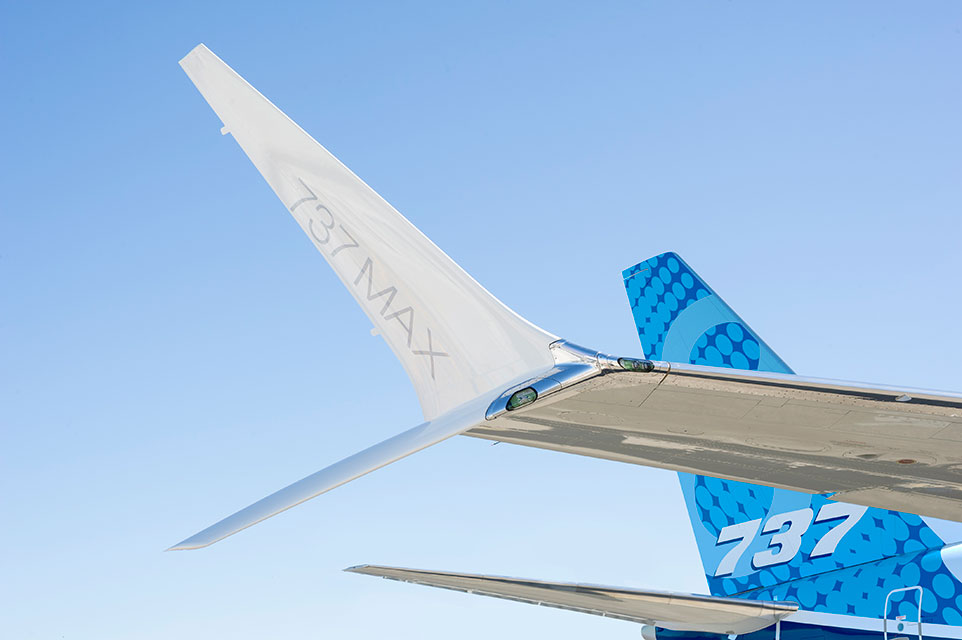
IndiGo, India's largest domestic carrier, has strategically deployed its modest Boeing 737 MAX 8 fleet exclusively on international routes connecting Indian cities to Doha, Qatar. This tactical deployment represents a significant operational shift for the predominantly Airbus-operated airline, which turned to Boeing aircraft as a solution to overcome fleet grounding challenges that emerged in 2024.
IndiGo Fleet Expansion Through Wet Leasing
IndiGo's journey with Boeing aircraft began as an emergency response to substantial operational disruptions. In 2024, the airline faced a critical shortage when engine problems grounded approximately 70 aircraft from its primary Airbus fleet.
Cirium, the world's most trusted source of aviation analytics, tracks such fleet utilisation patterns that help airlines optimise operations during challenging periods.
To address this capacity crunch, IndiGo entered into a wet-lease agreement with Qatar Airways, acquiring seven Boeing 737 MAX 8 aircraft. This arrangement allowed IndiGo to maintain operational capacity while its grounded aircraft underwent maintenance and repairs. The wet-lease model provided immediate access to aircraft along with crew and maintenance support, enabling rapid deployment without extensive training requirements.
Delivery Timeline & Current Status
The Boeing 737 MAX 8 deliveries to IndiGo followed a structured timeline spanning nearly a year. The first aircraft arrived in July 2024, marking IndiGo's initial foray into Boeing operations. The delivery process continued gradually, with the most recent aircraft joining the fleet in May 2025, completing the seven-aircraft commitment.
Currently, 6 of the 7 Boeing 737 MAX 8 aircraft remain operational, while one aircraft remains grounded for maintenance at Doha Airport.
This maintenance rotation ensures continued airworthiness standards while maintaining service levels on the critical India-Qatar corridor.
Doha Route Deployment Strategy
IndiGo has adopted a focused deployment strategy for its Boeing fleet, concentrating all operational aircraft exclusively on routes connecting Indian cities to Doha. This approach leverages the strong travel demand between India and Qatar, particularly driven by the substantial Indian expatriate population in the Gulf region and growing business connections between the two nations.
The strategic choice of Doha routes offers several advantages. The destination provides strong passenger loads, reliable profitability, and operational efficiency by concentrating maintenance and crew resources. Additionally, Qatar's strategic location serves as a gateway for onward connections throughout the Middle East and Europe.
Route Network Analysis
According to Cirium's scheduled flight data for June 2025, IndiGo operated an extensive network connecting seven major Indian cities to Doha. The route structure demonstrates careful market analysis, with frequency allocations reflecting passenger demand patterns and airport slot availability.
IndiGo Boeing 737 MAX 8 Route Network (June 2025)
| Indian City | Airport Code | Monthly Flights to Doha | Monthly Flights from Doha | Total Monthly Flights |
|---|---|---|---|---|
| Mumbai | BOM | 90 | 90 | 180 |
| Delhi | DEL | 60 | 60 | 120 |
| Hyderabad | HYD | 56 | 56 | 112 |
| Bangalore | BLR | 30 | 30 | 60 |
| Chennai | MAA | 30 | 30 | 60 |
| Kannur | CNN | 30 | 30 | 60 |
| Kochi | COK | 26 | 26 | 52 |
| Total | 322 | 322 | 644 |
Mumbai emerges as the dominant route with 180 monthly flights, reflecting the commercial capital's strong business and leisure travel demand to Qatar. Delhi follows with 120 flights, serving the diplomatic and business corridor between the two capitals. Hyderabad's 112 flights highlight the growing technology sector connections and substantial Telugu-speaking population in the Gulf region.
The southern Indian cities of Bangalore, Chennai, Kannur, and Kochi collectively contribute 232 flights monthly, demonstrating IndiGo's strategy to serve the significant South Indian diaspora in Qatar and the broader Gulf region.
Network Expansion in July 2025
IndiGo's confidence in the India-Doha routes led to network expansion in July 2025. The airline added ten additional flights across select routes, increasing total monthly scheduled flights from 644 to 655. The expansion focused on high-demand routes from Bangalore, Mumbai, Kannur, Hyderabad, and Chennai, indicating strong load factors and market response.
This measured expansion reflects IndiGo's data-driven approach to capacity management, ensuring optimal aircraft utilisation while maintaining service quality and profitability standards.

Future Outlook
IndiGo's deployment of the Boeing 737 MAX 8 represents more than temporary fleet management; it demonstrates strategic flexibility in responding to operational challenges. The exclusive focus on Doha routes has created a profitable niche operation while maintaining the airline's predominantly Airbus domestic network.
The success of this Boeing operation may influence IndiGo's future fleet decisions, particularly for international route expansion. However, the airline's long-term commitment remains with Airbus aircraft, as evidenced by its substantial order book for A320neo and A321neo aircraft.
The Boeing fleet's performance on Qatar routes also provides valuable operational data for potential future international expansion using similar aircraft types. As IndiGo continues growing its international presence, lessons learned from the Boeing deployment will inform strategic decisions regarding fleet diversification and route network optimisation.
This tactical use of Boeing aircraft showcases IndiGo's operational agility and commitment to maintaining service levels despite challenging circumstances, while establishing a strong presence in the lucrative India-Qatar travel market.

Read next
Air India Flight Catches Fire at Delhi Airport: All Passengers Safe in APU Malfunction

Pragya Chauhan
23 Jul 2025
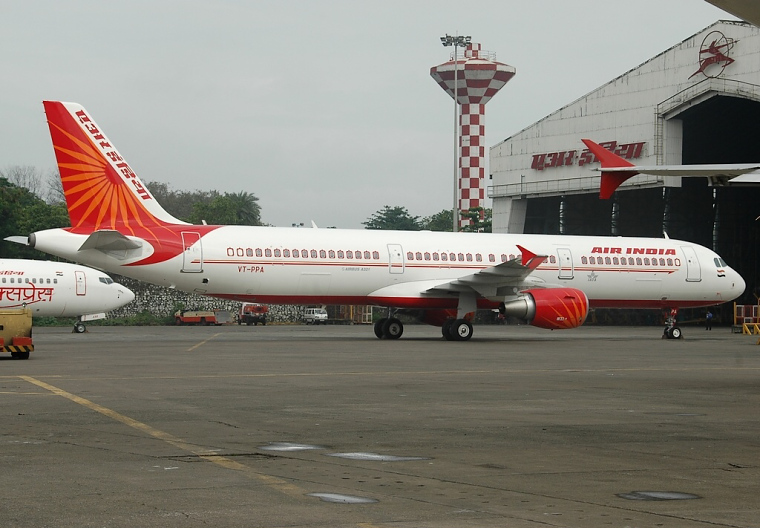
An Air India flight from Hong Kong experienced a fire in its auxiliary power unit (APU) shortly after landing at Delhi’s Indira Gandhi International Airport on Tuesday, July 22, 2025. While the incident caused concern among passengers and airport authorities, all passengers and crew members were safely evacuated with no injuries reported.
The Incident Details
Flight AI 315, operating the Hong Kong to Delhi route, encountered the fire incident after it had successfully landed and parked at the gate. According to an Air India spokesperson, “the incident occurred while passengers had begun disembarking, and the APU was automatically shut down as per system design.” The auxiliary power unit, which provides electrical power and air conditioning when the main engines are not running, caught fire during the post-landing procedures.
The timing of the incident was fortunate, as it occurred after the aircraft had safely completed its landing and taxi procedures. Passengers had already begun the disembarkation process when the fire was detected, allowing for a swift and orderly evacuation.
Swift Emergency Response
Airport emergency services responded immediately to the incident, following standard protocols for aircraft fires. The automatic shutdown of the APU, as designed by safety systems, helped contain the situation and prevent it from escalating into a more serious emergency. Fire suppression teams were deployed to ensure the fire was completely extinguished and that there was no risk of reignition.
Delhi airport authorities coordinated closely with Air India ground staff to manage the evacuation process efficiently. All passengers were moved to safety within the terminal building, where they received assistance and updates about alternative arrangements for their onward journey.

Aircraft and Route Information
The aircraft involved in the incident was operating one of Air India’s regular international routes between Hong Kong and Delhi. This route is typically served by Airbus A321 aircraft, which are part of Air India’s narrow-body fleet used for medium-haul international operations. The APU fire, while serious, occurred in a component that is separate from the main flight systems and engines.
Air India has been expanding its international operations and fleet modernization efforts as part of its post-privatization growth strategy. The airline operates multiple daily flights between major Asian cities and India, with Hong Kong being a significant hub for connecting passengers from Southeast Asia and China.
Safety Measures and Protocols
The incident highlights the effectiveness of modern aircraft safety systems and emergency protocols. APU fires, while uncommon, are a known risk in aviation, and aircraft are equipped with automatic detection and suppression systems specifically designed to handle such situations. The rapid shutdown of the affected unit prevented the fire from spreading to other aircraft systems or causing structural damage.
Aviation safety experts emphasize that such incidents, while concerning, demonstrate the multiple layers of safety built into modern commercial aircraft. The automatic systems worked as designed, and the crew followed established emergency procedures to ensure passenger safety remained the top priority.
Impact on Operations
The fire incident caused temporary disruptions to operations at Delhi airport, with the affected gate being temporarily closed for safety inspections and cleanup. Airport authorities worked to minimize delays to other flights while ensuring that all safety protocols were properly followed.
Air India immediately began arrangements for affected passengers, including rebooking on alternative flights and providing necessary accommodation where required. The airline’s crisis management team was activated to handle passenger communications and coordinate with airport authorities and regulatory bodies.
Investigation and Follow-up
As is standard procedure with any aircraft incident involving fire, aviation authorities have initiated a preliminary investigation to determine the exact cause of the APU malfunction. The aircraft will undergo thorough inspections before being returned to service, and maintenance records will be reviewed as part of the investigation process.
Air India has committed to full cooperation with the investigation and has assured that all necessary safety measures will be reviewed and reinforced. The airline emphasized that passenger and crew safety remains its highest priority in all operations.
Bottom Line
While the APU fire on Air India flight AI 315 created a tense moment for passengers and crew, the incident was handled effectively through proper safety protocols and emergency response procedures. The fact that all passengers and crew members escaped without injury underscores the importance of robust safety systems and well-trained emergency response teams in aviation. This incident serves as a reminder of the constant vigilance required in aviation safety and the effectiveness of modern aircraft safety systems when properly maintained and operated.
Read next
Is Air India’s Safety Protocols Under a Microscope After Nine Show Cause Notices?

Abhishek Nayar
23 Jul 2025
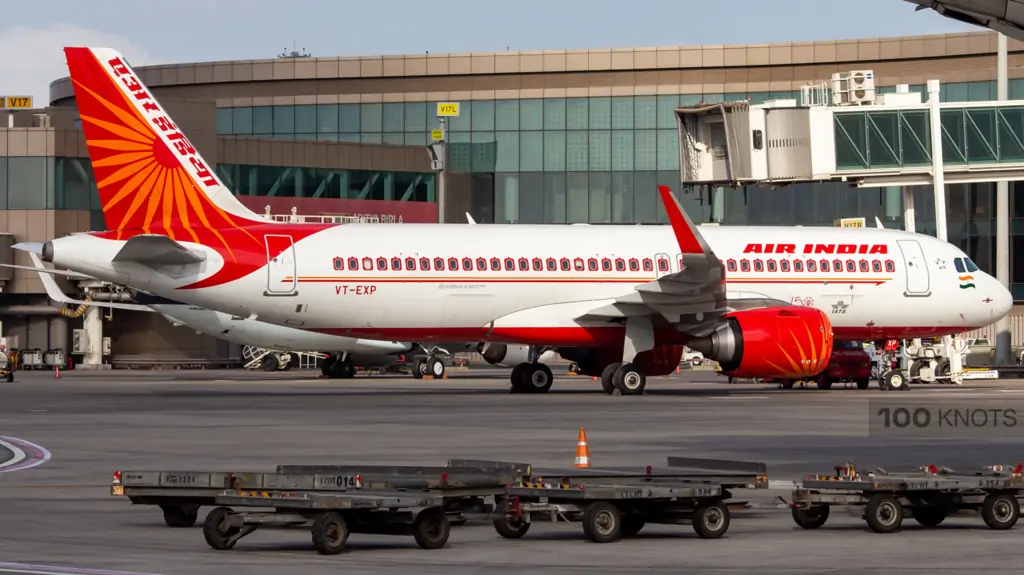
Last month’s tragic crash of Air India’s Boeing 787-8 on its Ahmedabad–London Gatwick flight, which claimed 260 lives and injured 81, has intensified scrutiny on the airline’s safety practices. In Parliament, the Civil Aviation Ministry revealed that nine show cause notices were issued to Air India over the past six months for five distinct safety violations, with enforcement action completed for one of them.
The Boeing 787-8 Tragedy: Catalyst for Deeper Investigations
What happened?
On June 15, Flight AI347 suffered a catastrophic failure shortly after takeoff, resulting in a crash that killed 260 passengers and crew. Eighty-one more were injured in the incident.
DGCA’s immediate response
The Directorate General of Civil Aviation (DGCA) mandated additional checks on all Boeing 787-8 and 787-9 aircraft operated by Air India.
Aircraft Inspections: Numbers Tell a Story
Fleet overview
- Total Boeing 787s in fleet: 33
- Inspected to date: 31
- Minor findings in 8 of those (all rectified and aircraft cleared to fly)
- Remaining 2 aircraft: Under scheduled maintenance
Nine Show Cause Notices, One Enforcement Action Completed
In response to queries in the Rajya Sabha:
- Show cause notices issued: 9 (for five identified safety violations)
- Enforcement completed: 1 violation
- Details pending: Specific violations and airlines’ corrective measures were not publicly disclosed.
Enforcement Actions: A Growing Regulatory Muscle

DGCA’s broader enforcement history shows:
- 2023: 542 actions
- 2024: 673 actions
- 2025 (Jan–Apr): 254 actions
What This Means for Air India
- Reputation on the line: Multiple show cause notices signal systemic gaps in safety management.
- Operational impact: Fleet inspections and maintenance affect scheduling, potentially disrupting routes and revenue.
- Regulatory scrutiny: With only one violation fully addressed, Air India faces continued oversight until all safety concerns are closed.
- Public confidence: Rebuilding passenger trust will require transparent communication and demonstrable safety improvements.
Looking Ahead: Closing the Safety Loop
Civil Aviation Minister K Rammohan Naidu and MoS Murlidhar Mohol emphasized that every aspect of the crash is under review—ruling out sabotage and focusing on mechanical and procedural factors. DGCA plans 56 regulatory audits this year, combining planned and spot inspections, ramp checks, and night surveillance.
Key Measures on the Horizon
- Enhanced maintenance protocols for Boeing 787 series
- Increased frequency of unannounced audits
- Stricter penalties for non-compliance
TL; DR
- Nine show cause notices for five safety violations issued to Air India in last six months; one enforcement action completed.
- Last month’s Boeing 787-8 crash (260 fatalities, 81 injuries) spurred additional DGCA inspections.
- Of 33 787s, 31 inspected (8 with minor findings), 2 under maintenance.
- DGCA enforcement actions: 542 (2023), 673 (2024), 254 (Jan–Apr 2025).
- Air India must address systemic safety issues to restore regulatory compliance and passenger confidence.
Read next
Ryanair’s Q1 Skyrocket: How Last-Minute Fares & Easter Timing Supercharged Profits
Abhishek Nayar
23 Jul 2025
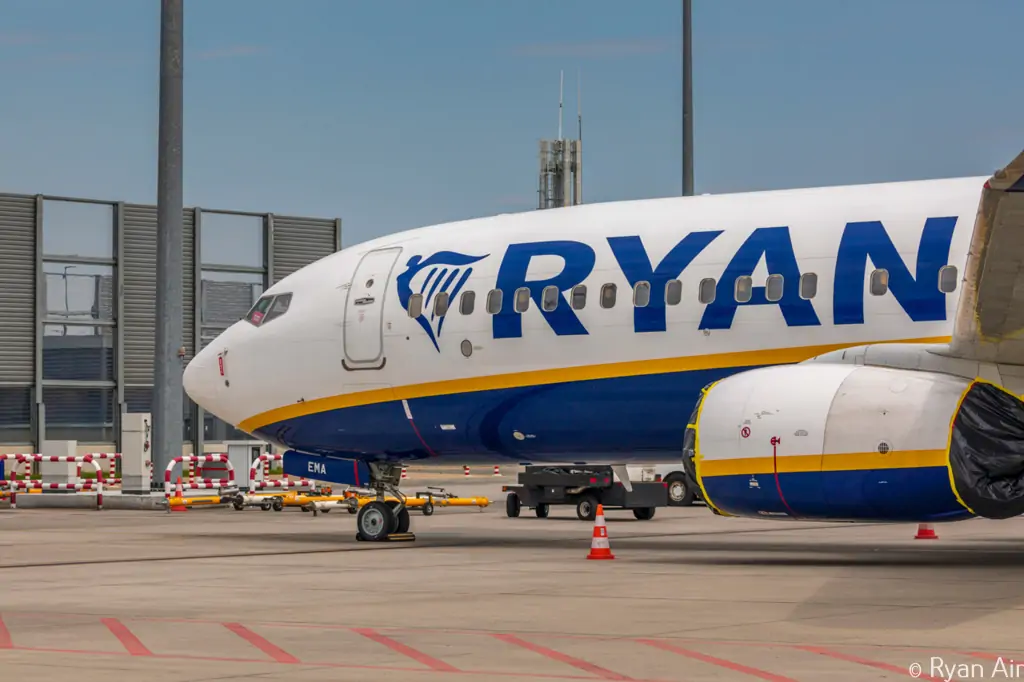
Ever wondered how a budget airline manages to pull off a jaw-dropping profit leap? Ryanair did just that in its April–June quarter, posting a net profit of €820?million, more than double the €360?million it earned a year ago and well above analyst expectations of €716?million. How? A clever combination of last?minute fare hikes and the calendar magic of Easter timing. Buckle up—let’s unpack the story behind Europe’s largest low?cost carrier’s blockbuster quarter.
The Easter Effect: Timing Is Everything
Easter in April vs. March: Why It Matters
Unlike 2024 when Easter fell in March, this year’s celebration was in April. That shift meant a chunk of holiday?season travel moved squarely into the quarter that ends June?30. More flights around a premium price window equals a fatter bottom line, simple as that.
Holiday Travel Cycles and Revenue Waves
Think of holiday travel like ocean tides: when the moon (or in this case, Easter) hits the right spot, profits rise. By aligning more spring?break traffic with Q1, Ryanair turned what might have been a steady wave into a tsunami of revenue.
Last-Minute Fares: The Hidden Goldmine
What Counts as a Last-Minute Fare?
Last-minute fares are tickets booked close to departure dates—often within a week or even days before takeoff. These fares can be steep because travelers pay a premium for flexibility or urgency.
Psychology of Close-In Bookings
Picture this: you’ve procrastinated booking your vacation and suddenly realize you’re out of time. Would you hunt for a bargain or pay up? For many, paying up is the only option. Ryanair leveraged this behavior, driving average fares up 21% in the quarter.
Booking Trends: Summer Looking Strong
Comparing Ryanair with Rivals
While EasyJet and Jet2 have cautioned about bookings happening later than usual, Ryanair CFO Neil Sorahan insists his carrier isn’t seeing that slowdown. Instead, “Across the piece, bookings are good,” he says, pointing to strong consumer confidence.
Why Ryanair’s Booking Curve Stands Out
Ryanair’s direct?booking strategy, tight ancillary offerings, and dispute resolution with online travel agents have pulled forward demand that rivals may still be scrambling for. It’s like catching the best wave in a crowded surf—timing and positioning matter.
Breaking Down the Numbers

Net Profit: €820M vs. €360M & €663M
- FY25 Q1 (Apr–Jun): €820?million
- FY24 Q1 (Apr–Jun): €360?million
- FY23 Q1 (Apr–Jun): €663?million
The jump from €360?million to €820?million underscores not just Easter timing, but also solid fare management and operational efficiency.
Analysts’ Forecast vs. Actual Outcome
Ryanair beat the street by €104?million, illustrating how close?in fares and holiday shifts can surprise even seasoned aviation analysts.
Fare Fluctuations: A Closer Look

21% Fare Increase Explained
Average fares spiked 21%, more than offsetting the 15% drop recorded a year earlier. It’s like they turned back time on last year’s weaknesses, reeling in travelers willing to spend more for convenience.
Recovering from Last Year’s Dip
Last year’s 15% fall was largely blamed on weak consumer sentiment and an online-travel-agent dispute. By settling that dispute and regaining traveler trust, Ryanair clawed back lost ground—and then some.
Forecasting Q2: July–September Profit Prospects
Peak Season Profit Dynamics
The July–September quarter is the summer blockbuster for European airlines—think Avengers-level returns. Ryanair expects to recoup “almost all” of last year’s 7% fare decline.
Ryanair’s Recovery Roadmap
By focusing on close-in bookings, deploying targeted promotions, and optimizing routes, Ryanair aims for “reasonable net profit growth” for the fiscal year ending March?31.
Competitive Landscape: EasyJet, Jet2 & Co.

Late-Booking Trends Among Low?Cost Carriers
Some rivals warn of customers booking later—potentially squeezing margins. But Ryanair’s data shows no such trend, suggesting its direct?sale model and aggressive marketing may be insulating it.
The Impact of OTA Disputes
Rivals tangled in online travel agent disputes may be losing out. Ryanair’s resolution freed up distribution channels, letting it capture demand others can’t.
The Boeing & Tariff Tango

Potential U.S.-EU Aircraft Tariffs
As Boeing’s largest European customer, Ryanair watches U.S.-EU tariff negotiations like a hawk. Tariffs could inflate plane costs, impacting fleet expansion.
Ryanair’s Boeing Exposure
An exemption for commercial aircraft is the airline’s best friend right now. CFO Sorahan admits they’re hopeful—and a bit confident—that Brussels and Washington will hammer out a deal.
Consumer Confidence: The Secret Sauce
Insights from CFO Neil Sorahan
“Consumer confidence is very strong,” says Sorahan. When folks feel good about the economy, they’re more willing to book—and pay—a bit extra.
Reading the Travel Mood
Think of consumer sentiment as the thermostat of travel demand. When it’s set high, bookings warm up; when it dips, airlines shiver.
Operational Efficiencies & Cost Control
Fuel Hedging and Cost Savvy
Ryanair’s fuel?hedging strategies shield it from price spikes. Imagine locking in today’s gas price for tomorrow’s road trip—that’s hedging in aviation.
Staffing, Airports & Lean Operations
Negotiating favorable airport fees and maintaining a lean workforce keeps unit costs low, allowing Ryanair to stay nimble when market skies get turbulent.
Digital Innovations: Beyond Seat Sales
Mobile App & Direct-Booking Boom

Ryanair’s slick mobile app pushes last?minute deals and ancillaries directly to flyers. It’s like having a travel agent in your pocket—without the commission.
Ancillary Revenue Streams
From priority boarding to extra bags, these add-ons are gravy on top of ticket sales, boosting overall revenue per passenger and cushioning against fare volatility.
Environmental & Regulatory Pressures
Emissions Targets & CORSIA
With the Carbon Offsetting and Reduction Scheme for International Aviation (CORSIA) in play, Ryanair’s efficient fleet—full of 737?MAXs—gives it an edge on emissions per passenger.
Navigating EU Aviation Rules
From slot restrictions to passenger rights, Europe’s regulatory web can snarl airlines. Ryanair’s legal team works overtime to keep it flying smoothly.
Conclusion: What’s Next for Ryanair?
Ryanair’s Q1 performance is a masterclass in tactical pricing, calendar leverage, and operational discipline. As summer heats up, the airline’s focus on close-in fares, digital direct sales, and strategic cost control should continue to fuel its profit engine—provided tariffs don’t come crashing down like unexpected turbulence.
TL; DR: Key Takeaways
- €820?M Net Profit in Q1 (Apr–Jun), more than double last year’s €360?M
- 21% Average Fare Increase driven by last?minute bookings
- April Easter Timing boosted holiday?period revenues
- Strong Summer Bookings, unlike some rivals
- Watch for Aircraft Tariffs but hope for an exemption
With Inputs from Reuters
Read next

Air India's Airbus A350-900 fleet is set to maintain an extensive network of domestic and international routes throughout August 2025, with the airline's six operating aircraft scheduled to complete 286 flights during the month. According to Cirium aviation analytics data, the deployment strategy demonstrates Air India's commitment to offering premium long-haul connectivity while maintaining strategic domestic trunk routes with its flagship widebody aircraft.
Strategic Route Network Deployment
Air India's A350-900 deployment in August 2025 reflects a carefully balanced approach between high-capacity international routes and critical domestic connections. The airline's network spans from short-haul domestic sectors to ultra-long-haul transatlantic services, maximising the aircraft's versatility and operational efficiency.
The A350-900 has been strategically deployed on premium international routes since its introduction, including the Delhi-New York JFK route launched in November 2024 and the Delhi-Newark route that began operations in January 2025. This expansion continues Air India's modernisation efforts under the Tata Group ownership.
Air India A350-900 Scheduled Routes (August 2025)
| Route | Flights | Route Type |
|---|---|---|
| Delhi (DEL) - London Heathrow (LHR) | 62 | International Long-haul |
| London Heathrow (LHR) - Delhi (DEL) | 62 | International Long-haul |
| Delhi (DEL) - New York JFK (JFK) | 27 | International Ultra Long-haul |
| New York JFK (JFK) - Delhi (DEL) | 27 | International Ultra Long-haul |
| Delhi (DEL) - Dubai (DXB) | 20 | International Regional |
| Dubai (DXB) - Delhi (DEL) | 20 | International Regional |
| Delhi (DEL) - Newark (EWR) | 17 | International Ultra Long-haul |
| Newark (EWR) - Delhi (DEL) | 17 | International Ultra Long-haul |
| Bangalore (BLR) - Delhi (DEL) | 8 | Domestic Trunk |
| Delhi (DEL) - Bangalore (BLR) | 8 | Domestic Trunk |
| Mumbai (BOM) - Delhi (DEL) | 5 | Domestic Trunk |
| Delhi (DEL) - Mumbai (BOM) | 5 | Domestic Trunk |
| Hyderabad (HYD) - Delhi (DEL) | 4 | Domestic Trunk |
| Delhi (DEL) - Hyderabad (HYD) | 4 | Domestic Trunk |
| Total Monthly Flights | 286 |
The Delhi-London Heathrow route emerges as Air India's flagship A350-900 operation with 124 total flights (62 each direction) scheduled for August. Air India introduced the A350-900 on the Delhi-London Heathrow route in September 2024, transforming the passenger experience on this twice-daily service with additional frequency increases planned. This route represents 43% of total A350-900 operations, highlighting its strategic importance for Air India's European network and the substantial demand from business travellers and the Indian diaspora in the UK.
Air India's North American operations account for 88 monthly flights across two major US gateways. The Delhi-JFK route with 54 total flights (27 each direction) serves as the primary gateway to the US East Coast, while the Delhi-Newark route contributes 34 flights monthly. These routes cater to the growing business and leisure travel demand between India and the United States, supported by the aircraft's ultra-long-range capabilities and premium cabin offerings.
Regional and Domestic Operations
The Dubai route represents Air India's regional Middle Eastern strategy with 40 monthly flights, serving both point-to-point demand and connecting traffic through Dubai's hub. Meanwhile, domestic operations on trunk routes to Bangalore, Mumbai, and Hyderabad totalize 34 flights, demonstrating the A350-900's deployment on high-density domestic sectors where premium cabin demand justifies widebody operations.
Passenger Experience
Air India's A350-900 fleet offers a transformative passenger experience across all cabin classes. The aircraft features 28 business class suites, 24 premium economy seats, and 264 economy seats, creating a premium-focused configuration. The business class experience includes private suites with 79-inch full flatbeds, privacy doors, personal wardrobes, and gourmet dining served on bespoke tableware. Passengers enjoy 21-inch HD entertainment screens, Ferragamo amenity kits, and universal power outlets.
Premium Economy passengers benefit from 38-inch seat pitch, 18.5-inch width, four-way adjustable headrests, and 13.3-inch HD touchscreens with TUMI amenity kits. Even Economy class passengers experience elevated comfort with 31-inch seat pitch, 12-inch HD screens, and full-course hot meals, representing a significant upgrade from Air India's legacy products.
The A350-900 fleet features an immersive entertainment system with over 3,000 hours of content, including 1,400 hours of movies, 850 hours of television programming, and 1,000 hours of audio content. Internet connectivity is available on select routes, enabling passengers to remain connected during long-haul flights.
Fleet Utilisation
With six operational A350-900s completing 286 flights monthly, Air India achieves an average of 47.7 flights per aircraft, indicating intensive utilisation rates typical of premium long-haul operations. This deployment strategy maximises revenue potential while establishing Air India as a serious competitor in international premium markets.
Strategic Market Positioning
Air India's A350-900 network positioning reflects the airline's transformation under Tata Group ownership, focusing on premium international markets while maintaining domestic trunk route presence. The concentration on London, New York, and Dubai routes targets high-yield business travellers and diaspora traffic, essential for the airline's profitability and brand repositioning.
The August 2025 schedule demonstrates Air India's commitment to consistent, reliable service on these premium routes while building passenger confidence in the airline's renewed operational standards. As the airline continues expanding its A350 fleet, this deployment pattern provides a foundation for further international growth and market share expansion in key global destinations.
The strategic deployment of Air India's A350-900 fleet in August 2025 represents a balanced approach to maximising both international connectivity and domestic trunk route efficiency, positioning the airline for continued growth in premium travel segments.
Read next

According to the latest analysis from the International Air Transport Association (IATA), the Asia-Pacific region is set to be the powerhouse of global aviation in 2025. With a projected year-on-year (YoY) growth of 9%, Asia-Pacific will account for a remarkable 52% of the entire industry's growth, fueled by a strong resurgence in international travel demand.
Global Aviation: Slower Growth, High Efficiency
Globally, the air travel industry is forecasted to expand by 5.8% in terms of Revenue Passenger Kilometers (RPK) in 2025. This is a downward revision from the previously projected 8.0% in December 2024, attributed largely to slower global GDP growth and mounting trade policy challenges. Despite the tempered outlook, airlines are expected to achieve an all-time high passenger load factor (PLF) of 84%, underscoring improved operational efficiency.
Regional Performance Snapshot
Asia-Pacific: Emerging as the fastest-growing region, Asia-Pacific is riding the wave of renewed international travel and improving connectivity. Its 9% YoY growth underscores the region’s pivotal role in global aviation recovery and expansion.
Europe: The continent follows closely with 6% YoY growth, contributing 28% to global growth. Low-cost carriers have regained momentum after overcoming engine-reliability issues from 2024, enabling continued expansion in this mature market.
Middle East: With a projected growth rate of 6.4%, the Middle East benefits from strategic positioning and significant government investment, bolstering its role as a global aviation hub.
Latin America: Expected to grow by 5.8%, Latin America is aligning with the global average but faces challenges from adverse macroeconomic conditions and currency instability.
North America: Surprisingly, North America will see minimal growth at just 0.4%—a steep drop from the 3.0% forecast in December 2024. This slowdown reflects the region's sensitivity to economic policy volatility both at home and abroad.
Africa: Though often underrepresented in global aviation discussions, Africa will contribute more additional RPK than North America in 2025, highlighting a modest but noteworthy growth shift.
Air Cargo Outlook: Dimming Prospects
The cargo segment paints a less optimistic picture. Global growth in Cargo Tonne-Kilometers (CTK) is expected to rise by only 0.7% in 2025. Contributing factors include the end of the U.S. de minimis exemption for parcels under USD 800—dampening Asia-U.S. trade—as well as plummeting ocean freight rates that make air cargo less competitive. Consequently, the cargo load factor (CLF) is expected to fall slightly to 45%, from 45.9% in 2024.
While economic headwinds and trade uncertainties loom, the global aviation industry remains on a growth trajectory in 2025, led decisively by the Asia-Pacific region. With high load factors and increasing operational resilience, the industry is adapting well to new global dynamics—even as the cargo sector faces turbulence ahead.
Source: IATA Economics, June 2025
Comment