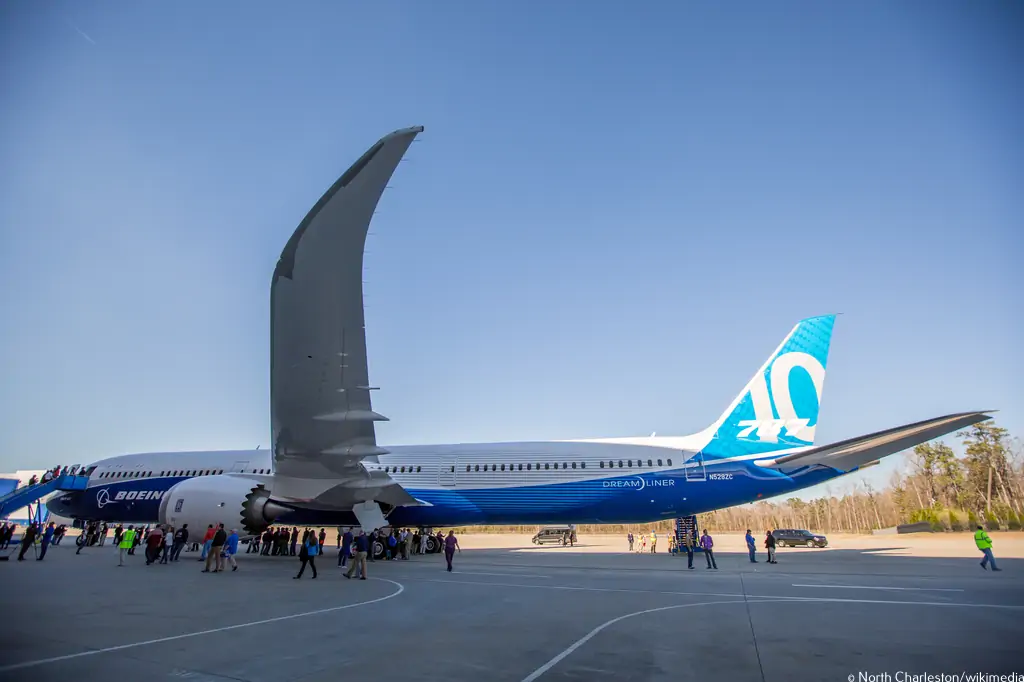
Air New Zealand, renowned for its unique network across the Pacific Rim, has faced delays in receiving its much-anticipated Boeing 787-10 aircraft. Originally slated for delivery in 2020, the onset of the COVID-19 pandemic pushed back the timeline to 2025, with recent updates suggesting a further delay until mid-2025. Let's delve into the reasons behind this delay, its implications, and how the airline is navigating through these challenges.
Background & Reasons for Delay
In 2019, Air New Zealand placed an order for ten Boeing 787-10 variants, adding to its existing fleet of 787-9s. These long-haul aircraft play a crucial role in the carrier's operations, connecting destinations across Asia, North America, and its flagship route, New York.
The delay in aircraft delivery can be attributed to several factors, including disruptions caused by the COVID-19 pandemic and production challenges at Boeing. Greg Foran, the airline's CEO, acknowledged Boeing's confirmation of the delay, impacting not only the delivery of the new aircraft but also the introduction of the innovative Skynest.
Implications, Mitigation & Future Plans
Such delays can pose significant challenges for airline expansion and operations. However, Air New Zealand anticipated these challenges and introduced dry-leased Boeing 777-300ERs in November 2024 to mitigate the impact. The carrier remains committed to its long-term strategy despite the setbacks, ensuring minimal disruption to its services.
Looking ahead, Air New Zealand expects to receive four Boeing 787-10 variants in the 2026 financial year, followed by two each year in 2027 and 2028. This phased approach allows the airline to gradually integrate the new aircraft into its fleet while ensuring operational stability.
Fleet Diversity and Innovation
Air New Zealand prides itself on its unique fleet composition, with Airbus narrowbody aircraft for short-haul operations and Boeing widebodies for long-haul flights. Additionally, the airline is exploring innovations in electric-powered aircraft, with a Beta ALIA eCTOL on order for cargo services, slated to join the fleet in 2026.
Conclusion
Despite the challenges posed by delayed aircraft deliveries, Air New Zealand remains resilient, adapting its strategies to ensure continued success. With a focus on fleet modernization, operational efficiency, and innovation, the airline is well-positioned to navigate through these turbulent times and continue serving its passengers with excellence.

Read next

Read next
https://twitter.com/shukla_
Read next
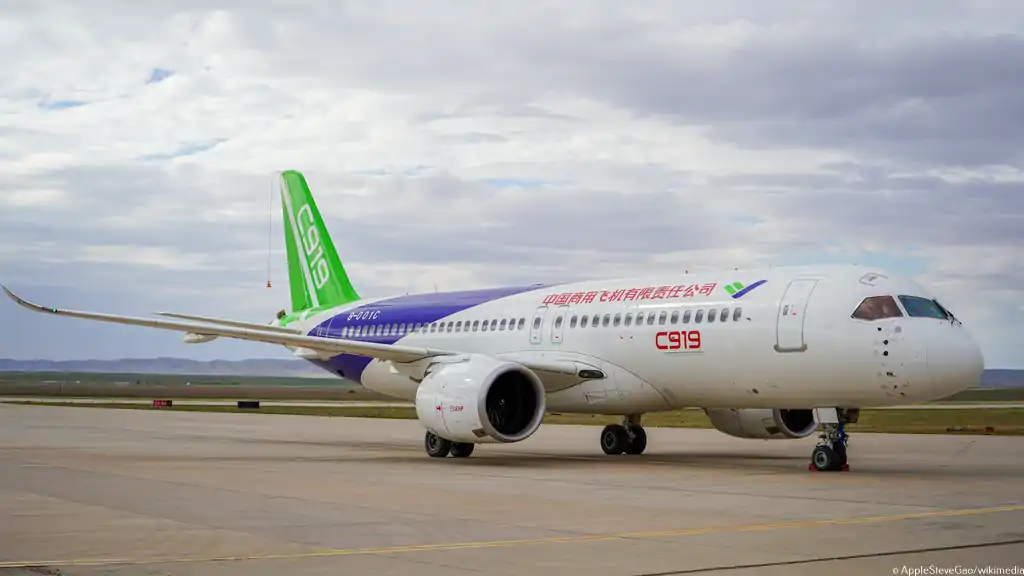
In a bold move at the Singapore Airshow, China's state-owned planemaker, COMAC, showcased its C919 and ARJ21 jets, marking a significant step in its pursuit of international certifications and foreign orders. Amidst supply chain woes plaguing industry giants Airbus and Boeing, COMAC's emergence stirred both excitement and skepticism among aviation professionals.
COMAC's Showcase at the Singapore Airshow: A Game-Changing Moment?
At the heart of the Singapore Airshow, COMAC's booth stood as a testament to its ambitions, attracting attention with the slogan "A reliable new choice." The debut of the C919 outside Chinese territory and a notable order from Tibet Airlines signaled COMAC's intent to challenge the dominance of Airbus and Boeing in the single-aisle jet market.
Industry Reception: Interest and Realism
While COMAC's presence garnered interest, industry leaders remained cautiously optimistic about its prospects. Despite accumulating over 1,000 orders predominantly from Chinese carriers, concerns loomed regarding international certifications. Without approvals from key regulatory bodies like the European Union Aviation Safety Agency (EASA), COMAC's global reach remains limited.
Challenges on the Horizon: Certification and Geopolitical Risks
The road ahead for COMAC is rife with challenges, including the certification process and geopolitical uncertainties. While partnerships with airlines like GallopAir and TransNusa demonstrate early traction, the timeline for regulatory approvals in regions like Brunei remains uncertain. Moreover, COMAC's reliance on Western suppliers for critical components poses geopolitical risks amid escalating tensions between China and the West.
Competition and Differentiation: Airbus and Boeing's Response
As COMAC seeks to disrupt the Airbus-Boeing duopoly, industry incumbents maintain a watchful eye. Airbus CEO Christian Scherer welcomed the competition but emphasized the lack of differentiation offered by the C919. Similarly, Boeing acknowledged COMAC's entry into the market as beneficial for the industry, signaling a willingness to embrace competition.
Looking Ahead: The Path to Competitiveness
Despite the hurdles, COMAC remains determined to expand its market presence. With plans to invest substantially in production capacity and develop domestic substitutes for Western parts, the company aims to establish itself as a formidable competitor in the global aviation landscape. However, the journey towards competitiveness will require navigating regulatory complexities, fostering innovation, and mitigating geopolitical risks.
Conclusion
COMAC's showcase at the Singapore Airshow marked a pivotal moment in its quest to challenge the Airbus-Boeing duopoly. While the road ahead is fraught with challenges, including regulatory approvals and geopolitical tensions, COMAC's ambition and determination signal a potential shift in the dynamics of the aviation industry. As stakeholders monitor its progress, the industry braces for increased competition and potential disruptions in the years to come.
With Inputs from Reuters
Read next
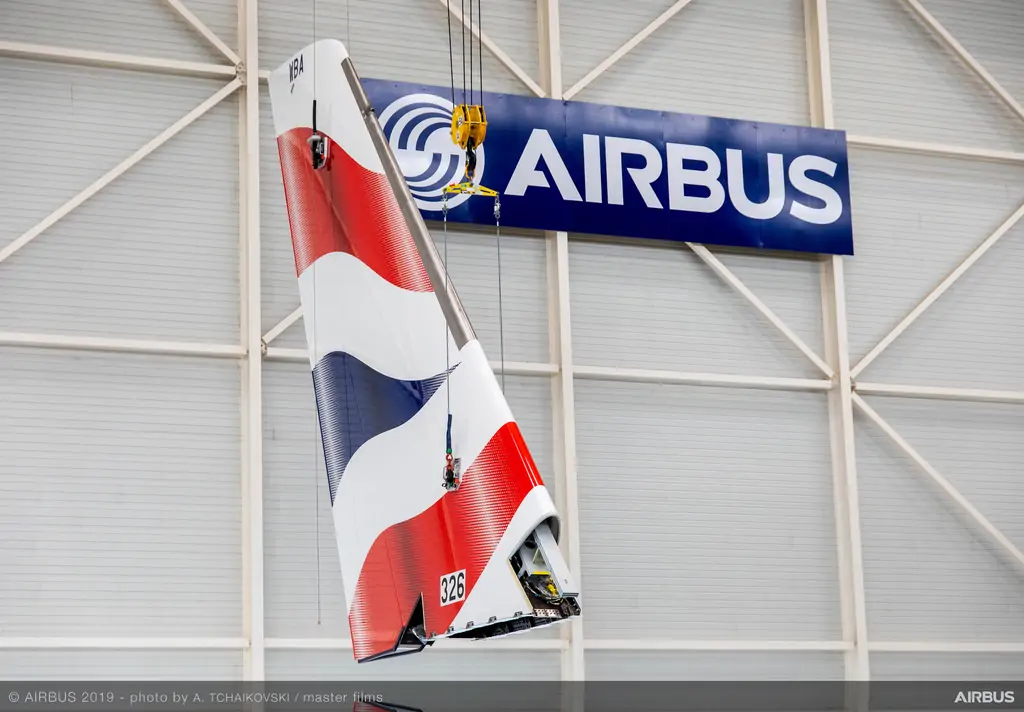
In a bid to fortify the integrity of the global aviation supply chain, key players in the aerospace industry have joined forces to confront the looming threat of unauthorized parts infiltrating critical aircraft components. On Thursday, a formidable coalition comprising industry titans such as Airbus, Boeing, and GE Aerospace emerged, signaling a collective determination to stem the tide of unauthorized parts slipping into circulation.
The Genesis of Concerns: CFM International's Revelations
The genesis of this collaborative endeavor can be traced back to revelations made by CFM International, a prominent jet engine manufacturer co-owned by GE Aerospace and Safran of France. Last year, CFM International disclosed a disquieting discovery: thousands of engine components might have been surreptitiously integrated into the supply chain, accompanied by counterfeit documentation. This unsettling revelation, unearthed through the labyrinth of the aviation supply network, prompted a proactive response from industry stalwarts.
Formation of the Aviation Supply Chain Integrity Coalition
In response to the urgent need for collective action, the Aviation Supply Chain Integrity Coalition was inaugurated on Thursday. Comprising a consortium of influential stakeholders, including major airlines like American Airlines, Delta Air Lines, and United Airlines, alongside prominent industry entities such as Safran and StandardAero, the coalition embodies a concerted effort to safeguard the sanctity of the aviation supply chain.
Former luminaries from the regulatory sphere, Robert Sumwalt, former Chairman of the National Transportation Safety Board, and John Porcari, former U.S. Transportation Deputy Secretary, have assumed the mantle of coalition co-chairs. Their esteemed leadership underscores the gravity of the coalition's mission and signals a commitment to effecting tangible change within the industry.
A Collective Resolve: Upholding Aviation Supply Chain Integrity
John Porcari, articulating the coalition's overarching objective, emphasized the imperative of finding enduring solutions to bolster the aviation supply chain's integrity. He underscored the pivotal role of the coalition in spearheading industry-wide initiatives aimed at fortifying the mechanisms for detecting and thwarting the ingress of unauthorized parts.
Charting a Course for Industry Resilience
As the Aviation Supply Chain Integrity Coalition embarks on its mission, the onus lies on its members to chart a course towards a more resilient and impregnable aviation supply chain. By harnessing collective expertise and leveraging synergistic partnerships, the coalition endeavors to erect robust safeguards that uphold the paramountcy of air safety.
Conclusion
Amidst mounting concerns over the proliferation of unauthorized parts within the aviation supply chain, the formation of the Aviation Supply Chain Integrity Coalition represents a watershed moment for the aerospace industry. With a formidable array of stakeholders rallying behind a shared vision of safeguarding air safety, the coalition epitomizes a unified front against the insidious threat of compromised supply chain integrity. As the coalition forges ahead, its endeavors hold the promise of fortifying the very foundation upon which the safety and reliability of air travel rest.
With Inputs from Reuters
Read next
JetBlue Pilots Chart Course for Standalone Bargaining Amid Merger Uncertainty
Abhishek Nayar
23 Feb 2024
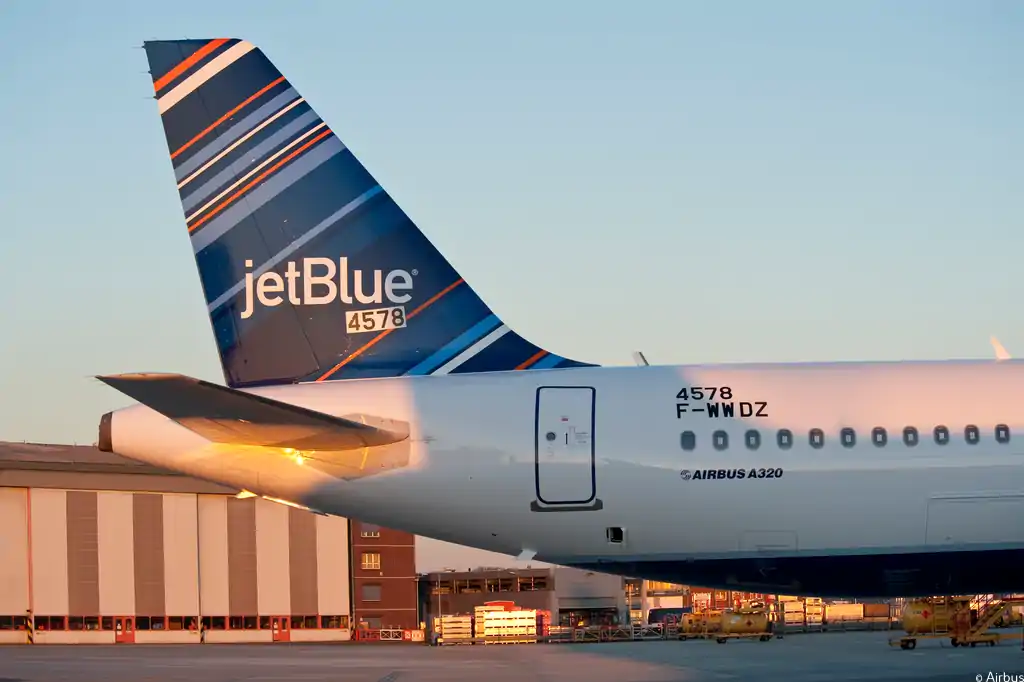
In a strategic move amidst the evolving landscape of the aviation industry, JetBlue Airways pilots are set to embark on a new journey. The Air Line Pilots Association (ALPA) announced on Wednesday that JetBlue pilot leaders will shift their focus from negotiating a joint collective agreement with Spirit Airlines to pursuing a standalone bargaining agreement with JetBlue.
Navigating Uncertainty & Redefining Priorities
The decision comes against the backdrop of uncertainty surrounding JetBlue's proposed merger with Spirit Airlines. While mergers often bring about changes and opportunities, they also introduce a level of unpredictability, prompting JetBlue pilot leaders to reassess their approach to securing favorable terms for their members.
Previously, the focus was on forging a joint collective agreement that would encompass pilots from both JetBlue and Spirit Airlines. However, with the merger landscape evolving, JetBlue pilot leaders have recalibrated their priorities, recognizing the importance of ensuring the best possible outcome for JetBlue pilots specifically.
JetBlue-Only Contract & ALPA's Support
The shift in focus signifies a commitment to advocating for the interests and welfare of JetBlue pilots. By pursuing a standalone bargaining agreement, JetBlue pilots aim to negotiate terms and conditions that are tailored to the unique dynamics and needs of the airline, its employees, and its operations.
The Air Line Pilots Association (ALPA) stands firmly behind JetBlue pilots as they embark on this new phase of negotiations. With decades of experience representing pilots across various airlines, ALPA brings invaluable expertise and resources to the table, bolstering JetBlue pilots' efforts to secure a favorable contract.
Stability, Security & Looking Ahead
Amidst the turbulence of the merger process, JetBlue pilots seek to provide stability and security for themselves and their families. A standalone bargaining agreement offers the opportunity to address key concerns such as compensation, work conditions, and career progression, ensuring that JetBlue pilots can continue to excel in their roles with confidence.
As negotiations for a standalone bargaining agreement commence, JetBlue pilots remain steadfast in their commitment to advocating for their interests while also keeping a keen eye on developments surrounding the proposed merger with Spirit Airlines. By staying proactive and adaptable, JetBlue pilots aim to navigate the evolving landscape of the aviation industry with resilience and determination.
Conclusion
The decision to shift focus towards negotiating a standalone bargaining agreement reflects JetBlue pilots' proactive approach to safeguarding their interests amidst uncertainty. With the support of the Air Line Pilots Association (ALPA), JetBlue pilots are poised to chart a course towards a brighter and more secure future, ensuring that they continue to soar to new heights in their careers.
With Inputs from Reuters
Comment