Will Jet Airways Fly Again? NCLAT Denies JKC’s Plea Amid Ongoing Legal Battle

Abhishek Nayar
30 May 2024
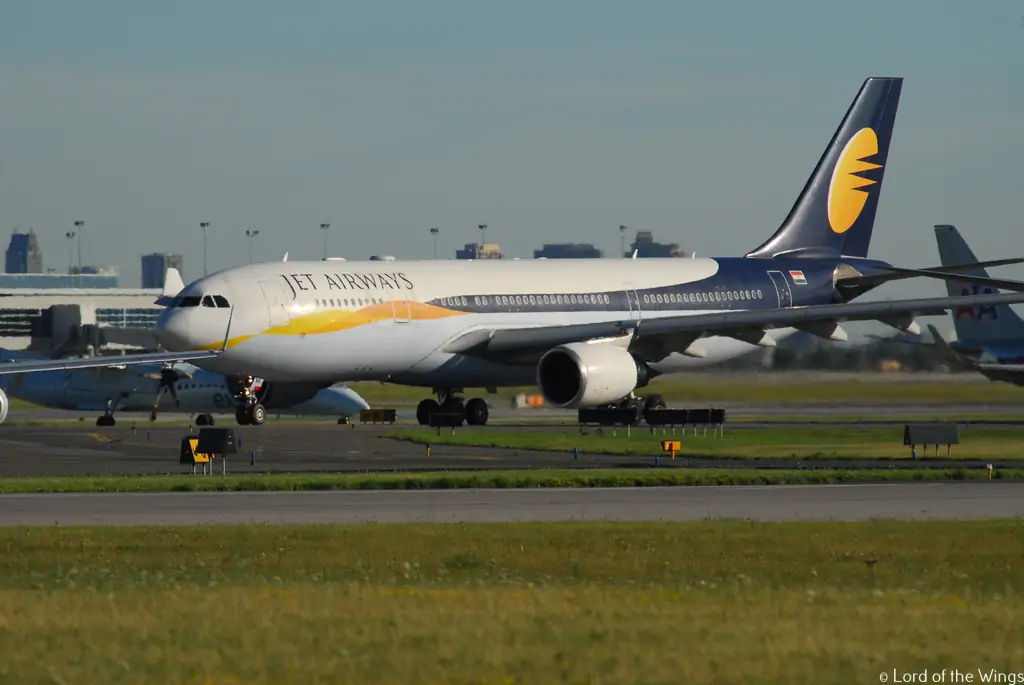
The tumultuous journey of Jet Airways towards revival faced another hurdle as the National Company Law Appellate Tribunal (NCLAT) dismissed an application by the Jalan Kalrock Consortium (JKC). The consortium sought to transfer Rs.200 crore, deposited in an account of Jet Airways’ lenders, to an interest-bearing escrow account. This development adds another layer of complexity to the ongoing legal disputes surrounding the once-iconic airline's revival.
Background
Jet Airways’ Bankruptcy and Acquisition
Jet Airways, once a premier airline in India, went bankrupt and ceased operations in April 2019. Following its insolvency, the Jalan Kalrock Consortium (JKC) emerged as the successful bidder to acquire the airline through the resolution process. Despite winning the bid, JKC and Jet Airways’ lenders have been embroiled in a series of legal disputes across various forums, including the Supreme Court of India.
The Current Legal Dispute
NCLAT’s Dismissal of JKC’s Application
On Tuesday, the NCLAT dismissed JKC’s application seeking to transfer Rs.200 crore to an interest-bearing escrow account. The tribunal ruled that since the matter is pending before the Supreme Court, it would not be appropriate to issue any directions at this point. This decision underscores the complexity and ongoing nature of the legal battle between JKC and the airline’s lenders.
Supreme Court Involvement
The legal tussle reached the Supreme Court after a State Bank of India (SBI)-led consortium of lenders challenged an earlier NCLAT order. This order had approved JKC’s resolution plan and directed the lenders to transfer ownership of Jet Airways to the consortium within 90 days. Additionally, the NCLAT had required JKC to secure an air operator’s certificate within this period, allowing Jet Airways to resume operations.
Financial Obligations and Controversies
JKC’s Rs.200 Crore Deposit
Following NCLAT’s directions, JKC deposited Rs.200 crore, part of the payment tranches under the resolution plan. The consortium was granted time until September 30 of the previous year to bring in these funds. However, the SBI-led consortium opposed JKC’s recent application, arguing that the consortium frequently moves miscellaneous applications to modify or interfere with court orders. This has contributed to the ongoing tensions and legal battles between the parties.
Future Prospects of Jet Airways
Challenges Ahead
The ongoing legal disputes and financial obligations pose significant challenges to the revival of Jet Airways. The resolution of these issues is critical for the airline to resume operations and regain its position in the market. The involvement of the Supreme Court is expected to provide clarity on the future course of action, but the timeline and outcome remain uncertain.
Stakeholders' Perspectives
Both JKC and the lenders have vested interests in the revival of Jet Airways. For JKC, successful acquisition and operation of the airline represent a significant investment and business opportunity. For the lenders, the revival is crucial for recovering their dues and mitigating financial losses.
Conclusion
The dismissal of JKC’s application by the NCLAT is a significant development in the ongoing saga of Jet Airways’ revival. As the matter now awaits the Supreme Court’s judgment, the future of the airline hangs in the balance. Stakeholders and aviation enthusiasts alike are keenly watching the developments, hoping for a resolution that could see Jet Airways take to the skies once again. The resolution of these legal and financial hurdles will be pivotal in determining whether Jet Airways can successfully relaunch and reclaim its legacy in the aviation industry.
With Inputs from Economic Times
Read next
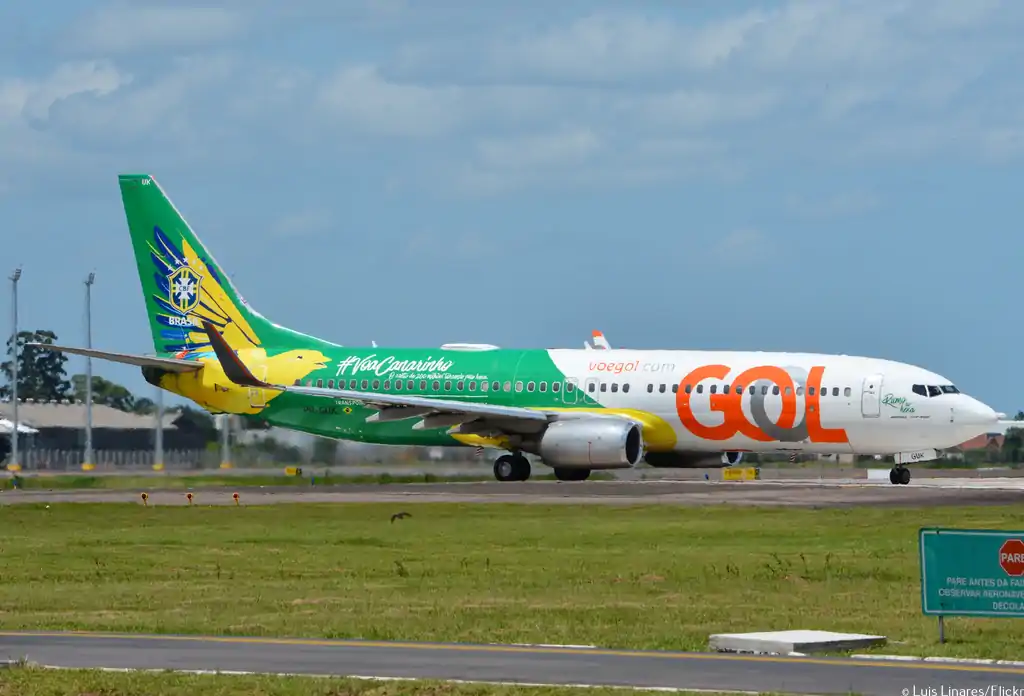
GOL Linhas Aéreas, Brazil’s prominent low-cost carrier, is navigating through turbulent skies as it works towards exiting the Chapter 11 bankruptcy process. With a comprehensive five-year financial plan in place, the airline is set to receive significant capital injections, expand its fleet, and strengthen its domestic and international presence. This strategic roadmap aims to revive GOL's pre-pandemic capacity and potentially reshape the Brazilian aviation landscape.
Financial Restructuring and Capital Injection
Earlier today, GOL announced its ambitious five-year recovery plan, underpinned by a substantial financial restructuring. The airline will receive over $1 billion in capital injections, crucial for its exit from Chapter 11 bankruptcy. Aiming to inject $1.5 billion in capital through new shares and refinance nearly $2 billion of its debt, GOL is setting the stage for a robust recovery.
Despite these optimistic moves, the announcement led to a 3.5% drop in GOL's shares, with the airline warning of a potential decline to "minimal value upon emergence" from bankruptcy. Nonetheless, GOL’s Chief Executive Officer, Celso Ferrer, expressed confidence in the restructuring process, highlighting the uninterrupted operations and effective cost management during this period.
Fleet Modernization and Expansion Plans
A pivotal aspect of GOL’s recovery strategy is its fleet modernization. Currently operating an all-Boeing 737 fleet, the airline plans to expand from 138 to 169 aircraft by 2029. This net increase of 31 planes will be achieved by retiring older models and integrating new ones. GOL's order book includes 88 new aircraft, consisting of 63 Boeing 737 MAX 8s and 25 Boeing 737 MAX 10s, though the latter are yet to be certified.
By 2026, GOL aims to return to its pre-pandemic capacity, focusing on both domestic and international network expansion. This goal has already seen initial steps with the recent announcement of a codeshare agreement with Azul Linhas Aéreas.
Strategic Alliances and Market Dynamics
Last week's codeshare agreement between GOL and Azul Linhas Aéreas sparked considerable industry speculation about a potential merger. This partnership allows both airlines to place their respective codes on routes operated by the other, creating over 2,700 one-stop connection opportunities. This strategic alliance not only expands their domestic networks but also hints at a deeper consolidation in Brazil’s aviation sector.
Brazil's domestic market is dominated by three major players: GOL, Azul, and LATAM Brasil (formerly TAM). GOL and Azul collectively account for 52% of available seats, indicating significant market control. Azul's CEO, John Rodgerson, has openly expressed interest in market consolidation, fueling rumors of a merger with GOL, although no official discussions have been confirmed.
Challenges and Future Prospects
While GOL's five-year plan is comprehensive, the path to recovery is fraught with challenges. The airline must navigate financial market reactions, operational hurdles, and competitive pressures. The significant drop in share value post-announcement underscores the skepticism among investors regarding GOL's ability to execute its recovery plan seamlessly.
However, the airline's solid track record of uninterrupted operations and successful renegotiations with aircraft lessors provides a foundation for optimism. GOL's strategic focus on fleet modernization, network expansion, and potential alliances places it in a favorable position to reclaim its pre-pandemic stature.
Conclusion
GOL Linhas Aéreas is charting a bold course towards recovery with a meticulously crafted five-year plan. As the airline works through its financial restructuring and fleet expansion, the aviation industry keenly watches its progress. The potential for market consolidation through strategic alliances adds another layer of intrigue to GOL's journey. With resilience and strategic foresight, GOL aims to soar high once again, reshaping Brazil's aviation landscape in the process.
Read next
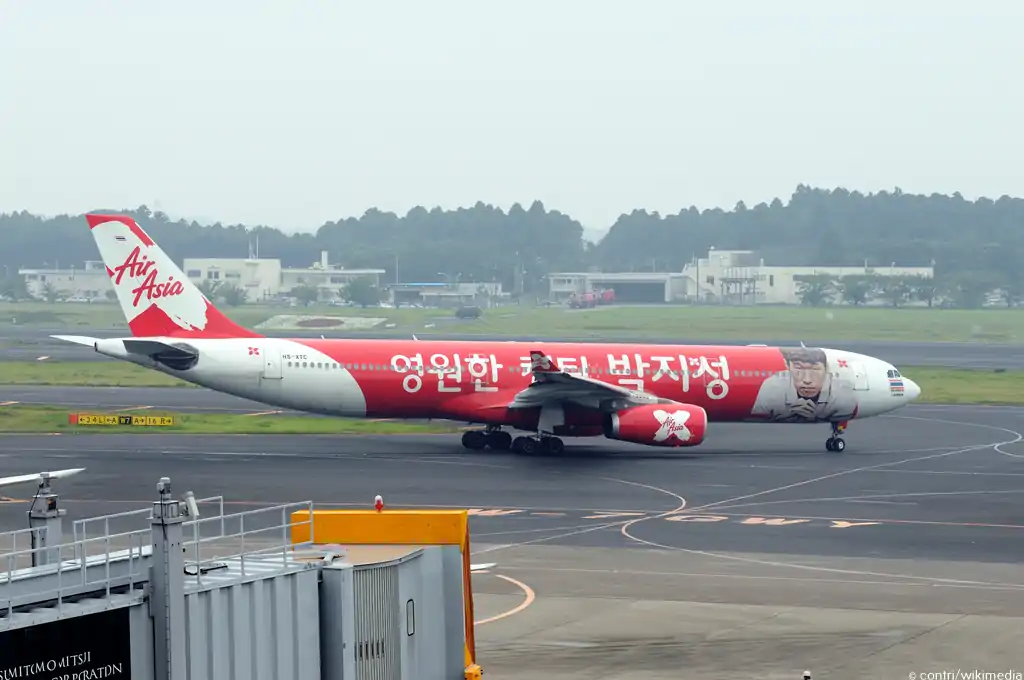
As AirAsia's corporate landscape undergoes significant changes, its affiliate, AirAsia X, has delivered a stellar performance in the first quarter of 2024 (1Q24). The medium-haul low-fare airline reported a remarkable 66% increase in revenue and a 90% surge in passenger numbers compared to the same period in 2023. This article delves into the details of AirAsia X's financial achievements, operational improvements, and future outlook amid ongoing corporate developments.
Financial Highlights: Record Revenue and Net Profit
AirAsia X generated revenue of RM908.9 million ($191 million) in 1Q24, marking a 66% year-on-year (YoY) increase. The airline's net profit for the quarter stood at RM80.1 million ($17 million), reflecting a healthy profit margin of 8%. Key to this revenue boost was a 3% rise in ancillary revenue, reaching a record RM251 million ($53 million). New product offerings and trendy food and beverages (F&B) from SANTAN, in collaboration with other F&B operators, contributed significantly to this growth.
Operational Success: Passenger Numbers and Load Factors
The airline carried 959,623 passengers in 1Q24, a 90% increase from the previous year. The passenger load factor improved by three percentage points, reaching an impressive 83%. The best-performing routes were in China, India, and Japan, with load factors exceeding 90%. Increased capacity, with available seat kilometers (ASKs) up 74% YoY, helped lower unit costs and enhance overall operational efficiency.
AirAsia X Thailand's Contribution
Affiliate AirAsia X Thailand (TAAX) also reported robust numbers, with 1Q24 revenue of RM543.4 million ($114 million), up 52% YoY. TAAX posted a net profit of RM46.4 million ($9.3 million), even after accounting for a foreign exchange loss of RM55.8 million ($11.2 million). The airline carried 437,764 passengers at a load factor of 89%. TAAX's fleet comprised seven Airbus A330s, with six operational at the end of the quarter.
Fleet Expansion and Future Prospects
AirAsia X's CEO, Benyamin Ismail, highlighted the airline's plans to reintegrate its remaining two aircraft into the operational fleet by July and November 2024. Ismail expressed enthusiasm for the longer-range Airbus A321XLR, which promises to enhance the airline's growth ambitions with its extended range and reduced cost base. This aircraft is expected to offer greater flexibility in network planning and lower the break-even point, thereby boosting margins.
Corporate Maneuvers: Acquisition and Synergies
In a significant corporate move, Capital A, the parent company of AirAsia, announced the sale of AirAsia Aviation Group to AirAsia X. This transaction includes AirAsia airlines in Malaysia, Indonesia, Thailand, Cambodia, and the Philippines. The acquisition will provide AirAsia X access to over 400 aircraft on order, including the Airbus A321XLR, facilitating its expansion amid delays in new aircraft production.
Ismail also highlighted the synergies within the broader AirAsia group, noting that Fly-Thru connectivity stands at 22%, led by Australia and India. These synergies, combined with the proposed acquisition, are expected to establish AirAsia X as a global low-cost network carrier group.
Expanding Horizons: Network Growth and Flight Frequencies
Capitalizing on the extension of the visa-exemption policy to China until 2025, AirAsia X expanded its network in 1Q24. The airline increased flight frequencies to popular Chinese destinations such as Chengdu, Beijing, and Shanghai, and added more flights to Bali, Indonesia. Overall, AirAsia X delivered an 85% YoY increase in the number of flight stages, totaling 3,184, with an average of 135 weekly flights.
Conclusion
AirAsia X's impressive performance in the first quarter of 2024 showcases its resilience and growth potential amid ongoing corporate changes. With record-breaking revenue, increased passenger numbers, and strategic expansion plans, AirAsia X is well-positioned to capitalize on future opportunities and strengthen its presence in the global aviation market.
Read next
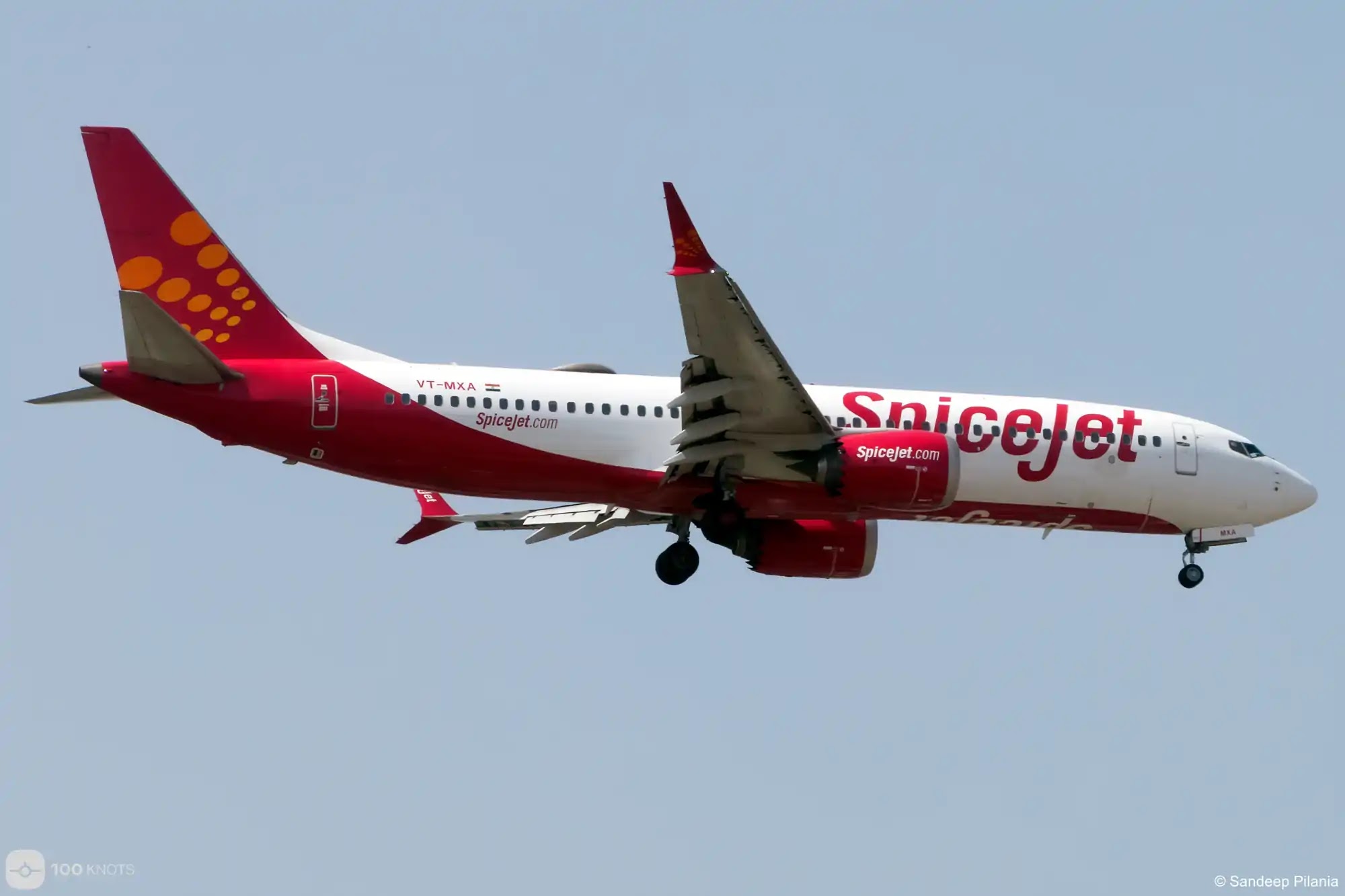
In a dramatic twist in the ongoing ownership saga of SpiceJet, the Sun Group and its chief, Kalanithi Maran, have announced their intent to seek over Rs 1,323 crore in damages from SpiceJet and its current chief, Ajay Singh. This move comes in addition to their decision to challenge a recent Delhi High Court ruling that favored the airline.
Background of the Dispute
Origins of the Ownership Battle
The roots of the conflict between SpiceJet and Maran trace back to January 2015. During this period, KAL Airways, controlled by Maran, transferred a 58.46% stake in SpiceJet to Ajay Singh. The transfer was part of a broader financial restructuring plan aimed at reviving the struggling airline.
Arbitration and Legal Proceedings
Maran and KAL Airways had paid SpiceJet Rs 679 crore for issuing warrants and preference shares under the share transfer agreement. However, Maran alleged that the airline failed to allot these warrants and preference shares, leading to arbitration proceedings. In July 2018, an arbitration panel ruled against Maran's claim for Rs 1,323 crore in damages but awarded him a refund of Rs 579 crore plus interest.
Recent Developments
Delhi High Court Ruling
On May 17, a division bench of the Delhi High Court overturned a single judge's order that had upheld the arbitral award, which mandated SpiceJet and Singh to refund Rs 579 crore with interest to Maran. This ruling brought significant relief to the financially struggling airline.
Sun Group’s Response
In response to the Delhi High Court's decision, the Sun Group issued a statement on Monday, announcing their plans to challenge the ruling. "On further consultation with their legal counsel, both KAL Airways and Kalanithi Maran have decided to challenge the recent judgement by Delhi High Court. They believe that the judgment is deeply flawed and warrants further scrutiny," the statement read.
The New Claim for Damages
FTI Consulting's Assessment
Alongside their legal challenge, the Sun Group is also pursuing damages exceeding Rs 1,323 crore, as assessed by FTI Consulting LLP, a UK-based firm specializing in evaluating losses from contractual breaches. This additional claim underscores the depth of the ongoing dispute and the potential financial implications for SpiceJet.
SpiceJet’s Counterclaim
Following the court’s decision, SpiceJet indicated last week that it would seek a refund of Rs 450 crore from the Rs 730 crore it had previously paid to Maran and his company. This counterclaim adds another layer of complexity to the already intricate legal battle.
What Lies Ahead?
Legal and Financial Implications
The upcoming legal challenges and the substantial claims for damages pose significant financial risks for SpiceJet. The outcome of these proceedings will be critical in determining the airline's financial stability and future operations.
Industry Impact
The prolonged dispute also has broader implications for the Indian aviation industry, highlighting the challenges of corporate governance and financial management within the sector.
Conclusion
The ongoing legal tussle between SpiceJet and Kalanithi Maran continues to unfold, with substantial financial stakes and potential industry-wide repercussions. As both parties gear up for the next phase of this battle, the aviation sector keenly watches for what comes next. The resolution of this conflict will be pivotal in shaping the future landscape of Indian aviation.
Read next

GoAir, once a prominent name in Indian aviation, finds itself in turbulent skies as it faces severe operational and financial challenges. Recently, the airline temporarily lost its airport slots and foreign bilateral rights to other major carriers like Air India and IndiGo, as reported by the Times of India (ToI). This move by the Civil Aviation Ministry aims to mitigate the impact on air passengers and ensure continuity in air travel services.
The Importance of Bilateral Air Services Agreements and Airport Slots
For airlines to operate international flights, countries must negotiate and sign a "bilateral air services agreement". These agreements determine the number of flights or seats permitted weekly between two countries. However, possessing flying rights alone is insufficient; airlines also require slots—specific dates and times for aircraft departures and arrivals—at both origin and destination airports. These slots are allocated by a committee comprising officials from the civil aviation ministry, the Directorate General of Civil Aviation (DGCA), airport operators, and airlines.
Redistribution of GoAir's Slots and Bilateral Rights
Following GoAir's bankruptcy, the Civil Aviation Ministry decided to redistribute the airline's slots and bilateral rights to help air passengers. Air India, Vistara, and IndiGo received a significant portion of GoAir's bilaterals, with Akasa Airlines also securing rights for destinations like Saudi Arabia, Kuwait, and Qatar. These reallocations have allowed other airlines to expand their international operations, providing relief to the industry and maintaining connectivity for passengers.
Rapid Expansion Plans of Other Airlines
The redistribution of slots and bilateral rights comes at a time when Tata Group's Air India and IndiGo are rapidly expanding their fleets, adding nearly one aircraft every week. AI Express and Akasa Airlines also plan to grow despite challenges posed by Boeing's issues with the B737 MAX aircraft, which both airlines have ordered. This expansion highlights the resilience and growth potential within the Indian aviation sector.
Financial Woes and Legal Battles
GoAir's financial troubles are deep-rooted, with the airline owing creditors over Rs 6,200 crore. Major creditors include Central Bank of India, Bank of Baroda, and IDBI Bank, with claims amounting to Rs 1,934 crore, Rs 1,744 crore, and Rs 75 crore, respectively. The airline is embroiled in a legal dispute with Pratt & Whitney (P&W) at the Singapore Court of Arbitration, seeking compensation of approximately Rs 8,000 crore. GoAir attributes its bankruptcy to P&W engine failures, which grounded many of its aircraft.
Strategic Withdrawal by EaseMyTrip
In a related development, Nishant Pitti, CEO of online travel company EaseMyTrip, announced the firm's decision to withdraw its bid for GoAir. The company intends to focus on its core areas of strength rather than diversifying into the troubled airline sector. Pitti emphasized their commitment to leveraging expertise and resources to achieve sustainable growth and success in their primary business domain.
Conclusion
The redistribution of GoAir's slots and bilateral rights marks a significant shift in the Indian aviation landscape. While it alleviates some challenges faced by passengers, it underscores the airline's ongoing financial and operational struggles. As Air India, IndiGo, and other carriers continue to expand, the future of GoAir remains uncertain, entangled in legal battles and mounting debts. The aviation industry, passengers, and stakeholders will keenly watch how these developments unfold.
Read next

In a significant legal development, the division bench of the Delhi High Court has directed SpiceJet Ltd, a prominent low-cost carrier in India, to return two Boeing aircraft and three aircraft engines to its lessor, TWC Aviation Capital. This ruling comes after the airline failed to pay dues amounting to $14 million, as determined by a UK court. The High Court's decision underscores the severe financial challenges facing SpiceJet and raises questions about the airline's future operations.
Background
The legal tussle between SpiceJet and TWC Aviation Capital began when the latter leased aircraft and engines to the airline in 2019 for a term of 12 months, with a basic rent of $180,000 per month. As SpiceJet failed to meet its lease payment obligations, TWC sought legal recourse from the High Court of Justice in England and Wales, which ruled in favor of the lessor. Subsequently, TWC approached the Delhi High Court to enforce the UK court's order.
Interim Orders and Division Bench's Ruling
On May 15, a single judge of the Delhi High Court issued an interim order directing SpiceJet to return the aircraft and engines to TWC by May 28. The airline appealed against this order, but the division bench comprising Justices Rajiv Shakdher and Amit Bansal dismissed the appeal on Monday, granting SpiceJet time until June 17 to comply with the order.
Arguments Presented
SpiceJet's Position
Senior counsel Amit Sibal, representing SpiceJet, argued that the Delhi High Court lacked jurisdiction to adjudicate the matter, suggesting that the issue of jurisdiction would be contested before the single judge. Sibal also highlighted the airline's precarious financial situation, proposing to pay $500,000 per week for the next five weeks as an alternative to immediate compliance. He emphasized the operational challenges posed by the removal of the engines, which constitute 7.5% of SpiceJet's fleet.
TWC's Position
Senior counsel Dayan Krishnan, representing TWC, underscored the lessor's favorable ruling from the UK court and criticized SpiceJet for non-compliance. Krishnan pointed out that SpiceJet had not only failed to pay the lease dues but had also cannibalized the leased aircraft and engines for parts to service other planes.
Court's Observations
During the hearing, Justice Shakdher noted that SpiceJet's outstanding dues amounted to Rs 120 crore. He expressed concern over the airline's practice of detaching engines from leased aircraft, which raised questions about compliance and operational integrity.
Implications for SpiceJet
The Delhi High Court's ruling places significant pressure on SpiceJet to settle its dues and return the leased assets, which could impact its operational capacity. The airline, already struggling to maintain its fleet, faces additional challenges in replacing the engines without disrupting its services.
Conclusion
The ongoing legal battle between SpiceJet and TWC Aviation Capital highlights the financial strains on the airline and the broader implications for its operations. As the June 17 deadline approaches, all eyes will be on SpiceJet's next steps and its ability to navigate these turbulent times. The resolution of this dispute will be crucial for the airline's future, as it strives to maintain its position in the competitive aviation market.
With Inputs from Economic Times
Comment