
In the world of international business, particularly in high-stakes industries like aviation, major decisions often walk a fine line between commercial strategy and political influence. Taiwan's China Airlines, currently evaluating whether to refresh its long-haul fleet with Boeing or Airbus aircraft, finds itself at this crossroads. But according to its chairman, the airline is solely focused on business factors when making this multibillion-dollar decision.
The Choice: Boeing 777X vs. Airbus A350-1000
China Airlines, Taiwan’s largest carrier, is in the midst of choosing between Boeing’s 777X and Airbus’s A350-1000 to replace its fleet of 10 Boeing 777-300ERs. These aircraft are primarily used on long-haul flights to the United States and high-density regional routes. The airline’s decision will shape its fleet for decades to come, as it navigates a complex set of considerations—ranging from operational efficiency to route capacity.
While multibillion-dollar aircraft purchases are often influenced by geopolitics, especially given Taiwan's unique international standing, China Airlines' chairman, Hsieh Shih-chien, insists that the choice is purely commercial. "When it comes to buying aircraft, it is only China Airlines ourselves who makes the assessment. I want to clarify this," Hsieh emphasized when addressing concerns about political pressure.
Political Backdrop: U.S. Relations and Chinese Sovereignty Claims
Taiwan’s relationship with both China and the United States naturally adds an underlying tension to this decision. While China claims Taiwan as part of its territory, the democratic government in Taipei rejects this assertion. The U.S. remains Taiwan’s primary international ally and arms supplier, despite the absence of formal diplomatic ties.
Given this political environment, decisions involving Taiwan’s largest state-owned entities, including China Airlines, tend to attract attention. While Hsieh maintains that there is no political pressure, industry insiders suggest that timing could complicate the situation, particularly with the U.S. election approaching in November.

Historical Context: Boeing and Airbus in Taiwan
China Airlines’ relationship with Boeing has already demonstrated its sensitivity to geopolitical events. Following then-U.S. House Speaker Nancy Pelosi’s controversial visit to Taipei in 2022, which sparked military exercises by China, China Airlines made headlines by placing a $4.6 billion order for Boeing’s 787 Dreamliner. This decision was seen by some as a politically significant move, aligning with the U.S., Taiwan’s most important ally. The 787s are expected to replace China Airlines’ aging Airbus A330s, with deliveries beginning next year.
At the same time, China Airlines operates a mixed fleet, including 15 of the smaller Airbus A350-900s, and has also incorporated Boeing's freighter versions of the 777. Additionally, the airline is replacing its older Boeing 737-800s with 11 new Airbus A321 aircraft, scheduled to arrive by 2026.
What’s at Stake: Beyond the Aircraft
While Hsieh maintains that the airline’s decision is based solely on its own assessments, the implications go beyond just efficiency and route optimization. Given the sensitive political dynamics, the outcome of China Airlines’ fleet refresh could be interpreted as a signal of Taiwan’s commercial and diplomatic allegiances. A deal with Boeing might be seen as favoring closer ties with the U.S., while Airbus, being a European manufacturer, may present a more neutral choice.
Despite these external factors, China Airlines appears committed to a pragmatic approach, focusing on what works best for the airline’s long-term goals.
Conclusion: A Strategic Decision Under the Spotlight
As China Airlines evaluates the Boeing 777X and Airbus A350-1000 for its long-haul fleet, the decision is framed as purely strategic, devoid of political pressure. But given Taiwan's geopolitical situation, the outcome will likely be scrutinized by observers both within the aviation industry and beyond. Regardless of the choice, China Airlines' fleet refresh will have far-reaching implications for its future operations and international perceptions of Taiwan’s economic and political ties.
Whether the airline ultimately selects Boeing or Airbus, the decision will reflect not only on China Airlines' operational needs but also on Taiwan's delicate balancing act on the global stage.
With Inputs from Reuters

Read next
IndiGo's Humble Tribute to Ratan Tata: Walking Alongside Air India to Elevate Indian Aviation
Abhishek Nayar
12 Oct 2024
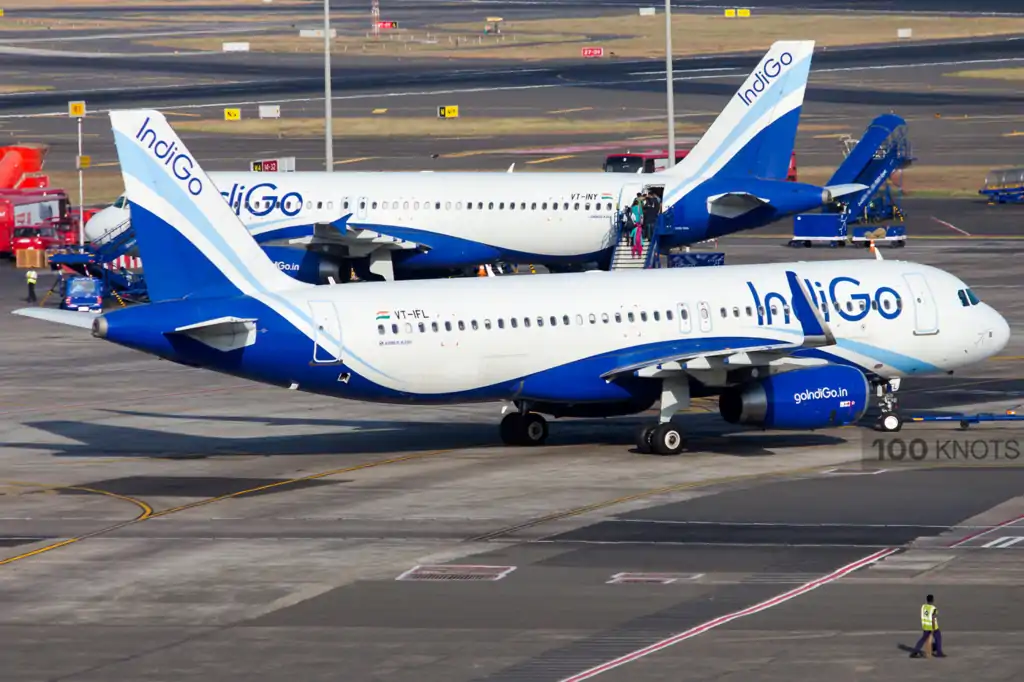
The Indian aviation industry lost a visionary and an icon with the passing of Ratan Tata, Chairman Emeritus of Tata Sons, on Wednesday night. Known for his leadership and passion, Tata’s impact transcended industries, but his deep love for aviation was especially well known.
In a heartfelt tribute, Rahul Bhatia, Managing Director of InterGlobe Enterprises, which owns India’s largest airline, IndiGo, made a statement reflecting his admiration for Tata and his legacy. Bhatia emphasized that IndiGo would join forces with Air India to secure India’s rightful place on the global aviation stage.
Ratan Tata: A Man with a Vision for Indian Aviation
Ratan Tata’s passion for aviation was legendary. As the head of the Tata Group, he oversaw the return of Air India to its original family roots, a moment that marked the resurgence of a national carrier that had long been entwined with India’s history. Tata’s vision for Indian aviation was not only about restoring glory to Air India but also about ensuring the country’s global prominence in the skies. His deep commitment to the industry and his fascination with "flying machines" left an indelible mark on the sector.
Rahul Bhatia’s Tribute: A Modest Walk with Giants
In his statement, Bhatia expressed his profound respect for Tata, acknowledging his modest position in comparison to the giant legacy Tata had built. “While I am much too small a man to say this,” Bhatia remarked, “IndiGo will, ever so modestly, walk alongside Air India to secure India's rightful seat at the centre stage of global aviation.” These words reflect Bhatia’s desire to uphold Tata’s vision and contribute to the growth of Indian aviation. Despite being competitors in the market, Bhatia’s message was one of unity and shared responsibility for the future of India’s aviation industry.
A Personal Connection: Rahul Bhatia’s Early Encounter with Ratan Tata
Bhatia shared a personal anecdote from his early career, recalling a meeting with Ratan Tata in 1985 after returning from college. During this meeting, the two discussed the possibility of a collaboration between the Tata Group, Nortel (then Northern Telecom), and the predecessor of InterGlobe Enterprises. Although the collaboration did not materialize, the encounter left a lasting impression on Bhatia, who was struck by Tata’s "refreshing openness and disarming humility." This interaction encapsulates Tata’s character: a man who, despite his monumental achievements, remained grounded and approachable.
A Moment of Reflection for India’s Aviation Future
Bhatia’s tribute comes at a critical juncture for Indian aviation. Air India, now under the Tata Group’s ownership, and IndiGo, the country’s largest carrier, stand as symbols of India’s growing influence in the global aviation market. The global stage awaits, and both airlines play pivotal roles in securing India’s place. Bhatia’s words not only honor Tata’s legacy but also signal a vision of collaboration between Air India and IndiGo—two giants with the potential to elevate Indian aviation to new heights.
Conclusion: Carrying Forward a Legacy
At this difficult time, Rahul Bhatia expressed his deepest condolences to the Tata family and the employees of Tata Group, highlighting the profound sense of loss felt across the nation. However, his tribute also serves as a reminder that Ratan Tata’s legacy will continue to inspire those in Indian aviation to push forward. Whether through IndiGo or Air India, the mission remains the same: to carry Indian aviation to the center of the global stage, just as Tata envisioned.
With leaders like Bhatia committed to this cause, India’s skies seem set for a bright future, reflecting the timeless contributions of one of its greatest visionaries.
Read next
How Did Delta Air Lines Post a $1.2 Billion Profit Despite a Major IT Outage?
Abhishek Nayar
12 Oct 2024
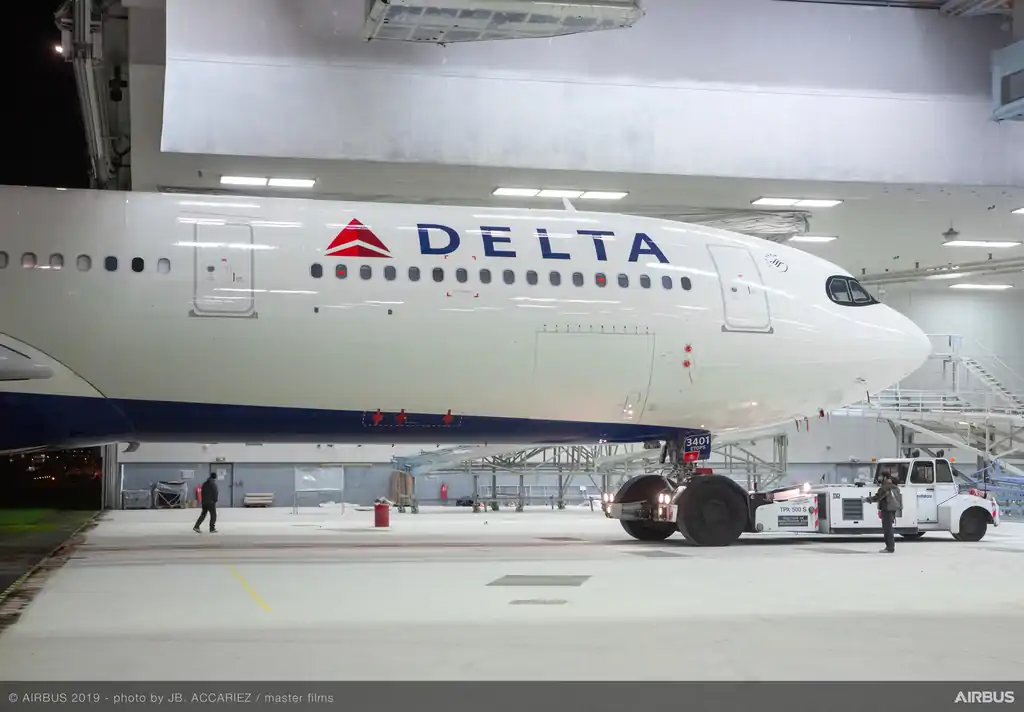
Delta Air Lines recently posted its third-quarter (Q3) results, showcasing an impressive $1.2 billion net income, despite facing a significant challenge: a global IT outage caused by CrowdStrike’s system update. The incident led to over 7,000 flight cancellations in July, and the airline was hit hard. However, Delta still managed to finish the quarter strong. Let’s take a closer look at how Delta Air Lines achieved this remarkable feat.
The CrowdStrike Outage: What Happened?
In July, CrowdStrike, a cybersecurity software provider, experienced a global IT outage during a system update. The outage, which spanned from July 19 to July 29, severely impacted Delta Air Lines, leading to flight cancellations that extended to July 31.
While other airlines recovered operations within a day or two, Delta faced a more prolonged disruption, likely contributing to passenger frustration and financial losses. As reported in a lawsuit by passengers, the airline's response lagged behind its competitors.
The Financial Fallout of the IT Outage
Delta Air Lines' Q3 financial statements highlighted the significant toll of the outage:
- Revenue Loss: $380 million in direct revenue was lost due to refunds and customer compensation (both in cash and SkyMiles).
- Operational Setbacks: Key metrics, including Total Revenue per Available Seat Mile (TRASM), were lower year-on-year (YoY), with ASM down by 1.5% and TRASM down by 1.1%.
Despite this, Delta’s net income grew from $1.1 billion in Q3 2023 to $1.2 billion in Q3 2024. How did they manage this growth amidst such adversity?
Key Factors Behind Delta’s Q3 Profit
Employee Dedication and Profit Sharing
Delta’s CEO, Ed Bastian, credited the airline's employees for their resilience during the difficult quarter. Recognizing their efforts, Delta accrued nearly $1 billion in profit sharing, which will be distributed in February 2025. This internal culture of appreciation and teamwork contributed to a smoother recovery, helping Delta stay operationally competitive.
Strategic Financial Maneuvering
While the airline's operating income dropped by 30% to $1.39 billion, Delta saw a significant turnaround in its non-operating income/expenses. In Q3 2023, Delta incurred $463 million in non-operating expenses, but in Q3 2024, this figure shifted to a $164 million non-operating income. This swing allowed the airline to offset some of the losses from the IT outage.
Additionally, Delta benefited from a $124 million lower tax provision YoY, which further bolstered its bottom line.
Lower Fuel Costs
Fuel prices have historically been one of the most significant costs for airlines. In Q3 2024, Delta saw a 9% reduction in fuel prices per gallon compared to the same period in 2023. This decrease helped offset some of the financial impact of the outage and allowed the airline to maintain profitability.
Industry Strength and Demand
Delta benefited from a strong industry environment with robust demand for air travel. This helped mitigate the financial blow caused by the outage, with Bastian stating that Delta was well-positioned to finish the year on a high note.
Looking ahead, Delta is projecting a 30% year-on-year growth in pre-tax profits for the fourth quarter (Q4), with estimated total revenues ranging from $13.9 billion to $14.2 billion, a 2% to 4% increase YoY. Capacity is also expected to grow by 3% to 4%, which will help drive further revenue growth.
Future Outlook: Will Delta Bounce Back in Q4?

Despite the hurdles in Q3, Delta Air Lines is optimistic about its Q4 performance. Bastian highlighted strong demand, with the airline expecting to post one of its most profitable final quarters in history. Delta anticipates improving its operating margin to 11% to 13% and maintaining cost discipline, with costs per ASM (excluding fuel) only rising by 3%.
Furthermore, Delta is set to increase capacity by 3% to 4%, which, combined with the improved operating conditions, positions it for a strong finish to the year.
Conclusion: A Resilient Airline in Challenging Times
Delta Air Lines' ability to post a $1.2 billion profit in a quarter marked by massive flight cancellations and operational disruptions speaks volumes about its resilience. Strong financial management, employee dedication, lower fuel prices, and an improving industry backdrop all contributed to this outcome.
As Delta looks toward an even more profitable Q4, the lessons from this challenging quarter will likely serve to strengthen the airline's operational and financial strategies moving forward. Despite the IT outage, Delta continues to lead the airline industry both operationally and financially, setting a high bar for its competitors.
Read next
SpiceJet Resolves $131.85 Million Dispute with BBAM for $22.5 Million Amid Expansion Plans
Abhishek Nayar
11 Oct 2024

In a significant move, Indian budget carrier SpiceJet has successfully settled a long-standing dispute with Irish lessor Babcock & Brown Aviation Management (BBAM) for a fraction of the original amount. The settlement, which totals $22.5 million, is a sharp reduction from the initial claim of $131.85 million (around Rs.1,107 crore). This development is part of the airline’s broader financial and operational restructuring efforts, bolstered by a recent capital raise.
Background: Dispute with BBAM
The dispute involved three BBAM-managed entities — Horizon Aviation 1 Ltd., Horizon II Aviation 3 Ltd., and Horizon III Aviation 2 Ltd., which had leased aircraft to SpiceJet. The lessors had previously sought $131.85 million in claims. The amicable settlement of $22.5 million represents a significant financial breakthrough for the airline, allowing it to address its obligations at a reduced liability.
This settlement marks a major achievement in SpiceJet’s ongoing strategy to strengthen its financial standing and restore operations to pre-pandemic levels.
Previous Settlements: A String of Resolutions
The BBAM settlement follows closely on the heels of another notable financial resolution for SpiceJet. On September 24, the airline successfully resolved a separate dispute with Engine Lease Finance Corporation (ELFC), which had initially claimed $16.7 million. Although the details of the ELFC settlement remain undisclosed, it was achieved for an amount lower than the original claim, further showcasing SpiceJet's efforts to minimize liabilities.
QIP: SpiceJet’s Successful Fundraising Initiative

In September, SpiceJet raised ?3,000 crore through a Qualified Institutional Placement (QIP), attracting prominent investors like Goldman Sachs (Singapore), Morgan Stanley Asia, Tata Mutual Fund, and Discovery Global Opportunity Ltd. The successful QIP has not only fortified the airline's balance sheet but also provided the liquidity needed to fuel its expansion plans.
Ajay Singh, Chairman and Managing Director of SpiceJet, noted that the settlement with BBAM, combined with the QIP fundraising, positions the airline well for future growth and recovery. “This landmark settlement with BBAM allows us to significantly reduce our liabilities and reinforces our efforts to emerge as a more robust airline. Together with the funds raised through our QIP, we are well-positioned to focus on growth, ungrounding our fleet, and expanding our services,” Singh said.
Fleet Expansion: SpiceJet Looks to the Future
In another sign of SpiceJet’s ambitious recovery plans, the airline has announced it will add 10 more aircraft to its fleet by the end of November 2024. Of these, seven will be leased, while three previously grounded aircraft will be reintroduced into service. The fleet expansion is expected to enhance SpiceJet’s operational capacity and enable it to meet increasing passenger demand.
With these strategic steps, SpiceJet aims to regain its position as one of India’s leading low-cost carriers, focusing on operational efficiency and improved services.
Conclusion: A New Era for SpiceJet
SpiceJet’s series of financial settlements and successful fundraising through its QIP have put the airline on a more stable footing. The resolution of the BBAM dispute for $22.5 million is a key milestone in reducing liabilities, allowing the airline to concentrate on future growth. With fleet expansion plans underway, SpiceJet appears well-prepared to soar higher, recovering from financial challenges and positioning itself for long-term success.
Read next
Is Akasa Air’s Partnership with Rolls-Royce a Game-Changer for Indian Aviation?
Abhishek Nayar
11 Oct 2024

In a strategic leap towards operational excellence, Akasa Air has announced a collaboration with Rolls-Royce & Partners Finance (RRPF) Engine Leasing (India) IFSC Pvt Ltd. This partnership, formalized on September 30, 2024, marks a key milestone for both companies. Under the terms of the deal, RRPF will provide a long-term sale and leaseback solution for two LEAP-1B engines, which are scheduled for delivery in October 2024.
This agreement signifies a pivotal moment for Akasa Air, which has steadily grown its market presence since its launch in 2022. But why is this partnership garnering so much attention? Could this collaboration between Akasa Air and Rolls-Royce alter the dynamics of India’s aviation sector?
Breaking Ground at GIFT City: A Landmark Transaction
This partnership is a first of its kind for RRPF, marking its debut transaction through its new entity at the International Financial Services Centre (IFSC) in Gujarat’s GIFT City. GIFT City has quickly risen as a hub for financial services, providing a fertile environment for international players to invest and expand into India’s rapidly growing aviation market.
According to a notification from Rolls-Royce & Partners Finance, “This milestone deal is our first transaction through the new entity and a first step in our ambition to further develop our presence and create long-term partnerships with new customers in the region through lease solutions.”
For Akasa Air, this collaboration is much more than a business deal; it’s a strategic move that could redefine the airline’s future trajectory.
Why the LEAP-1B Engines Matter: Enhancing Operational Efficiency
The LEAP-1B engines, manufactured by CFM International, are known for their advanced fuel efficiency and lower emissions. By opting for the LEAP-1B engines, Akasa Air aims to increase operational efficiency, reduce fuel costs, and align with global sustainability goals. With the aviation industry focusing on green technologies and minimizing carbon footprints, this choice is both financially and environmentally strategic.
Priya Mehra, Chief of Governance & Strategic Acquisitions at Akasa Air, expressed enthusiasm about the partnership: “We recognize the importance of aligning with innovative partners who share our vision for the future. This collaboration is a testament to our proactive approach in navigating the complexities of the aviation landscape.”
A Win-Win Scenario for Indian Aviation Finance
For Rolls-Royce & Partners Finance, the deal reflects its commitment to expanding in the Indian market. According to Darragh O'Callaghan, Director of Sales & Marketing at RRPF, the company is thrilled to establish its first office in India, at a time when the country’s aviation sector is experiencing tremendous growth.
India’s aviation market is poised for significant expansion over the next decade, with rising passenger traffic and increasing demand for aircraft. This partnership allows RRPF to position itself as a key player in India’s aviation finance landscape. It also aligns with the government’s vision of making GIFT City a leading global financial center.
Akasa Air’s Growth Story: Two Years of Soaring Success
Akasa Air, which celebrated its second anniversary in August 2024, has quickly emerged as a strong competitor in the budget airline space. The carrier now operates to 22 domestic and five international destinations, serving over 11 million passengers to date. With more than 900 weekly flights, Akasa Air has managed to carve out a niche by offering reliable and affordable services to a growing number of Indian and international travelers.
The airline is also on track for profitability, with plans to increase seat capacity by 50% annually. This impressive growth trajectory highlights Akasa Air’s potential to become a dominant player in India’s aviation sector, further fueled by partnerships like the one with Rolls-Royce.
What’s Next for Akasa Air?
This partnership opens new doors for Akasa Air to access cutting-edge engine technology, while also benefiting from RRPF’s financial and leasing expertise. As the airline expands its fleet and increases its international reach, the long-term sale and leaseback solution could offer much-needed flexibility and financial stability.
Furthermore, this deal positions Akasa Air as a forward-thinking airline, embracing partnerships that not only enhance its operational efficiency but also contribute to the growth of India’s aviation finance sector.
Conclusion: A Turning Point for Indian Aviation?
Akasa Air’s partnership with Rolls-Royce & Partners Finance is a significant milestone, not just for the airline but for India’s aviation sector as a whole. With both companies focusing on innovation, efficiency, and sustainability, this collaboration is likely to set a precedent for future deals in the region.
As India’s aviation market continues to soar, partnerships like these could prove crucial in navigating the evolving landscape. The question now is: Will this be the catalyst for more innovative financing solutions in India’s aviation industry?
Read next
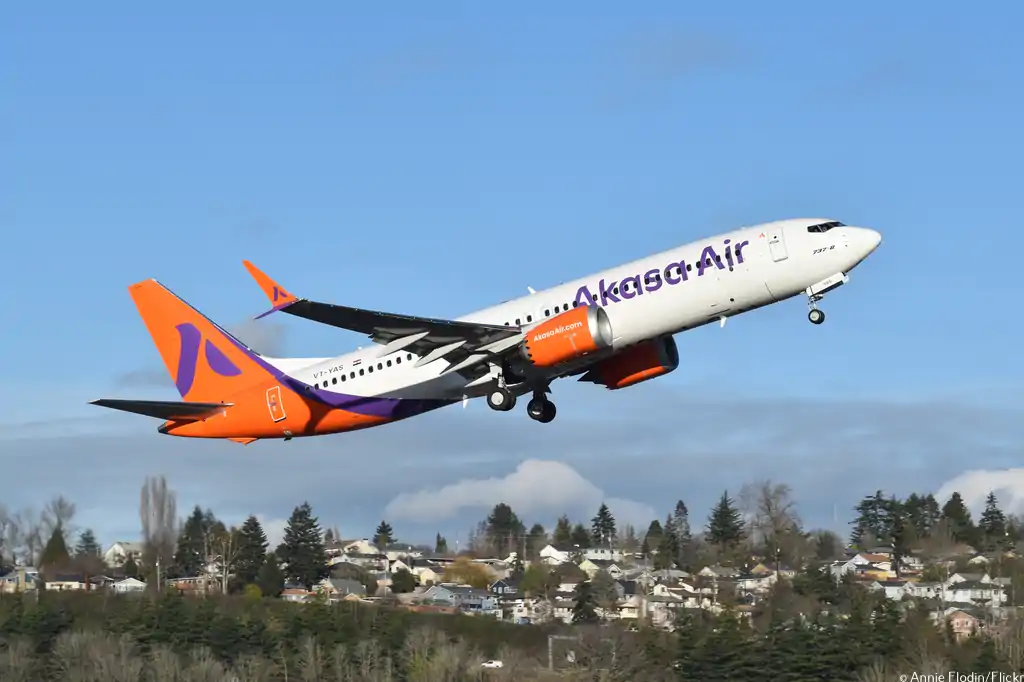
Amid growing safety concerns involving Boeing 737 planes, Akasa Air has swiftly reassured its passengers that there will be no disruptions to its flight operations. The announcement comes in response to the latest advisory from the Directorate General of Civil Aviation (DGCA), issued after a probe revealed potential risks related to the rudder control systems in Boeing 737 aircraft.
Operating a fleet of 25 Boeing 737 MAX planes, Akasa Air confirmed that the identified issue would not affect its flight schedule. The airline, in an official statement, emphasized that they remain unaffected by the advisory while continuing to comply with safety regulations.
What Triggered the DGCA Advisory?
The advisory stems from a recent report by the U.S. National Transportation Safety Board (NTSB), which brought to light concerns regarding Collins Aerospace SVO-730 Rudder Rollout Guidance Actuators installed in Boeing 737 aircraft. The rudder rollout guidance actuator is a crucial component that ensures the rudder aligns with the airplane’s nose wheel during critical phases of flight, such as takeoff and landing.
Boeing had already alerted affected operators in August, highlighting a potential condition with the rudder guidance system. As a result, the DGCA, India’s aviation watchdog, acted by issuing an advisory aimed at ensuring heightened safety checks on Boeing 737 planes, including the MAX variants.
Akasa Air’s Fleet and the Impact on Operations
Despite the concerns raised, Akasa Air maintains that its fleet remains fully operational. The airline confirmed that the advisory would not affect its schedule and that it continues to monitor the situation closely.
In addition to Akasa Air, other Indian carriers, including Air India Express and SpiceJet, also operate Boeing 737 planes. Together, these airlines have close to 100 such aircraft in service, making the DGCA's advisory critical for maintaining aviation safety.
DGCA’s Safety Measures: Impact on Low Visibility Operations
As part of its advisory, the DGCA mandated that all Category III B operations, which refer to flight approaches, landings, and rollouts in low visibility conditions, must be suspended for affected Boeing 737 planes until further notice. This includes both actual and practice autoland operations.
Category III B operations are especially critical for airports where fog or other weather conditions can significantly reduce visibility. Airlines typically rely on advanced guidance systems to safely land in such conditions. The suspension of these operations is a precautionary measure until the potential rudder control issue is fully addressed.
What’s Next for Boeing 737 Operators?

With the DGCA advisory in place, Indian airlines operating Boeing 737 planes will need to adhere to specific guidelines, including the suspension of low visibility operations. However, routine flight operations remain unaffected, and airlines like Akasa Air have reiterated their commitment to safety.
The advisory serves as a reminder of the aviation industry's constant vigilance when it comes to aircraft safety. As more information emerges from ongoing investigations and Boeing's response to the situation, airlines will adjust their operations to ensure passenger safety remains the top priority.
Conclusion: Safety First, but No Disruptions
Akasa Air’s quick response to reassure passengers highlights its focus on minimizing disruptions while maintaining stringent safety protocols. The situation, although raising some concerns, is being closely monitored by regulators and manufacturers alike. With measures in place, passengers flying on Akasa Air and other Boeing 737 MAX operators can continue their travels with peace of mind, knowing that safety remains the highest priority.
As the aviation sector continues to face challenges and evolving safety standards, airlines are adapting to ensure the trust of their passengers is never compromised.
Comment