
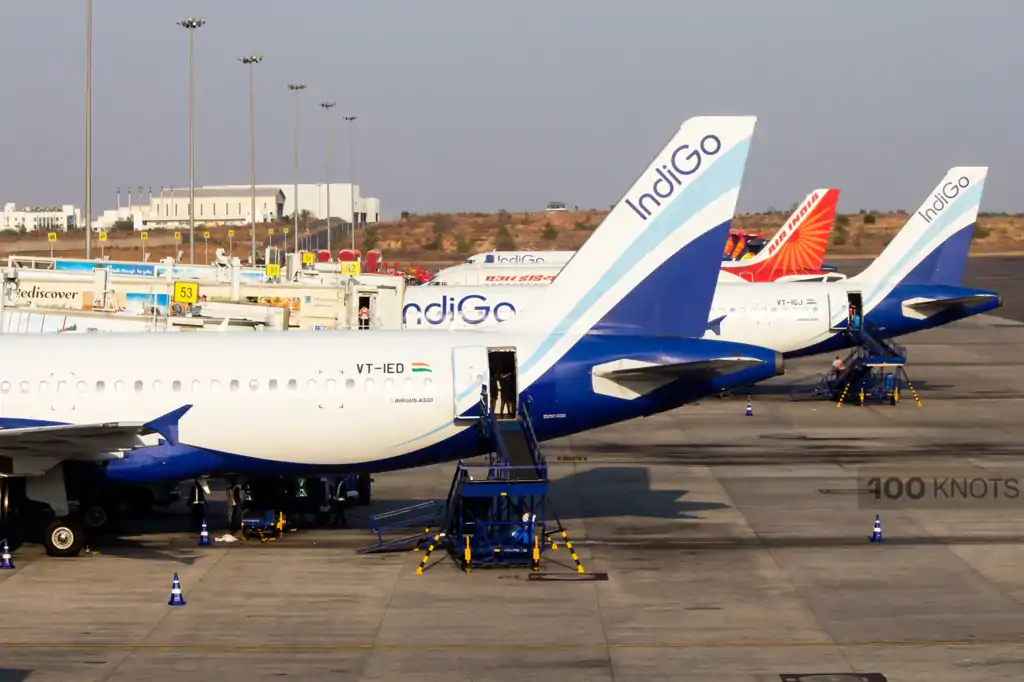
As many as 164 planes are lying idle at 15 airports in the country, the government said on Thursday, December 21. Out of the total, the highest number of grounded aircraft is at Delhi Airport at 64, followed by Bengaluru (27), Mumbai (24) and Chennai (20).
As per data shared by civil aviation minister Jyotiraditya Scindia in a written reply to Lok Sabha, 164 aircraft are lying idle at 15 airports. The airports are Ahmedabad, Bengaluru, Bhubaneswar, Chennai, Cochin, Delhi, Goa (Mopa), Hyderabad, Jaipur, Juhu, Kolkata, Kannur, Mumbai, Nagpur and Raipur.
The grounded aircraft include those of IndiGo, SpiceJet, Go First, Air India, Zoom Air and Alliance Air. At the Delhi airport, IndiGo's 24 aircraft and Go First's 23 planes are lying idle. Other carriers whose planes are grounded there are SpiceJet (6), Air India (2), Zoom Air (5), Jet Airways (3) and Alliance Air (1).
According to the data, 17 planes of IndiGo, nine aircraft of Go First and one plane of SpiceJet are lying idle at the Bengaluru airport. In Mumbai, nine planes of Go First and six aircraft of Jet Airways are lying idle. Other airlines having grounded aircraft at the airport there are Air India (4), General Aviation (4) and SpiceJet (1). A total of 29 aeroplanes are lying idle at the airports owned and managed by the Airports Authority of India (AAI).
Issue With Pratt & Whitney Engines
"AAI follows up with the airlines regularly for disposal of their idle aircraft. AAI has a security deposit/ bank guarantee of around INR 730 crore against these aircraft," Scindia said.
While responding to a supplementary question in the Lok Sabha, Scindia said the problem is that 95% of the aircraft on the ground in India today are because of engine supplier Pratt & Whitney (P&W). The reason is that they are having supply chain issues. "We have been in direct touch with P&W," he said.
Currently, the Indian aviation sector has a fleet of 644 aircraft as compared with 626 aircraft a year ago. By March, this number is projected to rise to 686, with an average monthly addition of two to five aircraft.
A total of 164 aircraft across various Indian airports remain idle which includes planes of regional airlines and private jets. IndiGo leads with 44 grounded aircraft, followed by SpiceJet with 26, Air India with six, and Alliance Air with three.
As per aviation research firm CAPA (Centre for Asia-Pacific Aviation) India, the grounded fleet of IndiGo and Air India is largely on account of engine supply chain issues, while there are strategic issues behind the idle fleet of SpiceJet.
Recent reports said the Director General of Civil Aviation has asked officials of P&W to set up a maintenance, repair and overhaul unit in India given the large number of aircraft expected to join Indian airlines in the coming years.
Security Against Cyber Attacks
In a separate written reply, Minister of State for Civil Aviation V K Singh said AAI is implementing big data-based security appliance systems for protection against cyber attacks using Artificial Intelligence (AI) and Machine Learning (ML) to predict and analyse cyber threats. The Bureau of Civil Aviation Security (BCAS) has also prepared a Cyber Crisis Management Plan (CCMP) which deals with scenarios of cyber incidents and responses to be undertaken for countering cyber attacks and cyber terrorism.
"To address identified vulnerabilities and ensure mitigating measures, BCAS has issued guidelines on the subject 'Guidelines for Protection of sensitive data in the aviation sector of India' which covers the subject 'protection from cyber-attack'," he added.

Read next
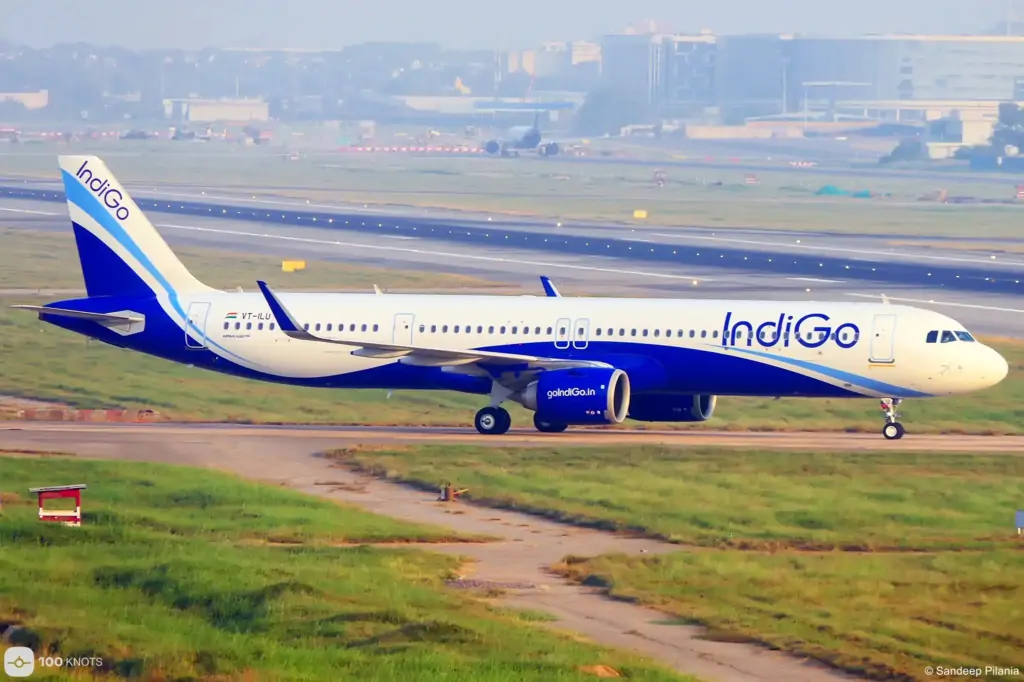
InterGlobe Aviation -- the parent company of IndiGo -- said on Thursday, December 21 that it has paid INR 20 lakh towards a revised penalty to the aviation safety regulator DGCA for four tail strikes involving some of its aircraft.
The Directorate General of Civil Aviation (DGCA) had in July issued a showcause notice to the company alleging four tail strikes on IndiGo's A321 aircraft and subsequently imposed a fine of INR 30 lakh, InterGlobe Aviation said in a regulatory filing.
"The company had filed an appeal against the said (INR 30 lakh penalty) order. DGCA considered submissions made by the company in support of the appeal and revised the penalty to INR 20-lakh vide its order dated October 13, 2023, to be paid within 30 days of the order," the company said in the filing. Accordingly, the penalty was paid on November 9, InterGlobe Aviation said.
A major issue the DGCA reportedly found with IndiGo’s procedure was that it was asking pilots to land their planes using a ‘Flap 3’ landing. This landing technique involves using only three of the four available flaps, which helps reduce drag, requires less thrust, and leads to lower fuel consumption during the plane’s approach to the runway.
According to a 28 July report in The Hindu, pilots have been told that 6 kg of fuel could be saved with every landing using this technique. The article adds that such landings could be trickier at airports situated at an elevation, such as Mumbai, Delhi, and Bengaluru.
Tail Strikes in the Aviation Industry
Tail strikes in aviation refer to incidents where the rear end of an aircraft makes contact with the runway during takeoff or landing. These events can potentially cause damage to the aircraft and compromise passenger safety. As a result, aviation regulators take such incidents seriously and conduct thorough investigations to ensure compliance with safety standards.
The resolution of this matter underscores the significance of effective communication and cooperation between airlines and aviation regulators. While regulatory fines are intended to enforce safety protocols and prevent future incidents, the appeal process provides an opportunity for airlines to present their case and seek fair consideration.
IndiGo, being a major player in the Indian aviation industry, has faced various operational challenges, including issues related to aircraft engines and technical glitches. The settlement of the penalty for tail strikes reflects the company's commitment to addressing regulatory concerns and maintaining a strong safety record.
It is worth noting that the aviation industry operates in a highly regulated environment, with safety being a top priority. Airlines are subject to stringent oversight by aviation authorities, and incidents like tail strikes are thoroughly investigated to uphold safety standards and ensure passenger confidence.
InterGlobe Aviation's proactive approach in appealing the initial penalty, along with the subsequent payment of the revised amount, showcases the company's responsiveness to regulatory processes and its dedication to upholding safety standards in the aviation sector.
Read next
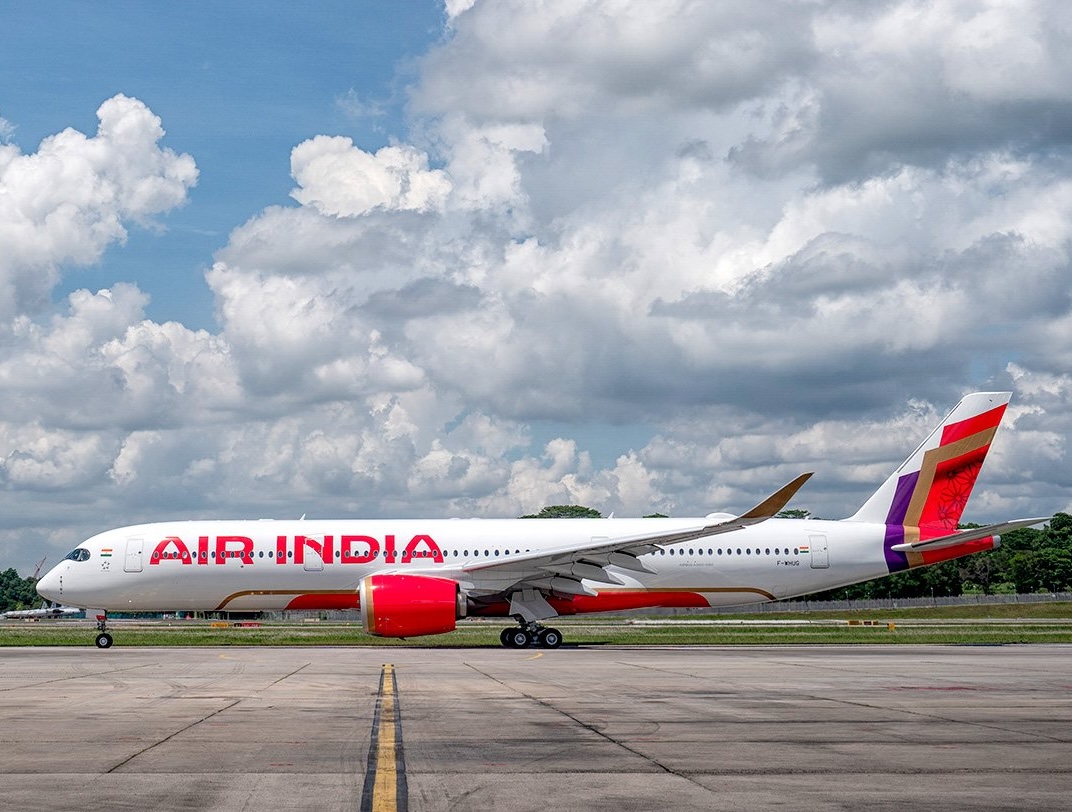
Japanese lender Sumitomo Mitsui Banking Corporation (SMBC) said the Tata Group-owned Air India has borrowed USD 120 million (INR 997 Crore) from it to purchase wide-body aircraft from Airbus. The transaction has partly financed Air India's purchase of an A350-900 aircraft from Airbus, which was delivered in October 2023, according to an official statement.
SMBC said this is a secured debt facility through its Singapore branch, while Air India's GIFT City-headquartered arm AI Fleet Services is the borrower. The purchase is part of the mega announcement by the Tatas to buy a total of 470 aircraft from Boeing and Airbus, and Air India has also contributed equity. According to some reports, an Airbus A350-900 aircraft is priced above USD 300 million.
"SMBC Group is pleased to expand upon its long-established relationship with Tata Group through this deal," the lender's country head for India Hiroyuki Mesaki said. He added that this is the bank's first-of-its-kind transaction for an aircraft finance lease.
Nipun Aggarwal, Air India's chief commercial and transformation officer, said the aircraft was among the first deliveries in the company's large aircraft order announced earlier this year." This transaction is also a major step in expanding our aircraft financing business through GIFT City, India's first International Financial Services Centre (IFSC)," Aggarwal added.
The SMBC statement said India is the fifth largest aviation market globally, and the sector is expected to continue growing significantly on tailwinds like the emergence of a large and growing middle class willing to travel. The deal with Air India will aid SMBC in penetrating the fast-growing aviation market, said the bank.
Air India signed USD 70 billion worth of aircraft deals with Airbus and Boeing earlier this year for 470 aircraft. The first of these, Airbus A350 planes, is scheduled to arrive this month. The order for Boeing has 190 B737 MAXs, 20 B787s, and 10 B777s aircraft. The Airbus order comprises 210 A320 family and 40 A350 planes. A350, B777, and B787 are wide-body aircraft that have bigger fuel tanks.
Earlier, Air India secured funds worth INR 14,000 crore from the State Bank of India and Bank of Baroda through a mix of fresh loans and refinance of existing debt. The fundraising comprised INR 12,500 crore to refinance loans and Rs 1,500 crore obtained through the pandemic-era Emergency Credit Line Guarantee Scheme (ECLGS), media reports said.
Besides, it was also reported that Air India was in talks with multiple commercial banks for an INR 3,000-crore loan, which it is seeking to make down payments to lessors under sale-and-leaseback (SLB) agreements.
Air India Receives DGCA Approval for A350 & A320 Engineering Line Maintenance
Air India has recently secured the Directorate General of Civil Aviation's (DGCA) approval for engineering line maintenance of A350 and A320 aircraft. This regulatory clearance paves the way for the seamless operation and maintenance of the six A350 aircraft, with the first one expected to land by the end of December.
The DGCA's approval is a crucial milestone for Air India, signifying that its maintenance, repair, and overhaul (MRO) processes and systems have been thoroughly examined and certified to meet airworthiness requirements. The Civil Aviation Regulation (CAR) 145 certification assures that Air India's MRO operations comply with safety and efficiency standards set by the regulatory body.
Ahead of the arrival of the A350, Air India's engineering team has undergone extensive training and preparation to ensure that all required inspections, maintenance, and repairs can be efficiently carried out at their facilities. Training sessions at the Airbus centre in Toulouse involved collaboration between Air India, Vistara, and AIX Connect teams, focusing on Structure Assessment and Engine Run-Up.
Air India emphasized that senior executives from the Engineering department underwent a comprehensive A350 General Familiarization Course, ensuring a deep understanding of the aircraft. Technicians were also part of extensive training in General Familiarization to guarantee the smooth servicing and operation of the A350 aircraft.
Read next

The Russian aviation industry has faced significant challenges since Western sanctions were imposed in response to Moscow's invasion of Ukraine. This article delves into the measures Russia has taken to sustain its aviation sector, the financial investments made, and the hurdles it faces in achieving self-sufficiency.
State Subsidies and Loans: A Lifeline for Aviation
Russia has allocated over $12 billion in state subsidies and loans to buoy its aviation sector, which was hit hard by the cessation of key parts and maintenance services from Western suppliers. These measures, initiated in the wake of sanctions, underscore the Kremlin's commitment to maintaining control over a pivotal industry.
The Impacts of Sanctions on Aviation
Western planemakers Airbus and Boeing ceased supplies and maintenance support in March 2022, affecting flagship carrier Aeroflot and other Russian airlines. The subsequent struggle to secure spare parts led Russia to spend 1.09 trillion roubles ($12.07 billion) to support civil aviation, nearly double the payments made during the COVID-19 pandemic.
Presidential Vision and Industry Challenges
President Vladimir Putin acknowledged the strain on the aviation fleet, predominantly composed of foreign-made planes. Expressing the need for self-sufficiency, Putin outlined plans to produce over 1,000 aircraft domestically by 2030. However, achieving this goal poses a significant challenge, given the current reliance on foreign-manufactured aircraft.
Current Landscape and Industry Response
Russian airlines presently operate 991 aircraft, with only 133 being Superjets from the state-owned United Aircraft Corporation. While state support for aircraft manufacturing is promised, the emphasis is on sales support, production capacity expansion, and post-sales service system creation.

Electoral Pressures and Reputational Risks
With elections approaching, the collapse of an airline could exert reputational and electoral pressure on Putin. The aviation industry's reliability is crucial for transporting people and goods across Russia, and maintaining a positive narrative about the minimal impact of sanctions.
Funding Sources and Resilience
Russia has tapped into reserve funds, spending 110 billion roubles in 2022 to compensate airlines for fuel cost increases. The National Wealth Fund (NWF) has played a significant role, disbursing almost 400 billion roubles for aviation spending in 2023. This spending, equivalent to just under 1% of projected GDP for 2023, underscores the financial commitment.
Safety Concerns and Creative Solutions
To keep Western jets operational, Russian airlines have resorted to a grey import scheme, importing spare parts without manufacturers' consent. While passenger numbers are recovering, concerns about safety persist due to the loss of foreign parts and maintenance expertise. Some airlines have even stripped airplanes for parts, signaling the severity of the situation.
Future Prospects and Strategic Spending
Russia's domestic air passenger traffic is rebounding, aided by a government-introduced grey import scheme. The strategic spending plans for aviation, outlined in a government document, highlight the need for at least 711 billion roubles to achieve technological independence from foreign suppliers. Moscow aims to use 300 billion roubles in 2023 for buying aircraft from foreign lessors.
Conclusion
Russia's aviation sector is at a critical juncture, balancing state support, the quest for technological independence, and the challenges posed by sanctions. As the country endeavors to secure its aviation future, the resilience of the industry and the success of strategic spending will shape the narrative of Russia's self-sufficiency in aviation.
With Inputs from Reuters
Read next
Iberia Ground Service Workers Postpone Strike Amidst Government Mediation

Abhishek Nayar
22 Dec 2023
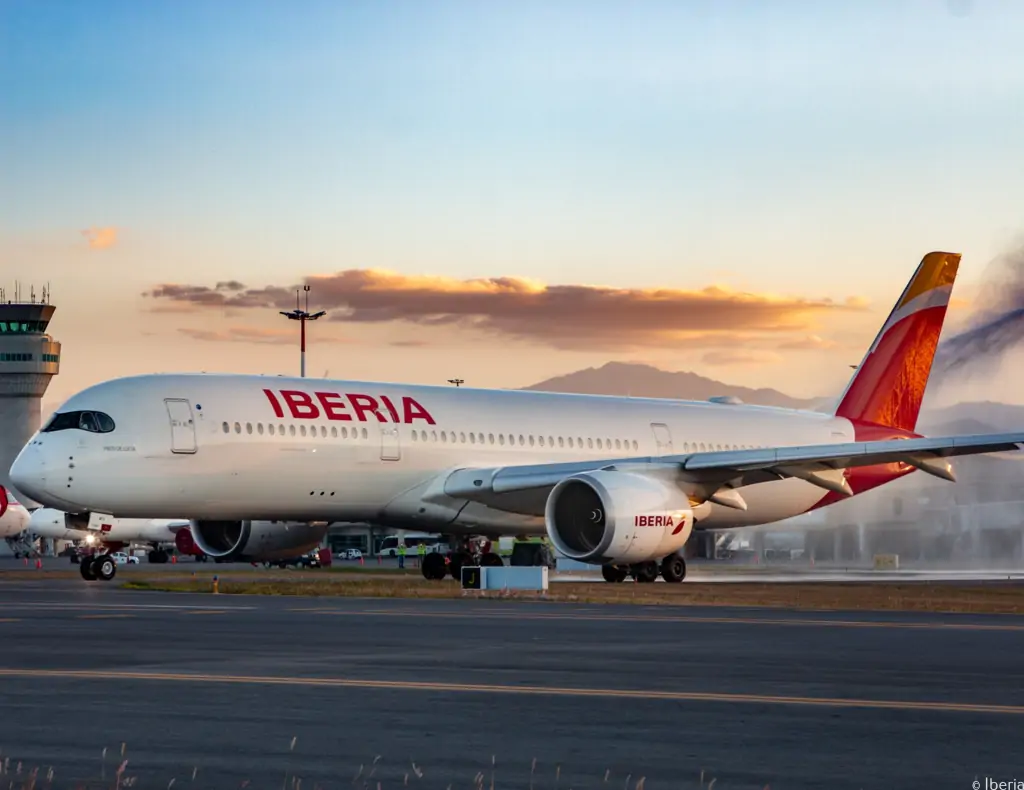
Unions representing ground service workers at Iberia, an International Airlines Group-owned airline, have decided to postpone a planned strike at Spanish airports during the New Year period. The two main unions involved, UGT and CCOO, delayed the walkouts scheduled from December 29 to January 1 and January 4-7.
This decision comes after the Spanish government agreed to mediate in the ongoing conflict between the unions and the airline operator. The dispute revolves around contracts signed with new service providers in September, prompting protests from Iberia's ground service workers.
Government Mediation
The UGT and CCOO unions announced the postponement in a statement on December 20, 2023. According to CCOO, the Spanish government's willingness to act as a mediator in the conflict played a pivotal role in the decision. This move suggests a commitment to resolving the issues at hand through dialogue and negotiation rather than through industrial action.
Contract Disputes
Iberia's ground service workers, including baggage handlers, at Spanish commercial airports—operated by the state-controlled Aena (AENA.MC)—are protesting against contracts signed with new providers in September. Aena's decision to hire new contractors for services previously handled by Iberia at various airports has sparked discontent among the unions. Despite assurances from the new suppliers that they would retain workers and maintain their working conditions, the unions remain dissatisfied.
Iberia's Perspective
The airline has expressed its stance on the matter, deeming the strike as irresponsible and lacking justification. Iberia contends that the decision to hire new contractors was a strategic move, and the unions' opposition may affect not only the airline but also other carriers. The airline is likely to continue engaging with the unions and the government to find a resolution that addresses the concerns of all parties involved.
No Set Date for Strikes
While the unions have decided to postpone the strikes, they have not announced a new date for the industrial action. This uncertainty leaves room for continued negotiations and discussions between the involved parties. The willingness to engage in dialogue and mediation demonstrates a recognition of the importance of finding a mutually agreeable solution to the ongoing disputes.
Conclusion
The postponement of the planned strikes by Iberia's ground service workers reflects a temporary reprieve in what has been a contentious labor dispute. With the Spanish government stepping in as a mediator, there is hope for a resolution that addresses the concerns of the unions and Iberia alike. The aviation industry, already grappling with challenges, will be closely watching for further developments in this ongoing saga.
With Inputs from Reuters
Read next
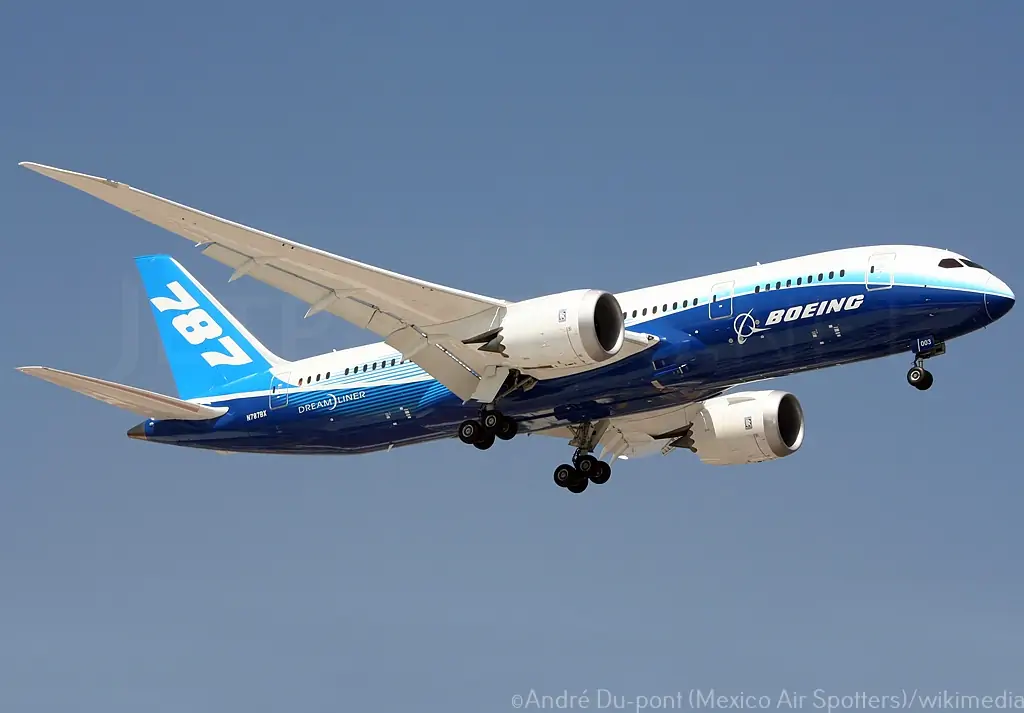
In a significant development, Boeing is poised to restart deliveries of its 787 Dreamliner to China, marking a pivotal step that could potentially lead to the end of a more than four-year freeze on deliveries of the Boeing 737 MAX in the country.
The resumption comes after a series of safety concerns and regulatory hurdles that ensued following the tragic crashes of the 737 MAX in 2018 and 2019. This move is anticipated to not only strengthen Boeing's presence in one of the world's most crucial aerospace markets but also signifies a renewed trust in the safety of Boeing aircraft.
Background and Suspension of Deliveries
Boeing's operations in China faced a substantial setback in 2019 when deliveries of its aircraft, particularly the 737 MAX, were halted in the aftermath of two fatal crashes. The global grounding of the 737 MAX ensued, prompting heightened scrutiny and regulatory concerns worldwide. The Civil Aviation Administration of China (CAAC) suspended Chinese orders and deliveries of Boeing planes, including the lucrative 787 Dreamliner, pending safety reassurances.
Juneyao Airlines to Receive 787 Dreamliner
Sources indicate that Juneyao Airlines, a prominent privately-owned Chinese carrier, is set to receive a new 787 Dreamliner from Boeing's facilities in Seattle. This move, scheduled to take place within days, serves as a notable signal of the resumption of Boeing's deliveries to China. The significance of this delivery is underscored by its potential to pave the way for the clearance of deliveries for the Boeing 737 MAX, a critical component of Boeing's global portfolio.
Key Clearance from China's Aviation Regulator
Recent reports from The Air Current suggest that Boeing has secured a key clearance from China's aviation regulator, the CAAC. This clearance is seen as a crucial step towards the reinstatement of 737 MAX deliveries to China. The regulator's decision is a testament to the collaborative efforts between Boeing and Chinese aviation authorities to address safety concerns and restore confidence in Boeing's aircraft.
Current Status and Future Prospects
While the safety bans on existing 737 MAX planes have been lifted, new deliveries have been on hold pending regulatory approvals. Boeing remains optimistic about the future, expressing its commitment to supporting its customers in China. The company's readiness to resume deliveries underscores its strategic vision, as China is projected to contribute significantly to the global demand for aircraft through 2042.
Next Steps and Regulatory Approvals
The recent clearance from the CAAC is a positive development, but individual 737 MAX deliveries to China still require approval from the National Development and Reform Commission (NDRC). Analysts suggest that the recent flight of a 737 MAX designated for China Southern Airlines from Boeing Field in Seattle may indicate progress, possibly a customer acceptance flight, a customary test flight before final delivery.
Conclusion
Boeing's imminent resumption of deliveries to China represents a crucial turning point in the aerospace industry. The collaborative efforts between Boeing and Chinese aviation authorities to address safety concerns underscore the commitment to ensuring the highest standards of safety in air travel. As Boeing takes steps to re-enter one of the world's most significant aviation markets, the industry watches closely, anticipating a renewed era of cooperation and growth.
With Inputs from Reuters
Comment