

The recent successful launch of the Airbus and Thales Alenia Space SYRACUSE 4B communications satellite from the Guiana Space Centre in Kourou, French Guiana, marks a significant milestone in the field of space exploration. This groundbreaking event took place as the final launch of the European heavy launcher Ariane 5, and it signifies a major leap forward in satellite communication technology.
The SYRACUSE 4B Communications Satellite: An Overview
The SYRACUSE 4B communications satellite represents a groundbreaking advancement in the realm of satellite technology. Developed jointly by Airbus and Thales Alenia Space, this state-of-the-art satellite aims to revolutionize global communication networks by providing enhanced connectivity and reliable data transmission capabilities. Equipped with cutting-edge technology and an array of advanced features, the SYRACUSE 4B satellite holds immense potential for various industries and sectors.
The Launch from Guiana Space Centre
The successful launch of the SYRACUSE 4B communications satellite took place at the Guiana Space Centre, Europe's Spaceport, situated in Kourou, French Guiana. This launch site, strategically located near the equator, offers several advantages for launching satellites into space. The proximity to the equator provides an additional boost to the Ariane 5 rocket, allowing it to carry heavier payloads and achieve greater orbits. The Guiana Space Centre's well-established infrastructure and operational expertise make it an ideal location for launching critical space missions.
The Ariane 5 Heavy Launcher: A Reliable Workhorse
The SYRACUSE 4B satellite was launched using the Ariane 5 heavy launcher, a renowned workhorse in the European space industry. With a stellar track record spanning over two decades, the Ariane 5 has consistently demonstrated its reliability and robustness. The final launch of the Ariane 5 with the SYRACUSE 4B satellite signifies the end of an era, paving the way for future launch systems to meet evolving demands and technological advancements.
Key Technological Advancements of SYRACUSE 4B
The SYRACUSE 4B satellite incorporates several groundbreaking technological advancements that set it apart from its predecessors. Its advanced communication payload enables high-speed data transmission and enhanced connectivity, ensuring seamless communication services across vast regions. The satellite's sophisticated onboard systems and components contribute to its superior performance, making it a key player in the global satellite communication landscape.
The Role of Airbus and Thales Alenia Space
Airbus, a renowned aerospace company, and Thales Alenia Space, a leading space technology provider, have collaborated to develop the SYRACUSE 4B communications satellite. Airbus brings its expertise in satellite manufacturing and integration, while Thales Alenia Space contributes its extensive experience in space communication systems. This collaboration between two industry leaders has resulted in the creation of a cutting-edge satellite that pushes the boundaries of communication technology.
Enhancing Global Communication Networks
The SYRACUSE 4B satellite plays a vital role in enhancing global communication networks. It provides increased coverage, allowing for improved connectivity in remote and underserved areas. This advancement opens up new possibilities for businesses, governments, and individuals, enabling them to connect and communicate seamlessly across the globe. With the SYRACUSE 4B satellite, the world becomes more interconnected than ever before.
Benefits of the SYRACUSE 4B Communications Satellite
The SYRACUSE 4B communications satellite brings numerous benefits to various industries and sectors. Its advanced capabilities facilitate faster and more reliable communication, benefiting sectors such as telecommunication, broadcasting, maritime and aviation, disaster management, and defense. The satellite's ability to handle high volumes of data with low latency ensures efficient transmission of critical information, enabling timely decision-making and improved operational efficiency.
Ensuring Reliable and Secure Communication
Reliability and security are paramount in satellite communication systems, and the SYRACUSE 4B satellite excels in both areas. With redundant systems and advanced encryption techniques, it ensures the integrity and confidentiality of transmitted data. This level of reliability and security is crucial for applications that require real-time communication, such as emergency response operations, military communications, and financial transactions.
The Future of Satellite Communication
The successful launch of the SYRACUSE 4B satellite represents a significant step towards the future of satellite communication. As technology continues to advance, we can expect further improvements in satellite capabilities, including higher data transfer rates, reduced latency, and increased coverage. These advancements will unlock new possibilities and reshape the way we communicate and interact on a global scale.
Comments
"Observation, signal intelligence, space situational awareness, and secure communications across key theatres of operation are critical for a nation's autonomy and freedom of action." Airbus is proud to be a trusted partner of the French Armed Forces: through SYRACUSE 4B and other initiatives, we assist our national aspirations and capabilities in all of these areas today and in the future!" remarked Jean-Marc Nasr, Airbus's Head of Space Systems.
Conclusion
The launch of the Airbus and Thales Alenia Space SYRACUSE 4B communications satellite marks a momentous achievement in space exploration and satellite technology. With its advanced features and capabilities, the SYRACUSE 4B satellite propels the field of global communication forward, ensuring reliable and secure connectivity across the world. As we look towards the future, satellite communication systems like SYRACUSE 4B will continue to play a crucial role in connecting people, industries, and nations.
With Inputs from Airbus

Read next
DGCA Signs Pact With EASA to Cooperate on Unmanned Aircraft Systems & Innovative Air Mobility

Radhika Bansal
06 Jul 2023

The Directorate General of Civil Aviation (DGCA) has signed a memorandum of understanding (MoU) with European Union Aviation Safety Agency (EASA) to cooperate on unmanned aircraft systems and innovative air mobility. The two watchdogs would cooperate in the areas of development of certification standards, environmental standards and related requirements for the certification and use of unmanned aircraft systems and innovative air mobility operations.
The MoU follows a letter of intent (LoI) that was signed during the EU-India Aviation Summit in New Delhi on April 20, 2023. According to a press release, the MoU will focus on collaboration on unmanned aircraft and innovative air mobility between the two civil aviation authorities. It is to ensure regular information sharing on technological developments and research in this area. According to the Aviation Ministry, the MoU will result in conferences, workshops, and training programmes conducted by DGCA and EASA.
The Ministry of Aviation said, “This collaboration would include cooperation between DGCA and EASA in the areas of development of certification standards and environmental standards and related requirements for the certification and use of unmanned aircraft systems and innovative air mobility operations.”
The statement added, “The MoU will include licensing of personnel, training, air traffic management and infrastructure, including Unmanned Aircraft System Traffic Management (UTM) standards and services.” The MoU should result in harmonized standards and accelerated growth of the Indian unmanned aviation sector, according to the press release.
Govt Relaxes Export Policy for Drones
The government simplified and liberalized the policy for the export of drones and Unmanned Aerial Vehicles (UAV) meant for civilian end uses from India. As per public notices issued by the Directorate General of Foreign Trade (DGFT), drones capable of a range equal to or less than 25 km and delivering a payload of not more than 25 kgs and meant for only civilian end-use, will now be subject to General Authorization for Export of Drones (GAED), a one-time general license valid for three years that would reduce compliance.
All kinds of drones and UAVs were earlier restricted for export under the category 5B of the Special Chemicals Organisms Material Equipments and Technology (SCOMET) list which with the category of items that are subject to specific regulations due to their potential dual-use nature- meaning they can have both civilian and military applications.
“SCOMET license was required for export of such items and the industry was facing challenges to export drones with limited capability which are only meant for civilian use,” DGFT said. The SCOMET policy of drones and UAVs meant for civilian use has been amended after stakeholder consultations.
The export of drones and UAVs not covered under the specified categories in the SCOMET list and capable of a range equal to or less than 25 km and delivering a payload of not more than 25 kgs (excluding the software and technology of these items) and meant for only civilian end-use, will now be subject to General Authorization for Export of Drones (GAED), a onetime general license valid for three years, it added.
Benefits of the Policy Change
This policy change will not require the drone manufacturers and exporters with GAED authorization to apply for SCOMET license for every similar export shipment meant for civilian purposes, within the validity period of three years subject to post reporting and other documentary requirements, reducing the compliance by the industry to apply for SCOMET license every time they have to export any kind of civilian drone according to the DGFT.
“This would further facilitate the UAV industry to export drones with ease, thereby, facilitating ease of doing business and promoting export from India,” it said, adding that it would push start-ups and new drone manufacturers in this field to scale up and look at the global markets, allow Indian drone manufacturers to access larger markets, and encourage innovation in the industry.
This policy change would also promote India as a global manufacturing hub of drones and UAVs and push the start-ups and new drone manufacturers in this field to scale up and look at the global markets. "It will allow Indian drone manufacturers to access larger markets, and encourage innovation in the industry," the ministry added.
Read next
Go First Aircraft Lessors Gets Delhi HC's Nod to Access Aircraft for Inspection, Carry Out Maintenance
Radhika Bansal
06 Jul 2023
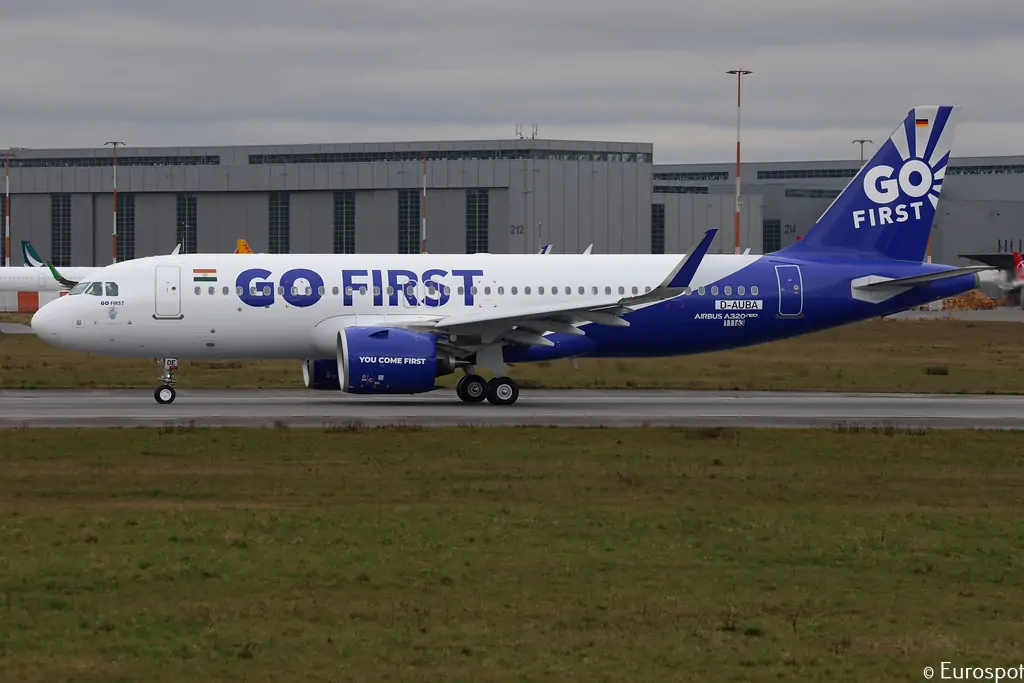
The Delhi High Court on Wednesday, July 5 allowed leasing companies to access aircraft leased to Go First for inspection and maintenance, though they were still unable to repossess them while the airline's operations remain stalled. Work will be done at least twice a month, the court said. The issue of deregistering the aircraft will be decided later.
Go First's lessors have made several attempts to reclaim planes for missed payments, filing over 50 requests with the watchdog to allow repossession. The lessors argue that the airline has no rights over planes as the leases have been terminated, but India’s government and the airline say the bankruptcy law imposes an asset freeze.
On Wednesday, the Delhi High Court judge said that the leasing companies can "access the airport" and inspect aircraft, carrying out all interim maintenance at least twice a month. Earlier, The NCLT-appointed IRP, tasked with managing Go First, had told the high court that returning aircraft to the lessors will render the airline, which has 7,000 employees to look after, "dead".
“Respondent Go Air officers, directors, employees representatives or agents or the resolution professional or its representatives are hereby restrained from moving, replacing, taking out any part, components or spares etc or any other relevant operational documents or manual from the aircraft, except for the prior approval of the lessor of that aircraft,” the court order further said.
The high court said there can be no denial of the fact that the aircraft of the petitioner lessors are highly valuable and sophisticated equipment and require maintenance for their preservation. Justice Tara Vitasta Ganju also restrained Go First and its representatives and the Interim Resolution Professional (IRP) appointed by the NCLT, from removing, replacing or taking out any part or components, or records of the 30 aircraft except with the prior written approval of the lessor of the particular airplane. The high court passed the interim order on multiple applications filed by the lessors to alleviate any further losses.
The interim applications were filed in the main petitions by lessors seeking deregistration of their planes by aviation regulator DGCA so they could take them back from the airline. The high court asked the Directorate General of Civil Aviation (DGCA) to permit the lessors, their employees and agents to access the airport, where their aircraft are currently parked, and to inspect them within three days.
Developments so Far
On May 10, the National Company Law Tribunal (NCLT) admitted the airline's voluntary insolvency resolution petition and appointed Abhilash Lal as the IRP to manage the carrier. With a moratorium in force on financial obligations and transfer of assets of Go First in the wake of the insolvency resolution proceedings, the lessors are unable to deregister and take back the aircraft leased to the carrier.
The lessors had earlier told the high court that the denial of deregistration by the DGCA was “illegitimate”. The lessors who have approached the high court are Accipiter Investments Aircraft 2 Limited, EOS Aviation 12 (Ireland) Limited, Pembroke Aircraft Leasing 11 Limited, SMBC Aviation Capital Limited, SFV Aircraft Holdings IRE 9 DAC Ltd, ACG Aircraft Leasing Ireland Ltd and DAE SY 22 13 Ireland Designated Activity Company.
The NCLT had on May 10 allowed the voluntary insolvency resolution plea of Go First. On May 22, the NCLAT upheld the order of the Delhi-based principal bench of NCLT, which had admitted the plea of Go First to initiate voluntary insolvency resolution proceedings, and appointed the IRP to suspend the company's board. Several lessors approached the aviation regulator for deregistration and repossession of 45 planes they had leased to the carrier.
Beginning of the Crisis
Hit by faulty operations of Pratt & Whitney engines in its flights, Go First filed a petition for voluntary insolvency resolution proceedings on May 2. The airline cited the non-delivery of Pratt & Whitney engines, which affected the company’s flight operations to a large extent. The company stopped its flight operation on May 3. The insolvency plea of the Go First airline was admitted by the NCLT on May 10. Go First operated around 200 flights daily before suspending operations. The airline has 54 aircraft, of which 28 are grounded due to engine woes. The airline has proposed reviving 22 aircraft, and four are on standby per its plan. Lessors have terminated the leases of 45 of the 54 aircraft in the Go First fleet.
In its petition filed with the NCLT, the airline said it initiated emergency arbitration proceedings against P&W which is pending since April 2020, adding that the company has paid INR 19,980 crore to its creditors, out of which INR 5,400 crore was paid to the lessors in the last two years towards lease rent and maintenance reserve despite 40% to 50% of the fleet being unable to fly. The company said it has now exhausted all financial resources (including full utilisation).
It was pointed out that as on 28 April 2023, the company defaulted on payment of INR 1,202 crore to its creditors and INR 2,660 crore to airport lessors. Go First announced that it will be cancelling its operations till July 10, 2023. Amid an ongoing three-day audit of cash-starved Go First by the Directorate General of Civil Aviation (DGCA), the airlines cancelled its operations for the 13th time citing operational reasons on Tuesday. A senior official said that a team of DGCA has begun a three days audit that started on Tuesday. A team audited the grounded airlines in Delhi and Mumbai on day one.
Read next
Chennai Airport's Second Runway to Start Operations Soon, Resurfacing Work Near Completion
Radhika Bansal
06 Jul 2023
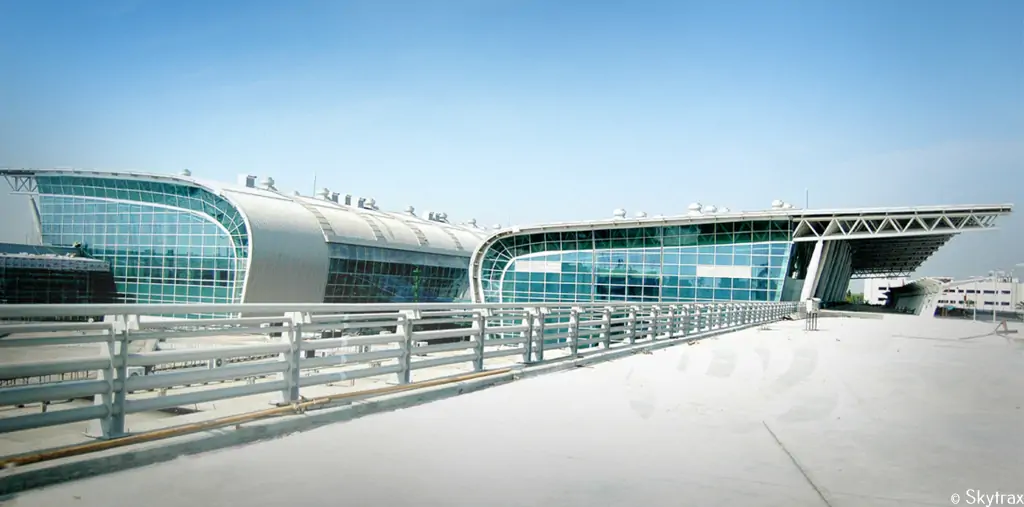
Nearly two years after the work was launched, the resurfacing of the secondary runway at Chennai Airport is nearing completion. It was proposed to extend the secondary runway to a length of about 11,000 feet some years ago. But the length had to be restricted to 9,000 feet because of several issues. The officials said they had also taken steps to clear the obstacles in the approach path.
The airport has two runways — primary and secondary. A majority of the flights use the primary runway, which is 12,000 ft. in length. The secondary runway, which is 9,000 ft. in size, is used on Tuesdays and Saturdays and resurfacing or recarpetting work for this runway had been on since early 2021 and it will be completed in another two months.
Officials of the Airports Authority of India (AAI) said the resurfacing work was taken up to remove the rubber deposits that accumulated over time. It was essential for the smooth landing of the aircraft and to ensure safety standards. “The work was carried out in three phases. Once this is completed, we can plan to cross-runway operations where flights can be operated simultaneously on both runways,” an official said.
This work is being taken up after almost a decade. Three years ago, the Directorate-General of Civil Aviation (DGCA) conducted an inspection and saw the wear and tear in the pavement. Soon after that, the resurfacing work was taken up.
Chennai Airport is the country’s fourth busiest airport, with its spacious terminals, seamless multimodal connectivity and modern infrastructure. The airport is being upgraded under the Chennai airport modernisation project to meet the growing passenger traffic.
Airlines start operations from the new terminal
Several airlines have commenced their international flight operations from the New Integrated Terminal Building (NITB, T-2) of the Chennai airport. Spanning over 1,36,295 Sqm, the NITB is GRIHA (Green Rating for Integrated Habitat Assessment) compliant. The new building embraces various eco-friendly features including skylights. The NITB was inaugurated by Prime Minister Narendra Modi during his visit to Chennai on April 08, 2023. The international operations of existing T-4 and T-3 are being shifted to the New Terminal in a calibrated manner. Presently, 13 airlines are offering their international operations from the NITB. These are –
- Singapore Airlines – Singapore Airlines started its operations from the NITB on July 04, 2023.
- Gulf Air – Gulf Air began its international services from Chennai Airport’s NITB on July 04, 2023.
- Emirates – Emirates started its operations from the NITB on July 03, 2023.
- Fly Dubai – All international flight operations of FlyDubai shifted to the New Integrated Terminal Building on July 03, 2023.
- Thai Airways – Thai Airways has shifted its international services to Chennai Airport’s NITB on July 02, 2023.
- Myanmar Airways – Myanmar Airways started its operations from the NITB on July 01, 2023.
- US Bangla Airlines – It began its international services from NITB on June 16, 2023.
- AirAsia Berhad – AirAsia Berhad began its international services from Chennai Airport’s NITB on June 28, 2023.
- Thai AirAsia – Thai AirAsia started its operations from the NITB on June 28, 2023.
- Jazeera Airways – Jazeera Airways shifted its international services to Chennai Airport’s NITB on June 28, 2023.
- Air India – Air India began its international operations from NITB of Chennai Airport on June 26, 2023.
- Air India Express – On June 26, 2023, Air India Express commenced its international operations from NITB.
- IndiGo– IndiGo started its operations from the NITB on June 13, 2023.
- Alliance Air – It began its international flight operations from NITB on June 23, 2023.
The Brand New Terminal
The NITB T2 covers an area of 136,295m²(1.4 million ft²) and is built between the existing Terminals 4 and 1. The old Terminal 2 (T2), which was no longer in use, was demolished to make way for the NITB. The opening of the new terminal is a major milestone for Chennai International Airport. The new terminal is a state-of-the-art facility that will help to improve the passenger experience and make Chennai International Airport a more attractive destination for airlines.
The terminal’s aerobridges are installed on fixed bridges that link to the terminal gates and are configured as multiple apron ramp systems (MARS). The implementation of MARS guarantees the optimal use of apron bays. Each aerobridge is capable of handling two code C aircraft (A320, A321 or B737) or one code E aircraft (B777 and A350). All the aerobridges are installed with advanced visual docking guidance systems (A-VDGS) that give pilots real-time guidance to park aircraft safely, quickly and accurately in all operating conditions.
The terminal features world-class amenities, including 11 automated tray retrieval systems and six self-bag drops. It also features a passenger flow monitoring system (PFMS) equipped with 3D sensors and e-Gates for boarding process management to improve passenger comfort during transit.
The new terminal has a specialised baggage scanning system and a state-of-the-art baggage handling system (BHS) that minimises the risk of mishandled luggage. In addition, it has 100 new check-in counters, more than 100 immigration counters, self-check-in kiosks, six baggage reclaim belts, 17 lifts, 17 escalators and six walkalators that will significantly improve the passenger experience.
In addition to the new terminal, Chennai International Airport is also undergoing several other improvements. The airport is currently in the process of expanding its runway and taxiways, and it is also planning to build a new cargo terminal. These improvements are expected to make Chennai International Airport a more efficient and attractive airport for airlines and passengers alike.
Read next
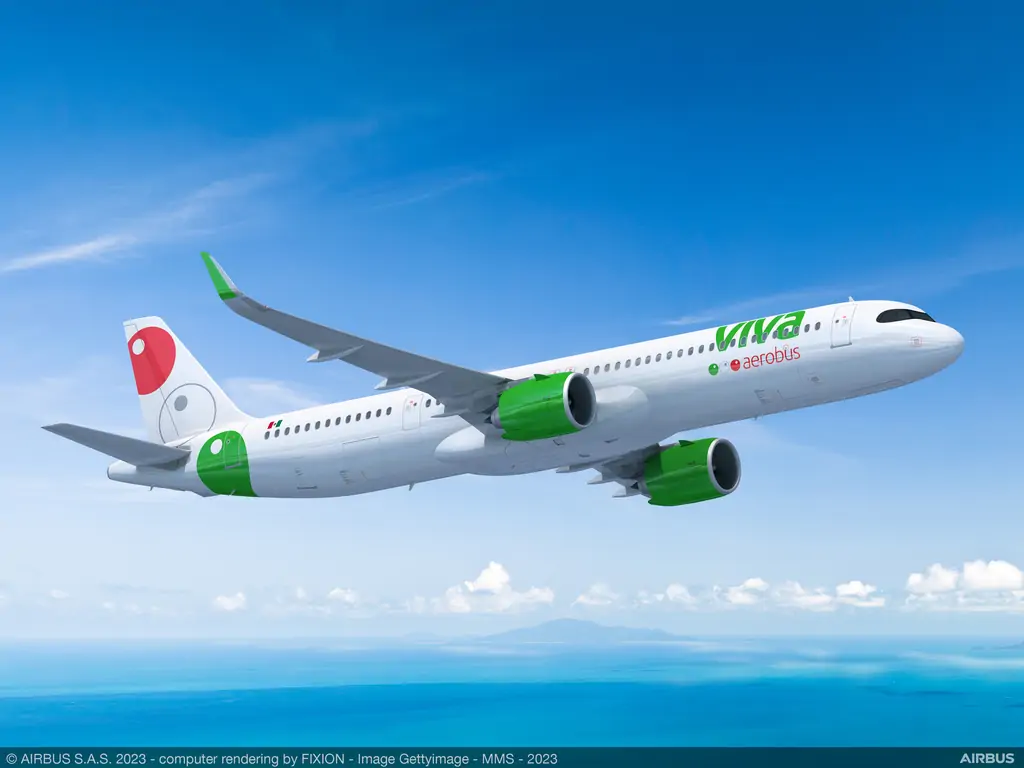
In the fast-paced world of aviation, staying ahead of the curve is essential for any airline seeking long-term success. Viva Aerobus has firmly established itself as a leading player in the ultra-low-cost segment, delivering affordable travel options to passengers across Mexico. By signing a Memorandum of Understanding for 90 A321neo aircraft, Viva Aerobus aims to leverage the cutting-edge technology and enhanced capabilities of these aircraft to further strengthen its position in the industry.
The Significance of the MoU
The Memorandum of Understanding between Viva Aerobus and Airbus represents a landmark achievement for the airline. By expanding its fleet with 90 A321neo aircraft, Viva Aerobus showcases its commitment to providing a superior travel experience to its customers while simultaneously boosting its operational efficiency and cost-effectiveness. This agreement demonstrates Viva Aerobus' confidence in the future of aviation and its dedication to meeting the evolving needs of modern travelers.
Airbus A321neo
The A321neo is Airbus' largest member of the A320neo Family, offering unparalleled range and performance. The A321neo achieves a 50% noise reduction and a 20% fuel savings over previous single-aisle generation aircraft by incorporating next-generation engines and Sharklets, while maximizing passenger comfort with the widest single-aisle cabin and substantial overhead stowage space.
Expanding International Operations
Opening New Routes
With the addition of the A321neo aircraft, Viva Aerobus is well-positioned to expand its international footprint by opening new routes to popular destinations. The increased range and fuel efficiency of the A321neo enable the airline to reach farther destinations, providing passengers with more travel options and enhancing connectivity between Mexico and other countries. This expansion not only benefits leisure travelers but also facilitates business connections, trade, and tourism between nations.
Increasing Passenger Capacity
The A321neo is a larger variant of the A320 Family, offering increased passenger capacity compared to its predecessors. By incorporating these aircraft into its fleet, Viva Aerobus can accommodate more passengers on its international flights. The enhanced seating capacity ensures that the airline can cater to the growing demand for affordable air travel while maintaining its commitment to low fares.
Strengthening Domestic Presence
Connecting Underserved Regions
Viva Aerobus has long been dedicated to bridging the gap in domestic air connectivity within Mexico. The introduction of the A321neo aircraft presents an opportunity for the airline to further expand its network and connect underserved regions. By adding more flights and destinations to its domestic operations, Viva Aerobus can contribute to the economic development of these areas, promote tourism, and improve accessibility for local communities.
Addressing Growing Domestic Demand
As the demand for air travel within Mexico continues to rise, Viva Aerobus recognizes the need to enhance its capacity to serve domestic passengers effectively. The A321neo's increased seating capacity and operational efficiency enable the airline to meet this demand efficiently. By deploying these aircraft on high-demand routes, Viva Aerobus can offer more frequent flights, greater flexibility, and a seamless travel experience to its domestic customers.
Commitment to Customer Satisfaction
Viva Aerobus has built its reputation on providing affordable air travel without compromising customer satisfaction. With the introduction of the A321neo, the airline aims to elevate the travel experience for its passengers. These state-of-the-art aircraft are equipped with modern amenities, spacious cabins, and enhanced comfort features, ensuring that travelers can enjoy a pleasant journey at competitive fares. Viva Aerobus' investment in customer satisfaction reflects its dedication to delivering value and exceeding passenger expectations.
Environmental Considerations
As the aviation industry embraces sustainability and environmental consciousness, Viva Aerobus is committed to reducing its carbon footprint. The A321neo aircraft boast significant fuel efficiency improvements and reduced emissions compared to older aircraft models. By incorporating these eco-friendly aircraft into its fleet, Viva Aerobus takes a step forward in its environmental stewardship, contributing to the global effort to mitigate climate change and promote greener aviation practices.
Comments
"These 90 A321neo 240-seat aircraft will allow us to expand and renew our fleet and remain the youngest in Latin America." The A321neos' technology and operational efficiency will increase our operational dependability, on-time performance, and passenger experience. Furthermore, we aim to achieve additional cost reductions, which will result in reduced airfares and improve one of our most key competitive advantages: having the lowest cost in the Americas. "The A321neo's fuel efficiency and noise reduction will advance our sustainability efforts by delivering immediate, tangible carbon emission reductions, enhancing our position as the most efficient airline on the continent," stated Juan Carlos Zuazua, CEO of Viva Aerobus.
"The Mexican leisure market is fully recovered, and Viva Aerobus is at the centre of the action!" The A321neo's incomparable economics make it the ideal choice for the airline's ultra-low-cost strategy. "We are delighted to have been a partner with the airline since 2013, and we look forward to working with it as it continues on its growth trajectory," remarked Christian Scherer, Chief Commercial Officer and Head of Airbus International.
Conclusion
The Memorandum of Understanding between Viva Aerobus and Airbus for the acquisition of 90 A321neo aircraft marks a significant milestone for the Mexican ultra-low-cost airline. With this strategic move, Viva Aerobus aims to strengthen its international operations, expand its domestic presence, enhance customer satisfaction, and demonstrate its commitment to sustainability. By leveraging the advanced features and increased capacity of the A321neo, Viva Aerobus is poised to shape the future of affordable air travel and cement its position as a key player in the aviation industry.
With Inputs from Airbus
Read next

Qatar Airways, one of the leading airlines in the world, has experienced a remarkable fiscal year 2022/2023, marked by outstanding revenues and net profits. With solid financial performance and a significant role as FIFA's Official Partner and Official Airline of the FIFA World Cup Qatar 2022, the airline has set new records and demonstrated its strength in the aviation industry.
Overview of Qatar Airways
Qatar Airways, founded in 1993, has grown to become one of the most prestigious airlines globally. It operates a vast network of flights, connecting passengers to more than 170 destinations worldwide. Renowned for its luxurious services, exceptional hospitality, and state-of-the-art fleet, Qatar Airways has earned numerous accolades, including the prestigious Skytrax Airline of the Year award.
Fiscal Year 2022/2023: Revenues and Net Profits
In the fiscal year 2022/2023, Qatar Airways achieved remarkable financial success. The airline reported revenues of $21.0 billion (QAR 76.3 billion), which rose 45 percent over the previous year, showcasing its strong market presence and continued growth. This revenue figure represents a significant milestone for the company, as it reflects a robust financial performance amidst a challenging global economic environment.
Furthermore, Qatar Airways attained a net profit of QAR 4.4 billion (USD 1.21 billion) during the same fiscal year. This achievement marks a record-breaking profit for the airline, underscoring its ability to navigate the industry's complexities and maintain profitability.
Factors Driving Qatar Airways' Success
Several factors have contributed to Qatar Airways' remarkable success in fiscal year 2022/2023. First and foremost, the airline's commitment to delivering exceptional customer experiences has set it apart from its competitors. Qatar Airways has invested significantly in enhancing its in-flight services, cabin comfort, and entertainment options, ensuring that passengers have a memorable journey.
FIFA World Cup Qatar 2022: A Major Boost
One of the significant highlights of fiscal year 2022/2023 for Qatar Airways was its association with FIFA as the Official Partner and Airline of the FIFA World Cup Qatar 2022. This collaboration not only strengthened the airline's brand visibility on a global scale but also provided a substantial boost to its financial performance.
Qatar Airways' Commitment to Excellence
Qatar Airways' commitment to excellence extends beyond its financial success. The airline has consistently focused on providing unparalleled customer service, investing in the latest technology and innovative solutions to enhance the travel experience. With a fleet of modern aircraft and a team of highly trained professionals, Qatar Airways ensures the utmost safety, comfort, and convenience for its passengers.
The Future of Qatar Airways
Looking ahead, Qatar Airways is poised to continue its upward trajectory in the aviation industry. With a robust financial foundation, a commitment to excellence, and a reputation for delivering exceptional services, the airline is well-positioned to capitalize on emerging opportunities and overcome future challenges.
Comments
"I am delighted to announce that Qatar Airways Group has demonstrated another remarkable annual performance," stated His Excellency Mr. Saad Bin Sharida Al-Kaabi, Minister of State for Energy and Chairman of Qatar Airways Group. Qatar's transport industry exemplifies the country's interconnectivity, connecting individuals from all over the world and expanding commercial relationships throughout the region. Qatar is proud to have welcomed fans from all over the globe to the FIFA World Cup Qatar 2022, which represented one of the best FIFA World Cups in history. Qatar has created an unrivalled standard for tournament security and safety, establishing itself as a family-friendly destination of choice."
"This year's strong financial results are attributed to the strong passenger demand recovery and the team's ability to cater to this demand, aided by our continuing network growth, market leadership, and the operational efficiencies delivered by our world-beating team," commented His Excellency Mr. Akbar Al Baker. Profitability has been boosted by a 100% increase in passenger revenue over the previous year. Load factors have exceeded 80%, and current yield levels are the highest in our history. We have managed to maintain high levels of trust, reliability, and confidence with our clients as the worldwide travel recovery from the COVID-19 epidemic continues. As a result, we retained our position as the airline of choice for millions of customers throughout the world, and our team carried 31.7 million passengers, up 71% over last year."
Conclusion
The fiscal year 2022/2023 has been a momentous period for Qatar Airways, characterized by record-breaking revenues and profits. The airline's solid financial performance, combined with its role as FIFA's Official Partner and Official Airline of the FIFA World Cup Qatar 2022, has demonstrated its resilience, innovation, and commitment to excellence.
With Inputs from Qatar Airways
Comment