
Blue Skies, Green Flights: Can Aviation’s Next Leap Save the Planet?

Jaideep Mirchandani
24 Apr 2025

Earth Day 2025 sparks a bold look at how India’s aviation industry is flying into the future with cleaner wings
On Earth Day 2025, as the world rallies behind the call “Our Power, Our Planet,” all eyes turn skyward—not just in wonder, but in responsibility. The aviation industry, often seen as a high-flying contributor to greenhouse gas emissions, is undergoing a remarkable transformation. From air taxis zipping over traffic jams to airports powered entirely by the sun, aviation is drafting a cleaner flight plan—and India is emerging as a global leader in this aerial evolution.
Among the most vocal champions of this eco-sky revolution is Jaideep Mirchandani, Group Chairman of Sky One, who believes that the aviation sector doesn’t have to choose between sustainability and growth. “There’s a way forward where efficiency meets responsibility,” he said during his Earth Day address. Let’s chart this flight path.
The Rise of Air Taxis: Jetsons, but Make It Green
The future has officially taken off.
India’s Directorate General of Civil Aviation (DGCA) has cleared the runway for air taxis by establishing rules for vertical ports. These flying vehicles, which once belonged in sci-fi movies, could soon become a regular fixture in cities like Bengaluru, Delhi, and Mumbai—offering swift, clean alternatives to road transport clogged with emissions.
But speed isn’t the only goal. Electric air taxis could drastically reduce carbon emissions from short-distance commutes—especially in densely populated urban jungles. For them to truly take flight, the government must further develop regulations on airspace usage, battery swapping, parking infrastructure, and safety protocols.
Airports That Soak Up the Sun
India is already showing the world how airports can go green—literally.
Cochin International Airport (CIAL) in Kerala made global headlines when it became the world’s first fully solar-powered airport in 2015. With a 12 MW solar plant boasting 46,000+ panels, CIAL generates enough power to prevent 160,000+ metric tonnes of carbon dioxide emissions.
The success of Cochin has sparked a solar domino effect. The Navi Mumbai International Airport, under construction, is integrating similar sustainability principles. As India’s aviation sector booms, converting both new and existing airports into net-zero carbon facilities is essential.
Fuel-Efficient Birds Take Center Stage

Modern problems need aerodynamic solutions.
To keep pace with growth while slashing emissions, Indian carriers are investing in fuel-efficient fleets. Air India has ordered 250 Airbus aircraft, including 40 A350s, known for their lightweight design and reduced fuel burn. IndiGo is following suit with 30 A350s, and other airlines are adding Boeing’s 787 Dreamliner, a standout in energy efficiency.
With over 2,200 new aircraft expected to join India's skies in the next two decades, fleet modernization isn’t just a luxury—it’s a necessity. Every fuel-efficient aircraft means lower emissions and better margins.
Green Financing: Putting Money Where the Mission Is
You can’t fund tomorrow with yesterday’s money.
That’s why aviation players are embracing sustainability-linked financing, where loan terms improve if environmental targets are met. This approach is turning heads in the investment world, historically skeptical of aviation’s green ambitions.
India’s aviation market is poised to become the third-largest globally, handling over 630 million passengers annually by 2030. Sustainable finance is critical in aligning this growth with climate goals.
The SAF Solution: India’s Biofuel Breakthrough

If jet engines are the lungs of aviation, Sustainable Aviation Fuel (SAF) could be its oxygen mask in the fight against climate change.
SAF is made from waste materials like used cooking oil, municipal solid waste, and agricultural residue. According to Deloitte’s report Green Wings, India contributes 2.5% of global ATF demand and has abundant feedstock potential to become a SAF leader.
But this green gold rush needs structure. From policy to pricing, the government must:
- Create a SAF certification system
- Offer financial incentives
- Invest in supply chain logistics
With coordinated action, SAF could help aviation slash lifecycle emissions by up to 80% compared to fossil fuels.
Final Descent: Why This Matters for Earth Day and Beyond
The aviation industry, once seen as a climate culprit, is undergoing a high-altitude makeover—and India is at the cockpit.
From air taxis redefining urban mobility to solar-powered runways and fuel-efficient aircraft, the steps being taken are both pragmatic and visionary. But this isn’t just about flying greener planes—it’s about reimagining the entire ecosystem: policy, finance, infrastructure, and public perception.
As Jaideep Mirchandani put it, “The sky is not the limit—it’s the beginning of our sustainable journey.”
So buckle up. The future of flight isn’t just airborne—it’s earth-conscious.
Read next
Is Cinnamon Hotels & Resorts Redefining Luxury Travel from India to Sri Lanka and the Maldives?

Abhishek Nayar
24 Apr 2025

In a bold move to strengthen ties and inspire Indian travelers, Cinnamon Hotels & Resorts wrapped up its much-talked-about India Showcase 2025, a dynamic, high-energy roadshow that toured Mumbai, Bengaluru, and New Delhi. With more than 300 top-tier stakeholders from India’s travel trade, MICE, corporate, and wedding sectors in attendance, the event wasn’t just a showcase—it was a statement.
This wasn’t your average hotel presentation. This was Cinnamon in full stride—vibrant, bold, and unmistakably future-forward.
Beyond Rooms: Selling Experiences That Spark the Imagination
From tropical island escapes in the Maldives to urban grandeur at Cinnamon Life City of Dreams in Colombo, the showcase unveiled a curated slice of Cinnamon's magic. Attendees got an insider’s view into the group’s diverse offerings, tailored for everything from luxury weddings and corporate retreats to family vacations and adventure getaways.
Of particular note? The Cinnamon Life City of Dreams—Sri Lanka’s upcoming integrated resort—stole the show. Positioned to become South Asia’s premier lifestyle destination, it sparked excitement with its expansive MICE facilities, glamorous event spaces, and a hotly anticipated casino. Indian planners lit up at the possibilities.

A Power-Packed Collaboration of Industry Leaders
Backing the showcase were influential partners including SriLankan Airlines, Walkers Tours, Jetwing Travels, Aitken Spence, and Esna Holidays—each playing a key role in painting a seamless picture of connectivity and experience for the Indian traveler.
Add to that the deep involvement of Cinnamon’s India Global Sales Office (GSO) and its dedicated teams in Sri Lanka and the Maldives, and you get an event that was meticulously planned and flawlessly executed.

Big Wins and Bigger Potential
Early returns? Massive. Cinnamon is already seeing large-scale group bookings trickle in—some already inked, others fast-tracking through the pipeline. But beyond numbers, it’s the emotional resonance that counts. This showcase made people feel what Cinnamon stands for—luxury, authenticity, and innovation.
As Radhey Tawar, Chief Commercial Officer of Cinnamon Hotels & Resorts, summed it up:
“India Showcase April-2025 was a pivotal step in deepening our presence in one of our most strategic markets. India remains the No. 1 source market for Sri Lanka... With 2025 poised to be a record-breaking year for Sri Lanka tourism, this initiative not only drove real business outcomes but also positioned Cinnamon Life City of Dreams as a future-forward hospitality icon in South Asia.”

What's Next? Momentum Meets Strategy
The showcase might be over, but Cinnamon’s India journey is just warming up. Plans are in motion for familiarization trips for high-potential clients, co-branded campaigns with airlines, and destination management activations to keep the momentum alive.
With India emerging as the largest outbound travel market in the region, Cinnamon’s timing couldn’t be better. The brand is now uniquely poised to dominate premium leisure, MICE, and destination wedding segments.
Final Take: More Than a Hotel Chain—A Movement
Cinnamon Hotels & Resorts has proven it’s not just playing the game—it’s redefining it. By merging strategic market focus with story-driven engagement, Cinnamon isn’t just inviting Indian travelers to book a room. It's inviting them to step into a story, live a dream, and return transformed.
So, is Cinnamon the next big thing for Indian luxury travelers? All signs say yes—and then some.
Read next
From Beijing’s Snub to Mumbai’s Runway: Air India’s Unexpected Boeing Bonanza
Abhishek Nayar
23 Apr 2025
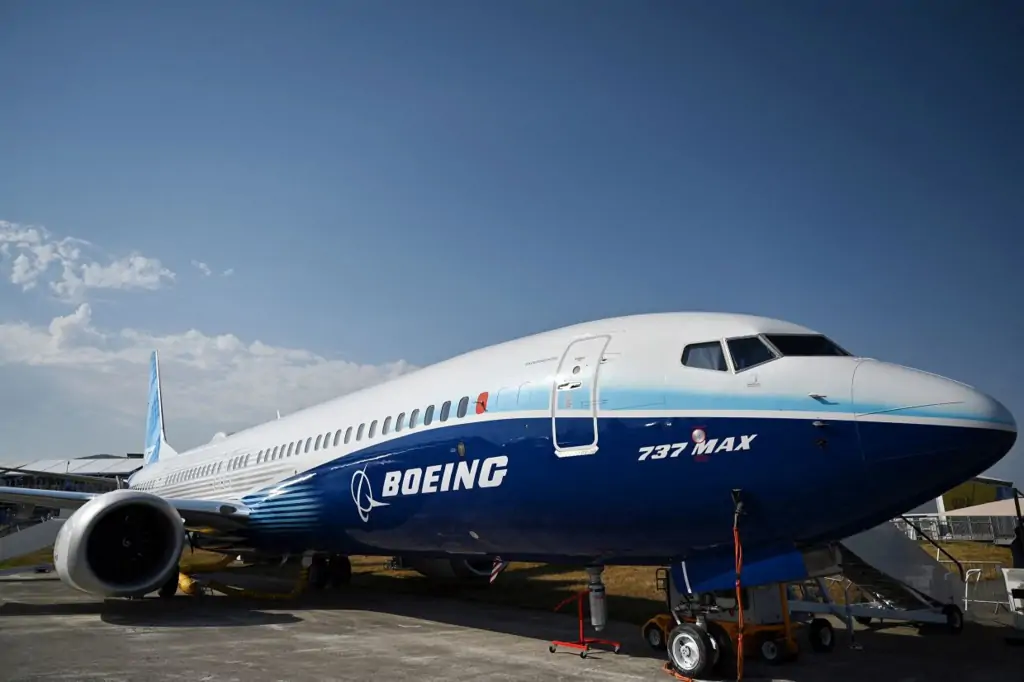
When Beijing slapped reciprocal tariffs of up to 125% on U.S. goods last month, it effectively halted deliveries of dozens of Boeing 737 Max jets to Chinese carriers. In retaliation for Washington’s own 145% levies on Chinese imports, the Chinese government instructed its airlines to send new Boeing aircraft back to the United States, leaving roughly ten jets in limbo and another batch slated for handover this spring. Enter Air India Ltd., which sees an opportunity to accelerate its fleet renewal and scale up its low?cost arm, Air India Express, by scooping up these “orphaned” planes.
Filling the Skies with Deferred Deliveries

Through the end of March, Air India had already absorbed 41 737 Max aircraft originally built for Chinese customers, repainting and reconfiguring them in Bengaluru before sending them into service. With Beijing’s fresh embargo, Tata Group–owned Air India has signaled interest in acquiring the ten or so jets currently awaiting delivery, and is also eying future slots vacated by Chinese carriers. Moreover, Air India expects to take on roughly nine more stored 737 Max jets by June, pushing its total “rescued” fleet close to fifty.
Strategic Growth for Air India Express
Air India Express—Tasked with challenging market?leader IndiGo—stands to gain the most from this sudden cache of narrowbodies. The low?cost subsidiary plans to strip out business?class seats from these inherited jets, converting them into high?density economy layouts by April 2026. Such rapid additions could underpin fare?cutting strategies and route expansion across short?haul domestic and international sectors, where price sensitivity is paramount.
Cabin Configurations and Payment Hurdles
But repurposing these jets is not plug?and?play. Each aircraft’s cabin was originally tailored to the specifications of its Chinese customer, meaning Air India must navigate bespoke galley layouts, in?flight entertainment systems, and seat pitches. In addition, some deposits against these orders were already paid, necessitating delicate negotiations with Boeing over refunds or credit?note swaps. Boeing’s willingness to reassign aircraft and delivery slots on flexible commercial terms will therefore be a linchpin of this deal.
Boeing’s Silver Lining—and Lingering Shadow Factory
For Boeing, the sudden interest from Indian and other Asian carriers—Malaysia Aviation Group is reportedly in similar talks—offers a short?term reprieve from the reputational and financial damage wrought by the U.S.–China tariff standoff. Yet the manufacturer still faces the complex task of winding down its so?called “shadow factory” of stored 737s this summer, a process complicated by unsettled deliveries and diverse customizations. Boeing’s quarterly earnings call this week will likely include an update on how many of these jets remain in storage and what the timeline is for their release.
Wider Implications for the Aviation Market
Longer term, geopolitical friction threatens to reshape the global commercial aircraft market. Europe’s Airbus SE has already gained ground in China—where it operates an assembly facility in Tianjin—leaving Boeing at risk of exclusion from one of the world’s fastest?growing aviation markets. Conversely, airlines in India and Southeast Asia may find themselves the inadvertent beneficiaries of Sino?American rancor, securing relatively new jets at favorable terms.
What’s on the Horizon
For Air India, the immediate priority is to integrate these ex?Chinese deliveries smoothly and leverage them for competitive advantage—both in the full?service and low?cost segments. Should Boeing’s production continue uninterrupted and trade tensions persist, Air India may have further chances to bolster its ranks before its new narrowbody orders—140 more jets from the 2023 deal—begin arriving after March 2026. In the high?stakes game of airline competition, sometimes the best opportunities emerge from unexpected detours.
With Inputs from Economic Times
Read next

Remember the chaos of January 11, 2023, when an embattled NOTAM system froze U.S. skies, grounding over 11,000 flights in the first nationwide ground stop since 2001? That single event underscored a painful truth: the Notice to Airmen (NOTAM) database—a cornerstone of flight safety—was lasting its best days.
Fast-forward to early 2025, and the NOTAM system has stumbled again, suffering outages on February 1 and a three-hour blackout on March 22 due to a hardware glitch, once more leaving pilots in limbo. These blackouts have ignited safety alarms and led to urgent calls for modernization.
Pilots, air traffic controllers, and lawmakers alike have demanded change. A bipartisan group of senators—led by Amy Klobuchar (D-MN) and Shelley Moore Capito (R-WV)—warned that missing a September 2024 deadline to deploy a new system was unacceptable. Now, the FAA is sprinting to catch up, with a promise to roll out a cloud-based pilot messaging database solution by September 2025.
Racing the Clock: CGI Federal Takes the Helm
Who’s steering this high-stakes retrofit? Enter CGI Federal, selected by the FAA to architect the NOTAM Modernization Service. The firm is contracted to deliver a fully functional system by July 2025, leaving a razor-thin window before the FAA’s public goal of September 2025 deployment.
Why the rush? Beyond political pressure, every additional NOTAM hiccup risks inflight confusion and ground delays. A reliable, near real-time messaging backbone isn’t a luxury—it’s an operational necessity. CGI’s task: migrate the creaky, decades-old database into a secure, cloud-hosted environment built for the 21st century.
Dollars and Deadlines: The Price Tag of Safety
Modernizing the NOTAM system comes with a hefty price tag. According to the National Air Traffic Controllers Association (NATCA), the FAA needs at least $154 million just for further research—and up to $354 million to complete a full replacement. Yet, the exact contract value for CGI’s involvement remains under wraps, raising eyebrows among fiscal watchdogs.
Meanwhile, Transportation Secretary Sean Duffy has signaled a broader funding plea: “We’ll be asking Congress for tens of billions for a multiyear overhaul of air traffic control infrastructure and staffing,” he revealed earlier this month. As aviation budgets stretch thinner, stakeholders wonder: will safety dollars flow fast enough?
Anatomy of a NOTAM: More Than Just Bulletins
If you’ve ever wondered why those cryptic NOTAM messages pop up, here’s the scoop: NOTAMs issue over 4 million notices annually, covering temporary runway closures, airspace restrictions, taxiway light status, and newly spotted obstructions. Pilots depend on these brief alerts to plot safe flight paths. A delay of even a few seconds in pushing critical data can turn routine flights into risky ventures, especially near busy airports.
Cloud hosting promises real-time data exchange, automated updates, and fortified cybersecurity—features absent in the legacy system. Pilots could soon receive push notifications on tablet displays moments after control centers log a runway closure. Goodbye, lag times!
Pilot Peeks and Controller Cheers: Human Impact
What do aviators think? Many pilots have sarcastically dubbed the current NOTAM system “antiquated Morse code,” recalling nights wrestling with operator dial-ups. Controllers echo similar frustrations: cumbersome interfaces, cryptic formats, and unpredictable outages. The new system aims to give human operators and crews intuitive dashboards, configurable alerts, and mobile-ready interfaces.
Still, transitions breed concerns. Will the cloud undergo its own downtimes? How will legacy integrations—weather feeds, radar interfaces, third-party flight planners—adapt? FAA spokespeople assure rigorous testing before “going live,” but skeptics are poised to log every glitch.
Legal Hurdles and Congressional Crosswinds
Adding political spice, Congress mandated a backup NOTAM system alongside the primary upgrade by September 2024. Missing that cutoff triggered tough questions during recent hearings, with senators pressing FAA leadership for explanations on system resilience and contract transparency.
Lawmakers demand a robust fallback: if the primary cloud service stumbles, a secondary network—perhaps hosted by a separate vendor or on a hybrid on-premise solution—must immediately assume NOTAM duties. After all, two ground stops are too many.
Cloud’s Silver Lining: What to Expect
If all goes as planned, pilots and controllers could see the following improvements by fall 2025:
- Instantaneous Alerts: Push notifications to cockpit tablets the moment NOTAMs are filed.
- Intuitive UI: Custom dashboards highlighting only filtered, relevant advisories.
- Resilient Architecture: Multi-region cloud redundancy to dodge single-point failures.
- Advanced Analytics: Machine learning to spot patterns, predicting airspace bottlenecks before they occur.
Imagine a world where weather warnings, runway maintenance notices, and temporary airspace restrictions arrive in a user-friendly feed—no cryptic acronyms required!
Wrapping Up: A High-Wire Act of Aviation Safety
So, could this FAA–CGI partnership finally banish NOTAM nightmares from the skies? The stakes couldn’t be higher. A modernized, cloud-hosted NOTAM service stands to save time, reduce delays, and most importantly, protect lives. Yet, the road ahead is a high-wire act: tight deadlines, budget wrangles, and technical complexities loom large.
One thing’s certain: come September 2025, all eyes in the aviation world will be watching. If this lift-off succeeds, pilots will breathe easier, controllers will breathe easier, and travelers might, too. But if it falters? We may just find ourselves circling for another fix.
Fasten your seatbelts—it’s going to be an eventful descent into the clouds of the future!
With Inputs from Reuters
Read next
Is Someone Finally Ready to Buy PIA? Inside the National Airline’s Profit-Fueled Privatization
Abhishek Nayar
21 Apr 2025
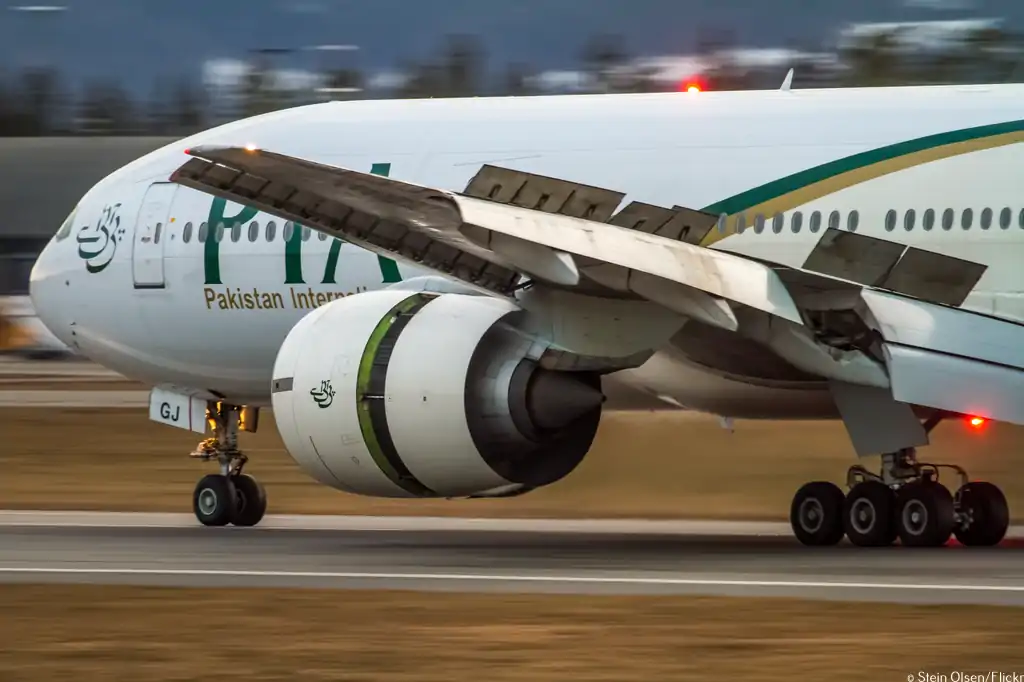
For the first time in over two decades, Pakistan International Airlines (PIA) reported an operating profit of PKR 9.3 billion (approximately $33.1 million) and a net profit of PKR 26.2 billion for the fiscal year ending December 2024—all thanks to aggressive cost cuts, route optimizations, and government-backed debt relief. This landmark turnaround has set the stage for a renewed push to privatize the once cash?burning national carrier.
Next Week’s Bidding Bonanza
What’s on Offer?
- Stake for Sale: 51 – 100% of PIA
- Invitation: Expressions of interest to be invited next week
- Goal: Raise fresh capital and satisfy IMF?mandated reforms under a $7 billion support programme
Why Now?
The government has just shifted nearly all of PIA’s legacy debt onto state books, clearing a key roadblock that scared off bidders in the 2024 attempt. With cleaner balance sheets and proof of profitability, Islamabad hopes to spark a competitive auction this time around.
Cleared Clouds: Debt Relief & Reforms
- Legacy Debt: ~80% moved off PIA’s books, with the rest cleaned up post–last attempt
- Reforms Implemented:
- Workforce rationalization and early retirements
- Withdrawal from loss?making routes
- Stricter financial discipline across operations
These measures have not only delivered profit but also “fundamentally strengthened PIA’s position” according to CEO Amir Hayat.
What Went Wrong (Last) Time
PIA’s 2024 privatization bid attracted only a single, lowball offer—well under the government’s $300 million reserve price. Bidders flagged lingering debt concerns and tax issues, leading to a stalled process and another year of government bailouts.
The Sky’s the Limit—But Challenges Remain
Potential Suitors
- Regional carriers eyeing network expansion
- Private equity firms specializing in airline turnarounds
- Sovereign wealth and infrastructure funds seeking long?term assets
Headwinds to Watch
- Global Aviation Volatility: Fuel prices, exchange rates, and post?pandemic travel patterns
- Regulatory Hurdles: Slot allocation, bilateral air service agreements, and safety clearances
- Public Sentiment: PIA remains a national icon; any sale will be closely scrutinized by unions and the general public
With expressions of interest set to open next week, all eyes will be on who dares to bid on PIA—the airline that just proved it can fly in the black. Buckle up: the privatization ride is about to begin.
With Inputs from Reuters
Read next

Imagine witnessing the evolution of aviation through three-quarters of a century—when does a maintenance hangar become the launchpad for an industry’s future? On April 16, 2025, Air Works Group celebrated its 75th anniversary, marking a journey from humble DC?3 check?ups at Mumbai International Airport to becoming India’s largest independent MRO powerhouse. What secret fuel keeps this engine roaring, decade after decade? ?
Beginnings on the Tarmac: From DC?3s to Dreams
It all started on April 16, 1951, when (Late) BG Menon and (Late) PS Menon opened their first workshop at Mumbai International Airport. Armed with wrenches and vision, they serviced Douglas DC?3s and DC?4s—aircraft that had ushered in the golden age of commercial flight. What began as a small team supporting industrialists and international carriers would lay the foundation for India’s very first MRO industry. ?
Engineering an AtmaNirbhar Legacy
Long before “self?reliance” was a national rallying cry, Air Works pioneered indigenization. In the early 1980s, they launched a CAR?147 certified academy, churning out skilled technicians to meet India’s growing aviation demand. From avionics retrofits to full airframe overhauls, the company mastered over 50 different aircraft types, forging partnerships with heavyweights like Dassault, Bombardier, Bell, Leonardo, and Gulfstream. ?
Reaching New Altitudes: EASA, Defense, and Global Expansion
The 2010s signaled a bold leap: professional management, fresh capital, and India’s first private EASA?approved commercial maintenance facility in Hosur, Tamil Nadu. By 2011–12, a strategic JV with Boeing opened the defense MRO segment, servicing BBJ aircraft for Heads of State. Before 2019, Air Works also stood as India’s sole aviation MNC, with footprints across the USA, UK, Europe, Middle East, and China. ?

Fly Assured: Customer Loyalty and Pan?India Presence
With a network spanning 27 cities and 1,600+ dedicated employees, Air Works lives by its “Fly Assured” promise. Over 90% of customers—ranging from commercial airlines and lessors to the Indian Air Force and Navy—have remained loyal partners through weathered skies and turbulent markets. This customer?centric culture has kept the brand soaring, whether handling an A320 heavy check or a Bell helicopter retrofit. ?
Platinum Celebrations: Honoring People and Culture
Rather than glitzy public fanfare, the Platinum Anniversary focused inward—celebrating the “Air Works family.” Across India, employees and their loved ones were feted for their tireless dedication. At a grand puja ceremony, a specially curated medallion was unveiled—a symbol of past achievements and future promises. Ravi Menon, Director, fondly recalled growing from a 50?member team to over 1,600, emphasizing the company’s culture of collaboration, trust, and transparency. ?
“Our journey has been one of passion, perseverance, and professionalism,”
reflected D Anand Bhaskar, MD & CEO. “Turning 75 isn’t just a company achievement – but a collective tribute to the faith and commitment of every member of the Air Works family.” ?
Looking Ahead: Re?Inventing for Tomorrow
As Air Works moves beyond its Platinum milestone, the focus shifts to innovation and skilling—leveraging policy inputs for regional standards harmonization and indigenized solutions. With JVs like SA Air Works (avionics) and Acumen Aviation (asset management), the company is primed to write many more chapters: sustainable MRO practices, digital engineering, and training the next generation of aviation professionals. ?
From a modest hangar in 1951 to a pan?India aviation landmark in 2025, Air Works’ 75?year odyssey showcases the power of vision, agility, and a people?first ethos. As every takeoff begins with a run?up, so too does every tomorrow start with the lessons—and legacies—of yesterday. Fasten your seatbelts: the next ascent promises even greater heights!
Comment