
Boeing's Delivery Delays Dent Ryanair's Growth: CEO O'Leary Expresses Frustration

Abhishek Nayar
30 Aug 2024
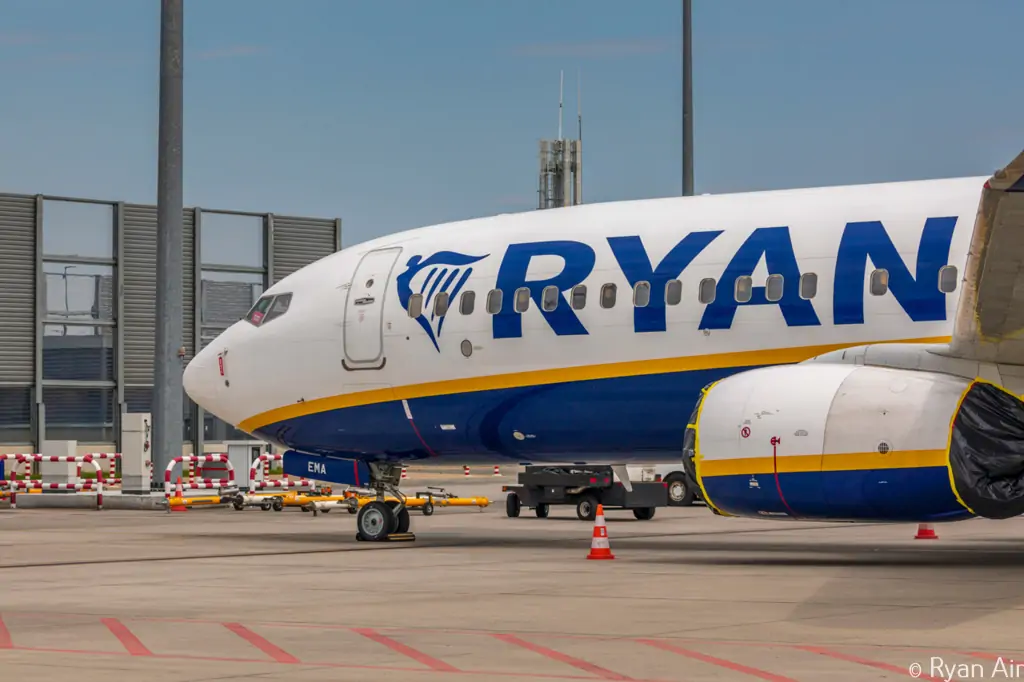
Ryanair Group's chief executive, Michael O’Leary, has not minced words regarding his dissatisfaction with Boeing. As the airline battles through an unexpectedly turbulent year, O'Leary's pointed remarks underscore the significant impact that Boeing's delivery delays are having on Ryanair's growth prospects. With missed delivery targets and the ripple effects of fewer available aircraft, Ryanair's projections for passenger numbers and revenue have taken a hit, setting the stage for a challenging fiscal year.
Boeing's Delivery Delays: A Stumbling Block for Ryanair
Ryanair’s ambitious growth plans have been undermined by Boeing’s inability to deliver aircraft on schedule. The low-cost carrier had initially planned to receive seven aircraft in July and ten in August 2024. However, the reality has fallen short, with only five planes arriving in July and a similar number expected for August. This shortfall has severely restricted Ryanair's ability to scale operations, particularly in the peak summer travel season.
O'Leary expressed his frustration, stating, "We were supposed to get seven in July. We got five. We were supposed to get ten in August. We're going to be lucky if we get five." The delays are not just an operational inconvenience; they have financial implications that are hard to ignore.
Financial Impact: A €500 Million Revenue Shortfall
The direct consequence of these delays is a significant reduction in Ryanair's revenue forecast for the current fiscal period. O’Leary indicated that the company expects to close the year with around €500 million ($556.3 million) less revenue than originally projected. This shortfall is particularly stark when considering Ryanair's strong performance in Q1 FY2025, where the airline posted revenues of €3.65 billion ($4 billion). The full-year revenue for FY2024 was a robust €13.4 billion ($14.9 billion).
Passenger Numbers and Revenue Projections: A Sobering Outlook
Originally, Ryanair had forecasted passenger traffic to grow by 8% year-on-year (YoY), aiming to carry around 200 million passengers in FY2025. However, this target was contingent on a stable delivery schedule for Boeing's 737 Max aircraft. With the current disruptions, the carrier now expects to fall short of its initial target of 205 million passengers.
The airline's Q1 FY2025 results painted a mixed picture. While traffic grew by 10% YoY, Ryanair’s yields fell by 6% YoY. The airline attributed this decline in part to 15% lower fares, driven by the absence of the first half of Easter from Q1 and unexpected price stimulation.
Ongoing Challenges: Uncertain Prospects Ahead
Looking ahead, Ryanair's outlook remains cautious. While demand has been robust in Q2 FY2025, the pricing environment is softer than anticipated, leading the airline to project lower revenues for the period compared to FY2024. O’Leary has warned that by the end of FY2025, average prices may be 5% lower YoY, adding to the financial pressure on the airline. In Q1 FY2025, the average fare was €49.07 ($54.61), which was already 15% lower than in the same period the previous year.
Despite receiving "modest amounts of compensation" from Boeing, O'Leary emphasized that Ryanair would prefer to have the aircraft rather than the monetary compensation. The delayed deliveries have not only impacted Ryanair's revenue but also hindered its ability to expand its network and capitalize on the growing demand for air travel.
Conclusion: A Challenging Year Ahead
As Ryanair prepares to release its Q2 FY2025 results on November 4, 2024, the airline is grappling with a series of challenges that threaten to derail its growth trajectory. Boeing's delivery delays have created a significant bottleneck, and the carrier's ability to navigate this turbulent period will be closely watched by investors and industry analysts alike. While Ryanair has shown resilience in the face of adversity, the road ahead is fraught with uncertainty, and the airline's performance in the coming months will be critical in determining its long-term success.
Read next
Will United' Flight Attendants Strike? The Fight for Fair Wages and Better Conditions Unfolds
Abhishek Nayar
30 Aug 2024

United Airlines flight attendants have sent a powerful message: they are ready to strike if necessary. In an overwhelming vote, nearly 100% of flight attendants supported authorizing a strike, a move not seen in nearly two decades. With demands for better pay and working conditions, the airline faces significant pressure as Labor Day travel looms. But will this vote lead to an actual strike? Here’s what you need to know.
The Flight Against Corporate Greed: What’s Driving the Discontent?
Ken Diaz, President of the Association of Flight Attendants' (AFA) United Chapter, voiced the frustrations of United’s flight attendants, highlighting the stark contrast between management’s compensation and the struggles of inflight workers. In a statement to Houston’s NBC affiliate KPRC, Diaz pointed out that while United’s management enjoys substantial pay increases, many flight attendants are struggling to make ends meet.
“The 99.99% yes vote is a clear reminder that we are unified in the fight against corporate greed and ready to fight for our fair share of the profits we create,” Diaz emphasized.
Negotiations at a Standstill: The Push for a New Contract
United Airlines has been in ongoing negotiations with the AFA to form a new collective bargaining agreement (CBA). According to the airline, these negotiations have been continuous, with sessions scheduled through November, facilitated by a federal mediator. Despite these efforts, the union is pushing for significant changes.
The AFA’s demands include a double-digit base pay increase, higher wages for all time worked (including time spent on the ground), retroactive pay to the amendable contract date, flexible schedules, enhanced job security, and improved retirement benefits.
“We deserve an industry-leading contract,” Diaz stated, signaling the union’s determination. “Our strike vote shows we’re ready to do whatever it takes to reach the contract we deserve.”

What’s Next? The Path to a Possible Strike
Despite the overwhelming strike authorization, United’s flight attendants must continue to work, as any industrial action requires approval from the National Mediation Board (NMB). If negotiations reach a deadlock, the union may request a release from mediation, triggering a 30-day “cooling-off” period before a potential strike.
Adding to the uncertainty is the AFA’s trademarked strike strategy known as CHAOS (Create Havoc Around Our System). This strategy could involve unpredictable and flexible industrial actions, making it difficult for United Airlines to anticipate the union’s moves. CHAOS could range from disrupting a single flight to grounding the airline’s entire system, keeping both management and passengers in the dark until the last moment.
Historical Context: A First in Two Decades
This strike authorization is particularly significant as it is the first time since 2005 that United’s flight attendants have voted on such a proposal. The previous vote occurred during a turbulent period when the airline was undergoing bankruptcy negotiations.
United is not alone in facing labor unrest. Flight attendants from other major airlines, including American Airlines, Alaska Airlines, and Southwest Airlines, have also recently voted to authorize strikes, reflecting a broader push for improved contracts across the industry.
Conclusion: High Stakes for United Airlines and Its Passengers
As the Labor Day travel season approaches, United Airlines faces a potential crisis. The flight attendants’ overwhelming support for a strike authorization sends a clear message: they are ready to take action if their demands are not met. The coming weeks will be crucial as both sides continue negotiations under the watchful eye of the NMB.
Passengers, too, are on edge, wondering if their travel plans will be disrupted. United Airlines must now balance the demands of its workforce with the need to maintain operations and customer satisfaction.
Will United Airlines be able to reach a deal with its flight attendants, or are passengers facing the possibility of chaos in the skies? Only time will tell.
Read next

In just two years since its launch, Akasa Air has made significant strides in the competitive Indian aviation industry. Despite facing challenges such as limited presence on profitable metro routes and rising operational costs, the airline remains optimistic about its future. With Founder and CEO Vinay Dube at the helm, Akasa Air is poised to overcome its initial hurdles and soar to new heights.
A Pandemic-Born Vision
The story of Akasa Air began in the unique circumstances brought on by the COVID-19 pandemic. The aviation industry was reeling from the impact of lockdowns, with a sharp decline in aircraft rentals and an increase in the availability of pilots, cabin crew, and engineers. For Dube, this was the perfect moment to launch a new airline. "That was literally the only circumstance under which I was willing to start an airline," he revealed in a recent interview with The Economic Times.
Rapid Expansion Amidst Early Challenges
Since its inception in 2021, Akasa Air has expanded at a breakneck pace, amassing a fleet of 24 aircraft in just two years. The airline's ability to secure the right assets at the right price has been crucial in managing costs, particularly in areas like fuel efficiency, engine maintenance, and aircraft leasing—expenses that account for about 70% of an airline's operational costs.
However, this rapid expansion has not come without challenges. The airline reported losses exceeding Rs 2,400 crore in its first two years, primarily due to its limited presence on profitable metro routes and the rising costs associated with hiring pilots. These losses, according to Dube, are typical of a young airline still in its gestation phase. "Every early-stage company loses cash," he emphasized, adding that the airline's focus on building a strong foundation will pay off in the long run.

Strategic Investments for a Tech-Driven Future
Akasa Air's growth strategy is heavily focused on leveraging technology to drive future success. The airline has established an integrated operations control centre in Mumbai, launched a training academy, and is developing an AI solution to enhance customer interactions. Co-founder Belson Coutinho highlighted the airline’s commitment to using customer data to provide personalized services, thereby enhancing brand loyalty.
Expanding Horizons and Strategic Partnerships
Akasa Air's strategy of expanding to leisure destinations like Srinagar has already begun to yield positive results. Chief Commercial Officer Praveen Iyer noted that these routes have proven profitable, and the airline is gradually increasing aircraft utilization, with planes now operating close to 13 hours daily.
In a further boost to its expansion plans, Akasa Air is reportedly in talks with a consortium of family offices, including those of Wipro’s Azim Premji and Manipal Group’s Ranjan Pai, to secure an additional $125 million in funding. This investment is expected to fuel the airline's growth as it moves towards its goal of achieving profitability within the next three years.
The Road to Profitability and Beyond
Despite the early losses, Dube remains optimistic about Akasa Air’s future. He reassured stakeholders that the initial investment of around Rs 250 crore from the family of the late stockbroker Rakesh Jhunjhunwala remains intact, underscoring the airline’s prudent financial management. With strategic investments in technology, long-term vendor agreements, and a solid growth plan, Akasa Air is well-positioned to achieve profitability by 2027 and go public by 2028.

Looking Ahead: A Bright Future for Akasa Air
As Akasa Air continues to build on its strong foundation, the future looks promising. The airline's ability to navigate the challenges of the early stages, combined with its focus on technology-driven growth and strategic expansion, positions it as a formidable player in the Indian aviation industry. With the support of visionary leadership and strategic investments, Akasa Air is set to soar higher, bringing affordable and reliable air travel to more destinations across India.
Conclusion: Soaring Towards Success
Akasa Air’s journey is a testament to the power of vision, strategic planning, and resilience. Born out of the challenges of a global pandemic, the airline has quickly established itself as a key player in the aviation industry. With a strong focus on technology, customer satisfaction, and strategic expansion, Akasa Air is on track to achieve its ambitious goals, turning early losses into long-term success.
With Inputs from Business Standard
Read next
Ryanair's Fare Forecast Rebounds: What Changed and What’s Next for European Airlines?
Abhishek Nayar
29 Aug 2024
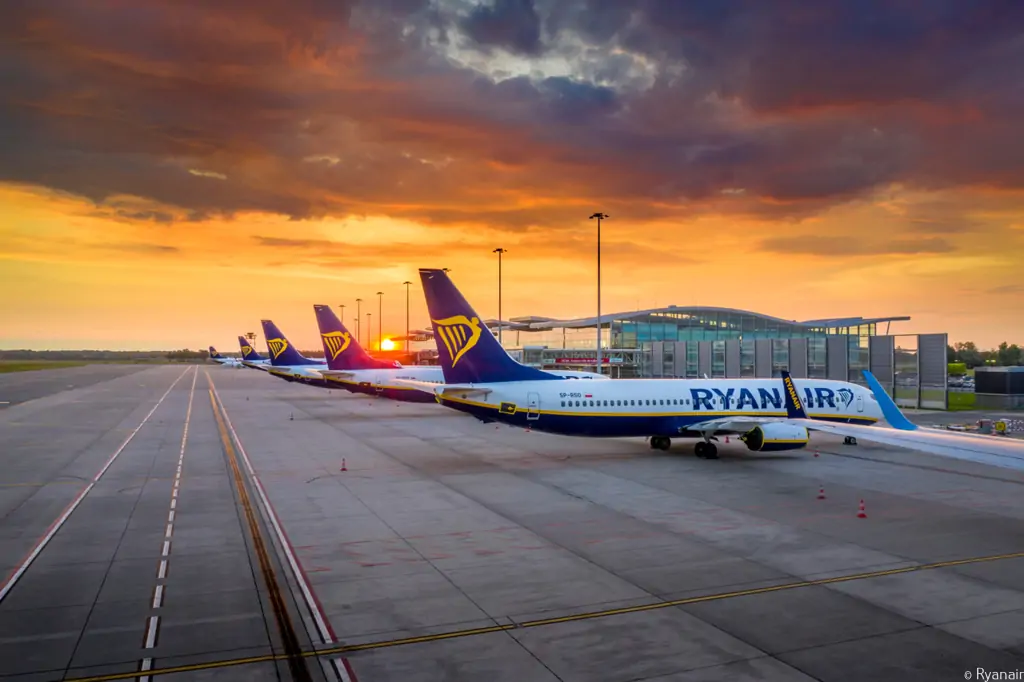
Ryanair, Europe's largest budget airline, recently upgraded its summer fare outlook after a concerning forecast in July. CEO Michael O'Leary told Reuters on Tuesday that the risk of a double-digit percentage drop in fares has now dissipated, giving a boost to investor confidence. This surprising reversal raises the question: what caused the sudden stabilization, and what does it mean for the future of European airlines?
From Panic to Promise: The Shift in Ryanair’s Forecast
Last month, Ryanair's shares took a sharp 15% dive when O'Leary warned that airfares could fall by more than 10% during the critical July-September period. This announcement stirred anxiety across the industry, signaling the potential end of the post-COVID travel surge. However, the airline's recent outlook suggests a more optimistic scenario, with O'Leary now predicting a more moderate 5% decline during this period—a scenario he previously considered the best-case outcome.
O'Leary's latest remarks indicate that while fare softening was evident in the spring months of April, May, and June, this trend has now "levelled out." The panic over a steep drop in fares seems to have passed, and the CEO now sees the earlier fear of a "double-digit fall" as unlikely.
What’s Behind the Fare Stabilization?
O'Leary speculated that one possible explanation for the fare stabilization could be consumers' willingness to spend more during peak summer months. However, he admitted that the airline does not have a clear understanding of why the downward trend has halted. Despite this uncertainty, the airline's more upbeat forecast has provided a boost to its stock price, which jumped 6.2% at 1245 GMT on Tuesday, making it the second-largest gainer on the pan-European index. Rivals easyJet and Wizz Air also saw similar gains, with their shares rising by 6.2% and 6.6%, respectively.

Cautious Optimism: What Lies Ahead for Ryanair and Competitors?
While Ryanair's fare outlook has improved, O'Leary remains cautious about the months ahead. He acknowledged that fares are likely to continue facing downward pressure as long as consumers remain financially strained. Looking ahead, he suggested that a 5% drop in fares could be expected in the six months leading up to March 2024. However, he emphasized that this was merely an educated guess, reflecting the ongoing uncertainty in the market.
A key factor in Ryanair's revenue generation is its ability to charge high last-minute fares. In July, O'Leary pointed out that customers were increasingly resistant to buying expensive, last-minute tickets, opting to wait for price cuts instead. When asked if this trend was still prevalent, O'Leary noted that current price resistance is "not the same" as it was earlier in the year, implying a possible easing of consumer pushback.
Boeing Deliveries: Another Hurdle on the Horizon
While fare stabilization offers some relief, Ryanair is not entirely out of the woods. O'Leary warned that delays in aircraft deliveries from Boeing could pose a challenge for the airline. Ryanair had expected to receive 29 of Boeing’s 737 MAX aircraft ahead of next summer, but O'Leary now fears the number might drop to just 20-25 planes. This shortfall could impact the airline's capacity and growth plans for 2024, potentially limiting its ability to fully capitalize on the improving fare outlook.
Conclusion: A Turning Point or Temporary Relief?
Ryanair's revised fare outlook marks a significant turnaround from the doom and gloom of July, but the airline and its competitors are not out of the woods yet. While the immediate threat of a double-digit fare decline has receded, the broader economic pressures on consumers and potential operational challenges, such as aircraft delivery delays, continue to cast shadows over the industry. Investors and industry watchers will be keeping a close eye on how Ryanair navigates these challenges in the coming months, as the airline's performance will likely set the tone for the broader European aviation market.
With Inputs from Reuters
Read next
Exploring New Horizons: MHI and JAL Collaborate on Aircraft Aftermarket Expansion
Abhishek Nayar
29 Aug 2024
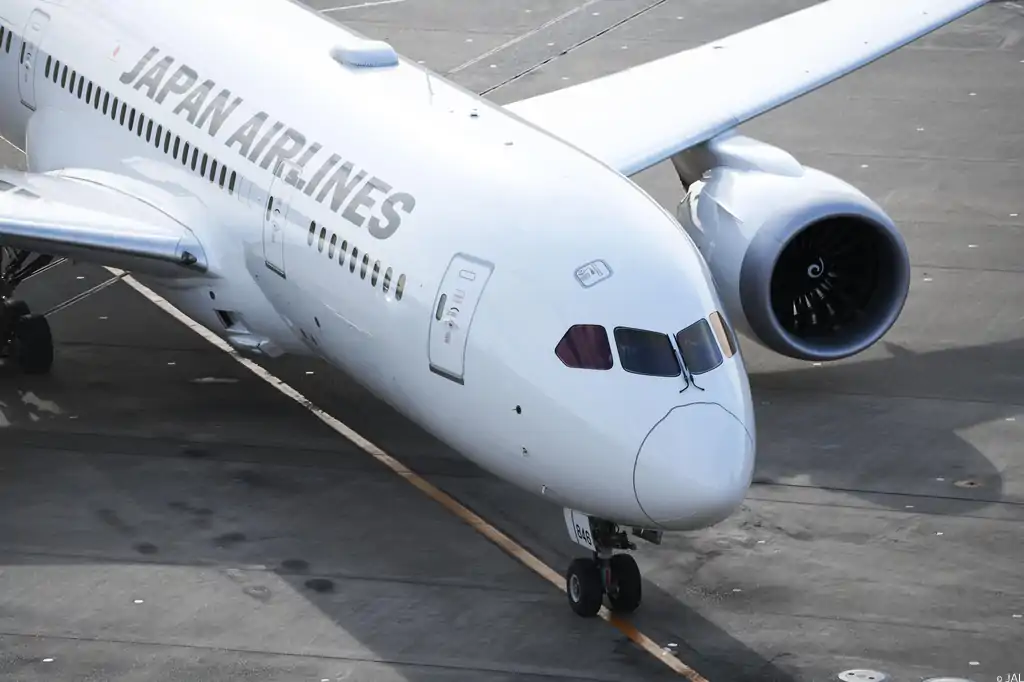
In a significant move to strengthen the aviation industry, Mitsubishi Heavy Industries, Ltd. (MHI) and Japan Airlines Co., Ltd. (JAL) have signed a memorandum of understanding (MoU) to explore collaboration opportunities in the aircraft aftermarket business. This partnership aims to leverage the combined strengths of both companies to enhance aircraft maintenance, repair, and overhaul (MRO) services, ensuring safer and more efficient flight operations.
The Growing Demand for Aircraft Maintenance Services
As global air travel continues to recover from the impacts of the pandemic, the demand for aircraft has surged. This increase has also spiked the need for reliable maintenance services, which are crucial for ensuring the longevity and safety of aircraft. The aircraft aftermarket business, encompassing repairs, maintenance, parts supply, and refurbishment, is vital for keeping the aviation industry afloat and meeting stringent safety standards.
JAL and MHI: A Synergy of Expertise
Japan Airlines, with its extensive experience as an aircraft operator, brings deep expertise in aircraft operation and maintenance. The airline has a long-standing reputation for operational excellence, which will be instrumental in this partnership. On the other hand, Mitsubishi Heavy Industries, a renowned aircraft manufacturer, contributes its vast knowledge in aircraft design, development, manufacturing, certification, and MRO services. MHI’s strong presence in North America further amplifies the potential of this collaboration.
Within the JAL Group, the responsibility for this joint exploration will be undertaken by JAL Engineering Co., Ltd. (JALEC), the subsidiary specializing in aircraft maintenance. JALEC’s involvement ensures that the partnership will be grounded in practical, hands-on experience, with a strong focus on maintaining high safety and operational standards.
Addressing Industry Challenges Together
The aircraft aftermarket is facing various challenges, including the need for skilled labor, advanced technologies, and sustainable practices. By pooling their resources and expertise, JAL and MHI aim to address these challenges head-on. Their collaboration will not only improve MRO services but also contribute to the overall advancement of the aviation industry.
This exploration of joint collaboration extends beyond immediate business opportunities. JAL and MHI are also considering expanding their cooperation in human resources development and technology innovation. By working together, the two companies hope to foster the next generation of aviation professionals and develop cutting-edge technologies that will drive the industry forward.
Looking Ahead: A Promising Future for Aviation
The partnership between Mitsubishi Heavy Industries and Japan Airlines represents a forward-looking approach to the evolving needs of the aviation industry. As the global demand for aircraft continues to rise, the collaboration between these two giants promises to set new benchmarks in aircraft maintenance and safety. With both companies committed to innovation and excellence, the future of aviation looks brighter and more secure than ever.
This strategic move marks a pivotal moment in the industry, where collaboration and shared expertise will pave the way for a more resilient and sustainable aviation sector. As JAL and MHI continue to explore new opportunities, their partnership is poised to play a crucial role in shaping the future of air travel.
With Inputs from Mitsubishi
Read next
Why Are Boeing Workers Ready to Strike in 2024? Unpacking the Tensions at the Factory
Abhishek Nayar
29 Aug 2024
The sprawling Boeing factory in Everett, Washington, has been anything but quiet lately. As the contract negotiations between Boeing and its workforce heat up, the factory has become a battleground of noise and unrest, signaling a potential strike that could disrupt the aerospace giant's operations. But why are Boeing workers so restless, and what are the key issues fueling their discontent?
A Symphony of Dissent: Workers Make Their Voices Heard
On Mondays and Wednesdays, the usually industrial hum of Boeing's Everett factory is drowned out by a cacophony of air horns, train horns, and vuvuzelas. Workers from the International Association of Machinists and Aerospace Workers (IAM) are making their displeasure known, chanting, “Out the Door in ’24,” during lunch breaks. Forty miles south in Renton, where Boeing’s profitable 737 model is assembled, second-shift workers have taken a different approach. They blast ’90s rap, death metal, ’80s pop, and opera music simultaneously, driving management and HR to their wits' end.
These noisy protests are not just for show. They are the outward expression of deep-seated grievances that have been building up over years. With the current contract expiring on September 12, 2024, and the last full contract negotiated back in 2008, the stakes are high for the 31,000 members of Machinists District Lodge 751 in Washington and 1,300 District W24 members in Gresham, Oregon.
A Rallying Cry: Workers Demand Better Conditions
The tension reached a peak on July 17, 2024, when a workday rally at Seattle Mariners’ baseball stadium drew an unprecedented 25,000 attendees, including 800 motorcyclists in a roaring procession. In a striking display of unity, 99.9 percent of members voted to sanction a strike, the first formal step toward a walkout.
At the heart of their demands are starting wages that barely exceed the minimum wage in nearby Seattle, the elimination of their defined-benefit pension eight years ago, and the grueling mandatory overtime that leaves workers mentally and physically exhausted. “It’s driving people insane, ten- to twelve-hour days, nineteen days in a row,” said Jon Voss, a senior steward and thirteen-year veteran at Boeing. The harsh working conditions have even led to some workers passing out on the job.
The Decline of Boeing: From Golden Ticket to Last Resort
Once considered the golden ticket for workers in the Puget Sound area, Boeing’s reputation has plummeted. “Used to be nobody would talk bad about Boeing,” recalled Edwin Haala, a heavy structure mechanic who started in 1996. “Now we don’t want our kids to work there.”
The pay disparities are stark. Starting wages at Everett hover around $19 per hour, while Seattle’s minimum wage is $19.95. Even worse, it takes six years to reach the top pay rate, which still isn’t enough to support a family. Many workers can’t afford to move out of their parents’ homes or are forced to live with multiple roommates, or even in their cars. The demoralizing situation has crushed the spirits of many workers, leading to high turnover and widespread dissatisfaction.

A History of Struggles: Boeing’s Rocky Past and Present
Boeing has been in the headlines for all the wrong reasons in recent years. The company faced global scrutiny after two fatal 737 MAX 8 crashes in 2018 and 2019, which resulted in the deaths of 346 people. The crashes were caused by faulty flight-control systems and highlighted serious flaws in Boeing’s design and certification processes. Just as the company was beginning to recover, another incident in January 2024 saw a door plug blow out of an Alaska Airlines 737 MAX 9 flight after takeoff, leading to production halts and increased scrutiny from federal regulators.
Internally, Boeing’s focus on profit at the expense of quality has eroded trust among its workers. The company’s decision to hire outside managers with little to no aerospace experience has further alienated the workforce. “They were removing quality inspections,” said IAM District 751 President Jon Holden, shifting the responsibility onto mechanics, which has only compounded the issues.
The Fight for a Fair Deal: Workers Push for Change
As the contract expiration date approaches, the union is pushing hard for significant changes, including the restoration of a real pension and a 40 percent wage increase over three years. The union also wants to ensure that Boeing’s next plane is built in the Puget Sound area, securing jobs for decades to come.
However, the company’s proposals have so far fallen drastically short of what the workers are demanding. The union has vowed not to back down, and many workers are prepared for a strike if necessary. “Seasoned folks, we want our pensions back, and that is the hill that many of us are ready to die on,” said Voss.
What’s Next? The Possibility of a Strike Looms Large
As the September 12 deadline looms, Boeing workers are bracing for what could be one of the most significant labor actions in the company’s history. Both sides are preparing for a possible strike, with management scrambling to get their production certificates in order and workers saving up money in anticipation.
The outcome of these negotiations could have far-reaching implications not only for Boeing but also for the broader aerospace industry. With Boeing already behind on filling orders and struggling to maintain quality, a strike could further exacerbate the company’s challenges.
For now, the workers remain resolute in their demands, determined to fight for a better future for themselves and for the legacy of Boeing. Whether the company will meet them halfway remains to be seen, but one thing is clear: the noise at Boeing’s factories is only going to get louder as the deadline approaches.
With Inputs from Jacobin
Comment