

Spirit Airlines, the ultra-low-fare carrier famous for pixel-perfect seat maps and add-on fees for practically everything but oxygen, is dramatically shrinking its footprint. In a fresh Chapter 11 choreography meant to get the airline from “uh-oh” to “lean and mean,” Spirit told creditors it plans to shed nearly 100 aircraft — almost half of its current 214-plane fleet as part of a court-supervised restructuring.
What happened
Spirit filed for Chapter 11 bankruptcy protection for the second time this year and asked the bankruptcy court to allow it to reject leases covering 87 aircraft as it redraws its network and fleet plan. The company says it has until October 27 to finalize exactly which aircraft it will keep, and it’s negotiating with lessors in the meantime.
The mechanics: how an airline trims itself like a bonsai
- Spirit filed a motion under the bankruptcy code to reject 87 aircraft leases, freeing the airline to return planes it deems “excess equipment.” Many of those aircraft are already parked and out of service — some staged at storage sites such as Goodyear (Phoenix).
- The carrier has already reached a deal with AerCap to reject leases on 27 aircraft, with AerCap paying Spirit $150 million as part of that resolution — a tidy little transfer that helps clear future obligations and resolve disputes over some Airbus deliveries.
- The broader restructuring also includes permission already granted by the court to reject 12 airport leases and 19 ground-handling agreements — meaning Spirit’s presence at a number of airports will shrink or vanish.
Why now? Spoiler: demand didn’t do the rebound dance
CFO Fred Cromer bluntly told creditors that the hoped-for industry rebound at the start of 2025 never materialized. Overcapacity among low-cost carriers, stubbornly weak passenger demand, aggressive low-fare capacity from legacy carriers, and downward price pressure combined to put Spirit in this position — and the airline says the fleet cut will save it “hundreds of millions” in costs and allow it to emerge as a smaller, more financially stable operator.
What it means for passengers (and airport coffee shops)
- Expect fewer Spirit flights at dozens of U.S. airports: the carrier has already announced exits from more than a dozen airports and suspended roughly 40 routes. If you love Spirit’s bare-bones bargain flights, some routes will evaporate; if you loathe surprise baggage fees, fewer flights might mean slightly less chance to grumble at gate agents.
- Travelers booked on affected flights should watch for official notices and rebooking options — in bankruptcy restructurings, airlines may cancel flights, reassign passengers, or offer refunds depending on the court timetable and executory-contract decisions. (Pro tip: keep receipts for every fee you were charged — you might like a paper trail later.)
The industry ripple: cheap seats meet reality
This isn’t just Spirit’s problem — it’s symptomatic of a wider mismatch between capacity and demand in the ultra-low-cost arena. Carriers had been feeding the market with many low-fare seats; when travelers didn’t return in the numbers expected, price competition intensified and margins evaporated. Spirit’s move is a hard reset: fewer planes, fewer flights, fewer opportunities to lose money on marginal routes. The hope is the smaller operation will be profitable, or at least less painfully unprofitable.

The human cost (and the human drama)
A fleet halving of this scale almost certainly touches jobs across the network — crews, ground staff, maintenance teams — and it will reshape relationships with dozens of lessors. Spirit previously said it had been running low on cash and had taken emergency financing steps; the AerCap settlement ($150M received) and other debtor-in-possession financing lines are part of a lifeline to buy time while restructuring.
Is Spirit trying to go from “cheap” to “durable”?
That’s the plan on paper. Management frames the cuts as painful but necessary to leave a “much smaller and stronger Spirit.” Whether the plan works will depend on: finalized fleet size after negotiations by October 27, how many leases the court permits to be rejected, and whether demand and yields recover enough for the slimmer operation to survive.
Quick timeline (for people who like dates more than doomscrolling)
- Late August 2025 — Spirit ran into serious cash problems and filed for Chapter 11 for the second time in the year.
- Oct 2–3, 2025 — Spirit filed a motion to reject leases for 87 aircraft and disclosed the AerCap resolution for 27 aircraft (with $150M payment).
- Oct 27, 2025 — Deadline Spirit set to finalize which aircraft are surplus and arrange their surrender/return (many planned surrenders target storage at Goodyear/Phoenix).
A little humor
Think of Spirit as that friend who filled their tiny apartment floor with furniture they might use someday — then realized rent was due and decided to sell the couch, the lamp, and possibly the rug. The airline’s saying: “Less is more,” except when “less” = half your planes and “more” = courtroom paperwork. Also, imagine airport gift shops selling “I survived Spirit’s route cuts” T-shirts — hipster chic, volume discount for bulk orders.
Bottom line: can this work?
Yes — but it’s a steep climb. The restructuring tools (lease rejections, debtor financing, negotiated settlements) give Spirit a pathway out of immediate cash stress. Whether it becomes a durable, focused ultra-low-cost carrier or simply pauses before another painful round depends on the market’s appetite for budget travel, the outcomes of the lessor negotiations, and how disciplined management remains about capacity and cash.
TL; DR
- Spirit plans to cut nearly 100 of its 214 aircraft as part of its Chapter 11 restructuring.
- The airline has filed to reject leases on 87 aircraft and may surrender those planes by Oct 27, 2025 as negotiations continue.
- Spirit already reached a deal with lessor AerCap to reject 27 aircraft leases in exchange for $150 million.
- The carrier has court approval to reject 12 airport leases and 19 ground-handling agreements and has already suspended roughly 40 routes.
- Management says these moves should save hundreds of millions and produce a smaller, stronger Spirit — but success depends on negotiations, judge approvals, and whether the market improves.
With Inputs from Reuters

Read next
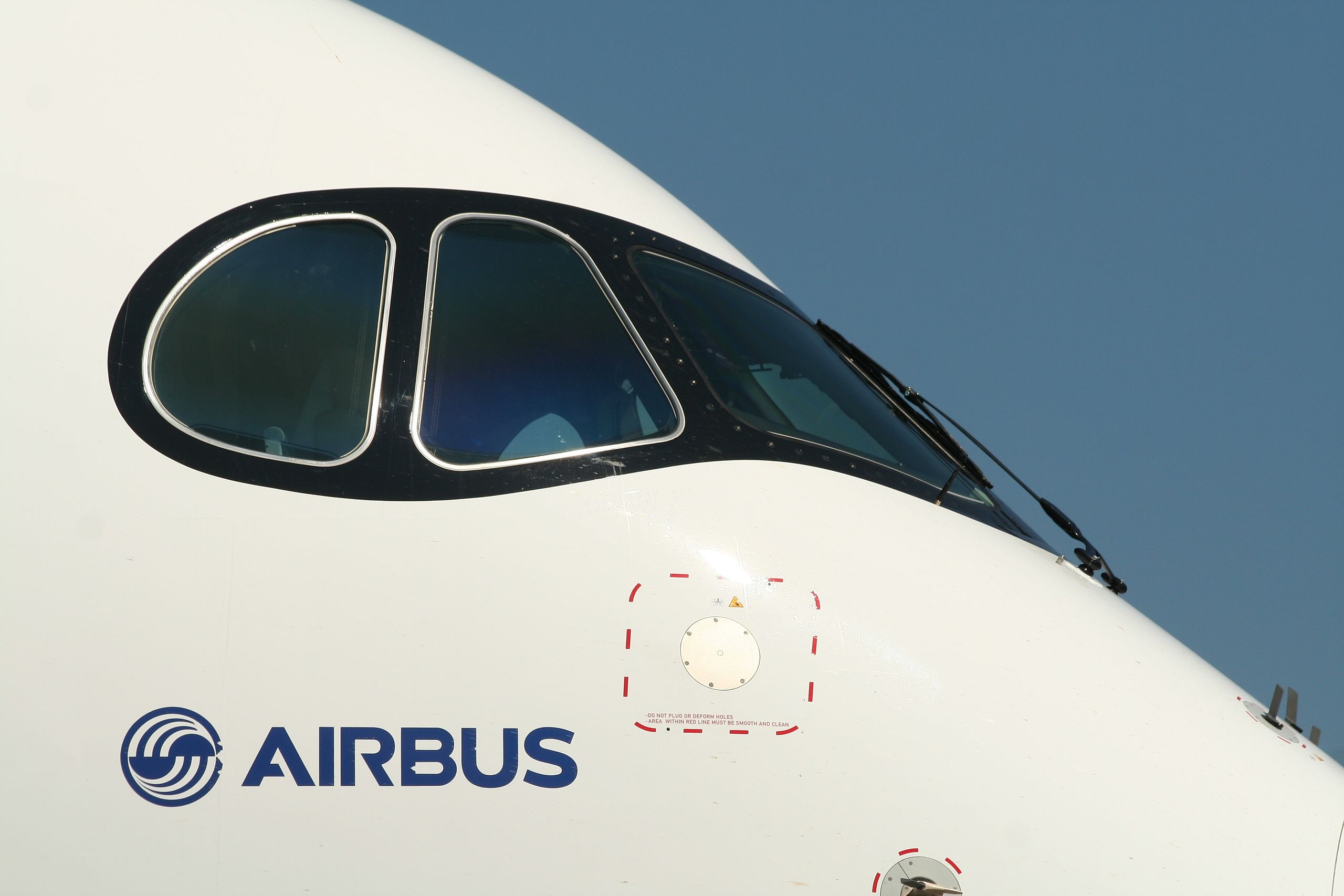
The aviation industry has witnessed remarkable technological advancements, and the Airbus A350 stands as a testament to this evolution. According to some seasoned pilots who regularly operate this aircraft, reveals a genuine enthusiasm that goes beyond professional courtesy. There's something special about the A350 that transforms the daily office routine at 40,000 feet into something pilots genuinely look forward to.
1. Peaceful Flight Deck
One of the most immediate differences pilots notice when stepping into the A350 is the remarkable quietness. During cruise flight, the ambient noise levels are significantly lower than previous generation aircraft. This becomes particularly appreciated during challenging approaches through turbulent weather. While the aircraft may be buffeted by wind and rain, pilots can maintain normal conversation levels without raising their voices.
This acoustic engineering isn't just about comfort—it directly impacts fatigue management. For passengers and crew alike, reduced noise exposure means arriving at destinations feeling noticeably fresher and less worn down by the journey.

2. Faster Speed
The A350 cruises faster than most widebody aircraft currently operating, outpacing both the Boeing 777 and Airbus A330. Only the Boeing 747 keeps comparable speeds. This translates into real-world benefits: covering the same distance in less time means shorter duty periods and more efficient operations. For pilots, this means spending less time strapped into a seat and more predictable scheduling.
3. Breathing Easier at Altitude
The A350's carbon-fibre composite fuselage represents a significant departure from traditional aluminium construction, and the benefits extend well beyond weight savings. This advanced material allows for increased cabin pressurisation, resulting in a lower cabin altitude. While the aircraft cruises at 35,000 to 40,000 feet, the cabin pressure equivalent sits around 5,500 feet—compared to approximately 8,000 feet in conventional aluminium aircraft. This seemingly technical detail has profound physiological effects, reducing fatigue and mitigating jet lag symptoms for everyone on board.
4. Workspace Designed by Those Who Use It
From its earliest conception, the A350 cockpit was shaped by actual airline pilots rather than engineers working in isolation. During development, both Airbus experts and airline pilots continuously refined the design, ensuring practical considerations took precedence. The result is a cockpit that pilots describe as genuinely intuitive. The Airbus sidestick control philosophy allows for a fold-out table where traditional control columns would be—a practical feature that accommodates meal trays, paperwork, and even integrates a full keyboard for flight computer data entry when flipped over.

5. Six Large Screens
The A350 introduces a revolutionary cockpit display configuration: six identical large touchscreen displays arranged with the lateral screens angled inward. This design ensures excellent cross-cockpit visibility, allowing both pilots to easily monitor all information regardless of their position. The identical nature of these screens isn't just aesthetically pleasing—it's brilliantly practical.
All 6 share the same hardware and software, meaning spares and maintenance costs drop by up to 80%. Dispatch reliability improves significantly, as the aircraft can operate with two displays inoperative. The touchscreen functionality adds intuitive interaction that feels remarkably modern compared to earlier cockpit interfaces.
6. Technology That Thinks Ahead
The A350's Flight Management System introduces a genuinely useful "What If" function that allows pilots to model scenarios before they occur. Pilots can simulate single-engine failures or depressurisation events at any point along their route, assessing the aircraft's capabilities under degraded conditions. This proactive capability transforms pre-flight planning and provides genuine peace of mind. The system also enables precision flying through challenging terrain with improved RNP-AR (Required Navigation Performance - Authorisation Required) capability, essential for noise abatement procedures and difficult approaches.

7. Smart Braking and Airport Navigation
Two features exemplify the A350's intelligent automation: Brake to Vacate (BTV) and the Onboard Airport Navigation System (OANS). The BTV system allows pilots to program their desired runway exit point before landing. The aircraft then automatically decelerates to leave the runway at a predetermined speed, minimising runway occupancy time while reducing brake and tyre wear. This efficiency matters enormously at congested airports where every second counts.
Once clear of the runway, the OANS displays a real-time airport map showing the aircraft's exact position among the complex network of taxiways and aprons—invaluable at unfamiliar airports with complicated layouts.
8. Enhanced Situational Awareness
The A350's new generation Head-Up Display projects critical flight information onto a transparent screen positioned in the pilot's line of sight through the windscreen. This technology, migrated from military aviation, provides exceptional situational awareness by overlaying trajectory information directly onto the external view.
The transition from instrument to visual flying becomes seamless, particularly valuable during challenging approaches. Multiple cameras positioned on the tail and beneath the fuselage provide additional perspectives, helping pilots identify obstacles while manoeuvring on the ground.

9. Environmental Responsibility
The A350 burns approximately 25% less fuel than previous-generation aircraft, substantially reducing carbon dioxide emissions. Combined with its quieter operation, the environmental benefits are meaningful. For pilots, this efficiency represents progress toward more sustainable aviation—something the industry increasingly values.
10. Slower Approach Speeds
Here's a fascinating paradox: the A350 is remarkably fast at cruise altitude, yet approaches for landing at surprisingly slow speeds. The advanced wing design and high-lift devices create this versatility. Slower approach speeds mean shorter landing distances, opening operational possibilities at airports with shorter runways while maintaining the ability to carry heavier payloads. This flexibility gives airlines genuine commercial advantages.
The Airbus A350 represents more than incremental improvement—it's a thoughtful reimagining of what a modern airliner cockpit should be. Pilots consistently describe it as a genuine pleasure to operate, and that enthusiasm speaks volumes about Airbus getting the fundamentals right.
Read next
IndiGo Expands Global Network with New Routes to Europe, China and Southeast Asia

Sakshi Jain
04 Oct 2025
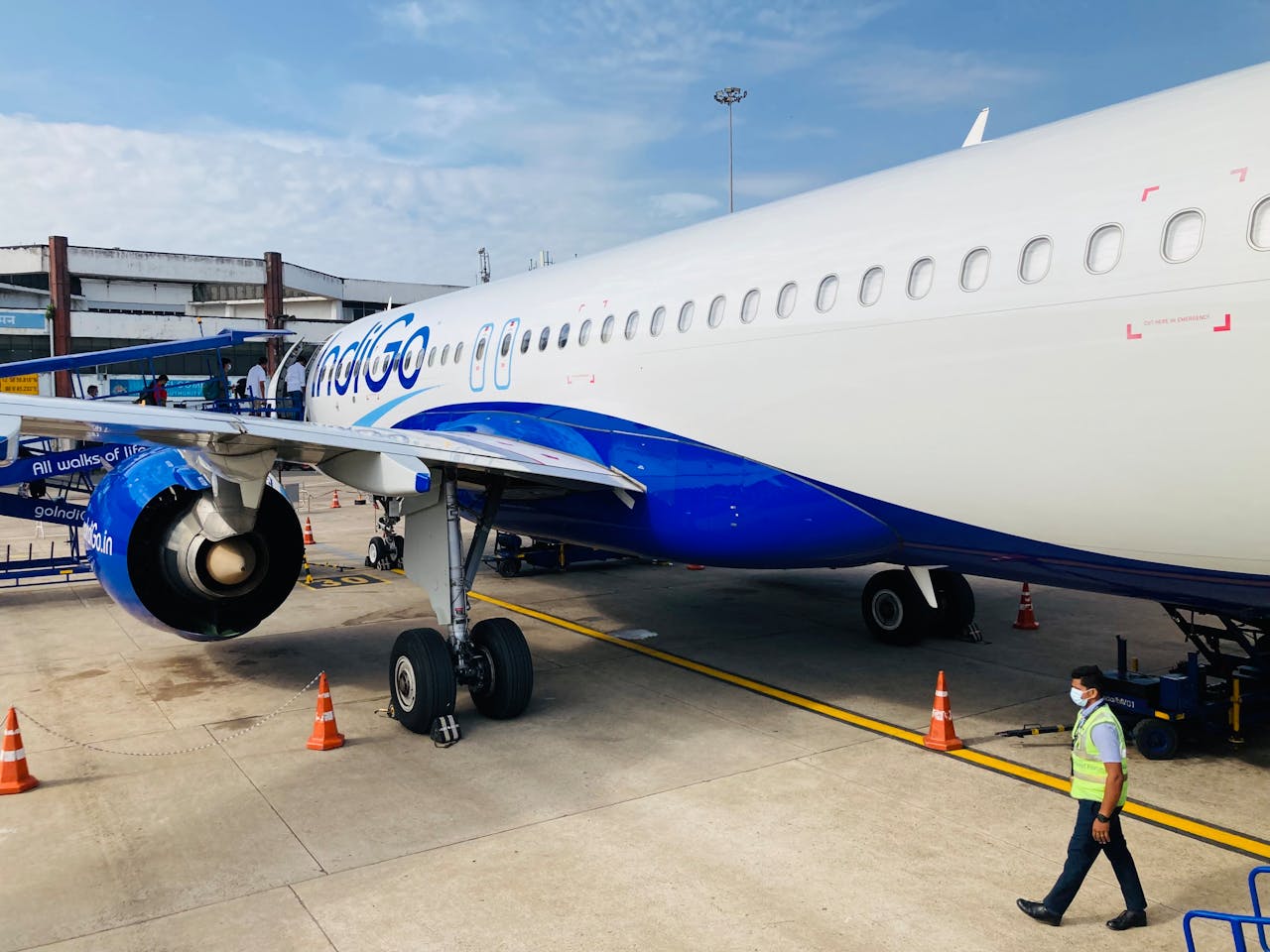
IndiGo is aggressively expanding its international footprint with new routes across Europe, Asia, and China, signalling its ambition to become a global aviation leader by 2030.
IndiGo is launching non-stop flights from Delhi to Manchester starting November 15, operating 4 times weekly using Boeing 787-9 aircraft. This marks the airline's entry into long-haul operations from the capital, following its debuts on the Mumbai-Manchester and Mumbai-Amsterdam routes in July.
New Southeast Asian Connections
The carrier is strengthening its Asian network with daily flights to Bali, Indonesia, from October 24, featuring a refuelling stop in Bhubaneswar. Additionally, four-weekly Krabi, Thailand services commence on October 26. The Delhi-Bangkok route doubles to twice daily from the same date, operated on A321 aircraft with IndiGo's "stretch" business class.

Historic China Return After Five Years
IndiGo announced daily non-stop flights from Kolkata to Guangzhou, starting October 26, marking the first direct India-China service since early 2020. Delhi-Guangzhou flights are expected to follow shortly, pending regulatory approvals. The resumption comes after diplomatic breakthroughs, including Chinese Foreign Minister Wang Yi's August visit to New Delhi.
Before the pandemic, 539 monthly direct flights connected the nations with over 125,000 seats. Chinese carriers dominated with 70 per cent market share, but aviation analysts expect a more balanced competitive landscape given IndiGo's international expansion and Air India's privatisation. Air India is reportedly planning Delhi-Shanghai flights before year-end.
Domestic Network Enhancement
From October 26, IndiGo will introduce additional daily services from Delhi to 9 cities: Rajkot, Vadodara, Patna, Goa, Shirdi, Nagpur, Nashik, Jabalpur, and Raipur. The airline is also adding Purnea in Bihar as a new destination, bringing the total domestic enhancements to 10 daily flights.

Strategic Market Opportunity
IndiGo's international push targets a significant gap: Indian airlines capture only 45 per cent of India's international traffic, with foreign carriers holding 55 per cent. On India-Europe routes, overseas airlines command approximately 70 per cent market share.
CEO Pieter Elbers emphasised that developing globally competitive hubs in India remains central to the airline's growth strategy. The expansion positions Delhi with connections to 21 international and 74 domestic destinations through over 1,700 weekly departures.
Future European Expansion
In May, IndiGo announced plans for 10 new overseas destinations in 2025-26, including five in Europe and the UK. Beyond current launches, the airline intends to introduce flights to London, Athens (using A321XLR aircraft from January), Siem Reap, and four Central Asian destinations.

Bottom Line
The Pakistan airspace ban influenced IndiGo's decision to launch initial European services from Mumbai rather than Delhi. However, the airline remains committed to developing the capital as a major international gateway, investing substantially in aircraft and route development at Indira Gandhi International Airport.
With over 60 per cent domestic market share secured, IndiGo is systematically building its international presence across multiple continents. The carrier's multi-pronged strategy—combining long-haul European routes, renewed China connectivity, Southeast Asian growth, and enhanced domestic linkages—positions it to reshape competitive dynamics in India's burgeoning international travel market before the decade's end.
Read next
Is DGCA softening the lease rule — and did IndiGo just find a regulatory life-hack?
Abhishek Nayar
03 Oct 2025

India’s aviation regulator has quietly put a draft on the table that could make life a whole lot easier for airlines scrambling for seats. The Directorate General of Civil Aviation (DGCA) is proposing to change the wording in its wet/damp-lease rules so that airlines can take aircraft with crew “normally” rather than “only” in emergencies — a small wording tweak that may produce a very large effect.
What exactly is changing?
Under the current Civil Aviation Requirements, Indian carriers were allowed to wet (or damp) lease aircraft — that is, lease planes with crew, maintenance and insurance included — only in genuine emergencies (think sudden groundings or major, unexpected operational failures). The draft replaces the restrictive “only” with the softer “normally,” and it also gives the DGCA discretion to grant one-off exemptions to the rule requiring lessors to come from countries with an average industry safety score above 80%. That additional flexibility could speed up approvals and broaden options for airlines short on large aircraft.
Why does a single word matter?
Language matters in law. “Only” is categorical; “normally” invites judgment. Practically, this means:
- Faster approvals for requests that don’t meet the formal “emergency” threshold but are nevertheless urgent.
- Fewer bureaucratic roadblocks when an airline needs temporary lift capacity (e.g., to open new long-haul routes or cover delivery delays).
- More wiggle room for the DGCA to balance safety concerns with operational realities.
Put another way: regulators moved from “nope, not unless the plane is on fire” to “okay, show me why you need this and we’ll (probably) say yes.”
Who’s likely to benefit (and who’s rolling their eyes)?

IndiGo — India’s largest carrier — is the obvious immediate beneficiary. It has already been operating two wide-body Boeing 777s from Turkish Airlines under a damp/wet lease to provide long-haul connectivity to Europe and the U.S., and the proposed rule would make such arrangements easier to process in future.

Air India — less thrilled. The national carrier lobbied to block IndiGo’s Turkish tie-up earlier this year, arguing such deals divert traffic and opportunity away from India and could disadvantage domestic operators. The softening of the rule is therefore politically sensitive and has been criticized by rivals.
Legal and industry experts — generally call it practical: lawyers say the change could be crucial in easing capacity constraints, especially when larger wide-bodies are scarce. The move dovetails with other recent government steps to make India more lessor-friendly (for instance, earlier legislative moves to align with the Cape Town Convention).
The geopolitics subplot (because aviation is never just about planes)
The IndiGo-Turkish deal has been controversial beyond commercial competition. Tensions flared when Turkey publicly supported Pakistan during a recent India–Pakistan confrontation; that made certain extensions of the lease politically thorny. In late August, New Delhi reversed an earlier decision and allowed a lease extension for IndiGo — showing the regulators sometimes balance politics, capacity needs and passenger disruption concerns in equal measure. The draft change now being consulted upon must be read against that backdrop.
What happens next?
The DGCA has posted the draft and invited public consultation; stakeholders can comment — so expect airlines, lessors, unions and political actors to weigh in before the rule is finalized. The consultation window runs until October 28, 2025, so the regulator will have time to factor in industry feedback (and probably a few strongly worded letters from competing carriers).
But wait — will safety be compromised?
Short answer: unlikely — at least not by design. The draft keeps safety-related guardrails (such as the safety-score rule) but allows the DGCA to grant case-by-case exemptions. That means safety will still be a lens, but operational pragmatism can sometimes win the day. Think of it as “regulated flexibility” rather than “regulate-less.” Still, critics will watch approvals closely — any incident involving a wet-leased aircraft would amplify scrutiny.
A tiny parable about regulators and grammar
Regulators: “We will only allow cake at birthdays.”
Industry: “We’d like cake at festivals, weddings, Tuesdays…”
Regulators: “OK, we will normally allow cake at birthdays.”
Everyone: “Who brought the frosting?”
Moral: one word can rescue a party — and a jamboree of passenger seat bookings.
Final take — pragmatic realism with popcorn
This is a pragmatic tweak that recognizes modern aviation’s messy reality: delivery delays, limited wide-body availability, shifting geopolitics and high seasonal demand. For airlines hungry for capacity, the draft is a welcome lifeline. For rivals and political critics, it’s a policy move that will be watched warily. Expect a lively consultation phase — and some theatrical op-eds — before the DGCA signs off.
TL; DR
- DGCA has published a draft changing wet/damp-lease wording from “only” to “normally,” easing the bar for approvals.
- The draft also allows one-time exemptions to the 80% safety-score requirement for lessor countries.
- IndiGo — which leases two Boeing 777s from Turkish Airlines — would benefit; Air India has opposed such tie-ups.
- Consultation is open until October 28, 2025; industry and political stakeholders are likely to lobby intensely.
- Safety rules remain in place but the DGCA gains discretion; critics worry about optics, proponents highlight operational necessity.
With Inputs from Reuters
Read next
Two Lines, One Tightrope: How Airbus Is Pulling Off a Diplomatic Double-Whammy (with Jet Fuel and a Smile)
Abhishek Nayar
03 Oct 2025
Airbus is about to stage a masterclass in corporate choreography: opening a second A320 final-assembly line in Mobile, Alabama on October 13, 2025, and — with military precision and PR timing — flipping the ribbon again just days later on an expanded line in Tianjin, China. It’s expansion season, but with a diplomatic twist: the company is trying to boost production without tripping over the U.S.–China political minefield.
Why the back-to-back ceremonies matter (and yes, timing is political)
Airbus isn’t simply celebrating factory openings. The consecutive ceremonies are a deliberate balancing act meant to show neither Washington nor Beijing favoritism amid a prickly trade climate. By staging the U.S. event first and the China event immediately after, Airbus aims to signal commercial commitment to both markets without letting optics define the story. In short: it’s global expansion, choreographed like a diplomatic waltz.
The production push: 75 A320neos a month (ambitious, but targeted)

The reason for the urgency is plain — demand. Airbus is pushing to lift A320neo-family production to 75 jets per month by 2027, a big increase from current rates, to meet airline needs worldwide. Executing this requires more assembly capacity in places like Mobile and Tianjin — and a whole lot of supplier coordination. The CEO has publicly voiced confidence in hitting the 75/month target, though supply-chain hiccups remain a nagging concern for the industry.
The China order: up to 500 jets, but don’t call it closed
Behind the Tianjin celebration is a commercial carrot: Airbus has been negotiating a very large sale to China — reports suggest discussions for up to 500 aircraft, with Chinese carriers already allocating slots for such an order. That doesn’t mean Airbus will ink 500 on the spot; sources expect only part of that mega-deal to be formalized alongside the factory announcement. Think of it as a staged rollout: celebrate capacity, seal some deals, keep the rest flexible.
Mobile, Alabama: 10 years later and doubling down
Airbus first opened in Mobile a decade ago; the second A320 line reflects both ten years of investment and America’s strategic importance as a manufacturing base. Local officials have highlighted the plant’s role in regional economic development; for Airbus it’s a way to be closer to U.S. customers while diversifying production geography. Doubling capacity in Mobile is part of the push to hit that 75 jets/month goal.
Tianjin: The China play — expansion, optics, and market muscle
Tianjin is Airbus’s industrial beachhead in China — expanding it is commercially logical given China’s massive, fast-growing domestic market. The rapid, consecutive openings make a point: Airbus wants production capacity in both super-markets of aviation demand. By hosting the Chinese ceremony shortly after Mobile, Airbus is attempting to strike a balance between two powerful (and sometimes opposing) customers.
India: not forgotten — helicopters, transporters, and a boardroom visit

While Airbus resizes its commercial lines in the U.S. and China, it’s also courting India. The Airbus board visited India during this period — underscoring New Delhi’s growing importance as a market and operations hub. Airbus isn’t committing to a commercial single-aisle final assembly line in India (supply chains remain stretched), but it is investing: a joint helicopter final-assembly line for the H125 with Tata Advanced Systems in Vemagal, Karnataka, and plans to assemble military transporters locally. That gives India a clear slice of the “Made-in-India” aerospace pie without over-stretching Airbus’s global supply network.
The uncomfortable reality: supply chains and engine bottlenecks

Airbus’s ambitions bump up against real constraints. Engine and structural parts shortages have caused delivery delays and parked finished airframes in recent years — which is why the 75/month goal hinges on supplier performance just as much as factory floor productivity. Expanding capacity without smoothing the upstream pipeline would be like buying a bigger kitchen while your oven still takes two days to preheat.
What this means for airlines, passengers — and geopolitics
- Airlines may see improved delivery cadence over the coming years if Airbus and suppliers sync up. More planes = more frequency and route growth.
- Passengers will probably notice more competition on routes, especially within China, India and transatlantic markets as fleets expand.
- Politically, Airbus’s twin openings are a reminder: big industrial choices are rarely just about business anymore; they’re diplomatic gestures wrapped in sheet metal.
A lighthearted (but true) analogy
Imagine Airbus as a polite party host trying to keep two uneasy guests — Washington and Beijing — both happy: you add extra chairs (build factories), offer better food (planes), and schedule toasts back-to-back so nobody leaves thinking you only invited the other one to dinner. Meanwhile, India arrives with homemade samosas (helicopters), asking, “Can I open a kitchen too?” — and Airbus nods, but only for the curry station this time.
Bottom line
Airbus is expanding capacity in the world’s biggest markets, chasing production targets and big orders while threading a geopolitical needle. The company’s strategy mixes pragmatism (more plants, more output) with PR choreography (back-to-back openings) and targeted local investments (India’s helicopter line). Whether the supply chain and engine makers can keep up will determine how smoothly the dance continues.
TL; DR
- Airbus will open a second A320 final-assembly line in Mobile, Alabama on Oct 13, 2025, then expand Tianjin, China days later — a deliberate optics play amid U.S.–China tensions.
- The company aims to reach 75 A320neos/month by 2027, but supplier bottlenecks pose risks.
- Airbus has been negotiating a potential up to 500-plane deal with Chinese carriers, though only part may be finalized immediately.
- India gets manufacturing love too: Airbus + Tata will build H125 helicopters in Vemagal, Karnataka, and Airbus is exploring military assembly there.
- Outcome depends on whether suppliers (especially engine makers) can scale — otherwise, it’s a shiny expansion with delivery-date caveats.
With Inputs from Reuters
Read next
PHAPA: Revolutionizing Pilot Performance Through Advanced Physiological Analysis
Sakshi Jain
03 Oct 2025

PHAPA, which stands for PharmaFlight Physiological Analyser System, represents a breakthrough in aviation performance diagnostics and optimisation. For over two decades, this innovative system has been dedicated to assessing and enhancing the physical and mental performance of pilots and flight crew members, ensuring they maintain peak condition throughout their training and careers.
Six-Minute Diagnostic Technology
At its core, PHAPA is a proprietary diagnostic method that delivers comprehensive performance insights in just 6 minutes. This world-unique technology provides an immediate, detailed overview of each participant's current physical and mental state, making it an invaluable tool for fatigue risk management in the aerospace industry. The system analyses physiological, cognitive, and physical performance markers, offering objective data that helps improve long-term performance while effectively reducing fatigue—a critical concern in aviation safety.
Non-Invasive and Preventive Approach
What sets PHAPA apart is its non-invasive approach and rapid assessment capability. During the brief six-minute resting evaluation, the system captures a complete picture of an individual's physiological state, allowing for timely interventions before performance issues can compromise safety or training outcomes. This preventive approach has made PHAPA an integral component of modern pilot training programs, where maintaining consistent high performance is essential.

How Can PHAPA Help with Pilot Training?
1. Addressing Aviation's Performance Challenges
The application of PHAPA in pilot training addresses one of aviation's most persistent challenges: ensuring that students and professionals maintain optimal physical and mental capabilities under demanding conditions. The system's impact on training effectiveness is both immediate and far-reaching.
2. Early Detection of Performance Vulnerabilities
The primary benefit lies in PHAPA's ability to identify performance vulnerabilities early in the training process. By continuously monitoring students' physiological states, instructors can detect signs of mental or physical overload before they impact learning outcomes or examination performance. This proactive approach allows for timely adjustments to training schedules, study intensity, or lifestyle factors that might otherwise lead to burnout or failure.
3. Personalised Mentorship and Support
Beyond simple monitoring, PHAPA enables truly personalised training experiences. The staff of the Physiological Centre provides individualised mentorship based on each student's diagnostic results. When the system identifies areas of concern, mentors can offer tailored lifestyle and recreational recommendations designed to prevent both mental and physical strain. These interventions may include adjustments to sleep patterns, nutritional guidance, stress management techniques, or modifications to study schedules—all tailored to each student's specific physiological profile.
4. Improved Success Rates and Well-Being
The results speak for themselves: students who participate in PHAPA-integrated training programs demonstrate greater well-being and significantly improved success rates during examinations. By maintaining students at their optimal performance level throughout the training process, PHAPA helps ensure that examinations truly reflect their capabilities rather than their fatigue levels or accumulated stress.
5. Dynamic and Adaptive Training Programs
Furthermore, the system's ability to adjust performance optimisation strategies in real-time means that training programs can be dynamic rather than static. As students progress and their physiological responses change, PHAPA provides the data needed to evolve their support protocols accordingly, ensuring continuous optimisation throughout their entire training journey.

PharmaFlight with PHAPA
1. Integrated Approach to Aviation Education
The integration of PHAPA into PharmaFlight's operations represents a comprehensive approach to aviation education and training. PharmaFlight, based in Debrecen, Hungary, has established itself as a leader in providing world-class training facilities and educational experiences for both current and aspiring professional pilots.
2. Mandatory Participation in Performance Optimisation
What makes PharmaFlight's approach distinctive is the seamless incorporation of PHAPA into their training curriculum. Unlike traditional flight schools, where physiological assessment might be an afterthought or external service, PHAPA is a mandatory and integrated part of the student experience. All students enrolled at PharmaFlight participate in this performance optimisation protocol, receiving regular assessments and ongoing support throughout their training.
3. Exceptional Value for Students
The value proposition is substantial. PharmaFlight provides PHAPA services—with an estimated value of approximately €8,000—free of charge to all enrolled students. This significant investment underscores the academy's commitment to producing not just competent pilots but thoroughly prepared aviation professionals who understand the importance of physiological performance management.
4. World-Class Training Infrastructure
Students at PharmaFlight benefit from one of the most modern training facilities available, combining traditional flight instruction with cutting-edge physiological monitoring. Whether pursuing helicopter pilot certification or the comprehensive 3.5-year professional pilot BSc program that includes type certification on Airbus or Boeing simulators, students receive continuous physiological support that enhances their learning experience and career preparation.

PHAPA Collaboration with NASA
The validation of PHAPA's scientific and practical effectiveness reached a significant milestone with its presentation before NASA.
While specific details of the NASA collaboration remain focused on research and presentation rather than operational integration, the mere fact that PHAPA has been reviewed and presented to NASA scientists and engineers speaks volumes about its credibility. NASA's interest in physiological performance systems aligns with their ongoing research into crew health and performance, particularly for long-duration missions where maintaining optimal physical and mental states becomes increasingly challenging.

Additionally, since 2015, PHAPA has maintained a formal collaboration with the International Civil Aviation Organisation (ICAO), the United Nations agency responsible for coordinating international air navigation principles and fostering safe, orderly growth of international air transport. This partnership, officially endorsed by ICAO's Secretary General, represents significant recognition of PHAPA's innovative contributions at the global level. ICAO's involvement suggests that PHAPA's methodologies may eventually influence international standards for pilot training and performance assessment.
These high-level collaborations validate PHAPA's approach to performance optimisation and position the system as a potential model for future developments in aviation physiological assessment. As the industry continues to grapple with challenges related to pilot fatigue, mental health, and performance optimisation, tools like PHAPA that provide objective, rapid, and actionable insights become increasingly valuable.
Comment