
When a Tiny Brazilian Jet Crashed America’s Party (Politely): Avelo’s Surprise Date with Embraer’s E195-E2

Abhishek Nayar
11 Sep 2025

Embraer and Avelo just shook hands in Washington — and the handshake came with jet noise, tariff drama, and the promise of new short-field flights that could make tiny airports the next big thing. This isn’t just an airplane order: it’s a strategic love note from a Brazilian planemaker to U.S. skies. Strap in.
The deal that turned heads (and maybe runways)
On September 10, 2025, Embraer announced a firm order from Avelo Airlines for 50 E195-E2 jets, plus purchase rights for 50 more — a deal with a list price of about $4.4 billion, excluding those extra rights. Embraer framed it as the E2’s first big foothold in the U.S. market.
Why it matters: this is the first time the E195-E2 has a confirmed U.S. customer, and Avelo’s model — short, frequent, low-fare hops — is a tidy match for the jet’s strengths.
Timetable, logistics and the “will-the-tariff-stay?” question
Embraer and Avelo expect deliveries to begin in the first half of 2027, with additional aircraft scheduled through the following years as the purchase rights are exercised. That gives both sides time to sort financing, leases, and—importantly—tariff politics.
Embraer has publicly urged U.S. policymakers to drop a 10% tariff that affects its jets imported into the U.S., arguing the airplane contains significant U.S. content and that tariffs distort the market. Avelo’s CEO Andrew Levy and Embraer executives are betting policy could change before planes actually arrive — but they’re building the route map with or without political fireworks.
What the E195-E2 brings to Avelo’s party

Think of the E195-E2 as a middleweight: bigger than a regional turboprop but smaller and more fuel-efficient than a 737-800. Its advantages for Avelo:
- Short-field performance — it can use airports with runways under 5,000 feet, unlocking smaller cities and convenience routes.
- Lower per-seat costs than legacy jets on shorter sectors, which helps Avelo keep fares low while adding more markets.
- Network flexibility — swap in E2s for thinner routes and keep 737s on denser trunk sectors; over time, Avelo says E2s could even replace some 737-800s.
Arjan Meijer, head of Embraer’s commercial unit, cheekily called the plane “not a profit-hunter by accident” — which, to be fair, sounds like a compliment you’d give to a thrifty accountant with wings.
Why Embraer is dancing in Washington
Embraer isn’t just selling metal; it’s selling a narrative: U.S. airlines and passengers benefit from more competition and more connections. The company points out that U.S. customers already account for a large share of its sales (roughly 45% of commercial plane sales and 70% of executive jets), and that many parts and engines have American roots. So, Embraer argues, tariffs are self-inflicted economic boo-boos.
There’s also a jobs and investment angle: Embraer has touted plans to buy billions in U.S. products and to invest in U.S. operations, which is an entrée to policymakers who care about domestic manufacturing.
Fleet strategy: lease, buy — and show off
Avelo said it may initially take some of the E2s on lease while working out long-term ownership preferences. For a fast-growing low-cost/ultra-low-cost carrier, leasing first is the sensible, nimble play — it preserves cash while the airline tests new routes and configures cabin layouts for the best ROI.
Fun mental image: picture Avelo pilots sipping coffee, peeking out the cockpit at a runway barely longer than a football field, and thinking, “Yep. This is going to sell out.”

The catch (because there’s always one)
Tariffs are the plot twist. A 10% duty raises the price tag, complicates financing, and may nudge airlines toward alternatives already produced or assembled in the U.S. Embraer hopes tariffs change before full deliveries, but uncertainty remains a built-in suspense scene to this deal.
Bottom line — why you should care (even if you don’t fly Avelo)
This order signals two bigger trends: regional jets are getting more efficient and relevant, and smaller U.S. airlines are willing to diversify fleets to unlock new markets. That combination could mean cheaper, more direct routes for travelers from towns that previously needed a long drive to a big airport. Also: more competition for the big narrowbodies means the whole market gets nudged toward better economics and greener flying.
TL; DR
- Avelo ordered 50 Embraer E195-E2s + purchase rights for 50 more — list price roughly $4.4 billion (ex-options).
- First U.S. sale of the E195-E2, announced Sept 10, 2025 in Washington.
- Deliveries begin in H1 2027; the deal gives Avelo flexibility to reach shorter runways and smaller markets.
- Tariff uncertainty (10%) could affect final pricing — Embraer is lobbying for duty relief.
- Why it matters: more competition, more point-to-point routes, and a chance to make tiny airports feel important again.
If you like airline chess matches — where planes, politics, and price tags move like pawns and rooks — this move by Embraer and Avelo is a very pleasing gambit. And remember: when jets unlock small runways, your weekend getaway options suddenly triple.
With Inputs from Reuters
Read next
Bolts, Boxes, and Bottom-Up Reviews: Why the FAA Is Still Saying “Not Yet” to Boeing’s 737 MAX Ramp-Up
Abhishek Nayar
09 Sep 2025
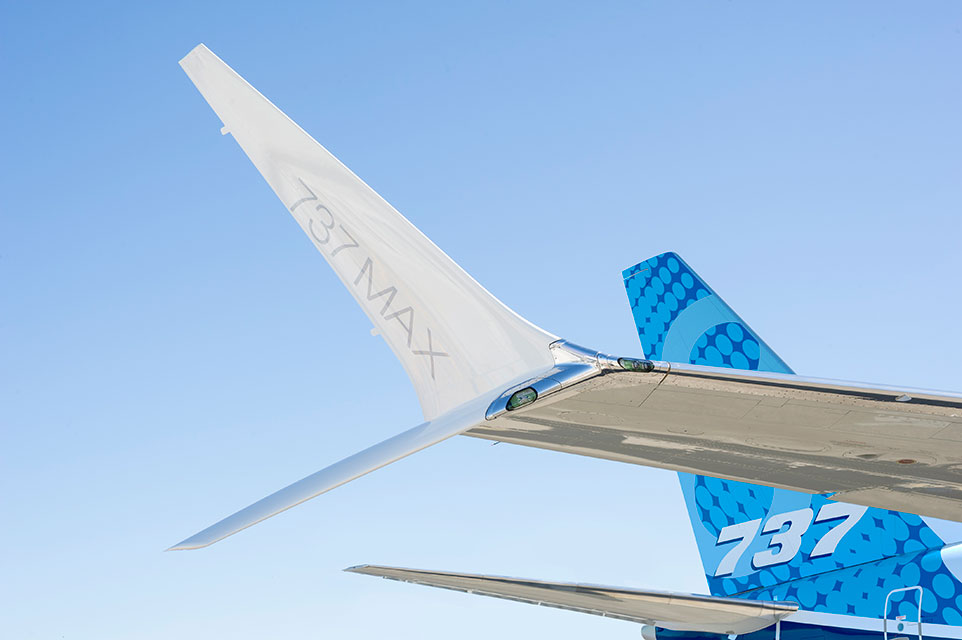
The Federal Aviation Administration (FAA) said it has not decided whether to lift the 38-planes-per-month cap on Boeing 737 MAX production that’s been in place since early 2024. FAA boss Bryan Bedford called the process “bottom-up,” praised improvements but said teams still haven’t recommended any change — and that the agency is stretched by a massive air-traffic overhaul and new rulemaking. Boeing remains hopeful it can ask to increase output to about 42 jets per month.
A cliffhanger worthy of prime time: “To ramp, or not to ramp?”
Last week in Washington, FAA Administrator Bryan Bedford told reporters the agency had not yet made a decision about raising the 38-aircraft monthly cap on 737 MAX production imposed after last winter’s safety scare — a limit that has hung over Boeing since the January 2024 incident involving an Alaska Airlines MAX 9 with missing bolts. Bedford described steady progress, but said the FAA’s front-line teams must first recommend any change. In short: Boeing wants to go faster; the FAA wants the receipts.
How we got here (tiny history lesson)
In January 2024 a door-plug/fastening problem on a new Alaska Airlines 737 MAX 9 — widely reported as bolts missing from a panel — triggered an emergency response, heightened inspections, and renewed scrutiny of Boeing’s manufacturing quality controls. The FAA responded by capping how many MAX jets Boeing can produce — a blunt but unusual tool meant to force process fixes and let regulators verify improvements. That cap is the same 38-per-month ceiling now under review.
“Bottom-up” is the FAA’s new favorite phrase
Bedford’s emphasis was procedural: the agency’s front-line FAA teams, physically embedded and observing production, will recommend whether milestones have been met. If those teams are satisfied, the FAA would then consider a change. Until those recommendations appear, nothing happens. Bedford also said the agency will run scenario-based “tabletop” exercises with Boeing as part of the approval choreography — a rehearsal before the curtain call. Translation: regulatory theater, but the kind that keeps planes bolted together.
Boeing: “We’ll ask — soon(ish).”

Boeing has said publicly it expects to be in a position to request approval to increase production to about 42 aircraft per month once metrics improve. CEO Kelly Ortberg and other company officials have signaled confidence that key performance indicators are heading the right way and that they’ll ask the FAA for more latitude “in the coming months.” Whether the FAA says yes remains the headline.
The FAA is playing multi-level bingo — and losing free squares
Bedford warned the FAA is stretched thin: overseeing Boeing, standing up new rules for drones and supersonic aircraft, modernizing airplane certification, and starting a multibillion-dollar overhaul of the United States’ air-traffic control system. Congress provided roughly $12.5 billion as a down-payment to modernize the system — a mammoth project that will sap attention and resources from day-to-day oversight. In short: the FAA is juggling flaming batons while reading the instruction manual.
Why this matters to airlines, travelers, and the supply chain
- Airline delivery schedules: If Boeing can’t ratchet up production, airlines waiting on MAX jets may face delays, fleet-planning headaches and seasonal capacity shortfalls.
- Travel prices & routes: Fewer deliveries can pressure capacity on hot routes, nudging fares up during peak travel windows.
- Supply-chain ripple effects: Engine makers, avionics suppliers, and lessors all peg investments and staffing to production targets; suddenly lower throughput reverberates widely.
A little levity before the inevitable briefing memo
If this whole affair were a sitcom, Boeing would be the eager intern ready to tidy the office (increase output), the FAA would be the difference-of-opinion manager who insists on reading the intern’s receipts (data and tabletop exercises), and the American traveling public would be the coffee machine that must not be broken mid-Monday. Everyone wants espresso; nobody wants a leaking boiler.

What to watch next (no crystal ball, just telco grade common sense)
- FAA front-line recommendations: the single most important near-term signal. If and when they come, expect public and private briefings.
- Results from the tabletop exercises — how Boeing performs in scenario drills could tip the scales.
- Boeing’s KPI trendlines — Ortberg’s rosy timeline depends on measurable, repeatable fixes.
- Congressional and budget developments tied to the $12.5B modernization — more funding or cuts will change FAA bandwidth.
Final note
A production cap is blunt, but its purpose is straightforward: ensure that a company that builds the world’s most critical consumer product — passenger jets — can demonstrate consistent, auditable quality. Regulators and manufacturers both have skin in the game: the public’s faith that planes are safe and that schedules are reliable. That’s not an area for speed-run approvals.
TL; DR
- FAA has not decided to lift the 38/month 737 MAX production cap.
- Cap was imposed after a January 2024 incident involving a missing-bolt/door-panel problem on an Alaska Airlines MAX 9.
- FAA wants bottom-up confirmation from front-line teams and will run tabletop exercises with Boeing before any approval.
- Boeing aims to ask to raise output to ~42 jets/month once it proves KPIs are met.
- The FAA is stretched by a $12.5B air-traffic overhaul and other rulemaking, which complicates oversight bandwidth.
With Inputs from Reuters
Read next
Why did 99.1% of Air Canada flight attendants shout “no thanks” — and is ground pay about to rewrite airline rules?
Abhishek Nayar
09 Sep 2025

Because a massive, near-unanimous rejection of a tentative wage deal shows the crew wants more than incremental raises — they want pay for the work that actually begins the moment they check in. And yes: the fight over ground pay may be the industry’s next big battleground.
The punchy headline — numbers that sting
On Saturday, flight attendants at Air Canada and Air Canada Rouge voted 99.1% against ratifying their employer’s wage offer — an almost unanimous rebuke that turned a negotiated ceasefire into a new round of bargaining via mediation (and possibly arbitration). Flights will keep operating for now because both sides agreed wages would be pushed into a mediated process rather than open the door to fresh legal strikes or lockouts.
What exactly were they rejecting?
The tentative four-year deal — hammered out on August 19 to end a four-day strike that had disrupted summer travel — contained notable gains on paper: headline wage increases (roughly up to ~20% for entry-level staff and ~16% for more experienced attendants in some reports), and new partial pay for time spent on the ground before takeoff. But many crew members felt the package still left them short on two crucial counts:
- Full compensation for all hours worked (they want pay from check-in to clock-out, not just when the aircraft is in motion), and
- Real wage relief in high-cost cities like Toronto, where overtime or multiple jobs have become common.
(Yes, the deal suggested 60 minutes pre-flight pay on narrow-body aircraft and 70 minutes on wide-bodies, starting at 50% of hourly rate in year one and rising to 70% by year four — but for many workers that incremental approach felt like a taster menu, not a full meal.)
A little context: why “ground pay” is suddenly a hot topic
Across North America, cabin crews are pushing to be paid for all the duties they perform off the wheels: supervising boarding, resolving safety issues, handling late changes and passenger chaos, and — yes — doing a lot of invisible work that keeps flights on time. The Air Canada fight has galvanized similar struggles in the U.S., where unions point to this moment as momentum for broader reform of how airlines compensate frontline staff. Think of it as “if you’re working, you’re earning” finally meeting a decades-old airline habit of only paying by motion.
What passengers should know
- Flights are expected to operate normally — this vote sends the wage portion to mediation (and arbitration if mediation fails), not an immediate new strike. So your booked flight should still fly. But expect tense negotiations and possible service headlines until a final outcome is reached.
- If you see more picket-line pictures in the news, it’s because the story is as much about pay equity and working conditions as it is about money. Airlines are being asked to reckon with how they value the labor that passengers notice only when it’s missing.
The personalities: unions, solidarity and a little soap-opera drama
Union leaders — and allied U.S. unions — have rallied behind Air Canada’s attendants. The Association of Flight Attendants and sister unions have framed the fight as one with continental implications: a win here could set new expectations for pay when crews are on the clock but not yet airborne. Meanwhile airline managers argue the offer made real improvements and that legal constraints mean the dispute must go through mediation/arbitration rather than open strikes. Expect robust statements, a few press conferences, and the odd dramatic quote — labor relations TV at its finest.

What’s next
- Mediation begins for the wage portion under the previously negotiated framework. If that fails...
- Arbitration may be triggered — a binding process where a third party decides the outcome.
- Public campaigns and solidarity actions might continue (statements, social media pushes, support from U.S. unions).
- Passengers and markets will watch, because labor headlines can shift traffic patterns and investor sentiment — even if flights keep flying in the short term.
A dash of levity (because labor fights need comic relief too)
If airline negotiations had an in-flight snack, this one would be the tiny packet of pretzels: technically satisfying but nowhere near enough to quiet real hunger. And if ground pay were a gate, it would be Gate “Finally Paid For” — currently, the only gate with better signage than policy.
Why this matters beyond Air Canada
This isn’t just a Canadian squabble — it’s part of a continental conversation about how frontline service workers are compensated across the travel industry. If flight attendants secure fuller ground pay, airlines globally will have to decide whether to match it or lose staff and public goodwill. For customers, more adequately paid attendants could mean lower turnover, more experienced crews, and (eventually) fewer last-minute hiccups on crowded flights.
TL; DR
- 99.1% of Air Canada flight attendants voted against the tentative wage deal.
- The August 19 deal had ended a four-day strike but left the wage component unresolved; it’ll now go to mediation (and arbitration if necessary).
- The tentative package included headline raises and partial pre-flight pay, but many attendants said it didn’t fully cover increased living costs or unpaid ground work.
- The dispute has energized North American flight attendant unions, increasing pressure for broader industry change around ground pay.
- Flights are expected to continue operating while mediation proceeds — no immediate renewed strike is planned under the deal’s terms.
With Inputs from Reuters
Read next
Turbines, Tenants and a Touch of Turbulence: How SpiceJet Plans to Unground Planes, Reclaim Engines — and Survive Winter Rush
Abhishek Nayar
08 Sep 2025
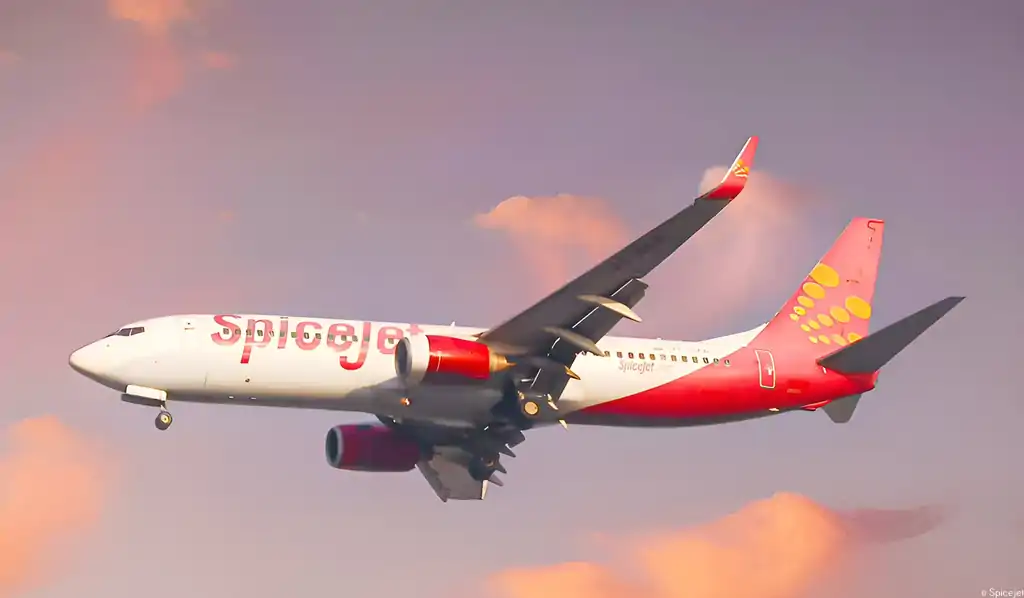
When planes sit too long, they get moody. SpiceJet’s answer: engines in rehab, damp leases on speed dial, and a plan to bring 10 aircraft back to life by April 2026 — with a few ready for winter.
The setup — why the airline has been playing “musical hangars”
SpiceJet’s recent investor presentation lays out the problem simply: a chunk of its fleet has been grounded, and those idle aircraft have been piling up rent and maintenance bills. To fix that, the airline says it has secured maintenance/overhaul slots and dispatched 19 engines to shops worldwide — specifically 7 engines for 737-NGs, 6 for 737-MAXs and 6 for Q400s — as part of a concentrated effort to get aircraft back flying.
(Short translation: planes without engines are like cars without batteries — very still, and expensive to stare at.)
The engine story — a global MRO relay race
Back in July, SpiceJet reported sending 17 engines for overhaul and celebrated the receipt of the first two overhauled engines — a CFM LEAP-1B (for 737-MAX) from StandardAero’s Houston facility and a Q400 engine from StandardAero’s Singapore shop. The July hand-over was a visible early win in the long slog of returning grounded aircraft to service.
By September, the formal investor presentation shows the program had expanded (or at least the formal tally did): 19 engines have been dispatched across global shops to accelerate restorations. That includes engines routed to StandardAero and to other engine shops (and some work coordinated with Carlyle Aviation for 737-NG support).
So: July = 17 engines started the journey; by the investor update the program counted 19 engines in the pipeline. Aviation maintenance is a slow waltz, not a sprint — but the beat is picking up.
The lease lifeline — damp leases to the rescue
To ensure capacity for the winter peak, SpiceJet has been lining up short-term lease deals. Corporate releases and media reports show multiple damp-lease inductions slated for October 2025. Press briefings announced an initial batch of five Boeing 737s joining in October — and the investor presentation notes secured lease agreements for 10 Boeing 737s on damp lease to be inducted from October 2025, with talks ongoing for additional narrow- and wide-body inductions. Damp leases (where crew/support are partly provided by the lessor) let SpiceJet scale quickly without the full administrative headache of wet leases.
Put simply: if the engines don’t return fast enough, the leased planes will help carry passengers while some birds finish their spa treatments.

What executives are saying (yes, marketing + optimism included)
Debojo Maharshi, Chief Business Officer, is quoted saying “SpiceJet is fully geared to meet the surge in travel demand for the upcoming winter and early summer seasons.” That’s the confident headline the airline wants stakeholders and flyers to hear as it stitches capacity back together.
Behind the quote is a mix of maintenance progress, lease covers and operational planning — a practical recipe for getting grounded planes back into the sky while ensuring flight options for passengers.
Why this matters — to passengers, competitors and the airline’s balance sheet
- Passengers: More aircraft (either returned or leased) means more seats, fewer cancellations and better on-time performance through the crucial winter period.
- Competitors: Rival carriers will watch for capacity signals — additional SpiceJet aircraft could nudge fares or slot competition on busy domestic routes.
- SpiceJet’s finances: Grounded-aircraft expenses (rent, maintenance and “ungrounding” costs) have been a drag. Restoring aircraft to service reduces that drain and increases revenue potential — provided the ungrounding is timely and reliable. The investor deck shows these are top priorities for management.
A few spicy caveats (because aviation loves caveats)
- Supply-chain and MRO timing are still wildcards. Engine overhauls require parts, shop capacity and testing — any bottleneck delays the return-to-service timeline. The company itself cites global supply chain disruptions as a factor.
- Leases are short-term fixes. Damp leases plug immediate capacity gaps but cost money; success hinges on balancing leased capacity with restored owned/operated aircraft.
The human moment — a little levity

If aircraft could talk, these grounded ones would probably complain about their “seat-back entertainment” (spoiler: it’s just a blanket). SpiceJet’s engineers, mechanics and logistics teams are doing the adulting required to coax these metal llamas back into proud, noisy flight. Meanwhile, passengers just want their fares to behave.
Bottom line
SpiceJet is executing a two-pronged recovery plan: push engines through global MRO channels (17 engines started in July; investor materials now report 19 engines dispatched), while bringing in leased 737s on damp-lease deals in October 2025 to keep seats available for winter demand. Management is bullish about meeting the winter and early-summer surge, but the success depends on timely overhauls and smooth lease.
TL; DR
- Ungrounding target: SpiceJet plans to unground ~10 aircraft by April 2026, with 4–5 expected in early winter to cover peak demand.
- Engines in the shop: Company says 19 engines dispatched globally for overhaul (7 for 737-NG, 6 for 737-MAX, 6 for Q400). Earlier in July the airline had reported 17 engines sent and received the first two overhauled units.
- Lease boost: SpiceJet has secured damp-lease inductions (joining from Oct 2025) — corporate releases mention five arriving in October and investor updates reference a total of 10 Boeing 737s on damp lease.
- Exec line: Debojo Maharshi says the airline is “fully geared” to meet winter and early summer demand.
- Watch points: MRO timelines and global supply chain issues remain the main operational risk; if the shops run on schedule, seats and on-time metrics should improve.
Read next

In a heartfelt note to staff this past Sunday (dated around September 7, 2025), Air India CEO Campbell Wilson leaned into his inner stand-up comedian (minus the mic drop) while addressing what might look like a flurry of flight snafus.
Incidents (not equal to) Crisis
With the group operating over 1,200 departures every single day—that’s essentially one takeoff every 60 seconds—Wilson puts those recent operational mishaps into the airline-sized context they deserve: “entirely normal” for a carrier of this scale.
Transparency as the New Black
Air India isn’t shy about reporting every little glitch: from go-arounds to small technical hiccups, nothing’s too minor to mention. Wilson says this hyper-transparency may temporarily generate more headlines, but it’s all part of building long-term trust.
A Flight Plan for Better Performance
While the airline shares the operational spotlight with things going bump in the night, Wilson is quick to flaunt the good news too:
On-Time Performance Cleared 80% in August
- That’s nearly a 10-percentage-point leap above the 2024 average of Air India and Vistara.
Net Promoter Score (NPS) at a Historic 36
- Customers are smiling—or so says the record-high NPS, riding strong from July’s momentum.
Better Baggage, Happier Passengers
- Mishandled baggage incidents are down, and the reunification speed is up. Air India’s also arming its front-line staff—and soon, cabin crew—with e-vouchers to smooth over customer frustrations on the spot.
Culture That Doesn’t Sleep on Values
- The company’s ethos, “Staying grounded, staying focused, and acting with authenticity and integrity—whether or not someone is watching”.
New Routes, New Buzz—From the Desert to the Skies

As if oscillating between mishaps and momentum wasn’t enough, Wilson dropped a surprise flight announcement:
Seasonal Twice-Daily Delhi - Jaisalmer
- Starting October 2025 through March 2026, get ready to fly back and forth across the Thar with style and frequency.
Air India Express Expands
- With new services launched from Chandigarh and Ahmedabad, Dehradun joins that roster from September 15, bringing AIX’s network to a hearty 58 domestic + 17 international destinations.
AIX Joins the IATA Club
- Membership in the International Air Transport Association (IATA) isn’t just networking—it’s a nod to global standards of safety, service, and operational excellence.
Fun-Size Summary
What’s It Like at Air India? | Why It’s a Big Deal |
One departure every minute! | More flights = more chances for a tiny glitch to go viral. |
Ops glitch or flash mob malfunction? | They report even minor stuff—trust is the goal. |
OTP and NPS climbing like a hot air balloon | Great metric gains give travelers something to smile about. |
Staff with instant e-voucher powers | Who needs a superhero when you've got cabin crew on your side? |
Desert routes meet frequent flyers | Delhi ? Jaisalmer is about to get seriously scenic. |
TL; DR
- Incidence rate = normal given 1,200+ daily flights.
- Transparency is in overdrive, to build trust—even at the cost of more headlines.
- August wins: OTP over 80%, NPS at an all-time high of 36.
- On-the-spot fixes: e-vouchers now available via frontline staff; soon cabin crew too.
- Route expansion: Delhi–Jaisalmer twice daily (Oct–Mar), Dehradun joins AIX from Sept 15, network now 58 domestic + 17 international.
- AIX earns its IATA badge—airline cred just leveled up.
Read next
China Eastern Airlines Soars to New Heights with Record-Breaking Summer Performance
Abhishek Nayar
07 Sep 2025

The summer of 2025 marked a pivotal moment for China Eastern Airlines as the carrier achieved unprecedented milestones in international aviation. Between July and August, the airline witnessed extraordinary passenger volumes and operational success that solidified its position as a leading global carrier. This remarkable achievement reflects not only the airline's strategic expansion but also the resurgent demand for international travel in the post-pandemic era.
China Eastern Airlines Summer Statistics
During the two-month period from July 1 to August 31, 2025, China Eastern Airlines operated an impressive 194,000 flights while serving over 28 million passengers. This summer season became the most successful in the airline's operational history. The international segment alone contributed significantly with 27,000 departures accommodating 4.49 million travellers, demonstrating robust global connectivity.
The carrier's international network has expanded dramatically, featuring 229 routes with an average of 3,052 weekly round-trip flights. New direct connections now link Shanghai to European cities including Geneva, Milan, and Copenhagen, while enhanced frequencies serve popular destinations across Europe, North America, Australia, Japan, South Korea, and North Africa.

Customer Satisfaction
China Eastern Airlines has prioritized passenger convenience through innovative service offerings. The "Shuttle Service" between Beijing and Shanghai provides Easy Boarding capabilities and complimentary Wi-Fi access. The PVG-SHA Transfer service streamlines connections between Shanghai's two major airports, eliminating baggage collection requirements for transit passengers.
The Air-Rail Transport program connects 48 Chinese cities and served over 560,000 passengers during the summer months. This integrated approach combines air and rail travel for seamless domestic and international journeys.
Inclusive Travel Solutions
The airline's commitment to accessibility shines through specialized services. The Pets in Cabin program currently operates on 17 domestic routes and will expand to 110 routes across 31 airports by September. The Star Wing Escort service, launched in June 2025, has already assisted nearly 60 passengers with autism, ensuring comfortable travel experiences.
The Unaccompanied Minor service has been revolutionized with self-service capabilities including quota management and escort coordination. This enhancement resulted in a 39.63% usage increase, serving an average of 735 young passengers daily during peak season.
Aviation+ Initiative
China Eastern's innovative "aviation +" concept integrates flight services with cultural, sports, and tourism experiences. This holistic approach transforms traditional air travel into comprehensive journey packages that offer passengers cultural immersion opportunities alongside transportation. This strategy addresses evolving traveler expectations for experiential journeys that extend beyond mere point-to-point transportation, positioning the airline as a lifestyle brand rather than just a carrier.

Bottom Line
China Eastern Airlines' record-breaking summer performance demonstrates the carrier's successful adaptation to growing international travel demand. With 194,000 flights serving 28 million passengers, including 4.49 million on international routes, the airline has established new industry benchmarks. Through strategic route expansion, innovative passenger services, and inclusive travel solutions, China Eastern has positioned itself as a premier global carrier. The aviation + initiative further distinguishes the airline by offering integrated travel experiences that combine transportation with cultural and recreational opportunities, setting new standards for modern air travel excellence.
Comment