

The Indian aviation sector finds itself at a crossroads as the government orchestrates what appears to be a golden opportunity for airlines to expand their operations. Yet industry insiders remain surprisingly unconvinced about whether this window will actually translate into meaningful growth for IndiGo's competitors.
How the Crisis Unfolded
The situation began taking shape on December 9 when the Directorate General of Civil Aviation took an extraordinary step. The regulator directed IndiGo, India's largest airline, to slash its schedule by 10 per cent across sectors. The focus was particularly on high-demand and high-frequency routes, though the airline was instructed to maintain service on routes where it operated as the sole carrier.
This directive came amid concerns about operational stability and the airline's ability to maintain its extensive network without compromising safety standards or passenger experience. The decision effectively meant that IndiGo would need to reduce operations from its current schedule of approximately 2,200 daily flights, combining both domestic and international services.
The Government's Response Framework
Recognizing the potential disruption to air connectivity across the country, the Civil Aviation Ministry moved quickly to establish a redistribution mechanism. Last week, authorities formed a seven-member committee tasked with examining how other airlines could take over the vacated slots. The Ministry emphasized that this allocation process would adhere to principles of fairness, transparency, and equity.
The committee's mandate extends beyond simply handing out slots. Airlines seeking these opportunities must demonstrate comprehensive operational readiness, including adequate aircraft capacity, sufficient pilot and cabin crew availability, and proper ground support infrastructure. The government has made it clear that slots will be cancelled and reassigned if airlines cannot prove their preparedness.
IndiGo's Strategic Maneuvering
The airline has approached its schedule reduction with calculated precision. Rather than eliminating entire routes or specific flights consistently, IndiGo has distributed the cuts strategically across its network. Notably, the carrier has kept its Delhi and Mumbai operations largely untouched, concentrating reductions on other routes. Many of the cancelled flights include late-night or red-eye departures, which traditionally see lower demand.
On Monday, IndiGo provided assurances to the regulator about maintaining operational stability beyond February 10, when special flight duty time relaxations granted by DGCA will expire. The airline revealed it possesses 2,400 Airbus captains against a requirement of 2,280, suggesting adequate pilot availability for its reduced operations. These service reductions are expected to continue through March and may extend into the summer schedule.
Why Airlines Remain Skeptical
Despite the apparent opportunity, aviation industry executives express doubt about whether many carriers will actually pursue IndiGo's vacated slots. The irregular pattern of cancellations, combined with the preponderance of less desirable time slots and secondary routes, makes these openings less attractive than they might initially appear. Airlines now face a choice: attempt to incorporate these fragmented slots into their operations or request entirely new ones that better suit their strategic plans.
With Inputs from Business Line

Read next
Could This Strategic Partnership Reshape Air Travel Between India and Southeast Asia?
Abhishek Nayar
20 Jan 2026
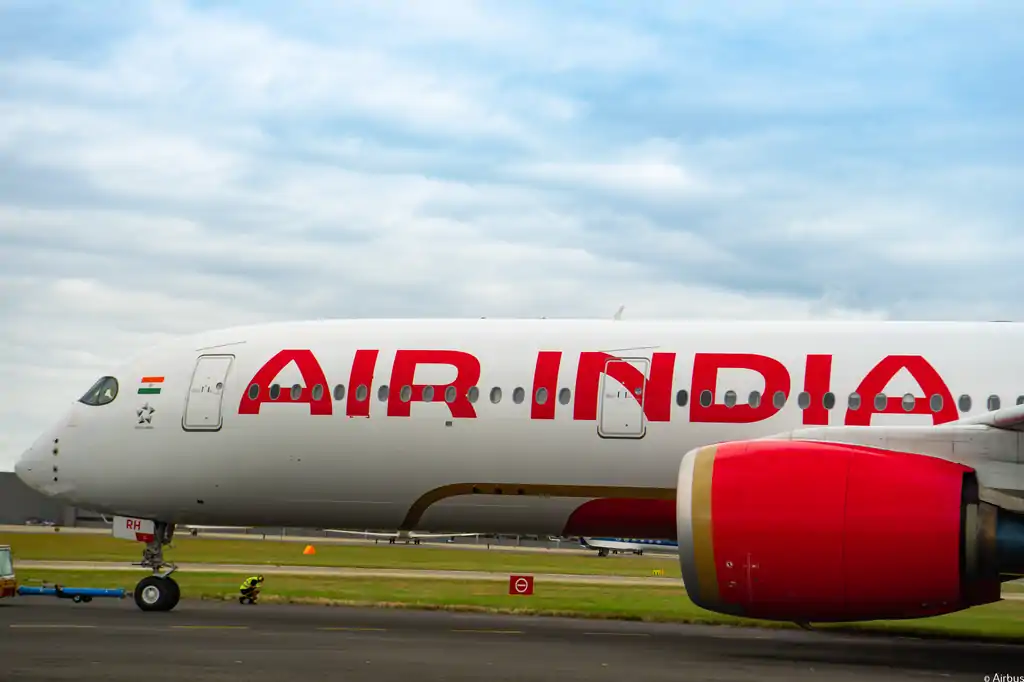
Two major flag carriers have unveiled an ambitious collaboration that promises to transform air connectivity across the region, marking a significant evolution in their longstanding relationship.
The Genesis of a Deeper Alliance
Air India and Singapore Airlines announced on Friday their agreement on a commercial cooperation framework that extends far beyond traditional airline partnerships. The announcement arrives at a pivotal moment for both carriers, signaling their intent to fundamentally reshape how they operate in overlapping markets while expanding their collective reach.
Challenges That Sparked Innovation
The timing of this framework reveals an industry adapting to geopolitical realities. Last April, Pakistan imposed an airspace ban that created immediate operational headaches for Air India, forcing the carrier to discontinue several profitable routes connecting India to the United States. This disruption became a catalyst for reimagining how the two airlines could work together more effectively.

What Makes This Partnership Different
Industry insiders describe the agreement as an advanced version of traditional codeshare arrangements, representing something more sophisticated than simply placing each airline's code on the other's flights. A source familiar with Air India's strategic thinking explained that the framework should enable both carriers to reduce the inefficiency of operating overlapping flights on identical routes, a common problem that drains resources and profits for competing airlines.
The partnership envisions expanding both carriers' corporate travel programs, which generate particularly high-yield revenue for airlines. Business travelers typically pay premium fares, making this aspect of the collaboration especially valuable for both companies' bottom lines.
Building on Existing Foundations
The two airlines are not starting from scratch. Air India already maintains a codeshare agreement with Singapore Airlines spanning twenty countries and territories. This existing relationship provides a proven foundation upon which to build more extensive cooperation. Singapore Airlines holds a twenty-five percent stake in Air India, while Tata Group owns the remaining seventy-five percent, creating aligned ownership interests that facilitate deeper collaboration.
The Road Ahead
Air India CEO Campbell Wilson characterized the pact as elevating the relationship between the two carriers to the next level, though both airlines emphasized that implementation requires regulatory approvals and the signing of definitive agreements. These necessary steps mean passengers will not see immediate changes, but the framework establishes clear direction for future cooperation.
The agreement represents a strategic response to both opportunity and necessity, allowing two respected carriers to leverage their complementary strengths while navigating the complex realities of modern international aviation.
With Inputs from Reuters
Read next
Could This New Air Travel Deal Transform Travel Between India and Saudi Arabia?
Abhishek Nayar
16 Jan 2026

Two of the region's most prominent airlines have joined forces in a partnership that promises to reshape how millions of passenger’s travels between India and Saudi Arabia. Saudia, Saudi Arabia's national flag carrier, and Air India, India's premier international airline, have signed a comprehensive codeshare agreement that will become operational in February, marking a significant milestone in Middle East-South Asia aviation connectivity.
What This Partnership Means for Travelers
The newly forged alliance between these two carriers introduces a host of practical advantages designed to make international travel significantly more convenient. Passengers booking through either airline will benefit from streamlined booking processes, unified ticketing systems, and the ability to check their baggage straight through to their final destination without the hassle of reclaiming and rechecking at connection points. This seamless travel experience operates on a single itinerary, eliminating the complexity that often accompanies multi-carrier journeys.
Opening Doors to India's Diverse Destinations
For Saudia's passengers, this agreement unlocks access to India's vast network of cities. Travelers can now reach major metropolitan centers across the subcontinent through convenient connections via Mumbai and Delhi. The expanded network encompasses vibrant cities including Ahmedabad, Bengaluru, Kolkata, Kochi, Hyderabad, Chennai, Lucknow, and Jaipur, with interline agreements extending reach to more than fifteen additional destinations throughout India.
Connecting India to Saudi Arabia's Gateway Cities
Air India passengers gain equally valuable advantages through this partnership. Those flying into Jeddah or Riyadh aboard Air India flights can now seamlessly connect onto Saudia-operated services reaching Dammam, Abha, Gassim, Gizan, Madinah, and Taif. The arrangement includes particularly flexible routing on the Jeddah-Riyadh corridor, allowing travelers the convenience of arriving in one Saudi city while departing from another. Plans are already underway to incorporate select complementary international destinations into this network later in the year.
Leaders Emphasize Strategic Importance
H.E. Engr. Ibrahim Al-Omar, Director General of Saudia Group, characterized the partnership as a strategic advancement for both carriers, emphasizing their shared histories and mutual commitment to strengthening connectivity between their respective home markets. He highlighted Saudia's remarkable six-decade presence in India, noting how the airline has consistently worked to deepen ties between the two nations. Al-Omar also pointed to Saudi Arabia's increasingly accessible visa policies, including streamlined electronic visas, stopover options, and visa-on-arrival privileges for eligible Indian passport holders.
Campbell Wilson, Air India's Chief Executive Officer and Managing Director, underscored Saudi Arabia's critical importance among the airline's Middle Eastern markets. He noted the Kingdom's rapid transformation into a major international gateway and expressed enthusiasm about serving the substantial Indian diaspora living throughout Saudi Arabia while simultaneously opening the Kingdom's evolving tourism landscape to Indian holidaymakers.
This codeshare agreement represents the twenty-fifth such partnership for Saudia, which now provides its passengers access to over one hundred additional international destinations through its extensive alliance network.
Read next
Boeing has achieved a remarkable turnaround in 2025, outpacing its European competitor Airbus in new aircraft orders for the first time in seven years while dramatically increasing its delivery numbers. The American aerospace giant announced on Tuesday that it delivered 600 aircraft throughout the year, marking a substantial 72 percent jump from the previous year and representing the company's strongest delivery performance since 2018.
A Victory in the Order Books
The real triumph for Boeing came in securing new business, where the company booked 1,175 orders during the year. After accounting for cancellations, Boeing's net order total reached 1,075 aircraft, soundly beating Airbus's 889 net orders. This achievement represents Boeing's sixth-highest annual total when adjusted for cancellations, signaling renewed confidence from airlines and aircraft leasing companies worldwide.
Climbing Out of Crisis
This resurgence comes after Boeing endured what can only be described as a perfect storm of challenges since 2018. The company faced devastating consequences from two fatal plane crashes, followed by the crippling effects of the COVID-19 pandemic on global aviation. Factory strikes further hampered production, and a mid-air panel blowout incident last year deepened concerns about the manufacturer's quality control. These crises not only disrupted production but also substantially increased Boeing's debt burden.
Under the leadership of CEO Kelly Ortberg, Boeing has been working methodically to rebuild its reputation and compete more effectively against Airbus, particularly in the crucial narrow-body aircraft market. The company's finance chief indicated last month that Boeing expects to achieve positive cash flow in 2026, buoyed by the anticipated increase in commercial jet deliveries.
December's Strong Finish
Boeing closed out 2025 with its strongest monthly performance since 2023, delivering 63 jets in December alone. Among these were 44 units of the company's best-selling 737 MAX and 14 of its 787 Dreamliner wide-body aircraft. For the full year, Boeing delivered 440 of the 737 MAX jets and 88 Dreamliners, with the latter representing the highest 787 delivery count since 2019.
Dreamliner Demand Takes Flight

The 787 Dreamliner has emerged as a particularly bright spot in Boeing's portfolio, with demand surging dramatically in recent years. The company secured 368 Dreamliner orders after cancellations in 2025, approaching the 369 orders it received in 2007 when the aircraft was first introduced to the market. Delta Air Lines reinforced this trend on Tuesday by announcing plans to purchase 30 Boeing 787-10 aircraft to enhance its long-haul capabilities.
Looking Ahead with Confidence
Alaska Airlines recently finalized significant orders in December for five 787s and 105 of the 737-10 variant, with CEO Ben Minicucci expressing confidence that Boeing will certify this long-delayed aircraft in the coming year. Aerospace analysts suggest Boeing holds a competitive advantage in delivery timelines compared to Airbus, which currently manages a larger backlog. Industry experts believe Boeing could potentially repeat its order victory over Airbus in 2026 if it continues improving production quality.
With Inputs from Reuters
Read next
Why Is Delta Betting Big on Wealthy Flyers While Economy Passengers Disappear?
Abhishek Nayar
15 Jan 2026
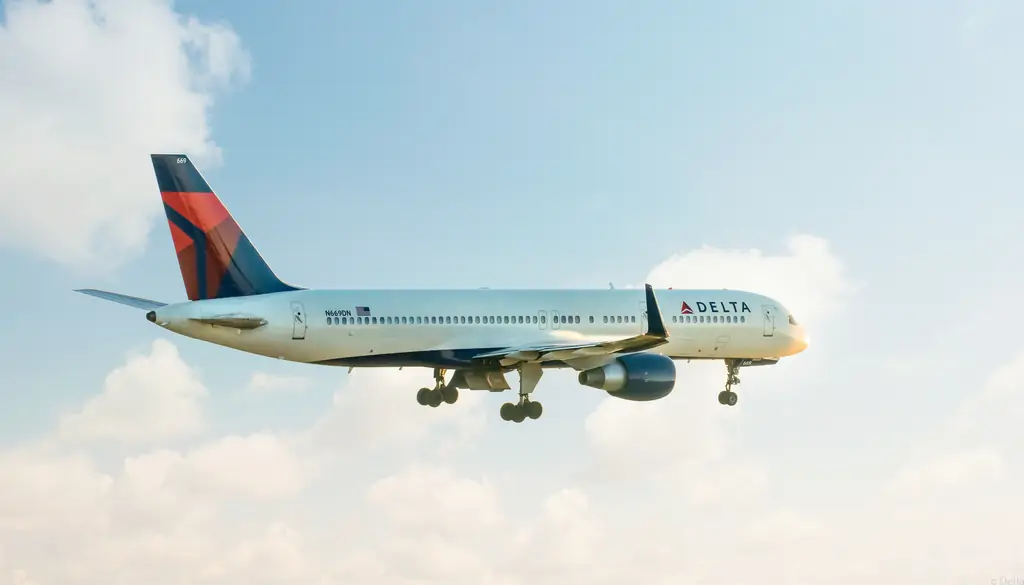
Delta Air Lines revealed on Tuesday a striking picture of America's divided economy, projecting earnings growth of roughly 20% for 2026 while acknowledging that its success depends almost entirely on travelers who can afford premium seats. The Atlanta-based carrier simultaneously announced a major aircraft order with Boeing, signaling confidence in its upward-focused strategy even as budget-conscious passengers pull back from flying.
The Premium Pivot Takes Center Stage
The airline's financial forecast tells a story of two very different Americas taking to the skies. Delta now generates nearly 60% of its revenue from premium cabins, loyalty programs, and partnerships like its lucrative arrangement with American Express, rather than from standard ticket sales. CEO Ed Bastian didn't mince words when describing the airline's market position, stating that strength in consumer spending exists at the higher end while lower-income travelers struggle. He added pointedly that Delta fortunately doesn't depend on that struggling segment.
December's quarterly results made this divide impossible to ignore. While Delta's overall passenger revenue inched up just 1% compared to the previous year, the numbers beneath that modest figure revealed a chasm. Revenue from main cabin tickets plummeted 7%, even as premium product revenue surged 9%. This widening gap has become the foundation of Delta's growth strategy going forward.
Fleet Expansion Targets International Growth
Delta reinforced its commitment to premium travel by ordering 30 Boeing 787 widebody aircraft, with options for 30 additional planes. These deliveries won't arrive until 2031, but they represent a significant shift for an airline that has favored Airbus heavily over the past fifteen years. Bastian explained that the 787-10 was chosen for its efficiency on mid-range international routes, particularly transatlantic flights and service to South America where ultra-long-range capability isn't necessary. He also emphasized that diversifying aircraft suppliers makes strategic sense as Delta expands internationally.
The airline plans to configure these new aircraft with heavier premium seating, and Bastian confirmed that virtually all planned seat growth will occur in premium categories rather than the main cabin. This approach reflects broader trends across industries from apparel to automotive, where companies increasingly chase higher-margin customers.
Headwinds and Uncertainties Cloud the Horizon
Delta's financial guidance came with caveats. The company expects 2026 adjusted earnings between $6.50 and $7.50 per share, with the midpoint falling slightly below analyst expectations of $7.25. Company executives acknowledged that reaching the upper end of guidance would require a recovery in main cabin demand, something not currently visible on the horizon. Delta shares fell nearly 3% following the announcement.
Fourth-quarter results also reflected unusual challenges. The longest federal government shutdown in U.S. history disrupted tens of thousands of flights and cost Delta approximately $200 million in quarterly profit. Earlier in 2025, sweeping tariffs dampened consumer confidence and reduced demand. Delta's 2026 outlook assumes these disruptions won't recur, though Bastian noted continuing uncertainty around geopolitics and policy.
International travel presents a mixed picture, with some markets still recovering from pandemic impacts while others show strength.
With Inputs from Reuters
Read next
Boeing's MAX 10 Clears Critical Hurdle as Certification Race Against Airbus Intensifies
Abhishek Nayar
13 Jan 2026
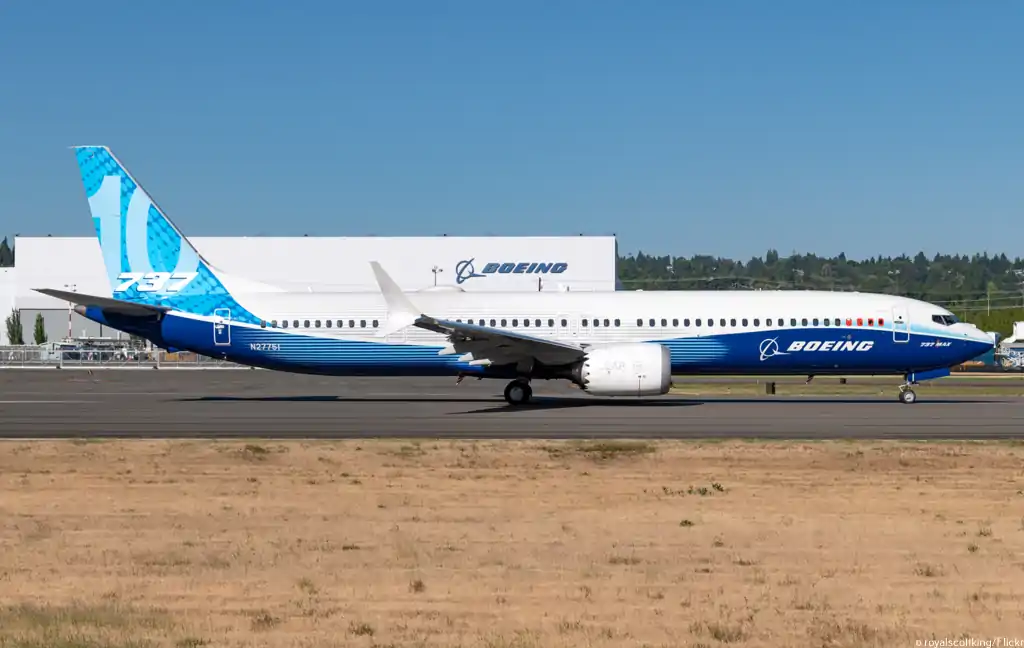
Boeing has received a significant green light from federal regulators for its troubled MAX 10 aircraft, though the planemaker still faces substantial obstacles before it can deliver the jets to eager customers who have been waiting for years.
The Federal Aviation Administration has approved Boeing's largest 737 MAX variant to advance into the second phase of flight testing, marking a pivotal step forward in the plane's protracted certification journey, according to sources close to the program. This development comes as Boeing races to bring its delayed aircraft to market while competing against Airbus's already-certified A321neo, which has been steadily capturing market share during the MAX 10's extended absence.
A Backlog Worth Fighting For
The stakes for Boeing couldn't be higher. The company holds more than 1,200 orders for the MAX 10 in its backlog, according to aviation analytics firm Cirium. Industry analysts widely view beginning deliveries of this aircraft as essential to reviving Boeing's revenue streams and improving cash flow, both of which have suffered during the company's recent manufacturing and safety challenges.
The MAX 10 represents a stretched version of Boeing's best-selling single-aisle jet family, designed to compete directly with Airbus's popular A321neo. Meanwhile, the MAX 7, a shortened variant, sits alongside the already-operational MAX 8 and MAX 9 models, which have accumulated tens of thousands of flight hours in commercial service.
Persistent Technical Challenges Remain
Despite this regulatory advancement, Boeing's path to certification remains complicated. The FAA's approval applies only to the MAX 10, leaving the MAX 7 still awaiting its own phase two clearance. Additionally, an unresolved engine deicing issue continues to plague both variants, creating uncertainty about when Boeing can truly declare victory.
The second phase of FAA flight testing examines critical systems including the aircraft's avionics and propulsion components, evaluating various aspects of the overall design. However, Boeing must still resolve the deicing problem that has contributed to years of delays for both the MAX 7 and MAX 10 models.
Boeing executives have previously expressed optimism about completing certification for both variants this year. This week, Alaska Airlines reinforced that confidence by ordering 105 MAX 10 airplanes, with CEO Ben Minicucci publicly stating his belief that certification will arrive in 2025.
The Road Ahead
Industry observers maintain cautious optimism. Scott Hamilton, an aerospace analyst with the Leeham Company, captured the prevailing sentiment succinctly: "It's progress, but until it's certified, it's not." He noted that without a definitive path to certification, Boeing cannot begin production at its Everett, Washington facility.
Boeing has recently received some positive regulatory news beyond the MAX 10 development. In October, the FAA permitted Boeing to increase 737 MAX production to 42 planes monthly, ending a 38-plane cap that had been enforced since January 2024.
With Inputs from Reuters
Comment