
Air India-Vistara Merger: Navigating Continuity and Transformation in India's Skies

Abhishek Nayar
16 Jul 2024
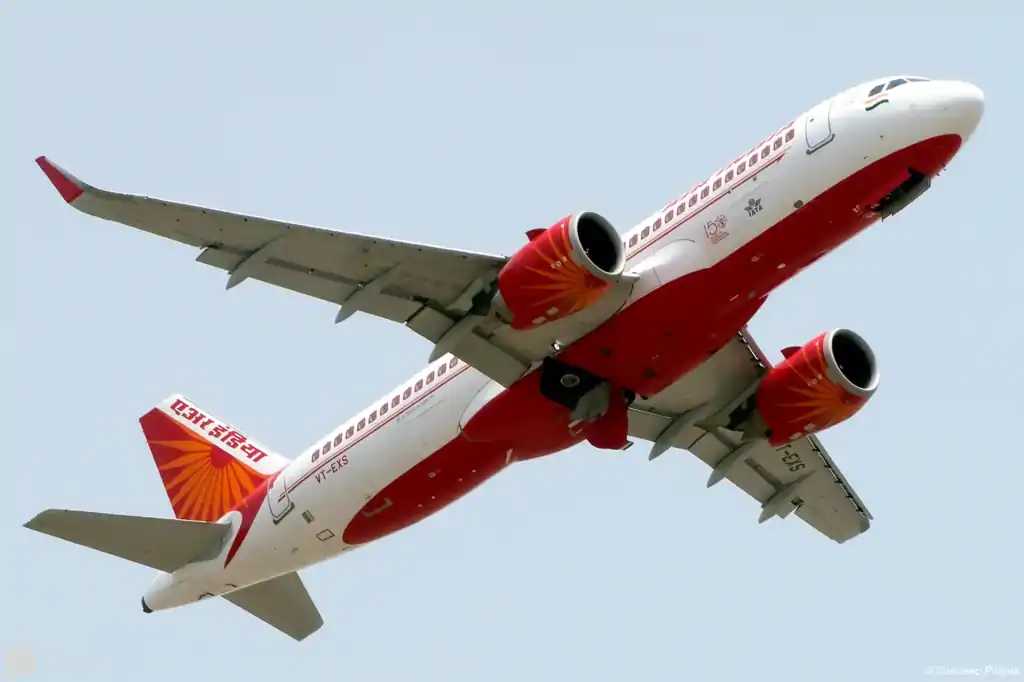
As the merger between Air India (AI) and Vistara progresses, the Tata Group is committed to ensuring continuity at the top management level. This strategic decision aims to maintain stability and leverage the expertise of current executives. Campbell Wilson will continue to lead as Chief Executive Officer (CEO), while Nipun Aggarwal and Sanjay Sharma will retain their roles as Chief Commercial and Transformation Officer and Chief Financial Officer, respectively.
Leadership Shifts and Strategic Retentions
Vinod Kannan, the CEO of Vistara, is likely to return to Singapore Airlines (SIA), his parent company. Kannan has been with Vistara since 2019, contributing significantly to the Tata Sons-SIA joint venture. Deepak Rajawat, Vistara's Chief Commercial Officer, is expected to join the merged entity, ensuring that Vistara's strengths are integrated into the new Air India.
Navigating Redundancies and Workforce Integration
While most Vistara employees will transition to the merged company, some roles may become redundant due to pre-existing positions within Air India. This consolidation aims to streamline operations and eliminate duplication. Air India has been proactive in hiring talent from other Tata Group entities and startups, emphasizing a comprehensive revamp of the airline.
A Robust Integration Plan
The integration process is being meticulously planned by a team of senior executives from both Air India and Vistara, along with the Boston Consulting Group. Legal and regulatory compliance is being handled by law firm AZB Partners. A notable aspect of the human integration process is the Hogan Test, which assesses the personality traits of non-flying staff, particularly for leadership roles.
The Strategic Vision: Synergies and Efficiency
The Tata Group's primary goal is to consolidate its airline business, which incurred a loss of ?15,532 crore in fiscal 2023. By merging Air India and Vistara, the conglomerate aims to leverage synergies, enhance efficiencies, and reduce redundancy. This strategic move also involves the merger of Air India Express and AirAsia India to create a robust no-frills airline.
Customer Experience and Brand Identity
Despite the rush to complete the integration by the end of the year, Air India CEO Campbell Wilson has assured that customer-facing elements, including Vistara's brand identity, will remain unchanged until 2025. This careful approach ensures a seamless customer experience while the backend operations are integrated.
Strengthening SIA's Foothold in India
The merger holds significant importance for Singapore Airlines, which will own a 25.1% stake in the merged Tata airline entity. This stake will enhance SIA's presence in India, the world's third-largest aviation market, providing a competitive edge and expanded market reach.
Conclusion
The Air India-Vistara merger represents a critical juncture in India's aviation industry. The Tata Group's focus on continuity, strategic integration, and operational efficiency is poised to create a formidable player in the full-service airline segment. As the merger progresses, it promises to bring about transformative changes while preserving the strengths of both Air India and Vistara, setting the stage for a new era in Indian aviation.
With Inputs from Economic Times
Read next
How Will Sarova Hotels' New Partnership with AVIAREPS Transform Tourism from India to Kenya?
Abhishek Nayar
16 Jul 2024
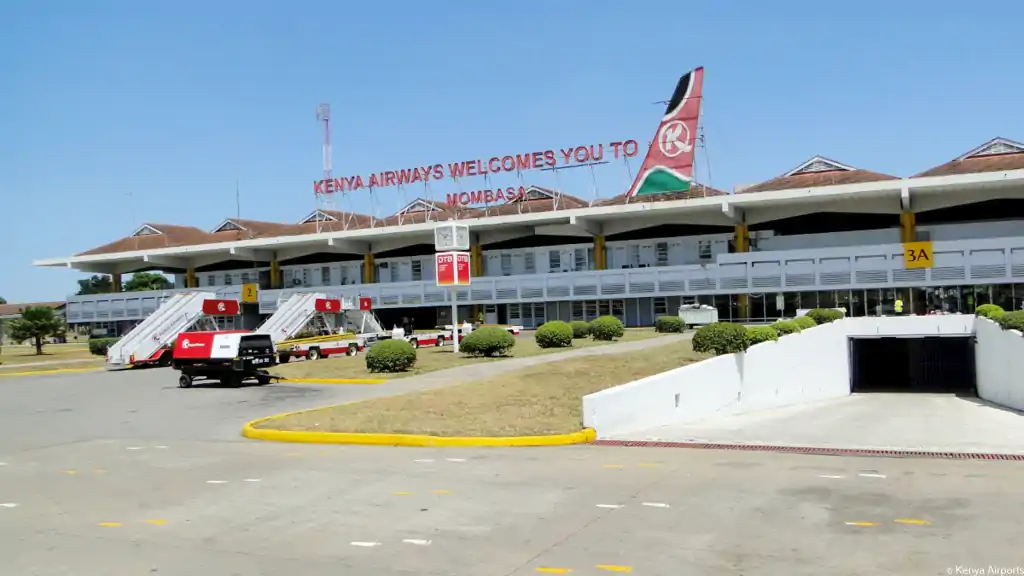
Sarova Hotels & Resorts, a prestigious chain of luxurious heritage hotels in Kenya, is making significant strides in the Indian market by appointing AVIAREPS as its Sales and PR representative. This strategic move aims to increase tourism from India through innovative multi-channel promotional strategies crafted by AVIAREPS' dedicated team of tourism professionals. This partnership marks an exciting new chapter in Sarova's expansion efforts.
Sarova’s Vision and Commitment
Sarova Hotels & Resorts is not just about hospitality; it’s a brand deeply committed to nurturing talent, fostering inclusivity, and empowering local communities. By providing meaningful employment and skill development opportunities, Sarova transcends traditional hospitality. Their sustainability efforts, which include responsible waste management, water conservation, and the use of renewable energy, are all focused on preserving Kenya's natural beauty for future generations.
Leadership Insights

Mita Vohra, Board Director of Sarova Hotels & Resorts, reflects on the brand's 50-year journey, stating, "Our vision has always extended beyond exceptional customer service to creating a holistic, community-focused, and environmentally friendly support system. With Africa's allure for Indian travelers, we eagerly anticipate welcoming more visitors from India to experience Africa's unique lifestyle and wildlife.”
“This growing connection reinforces our dedication, and I am excited to share our rich heritage and natural beauty with our esteemed guests from India. Our wonderful partnership with AVIAREPS India and their valuable support in this venture will be a great opportunity to align with our goals."
Strategic Partnership with AVIAREPS

Ellona Pereira, General Manager of AVIAREPS India, expressed excitement about the partnership, stating, "We at AVIAREPS India are delighted to represent Sarova Hotels and Resorts, a brand renowned for its exceptional African hospitality. Our strategic efforts will focus on redefining Sarova's presence in the Indian market, tapping into India's growing travel appetite.”
“By leveraging our market expertise and extensive network, our team at AVIAREPS will drive bookings through strategic sales efforts, craft targeted marketing campaigns to attract Indian travelers, and enhance the brand through our effective public relations. This partnership underscores our shared commitment to excellence and innovation in the hospitality industry. We look forward to a successful journey together, amplifying Sarova Hotels' visibility and appeal in India."
Sarova’s Heritage and Legacy
Established in 1974, Sarova Hotels & Resorts operates nine esteemed properties across Kenya, including iconic destinations like Sarova Stanley and Sarova Whitesands Beach Resort & Spa. With a legacy of culinary excellence and a commitment to providing unforgettable experiences, Sarova continues to set benchmarks in hospitality across the region.
About Sarova Hotels & Resorts
From humble beginnings in 1972, the founders of Sarova built a dream imbibed with a deep respect for nature and community that lives in the company's DNA. Behind the company is a beautiful history of families, friendship, and the power of will uniting to create Kenya's leading, independently owned, exceptional breed of hotels and resorts. Over decades, Sarova has acquired a portfolio of exceptional properties in prime locations, each harmoniously individual to its own history and environment, fortified by a vision to impact surrounding communities and build a sustainable future.
About AVIAREPS
Founded in Germany in 1994, the AVIAREPS Group is the world’s leading trade, airline, and tourism representation company. With an extensive office network that spans all six inhabited continents, AVIAREPS boasts 70 self-owned offices across 65 countries. They represent over 100 airlines and more than 150 tourism, hospitality, retail, and trade promotion clients in their portfolio.
Conclusion
The partnership between Sarova Hotels & Resorts and AVIAREPS is set to redefine tourism from India to Kenya. With AVIAREPS' expertise in the Indian market and Sarova's commitment to exceptional hospitality and sustainable practices, this collaboration promises to attract more Indian travelers to experience the unique lifestyle and wildlife of Africa. As this partnership unfolds, it will undoubtedly create new opportunities and set new benchmarks in the hospitality industry.
Read next
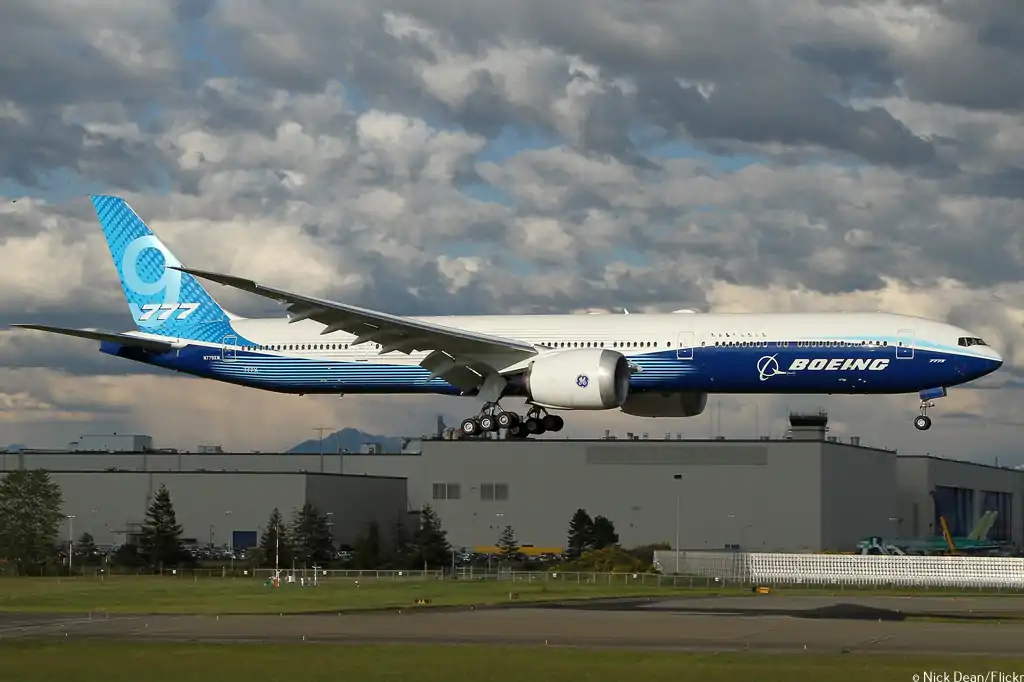
Boeing's journey towards the certification of its long-awaited 777-9 aircraft has hit a significant milestone. After overcoming a series of hurdles, the aircraft manufacturer has finally received the Type Inspection Authorization (TIA) from the Federal Aviation Administration (FAA), marking a crucial step forward in the certification process. This development sets the stage for formal certification flight testing with FAA regulators onboard.
The Road to Certification
A Long-Delayed Journey
The journey towards certifying the Boeing 777-9 has been anything but smooth. Originally, Boeing aimed to deliver the first 777X by 2020, but a series of delays and technical challenges pushed this timeline back significantly. In June 2021, the FAA raised concerns about the aircraft's readiness for TIA, citing the need for additional analysis and major software updates to address various issues, including a significant flight control incident in December 2020.
Initial Flight Testing
Despite the setbacks, Boeing began formal flight testing on Friday, with the third 777-9 test aircraft, registered N7779XY, taking to the skies for a 1-hour, 52-minute flight. The flight operated under the code BOE3, circling the coastal area between Portland and Seattle. This test flight, which took off from Seattle Boeing Field Airport (BFI) at 18:16 and landed back at 20:08 local time, marked the beginning of the FAA's direct involvement in the certification process.
Significance of the Type Inspection Authorization
What is TIA?
The Type Inspection Authorization (TIA) is a critical step in the aircraft certification process. It signifies that specific aspects of the aircraft's design are ready for government evaluation. Typically, TIA is granted before certification flying begins, ensuring that the aircraft meets the necessary safety and performance standards.
FAA's Initial Reservations
The FAA's initial reluctance to grant TIA stemmed from multiple concerns about the 777-9's readiness. These concerns were outlined in a letter that highlighted the need for more comprehensive analysis and software updates to address critical issues. Boeing's commitment to resolving these issues played a pivotal role in finally securing TIA.
The Impact of COVID-19
The global COVID-19 pandemic further complicated Boeing's certification timeline. Travel restrictions, supply chain disruptions, and other pandemic-related challenges contributed to delays, pushing the anticipated type certification timeline to late 2023.
Looking Ahead: Customer Expectations and Market Impact
Customer Concerns and Expectations
Major customers for the 777X, including Emirates, Qatar Airways, and Singapore Airlines, have been eagerly awaiting the aircraft's delivery. Emirates' CEO has expressed concerns that deliveries could be delayed until as late as 2026, while Singapore Airlines now predicts it will receive its first 777X in late 2025.
Potential New Orders
Despite the delays, interest in the 777X remains high. Korean Air is reportedly considering an order for the aircraft, indicating that it may not completely switch to Airbus for its future long-haul fleet. This potential order could be announced at the upcoming Farnborough Airshow, highlighting the ongoing demand for the 777X.
Conclusion
Boeing's 777-9 is finally nearing the end of its long and challenging journey towards certification. With the FAA's TIA in hand and formal flight testing underway, the aircraft is poised to make a significant impact on the aviation industry. While challenges remain, the progress made thus far offers a glimpse of hope for Boeing and its customers, signaling a new chapter in the evolution of modern aviation.
Read next
Lufthansa's Second Profit Warning: What It Means for the Aviation Industry
Abhishek Nayar
15 Jul 2024

Deutsche Lufthansa, one of Europe's top airlines, has issued a profit warning for the second quarter of 2024, underscoring ongoing challenges in the aviation industry. With low returns and operational difficulties, Lufthansa's adjusted earnings forecast for 2024 has been slashed again, leading to significant market repercussions.
A Second Slash in Earnings Guidance
On Friday, Lufthansa revised its 2024 earnings guidance for the second time, projecting adjusted earnings before interest and taxes (EBIT) between 1.4 billion euros ($1.5 billion) and 1.8 billion euros. This is a significant drop from the previous target of approximately 2.2 billion euros. The airline also announced that its second-quarter adjusted EBIT fell by more than a third to 686 million euros, ahead of its official second-quarter results release on July 31.
Market Reaction: Shares Take a Hit
The profit warning had immediate effects on the stock market. Shares in Lufthansa fell by as much as 3.8%, pulling down British Airways-owner IAG by 2.7%, easyJet by almost 1%, and Air France-KLM by nearly 2% at 1213 GMT. The market's reaction highlights broader concerns about the financial health of European airlines amid rising costs and competitive pressures.
The Challenges: High Costs and Low Returns
Lufthansa's struggles are emblematic of the broader challenges facing the aviation industry. High labor and operating costs, coupled with weak average revenue per passenger due to pressure on ticket prices, are major issues. The company cited a market-related decline in yields across all traffic regions, with Asia being particularly affected.
In addition to these challenges, Lufthansa has faced rising expenses tied to strikes and inefficiencies in flight operations, exacerbated by delayed aircraft deliveries from planemakers Airbus and Boeing. These delays have disrupted schedules and added to operational costs, further impacting profitability.
Turnaround Efforts: A Comprehensive Program
In response to these challenges, Lufthansa is launching a comprehensive turnaround program affecting its core Lufthansa brand and regional carrier Cityline. The company aims to address operational inefficiencies and adapt to the competitive landscape. A letter to staff earlier this week highlighted planned operational cost cuts due to a more competitive environment and a decline in corporate travel, which has eroded unit revenue.
Stephen Furlong, an analyst at Davy, noted that the anticipated weakness in unit revenue is expected to persist into the third and fourth quarters, necessitating the turnaround program.
Industry-Wide Struggles
Lufthansa is not alone in facing these issues. Other airlines, including Ryanair and Air France-KLM, have also warned of slower-than-expected rises in ticket prices and higher unit costs. The aviation sector as a whole is grappling with similar challenges, as the post-pandemic recovery proves more complex and costly than anticipated.
Conclusion: Navigating Turbulence Ahead
Lufthansa's second profit warning for 2024 is a stark reminder of the turbulent conditions facing the aviation industry. High operating costs, competitive pressures, and declining yields are significant hurdles that require robust and strategic responses. As Lufthansa embarks on its comprehensive turnaround program, the industry will be watching closely to see how one of Europe's leading airlines navigates these challenging skies.
With Inputs from Reuters
Read next
What's Next for Go First? Exploring the Latest Developments in its Insolvency Journey
Abhishek Nayar
15 Jul 2024

In a significant turn of events, the beleaguered Indian airline Go First finds itself at a crucial juncture in its insolvency process. With the National Company Law Tribunal (NCLT) making pivotal decisions and other stakeholders maneuvering for their interests, the future of the airline hangs in the balance. Let's delve into the latest updates and what they mean for the airline's journey forward.
The Engine Release Order
The Tribunal's Decision
On Thursday, the NCLT ordered Go First to release four engines in its possession to Engine Lease Finance BV, the lessor. Advocate Diwakar Maheshwari, representing the Resolution Professional (RP), confirmed that the airline had already begun returning one engine. The tribunal's directive mandates the release of all four engines, marking a significant step in the ongoing insolvency resolution process.
High Court's Impact on Aircraft Deregistration
Advocate Anandh Venkatramani, representing the engine lessor, pointed out that the High Court had directed the Directorate General of Civil Aviation (DGCA) to deregister all 54 of Go First's aircraft. With Go First not appealing the High Court's order, the deregistration stands as final, potentially simplifying the lessors' claims.
Progress on Corporate Insolvency Resolution Process (CIRP)
Extension and Deadlines
Go First received a final 60-day extension from the NCLT on June 12 to conclude its CIRP, pushing the deadline to August 3. The tribunal emphasized that no further extensions would be granted, urging the airline’s Committee of Creditors (CoC) and the resolution professional to adhere strictly to this timeline.
Key Lenders Involved
The airline's creditors include prominent financial institutions such as the Bank of Baroda, the Central Bank of India, and IDBI Bank. These lenders play a crucial role in the resolution process, given their significant financial stakes in the outcome.
A Broader Context: Challenges in India's Aviation Industry
Go First's voluntary insolvency filing on May 2, 2023, under Section 10 of the Insolvency and Bankruptcy Code (IBC), and its subsequent acceptance by the NCLT on May 10, 2023, reflects broader issues within India's aviation sector. The airline's plight mirrors the struggles of past major carriers like Kingfisher Airlines and Jet Airways, which faced financial collapse in 2012 and 2019, respectively.
Next Steps: Awaiting Further Developments
Upcoming Hearing
The tribunal has scheduled the next hearing for August 9, allowing other lessors time to consider their next steps. This hearing will likely provide further clarity on the direction of the insolvency process and the fate of Go First’s remaining assets.
Stakeholders' Positions
With the tribunal's firm stance on deadlines and the High Court's definitive ruling on aircraft deregistration, all eyes are on how Go First's stakeholders will navigate the complex legal and financial landscape in the coming weeks.
Conclusion
The unfolding story of Go First's insolvency highlights the turbulent nature of India's aviation industry and the intricate challenges involved in corporate restructuring. As the airline races against time to meet the NCLT's deadlines, the decisions made in the upcoming weeks will be crucial in determining its future. Stakeholders and industry watchers alike remain keenly engaged, awaiting the next chapter in this high-stakes saga.
With Inputs from Business Standard
Read next
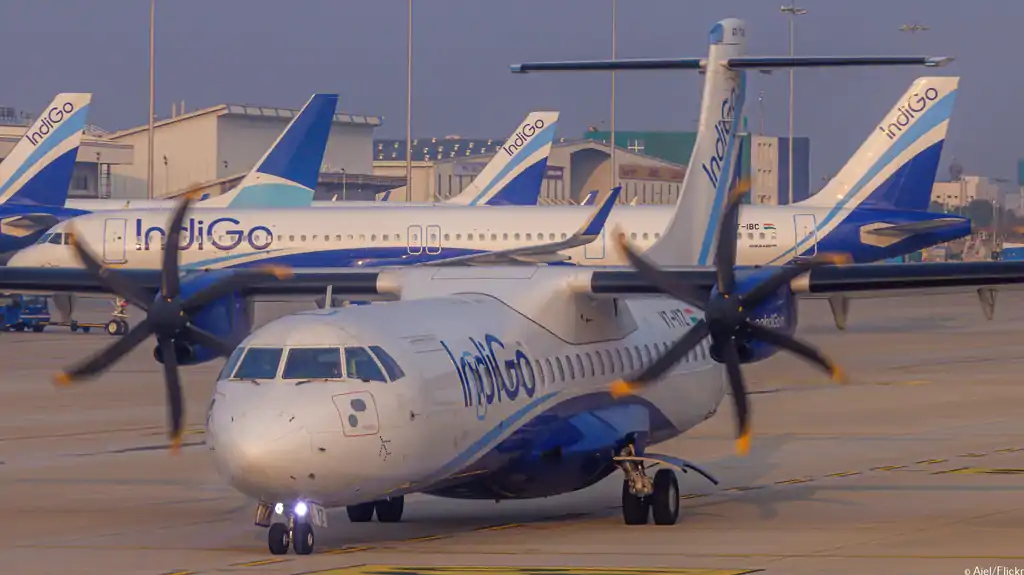
In a groundbreaking move aimed at boosting efficiency and sustainability, the Directorate General of Civil Aviation (DGCA) has greenlighted IndiGo to carry pre-flight briefing data in electronic form. This shift to the Electronic Flight Folder (EFF) is set to revolutionize flight operations, significantly reducing aircraft weight, fuel consumption, and overall costs while enhancing safety and efficiency.
The Digital Leap: Understanding the Electronic Flight Folder (EFF)
The Electronic Flight Folder (EFF) is a comprehensive digital solution that replaces the traditional paper-based flight briefing materials with an electronic system. Key components of the EFF include:
- Operational Flight Plans: Detailed route maps and schedules for flights.
- Weather Charts: Up-to-date meteorological information crucial for flight safety.
- NOTAMs (Notice to Airmen): Critical alerts and updates for pilots.
- Airfield Data: Information about airports and runways.
- ETOPs (Extended Range Twin Operations): Guidelines for flights over oceanic or remote areas.
Why Go Digital? The Benefits of EFF
The transition to EFF offers a multitude of advantages that extend beyond mere convenience:
- Weight Reduction: EFBs are lightweight compared to the bulky paper manuals, leading to a reduction in overall aircraft weight. This directly translates to lower fuel consumption and emissions.
- Cost Savings: With less fuel needed due to reduced weight, operational costs drop. Additionally, the elimination of paper documents cuts down on printing and storage expenses.
- Improved Safety: Digital access to real-time updates and comprehensive data ensures that pilots are better informed and can make quicker, more accurate decisions.
- Efficiency in Pre-flight Preparations: EFF allows pilots to swiftly access and process necessary information, saving precious time during pre-flight briefings.
Technological Integration: EFF and EFB
The EFF integrates seamlessly with the Electronic Flight Bag (EFB) device, a tablet-like interface that pilots use to access all necessary flight information. This integration ensures that all data, including flight plans and weather updates, is automatically collated and readily available in a user-friendly format.
Environmental Impact: A Greener Sky
The shift to digital documentation has a profound positive impact on the environment. By reducing the need for paper, the associated environmental costs of paper production and disposal are significantly lowered. Moreover, decreased fuel consumption means fewer emissions, contributing to a cleaner, greener planet.
Future of Aviation: A Sustainable Flight Path
With DGCA's approval, IndiGo's adoption of the EFF marks a significant step towards modernizing aviation operations. As the industry embraces digital technology, the potential for large-scale fuel savings and reduced environmental impact becomes increasingly tangible. This innovative approach not only enhances operational efficiency but also aligns with global sustainability goals, paving the way for a more efficient and eco-friendly future in aviation.
Conclusion
The DGCA's decision to permit IndiGo to implement the Electronic Flight Folder represents a major leap forward in aviation technology. By harnessing the power of digital solutions, IndiGo is set to achieve substantial cost savings, improved safety, and a reduced carbon footprint. This move underscores the importance of innovation in driving progress within the aviation industry, heralding a new era of smarter, greener, and more efficient flight operations.
Comment