Akasa Air Receives Nod to Operate Flights to Riyadh, Jeddah, Doha & Kuwait

Radhika Bansal
19 Oct 2023
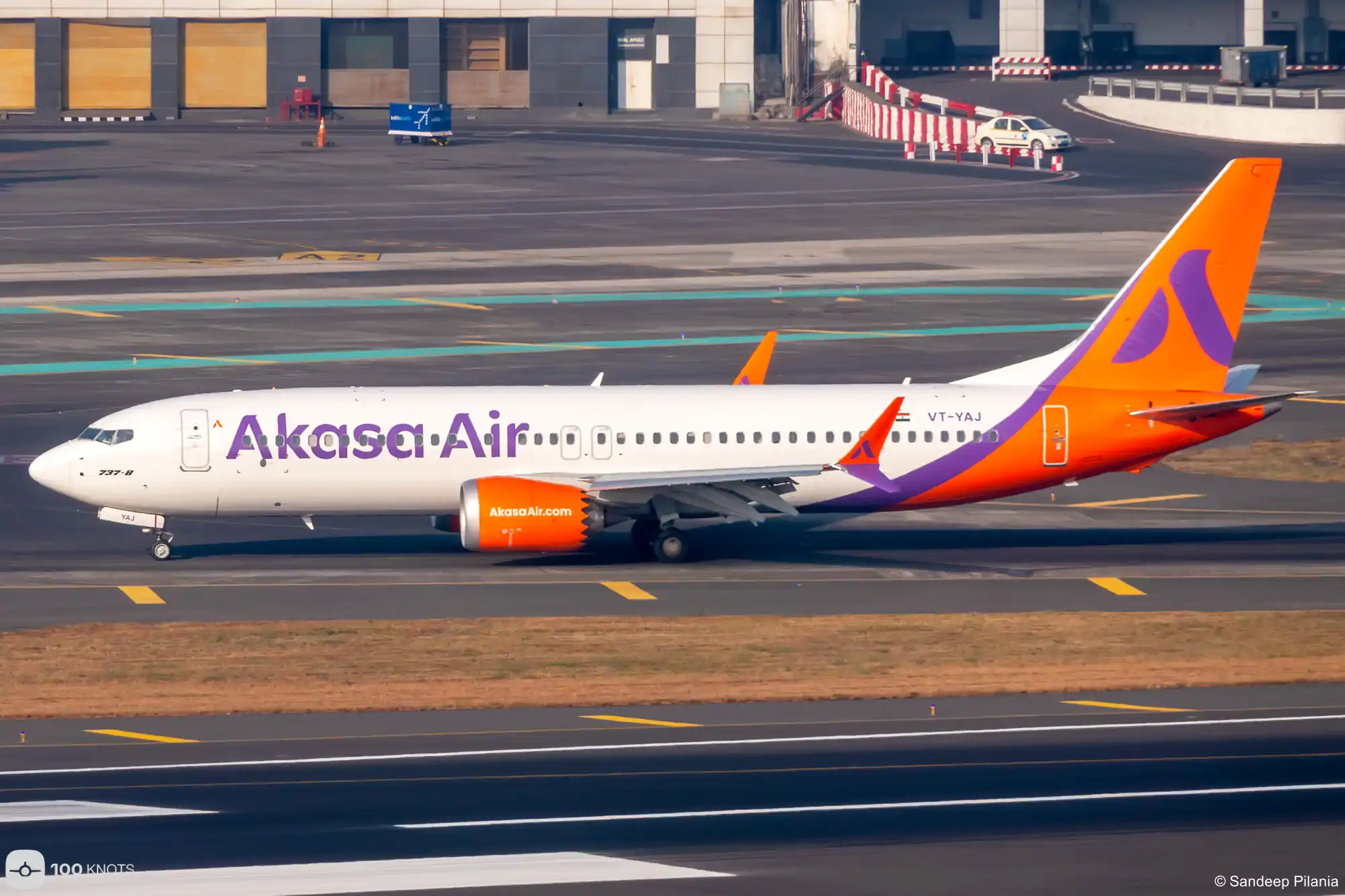
Akasa Air, which is in a "very exciting phase", has received approval from the government to operate flights to Riyadh, Jeddah, Doha and Kuwait, and expects to start international services "soon enough", according to its chief Vinay Dube.
Currently, the airline which completed its first year of operations in August, has a fleet of 20 Boeing 737 MAX aircraft and 2 more planes are expected to be inducted into its fleet by the end of this year. Asserting that Akasa Air is in a "growth mode" with strong financials, Dube said the airline will announce a triple-digit aircraft order in 75 days or by the end of this year.
"We have just been given traffic rights for Riyadh, Jeddah, Doha and Kuwait. The process will take time... we will let the process unfold. We continue to be in a very very exciting phase in our lives now. We are doing well financially. We have a good cash position," he said in an interview.
The carrier has received approval from the civil aviation ministry for rights to operate flights to Riyadh and Jeddah (Saudi Arabia), Doha (Qatar) and Kuwait. Now, the airline will work with the foreign governments concerned for various other approvals to start international operations and that will take some time.
On when the first international flight is likely to commence, the Akasa Air Founder and CEO said it will be a little difficult at this point for the airline to nail down the timeline. "The Indian government is extremely efficient but then we have to work with various foreign governments, (in) three different countries. Timelines for approvals from these countries will vary... It is soon enough," he said.
Akasa Air is in the process of recruiting 110 pilots in the coming days and increasing connectivity by 30-35% by the end of the current fiscal by improving weekly flight operations. The abrupt resignation of pilots over the months had hit flight operations, with cancellation rates hitting 1.17% in August, which later decreased to 0.37% in September, according to data from the Directorate General of Civil Aviation (DGCA).
While Akasa Air suspended its Bengaluru-Chennai flight services in June because of the ‘network optimization process’, the airline has temporarily cut its operations between Bengaluru and Hyderabad given the ‘capacity’ of pilots following the abrupt resignations. Many flyers were left inconvenienced over the past several weeks with the airline cancelling flight services on some routes, including Benglauru-Chennai and Bengaluru-Hyderabad. Some customers also took to social media, complaining that the airline had charged them the cancellation fee when the cancellation was done by the airline itself.
Akasa Air currently operates around 700 weekly flights and flies to 16 cities. In September, the airline carried 5.17 lakh passengers and had a domestic market share of 4.2%, according to the latest official data.
To a query about rumours that the airline is facing funding issues, Dube said, “We are cash flow positive... we continue to add to our reserves. We don't need funding to place a triple-digit order in the next 75 days. We also hear rumours about the Jhunjhunwala family leaving which are absurd and the family says that they are invested with us for the long run," he added.
Akasa Air’s Pilot Issue
Recently, Akasa Air faced pilots' issues after some of them left without serving the required notice period which resulted in the cancellation of various scheduled flights. The airline has moved the court against those pilots. According to a statement by the airlines, Akasa has a current strength of over 450 pilots and 20 aircraft. In addition, the airline has 110 signed commitments from pilots who are in various stages of their notice period and will join them upon completion.
When asked about the issue, Dube said, “The matter is behind us and really now, we are squarely in growth mode". While the airline did encounter some challenges, particularly related to pilot resignations that led to the suspension of certain routes, Dube reassured that these issues have been effectively resolved with the cooperation of relevant authorities.
Akasa Air presently has a pilot force of 450 and anticipates the addition of another 120 pilots over the next 2-4 months. As the festive season approaches, the airline is optimistic about heightened demand, driven in part by its affordable airfare offerings.
India is one of the fastest growing civil aviation markets in the world and domestic airlines have placed significant plane orders as they look to expand their operations.
In June, the airline ordered four additional Boeing 737-8 jets. It was in addition to the order for 72 aircraft that was placed with Boeing. Together, Akasa Air will have 76 aircraft, including 23 Boeing 737-8s and 53 Boeing 737-8-200s, mostly by mid-2027.
Read next
Embraer and Royal Jordanian Airlines Forge Strategic Partnership to Support E2 Fleet

Abhishek Nayar
19 Oct 2023

Amidst the aviation industry's ever-evolving landscape, Embraer, the renowned Brazilian aerospace company, has inked a groundbreaking multi-year agreement with Royal Jordanian Airlines (RJ), signaling a new era of partnership between the two companies.
The deal focuses on offering comprehensive support for Royal Jordanian's fleet of eight E190-E2 and E195-E2 jets through Embraer's Pool Program. This initiative will extend to encompass a wide range of repairable components for the airline's burgeoning E2 fleet, further strengthening the existing cooperation between the two entities.
Embraer's Global Reach Through the Pool Program
Embraer's Pool Program, a stalwart in the aviation industry, already serves over 60 airlines worldwide, underlining its proven track record of providing efficient, cost-effective, and practical solutions. The program is a comprehensive service offering that extends a helping hand to airlines by ensuring a seamless and cost-efficient operational experience. Through this initiative, airlines can effectively manage their aircraft component inventory, reduce maintenance costs, and maximize the operational readiness of their fleets.
Royal Jordanian Airlines' Endorsement of Embraer
The CEO and Vice Chairman of Royal Jordanian Airlines, Samer Majali, expressed enthusiasm regarding the strengthened partnership with Embraer. Majali highlighted the enduring relationship between the two entities and their collective efforts to ensure the smooth entry into service of the E2 jets.
"For the new generation E2 jets, we have been working with Embraer on all the supporting functions that go into having a smooth entry into service targeted by the end of this year," Majali stated. He further elucidated that the pool program agreement was seen as a natural fit that provides a cost-effective and practical parts solution, accompanied by Embraer's invaluable expertise and support.
Embraer's Commitment to Royal Jordanian Airlines
Embraer, a global leader in the aviation industry, expressed its deep commitment to this strategic partnership with Royal Jordanian Airlines. Carlos Naufel, the President and CEO of Embraer Services & Support, voiced his excitement about this new chapter in their relationship, particularly regarding the E2 family of aircraft.
Naufel underlined that the Pool Program would serve to enhance the entry into service of RJ's E2 fleet, thereby helping to reduce costs in repair and inventory, all the while leveraging Embraer's extensive global footprint. This renewed collaboration exemplifies Embraer's dedication to offering world-class support and services to its customers.
A Boon for Royal Jordanian Airlines
The Pool Program by Embraer is set to be a significant boon for Royal Jordanian Airlines. As they continue to expand their fleet with the E2 jets, the airline will benefit from the robust and established support network provided by Embraer. This partnership will ensure that RJ's operations run efficiently, helping them reduce maintenance costs and minimize aircraft downtime.
Conclusion
The agreement between Embraer and Royal Jordanian Airlines marks a pivotal moment in the aviation industry. By supporting RJ's growing E2 fleet, the Pool Program by Embraer demonstrates its value as a trusted and cost-effective solution for airlines looking to maximize the efficiency of their aircraft operations.
With the end-of-year target for the entry into service of Royal Jordanian's E2 fleet approaching, the collaboration between these two companies is poised to set new standards for aircraft support services in the industry. This partnership serves as a testament to the enduring bonds between aviation industry leaders and their commitment to delivering excellence to their customers.
With Inputs from Embraer
Read next
Qantas Drops Alliance Aviation Services Acquisition Following ACCC Opposition
Abhishek Nayar
19 Oct 2023
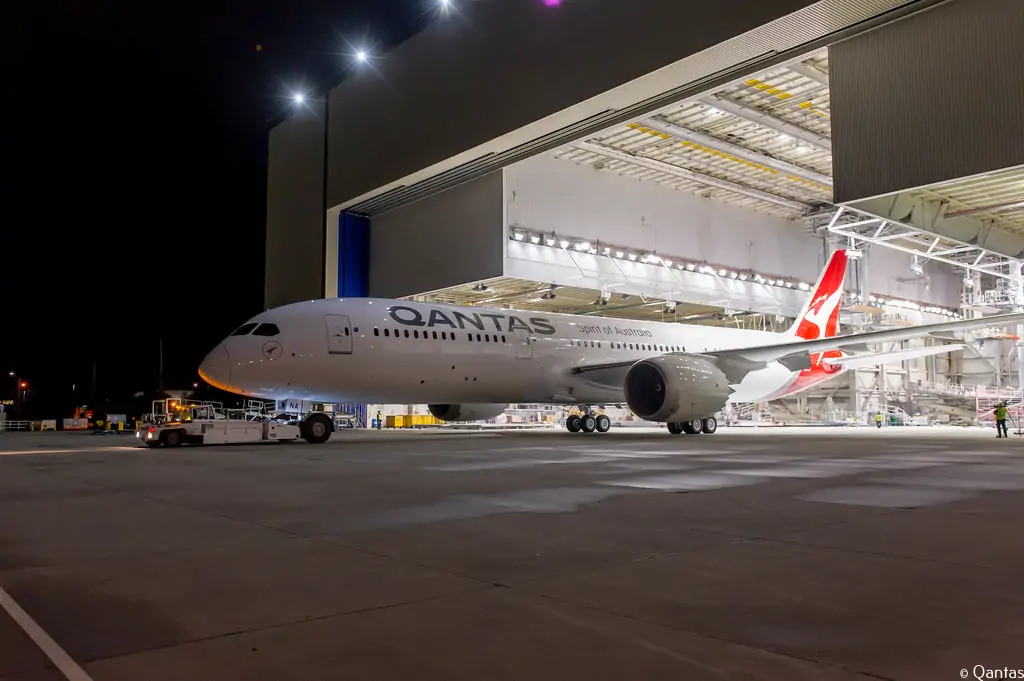
In a significant development on October 19, 2023, Qantas Airways announced its decision to abandon its A$611 million ($387 million) plan to acquire charter flight operator Alliance Aviation Services. The decision comes several months after the Australian Competition and Consumer Commission (ACCC) blocked the proposed acquisition, citing concerns about potential adverse effects on pricing and service quality in the aviation sector.
Background
In May 2022, Qantas Airways and Alliance Aviation Services entered into a buyout agreement, which was intended to strengthen Qantas's presence in the resources sector and enhance customer value. However, the ACCC's intervention in April 2023 derailed the deal, emphasizing its potential negative impact on market competition.
ACCC's Objection
The ACCC's primary objection to the acquisition was based on its belief that the deal could lead to increased prices and decreased service quality in the aviation industry. This decision reflects the ACCC's commitment to maintaining competition in the market and ensuring that consumers continue to have access to affordable and high-quality services.
Challenges and Reactions
The decision to abandon the acquisition was not taken lightly by Qantas. Tim Waterer, Chief Market Analyst at KCM Trade, highlighted the complexity of the endeavor and the ACCC's uncompromising stance on the matter. While Qantas and Alliance Aviation Services argued that the merger would have delivered customer value without harming competition in the resources sector, it appears there is currently no feasible path forward for the deal.
Qantas has faced several challenges in recent times, including a brand crisis linked to perceptions of anti-competitive behavior. Kyle Rodda, Senior Market Analyst at Capital.com, noted that the rejection of the acquisition by the ACCC has further complicated the airline's situation.
Qantas's Revised Strategy
As part of their announcement, Qantas and Alliance Aviation Services disclosed that Qantas would maintain a near 20% stake in Alliance. In addition, they have agreed to exercise options for four additional aircraft as part of their existing long-standing agreement. This move will increase the total number of E190s operated by Alliance for Qantas to 26, indicating that Qantas is still committed to its resource sector operations.
Conclusion
The abandonment of the Qantas Airways and Alliance Aviation Services acquisition is a notable development in the Australian aviation industry. The ACCC's decision to prioritize market competition and consumer interests over the expansion of a major airline's operations demonstrates the regulator's commitment to maintaining a level playing field.
The situation highlights the importance of adhering to antitrust regulations and the potential challenges that airlines face in pursuing mergers and acquisitions in the highly regulated aviation sector. Qantas's decision to adjust its strategy rather than persist in a contentious acquisition showcases the adaptability and resilience of major players in the industry.
With Inputs from Reuters
Read next
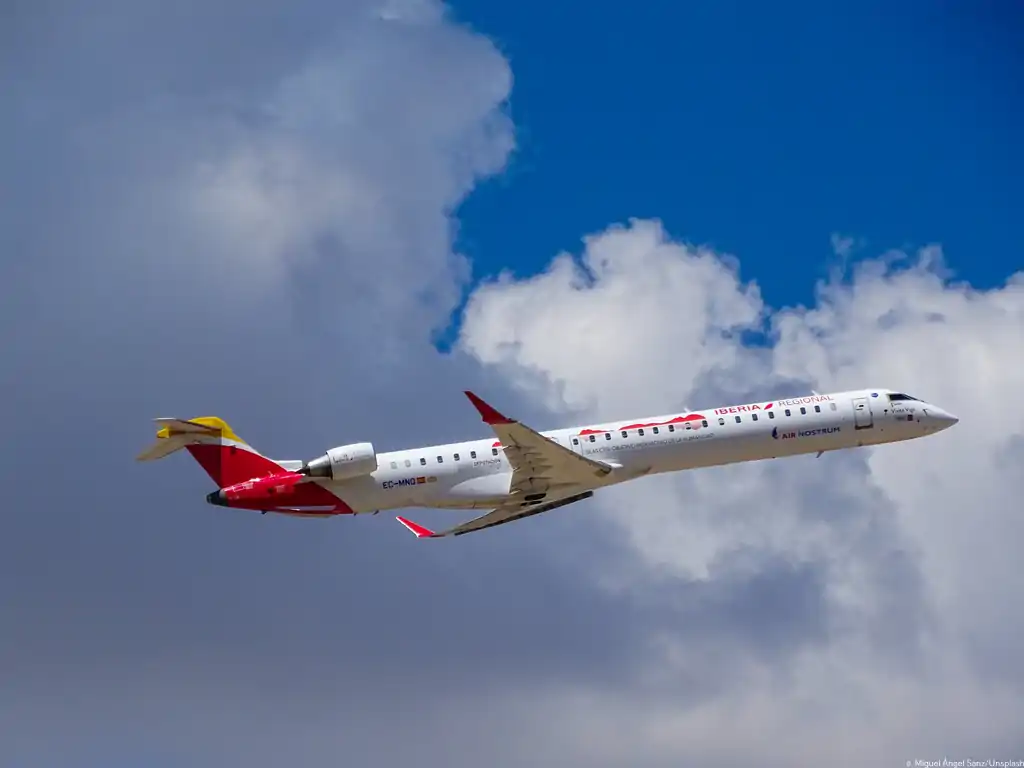
In a strategic move that could reshape the landscape of European regional aviation, Air Nostrum and CityJet have officially announced the establishment of the Strategic Alliance of Regional Airlines (SARA). This alliance, often referred to as a "holding group," represents a pivotal step in a collaboration that has been more than five years in the making. Although it doesn't signify an immediate merger between the two carriers, the European Commission's approval of their joint venture in March was seen as a precursor to a full-scale merger.
A Unified Force
SARA, as detailed in the October 17 announcement, is primarily owned by Air Nostrum's shareholders, who possess 80% of the alliance, with CityJet's stakeholders holding the remaining 20%. This alliance brings together three airlines - Air Nostrum, CityJet, and Air Nostrum subsidiary Hibernian Airlines.
However, it's not just about airlines; SARA also encompasses several other critical aviation industry players, including an MRO (Maintenance, Repair, and Overhaul) company ANEM, a crew training unit ANTO, and corporate services firms, Air Nostrum Global Services, flight support entity ARA, and commercial broker Ard Aer.
SARA's operating fleet commences with 74 regional aircraft, and its ambitious goal is to grow this number to 100 aircraft within the next three years. The alliance boldly claims the title of "the largest combined regional aviation services group in Europe." Carlos Bertomeu, the President of Air Nostrum, has assumed the role of Chairman of SARA, while Pat Byrne, CityJet's CEO, will lead as the "Head of Strategy."
Expansion Across Europe
SARA has clear plans for expansion, and its leadership has expressed the intention to cooperate with other customer airlines and partners across Europe. The growth strategy involves both organic expansion and targeted mergers and acquisitions (M&A) in the future.
Bertomeu, the Chairman of SARA, highlights the expected synergies within the alliance. These synergies are anticipated in areas such as aircraft maintenance, crew training, and fleet management. Importantly, SARA will function as a holding company, providing coordination and support to each of the individual companies within the group.
These subsidiary companies will continue to operate independently, maintaining their own brands and organizational structures. Employees of these subsidiaries will also remain in their respective countries, preserving their existing workforces.

Air Nostrum and CityJet: A Quick Overview
Air Nostrum is known for offering ACMI (Aircraft, Crew, Maintenance, and Insurance) and charter services, in addition to scheduled flights under a franchise agreement with Iberia, known as Iberia Express. The airline's fleet is composed of various regional aircraft, including six ATR72-600s (and a further five wet-leased from Mel Air), twenty-seven CRJ1000ERs, six CRJ200ERs, and one CRJ900. Hibernian Airlines has a fleet of three further CRJ1000ERs.
CityJet, on the other hand, specializes exclusively in ACMI and charter services. They ceased their scheduled flights in October 2018. CityJet's fleet primarily consists of twenty-two CRJ900LRs, with a seventeen of them operated on behalf of major European carriers like SAS Scandinavian Airlines and four CRJ1000ERs, its other customers including Lufthansa and Brussels Airlines.
Conclusion
The creation of the Strategic Alliance of Regional Airlines (SARA) signifies a significant development in the European aviation industry. As the largest combined regional aviation services group in Europe, SARA's influence is poised to extend across the continent, and the alliance's goal of reaching 100 aircraft in the next three years underscores their commitment to growth. While maintaining the independence of its constituent companies, SARA is set to deliver synergies in various critical aviation sectors, promising a bright future for regional air travel in Europe.
As the alliance continues to evolve, all eyes will be on how it navigates the ever-changing aviation landscape, responding to the needs and demands of both passengers and the industry as a whole. SARA's journey may well become a blueprint for the future of regional aviation across Europe.
With Inputs from ch-aviation
Read next

In a significant development for the aviation industry, the Air India Group, which comprises Air India, Air India Express, AIX Connect, and Vistara, has embarked on an ambitious expansion plan, aiming to take delivery of a new aircraft approximately every six days until the end of 2024.
This move comes in the wake of the group's acquisition by the Tatas, who are simultaneously working on consolidating their airline business. The implications of this endeavor are substantial, affecting the Indian aviation market and potentially setting the stage for long-term growth and influence within the industry.
Ordering a Massive Fleet
Earlier this year, Air India placed a monumental order for 470 aircraft from leading manufacturers Airbus and Boeing, totaling a staggering $70 billion based on published list prices. The deliveries for these new aircraft are set to commence from November 2023, with this substantial order signifying the group's commitment to expanding its operations and influence in the aviation sector.
Mergers and Consolidation
Air India Express, one of the subsidiaries within the group, is in the process of merging with AirAsia India, while Vistara is set to merge with Air India. Vistara, jointly owned by the Tata Group and Singapore Airlines, is a key player in this consolidation strategy. This consolidation effort is poised to streamline operations, reduce overheads, and create a more unified and efficient group, which can capitalize on synergies within the airline industry.
Near-Completion of Air India Express and AIX Connect Merger
The merger of Air India Express and AIX Connect is well underway, with significant progress made in the process. Air India Express Managing Director Aloke Singh mentioned that the most challenging aspects of the merger have already been addressed. Although the legal processes typically take 6-9 months to complete, the management is optimistic about finalizing the merger by March of the following year.

Enhanced Network Integration
One of the strategic advantages of the Air India Group's consolidation efforts is the ability to create a more integrated network. As Mr. Singh explained, Air India Express will operate across India, in the Asia region, Southeast Asia, Gulf, and the Middle East. The group's affiliation with Air India provides opportunities for cross-feeding between the various airlines within the group. This integration enhances their ability to serve passengers and operate efficiently, thereby contributing to their growth ambitions.
Long-term Growth Ambitions
A significant focus of the Air India Group is long-term growth, rather than just short-term expansion. The five-year plan includes doubling their market share in domestic India as well as doubling their presence in the short-haul international market. Once fully scaled, the combined entity is projected to achieve a 7-8% domestic market share and approximately 11-12% in the international short-haul sector. This growth, when realized, will have a far-reaching impact on the Indian aviation industry.
Market Share and Capacity
According to Air India's CEO and Managing Director, Campbell Wilson, market share is a direct consequence of capacity. The group's expansion in terms of fleet capacity should naturally lead to an increase in their market share. Nevertheless, this process takes time, especially as aircraft deliveries continue. The group's leadership appears to be well aware of this and is prepared for the gradual, yet significant, transformation that this ambitious expansion entails.
Conclusion
The Air India Group's plans for acquiring and integrating a massive fleet of new aircraft and consolidating its operations represent a significant development in the Indian aviation industry. The strategic acquisitions and mergers, along with the focus on long-term growth, position the group for an influential role within the market. As they continue to increase their capacity and enhance their network integration, the Air India Group appears to be on a trajectory for substantial growth and impact in the years to come, further solidifying their presence in the aviation sector.
Read next
IndiGo Expands its Global Reach by Several International Flights & Codeshare Partnerships
Radhika Bansal
18 Oct 2023
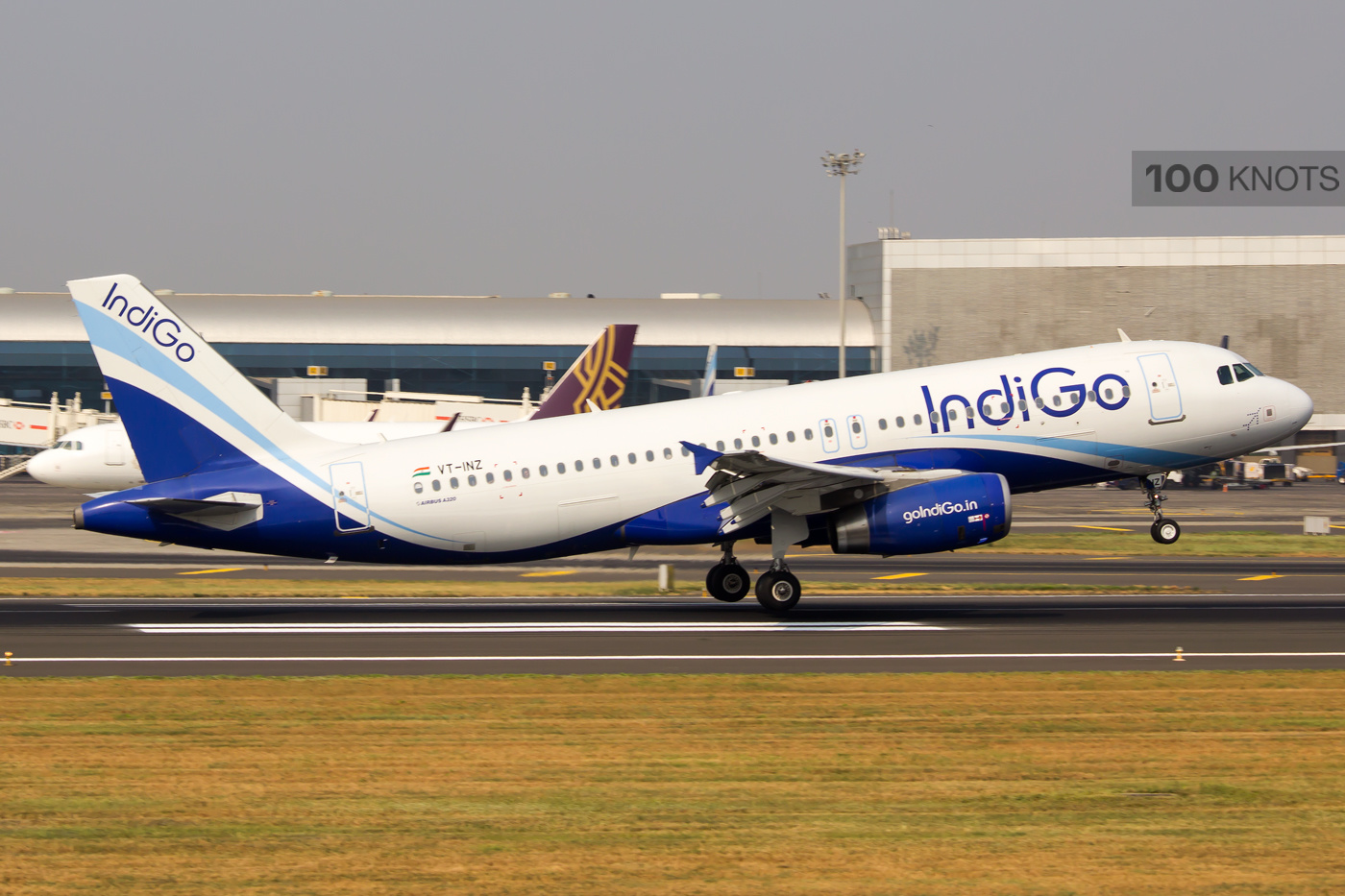
IndiGo has significantly expanded its global reach through a series of new destination launches, route introductions, and partnerships. In the past six months alone, the airline has unveiled over 20 international flights which include new routes and resumptions within the 6E network. This provides a vast array of destinations for customers travelling to and from India, as well as those transiting through the country. The upcoming festive season not only makes it an exciting time for Indians to explore these new international destinations but also for international travellers to experience our rich culture on display during this period.
These expansions form a pivotal part of IndiGo’s long-term growth strategy, demonstrating dedication to broadening its global footprint. IndiGo has strategically expanded its international network and launched new routes to alluring destinations such as Jakarta, Nairobi, Almaty, Tashkent, Baku, and Tbilisi. With these destinations, IndiGo has marked its foray in Central Asia and Africa, while bolstering its presence in Southeast Asia.
Furthermore, the airline has strengthened international networks from key cities like Hyderabad with new flights to Male, Colombo, Ras Al Khaimah, and Singapore. Ahmedabad’s connections with the Middle East were strengthened with new flights to Abu Dhabi and Jeddah. The airline also started operations between the new Manohar International Airport in Mopa, Goa to Abu Dhabi. Additionally, the airline has reinstated flights from Delhi to Hong Kong and will recommence Delhi-Male operations w.e.f. November 01, 2023, providing passengers with greater travel options to popular destinations.
Codeshare Partnerships With Major International Airlines
Along with these direct route expansions, IndiGo has further enhanced its reach across the globe with strategic codeshare partnerships with Turkish Airlines and British Airways, the UK’s second-largest airline. The alliance with Turkish Airlines offers seamless connectivity to 39 destinations, extending over Istanbul. This provides travellers access to North America, including destinations such as Chicago, Washington, Boston, New York, and San Francisco, 33 destinations in Europe, and Casablanca in Morocco, Africa.
IndiGo’s partnership with British Airways adds three additional routes to the latter’s existing network: Thiruvananthapuram, Rajkot, and Vadodara. These destinations are seamlessly accessible from London Heathrow via connecting flights in New Delhi or Mumbai.
In addition, IndiGo has strong codeshare partnerships with airlines such as Qantas, Air France, KLM, American Airlines, Qatar Airways, and Virgin Atlantic, providing passengers with seamless connectivity to a host of international destinations and the largest network that covers more than 80 airports across India. A codeshare partnership is a mutually beneficial arrangement between two airlines that allows an airline to book its passengers on its partner carriers.
Mr. Vinay Malhotra, Head of Global Sales, at IndiGo, said, “International connectivity is a paramount focus and a cornerstone of our growth strategy. We now offer access to a total of 32 international destinations across Central and Southeast Asia, Africa along the Middle East. To expand our reach even further we have strategic codeshare partnerships with 8 international airlines that have enhanced our global presence. With the upcoming festive season, these alliances usher in new possibilities for travellers, granting seamless access to a diverse array of international destinations. As we continue expanding our international network, we remain committed to delivering affordable, on-time, and hassle-free travel experiences across our unparalleled 6E network.”
Ranked as the seventh-largest airline globally in terms of daily departures, IndiGo boasts an extensive network connecting 32 international destinations, opening options not only for Indians to visit international destinations but also for international travellers to explore our culturally rich country.
IndiGo's Market Share
Between April and June, IndiGo, the largest domestic airline, has achieved a 17.2% market share, among both Indian and foreign airlines operating on international routes, up significantly from 9.6% in the June quarter of 2019, according to data from the Directorate General of Civil Aviation (DGCA).
Domestic rival Air India also increased its market share from 11.6% to 12.5% during the period, but its subsidiary, Air India Express, witnessed a decline in its market share in the June quarter, from over 8% in the corresponding 2019 period to 7.8%.
The COVID pandemic broke out in early 2020, grounding air traffic for an extended period, and 2019 was the last year when airlines operated under normal conditions. During April-June 2023, the number of international passengers was at 15.6 million, an increase of 23,000 compared to April-June 2019.
Comment