

In just two years since its launch, Akasa Air has made significant strides in the competitive Indian aviation industry. Despite facing challenges such as limited presence on profitable metro routes and rising operational costs, the airline remains optimistic about its future. With Founder and CEO Vinay Dube at the helm, Akasa Air is poised to overcome its initial hurdles and soar to new heights.
A Pandemic-Born Vision
The story of Akasa Air began in the unique circumstances brought on by the COVID-19 pandemic. The aviation industry was reeling from the impact of lockdowns, with a sharp decline in aircraft rentals and an increase in the availability of pilots, cabin crew, and engineers. For Dube, this was the perfect moment to launch a new airline. "That was literally the only circumstance under which I was willing to start an airline," he revealed in a recent interview with The Economic Times.
Rapid Expansion Amidst Early Challenges
Since its inception in 2021, Akasa Air has expanded at a breakneck pace, amassing a fleet of 24 aircraft in just two years. The airline's ability to secure the right assets at the right price has been crucial in managing costs, particularly in areas like fuel efficiency, engine maintenance, and aircraft leasing—expenses that account for about 70% of an airline's operational costs.
However, this rapid expansion has not come without challenges. The airline reported losses exceeding Rs 2,400 crore in its first two years, primarily due to its limited presence on profitable metro routes and the rising costs associated with hiring pilots. These losses, according to Dube, are typical of a young airline still in its gestation phase. "Every early-stage company loses cash," he emphasized, adding that the airline's focus on building a strong foundation will pay off in the long run.

Strategic Investments for a Tech-Driven Future
Akasa Air's growth strategy is heavily focused on leveraging technology to drive future success. The airline has established an integrated operations control centre in Mumbai, launched a training academy, and is developing an AI solution to enhance customer interactions. Co-founder Belson Coutinho highlighted the airline’s commitment to using customer data to provide personalized services, thereby enhancing brand loyalty.
Expanding Horizons and Strategic Partnerships
Akasa Air's strategy of expanding to leisure destinations like Srinagar has already begun to yield positive results. Chief Commercial Officer Praveen Iyer noted that these routes have proven profitable, and the airline is gradually increasing aircraft utilization, with planes now operating close to 13 hours daily.
In a further boost to its expansion plans, Akasa Air is reportedly in talks with a consortium of family offices, including those of Wipro’s Azim Premji and Manipal Group’s Ranjan Pai, to secure an additional $125 million in funding. This investment is expected to fuel the airline's growth as it moves towards its goal of achieving profitability within the next three years.
The Road to Profitability and Beyond
Despite the early losses, Dube remains optimistic about Akasa Air’s future. He reassured stakeholders that the initial investment of around Rs 250 crore from the family of the late stockbroker Rakesh Jhunjhunwala remains intact, underscoring the airline’s prudent financial management. With strategic investments in technology, long-term vendor agreements, and a solid growth plan, Akasa Air is well-positioned to achieve profitability by 2027 and go public by 2028.

Looking Ahead: A Bright Future for Akasa Air
As Akasa Air continues to build on its strong foundation, the future looks promising. The airline's ability to navigate the challenges of the early stages, combined with its focus on technology-driven growth and strategic expansion, positions it as a formidable player in the Indian aviation industry. With the support of visionary leadership and strategic investments, Akasa Air is set to soar higher, bringing affordable and reliable air travel to more destinations across India.
Conclusion: Soaring Towards Success
Akasa Air’s journey is a testament to the power of vision, strategic planning, and resilience. Born out of the challenges of a global pandemic, the airline has quickly established itself as a key player in the aviation industry. With a strong focus on technology, customer satisfaction, and strategic expansion, Akasa Air is on track to achieve its ambitious goals, turning early losses into long-term success.
With Inputs from Business Standard

Read next
Ryanair's Fare Forecast Rebounds: What Changed and What’s Next for European Airlines?
Abhishek Nayar
29 Aug 2024
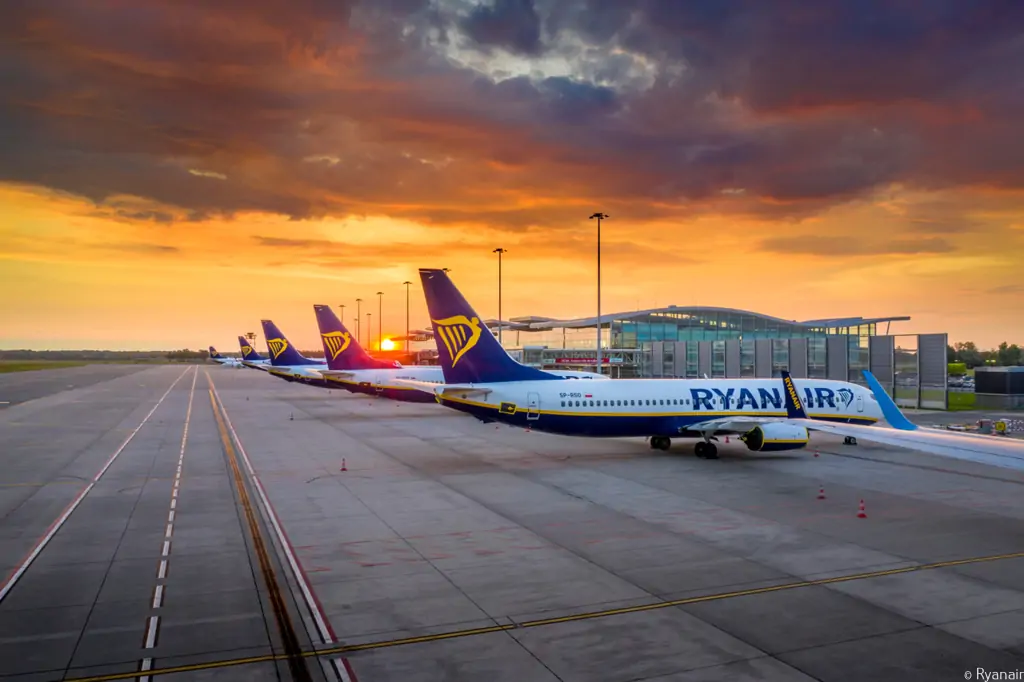
Ryanair, Europe's largest budget airline, recently upgraded its summer fare outlook after a concerning forecast in July. CEO Michael O'Leary told Reuters on Tuesday that the risk of a double-digit percentage drop in fares has now dissipated, giving a boost to investor confidence. This surprising reversal raises the question: what caused the sudden stabilization, and what does it mean for the future of European airlines?
From Panic to Promise: The Shift in Ryanair’s Forecast
Last month, Ryanair's shares took a sharp 15% dive when O'Leary warned that airfares could fall by more than 10% during the critical July-September period. This announcement stirred anxiety across the industry, signaling the potential end of the post-COVID travel surge. However, the airline's recent outlook suggests a more optimistic scenario, with O'Leary now predicting a more moderate 5% decline during this period—a scenario he previously considered the best-case outcome.
O'Leary's latest remarks indicate that while fare softening was evident in the spring months of April, May, and June, this trend has now "levelled out." The panic over a steep drop in fares seems to have passed, and the CEO now sees the earlier fear of a "double-digit fall" as unlikely.
What’s Behind the Fare Stabilization?
O'Leary speculated that one possible explanation for the fare stabilization could be consumers' willingness to spend more during peak summer months. However, he admitted that the airline does not have a clear understanding of why the downward trend has halted. Despite this uncertainty, the airline's more upbeat forecast has provided a boost to its stock price, which jumped 6.2% at 1245 GMT on Tuesday, making it the second-largest gainer on the pan-European index. Rivals easyJet and Wizz Air also saw similar gains, with their shares rising by 6.2% and 6.6%, respectively.

Cautious Optimism: What Lies Ahead for Ryanair and Competitors?
While Ryanair's fare outlook has improved, O'Leary remains cautious about the months ahead. He acknowledged that fares are likely to continue facing downward pressure as long as consumers remain financially strained. Looking ahead, he suggested that a 5% drop in fares could be expected in the six months leading up to March 2024. However, he emphasized that this was merely an educated guess, reflecting the ongoing uncertainty in the market.
A key factor in Ryanair's revenue generation is its ability to charge high last-minute fares. In July, O'Leary pointed out that customers were increasingly resistant to buying expensive, last-minute tickets, opting to wait for price cuts instead. When asked if this trend was still prevalent, O'Leary noted that current price resistance is "not the same" as it was earlier in the year, implying a possible easing of consumer pushback.
Boeing Deliveries: Another Hurdle on the Horizon
While fare stabilization offers some relief, Ryanair is not entirely out of the woods. O'Leary warned that delays in aircraft deliveries from Boeing could pose a challenge for the airline. Ryanair had expected to receive 29 of Boeing’s 737 MAX aircraft ahead of next summer, but O'Leary now fears the number might drop to just 20-25 planes. This shortfall could impact the airline's capacity and growth plans for 2024, potentially limiting its ability to fully capitalize on the improving fare outlook.
Conclusion: A Turning Point or Temporary Relief?
Ryanair's revised fare outlook marks a significant turnaround from the doom and gloom of July, but the airline and its competitors are not out of the woods yet. While the immediate threat of a double-digit fare decline has receded, the broader economic pressures on consumers and potential operational challenges, such as aircraft delivery delays, continue to cast shadows over the industry. Investors and industry watchers will be keeping a close eye on how Ryanair navigates these challenges in the coming months, as the airline's performance will likely set the tone for the broader European aviation market.
With Inputs from Reuters
Read next
Exploring New Horizons: MHI and JAL Collaborate on Aircraft Aftermarket Expansion
Abhishek Nayar
29 Aug 2024
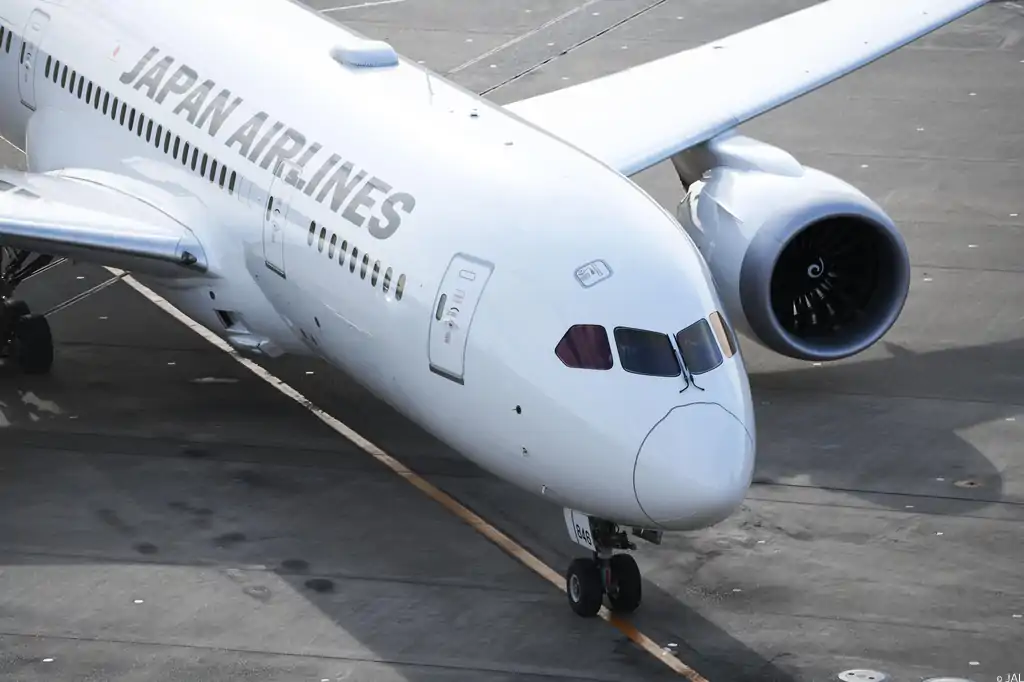
In a significant move to strengthen the aviation industry, Mitsubishi Heavy Industries, Ltd. (MHI) and Japan Airlines Co., Ltd. (JAL) have signed a memorandum of understanding (MoU) to explore collaboration opportunities in the aircraft aftermarket business. This partnership aims to leverage the combined strengths of both companies to enhance aircraft maintenance, repair, and overhaul (MRO) services, ensuring safer and more efficient flight operations.
The Growing Demand for Aircraft Maintenance Services
As global air travel continues to recover from the impacts of the pandemic, the demand for aircraft has surged. This increase has also spiked the need for reliable maintenance services, which are crucial for ensuring the longevity and safety of aircraft. The aircraft aftermarket business, encompassing repairs, maintenance, parts supply, and refurbishment, is vital for keeping the aviation industry afloat and meeting stringent safety standards.
JAL and MHI: A Synergy of Expertise
Japan Airlines, with its extensive experience as an aircraft operator, brings deep expertise in aircraft operation and maintenance. The airline has a long-standing reputation for operational excellence, which will be instrumental in this partnership. On the other hand, Mitsubishi Heavy Industries, a renowned aircraft manufacturer, contributes its vast knowledge in aircraft design, development, manufacturing, certification, and MRO services. MHI’s strong presence in North America further amplifies the potential of this collaboration.
Within the JAL Group, the responsibility for this joint exploration will be undertaken by JAL Engineering Co., Ltd. (JALEC), the subsidiary specializing in aircraft maintenance. JALEC’s involvement ensures that the partnership will be grounded in practical, hands-on experience, with a strong focus on maintaining high safety and operational standards.
Addressing Industry Challenges Together
The aircraft aftermarket is facing various challenges, including the need for skilled labor, advanced technologies, and sustainable practices. By pooling their resources and expertise, JAL and MHI aim to address these challenges head-on. Their collaboration will not only improve MRO services but also contribute to the overall advancement of the aviation industry.
This exploration of joint collaboration extends beyond immediate business opportunities. JAL and MHI are also considering expanding their cooperation in human resources development and technology innovation. By working together, the two companies hope to foster the next generation of aviation professionals and develop cutting-edge technologies that will drive the industry forward.
Looking Ahead: A Promising Future for Aviation
The partnership between Mitsubishi Heavy Industries and Japan Airlines represents a forward-looking approach to the evolving needs of the aviation industry. As the global demand for aircraft continues to rise, the collaboration between these two giants promises to set new benchmarks in aircraft maintenance and safety. With both companies committed to innovation and excellence, the future of aviation looks brighter and more secure than ever.
This strategic move marks a pivotal moment in the industry, where collaboration and shared expertise will pave the way for a more resilient and sustainable aviation sector. As JAL and MHI continue to explore new opportunities, their partnership is poised to play a crucial role in shaping the future of air travel.
With Inputs from Mitsubishi
Read next
Why Are Boeing Workers Ready to Strike in 2024? Unpacking the Tensions at the Factory
Abhishek Nayar
29 Aug 2024
The sprawling Boeing factory in Everett, Washington, has been anything but quiet lately. As the contract negotiations between Boeing and its workforce heat up, the factory has become a battleground of noise and unrest, signaling a potential strike that could disrupt the aerospace giant's operations. But why are Boeing workers so restless, and what are the key issues fueling their discontent?
A Symphony of Dissent: Workers Make Their Voices Heard
On Mondays and Wednesdays, the usually industrial hum of Boeing's Everett factory is drowned out by a cacophony of air horns, train horns, and vuvuzelas. Workers from the International Association of Machinists and Aerospace Workers (IAM) are making their displeasure known, chanting, “Out the Door in ’24,” during lunch breaks. Forty miles south in Renton, where Boeing’s profitable 737 model is assembled, second-shift workers have taken a different approach. They blast ’90s rap, death metal, ’80s pop, and opera music simultaneously, driving management and HR to their wits' end.
These noisy protests are not just for show. They are the outward expression of deep-seated grievances that have been building up over years. With the current contract expiring on September 12, 2024, and the last full contract negotiated back in 2008, the stakes are high for the 31,000 members of Machinists District Lodge 751 in Washington and 1,300 District W24 members in Gresham, Oregon.
A Rallying Cry: Workers Demand Better Conditions
The tension reached a peak on July 17, 2024, when a workday rally at Seattle Mariners’ baseball stadium drew an unprecedented 25,000 attendees, including 800 motorcyclists in a roaring procession. In a striking display of unity, 99.9 percent of members voted to sanction a strike, the first formal step toward a walkout.
At the heart of their demands are starting wages that barely exceed the minimum wage in nearby Seattle, the elimination of their defined-benefit pension eight years ago, and the grueling mandatory overtime that leaves workers mentally and physically exhausted. “It’s driving people insane, ten- to twelve-hour days, nineteen days in a row,” said Jon Voss, a senior steward and thirteen-year veteran at Boeing. The harsh working conditions have even led to some workers passing out on the job.
The Decline of Boeing: From Golden Ticket to Last Resort
Once considered the golden ticket for workers in the Puget Sound area, Boeing’s reputation has plummeted. “Used to be nobody would talk bad about Boeing,” recalled Edwin Haala, a heavy structure mechanic who started in 1996. “Now we don’t want our kids to work there.”
The pay disparities are stark. Starting wages at Everett hover around $19 per hour, while Seattle’s minimum wage is $19.95. Even worse, it takes six years to reach the top pay rate, which still isn’t enough to support a family. Many workers can’t afford to move out of their parents’ homes or are forced to live with multiple roommates, or even in their cars. The demoralizing situation has crushed the spirits of many workers, leading to high turnover and widespread dissatisfaction.

A History of Struggles: Boeing’s Rocky Past and Present
Boeing has been in the headlines for all the wrong reasons in recent years. The company faced global scrutiny after two fatal 737 MAX 8 crashes in 2018 and 2019, which resulted in the deaths of 346 people. The crashes were caused by faulty flight-control systems and highlighted serious flaws in Boeing’s design and certification processes. Just as the company was beginning to recover, another incident in January 2024 saw a door plug blow out of an Alaska Airlines 737 MAX 9 flight after takeoff, leading to production halts and increased scrutiny from federal regulators.
Internally, Boeing’s focus on profit at the expense of quality has eroded trust among its workers. The company’s decision to hire outside managers with little to no aerospace experience has further alienated the workforce. “They were removing quality inspections,” said IAM District 751 President Jon Holden, shifting the responsibility onto mechanics, which has only compounded the issues.
The Fight for a Fair Deal: Workers Push for Change
As the contract expiration date approaches, the union is pushing hard for significant changes, including the restoration of a real pension and a 40 percent wage increase over three years. The union also wants to ensure that Boeing’s next plane is built in the Puget Sound area, securing jobs for decades to come.
However, the company’s proposals have so far fallen drastically short of what the workers are demanding. The union has vowed not to back down, and many workers are prepared for a strike if necessary. “Seasoned folks, we want our pensions back, and that is the hill that many of us are ready to die on,” said Voss.
What’s Next? The Possibility of a Strike Looms Large
As the September 12 deadline looms, Boeing workers are bracing for what could be one of the most significant labor actions in the company’s history. Both sides are preparing for a possible strike, with management scrambling to get their production certificates in order and workers saving up money in anticipation.
The outcome of these negotiations could have far-reaching implications not only for Boeing but also for the broader aerospace industry. With Boeing already behind on filling orders and struggling to maintain quality, a strike could further exacerbate the company’s challenges.
For now, the workers remain resolute in their demands, determined to fight for a better future for themselves and for the legacy of Boeing. Whether the company will meet them halfway remains to be seen, but one thing is clear: the noise at Boeing’s factories is only going to get louder as the deadline approaches.
With Inputs from Jacobin
Read next
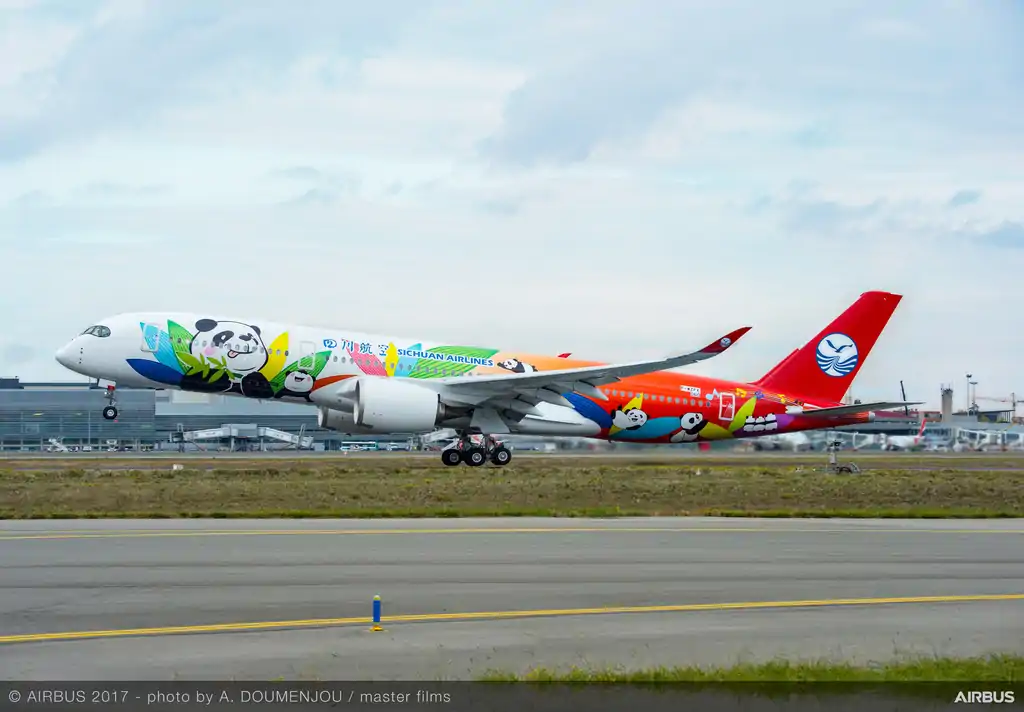
In a recent forecast that underscores the growing importance of the Chinese aviation market, Boeing has projected that China’s commercial airplane fleet will more than double by 2043. This growth is expected to be driven by increasing demand for passenger and cargo air travel, as detailed in Boeing's 2024 Commercial Market Outlook (CMO), released on August 26, 2024.
The Catalyst: Economic Growth and Expanding Airline Networks
China's aviation market is booming, propelled by robust economic growth and the expansion of airline networks within the country. Darren Hulst, Boeing's Vice President of Commercial Marketing, highlighted this trend in the company's recent press release, stating, "China’s commercial aviation market for passengers and cargo continues to expand, driven by economic growth and airlines building their in-country networks." This anticipated expansion underpins the need for Chinese airlines to grow their fleets with modern, fuel-efficient airplanes to meet burgeoning demand.
Fleet Expansion: A 4.1% Annual Growth Rate

According to Boeing’s CMO, China's commercial airplane fleet is set to expand at an annual growth rate of 4.1%, swelling from 4,345 aircraft today to an impressive 9,740 by 2043. This growth trajectory reflects the country’s increasing demand for air travel, which is expected to outpace global averages. Boeing predicts an annual passenger traffic growth of 5.9% in China, significantly higher than the global average of 4.7%.
The World’s Largest Air Traffic Flow by 2043
Boeing's forecast suggests that China is on track to become the world’s largest air traffic market, a milestone that will drive substantial growth in the single-aisle aircraft segment. The CMO anticipates that single-aisle aircraft will dominate China's fleet, accounting for more than three-quarters of all deliveries through 2043. This demand will be bolstered by the need to connect more cities and cater to the domestic and international travel surge.
Widebody Fleet: China to Lead the World

In addition to single-aisle aircraft, Boeing's CMO predicts that China will possess the largest widebody fleet in the world by 2043. The report estimates demand for 1,575 new widebody airplanes to serve long-haul routes, reflecting China's growing influence in global aviation. This fleet expansion will position China as a key player in international air travel, enhancing its connectivity with the rest of the world.
E-Commerce Boom: Tripling the Freighter Fleet
China's rapidly growing e-commerce sector is another driver of aviation growth. The CMO projects that China's freighter fleet will nearly triple by 2043, responding to the surging demand for cargo transportation. Over the next two decades, Boeing expects China to receive 170 new freighters, further solidifying its position as a global logistics hub.
Supporting the Growth: $780 Billion in Aviation Services
The expansion of China’s airplane fleet will necessitate a corresponding increase in aviation services. Boeing’s forecast suggests that Chinese carriers will require $780 billion in aviation services to support the expanding fleet. This figure includes maintenance, training, and other essential services to keep the fleet operational and efficient.
A Workforce to Match: Nearly 430,000 New Personnel Needed
To manage this expansive fleet, the aviation industry in China will need a significant influx of skilled professionals. Boeing predicts that nearly 430,000 new personnel will be required by 2043, encompassing pilots, technicians, and cabin crew. This demand highlights the critical need for comprehensive training programs and talent development in the Chinese aviation sector.
Conclusion: China’s Ascendancy in Global Aviation
Boeing’s 2024 Commercial Market Outlook paints a vivid picture of China’s burgeoning aviation market. With the country poised to double its commercial airplane fleet, become the world’s largest air traffic flow, and lead in both single-aisle and widebody fleets, China is set to play a pivotal role in global aviation by 2043. The projected growth in fleet size, coupled with the rising demand for aviation services and personnel, underscores the importance of China's role in shaping the future of air travel.
As the Chinese aviation market continues to soar, the world will be watching closely, recognizing that the skies over China are set to become the busiest in the world.
Read next
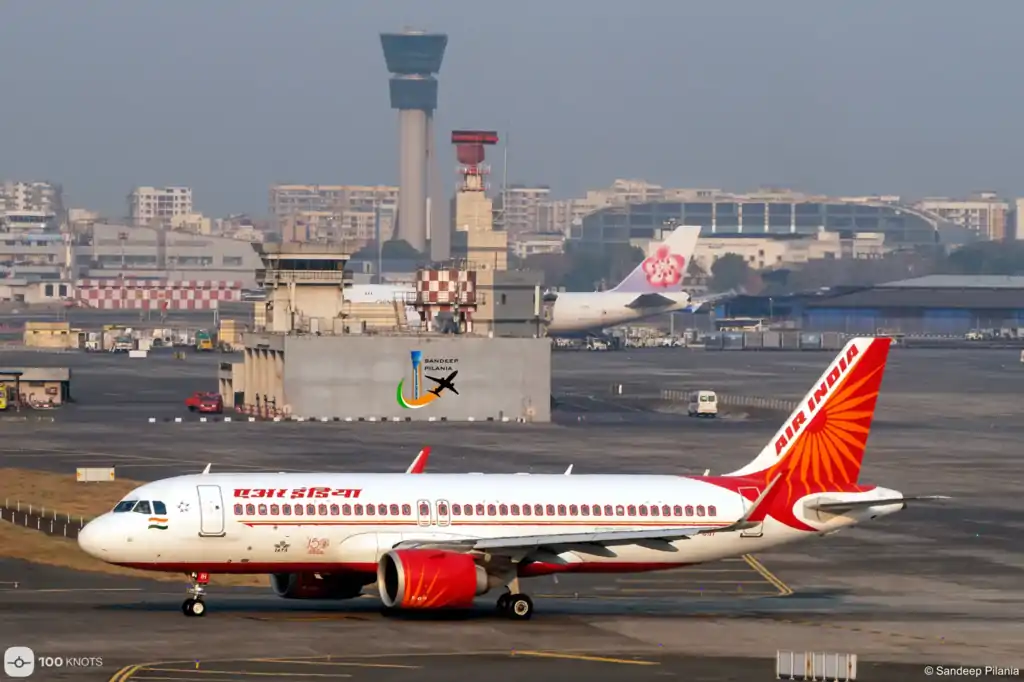
As customer preferences continue to evolve, companies are compelled to innovate and adapt. Air India, a leading airline in the country, has taken a significant step towards enhancing customer satisfaction by revamping its customer support services. This move, marked by the introduction of multilingual options in its Interactive Voice Response (IVR) system, is set to revolutionize how customers interact with the airline. But what does this mean for travelers, and how does it improve the customer experience?
A New Era of Customer Interaction: The Multilingual Advantage
In an era where convenience and personalization are paramount, Air India has recognized the need to cater to its diverse customer base. To this end, the airline has expanded its IVR system to include seven new languages—Marathi, Punjabi, Tamil, Kannada, Bengali, Telugu, and Malayalam—in addition to the existing English and Hindi options. This enhancement is not just about offering more languages; it’s about making customer interactions smoother and more intuitive.
How It Works: Automatic Language Recognition
One of the most notable features of this update is the IVR system's ability to automatically recognize a customer’s language preference based on their mobile network. This automation eliminates the need for customers to manually select their language, thereby reducing response times and simplifying the process. For a customer trying to resolve an issue or get information quickly, this could make a significant difference.
Beyond Language: Comprehensive Customer Support
Air India's commitment to improving customer service goes beyond just adding languages to its IVR system. The airline has also set up five new contact centers to offer round-the-clock assistance to customers worldwide. These centers are equipped with dedicated desks for premium and frequent flyers, ensuring that their needs are met with specialized attention.
Special Assistance: Timing and Availability
While the round-the-clock service is a boon for travelers, Air India has also made provisions for special assistance in Indian languages. This service is available from 8:00 AM to 11:00 PM every day, catering to customers who might need help in their native languages. This thoughtful approach underscores Air India's dedication to inclusivity and customer satisfaction.
What This Means for Customers: Enhanced Experience and Accessibility
For many customers, language barriers can be a significant hurdle in accessing services efficiently. By introducing these additional languages and automating the language selection process, Air India is making its services more accessible to a broader audience. Whether it’s booking a flight, managing a reservation, or seeking assistance, customers can now do so in the language they are most comfortable with, enhancing their overall experience.
Conclusion: A Step Towards Greater Customer Satisfaction
Air India’s move to enhance its IVR system and customer support services is a testament to its commitment to improving customer experience. By recognizing the diverse linguistic needs of its customer base and providing solutions that cater to these needs, the airline is setting a new standard in customer service within the aviation industry.
As more companies realize the importance of personalized and efficient customer support, Air India's initiative could serve as a model for others to follow. In the end, this approach is likely to foster greater customer loyalty and satisfaction, proving that sometimes, small changes can have a big impact.
Comment