
Boeing to Invest USD 100 Million in Infrastructure & Pilot Training in India

Radhika Bansal
23 Jun 2023
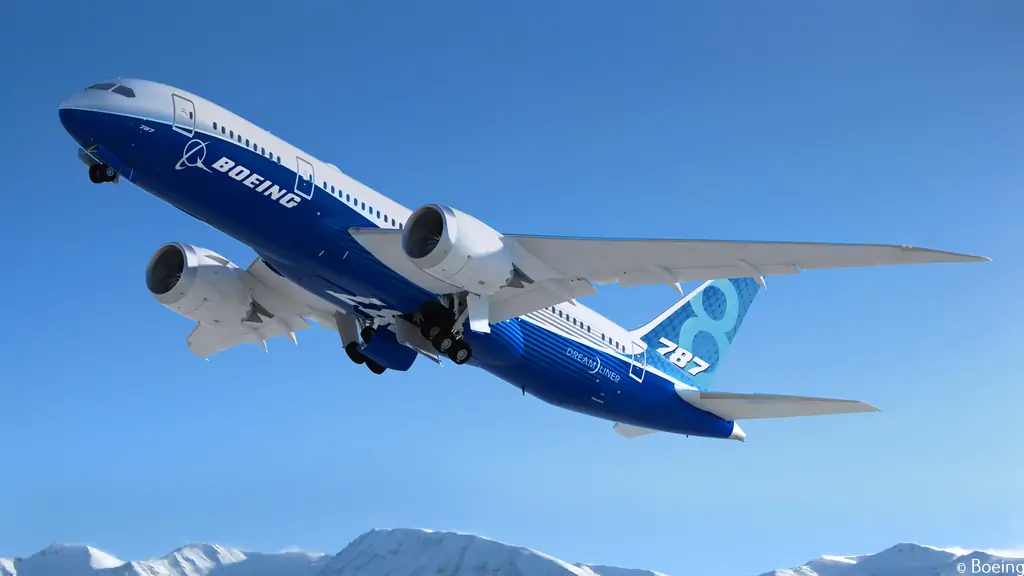
Boeing, among the world's leading aerospace companies, has announced a significant investment in India, signalling its commitment to supporting the country's aviation industry. The company has announced a whopping USD 100 million investment in infrastructure and pilot training programmes, aimed at addressing India's growing demand for skilled pilots. Over the next two decades, India is projected to require approximately 31,000 new pilots, and Boeing intends to play a pivotal role in meeting this demand.
The investment is a testament to India's emergence as a key player in the global aviation market, the company said. With a rapidly expanding middle class and increasing air travel demand, the Indian aviation sector has witnessed remarkable growth in recent years. Boeing's decision to invest in India not only underscores the company's confidence in the country's potential but also reflects its strategic vision to tap into this lucrative market, it added.
As part of its investment, Boeing has completed the construction of a state-of-the-art C-17 aftermarket support facility for maintenance, repair, and overhaul (MRO) services. This facility will enhance the company's ability to provide support to the Indian Air Force's fleet of C-17 aircraft. In addition, Boeing has also established a new parts logistics centre in India, which will facilitate efficient supply chain management and delivery of critical components.
Biden on Air India Order
During Thursday, June 22’s joint address at the White House, Prime Minister Narendra Modi and US President Joe Biden said Air India's agreement with Boeing to acquire over 200 American-made aircraft further strengthens the bond between the two nations. This deal not only benefits India's civil aviation sector but also has significant implications for the American economy. The purchase of these aircraft is estimated to support more than one million jobs across 44 states in the United States. It highlights the mutually beneficial nature of the partnership between Boeing and India, contributing to the modernisation and growth of both countries' aviation industries, Biden said.
US President Joe Biden hailed a "historic agreement" for Air India to purchase 220 Boeing airplanes with a list price of $34 billion. The order includes 190 737 MAXs, 20 787s, and 10 777Xs. Air India has options for an additional 50 737 MAXs and 20 787s. "This purchase will support over one million American jobs across 44 states, and many will not require a four-year college degree," Biden said in a statement.
Boeing in India
The collaboration between Boeing and India is not new. Over the years, Boeing has been actively involved in various initiatives and partnerships in the country. The company has established strong ties with Indian aviation stakeholders, including airlines, government bodies, and educational institutions. These collaborations have focused on initiatives such as pilot training programs, aerospace research and development, and technology transfer, all aimed at fostering the growth of the Indian aviation ecosystem.
Boeing's investment in India aligns with the broader vision of the Indian government to transform the country into a global aviation hub. With the implementation of progressive policies, infrastructure development, and emphasis on skill development, India is striving to create an enabling environment for the aviation industry to thrive.
Boeing has acquired a third of new aircraft orders from India in the past 18 months, per data compiled by UK-based analytics firm Circium. Its market share fell by over 50% in the past decade standing at 23% by the end of 2022. Boeing in India operates with the C17 cargo aircraft, the P8 anti-submarine warfare aircraft, the Apache attack helicopter, and the Chinook transport helicopter. There is also the entire narrow-body and wide-bodied head-of-state fleet with Boeing 737, 777 and 787.
Read next

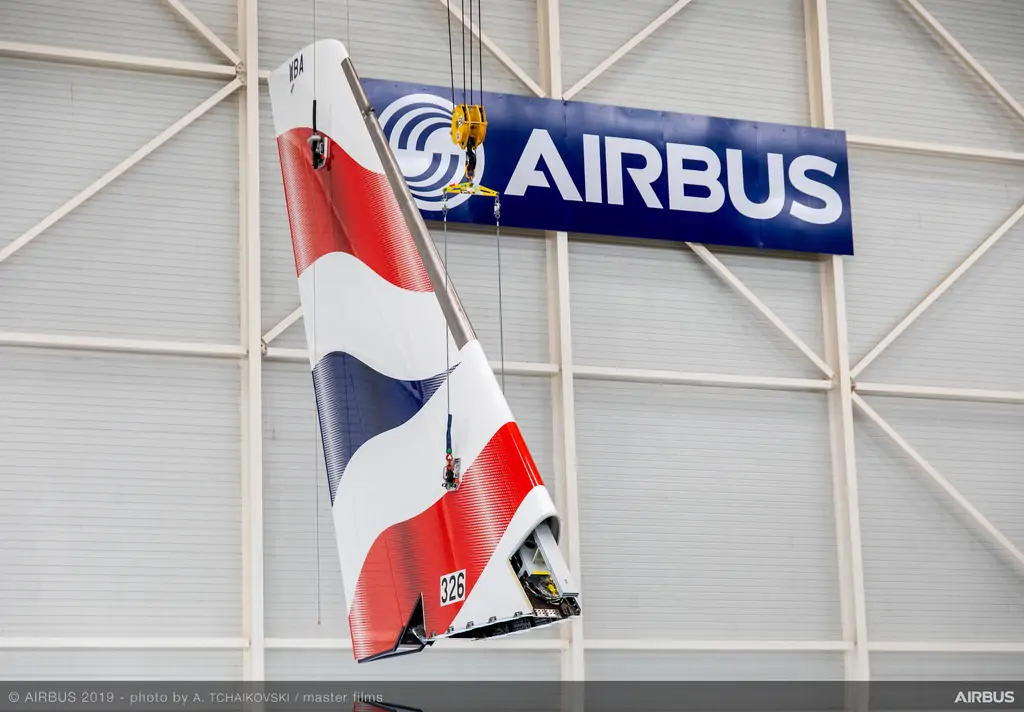
The aerospace industry has experienced a surge in demand due to increased air travel, advancements in technology, and emerging markets. To keep pace with this demand and maintain their competitive edge, aerospace manufacturers such as Airbus are actively expanding their operations.
Airbus' Ambitious Expansion Plan
As a prominent player in the aerospace sector, Airbus has consistently demonstrated its commitment to innovation and customer satisfaction. With its ambitious expansion plan, the company aims to address the industry's growing demands while maintaining its high standards of quality and safety. The creation of 13,000 new positions is a testament to Airbus' dedication to delivering cutting-edge aircraft and services to its global clientele. Planemakers and aerospace suppliers are grappling with labor shortages ranging from engineers to machine shop personnel, which is impeding ambitions to scale up aircraft manufacturing in order to meet growing travel demand.
Strategies to Fill the 13,000 New Positions
Airbus has implemented a comprehensive strategy to fill the 13,000 new positions effectively. This strategy involves a multi-faceted approach that includes attracting top talent, investing in employee training and development, and leveraging partnerships to ensure a diverse and highly skilled workforce. By adopting these strategies, Airbus can secure the human resources needed to support its growth plans and maintain its position as an industry leader. Airbus stated that it has filled almost 7,000 positions thus far. "It's remarkable because when you have nearly one-third of your resources joining the company that represent the future, you can think about the future differently," said Thierry Baril, Airbus' chief human resources officer, during the Paris Airshow.
Nurturing Talent: Airbus' Focus on Recruitment and Training
To attract highly skilled professionals, Airbus places great emphasis on recruitment. The company actively seeks out individuals with diverse backgrounds and expertise, aiming to create a workforce that brings together unique perspectives and experiences. Additionally, Airbus provides comprehensive training programs to equip its employees with the necessary skills and knowledge to excel in their respective roles. By fostering a culture of continuous learning and development, Airbus ensures its workforce remains adaptive and capable of meeting evolving industry demands.
The Importance of Diversity and Inclusion in Airbus' Workforce
Recognizing the value of diversity and inclusion, Airbus strives to create an inclusive work environment that fosters innovation and creativity. By embracing individuals from different cultures, backgrounds, and perspectives, the company encourages collaboration and generates a wide range of ideas. Airbus believes that a diverse workforce strengthens its ability to deliver innovative solutions that meet the needs of an increasingly globalized market.
Ensuring Employee Well-being and Engagement
Airbus understands the importance of employee well-being and engagement in achieving operational excellence. The company prioritizes the health, safety, and work-life balance of its employees by offering competitive benefit packages and promoting a positive work environment. By valuing its workforce and providing opportunities for growth and advancement, Airbus cultivates a motivated and engaged team that is dedicated to delivering exceptional results.
Collaboration and Partnerships: Key Factors for Success
Airbus recognizes that collaboration and partnerships play a vital role in meeting customer demands and driving innovation. The company actively engages with suppliers, customers, and industry stakeholders to foster mutually beneficial relationships. By collaborating with external entities and leveraging shared expertise, Airbus can optimize its operations, streamline processes, and stay at the forefront of technological advancements in the aerospace industry.
Technological Advancements and the Future of Aerospace Manufacturing
In an era of rapid technological advancements, Airbus embraces innovation to enhance its manufacturing processes and deliver state-of-the-art aircraft. The company invests heavily in research and development, exploring cutting-edge technologies such as artificial intelligence, automation, and sustainable manufacturing practices. By embracing these advancements, Airbus aims to enhance productivity, reduce environmental impact, and shape the future of aerospace manufacturing.
Conclusion
Airbus' proactive approach to filling over half of the 13,000 new positions it plans to create in 2023 demonstrates its commitment to meeting the growing demands in the aerospace industry. Through strategic recruitment, employee development, and fostering collaboration, Airbus aims to maintain its position as a global leader in aviation. By embracing diversity, prioritizing employee well-being, and leveraging technological advancements, the company is poised to deliver innovative solutions that shape the future of aerospace manufacturing.
With Inputs from Reuters
Read next

As concerns regarding climate change and environmental impact continue to grow, the aviation industry has been actively seeking innovative solutions to reduce its carbon footprint. Sustainable flight represents a significant leap forward in this endeavor, aiming to develop aircraft that are environmentally friendly while maintaining optimal performance.
The X-66A's Inception
The X-66A, also known as the Sustainable Flight Demonstrator (SFD), born out of a collaboration between Boeing and NASA, is a pioneering project in the realm of sustainable flight. It serves as a research platform for testing and assessing various technologies aimed at achieving greater fuel efficiency and emissions reduction. By heavily modifying the MD-90 aircraft, the team can explore new possibilities and push the boundaries of aviation.
The Collaborative Effort: Boeing and NASA's Partnership
The partnership between Boeing and NASA brings together the expertise of two industry giants in aerospace engineering. By pooling their resources and knowledge, they strive to develop game-changing innovations that will shape the future of aviation. The joint effort allows for efficient utilization of research capabilities and accelerates progress towards sustainable flight.
CFM International's RISE Engine: An Engineering Marvel
CFM International, a renowned pioneer in the field of aviation propulsion, has been chosen to provide the power for the X-66A. With a rich history of developing high-performance engines, CFM International brings its expertise to the table, ensuring that the X-66A is equipped with a cutting-edge propulsion system.
Key Features and Innovations of the X-66A
The X-66A showcases several key features and innovations that make it a true pioneer in sustainable flight. Some notable aspects include:
Aerodynamic Enhancements: The X-66A boasts a streamlined design, optimizing its efficiency and reducing drag.
Lightweight Construction: Advanced materials, such as carbon composites, are utilized to reduce the weight of the aircraft, resulting in improved fuel efficiency.
Electric Propulsion: The X-66A integrates electric propulsion technologies to further enhance efficiency and reduce environmental impact.
Advanced Avionics: Cutting-edge avionics systems enable precise control and monitoring of the aircraft's performance, contributing to optimal efficiency.
Advantages of the Sustainable Flight Demonstrator
The Sustainable Flight Demonstrator offers numerous advantages that pave the way for a more sustainable aviation industry:
Environmental Impact Reduction: By leveraging advanced technologies, the X-66A aims to significantly reduce carbon emissions and noise pollution, minimizing its ecological footprint.
Fuel Efficiency: The innovations incorporated into the X-66A result in improved fuel efficiency, leading to reduced operational costs and resource consumption.
Technological Progress: The development of the X-66A drives the advancement of sustainable aviation technologies, fostering innovation throughout the industry.
Overcoming Challenges: Navigating the Path to Sustainable Flight
While the X-66A represents a major step forward in sustainable flight, several challenges need to be overcome. These include the development of reliable energy storage systems, addressing regulatory hurdles, and ensuring the scalability and affordability of sustainable technologies. However, with concerted efforts from industry stakeholders and ongoing research and development, these challenges can be tackled to bring sustainable flight closer to reality.
The Future of Aviation: Implications of the X-66A and RISE Engine
The X-66A and CFM International's RISE engine have far-reaching implications for the future of aviation. As the industry transitions towards sustainable practices, the technologies and insights gained from the X-66A project will inform the development of next-generation aircraft. With a focus on fuel efficiency, reduced emissions, and improved performance, the aviation sector is poised for a greener and more sustainable future.
Conclusion
The X-66A, a collaborative endeavor between Boeing and NASA powered by CFM International's RISE engine, represents a monumental step towards sustainable flight. This visionary aircraft showcases cutting-edge technologies and innovations that have the potential to revolutionize the aviation industry. By prioritizing fuel efficiency, emissions reduction, and technological advancements, the X-66A sets the stage for a more sustainable and environmentally conscious future of flight.
With Inputs from AeroTime, The Air Current
Read next
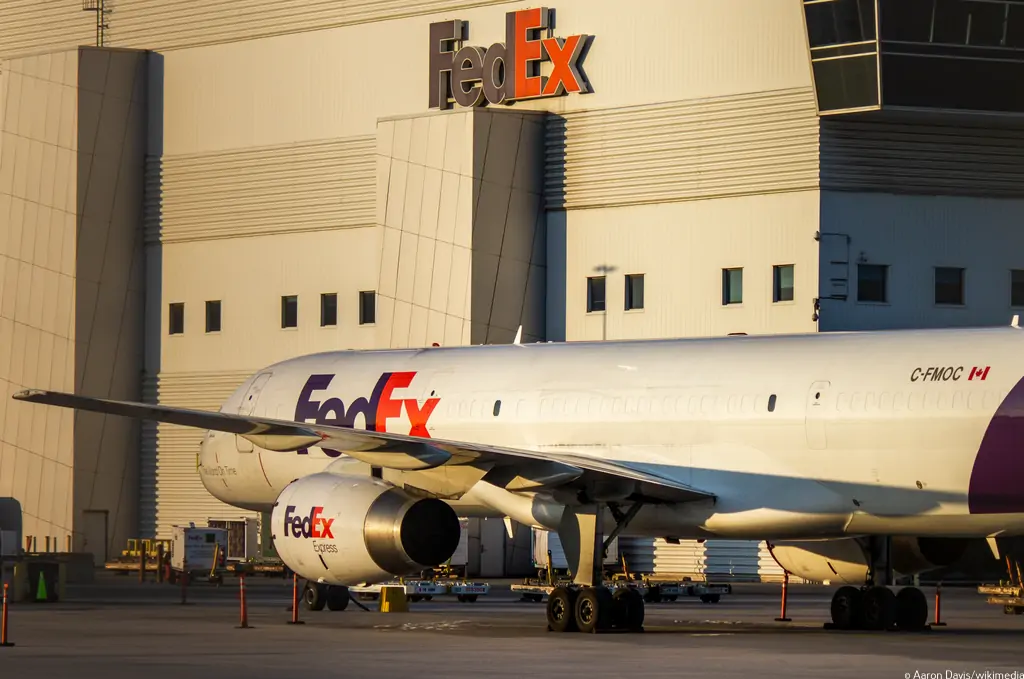
The shipping and logistics industry has faced numerous challenges in recent times, and FedEx, one of the industry leaders, is no exception. Despite its extensive network and global presence, the company experienced a decline in both revenues and operating income during the fiscal fourth quarter of the year.
Factors Affecting FedEx's Revenues and Operating Income
Demand Weakness and its Impact on FedEx
FedEx operates in a highly competitive industry, and any fluctuations in demand can have a significant impact on its financial performance. During the fiscal fourth quarter, the company faced weakness in demand, particularly in certain market segments. This decline in demand exerted pressure on FedEx's revenues, leading to a decrease in its overall financial performance. FedEx Express's fourth-quarter revenue fell 13% year on year, owing to demand dynamics and yield pressure.
Cost Inflation and its Implications
Operating costs play a crucial role in the profitability of logistics companies like FedEx. Unfortunately, the company experienced cost inflation during the fiscal fourth quarter, which further strained its operating income. Factors such as rising fuel prices, increased labor costs, and higher maintenance expenses contributed to the overall increase in operational expenditures. The corporation is in the midst of a cost-cutting plan that it thinks will lower yearly costs by $4 billion by June 2024. "We continue to reduce transpacific and transatlantic flying to match demand, and we'll continue to lean into that as well as leverage market flexibility," CEO Raj Subramaniam added.
FedEx's Decision to Ground Additional Aircraft
To address the challenges posed by the decline in revenues and operating income, FedEx made the strategic decision to ground additional aircraft. FedEx Corporation president and CEO Raj Subramaniam stated during a results call that the company retired 18 aircraft, including 12 MD-11Fs, during the quarter ended May 29 and that there were plans to "take out" another 29 aircraft from scheduled flights during the coming fiscal year. By reducing its aircraft fleet, the company aims to optimize its operations and align them with current demand levels. This measure allows FedEx to streamline its resources and manage costs more efficiently. Flight hours were down 12% in the fiscal fourth quarter compared to the previous year, he noted.
Strategies to Mitigate Revenue and Income Decline
In response to the decline in revenues and operating income, FedEx is implementing several strategies to mitigate the impact and restore its financial performance:
Operational Efficiency Enhancements: FedEx is focusing on improving operational efficiency by optimizing routes, enhancing tracking systems, and leveraging advanced technologies. These measures aim to increase productivity and reduce costs.
Market Diversification: The company is exploring opportunities to expand its presence in growing markets and diversify its service offerings. By tapping into new segments and industries, FedEx aims to offset the impact of weakened demand in specific areas.
Cost Management: FedEx is implementing rigorous cost management measures to control expenses effectively. This includes renegotiating contracts with suppliers, identifying areas for cost-saving initiatives, and optimizing its supply chain.
Future Outlook for FedEx
While FedEx currently faces challenges due to declining revenue and operating income, the company is actively working towards regaining its financial stability. By implementing strategic measures and adapting to market conditions, FedEx aims to position itself for long-term growth and success. Despite the current setbacks, the company's strong brand recognition, extensive network, and commitment to customer satisfaction provide a solid foundation for future endeavors.
Conclusion
The decline in revenues and operating income faced by FedEx during the fiscal fourth quarter is a result of demand weakness and cost inflation. However, the company is taking proactive steps to address these challenges. Through the grounding of additional aircraft, the implementation of operational efficiency enhancements, market diversification, and cost management strategies, FedEx aims to mitigate the impact and restore its financial performance. With its resilient business model and commitment to innovation, FedEx remains poised to overcome the current setbacks and thrive in the competitive shipping and logistics industry.
With Inputs from Air Cargo News
Read next

The government has decided to scrap the proposed plan to sell a majority 51% stake in helicopter service provider Pawan Hans. According to a report by Business Today, a senior government official said that the inter-ministerial group looking into the sale will quash the sale process shortly. “We are unlikely to look at divesting Pawan Hans anytime soon," the official added.
“The file for closing the process will be put up for approval to the group this week," the official said, adding that despite a competitive bidding process, the nature of the allegations against the bidder has disrupted the transparency of the process.
A group comprising the Finance Minister, the Minister for Road Transport and Highways, and the Civil Aviation Minister has been looking into the Pawan Hans sale.
Star9 Mobility, a consortium led by Almas Global Opportunity Fund, had won the bid by quoting over INR 211 crore for the government’s 51% stake in the loss-making helicopter firm. State-run ONGC owns a 49% stake in the firm, which has a fleet of 41 helicopters.
Recently, the Kolkata bench of the National Company Law Tribunal (NCLT) passed an order against Almas Global for failing to honour its winning bid to acquire EMC Ltd, a Kolkata-based power system solutions company. Following this, the Centre had to halt the sale process and also issue a show cause notice to Star9 Mobility early this financial year.
The Cabinet Committee on Economic Affairs approved the strategic disinvestment of Pawan Hans in October 2016. This was the fourth time since 2016 that the government has tried to sell Pawan Hans. As per the new public sector enterprises policy, the Centre can even look at closing down the company, should attempts to divest it fail.
This is the second public sector company after Central Electronics Ltd whose divestment has got stuck due to legal issues.
In the case of Pawan Hans, the government had received three financial bids, and the reserve price for the sale of its 51% shareholding was fixed at INR 199.92 crore based on a valuation carried out by experts (transaction adviser and asset valuer). The other two bids were for INR 181.05 crore and INR 153.15 crore. SBI Caps was the transaction adviser, and RBSA Advisors was the valuation adviser to the government. A successful bidder will also have the opportunity to acquire the entire shareholding of ONGC Ltd, which holds a 49% stake in Pawan Hans.
(With Inputs from Business Today)
Read next

The Paris Air Show serves as a prominent stage for aviation companies worldwide to showcase their latest technological advancements, sign agreements, and foster collaborations. This year's event witnessed a remarkable memorandum of understanding signed by China Aircraft Leasing Group Holdings, one of the leading aircraft lessors, to acquire a substantial number of GTF engines from Pratt & Whitney.
The Paris Air Show: A Platform for Industry Advancements
The Paris Air Show, held biennially, attracts aviation enthusiasts, industry professionals, and key decision-makers from across the globe. It serves as a catalyst for technological innovation, business networking, and the unveiling of cutting-edge aircraft. This prestigious event provides a conducive environment for aviation stakeholders to discuss future strategies, explore partnerships, and create new avenues for growth.
China Aircraft Leasing Group Holdings (CALC)
China Aircraft Leasing Group Holdings (CALC) is a renowned aircraft leasing company based in China. With a strong presence in the industry, CALC plays a pivotal role in expanding China's aviation market by providing efficient and reliable aircraft leasing solutions. By partnering with leading manufacturers and operators, CALC continues to strengthen its fleet and contribute to the country's aviation growth story.
Pratt & Whitney: A Leading Engine Manufacturer
Pratt & Whitney, a division of Raytheon Technologies Corporation, stands as a globally recognized leader in the design, manufacturing, and service of aircraft engines. The company has a rich heritage of engineering excellence and innovation, consistently delivering cutting-edge propulsion systems to the aviation industry. With a strong focus on efficiency, reliability, and environmental sustainability, Pratt & Whitney has earned the trust and confidence of airlines worldwide.
Powering the Airbus A320neo
The Airbus A320neo is a highly advanced and fuel-efficient narrow-body aircraft widely used by airlines for short to medium-haul flights. Powered by next-generation engines, such as the Pratt & Whitney GTF (Geared Turbofan), the A320neo offers significant operational advantages, including reduced fuel consumption, lower emissions, and decreased noise levels. These features make it an attractive choice for airlines looking to optimize their operations while minimizing their environmental footprint.
The Memorandum of Understanding
The signing of the memorandum of understanding between CALC and Pratt & Whitney marks a pivotal moment in the aviation industry. Under this agreement, CALC intends to acquire up to 60 GTF engines to power Airbus A320neo aircraft. The initial commitment involves firm orders for ten A320s, with an option to expand the fleet by an additional 50 aircraft, resulting in a total of 40 firm GTF-powered A320neo aircraft.
Firm Orders and Prospects for the Future
CALC's firm orders for 10 A320neo aircraft demonstrate the company's faith in the performance and dependability of Pratt & Whitney's GTF engines. This strategic step enables CALC to meet the rising demand for fuel-efficient aircraft and position itself as an industry leader. CALC has the opportunity to grow its fleet in reaction to market conditions, ensuring long-term sustainability and profitability, with options for an additional 50 aircraft.
The Agreement's Benefits and Importance
The collaboration between CALC and Pratt & Whitney has various advantages and is extremely important for the aviation sector. For starters, it strengthens CALC's position as a premier lessor, allowing the firm to supply its clients with cutting-edge aircraft. The use of Pratt & Whitney GTF engines improves fuel economy, lowers maintenance costs, and improves environmental performance.
Conclusion
The signing of a memorandum of agreement at the Paris Air Show between China Aircraft Leasing Group Holdings and Pratt & Whitney marks a key milestone in the aviation sector. This partnership demonstrates the rising need for fuel-efficient aircraft and China's commitment to environmentally friendly aviation practices. The industry can expect greater innovations, improved connectivity, and a greener future for air travel as CALC increases its fleet with Pratt & Whitney's GTF-powered A320neo aircraft.
With Inputs from Aviator
Comment