

On November 22, 2023, Boeing announced a significant development in its aviation endeavors as the U.S. aviation regulator, the Federal Aviation Administration (FAA), granted type inspection authorization for the certification flight testing of the Boeing 737 MAX 10. This marks a crucial step for Boeing as it strives to compete with its European rival Airbus in the narrowbody market.
Certification Flight Testing Approval
Boeing's shares experienced a 1.1% increase in midday trade following the FAA's confirmation of type inspection authorization for the 737 MAX 10. This milestone is integral to the certification process, signifying the commencement of flight-testing involving FAA pilots. The authorization is granted after a thorough examination of technical data, allowing the aircraft to move closer to certification for normal operations.
Boeing's Perspective
In a letter addressed to employees, Boeing executives Mike Fleming, Ed Clark, and Wayne Tygert expressed the significance of this achievement. They highlighted that the 737 MAX 10, the largest variant in the 737 MAX family, is poised to enter passenger service worldwide once certified. Boeing's development programs' senior vice president, Mike Fleming, emphasized the milestone's importance in the competitive narrowbody market.
Market Dynamics
The 737 MAX 10 is positioned as Boeing's response to Airbus's A321neo, which has historically dominated the top end of the single-aisle market. The battle between Boeing's MAX 10 and Airbus's A321neo has been closely watched, with both aviation giants vying for supremacy in this lucrative market segment.
Schedule Adherence
Boeing executives reassured stakeholders in October that the schedule for the 737 MAX 10 remains on track. The plan includes certification and the first delivery of the aircraft in 2024. However, they emphasized that safety considerations would dictate the certification timeline, underscoring the commitment to ensuring the aircraft's safety before entering commercial service.
MAX 7 Certification Status

While the focus is on the MAX 10, Boeing's MAX 7, the smallest variant in the 737 MAX family, is awaiting FAA certification, expected by the end of 2023. The delivery timeline for the MAX 7 has been extended to 2024, as announced by Boeing in July.
Testing and Performance Metrics
Boeing provided insights into the testing progress of the MAX 10, revealing that the aircraft has completed over 400 flights and accumulated nearly 1,000 flight hours during the test program. These testing metrics are crucial indicators of the aircraft's performance and reliability under various conditions.
Conclusion
The FAA's approval for the certification flight testing of Boeing's 737 MAX 10 marks a significant milestone for the aerospace giant. As the company strives to compete with Airbus in the narrowbody market, the successful certification of the MAX 10 is anticipated to enhance Boeing's position in the aviation industry. With safety as the top priority, Boeing is on track to deliver the MAX 10 to operators globally, continuing the fierce competition for dominance in the single-aisle aircraft market.
With Inputs from Reuters

Read next
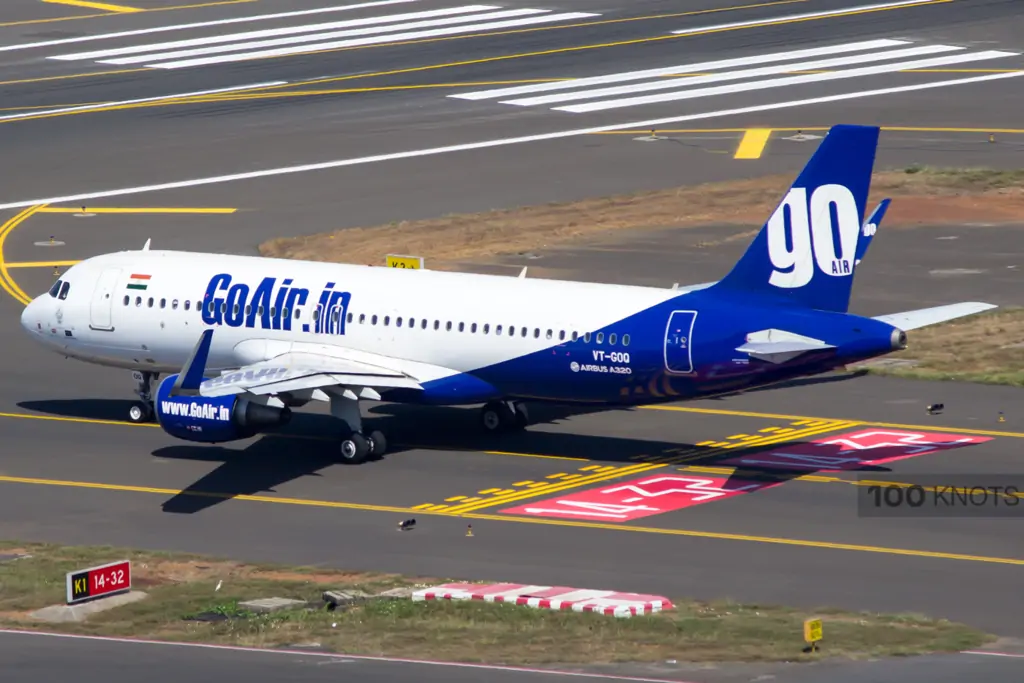
In a pivotal moment for the beleaguered Indian airline Go First, lenders are set to vote on a proposal for liquidation following the expiration of a bid deadline with no prospective suitors. The decision comes after the Committee of Creditors convened to determine the future course of action for the airline, which filed for bankruptcy protection in May. The absence of interested buyers has spurred a growing inclination among lenders to opt for liquidation over restarting the insolvency process.
Bid Deadline Lapses with No Takers
The fate of Go First hangs in the balance as lenders grapple with the stark reality of no suitors expressing interest in the airline. The recent expiration of the bid deadline marked a critical juncture for the company, prompting the initiation of discussions among the Committee of Creditors.
Proposal for Liquidation Takes Center Stage
Sources reveal that a proposal to liquidate the insolvent airline has been put forth, signaling a potential end to the protracted struggle for Go First. Individual lenders are now tasked with taking the proposal to their respective boards, with final votes expected to be submitted within the next 10-15 days.
Financial Strain and Creditor Exposure
Go First, burdened by financial woes, owes a staggering 65.21 billion rupees ($785.6 million) to its creditors. Notable among them are the Central Bank of India, Bank of Baroda, IDBI Bank, and Deutsche Bank. The financial strain, coupled with the absence of viable bids, has propelled the consideration of liquidation as a pragmatic alternative.

Jindal Power's Decision Adds to Woes
In a further blow to Go First's prospects, Jindal Power, the sole company whose expression of interest was accepted by creditors, has opted not to follow through with a bid. This setback underscores the challenging environment the airline faces in securing a lifeline.
Legal Tussles and Collateral Concerns
Complicating matters for Go First is a legal dispute with lessors, exacerbated by a moratorium imposed by Indian courts preventing the repossession of planes. While a recent amendment to India's insolvency rules potentially allows lessors to reclaim their aircraft, the retroactive application of this change remains a point of contention in the ongoing legal battle.
The Case for Liquidation
Lenders, confronted with the reality of diminishing options and legal complexities, are increasingly leaning towards liquidation as the most viable recourse. The absence of suitors, coupled with the potential cost savings associated with avoiding protracted legal battles, has strengthened the argument for opting for liquidation.
Conclusion
As Go First's lenders navigate the challenging landscape of insolvency, the looming vote on the proposal for liquidation marks a critical juncture for the airline. The financial strain, lack of interested suitors, and legal entanglements have collectively pushed the Committee of Creditors towards considering the most pragmatic option in the face of adversity. The coming days will reveal whether the troubled airline will find a lifeline or succumb to the inexorable path of liquidation.
With Inputs from Reuters
Read next
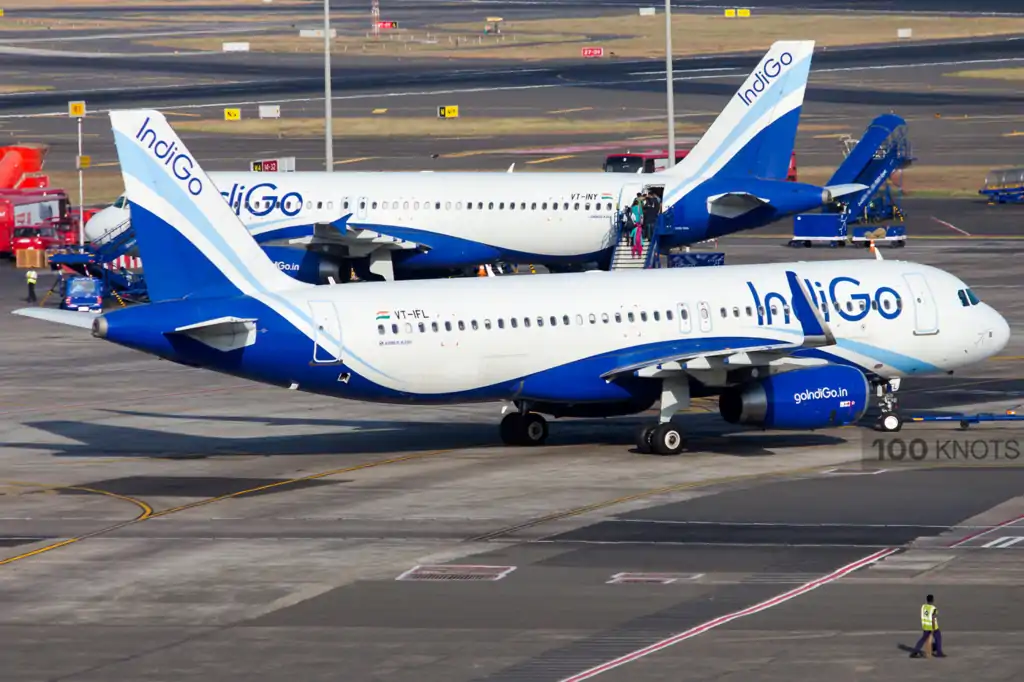
In a recent announcement on November 23, 2023, IndiGo, India's leading budget carrier with a dominating domestic market share of over 62 percent, revealed its ongoing evaluation of options for potential premium class offerings. The airline, known for its cost-effective services and operational efficiency, is gearing up for a significant expansion, backed by a robust fleet of more than 330 aircraft, with an additional 970 planes on order.
Continuous Evaluation of Options
IndiGo, in response to the circulating reports, emphasized its commitment to evaluating various possibilities for enhancing passenger experience. The airline's official statement on the matter asserted, "We are always in the process of evaluating options available. As a policy, we do not comment on speculations and will share any information if and when we have anything to share."
Expansive Fleet and Operations
The backdrop against which this statement was made reveals IndiGo's strategic vision for growth. The airline has been expanding its operations aggressively, solidifying its position as a key player in the aviation industry. With a current fleet exceeding 330 aircraft and an impressive order book of 970 planes, IndiGo is poised to further strengthen its market presence.
A321 XLR: A Game-Changer

Central to IndiGo's expansion plans is the eagerly anticipated A321 XLR, an extended-range variant of the Airbus A321neo. The airline is expecting the delivery of these advanced aircraft in late 2024 or early 2025. According to IndiGo CEO Pieter Elbers, the A321 XLR will play a pivotal role in expanding the airline's reach, enabling it to connect with new destinations in Europe and Asia.
"XLR will help us expand our range... when XLRs come in, that can bring us further into Europe to places like Athens... it can bring further into Asia to places like Seoul...," stated Pieter Elbers during a recent interaction on November 6.
Premium Class and Loyalty Program Speculations
The recent buzz around IndiGo's potential introduction of a premium class on its A321 XLR flights and the launch of a loyalty program has stirred considerable interest in the aviation community. While the airline refrains from confirming these speculations, industry observers speculate that such moves could be part of IndiGo's strategy to cater to a broader range of passengers and enhance customer loyalty.
Conclusion
IndiGo's proactive approach to continuously evaluate options and its strategic expansion plans underscore the airline's commitment to staying at the forefront of the competitive aviation landscape. As the industry eagerly awaits the arrival of the A321 XLR fleet and potential enhancements to passenger services, IndiGo's journey reflects a dynamic and forward-thinking approach, setting the stage for exciting developments in the world of aviation.
Read next
Air India Express Cabin Crew Members Worries About Sharing Rooms During Layovers; Airline Responds

Radhika Bansal
23 Nov 2023
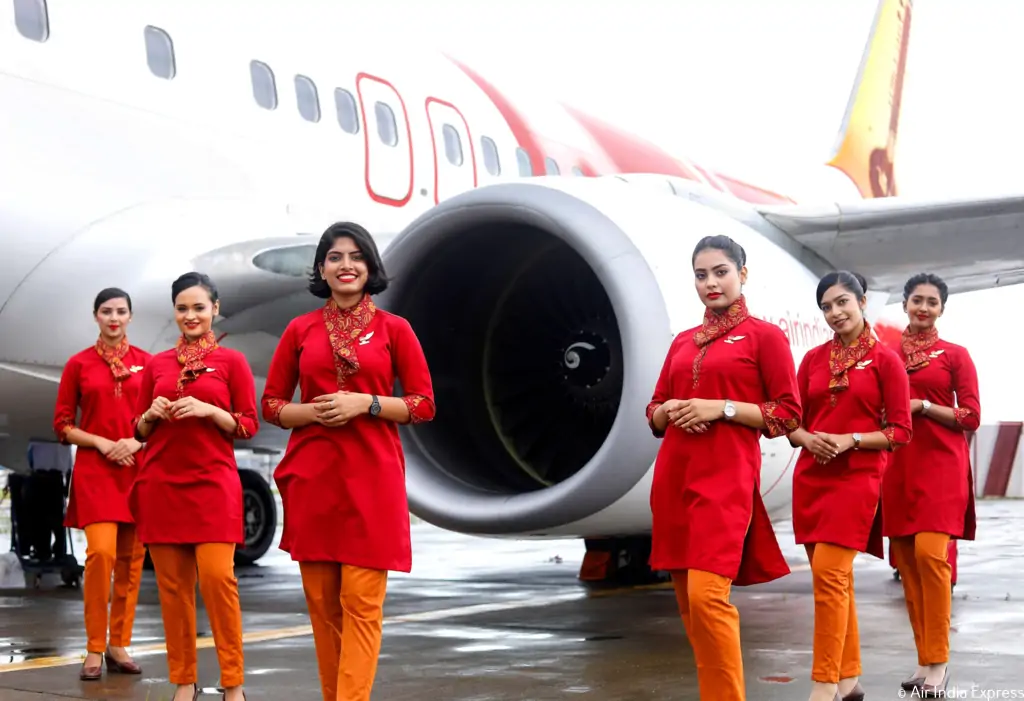
Scores of cabin crew members of Air India Express have expressed concerns about the decision on room sharing during layovers, claiming that such a move poses various difficulties in getting uninterrupted rest before flight duty. At the same time, the airline has said that room sharing is consistent with the market practice followed by many other carriers.
Besides, cabin crew members have expressed concerns about the curtailment of service contracts of some members as well as about the assessment process at the airline, according to sources.
Earlier, at profit-making Air India Express, which is in the process of merging loss-making AIX Connect (formerly AirAsia India) with itself, a cabin crew was given a room at a five-star or a four-star hotel at outstations. Now, one room is shared by two cabin crew members.
Currently, Air India Express and AIX Connect together have more than 5,500 employees and around 1,800 cabin crew members.
The sources said that scores of cabin crew members have written to the airline management regarding room-sharing practices and other issues. According to an e-mail sent by a cabin crew member to senior officials of Air India Express, there are various difficulties in getting uninterrupted rest before operating a flight due to a room-sharing decision.
The e-mail has also claimed that the contracts of many cabin crew members have been curtailed to one year from five years and that curtailment is creating an unpleasant work atmosphere.
In response to a detailed set of questions, including about the steps being taken by Air India Express to address the concerns, an airline spokesperson cited the ongoing integration of AIX Connect and aligning of the practices across the two carriers.
What Airline Has to Say About the Allegations?
"As a part of the ongoing integration between AIX Connect ( formerly AirAsia India) and Air India Express, the policies and practices across the two entities are being aligned. This includes crew members sharing rooms on layovers. This is consistent with the market practice followed by many other airlines in India and the region," the spokesperson told PTI.
Both airlines are owned by the Tata Group. Further, the spokesperson said the airline has a dedicated and open internal communication platform and a culture that encourages and solicits opinions to better inform all decisions.
"Understandably, some crew members have expressed a differing view about the standardisation of this consolidated policy. We remain committed to listening to and engaging with all stakeholders on such matters in the course of our large-scale transformation and growth, which ultimately affords all our employees with much greater prospects and benefits, all things considered," the spokesperson said.
The spokesperson also said the airline is actively incorporating industry best practices to ensure that employee benefits are in line with market standards. The company has harmonised the structure, salaries, and benefits for cabin crew members at a group level, while also providing opportunities for them to increase their earnings through performance enhancements and customer satisfaction, the spokesperson added.
Concerning the decision on room sharing, some cabin crew members have also cited the recent incident in Udupi where a female cabin crew member of Air India Express and her three family members were killed by a male cabin crew member. The incident happened on November 12.
In the detailed questions, PTI mentioned the incident and also the claim that the accused had shared a room with another cabin crew member and at that time also, the accused had created a nuisance. There was no specific response from the airline.
On the incident, Air India Express, last week, said, “This incident deeply saddens us and we are extending our full support to the bereaved relatives of the dead. We will provide our due cooperation in the investigation. In light of this incident, we have derostered the accused with immediate effect".
International budget carrier Air India Express and domestic low-cost airline AIX Connect are owned by the Tata Group, which is in the process of consolidating its airline business. Under the consolidation plan, Air India Express is merging AIX Connect with itself while full-service carrier Vistara will be merged with Air India.
Earlier this month, Air India Express Employees Union (AIXEU) in a letter to civil aviation minister Jyotiraditya Scindia mentioned various grievances about the airline's cabin crew members.
(With Inputs from PTI)
Read next
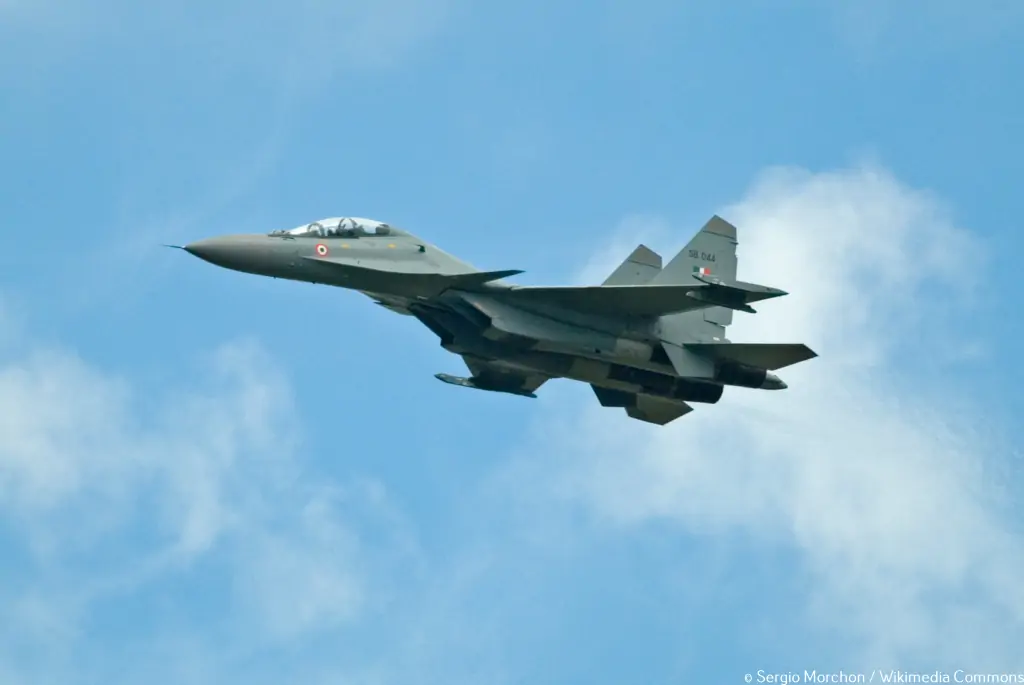
In a step towards boosting its squadron strength, the Indian Air Force has issued an INR 10,000 crore tender to the state-owned Hindustan Aeronautics Limited for the purchase of 12 advanced Su-30MKI fighter jets.
"Recently, a tender has been issued to the HAL for buying the 12 Su-30MKI fighters, which will be manufactured in India by the HAL in partnership with the Russian original equipment manufacturers," defence sources told ANI.
The decision of the central government came amid the depleting fighter strength of the Indian Air Force. Notably, the new aircraft will fill in the void that has been created by the loss of 12 Su-30MKI fighters in accidents in the past 20 years.
The public sector company is expected to respond to the tender by next month with details of the project along with other details, they said. The aircraft would include a high percentage of indigenous content as per the requirement of the Indian Air Force in line with the Aatmanirbhar policies of the government in the defence sector. "These would be one of the modern Su-30 MKI aircraft of the IAF, equipped with multiple Indian weapons and sensors," they said.
The Indian Air Force is also working on a project to upgrade the fleet of Sukhoi-30 fighters an ambitious project that will see 84 of its planes get upgraded with indigenous weapon systems, advanced radars and avionics. "The project is planned to be completed with the HAL indigenously and it will also position us well for the upgrade of similar aircraft in foreign countries,” they said.
India has a fleet of 272 Su-30 fighter jets, which have been procured in different tranches by the service since the early 2000s. The aircraft have already been upgraded by integrating Indian systems and weapons like the BrahMos supersonic cruise missile and the Astra air-to-air missile.
Recently, the Indian Air Force chief Air Chief Marshal VR Chaudhari stated that the BrahMos supersonic missile has 'galvanised and greatly enhanced' the firepower of the Indian Air Force and bolstered the nation's ability to defend itself in any conflict. He had said that the potent combination of a BrahMoS missile on the Sukhoi Su-30 fighter jets and mentioned that smaller versions of the next-generation BrahMos missiles are being developed for fitment to other combat aircraft.
The Su-30s have been deployed in many exercises and operations, including the Balakot air strikes and the ongoing military standoff with the Chinese People's Liberation Army.
SU-30 MK-I’s Powers
The Su-30MKI is a multi-role air dominance fighter that can carry a versatile array of weapons including the Astra Mk-1 long-range air-to-air missile, Brahmos Air Launched missile, and an array of bombs, among others.
The Su-30MKI, a 4.5-generation aircraft, can carry out complex manoeuvres at both high speeds and low speeds, which includes the iconic vertical Charlie manoeuvre. The aircraft, with the capability of air-to-air refuelling, can also carry out long-range patrol and other endurance missions.
The IAF is also in the process of upgrading its Su-30MKI fleet with an upgrade programme of over INR 30,000. The IAF, with Su-30MKI and Rafale fighter jets, has developed a strong package of fighters that can carry out tactical as well as strategic missions as per requirements.
The Sukhoi Su-30MKI is a two-seater, twinjet multirole air superiority fighter developed by Russian aircraft manufacturer Sukhoi and built under licence by India's Hindustan Aeronautics Limited (HAL) for the Indian Air Force (IAF). A variant of the Sukhoi Su-30, it is a heavy, all-weather, long-range fighter.
Development of the variant started after India signed a deal with Russia in 2000 to manufacture 140 Su-30 fighter jets. The first Russian-made Su-30MKI variant was accepted into the Indian Air Force in 2002, while the first Su-30MKI assembled in India entered service with the IAF in November 2004. The IAF has nearly 260 Su-30MKIs in inventory as of January 2020. The Su-30MKI is expected to form the backbone of the IAF's fighter fleet in 2020 and beyond.
The aircraft is tailor-made for Indian specifications and integrates Indian systems and avionics as well as French and Israeli sub-systems. It has abilities similar to the Sukhoi Su-35 with which it shares many features and components.
Read next
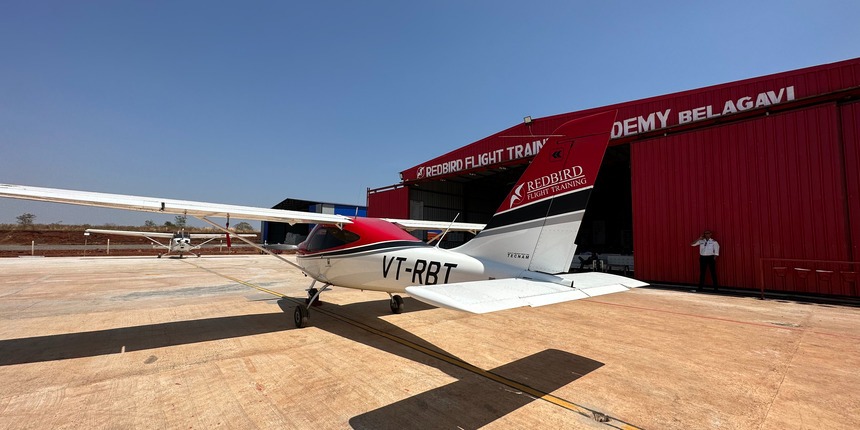
In a significant development for the aviation sector in India, the Directorate General of Civil Aviation (DGCA) has decided to suspend flying operations at Red Bird Flight Training Academy, the country's largest flying training organization (FTO). This decision comes in the wake of two aviation accidents within a short timeframe, prompting the regulatory authority to conduct a special maintenance audit and subsequently issue a show cause notice to Red Bird.
Background
Two Consecutive Incidents Prompt Suspension
The DGCA took the unprecedented step of suspending flying operations at all bases of Red Bird Flight Training Academy on October 22, following two serious incidents involving the academy's aircraft on October 19 and 22, 2023. These incidents raised concerns about the safety and operational practices of the FTO, leading to a thorough investigation by the regulatory authority.
Special Maintenance Audit Unearths Deficiencies
In response to the accidents, the DGCA conducted a special maintenance audit at Red Bird's main base in Baramati, Maharashtra, and its sub-bases in Seoni (Madhya Pradesh), Kalburgi, and Belgavi (Karnataka), and Lilabari (Assam). The audit uncovered deficiencies in several key areas, including personnel training, maintenance schedules and records, internal audit practices, tool and store management, and fuel storage and handling.
Allegations of Corruption and Collusion
Shakeup in DGCA Leadership
Amid the safety concerns and the subsequent audit, the DGCA took further action by reassigning Captain Anil Gill, the former in-charge of FTOs, to another department. This move came in response to allegations of corruption and collusion with flying schools, raising questions about the integrity and transparency within the regulatory body.
Preliminary Investigation and Potential External Probe
A three-member DGCA panel conducted a preliminary investigation into the allegations against Captain Gill. The panel has forwarded its recommendations to the aviation ministry, contemplating whether the case warrants a probe by an external agency such as the Central Bureau of Investigation (CBI) or the Enforcement Directorate (ED).
Enforcement Action and Recertification
Show Cause Notice and Enforcement Action
Based on the findings of the maintenance audit, DGCA has initiated enforcement action against Red Bird Flight Training Academy. A show cause notice has been issued to the organization, highlighting the identified deficiencies and seeking a response from Red Bird regarding corrective measures.
Recertification Process Initiated
DGCA's statement emphasized that Red Bird Flight Training Academy failed to consistently adhere to the provisions of Aircraft Rules, 1937, and Civil Aviation Requirements, compromising the safety and airworthiness of its aircraft. As a result, the regulatory authority has decided to undertake the recertification of the maintenance organization and continuous airworthiness management of Red Bird afresh.
Conclusion
The suspension of flying operations at Red Bird Flight Training Academy marks a critical juncture for aviation safety in India. The DGCA's decisive actions underscore the commitment to ensuring the highest standards in training and maintenance within the aviation industry. As the recertification process unfolds, the industry and the public will be closely watching for the implementation of corrective measures and the restoration of trust in Red Bird's safety practices.
With Inputs from Time of India
Comment