
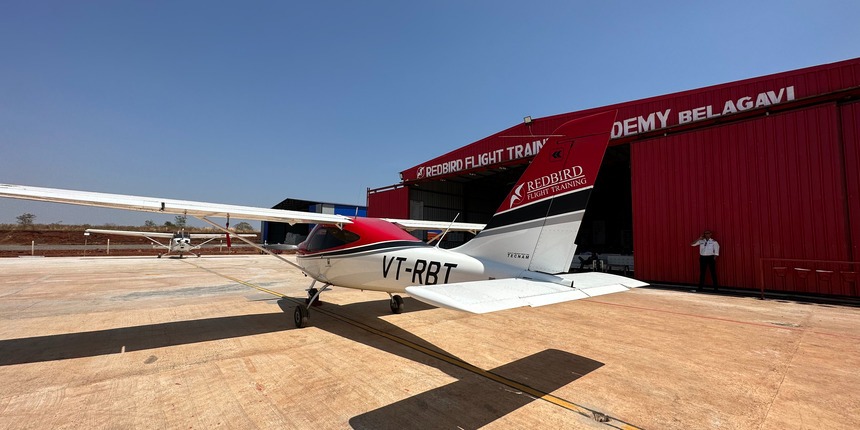
The Directorate General of Civil Aviation (DGCA) has cleared Red Bird Flight Training Academy to resume operations.
The operations have only been allowed at its Baramati base and using only five Cessna planes.
"They have cleared the DGCA recertification process CAR 145 maintenance at Baramati," a source said.
The operations of the institute were suspended late last year after multiple incidents.
The first incident took place on 19 October and involved a Tecnam P2008JC single-engine aircraft VT-RBC. The aircraft sustained substantial damage in the crash-landing while the pilot suffered minor injuries.
The second incident took place on 22 October and involved a Tecnam P2008JC single-engine aircraft VT-RBT. The landing gear, propeller, wings, and fuselage were damaged.
“These occurrences indicate a gap in maintenance and operational elements. DGCA has accordingly suspended the operations of Redbird Flight Training Academy at all their bases in the country," the regulator had said then.

Read next

Prime Minister, Narendra Modi inaugurated, dedicated to the nation, and laid the foundation stone of multiple development projects worth over Rs 32,000 crores in Jammu today including a new terminal building for Jammu Airport.
"To be spread over a 40,000 sqm area, the new terminal building will be equipped with modern facilities catering to about 2000 passengers during peak hours. The new terminal building will be environment friendly and will be built such that it showcases the local culture of the region. It will strengthen air connectivity, boost tourism and trade, and accelerate economic growth of the region," the government said in a statement.
The Prime Minister also laid the foundation stone for a project to develop CUF (Common User Facility) Petroleum depot at Jammu. The state-of-the-art fully automated depot which will be developed at a cost of about Rs 677 crore, will have a storage capacity of about 100000 KL for storing Motor Spirit (MS), High Speed Diesel (HSD), Superior Kerosene Oil (SKO), Aviation Turbine fuel (ATF), Ethanol, Biodiesel and winter grade HSD.
Read next
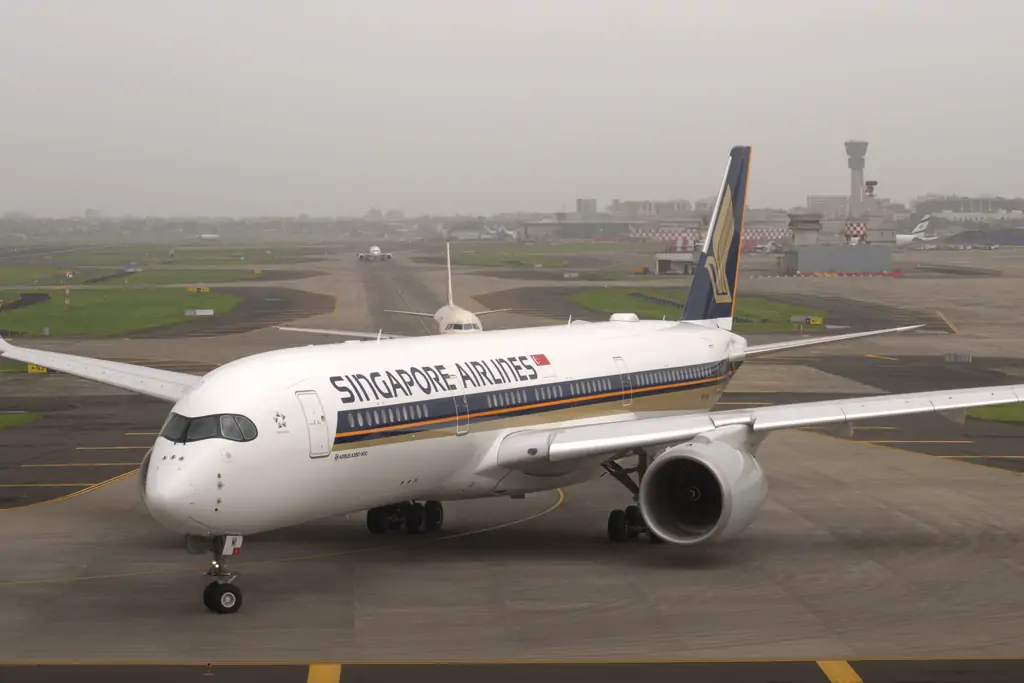
Singapore Airlines reported a profit of around $659 million, up 5% over last year over strong travel demand in North Asia as China, Hong Kong SAR, Japan, and Taiwan fully reopened.
The demand for air travel remains healthy in the last quarter of FY2023/24 and the first quarter of FY2024/25, the airline said in a Tuesday statement.
"Forward sales continue to be robust, in line with capacity increases in most markets, supported by the demand for leisure travel through the school holidays and Easter peak in March and April 2024. The Group expects to return to pre-pandemic capacity levels within FY2024/25," it added.
As of 31 December 2023, the Group’s operating fleet comprised 202 passenger and freighter aircraft with an average age of seven years and one month. SIA added three Boeing 787-10s to its fleet in the third quarter, bringing its operating fleet to 143 passenger aircraft3 and seven freighters. Scoot operated 52 passenger aircraft and will take delivery of its first Embraer E190-E2 aircraft in April 2024.
The proposed merger of Air India and Vistara is in progress, pending foreign direct investment and other regulatory approvals, SIA said.
Read next
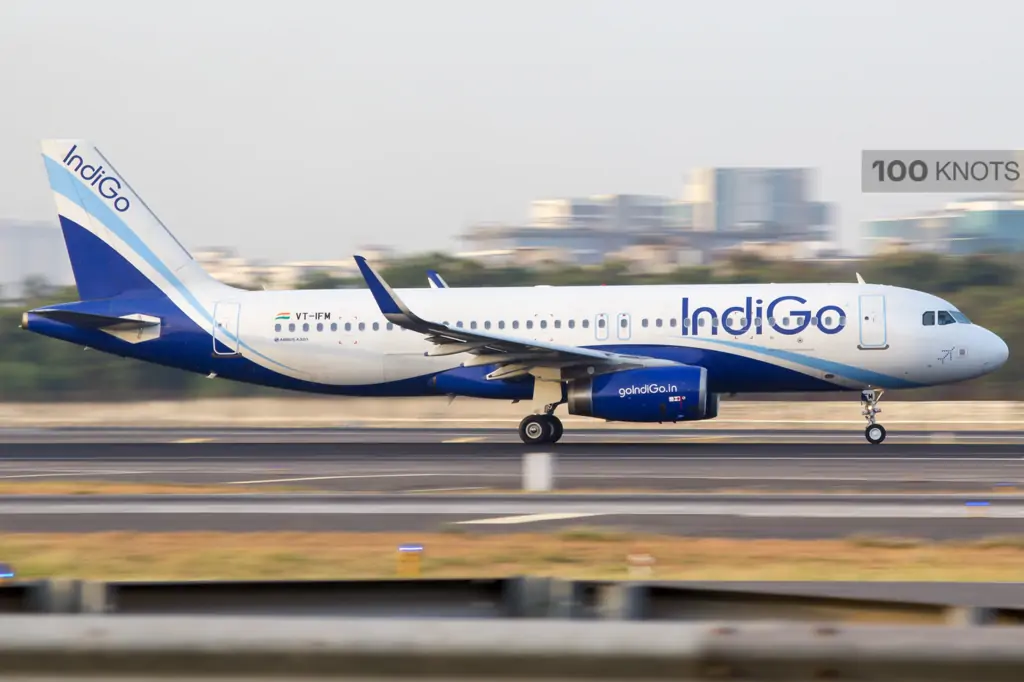
IndiGo will start flights between Bengaluru and Denpasar in Bali, Indonesia, effective March 29, 2024, the airline said on Tuesday.
The daily flights is to cater to the substantial surge in Indian tourists travelling to the island of Bali, the airline added.

*Schedule maybe subject to change depending on approvals from regulatory authorities
IndiGo started operations to Jakarta in 2023 and Bali will be its second destination in Indonesia making Denpasar the 33rd international and 119th overall destination to join the extensive 6E network. Bookings for the flight are open from February 20, 2024.
Vinay Malhotra, Head of Global Sales at IndiGo, said, "We are extremely excited to announce Denpasar (the main hub of the Indonesian province of Bali) as the newest international destination to join the 6E network. With a hassle-free visa process, Bali has become a preferred destination for tourists. At IndiGo, we have always been committed to providing our customers with superior connectivity and enhanced accessibility. With the launch of these new flights, we aim to not only strengthen the ties between India and Indonesia but also promote tourism and foster potential business collaborations. IndiGo will continue to deliver on its promise of affordable, on-time, courteous, and hassle-free travel experience across an unparalleled network.”
Denpasar, the capital city of Bali, serves as the main gateway to Indonesia's most famous island.
Read next

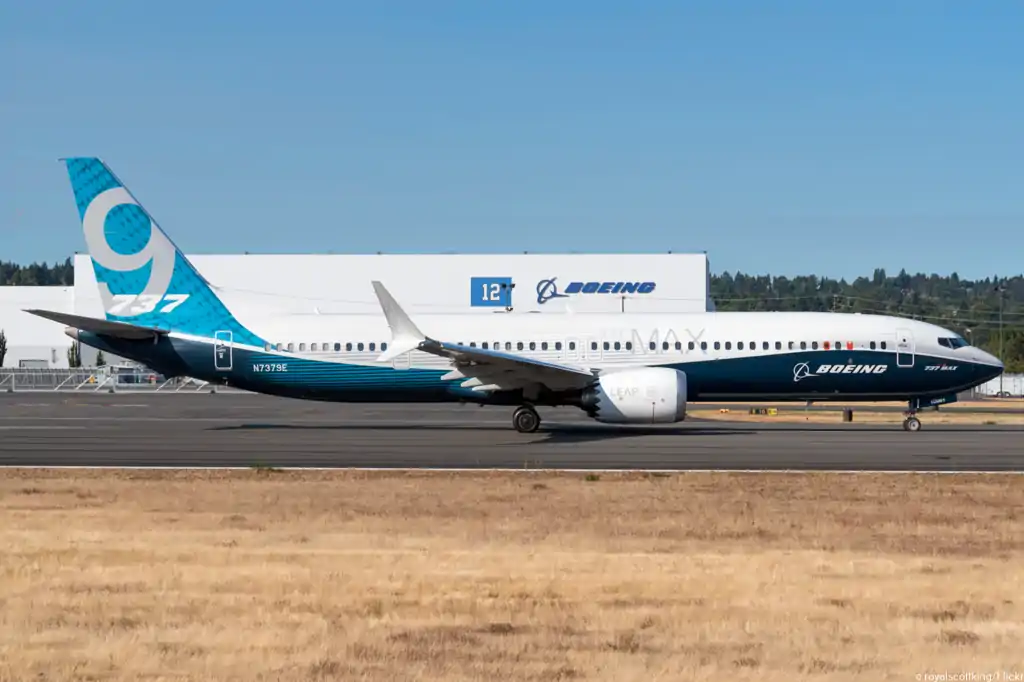
As the aviation industry navigates through turbulence caused by recent incidents involving the Boeing 737 MAX, the International Air Transport Association (IATA) and its Director General, Willie Walsh, have expressed confidence in Boeing's response. In the wake of a mid-air door plug blowout on a 737 MAX 9, occurring just before the Singapore Airshow, Walsh commended Boeing's proactive measures and affirmed his trust in CEO David Calhoun.
Positive Response from IATA Chief
Willie Walsh, head of IATA, has voiced support for Boeing's actions following the recent incident involving a mid-cabin door plug on a 737 MAX 9 aircraft. Speaking ahead of the Singapore Airshow, Walsh praised Boeing's responsiveness in addressing the issue and ensuring safety remains paramount.
Confidence in Boeing Leadership & Background
Contrary to calls for leadership changes within Boeing, Walsh expressed full confidence in CEO David Calhoun. Despite recent challenges, Walsh believes that Boeing's current leadership is taking the right steps to address concerns and uphold safety standards.
The latest incident involving the 737 MAX comes after a series of setbacks for Boeing, including the grounding of the aircraft following two fatal crashes in 2018 and 2019. Despite these challenges, major airlines like International Airlines Group (IAG) have maintained their confidence in Boeing's ability to rectify issues and safely return the 737 MAX to service.
IAG's Previous Commitment to Boeing
In 2019, IAG, the parent company of leading airlines such as Aer Lingus, British Airways, and Iberia, expressed confidence in Boeing by signing a Letter of Intent (LoI) to purchase 200 Boeing 737 MAX aircraft. This commitment underscored the industry's belief in Boeing's ability to address safety concerns and deliver reliable aircraft.
Recent Incident, Response & Boeing's Measures
The recent mid-air door plug blowout on an Alaska Airlines flight prompted both Alaska Airlines and United Airlines to voluntarily ground their 737 MAX 9 aircraft. Subsequently, the FAA ordered inspections of all 737 MAX 9s with similar door plug configurations before further flights.
In response to the incident, Boeing announced several measures aimed at improving its quality management processes. These measures include enhanced inspections throughout the supply chain, increased focus on safety and quality management, and an independent assessment of the manufacturer's quality management system.
Conclusion
Despite the challenges posed by the recent incident involving the Boeing 737 MAX, the aviation industry remains steadfast in its commitment to safety. With support from organizations like IATA and proactive measures from Boeing, stakeholders are working together to ensure the continued safety and reliability of commercial air travel. As the Singapore Airshow unfolds without a physical presence from Boeing, the industry's focus remains on fostering trust and confidence among passengers and stakeholders alike.
Read next
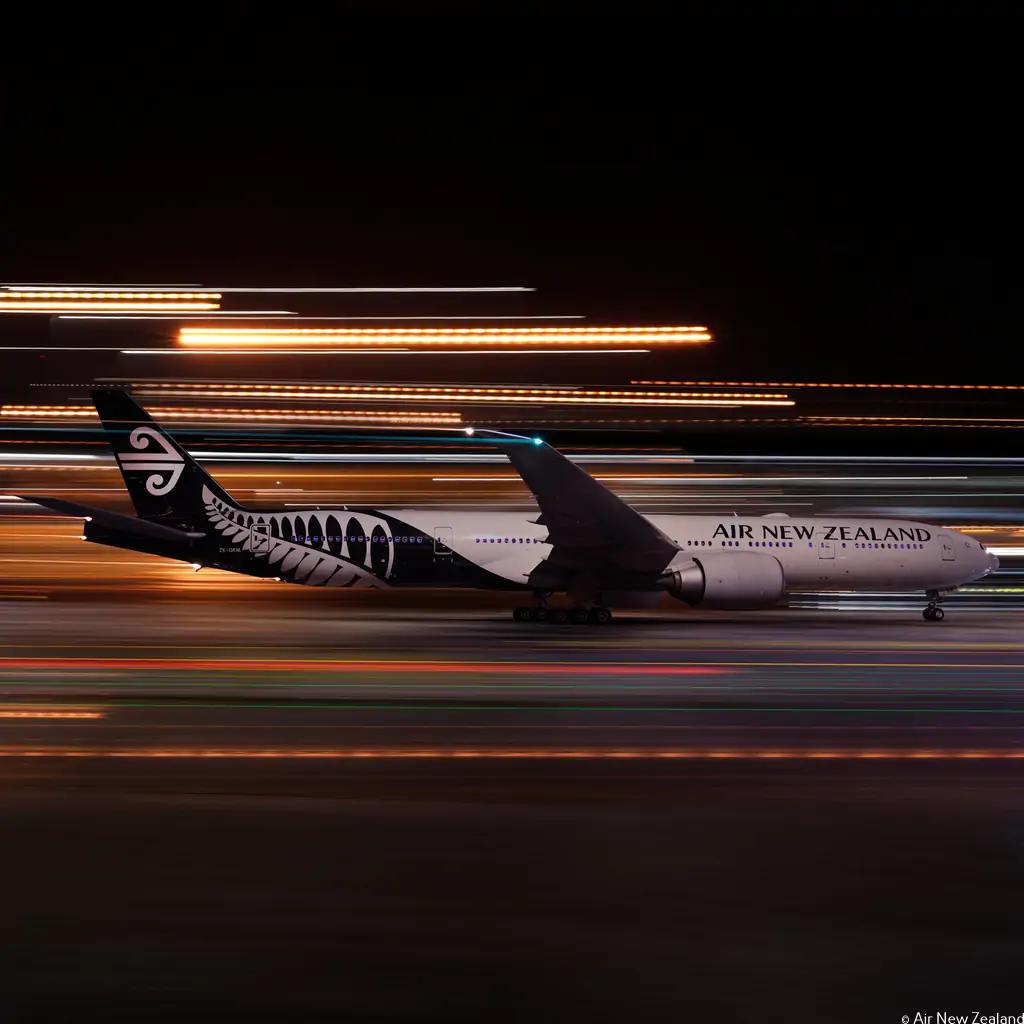
The airline industry, like many others, experienced a rollercoaster ride in 2023, with unprecedented highs followed by looming challenges. As Air New Zealand prepares to unveil its interim financial results, all eyes are on the horizon, bracing for potential turbulence ahead.
A Year of Surging Profits and Ominous Warnings
In 2023, the aviation sector witnessed a rare confluence of factors that propelled airlines to profitability after years of struggle. With pent-up demand, reduced capacity, and soaring airfares, carriers reported stellar financial performances, painting a picture of prosperity. However, amidst the celebrations, astute voices like Air New Zealand CEO Greg Foran cautioned against complacency, predicting a tougher road ahead.
Reality Check: Air New Zealand's Forecast
As Air New Zealand gears up to disclose its financial performance for the six months ending December 31, 2023, the mood is somber. Despite previous forecasts aligning with expectations, the projected earnings before taxation for the fiscal year ending June 30, 2024, paint a stark contrast to the previous year's staggering profits.
Challenges on the Horizon
The looming challenges facing Air New Zealand in the latter half of fiscal year 2024 are multifaceted and formidable:
- Impact of Competitors: The resurgence of US airlines on trans-Pacific routes has intensified competition, exerting downward pressure on revenue.
- Inflationary Pressures: Significant inflationary trends are inflating the carrier's cost base, squeezing profit margins.
- Softening Demand: Domestic corporate and government demand is showing signs of weakness, further dampening revenue prospects.
- Operational Hurdles: Ongoing engine maintenance issues, notably with Pratt & Whitney engines, continue to incur substantial temporary costs, adding to operational woes.
Adjusting Expectations
Air New Zealand's forward bookings profile signals a challenging road ahead, with increased capacity and pricing pressure expected from US competitors. Against a backdrop of economic uncertainties and operational hurdles, the airline anticipates a marked decline in performance for the latter half of the fiscal year.
Navigating Uncertain Skies & Looking Ahead
The outlook for Air New Zealand remains uncertain, with various factors influencing future performance. The airline's cautious guidance reflects the fluidity of the situation and underscores the importance of adaptability in a volatile market environment.
As Air New Zealand unveils its interim results on February 22, stakeholders await further insights into the airline's strategy for navigating the turbulent skies ahead. While challenges loom large, proactive measures and strategic initiatives may yet steer the carrier towards smoother skies in the future.
Conclusion
The aviation industry's journey from soaring profits to uncertain terrain underscores the dynamic nature of the market. As Air New Zealand braces for headwinds, the road ahead demands resilience, agility, and strategic foresight to weather the storm and emerge stronger on the other side.
Comment