
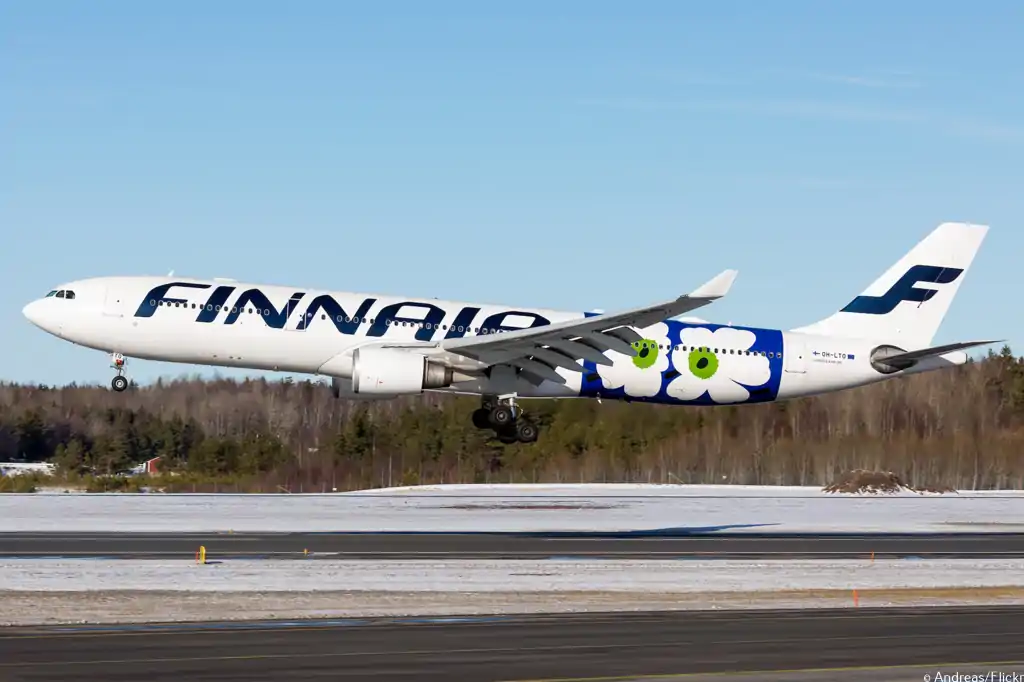
Finland's national airline, Finnair, has recently announced a positive outlook for its 2023 results, expecting them to return to pre-pandemic levels or come very close. This optimistic forecast comes as the lingering impact of COVID-19 continues to recede, and the airline industry adapts to the challenges posed by the closure of Russian airspace. Finnair's journey towards recovery has been a testament to its resilience and adaptability.
Five Consecutive Quarters of Positive Operating Earnings
The Finnish carrier achieved positive operating earnings for the fifth consecutive quarter, marking a significant milestone in its recovery process. This remarkable achievement highlights Finnair's ability to weather the storm caused by the global pandemic and the subsequent closure of Russian airspace in the wake of Russia's invasion of Ukraine. This airspace closure significantly disrupted Finnair's previously Asia-focused strategy, prompting the airline to pivot and adapt to a rapidly changing global landscape.
Third Quarter Performance Soars
In the third quarter of 2023, Finnair reported a substantial surge in comparable operating profit, which rose to 94.3 million euros ($100.7 million). This marked an impressive 168% increase compared to the same period in the previous year, when the airline reported its first positive result since 2019. However, Finnair did acknowledge that higher fuel prices had an adverse impact on its earnings towards the end of the quarter.
Robust Revenue Expectations
Finnair has set its sights on achieving annual revenue in the range of 2.9 billion to 3.1 billion euros in 2023. The upper end of this range aligns with the airline's 2019 sales figure, signifying its intention to return to the levels of business it was accustomed to prior to the pandemic. This is a noteworthy shift from previous expectations that indicated 2023 sales would surpass the figures from the preceding year.
Revised Earnings Projections
In terms of profitability, Finnair has revised its forecast for comparable operating earnings, now expecting to achieve between 160 million and 200 million euros for the year. This adjustment is more optimistic than the previous guidance of 150 million to 210 million euros. To put this into perspective, in 2019, Finnair reported a profit of 162.8 million euros. This forecast indicates the airline's determination to regain and potentially surpass its pre-pandemic profitability levels.
Conclusion
Finnair's optimistic 2023 outlook reflects not only its remarkable recovery but also the resilience of the global aviation industry as it adapts to a post-pandemic world and evolving geopolitical challenges. The airline's ability to deliver consistent positive results over the past five quarters is a testament to its adaptability and determination. While challenges persist, the revival of Finnair is a promising indicator of the broader recovery of the travel and aviation sector, marking a return to normalcy for an industry that has faced unprecedented adversity in recent years.
With Inputs from Reuters

Read next
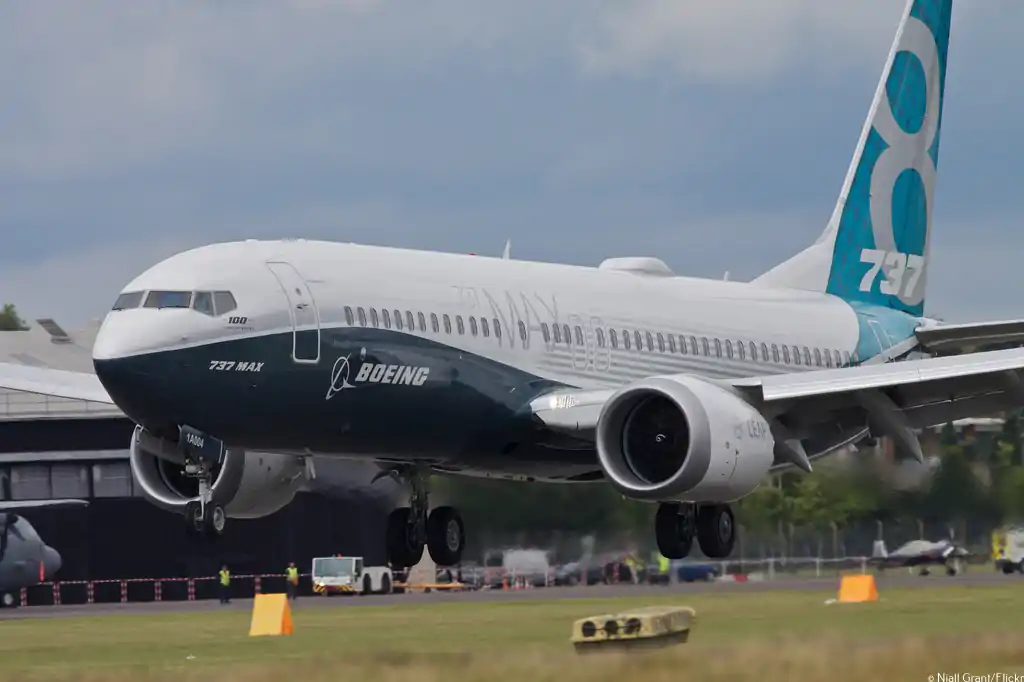
General Electric (GE), a key player in the aerospace industry, has announced a significant reduction in its growth forecast for LEAP jet engine deliveries for the year 2023. This decision reflects ongoing challenges in the global aerospace supply chain, which is struggling to keep up with the surging demand for these engines.
A Change in Growth Projections
In an interview, CEO Larry Culp disclosed that GE is now targeting a 20% to 25% year-on-year increase in deliveries for 2024. This represents a considerable adjustment from a revised projection of 40% to 45% annual growth for this year. Notably, the company had initially predicted a staggering 50% growth in LEAP engine deliveries for 2023. These engines are widely used in Airbus and Boeing medium-haul jets.
A Strategy Based on Higher Demand Expectations
The shift in growth targets for 2024 is primarily based on expectations that the demand will be built upon a higher base. However, Larry Culp acknowledges the considerable challenges that lie ahead in achieving this goal, as it necessitates quarter-on-quarter improvements in the strained supply chain.
Culp stated, "Our suppliers have work to do to continue to drive the sequential improvements. There's no silver bullet here."
The GE and Safran Collaboration
GE co-produces the LEAP engine in collaboration with France's Safran through their joint venture, CFM International. However, continuous shortages of labor and parts have left the company's suppliers grappling with production constraints.

Supplier Challenges
GE reported a significant increase in "supplier delinquencies" or production glitches, up by 25% in the third quarter compared to the previous quarter. This led to GE revising its delivery growth target for LEAP engines this year by at least 5 percentage points, pushing some deliveries into 2024 and 2025.
Impact on Boeing, Airbus, and Airlines
This slowdown in deliveries poses challenges for Boeing and Airbus, as it questions their plans to ramp up production. Furthermore, it is a setback for airlines that are striving to modernize their fleets. They are already contending with issues related to Pratt and Whitney's Geared Turbofan (GTF) engines, which have a rare manufacturing flaw that could potentially ground hundreds of Airbus jets in the coming years.
Commitment to Meeting Customer Expectations
Despite the challenges, GE has affirmed its alignment with Boeing and Airbus regarding the demand for LEAP engines through the end of 2024. Culp reiterated the company's commitment to meeting the expectations of its customers.
Easing Bottlenecks and the Way Forward
In an effort to mitigate supply chain bottlenecks, GE has deployed machinists and engineers to the facilities of its suppliers. These measures have contributed to improvements in output, although the issue is still far from being fully resolved.
Culp emphasized, "If we needed six of something per week from a certain supplier in the second quarter, that number probably went to seven in the third, goes to eight in the fourth. There's no simple solution here."
Conclusion
In summary, GE's decision to reduce its growth forecast for LEAP jet engine deliveries reflects the ongoing challenges in the aerospace supply chain. The company is working diligently to address these issues, but the complex nature of the supply chain and surging demand present formidable hurdles. This situation also has far-reaching implications for aircraft manufacturers and airlines, highlighting the need for innovative solutions to maintain the momentum of the aerospace industry.
With Inputs from Reuters
Read next
DGCA Suspends Flight Training Operations of All the Bases of Redbird Flight Training Academy

Radhika Bansal
24 Oct 2023
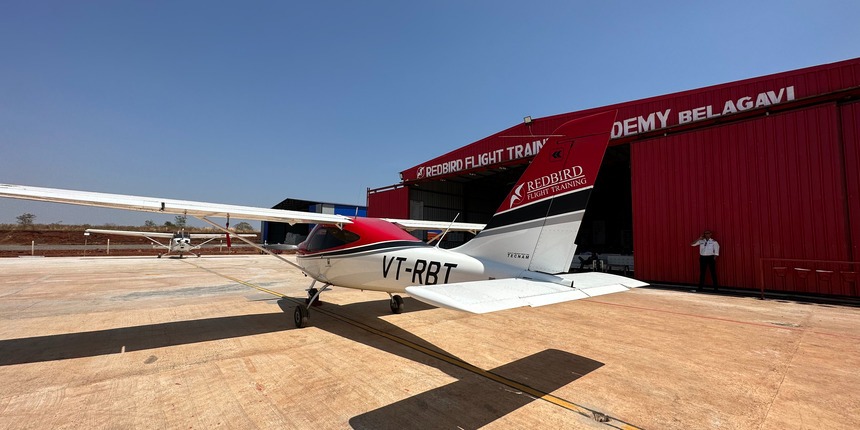
The Directorate General of Civil Aviation (DGCA) on October 23 suspended flight training operations across all bases of Redbird Flight Training Academy over repeated safety issues.
Highlighting that two accidents involving Redbird aircraft have been reported in the past week (one of them occurred on October 22), the regulatory authority said it will undertake maintenance audits and proficiency checks at the academy. The Redbird Academy will not resume the right to offer training in flying until it gets clearance from the DGCA.
The civil aviation authority said: “These occurrences indicate gaps in maintenance and operational elements. DGCA has accordingly, suspended the operations of M/s Redbird Flight Training Academy at all their bases in the country. The DGCA is also undertaking special maintenance audit and proficiency checks for the trainer/examiners of M/s Redbird Flight Training Academy before permitting the resumption of their operations.”
During the last week, Redbird Flight Training Academy’s aircraft have been involved in two occurrences leading to the crash landing of the aircraft. The first one took place on October 19 and involved a Tecnam P2008JC (single-engine) aircraft VT-RBC.
The aircraft took off from runway 11 at Baramati with only one occupant, i.e., CFI on board. During its initial climb at around 100ft, the crew experienced an engine-related snag and loss of power and decided to discontinue the sortie and crash-landed north of a nearby field. This sortie was undertaken to assess the snag (abnormal noise and brake issue) observed in the previous sortie. However, the snag was not notified of appropriate action by the AME.
The second incident took place on October 22 and involved a Tecnam P2008JC (single-engine) aircraft VT-RBT. This aircraft had two occupants including an instructor and a trainee. They were carrying out general flying training sortie at Baramati when the aircraft experienced loss of power at an altitude of 2,500 ft. The instructor discontinued the sortie and forced land in a field at around 2NM from the airport. Due to the impact, the aircraft turned upside down and suffered damages to the landing gear, propeller, wings and fuselage. Neither of the occupants, however, sustained any injuries.
The Redbird Flight Training Academy boasts a fleet of approximately 40 aircraft and reportedly plans to add another 20 planes by the end of March next year. Redbird has training bases spread across India and overseas in locations, such as Baramati (Maharashtra), Lilabari (Lakhimpur, Assam), Gulbarga (Karnataka), Belagavi (Karnataka), Seoni (Madhya Pradesh), and Colombo (Sri Lanka).
In August of the same year, Redbird Flight Training Academy partnered with European aircraft manufacturer Airbus to provide pilot training to its students on A320 aircraft. Under this partnership, Airbus was to deliver both theory and full flight simulator sessions for its jet orientation course (JOC) and multi-crew cockpit co-operation (MCC) to academy students.
DGCA’s Actions Against Flight Schools
This is not the first time the DGCA has cracked down on flight training academies in the country. In March 2022, the civil aviation regulator ordered a safety audit of all 30 flying training organisations (FTOs) after two training aircraft were involved in separate non-fatal accidents.
In an audit completed in June last year, the DGCA found FTOs violating multiple safety regulations. It observed that facilities at FTOs were not being maintained as per requirements — the runway surface was worn out, wind socks were torn or non-standard, and testing equipment was either not in compliance with requirements or not calibrated as required.
The regulator also found that pre-flight alcohol test regulations were not followed at multiple FTOs. Based on these findings, it issued suspension orders to two certified flying instructors for a year, two for three months, one deputy CFI for a year, two deputy CFIs for three months, one assistant flying instructor for three months, and one student for three months.
As of July 2023, India had 36 FTOs operating at 57 bases. The government aims to promote and regulate training infrastructure for India's civil aviation sector to make the country a global flight training hub and prevent Indian cadets from seeking training at foreign academies.
The Airports Authority of India (AAI) awarded nine FTO slots at five airports -- at Belagavi (Karnataka), Jalgaon (Maharashtra), Kalaburagi (Karnataka), Khajuraho (Madhya Pradesh), and Lilabari (Assam) in 2021. In 2022, six FTO slots were awarded by the AAI at five airports -- two slots at Bhavnagar (Gujarat), and one each at Hubballi (Karnataka), Kadapa (Andhra Pradesh), Kishangarh (Rajasthan), and Salem (Tamil Nadu).
Read next
Indian Army to Start Retiring its Cheetah and Chetak Helicopters from 2027 Onwards
Radhika Bansal
24 Oct 2023
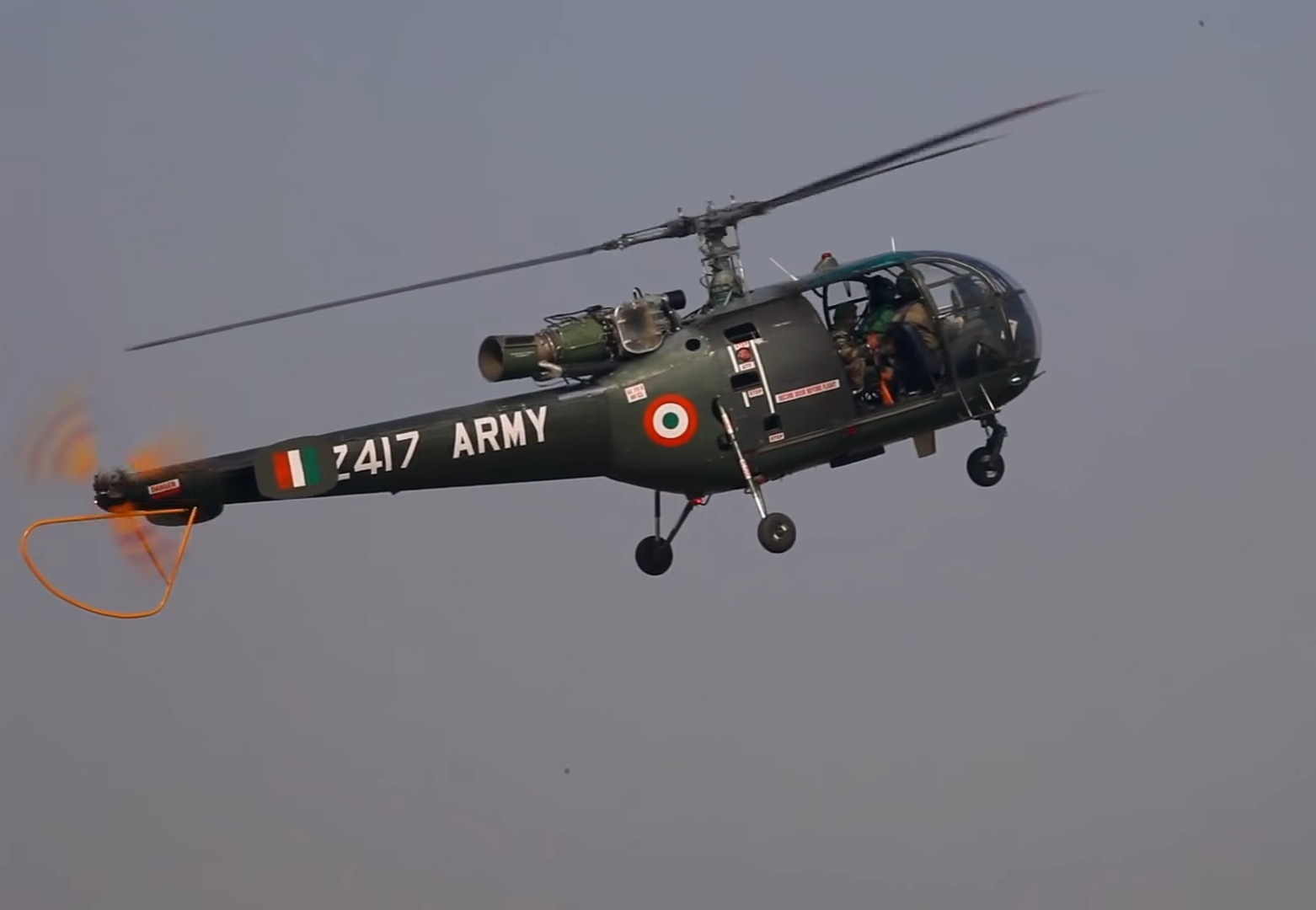
The Army will start phasing out the first lot of the vintage Cheetah and Chetak helicopters from 2027 onwards on completion of their Total Technical Life (TTL) while it looks to induct the indigenous Light Utility Helicopters (LUH) in numbers to replace them, according to defence sources quoted by The Hindu. The armed forces have been attempting to replace the Cheetah and Chetaks for well over a decade.
In November 2021, the Defence Acquisition Council approved the procurement of 12 Limited Series Production (LSP) variants of the LUH at a cost of around INR 1,500 crore, six each for the Army and the Indian Air Force (IAF), designed and developed by the Hindustan Aeronautics Limited (HAL) but has been delayed due to issues with the auto-pilot.
“The issue with the auto-pilot of the LUH has been addressed and the trials by the HAL have commenced. The six LSP LUH are expected to be delivered to the Army between December 2024 and June 2025. The bigger contract for LUH is expected to be concluded by January 2024 and deliveries are expected to begin by 2026 onwards,” a defence source with knowledge of the matter was quoted in The Hindu report. In the interim, the Army is also looking to lease 20 utility helicopters to address the shortage.
The Army currently has 190 Cheetah, Chetak and Cheetal helicopters of the original 246. Of these, at any time around 25 of them are at Hindustan Aeronautics Limited (HAL) for maintenance, which is a deficiency of around 37% in this segment, the source noted. A bulk of the fleet, close to 130 of the 190, are between 30 and 50 years old.
Of the 190 Cheetah and Chetaks in service, around 134 helicopters or over 70% of them are over 30 years old. In addition to the Army, the Navy and the IAF also operate these helicopters. For instance, the IAF has around 120 Cheetah and Chetak and around 18 of the more recent Cheetals.
The Cheetah, in its original French avatar, was the Aérospatiale SA 315B Lama. Months before the 1971 war with Pakistan, the Indian government placed an order for 40-odd helicopters with France, which included an arrangement for indefinite licensed production of the SA 315B by Hindustan Aeronautics Limited (HAL) at their facility in Bengaluru. The first Indian-assembled SA 315B flew on October 6, 1972, with deliveries starting in December 1973. The HAL-made helicopters were named Cheetah. The Indian military has tweaked the Cheetah’s engine for its operational needs. The Indian military has been flying these choppers beyond the manufacturer’s permissible limit as it has no other option. In the Siachen glacier, the Cheetahs, which have a flying ceiling of 17,000ft, routinely fly at over 20,000ft, risking both man and machine.
The light helicopter fleet is the lifeline in transporting supplies and for evacuations in the high-altitude areas, including the Siachen glacier and the commitments on the northern borders have significantly gone up since the 2020 stand-off.
The Army also operates around 145 indigenous Advanced Light Helicopters (ALH), 75 of which are the Rudra weaponised variants and another 25 ALH Mk-III are on order. In July, the Army issued a Request for Information for leasing 20 Light Helicopters for reconnaissance and surveillance for five years with the vendors asked to indicate the possibility of delivering all 20 helicopters within two years from the contract signing date.
In all, the Army and the IAF together have a requirement of over 400 helicopters of this class.
The LUH is a 3-ton class helicopter with a glass cockpit for reconnaissance and surveillance roles and as a light transport helicopter. The helicopter will be capable of flying at 220 kmph, with a service ceiling of 6.5 km and a range of 350 km with a 400 kg payload, according to the HAL.
The Army and the IAF began scouting for a LUH to replace the Cheetah and Chetak over a decade back and in 2015 the Defence Ministry decided to split the order into two, by procuring around 200 in partnership with a foreign OEM and another 200 to be supplied by the HAL by indigenous development. In line with this, India had entered into an inter-governmental agreement with Russia to manufacture 200 Ka-226T helicopters in India through a joint venture that has been stuck for a while and is now awaiting formal cancellation. Now the entire requirement will be met by the LUH.
As the world’s fourth largest air force, IAF operates a mix of aircraft fleets largely of foreign origin, ranging from legacy MiG-21 Bison to Jaguar, Mirage 2000, MiG 29, Su 30MKI, LCA, and the Rafale aircraft. The current fighter squadron’s strength has reduced to 31 squadrons with the phasing out of one more MiG 21 Bison squadron this year. Squadrons planned to be phased out in the next decade and a half are three remaining MiG-21 Bison squadrons by 2025, followed by six squadrons of Jaguar by 2031-32 and thereafter the Mirage 2000s and the MiG 29s. Because of the slower rate of induction as a replacement, the strength of IAF would remain well below its authorised strength of 42 squadrons for some time – 35 squadrons.
(With Inputs from The Hindu)
Read next
Lufthansa's City Airlines Project Gains Momentum with 40-Aircraft Fleet Expansion
Abhishek Nayar
24 Oct 2023
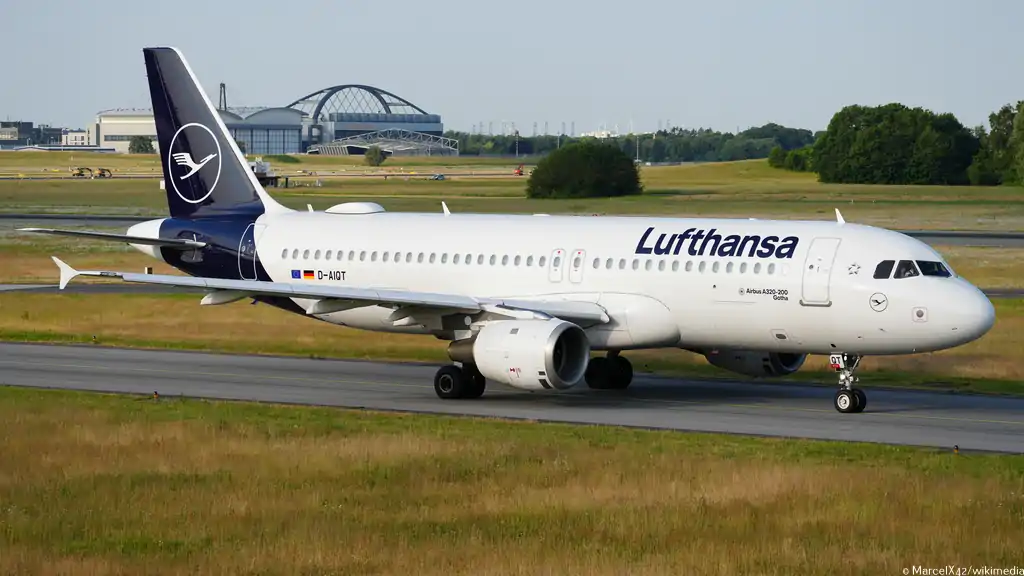
In March, Lufthansa (LH) unveiled an ambitious plan to re-establish City Airlines, formerly known as Cityline 2 or Newcont. The initial target for the airline's relaunch was late summer of the same year, sparking excitement in the aviation industry. However, the journey towards City Airlines' rebirth faced initial challenges due to internal negotiations with labor unions regarding working conditions.
Setbacks and Labor Negotiations
The revival of City Airlines, designed to operate domestically and internationally, encountered a hurdle with labor union negotiations. The concerns revolved around the potential impact of the new airline on labor conditions. These negotiations aimed to ensure that the workforce's interests were safeguarded as the new airline took flight.
City Airlines Gains Regulatory Approval
Despite the initial challenges, Lufthansa made progress towards the reestablishment of City Airlines. In June, the airline received approval from the German Federal Aviation Authority, granting them the crucial Air Operator Certificate (AOC) they needed to operate. This milestone was achieved with a single Airbus A319 registered as D-AILX.
A Significant Fleet Expansion
One of the most significant developments in the City Airlines revival story came when Lufthansa's CEO, Carsten Spohr, made a groundbreaking announcement on October 11th. Spohr revealed that Lufthansa was poised to make a substantial order for 80 new aircraft, 40 of which would be allocated to Cityline 2. This announcement signaled a major leap forward for the new airline and generated significant buzz within the aviation industry.

Types of Aircraft
Carsten Spohr provided insights into the types of aircraft Lufthansa was considering for City Airlines' new fleet. The first 40 aircraft would consist of smaller narrow-body planes with a capacity of 120 to 140 seats. Two options were under consideration for this category: Embraer's E-Jet family or the Airbus A220. These aircraft are well-suited for regional and feeder routes, aligning with City Airlines' intended role.
The remaining 40 aircraft in Lufthansa's order would be larger narrow-body planes, potentially including the Airbus A320 Neo or Boeing 737 Max aircraft. These aircraft could serve a broader purpose within the Lufthansa Group's operations.
Implications and Outlook
The decision to provide City Airlines with a fleet of 40 new aircraft is a clear indication of Lufthansa's commitment to this venture. It underlines the airline's intent to establish City Airlines as a major player in the European aviation landscape. The choice of modern, fuel-efficient aircraft underscores Lufthansa's dedication to sustainability and operational efficiency.
As negotiations with labor unions continue, the airline's management will need to ensure that the concerns of the workforce are addressed adequately. The success of City Airlines relies not only on a modern fleet but also on a harmonious working environment.
Conclusion
Lufthansa's ambitious plan to relaunch City Airlines is gaining momentum with the acquisition of 40 new aircraft. The choice of modern, efficient aircraft demonstrates Lufthansa's commitment to the success of City Airlines.
As the airline industry navigates the challenges brought about by the pandemic, this bold move is a testament to Lufthansa's vision for the future. It remains to be seen how City Airlines will fare in the highly competitive aviation market, but with the right fleet and continued labor negotiations, it is poised for a promising takeoff.
Read next
SriLankan Airlines Faces Aircraft Groundings Amid Privatization Uncertainty
Abhishek Nayar
24 Oct 2023
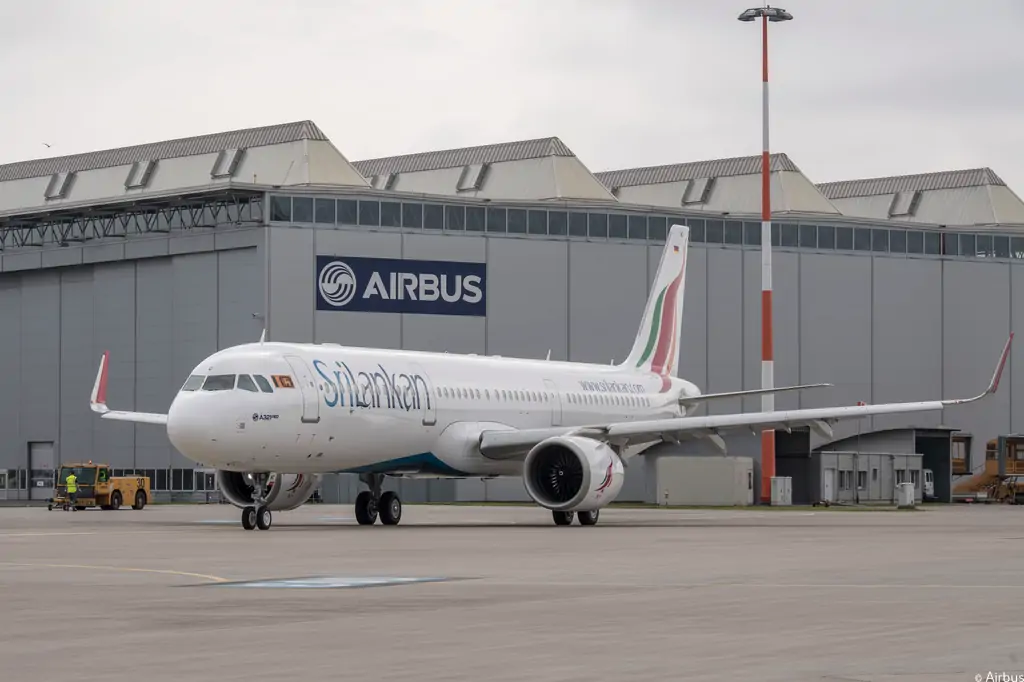
The aviation industry in Sri Lanka is currently facing a precarious situation as the government pushes forward with its plans to partially privatize SriLankan Airlines. The Aviation Minister, Nimal Siripala de Silva, has warned that without the cooperation of stakeholders, including employee groups and unions, more aircraft may be grounded. This potential crisis is looming large, and it is imperative to delve into the intricacies of the situation and its implications for both the government and the airline's workforce.
Privatization Plans and Stakeholder Resistance
The Sri Lankan government's intentions are clear - it seeks to sell a minority stake (49%) in SriLankan Airlines and form a joint venture with the buyer. The primary objective is to inject much-needed capital into the struggling airline, estimated at around USD 500 million. De Silva emphasized that the government is not in a position to finance this endeavor independently, making privatization a critical step towards ensuring the airline's viability.
Despite the government's rationale, employee groups and unions have expressed strong resistance to this privatization move. They fear that it may lead to job losses and a reduction in their benefits. The government's response to this concern is equally straightforward - if the privatization doesn't proceed as planned, it will be the employees, pilots, engineers, and cabin crews who will bear the brunt.
Grounding Aircraft as a Last Resort
The Aviation Minister has made it clear that grounding aircraft is not a choice the government wants to make, but it might become necessary if there are no takers for the minority stake. SriLankan Airlines currently operates 19 aircraft, all of which are leased. According to reports, attempts to procure additional aircraft have faced challenges. This, coupled with the impending return of a leased A330-200, raises concerns about the airline's operational capacity.
SriLankan Airlines, like many carriers globally, has been severely impacted by the COVID-19 pandemic. The airline industry has seen a significant decline in passenger numbers and revenue, making the need for external capital even more pressing.
Government's Privatization Strategy
The government is keen to expedite the privatization process. While formal expressions of interest have yet to be called for the minority stake, unsolicited inquiries from potential investors have already started trickling in. To oversee the sale process, the government has appointed an independent advisor, rumored to be the International Finance Corporation (IFC), a member of the World Bank Group.
The head of the government's State-Owned Enterprises Restructuring Unit, Suresh Shah, is spearheading the privatization efforts. Shah has emphasized that the opposition to privatization, which was more vehement in the past, has significantly dwindled. Stakeholders now understand that privatization can potentially lead to better returns for employees and bolster the country's economy.
Conclusion
The situation surrounding SriLankan Airlines and its partial privatization remains fluid. The government is determined to find a suitable investor to inject much-needed capital into the airline, while employee groups and unions remain wary of potential job losses and reduced benefits.
The threat of grounding aircraft looms large, serving as a stark reminder of the urgency of this situation. Ultimately, the success of the privatization effort will depend on the government's ability to assuage stakeholder concerns and find a willing partner to secure the future of Sri Lanka's national carrier.
With Inputs from ch-aviation
Comment