Air travel has revolutionized the way we connect with the world, offering unparalleled convenience and speed. However, the safety of passengers and crew during these flights is of paramount importance.
A recent incident involving Air India has brought to light a critical safety lapse concerning the supply of emergency oxygen on a nonstop flight from Delhi to the United States. This incident underscores the vital role that oxygen plays in aviation and highlights the necessity of strict adherence to international regulations and safety standards.
The Importance of Oxygen in High-Altitude Flight
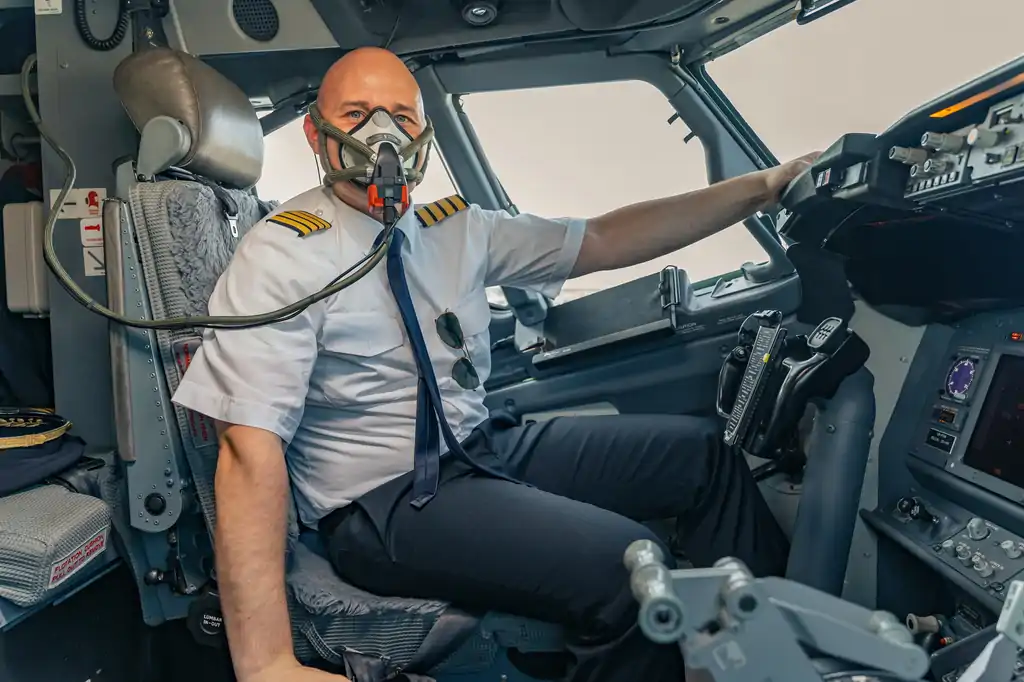
Oxygen is an essential element for human life, and its availability becomes crucial when flying at high altitudes. As an aircraft ascends, the decrease in air pressure reduces the amount of oxygen available for passengers and crew. To mitigate the risk of hypoxia (oxygen deficiency) at high altitudes, aircraft cabins are either pressurized to maintain a lower-altitude environment or equipped with supplemental oxygen systems.
At cruising altitudes commonly flown by commercial air transport aircraft, the loss of cabin pressurization can rapidly lead to incapacitation. The concept of "Time of Useful Consciousness" highlights the diminishing window of opportunity for passengers and crew to take corrective action as altitude increases.

Regulations and International Standards
National regulations for the provision and use of supplemental or emergency oxygen systems in aviation are based on the guidance provided in Annex 6 of the International Civil Aviation Organization (ICAO) Standards and Recommended Practices (SARPS). These guidelines categorize requirements based on the type of aircraft and the altitude at which the flight is conducted.
Key regulations stipulate that each aircraft must carry enough oxygen to provide a minimum of 10 minutes of oxygen for each occupant in the event of cabin depressurization. Additionally, large airliners are required to have procedures in place to ensure that both crew members and passengers are trained in the use of oxygen equipment and emergency procedures.

Oxygen System Requirements in India
Most aircraft are equipped with oxygen cylinders that can supply oxygen to overhead masks for 12-15 minutes per passenger. This provides sufficient time for a descent to 10,000 feet in case of cabin depressurization. However, when flying over high-altitude regions such as the Hindu Kush, additional oxygen cylinders are necessary to provide oxygen for 25-30 minutes. This is because flights may need to operate at higher altitudes for an extended period before safely descending to 10,000 feet.
Air India's Response
Air India, recognizing the need for extra oxygen supply on flights over the Hindu Kush, had taken necessary precautions for this specific route. Their older Boeing 777 aircraft were equipped with the required additional oxygen cylinders. However, a critical error occurred when a newer Boeing 777 aircraft lacking these essential supplies was mistakenly deployed for a nonstop flight to the United States.
The airline, upon realizing its mistake, promptly diverted the flight along a longer route that didn't require overflying the Hindu Kush. Flying over this mountain range without the necessary supplemental oxygen poses a significant safety risk, as the peaks can reach elevations of 19,000-26,000 feet, requiring 22-30 minutes of supplemental oxygen before safely descending to 10,000 feet.
Air India's Commitment to Safety
Air India has emphasized that passenger and crew safety remains their top priority, and they have stated that there is no compromise on safety. The airline had prepared for the Hindu Kush route in 2021, including simulator drills, trial runs, and special precautions to ensure the safety of all on board.
Conclusion
The recent incident involving Air India serves as a stark reminder of the critical importance of oxygen supply in aviation and the need for stringent adherence to international regulations and safety standards. Ensuring that aircraft are properly equipped with emergency oxygen systems and that crews and passengers are adequately trained in their use is vital for the safety of all those who take to the skies. Air India's commitment to safety is commendable, and it underscores the importance of a proactive approach to aviation safety to prevent such incidents in the future.
With Inputs from Times of India, Skybrary, Angle of Attack

Read next
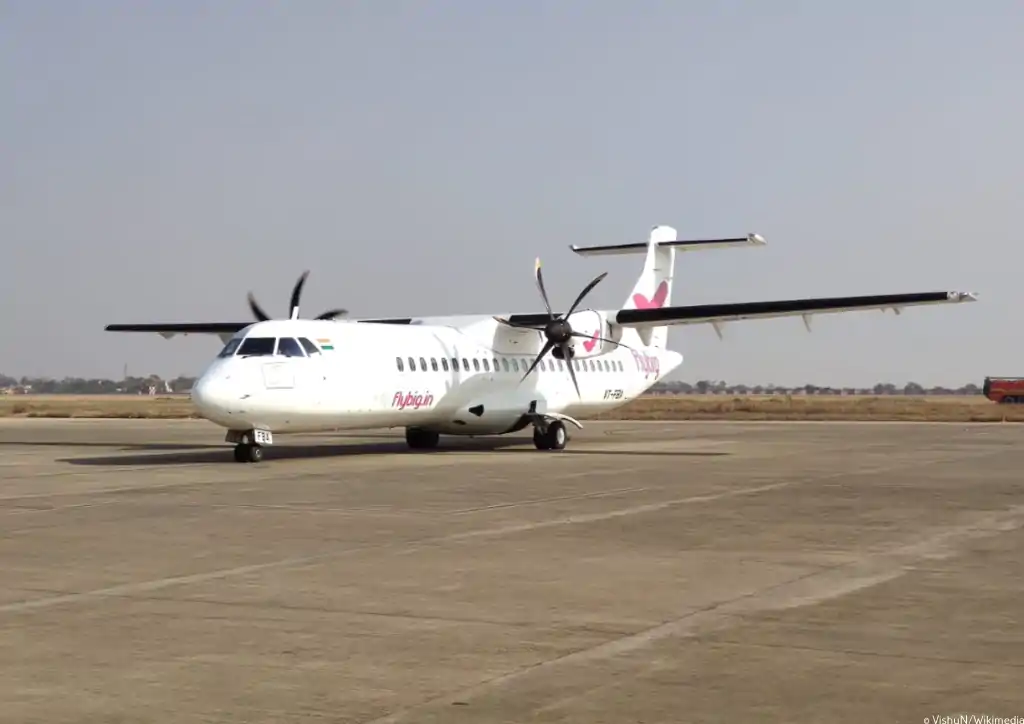
Flybig, the Indian regional specialist airline, recently made significant changes to its fleet as it returned its sole ATR72-500 to Avation through a mutual agreement. Subsequently, this 12-year-old turboprop was sold to Buddha Air in Nepal, marking an interesting development in the regional aviation sector.
The Return of VT-FBA
Flybig's ATR72-500, registered as VT-FBA with manufacturer serial number (MSN) 955, operated its last revenue flight on August 27, 2023. According to Flightradar24 ADS-B data, this flight took the aircraft from Kolkata to Guwahati. Following this flight, the aircraft was positioned at Hyderabad International Airport on October 9, 2023, as it was returned to its lessor, Avation.
The Sale to Buddha Air
On October 27, 2023, VT-FBA was ferried from Hyderabad to Kathmandu, Nepal, where it received a new registration, 9N-AOC. This marked the official transfer of the ATR72-500 from Avation to Buddha Air. The sale of this 12-year-old turboprop to the Nepalese airline showcases the potential for continued service and value in older aircraft in the regional aviation market.
Flybig's Current Fleet
As Flybig bids farewell to its ATR72-500, the airline's fleet composition undergoes changes. Presently, the airline continues to operate two ATR72-600 aircraft, with one of them being active for passenger service. Additionally, Flybig maintains one DHC-6-400 in its fleet, a versatile and capable aircraft for regional operations. The pending delivery of two more Twin Otter aircraft indicates Flybig's commitment to expanding its regional services and increasing its capacity.
Conclusion
Flybig's decision to return its ATR72-500 to Avation and the subsequent sale to Buddha Air in Nepal underscores the dynamic nature of the regional aviation market. While the ATR72-500 has found a new home with a different operator, Flybig remains active with its ATR72-600 and DHC-6-400 aircraft. With the pending addition of two Twin Otter aircraft, Flybig continues to invest in expanding its regional services and maintaining a strong presence in the Indian aviation industry.
The aviation industry often witnesses fleet changes and reconfigurations, driven by various factors, including the operational requirements of airlines and market demand. Flybig's recent moves in this regard reflect the ongoing adaptability and resilience within the regional aviation sector. It will be interesting to observe how these developments impact the airline's operations and the regional aviation market in the future.
With Inputs from ch-aviation
Read next
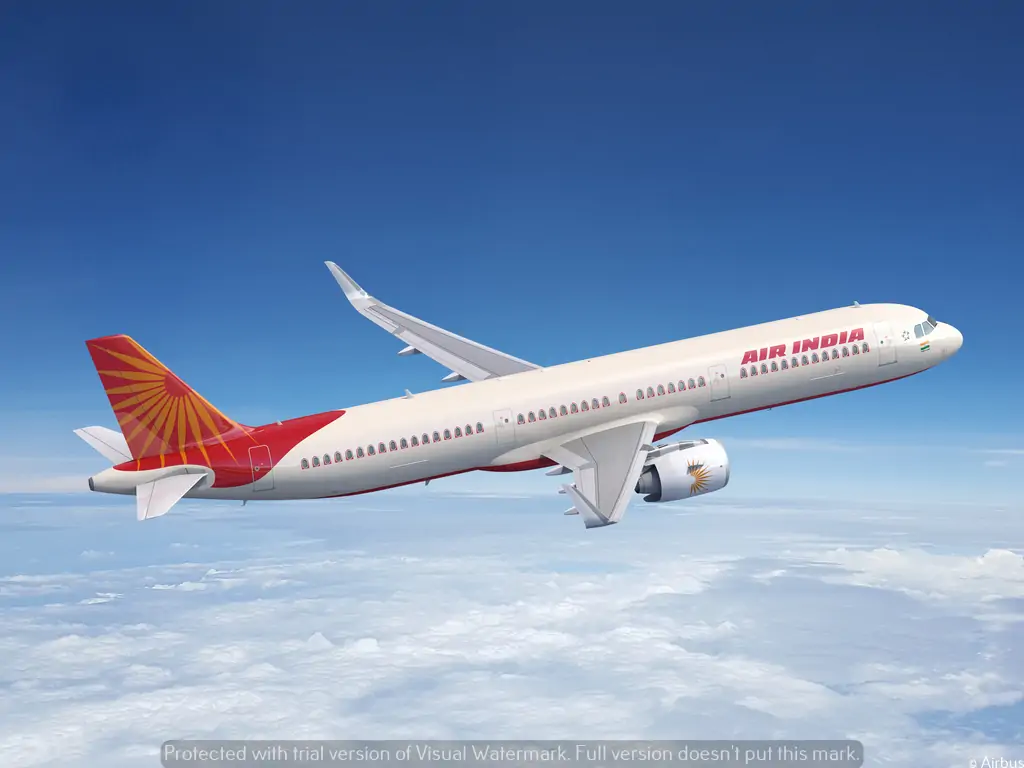
CDB Aviation, a wholly owned Irish subsidiary of China Development Bank Financial Leasing Co., Limited (“CDB Leasing”), announced today the delivery of the first fleet of six Airbus A320neo aircraft to India’s leading global airline, Air India.
In 2022, CDB Aviation became one of the first aircraft leasing companies to secure the placement of Air India’s additional A320neo aircraft, which will support the carrier’s multi-stage transformation initiative that is being rolled out after its acquisition by the Tata group. By incorporating the A320neo aircraft into the fleet, Air India aims to significantly reduce its carbon footprint, contributing to a greener and more sustainable future for India’s aviation sector.
“India is a key market for CDB Aviation, being one of the fastest growing aviation regions in the world and the second largest Asian market for new aircraft deliveries, with nearly 1,000 jets on order with Boeing and Airbus,” underscored Peter Goodman, CDB Aviation’s Chief Marketing Officer. “Our commercial team is delighted to have worked closely with Air India to address their fleet requirements with these new Airbus narrowbody aircraft from our order book. We are confident that these aircraft will play a pivotal role in Air India’s multi-stage transformation.”
In October, Campbell Wilson, Chief Executive Officer and Managing Director of Air India and Chairman, of Air India Express, stated that on average between now and the end of 2024, the Air India Group will take delivery of one new aircraft every six days.
About Airbus A320neo
Dubbed as the most successful commercial aircraft family ever. The Airbus A320neo has a great seating capacity. The aircraft can seat up to 194 passengers given a high-density configuration. This fuel-efficient single-aisle aircraft has reduced CO2 emissions and gives up to 20% fuel savings. With around 900 tonnes of reduced CO2 emissions per jet, the Airbus A320neo contributes towards a sustainable future.
Air India’s new Airbus A320neo will not just be good for the environment but will also provide passengers with an enhanced flight experience. Air India A320neo business class offers travelers a seamless journey with world-class facilities and guaranteed comfort. The economy class too is spacious with extra overhead storage and wider seats. You can look for cheap Air India flights to get first-hand experience with this advanced aircraft.
About CBD Aviation
CDB Aviation is a wholly owned Irish subsidiary of China Development Bank Financial Leasing Co., Ltd. (“CDB Leasing”) a 38-year-old Chinese leasing company that is backed mainly by the China Development Bank. CDB Aviation is rated Investment Grade by Moody’s (A2), S&P Global (A), and Fitch (A+). China Development Bank is under the direct jurisdiction of the State Council of China and is the world’s largest development finance institution. It is also the largest Chinese bank for foreign investment and financing cooperation, long-term lending and bond issuance, enjoying Chinese sovereign credit rating.
CDB Leasing is the only leasing arm of the China Development Bank and a leading company in China’s leasing industry that has been engaged in aircraft, infrastructure, ship, commercial vehicle and construction machinery leasing and enjoys a Chinese sovereign credit rating. It took an important step in July 2016 to globalize and marketize its business – listing on the Hong Kong Stock Exchange (HKEX STOCK CODE: 1606).
Read next
DGCA Issues New Norms for Breath Analyser Tests for Pilots & Crew Members

Radhika Bansal
02 Nov 2023

Pilots and crew members cannot use mouthwash, tooth gel or any such substance with alcoholic content, as that could result in a positive reading of the breath analyser test, according to revised norms issued by the Directorate General of Civil Aviation. Besides, various changes have been made to the norms about the procedure for medical examination of aircraft personnel for alcohol consumption.
In an official release on Wednesday, November 1, the aviation regulator said it has revised the Civil Aviation Requirements (CAR) on the procedure for medical examination of aircraft personnel for alcohol consumption to enhance the safety of aircraft operations coupled with streamlining provisions of the existing regulations in line with feedback from industry and stakeholders from time to time for more effective implementation.
"No crew member shall consume any drug/formulation or use any substance such as mouthwash/tooth gel or any such product with alcoholic content. This may result in a positive breath analyser test. Any crew member undergoing such medication shall consult the company doctor before undertaking flying assignment," the DGCA stated.
The aviation watchdog, in the draft CAR, had proposed barring crew from using any "drug/formulation or use any substance such as mouthwash/tooth gel/perfume or any such product which has alcoholic content". Yet, the word 'perfume' is not included in the final CAR.
According to DGCA, breath analyser equipment with fuel cell technology has been made mandatory and a procedure for oversight and surveillance of calibration agencies has been introduced.
"To prevent missed breath analyser cases, a provision has been introduced wherein the operating crew travelling as passengers shall undergo breath analyser test at the boarding station in case of ramp to ramp transfer for operating flight," it said in the CAR dated October 30.
Among other requirements, camera recording of breath analyser testing has been made mandatory for operators engaged in seasonal pilgrimage operations and non-scheduled operators. Also, State governments should ensure compliance with this requirement at base stations and in cases where they are away from the base station for more than two days and operate a flight from there.
"If any crew member/student pilot after reaching the airport feels that he/she is unable to discharge his flying duties safely due to sickness, the crew member will intimate his company and in such case, the breath analyzer test shall not be conducted and the same will not be considered as missed BA. However, the crew member/ student pilot shall not be rostered for flying duties on that day and subsequently shall be rostered for flying duties after review by the company doctor," the release said.
To facilitate the operators, especially in general aviation, the regulator has enhanced the scope of facilities for undergoing the breath analyser examination.
Under the DGCA norms, for all scheduled operators, each flight crew member and cabin crew member shall be subjected to a pre-flight breath analyser examination at the first departure airport during a flight duty period. For all scheduled flights originating from destinations outside India, post-flight breath analyser examination of each flight crew and cabin crew shall be carried out at the first port of landing in India, as per the norms.
Stringent punishments are in place when a crew tests positive in a breath analyser test, depending on whether it is repetitive. It is applicable for both pre- and post-flight tests.
As per the DGCA norms, any crew members or pilots testing positive in the post-flight BA test for the first time will face suspension of license for a year, and action will be initiated as per rules.
“If an expatriate pilot is caught in the same situation, then their Foreign Aircrew Temporary Authorization (FATA) will be cancelled. If a crew tested positive in the post-flight BA test in one instance and missed the test in another or vice versa, will have to face suspension of license/approval for three years", the report cited the aviation watchdog as saying.
The DGCA also said that to prevent missed breath-analyser cases, a provision has been introduced wherein the operating crew travelling as passengers will undergo the test at the boarding station in case of ramp-to-ramp transfer for operating flight.
Read next
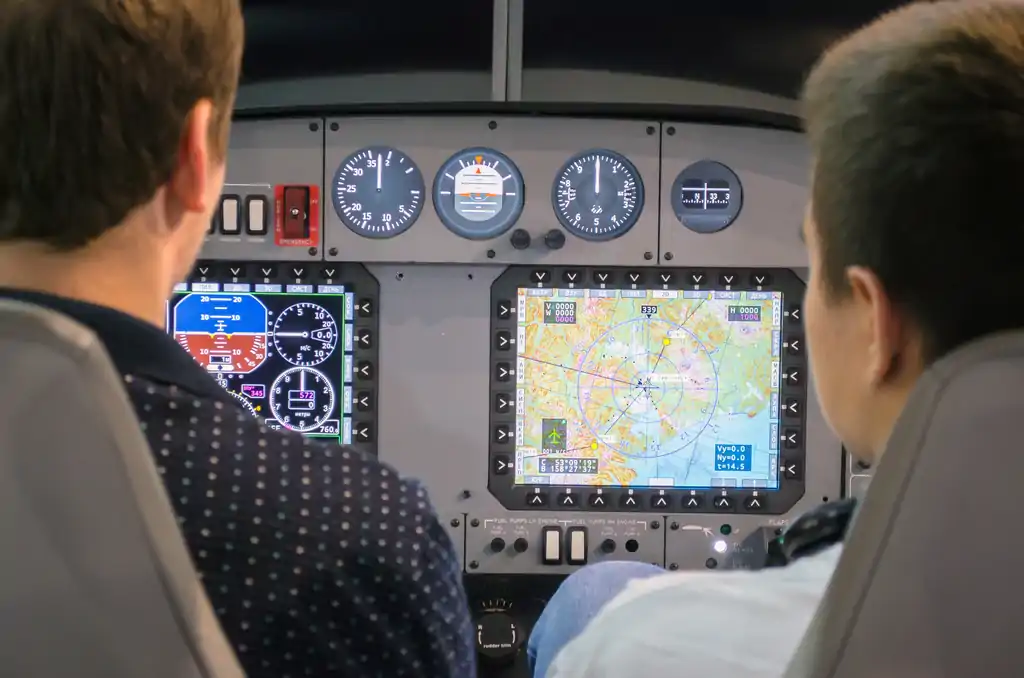
In the realm of aviation, where safety and precision are paramount, aeronautical charts play a pivotal role. These charts serve as navigational lifelines for pilots, guiding them through the skies and helping them make crucial decisions. Charts are security. Charts are essential. Even a cockpit full of computers is no substitute for a map.
The Evolution of Aeronautical Charts
Aeronautical charts have come a long way since their inception. Traditionally, pilots relied on paper charts known as sectional charts. These maps, produced with intricate details, offered a visual representation of the terrain, landmarks, and navigational aids between destinations. Over time, these charts have evolved to accommodate the changing aviation landscape.

In the modern era, a significant transformation has occurred with the advent of technology. Cockpits are now equipped with high-tech displays that provide real-time information, thanks to Global Positioning System (GPS) technology. These moving-map cockpit displays, often powered by powerful silicon chips, give pilots a dynamic view of their position, the route, and essential data at their fingertips. While these digital displays offer convenience, traditional paper charts still play a vital role in aviation.
The Role of Aeronautical Charts in Navigation
Aeronautical charts serve as an indispensable tool for pilots, offering a plethora of critical information. They assist in the following aspects:
- Position Determination: Aeronautical charts, whether in digital or traditional form, help pilots ascertain their exact position at any given time. This is especially crucial during flights, ensuring aircraft stay on the intended course.
- Safe Altitude: Charts provide data on recommended safe altitudes, preventing collisions with obstacles like mountains, buildings, or towers.
- Routing: They offer guidance on the best routes to reach a destination, helping pilots navigate efficiently.
- Navigation Aids: Charts include information on navigational aids such as radio beacons, which aid pilots in orientation and decision-making during their flight.
- Emergency Landing Areas: In case of an in-flight emergency, charts also identify alternative landing areas, ensuring the safety of both passengers and the aircraft.
- Radio Frequencies and Airspace Boundaries: Charts provide details on radio frequencies for communication and boundaries of different airspaces, allowing pilots to operate within designated zones.

Types of Aeronautical Charts

A variety of aeronautical charts cater to different phases of a flight:
- Visual Flight Charts: These are categorized by scale, with World Aeronautical Charts (WACs) having a scale of 1:1,000,000 and covering larger areas, while Sectional Charts cover approximately 340x340 miles with a scale of 1:500,000. VFR terminal area charts focus on the vicinity of large airports with a scale of 1:250,000.
- Instrument Flight Rules (IFR) Charts: Designed for flights under IFR, these charts are rich in information about waypoints, routes, and minimum safe altitudes. En-route low- and high-altitude charts are published according to the density of navigation data needed in specific areas.
- Terminal Procedure Publications: These provide detailed information for arrivals, departures, and taxiing at airports with instrument capabilities.

Adapting to the Modern World
Aeronautical charts have evolved in response to the changing world and the need for more detailed information. They now include not only natural landmarks but also man-made structures, such as cell phone towers, stadiums, and skyscrapers. This adaptation is essential as it ensures pilots have a comprehensive view of their surroundings, particularly when flying at lower altitudes or near congested airspace.
Furthermore, as the sky becomes increasingly regulated, charts are updated to reflect the ever-growing list of restricted areas, including airspace over government buildings, military zones, and practice areas for specific aircraft maneuvers. This information keeps pilots informed and helps them adhere to the necessary regulations.
Conclusion
Aeronautical charts remain a fundamental aspect of aviation. Whether digital or traditional, these charts provide pilots with the essential data needed for safe and efficient flight. As technology advances and aviation landscapes change, the evolution of aeronautical charts continues to play a crucial role in ensuring the skies remain a secure and navigable domain for all aircraft.
With Inputs from AOPA, Smithsonian Magazine
Comment