

AVIAREPS, the world’s leading international representation, marketing, and communications company for aviation, tourism, hospitality, and food & beverage brands, has taken a bold step toward expanding its presence in the global cargo sector. With the recent appointment of Frederick Overton as Global Head of Cargo, AVIAREPS signals its intent to become a dominant force in the fast-paced air freight industry.
Overton, a seasoned industry expert with experience in several major airline groups, is tasked with overseeing and expanding AVIAREPS’ cargo division. His leadership marks a pivotal moment for the company, which has provided cargo General Sales Agent (GSA) services locally for years and now aims to scale that expertise globally.
Why Is Air Cargo So Crucial to Global Trade?
Air cargo plays an integral role in the global economy, facilitating the swift and secure transport of goods across continents. While air freight accounts for only 1% of total freight by weight, it contributes 35% of global trade by value. It is particularly vital for industries that rely on high-value, time-sensitive goods, such as pharmaceuticals and electronics.
With passenger airlines increasingly dependent on cargo income as an additional revenue stream, the belly-hold of passenger aircraft is often utilized for freight. This dual usage of aircraft maximizes efficiency and enhances financial resilience for airlines, enabling them to stay profitable.
Frederick Overton’s Vision for AVIAREPS’ Cargo Division
Frederick Overton brings significant air cargo experience and leadership to his new role at AVIAREPS. Under his guidance, the company will leverage its aviation experts and local market knowledge to connect airlines with freight forwarders and logistics providers. This will ensure seamless cargo transport services across the globe.
Key services offered by AVIAREPS’ cargo division include:
- Cargo Sales
- Reservations and Customer Service
- Truck & Flight Planning
- Revenue Accounting
- Total Cargo Management
AVIAREPS aims to provide a comprehensive cargo solution, ensuring that their clients can rely on smooth and efficient operations across the entire logistics chain.
A Growing Industry with Endless Potential

According to AVIAREPS’ CEO, Edgar Lacker, the cargo sector holds great potential for growth. As the global economy becomes more interconnected, the demand for rapid and reliable transportation of goods is skyrocketing.
In particular, the growth of e-commerce has driven demand for air freight services. This trend has been accelerated by the ongoing digital transformation, making paperless shipments and digital bookings increasingly essential in the industry. Yet, Overton emphasizes that despite these advancements, face-to-face interactions and interpersonal connections remain key to success in the cargo business.
Global Reach, Local Expertise
AVIAREPS boasts an expansive global office network with 71 offices in 67 countries. This global reach, combined with local market knowledge, positions AVIAREPS to offer the best possible service to its cargo clients. Overton’s leadership will capitalize on these connections, helping airlines and logistics providers expand their cargo operations worldwide.
As he steps into his new role, Frederick Overton expressed his enthusiasm: “I am proud to be entrusted with overseeing the AVIAREPS air cargo GSA division. It is an exciting industry that can adapt quickly if consumer demand changes and has easily adjusted to the ever-growing e-commerce market.”
The Future of Air Cargo at AVIAREPS
With Overton at the helm, AVIAREPS is poised to disrupt and expand its presence in the global air cargo sector. As the industry continues to evolve and grow, the company’s combination of global reach, local expertise, and a robust service portfolio will be essential in achieving success.
For industries that rely on rapid, reliable transport of goods, AVIAREPS’ cargo services offer a critical solution, connecting economies and bringing exports to markets at lightning speed.

Read next

In January 2022, Air India, long burdened by financial losses, was taken over by the Tata Group. With this acquisition, a wave of transformation began rippling through the airline, aiming to revive its glory and propel it into the future of aviation. Today, the airline has made significant strides in digital innovation, breaking down barriers and embracing artificial intelligence (AI) to redefine how it operates.
At the forefront of this revolution is Satya Ramaswamy, Air India’s Chief Digital & Technology Officer. Speaking at the CAPA India Digital Aviation Summit, he shed light on how the airline has successfully integrated digital tools to streamline operations, improve customer experiences, and gain a competitive edge.
Breaking Data Silos: A Game-Changer for Air India
One of the standout achievements in Air India’s digital transformation journey has been the dismantling of data silos across the organization. In the past, departmental data was often isolated, making collaboration and comprehensive analysis difficult. By building an infrastructure without these silos, Air India has ensured seamless data sharing across multiple departments.
This move has provided the airline with a significant competitive advantage. The ability to correlate data from different sectors has enhanced decision-making processes, allowing the airline to respond faster to both customer needs and market dynamics. For an airline competing on a global scale, such real-time insight is crucial.
Merging with Vistara: A Digital Upgrade in Progress

The upcoming merger between Air India and Vistara is set to create one of the largest and most advanced airlines in the region. Vistara, a joint venture between Tata Group and Singapore Airlines, is known for its customer-centric operations and modern technology. The merger, scheduled for November, promises to bring a wealth of digital advantages to both employees and customers.
According to Ramaswamy, the merger process has involved a close collaboration between the Air India and Vistara technology teams. “About 140 systems were mapped” as part of the integration, signaling a smooth transition for both operations and data management. Customers and employees of Vistara are set to enjoy a significant digital upgrade, enhancing both service and experience.
Embracing AI: Air India’s Next Frontier
With its transformation in full swing, Air India is not stopping at data integration. It is set to become an AI-infused company, positioning itself as a pioneer in leveraging AI technologies in aviation.
One of the most impressive AI-driven initiatives is Air India’s AI.g—a generative AI virtual agent. This cutting-edge system handles around 30,000 customer queries a day, achieving a 97% containment ratio. This means 97% of customer queries are resolved without needing human intervention, freeing up staff to focus on more complex issues and ensuring faster responses for passengers.

The Importance of Culture and Communication in Digital Transformation
Behind every successful digital transformation is a focus on culture and communication. According to Ramaswamy, creating a “data transparent and data-driven organization” is key to ensuring that employees at all levels can benefit from and contribute to the digital shift. This openness fosters collaboration, innovation, and trust across the airline’s vast network.
Effective communication also plays a vital role. By ensuring that every employee understands the goals of the transformation and their part in it, Air India is building a foundation of shared responsibility and motivation.
The Most Complex Digital Transformation Project?
When asked whether Air India’s digital transformation was the most complex project he had ever undertaken, Ramaswamy’s response was definitive: “Absolutely without any doubt.” The scale of operations, the integration of cutting-edge technology, and the necessity of rethinking legacy systems all combine to make this transformation both ambitious and challenging. Yet, the results are already apparent, with Air India poised to be a leader in the future of AI-driven aviation.
Conclusion: A Bright Digital Future for Air India
Air India’s transformation is more than just a technological overhaul—it’s a bold reimagining of how an airline can operate in the modern world. By eliminating data silos, embracing AI, and fostering a culture of transparency, Air India is not only streamlining operations but also elevating the customer experience.
With its ongoing merger with Vistara and a commitment to innovation, the airline is set to soar higher than ever before. As Ramaswamy continues to lead this transformation, Air India’s digital revolution is one to watch, as it reshapes not just the airline, but the entire aviation industry.
Read next

Club Vistara, the frequent flyer program of India’s premier full-service carrier, Vistara, has once again garnered global recognition, setting a benchmark for airline loyalty programs in the Asia Pacific. In 2024, the program was honored with two prestigious awards at the Frequent Traveler Awards, solidifying its position as a leading player in the travel loyalty industry. Let’s delve deeper into how Club Vistara’s innovative approach is redefining loyalty programs across the region.
Prestigious Accolades at the 2024 Frequent Traveler Awards
At the 2024 Frequent Traveler Awards, Club Vistara was named the ‘Airline Loyalty Program of the Year’ in Asia Pacific and also received the award for ‘Best Airline Customer Service’ in Asia Pacific. What makes these achievements even more significant is the fact that the winners were decided by over 3.4 million customer votes from 186 countries, with nearly 300 travel loyalty programs nominated across multiple categories.
These back-to-back recognitions are a reflection of Club Vistara's commitment to providing unparalleled customer value, while reinforcing Vistara’s reputation as India’s finest full-service airline.
A Customer-Centric Loyalty Program
Since its launch in 2015, Club Vistara has continuously evolved, offering its customers much more than just miles and rewards. The loyalty program is designed to enhance various aspects of a customer’s lifestyle, offering privileges not just in the air but on the ground as well. From fast-tracked upgrades to exclusive experiences and collaborations with global brands, Club Vistara prioritizes customer satisfaction and ensures its members receive maximum value.
Deepak Rajawat, Chief Commercial Officer of Vistara, emphasized the importance of customer loyalty, stating, “These awards reflect the hard work and passion of our team to constantly elevate the customer experience with our ever-evolving offerings. Ever since its launch in 2015, Club Vistara has been a much-appreciated loyalty program amongst customers and a key contributor to Vistara’s growth.”
What Sets Club Vistara Apart?
Comprehensive Lifestyle Rewards
Club Vistara distinguishes itself by offering its members a wide array of benefits that go beyond the conventional mileage-based rewards. These include partnerships with luxury hotels, car rental services, and access to premium lounges, creating a holistic experience for frequent fliers.
Personalized Experiences
Understanding the unique preferences of its customers, Club Vistara continuously tailors its offerings. Whether it’s exclusive deals with partner airlines or curated experiences that reflect the evolving needs of today’s travelers, the program stays a step ahead in delivering personalized value.
A Bridge to the Future with Air India
As Vistara integrates into Air India’s Flying Returns program, frequent fliers can expect a unified loyalty ecosystem, providing access to a larger network and additional benefits. Rajawat further highlighted, “We truly cherish our family of frequent fliers for their love and support over the years, and look forward to their continued patronage in the unified program as Club Vistara integrates into Air India Flying Returns.”
Vistara: A Leader in Global Airline Rankings

Vistara’s reputation extends far beyond its loyalty program. The airline continues to excel on multiple fronts, winning numerous global awards. It is recognized as India’s highest-rated airline on Skytrax and TripAdvisor, and it recently earned the distinction of being the ‘16th Best Airline in the World’ at the 2024 World Airline Awards. This marks the second consecutive year that Vistara has been ranked within the top 20 airlines globally.
Moreover, the airline has received several regional accolades:
- ‘Best Airline in India and South Asia’ – Four years in a row
- ‘Best Airline Staff in India and South Asia’ – Six consecutive years
- ‘Best Cabin Crew in India and South Asia’ – Four consecutive years
- ‘Best Business Class Airline in India and South Asia’ – Three consecutive years
The airline is also proud to be recognized for its modern fleet, having received the ‘World’s 4th Youngest Aircraft Fleet’ and ‘Asia’s 2nd Youngest Aircraft Fleet’ awards in 2024 by ch-aviation.
The Future of Club Vistara
Club Vistara’s success story is one of constant evolution, commitment to customer satisfaction, and a focus on innovation. As the program transitions into a unified loyalty platform with Air India Flying Returns, frequent fliers can look forward to an even more comprehensive and rewarding experience.
In an increasingly competitive airline industry, Club Vistara continues to set new standards, proving that a well-executed loyalty program can be a key driver of success and customer loyalty.
Conclusion: A Winning Formula for the Future
Club Vistara’s repeated success at the 2024 Frequent Traveler Awards demonstrates the program’s ability to adapt and innovate in a fast-changing market. By focusing on customer satisfaction, personalized experiences, and holistic rewards, Vistara has created a loyalty program that resonates deeply with travelers. As the airline prepares to integrate with Air India’s Flying Returns, frequent fliers have much to look forward to in terms of expanded rewards and global benefits.
With these prestigious accolades in its portfolio, Vistara continues to raise the bar for airlines in the Asia Pacific, firmly positioning itself as an industry leader in customer service and loyalty programs.
Read next

Air India’s newly introduced policy requiring a dedicated committee to review fatigue calls by pilots and cabin crew has sparked a heated debate across the aviation industry. While the airline aims to combat fatigue-related issues and improve operational safety, critics argue that this new approach may have unintended consequences, particularly regarding pilots’ willingness to self-report fatigue.
The Core of the Policy: Fatigue Review Committee
Air India's policy mandates that a specialized committee assess all fatigue reports submitted by flight crews. The committee is responsible for evaluating whether the reported fatigue is legitimate, potentially identifying systemic patterns, and offering solutions to prevent future incidents. This initiative comes as part of a broader effort to ensure that fatigue, a known threat to flight safety, is adequately addressed within the organization.
Concerns Raised: Could the Policy Deter Reporting?
Despite the policy’s good intentions, many within the aviation industry, particularly pilots, have voiced their concerns. The primary fear is that introducing a review committee could inadvertently discourage pilots from reporting fatigue.
Potential Repercussions for Pilots
Some pilots worry that reporting fatigue might subject them to increased scrutiny, leading to repercussions or negative evaluations from the airline. This fear, critics say, may prompt pilots to avoid reporting their fatigue to protect their careers. As a result, pilots who might otherwise declare themselves unfit for duty could choose to fly, putting themselves, passengers, and the airline at risk.
The Impact on Safety
Pilot fatigue has long been recognized as a critical safety issue in aviation. Studies have shown that fatigued pilots are more likely to make errors, which can have severe consequences. By discouraging honest self-reporting, the policy could inadvertently create an environment where pilots fly while fatigued, increasing the likelihood of accidents or incidents.
Supporters’ Perspective: Accountability and Safety Oversight
Advocates of the policy argue that it is crucial for operational safety and accountability. Proponents believe the structured review process will help the airline better understand the root causes of fatigue, allowing it to implement targeted solutions.
Creating a Culture of Safety
Supporters also emphasize that the policy could foster a culture where fatigue is openly discussed, and not swept under the rug. By encouraging crew members to report their fatigue with the assurance that each case will be thoroughly reviewed, Air India aims to strike a balance between maintaining flight schedules and ensuring the health and safety of its pilots and passengers.
Identifying Patterns of Fatigue
The review committee could help identify trends in fatigue across the workforce. For instance, if several pilots report fatigue during the same type of route or flight schedule, the airline can adjust its operations accordingly. In the long run, this proactive approach could lead to fewer fatigue-related incidents and improved overall safety.
A Critical Balancing Act: Safety vs. Trust
The central challenge Air India now faces is finding a balance between ensuring operational safety and fostering a transparent environment where pilots feel comfortable reporting fatigue. In aviation, pilot trust in the system is paramount. If pilots fear that reporting fatigue could lead to career consequences, they may be more inclined to remain silent—even when they know they’re too tired to fly safely.
Learning from Other Airlines
Globally, airlines have adopted various approaches to managing pilot fatigue. Some airlines have implemented non-punitive fatigue reporting systems, where fatigue calls are treated confidentially and without fear of consequences. These systems have been successful in creating an atmosphere of trust, encouraging pilots to report fatigue without hesitation.
Industry-Wide Observations and Future Implications
As Air India rolls out its new policy, industry stakeholders are closely watching its impact. Both pilots and regulatory bodies are keen to see whether this policy improves safety by addressing fatigue more effectively or whether it stifles transparency.
The Road Ahead for Air India
The success of this policy will depend on how it is implemented and monitored. Ensuring that pilots trust the process, combined with effective communication from the airline, will be crucial to its long-term success. The aviation industry is watching closely, hoping that Air India can lead the way in addressing fatigue while maintaining a safe and supportive work environment for its crews.
Conclusion
Air India’s introduction of a fatigue review committee has ignited a complex debate within the aviation world. While the intention behind the policy is clear—enhancing safety through greater oversight—its real-world impact remains uncertain. Striking a balance between fostering open communication and ensuring accountability will be key as the airline navigates this critical issue.
With Inputs from TTW
Read next
As India aspires to become a "Viksit Bharat" (Developed Nation) by 2047, the aviation sector is poised to play a crucial role in realizing this vision. Union Civil Aviation Minister Kinjarapu Rammohan Naidu recently highlighted the country’s ambitious plan to drastically increase the number of airports and significantly boost tourism. This announcement was made during his speech at an event organized by the Tourism Ministry to commemorate World Tourism Day at Vigyan Bhawan, New Delhi.
India’s Airport Network: The Growth So Far
The growth of India's aviation infrastructure has been rapid over the past decade. In 2014, India had 74 operational airports. However, in less than ten years, the number has more than doubled, reaching 157 airports today. This expansion is vital to accommodating the growing number of travelers—jumping from 4.6 crore (46 million) passengers in 2014 to nearly 7 crore (70 million) today. A significant portion of this increase is attributed to foreign tourists, with more than 35% arriving for holidays and recreation.
The Vision for 2047: 350 Airports in Sight
In line with the broader vision of a developed India by 2047, the Civil Aviation Ministry is now working towards a more ambitious target—building 350 airports. This would not only strengthen domestic air connectivity but also attract millions of foreign tourists.
Minister Naidu outlined the government's roadmap to achieving this target, emphasizing the importance of developing previously underserved or unserved regions. He stated, "We are looking at connecting more of these hinterland locations which are close to these unexplored gems by creating more airports also." The focus on connecting the hinterlands, especially locations rich in natural beauty and cultural heritage, could help unlock the untapped tourism potential of rural and remote areas.
UDAN Scheme: Making Air Travel Affordable
One of the flagship programs supporting this vision is the Ude Desh Ka Aam Nagrik (UDAN) scheme, introduced by Prime Minister Narendra Modi’s government. UDAN aims to make air travel accessible and affordable for the common man by subsidizing flights to smaller cities and underdeveloped regions. By lowering ticket prices and reducing travel times, the scheme has been instrumental in boosting domestic travel and tourism.
Minister Naidu praised the scheme’s success, stating that it has been a game-changer for the aviation sector, bringing previously unreachable destinations closer to the average traveler. The program is expected to further expand as more airports are built under the government’s broader infrastructure development plans.
Hinterland Connectivity: Unexplored Gems Await
The Civil Aviation Ministry is placing a strong emphasis on connecting smaller towns and cities to larger metropolitan areas. Many of these areas are located near breathtaking landscapes, which have remained largely unexplored due to limited accessibility. By creating airports in these locations, the government aims to offer tourists new travel experiences while simultaneously fostering economic growth in these regions.
Naidu’s vision aligns closely with the government’s tourism strategy, which seeks to diversify India’s tourist destinations beyond the typical hotspots like Goa, Rajasthan, and Kerala. From the picturesque hills of the Northeast to the serene backwaters of South India, the hinterlands are poised to become the next big thing in Indian tourism.
Expanding Seaplane and Helicopter Services
In addition to building more airports, the government is keen to expand seaplane and helicopter services, which will further enhance connectivity to remote and inaccessible regions. Minister Naidu noted the importance of integrating these services into the country’s aviation ecosystem to make air travel more versatile.
Seaplane services have already been introduced in states like Gujarat and the Andaman Islands, while helicopter services are being increasingly used in mountainous regions like the Himalayas. The expansion of these services could offer tourists quicker and more convenient access to India’s most scenic and remote locations.
Airports as Gateways to Tourism

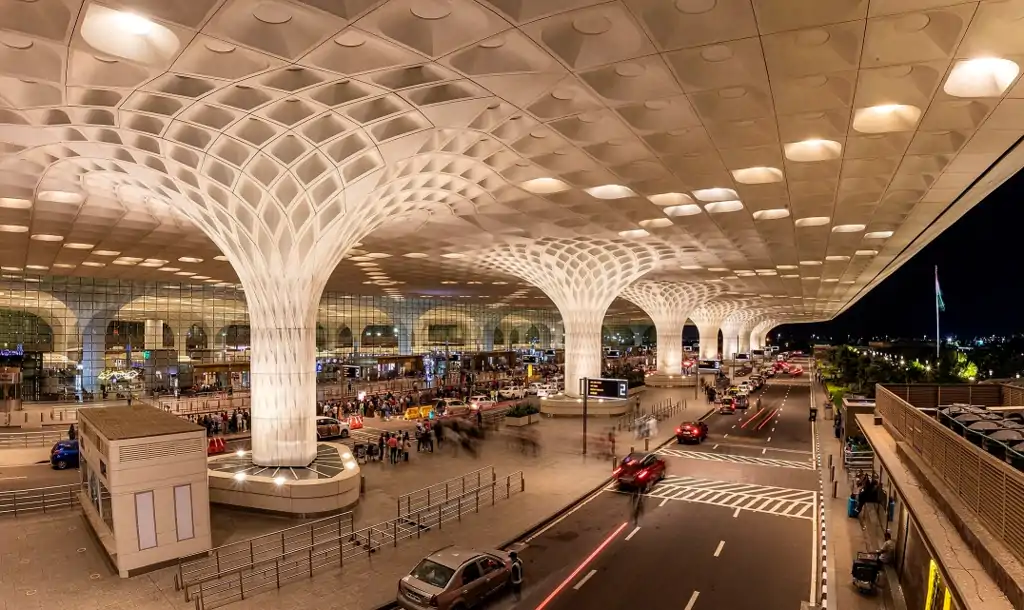
Minister Naidu also touched on the importance of modernizing existing airports to offer better hospitality and facilities to foreign tourists. Airports are often the first point of contact for international visitors, making them critical to shaping a tourist’s first impression of the country.
By investing in world-class infrastructure and enhancing passenger experience, the government hopes to create welcoming gateways that reflect India’s famed culture of hospitality, or "Atithi Devo Bhava" (Guest is God). This initiative could significantly improve India’s appeal as a global tourist destination.
Can This Vision Be Realized?
The aviation and tourism sectors are deeply intertwined, with air travel serving as the primary mode of transport for international visitors. By increasing the number of airports, improving connectivity, and offering diverse travel experiences, India stands a chance to unlock its full tourism potential.
However, challenges remain. Building airports in remote areas requires substantial investment in infrastructure and logistics. Moreover, maintaining affordability while ensuring profitability for airlines will be key to the long-term success of schemes like UDAN. Yet, with strong political will and strategic planning, India could be on track to becoming a global tourism hub by 2047.
Conclusion: Aiming for a Viksit Bharat
India's journey towards becoming a developed nation by 2047 hinges on the success of projects like its aviation expansion. By boosting domestic connectivity, making air travel more accessible, and promoting unexplored destinations, the country has the potential to attract millions of tourists, thereby fostering economic growth. As the aviation minister aptly noted, airports are the gateways to a nation, and with 350 airports in the pipeline, India is well-positioned to welcome the world with open arms.
Read next
Tata Group’s Journey to Make Air India "World Class" Amidst Fleet Refits and Global Challenges
Abhishek Nayar
28 Sep 2024

Air India, once a symbol of Indian aviation excellence, has been undergoing a massive transformation since the Tata Group reclaimed it in a $2.4 billion deal two years ago. However, re-kitting its ageing fleet amidst parts shortages and managing persistent flight delays pose significant challenges for the airline’s ambition to become "a world-class airline."
The Challenges of Rebuilding an Ageing Fleet
The global shortage of aircraft parts is affecting airlines worldwide, but Air India's situation is particularly acute. CEO Campbell Wilson points out that the carrier is facing a unique challenge in updating a fleet that hasn’t been refreshed since 2010. As the airline reaches the halfway mark of its five-year turnaround plan, it is already behind competitors like Emirates and Qatar Airways, who have long embraced modern aircraft and amenities.
“Our product is obviously a lot more dated,” said Wilson, highlighting the outdated seats and in-flight entertainment systems. This makes it harder for Air India to compete, especially in the premium travel market, where travelers expect cutting-edge comfort and service.
Upgrading the Fleet: A $400 Million Commitment

In an effort to catch up with global standards, Air India has placed massive orders for 470 new planes, including 70 widebody jets, which are crucial for its long-haul international routes. The airline has already taken delivery of six Airbus A350s and leased 11 Boeing 777s.
Additionally, Air India has committed $400 million to retrofit its existing aircraft. This process will see 67 planes upgraded, including 27 narrowbody jets that should be ready by mid-2025. However, delays in securing customized business and first-class seats have pushed the start of refits on the widebody planes to early 2025, extending the overall timeline by two years.
These delays, compounded by a global shortage of skilled labor in seat manufacturing, are slowing Air India's efforts to quickly elevate its service to international standards.
Focus on Premium Travelers
The airline's reputation depends heavily on the experience it offers to premium customers, particularly those who are willing to pay for luxury travel. Attracting these high-spending flyers is critical to Air India's turnaround. Unfortunately, outdated planes and services make it difficult for the airline to lure premium customers, despite offering direct flights on popular international routes.
In a bid to counter this, Air India is focusing its newer aircraft on its most profitable long-haul routes, such as Mumbai-San Francisco and Delhi-London. These routes are crucial for boosting profitability, and by deploying modern planes, the airline hopes to regain customer confidence.
Financial Improvements: A Path to Profitability?
Despite the hurdles, Air India has shown promising financial improvements. In the year ending March 2024, the airline increased its capacity by 21% compared to the previous year, raised its revenue by 24.5% to $6.15 billion, and managed to reduce its net losses by 60%, to $532 million. However, CEO Wilson has refrained from setting a specific target date for reaching profitability, given the ongoing challenges.
Flight Delays and Operational Issues

Air India’s performance on punctuality still leaves much to be desired. In August, only 18% of its flights to Europe and 48% to North America arrived on time. These delays, many of which are due to maintenance-related issues, continue to plague the airline.
However, there is hope on the horizon. Air India plans to shift its maintenance to a new facility being developed in partnership with SIA Engineering, a subsidiary of Singapore Airlines. This facility, expected to be ready by 2026, is designed to reduce maintenance delays significantly, but until then, Air India remains contractually obligated to use government-owned Air India Engineering Services Ltd.
Strategic Partnerships and Mergers: Strengthening the Airline's Future
To strengthen its position in the Indian aviation market, Air India is consolidating its low-cost and premium brands. The merger of Air India Express and AirAsia India is set to be completed by October 2024, while the integration of Vistara, a joint venture with Singapore Airlines, is scheduled for November. Singapore Airlines will own a 25% stake in the new Air India, and has agreed to invest up to $600 million in the turnaround plan.
Conclusion: The Road Ahead for Air India
As Air India embarks on this journey of revival, it faces numerous challenges, from fleet upgrades to operational inefficiencies. However, under Tata Group’s leadership and with its strategic alliances, the airline is laying the groundwork for a stronger, more competitive future.
Two years in, Campbell Wilson believes the airline is in a “good place,” but the road to becoming a world-class airline is still long and filled with obstacles. With fleet refits underway, operational improvements in the pipeline, and a focus on premium services, Air India is positioning itself to once again become a global leader in aviation.
With Inputs from Reuters
Comment