

As the global rollout of 5G technology continues at an unprecedented pace, the Directorate General of Civil Aviation (DGCA) in India has issued a directive mandating airlines to upgrade their aircraft's radio altimeters (RAs).
This move comes in response to potential interference concerns between 5G telecommunications signals and existing aviation equipment. The decision was prompted by a series of regulatory actions and collaborative efforts between aviation authorities, telecom operators, and aircraft manufacturers.
Background
In November 2022, the Department of Telecommunications (DoT) directed major Indian telecom operators, including Bharti Airtel, Reliance Jio, and Vodafone Idea, to avoid deploying 5G base stations in the 3,300-3,670MHz frequency range (C-band) within specified proximity to airports. These restrictions aimed to prevent interference with airplane RAs and were applicable within zones extending 2,100 meters from both ends of a runway and 910 meters from the runway's centerline.
Temporary Restrictions and Aircraft Manufacturers' Response
To address the potential interference, the DoT imposed temporary restrictions on 5G base stations within a 540-meter perimeter of the specified zones, limiting their power output in the C-band to 58 decibel milliwatts (dBm). This measure was designed to remain in place until all aircraft operating in India were equipped with upgraded RAs.
In December 2022, the DGCA issued a directive instructing airlines to collaborate with aircraft and RA manufacturers for necessary replacements. Boeing and Airbus, two major aircraft manufacturers, communicated their timelines for retrofitting aircraft with upgraded RAs. Boeing aimed to complete the retrofitting of approximately 4,500 operational planes in the United States by March 2024, while Airbus indicated a retrofitting plan for its A320 family planes operating in India with upgraded RAs from Thales, a French electronics company.
Implications for the Indian Aviation Industry
The retrofitting process carries significant implications for the Indian commercial aviation sector, with Air India, for instance, comprising a fleet of 39% 787s and 777s. However, airlines have reassured us that the RA replacement is an overnight process that will not disrupt regular flight schedules. As of August 1, 2023, India's total commercial aircraft count stood at 647, with Airbus and Boeing constituting 68% and 22% of this total, respectively.
Financial Burden on Airlines
The financial burden of the RA upgrade falls squarely on the shoulders of the airlines. While the exact cost remains uncertain, the aviation industry is anticipated to face substantial expenses. The DGCA's decision was a result of extensive discussions with Indian carriers, driven by the DoT's insistence on a clear timeline for RA replacements.
Global Concerns and Varied Perspectives
The urgency of this issue is underscored by the U.S. Federal Aviation Administration reporting over 420 instances of anomalies in radio altimeters in areas with deployed 5G C-band as of January 2023. In nearly 100 cases, the possibility of interference from 5G emissions could not be ruled out. However, telecom industry executives in India emphasize differences between the U.S. and India, particularly a perceived 500 MHz frequency gap that they argue should allow safe aviation operations without interference.
Debates and Advocacy
The Cellular Operators Association of India has advocated for controlled flight simulations to verify that 5G signals do not disrupt air traffic control. The ongoing debate and subsequent actions reflect the complex interplay between advancing telecommunications technology and aviation safety, highlighting the need for careful coordination between sectors to ensure progress and safety in the skies.
Conclusion
India's directive to upgrade aircraft RAs in response to potential 5G interference represents a proactive approach to maintaining aviation safety amidst technological advancements. The collaboration between aviation and telecommunication sectors, along with the commitment of aircraft manufacturers, underscores the importance of regulatory measures to address emerging challenges in a rapidly evolving technological landscape. As the upgrade process unfolds, stakeholders must continue to navigate the complex interdependencies between telecommunications and aviation to ensure the skies remain safe and secure.

Read next
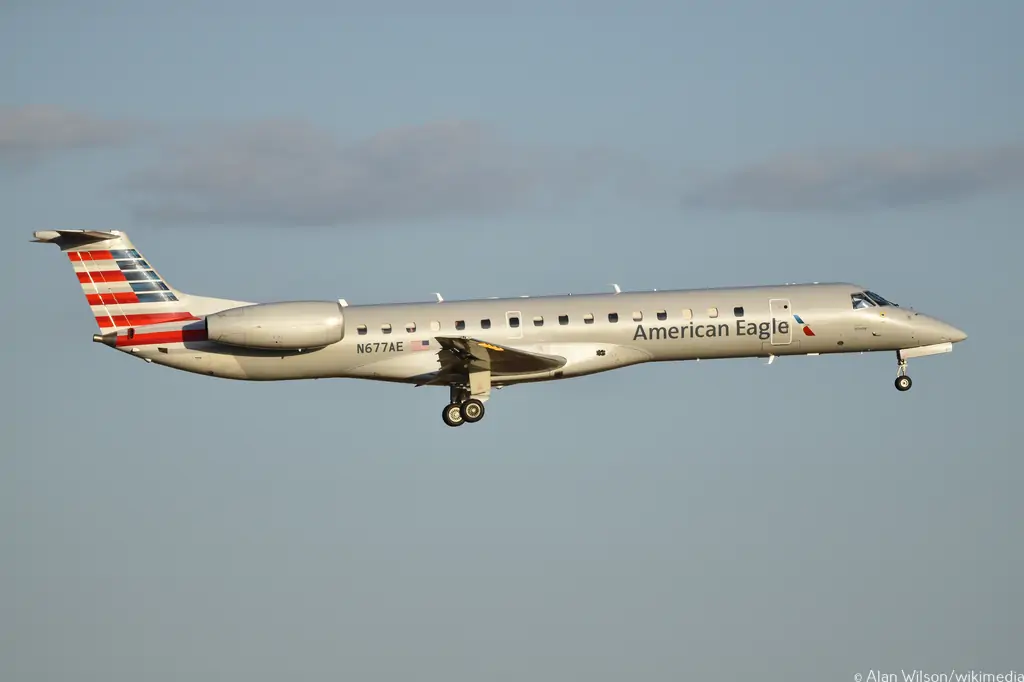
American Airlines subsidiary, Envoy Air, is set to bolster its regional fleet by adding 19 Embraer regional jets, enhancing its capacity and operational capabilities. The order, a combination of new-built E175s directly from Embraer and second-hand E170s and E175s from other carriers, underscores the airline's commitment to modernizing and expanding its regional aircraft fleet.
Order Details and Delivery Timeline
Envoy Air's latest order includes eleven E175s and eight E175s, with deliveries scheduled to commence in the fourth quarter of 2024. The strategic move reflects the airline's focus on optimizing its regional operations and meeting the growing demand for efficient and reliable regional air travel services.
In a statement to ch-aviation, Envoy Air clarified that the order encompasses both new-built E175s directly from Embraer and a selection of second-hand E170s and E175s sourced from other carriers. This diverse acquisition approach allows the airline to benefit from a mix of new and proven aircraft, ensuring flexibility and operational efficiency.
Current Fleet Composition and Ownership Structure
As of now, Envoy Air operates a fleet of thirty E170s and 108 E175s, all on behalf of American Airlines. The ownership structure of these aircraft is detailed in the ch-aviation fleets ownership module. Notably, all E175s are owned by American Airlines, with six originally ordered by Republic Airways. The E170s in the current fleet include a combination of aircraft owned by Americans and those under lease agreements.
The airline's decision to expand its regional fleet aligns with American Airlines' broader strategy to enhance its regional connectivity and services. American Airlines has an existing order for ten new E175s specifically designated for Envoy Air, indicating a sustained commitment to upgrading and modernizing the regional aircraft fleet.
Strategic Fleet Expansion and Retirement of E145s
Envoy Air's expansion plans involve not only the addition of new E175s but also the continued incorporation of second-hand E170s. With the latest order, the airline aims to achieve a fleet composition of forty-three E170s and 126 E175s, further solidifying its position in the regional aviation market. This expansion strategy follows the cessation of E145 operations by Envoy Air in mid-2023, indicating a strategic shift towards more modern and efficient regional jet aircraft.
Conclusion
Envoy Air's investment in 19 additional Embraer regional jets represents a significant step towards fortifying its regional fleet capabilities. The combination of new-built E175s and the inclusion of proven second-hand E170s and E175s showcases a thoughtful and pragmatic approach to fleet expansion.
As deliveries commence in the fourth quarter of 2024, Envoy Air is poised to enhance its operational capacity, offering passengers a more advanced and reliable regional travel experience. The move aligns with broader industry trends of airlines adapting their fleets to meet evolving market demands and underscores the crucial role played by regional carriers in ensuring comprehensive air connectivity.
With Inputs from ch-aviation
Read next
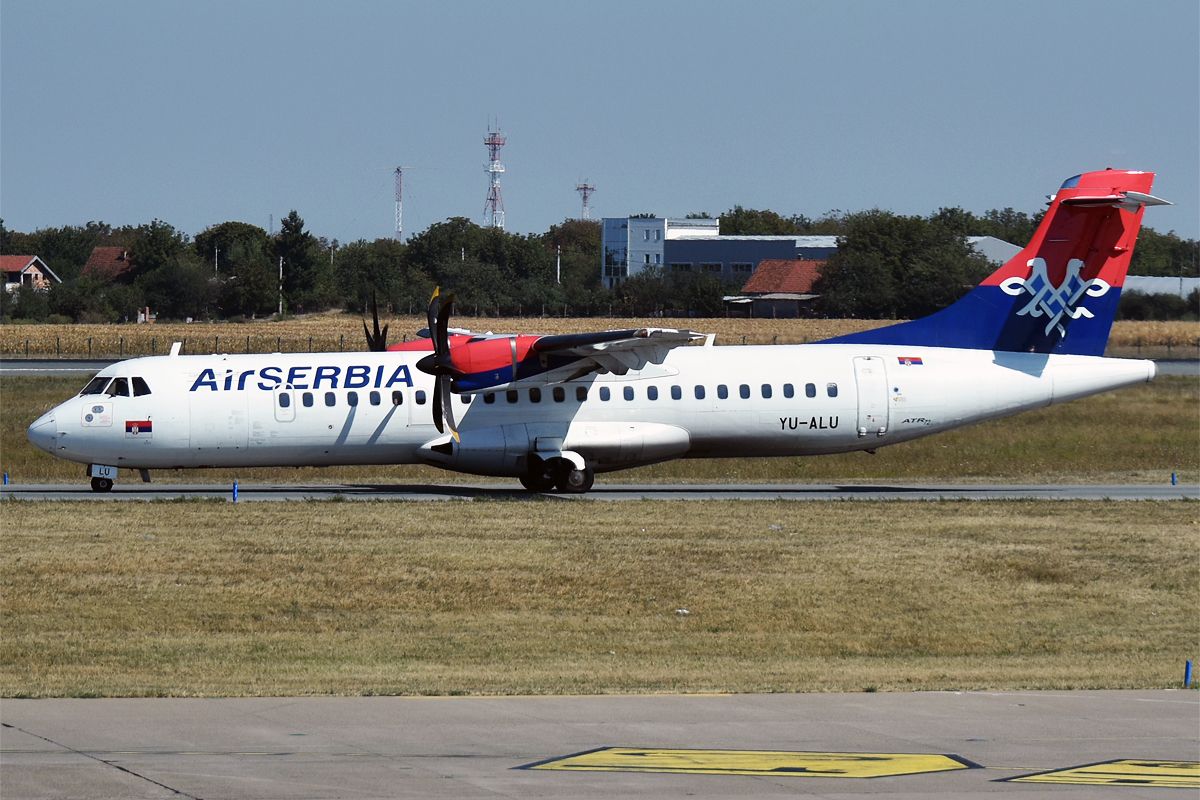
Air Serbia, the flag carrier of Serbia, has recently inked a significant dry-lease contract with Nordic Aviation Capital for the acquisition of three ATR72-600 aircraft. This move is part of the airline's strategic plan to enhance its regional capacity and further solidify its position in the market.
Contract Details
The Chief Executive of Air Serbia, Jiri Marek, shared insights into the recent development, mentioning that the delivery timeline for the ATR72-600s has not been finalized. Marek cited challenges in the supply chain, affecting critical aspects such as maintenance, repainting, and deliveries. The airline anticipates overcoming these hurdles and determining the identity of the aircraft by the end of January 2024.
Fleet Expansion Strategy
Currently operating seven ATR72-600s, including one already dry-leased from Nordic Aviation Capital, Air Serbia first introduced this variant into its fleet in 2022. The ATR72-600, manufactured by ATR - Avions de Transport Régional, plays a pivotal role in the airline's regional network, serving as a feeder to its Belgrade hub.
Nordic Aviation Capital's Dominance
With a staggering portfolio of ninety ATR72-600s, Nordic Aviation Capital, based in Denmark, holds the title of the world's largest owner of this aircraft type. The lessor's dominance is further emphasized by its significant partnerships, with Azul Linhas Aéreas Brasileiras and Air Cairo standing out as its largest customers for the ATR72-600, boasting ten and six aircraft, respectively.
Industry Challenges and Supply Chain Impacts
Jiri Marek's mention of supply chain issues sheds light on the broader challenges faced by the aviation industry. As airlines globally grapple with disruptions caused by the ongoing pandemic and other external factors, supply chain disruptions have become a common obstacle affecting various aspects of aircraft operations.
Future Prospects
As Air Serbia eagerly awaits the resolution of supply chain issues, the expansion of its regional fleet remains a key aspect of the airline's growth strategy. The addition of three ATR72-600s is expected to bolster the carrier's capacity and connectivity in the regional market, providing enhanced services to passengers travelling to and from Belgrade.
Conclusion
In summary, Air Serbia's strategic move to secure additional ATR72-600s through a dry-lease agreement with Nordic Aviation Capital reflects the airline's commitment to adapt and grow amid industry challenges. The unfolding developments in the coming weeks, including the revelation of the aircraft's identity and progress in addressing supply chain issues, will be closely monitored by industry enthusiasts and stakeholders alike.
With Inputs from ch-aviation
Read next
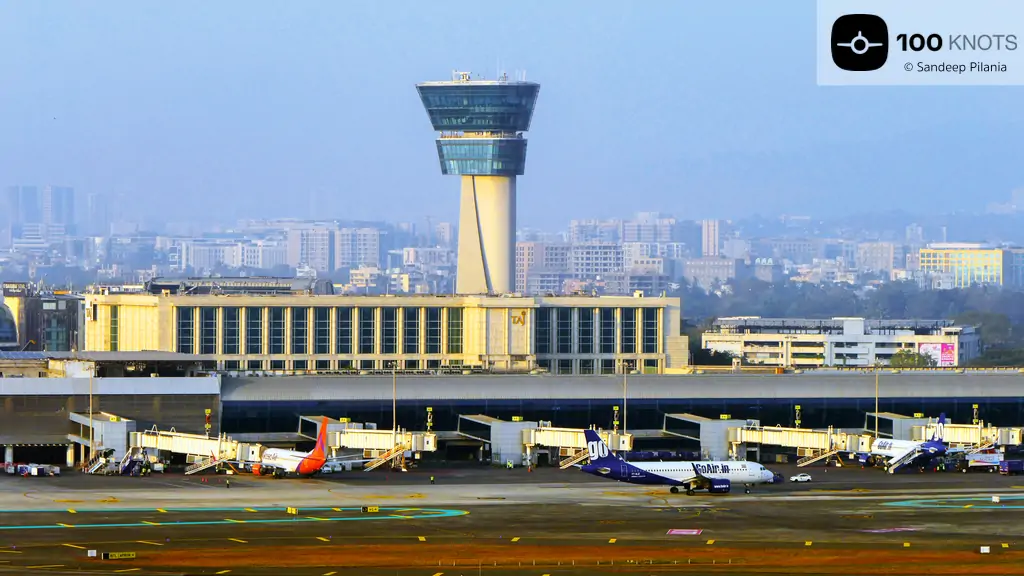
India's aviation sector is set for a robust year in 2024, with major carriers announcing ambitious plans to add over 150 aircraft to their fleets. This 37% increase from the previous year comes as Airbus and Boeing ramp up production to meet the surging demand for air travel in the country.
Record-Breaking Growth
The upcoming year is poised to surpass pre-pandemic levels, with IndiGo and Air India leading the charge. IndiGo, the market leader, plans to introduce up to 60 aircraft, averaging a new induction every week. Meanwhile, the Air India group is set to add around 70 aircraft, marking its fastest annual fleet addition as part of the Tata Group's revival plan for the privatized carrier.
Air India's Strategic Move
Air India Express, the low-cost subsidiary, will see a significant boost with the addition of 50 Boeing 737 Max planes in the next 12 months. The carrier aims to phase out 14 older aircraft, strategically deploying the new additions primarily on domestic routes to compete with IndiGo. Additionally, Air India plans to introduce 22 more aircraft, including 10 wide-body planes for long-haul overseas routes.
Vistara's Expansion
Vistara, another major player in the Indian aviation scene, is set to add three more aircraft to its fleet, reaching a total of 70 by the middle of the year. The airline continues to contribute to the industry's growth, focusing on enhancing its domestic and international connectivity.
Challenges and Solutions
While the growth is unprecedented, challenges such as aircraft grounding due to engine issues persist. IndiGo is currently grounding about 80 aircraft until February-end for Pratt & Whitney engine fixes. However, executives reassure that there will still be a net addition to the overall fleet size, with plans for four to five new aircraft each month.
Akasa Air's Ascent
Akasa Air, gearing up for international expansion, plans to add around 16 aircraft in 2024, boosting its fleet size from 22 to 38. Despite previous flight cuts due to a pilot shortage, the airline is resuming expansion and establishing a base in Delhi, India's largest airport.
Impact on Fares
Industry experts predict that despite this remarkable growth, a fare war is unlikely. Executives emphasize that along with expansion, a significant number of aircraft will be grounded or phased out. This, coupled with strong demand, is expected to keep fares firm, making 2024 a potentially profitable year for the Indian aviation industry.
Conclusion
As India's aviation sector takes a giant leap forward in 2024, the addition of over 150 aircraft by major carriers signifies the industry's resilience and determination to meet the escalating demand for air travel. With strategic plans in place, including fleet expansions, phased retirements, and a focus on both domestic and international routes, the Indian aviation landscape is poised for unprecedented growth and success in the coming year.
Read next
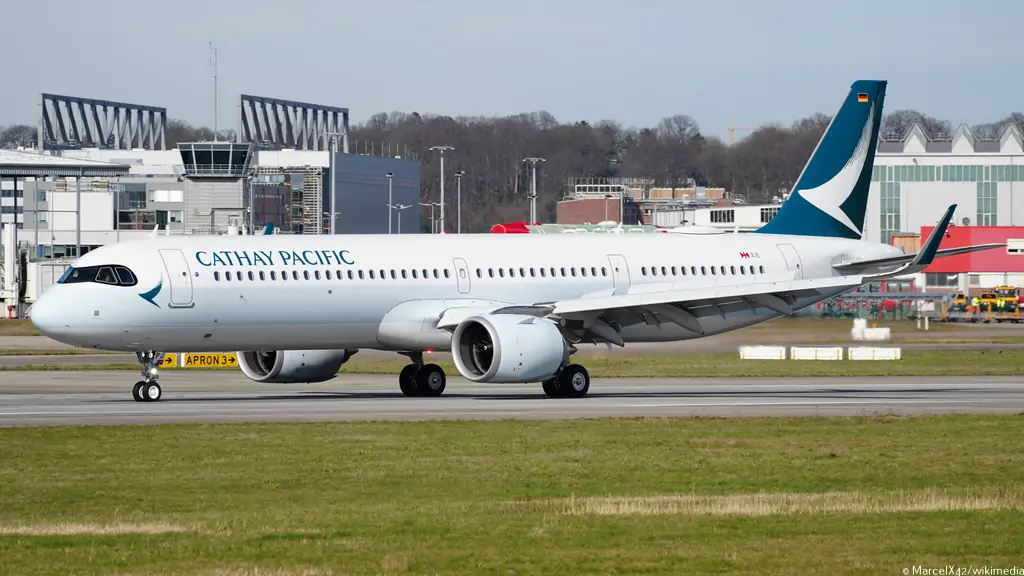
Hong Kong-based airline Cathay Pacific is set to embark on a major recruitment drive in 2024, aiming to increase its employee size by around 5,000 workers. This decision comes in the wake of numerous flight cancellations during the busy New Year holiday travel period, raising concerns about operational challenges and pilot shortages.
Background
Cathay Pacific, like many other airlines, faced severe disruptions during the COVID-19 pandemic, resulting in significant cost-saving measures in 2020. This included the separation of over 8,000 employees and the closure of its subsidiary, Cathay Dragon, leading to a total of 8,500 job cuts. The airline's passenger operations reportedly retained just over 50% of its pre-pandemic pilot workforce.
Recent Challenges
The recent flight disruptions in December 2023 affected over 80 flights, with more than half being departures to key destinations such as Australia, China, India, Japan, and the United Arab Emirates. Although Cathay Pacific attributed the disruptions to "pilot absence caused by seasonal illness on certain days in December," concerns have been raised about the airline's ability to cope with its current workforce.
Ambitious Expansion Plans
Since 2022, Cathay Pacific has been actively working on rebuilding its operations and workforce. The airline plans to onboard thousands of new employees in 2024, with nearly 2,000 former employees already invited to return. The targeted expansion includes various roles, such as cabin crew, pilots, and other operational staff.
Recruitment Strategy
Cathay Pacific is adopting a multi-faceted approach to recruitment. The airline has already successfully invited back 2,000 former employees, and it aims to recruit around 4,000 employees from the Chinese Mainland by the end of 2025. This includes over 1,500 cabin crew members. Additionally, the airline plans to hire more than 800 cadet pilots in 2023 and 2024 combined, marking a significant step, as it includes the recruitment of cadet pilots from the Chinese Mainland for the first time.
Pilot Shortage Concerns
The Chairman of Cathay's pilot union, the Hong Kong Aircrew Officers, expressed concerns about a shortage of fully qualified experienced pilots, including Captains and First Officers. As of December 13, 2023, the airline had 52% of its pre-pandemic Captains and First Officers, indicating a significant gap in the experienced pilot workforce.
Rebuilding Efforts
Cathay Pacific acknowledges the challenges it faces and emphasizes its commitment to rebuilding its pre-pandemic passenger flights. The airline aims to continue its comprehensive plan to recruit top talent and is on track to achieve its rebuild target.
Conclusion
As Cathay Pacific navigates the complexities of recovering from the pandemic, the ambitious workforce expansion plan in 2024 reflects the airline's determination to overcome challenges and regain its position in the aviation industry. The success of this initiative will not only impact the airline's operational efficiency but also play a crucial role in revitalizing Hong Kong's aviation sector as a whole.
Comment