
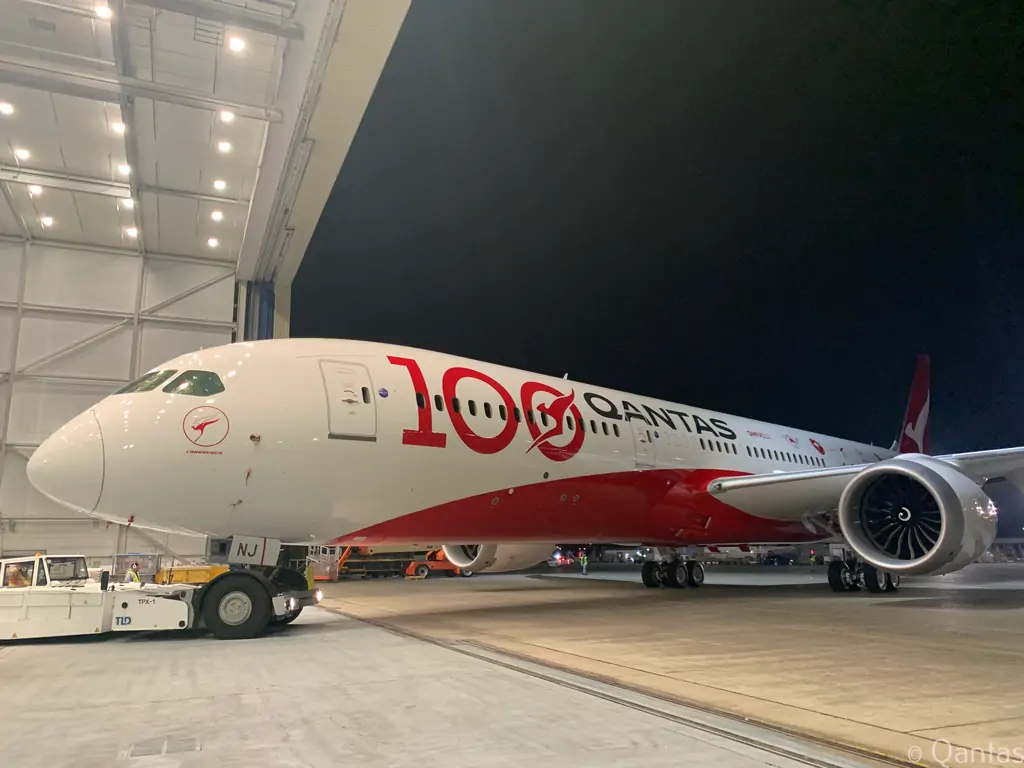
Qantas Airways, one of the world's major airlines, has announced the appointment of its first female CEO to succeed Alan Joyce, who is preparing to stand down. Many people were surprised by this historic decision, which marks a significant milestone in the airline industry.
Present Scenario
Qantas Airways Ltd., Australia's flag carrier, nominated finance chief Vanessa Hudson as its next CEO on Tuesday, making her the first woman to run the century-old airline. Hudson will succeed Alan Joyce in November, making him the longest-serving current CEO of a major Australian corporation and a towering figure in the global aviation sector.
"Vanessa has been market-facing as CFO since October 2019, which will have prepared her well for the very public role as Qantas CEO," Owen Birrell of RBC Capital Markets wrote in a note.
Who is Vanessa Hudson
Vanessa Hudson began her career with Qantas in 1994. She has since held a number of senior commercial, customer, and finance positions across the Group, both in Australia and abroad, including Executive Manager of Sales and Distribution, Senior Vice President for Qantas across the Americas and New Zealand, Executive Manager of Commercial Planning, and Executive Manager for Product and Service.
Vanessa joined the Group as Chief Financial Officer in October 2019 and oversaw the COVID crisis, when abrupt border restrictions caused income to vanish in a matter of weeks. Careful management during this era, including stock raising, debt borrowing, and asset sales, enabled the business to survive the crisis and emerge with a healthier financial sheet than before COVID.
Hudson's Qantas vision
Hudson has emphasized her dedication to safety, sustainability, and customer service as major goals for Qantas in interviews since her appointment. She has also shown a willingness to innovate and use technology to improve the airline's operations and the passenger experience.
Hudson's Suggestions for Dealing with Qantas' Issues
Hudson has previously laid out some of her strategies for dealing with Qantas' problems, including:
- Introducing new routes and partnerships to help the airline's local and international operations flourish.
- Qantas is reducing its environmental impact by investing in low-emission technologies and sustainable aviation fuels.
- Focusing on customer service and experience, including fleet upgrades and investments in new technologies to improve the customer journey.
- Prioritizing safety and upholding Qantas' excellent safety record.
A Brief History of Gender Diversity at Qantas
Qantas Airways has a long history of encouraging gender diversity and inclusion among its employees. The firm has been named one of Australia's best employers for women, and it has adopted a variety of measures to encourage female employees and promote gender equality at work. However, men have traditionally held the position of CEO.
What Does This Mean for Qantas
Vanessa Hudson's appointment as CEO represents a dramatic transition in Qantas Airways' leadership. Hudson's succession heralds a new age of diversity and inclusion for the organization, and she is anticipated to bring a new viewpoint and unique ideas to the table. Hudson's appointment is also expected to boost employee morale and improve consumers’ impressions of the organization.
What Does This Mean for the Aviation Industry
The hiring of Qantas' first female CEO is a watershed moment in the airline industry. Historically, men have controlled the profession, and the selection of a woman to such a high-profile position sends a message of inclusion and diversity to the sector. Hudson's selection is expected to motivate other firms in the sector to follow suit and promote more gender diversity in senior roles.
Gender Diversity in Leadership Positions is Critical
The selection of Qantas' first female CEO emphasizes the importance of gender diversity in positions of leadership. According to research, firms with more gender diversity in leadership roles perform better monetarily and have a better reputation among customers and workers. This is due to the fact that gender-diverse teams bring a broader range of viewpoints, experiences, and ideas to the table, which may result in improved decision-making and creativity.
The Issues Facing the New CEO
Vanessa Hudson, the new CEO of Qantas Airways, will confront a lot of problems. The airline business is very competitive, and Qantas is up against some of the industry's biggest names. Furthermore, the industry has been hard hit by the COVID-19 pandemic, and Qantas has been forced to make significant cuts to its workforce and operations in order to stay afloat. Hudson must handle these obstacles while simultaneously setting the organization for long-term prosperity.
Response of Qantas to the COVID-19 Pandemic
The COVID-19 epidemic has had a significant impact on the airline sector, and Qantas is no exception. To survive, the company has had to make considerable changes to its employees and operations, and it has had to pivot its business model to adapt to the changing terrain. Qantas, on the other hand, has taken efforts to help its staff and customers through this difficult period, such as deploying improved safety measures and offering flexible travel options.
Hudson's Approach to Ecological Sustainability
Hudson prioritizes sustainability, and she has already begun to address Qantas' environmental impact. Qantas declared a promise to achieve net-zero carbon emissions by 2050 in September 2021, making it one of the world's first airlines to do so. Qantas intends to invest in low-emission technologies like electric and hydrogen-powered aircraft, as well as sustainable aviation fuels, to reach this aim. Hudson also added that Qantas would continue to collaborate with authorities, industry partners, and consumers to identify creative solutions to climate change and sustainability concerns.
The Influence of Hudson on Women in Aviation
Hudson's appointment is also likely to have a larger influence on female pilots. She will be a prominent and powerful presence in the industry as a female CEO, and her success may inspire other businesses to prioritize gender diversity in their recruiting and leadership practices.
Conclusion
Vanessa Hudson's selection as Qantas' first female CEO marks a significant milestone in the airline sector. Hudson's selection provides an inclusive and diverse message to the industry, and it is anticipated that other organizations will follow suit and support more gender diversity in senior roles. Hudson's collaborative leadership style, devotion to sustainability, and emphasis on customer service make her well-suited to lead Qantas through the aviation industry's problems. Qantas is anticipated to continue to innovate and adapt to the changing requirements of the industry under Hudson's leadership, while also encouraging sustainability and decreasing the negative environmental impact.

Read next
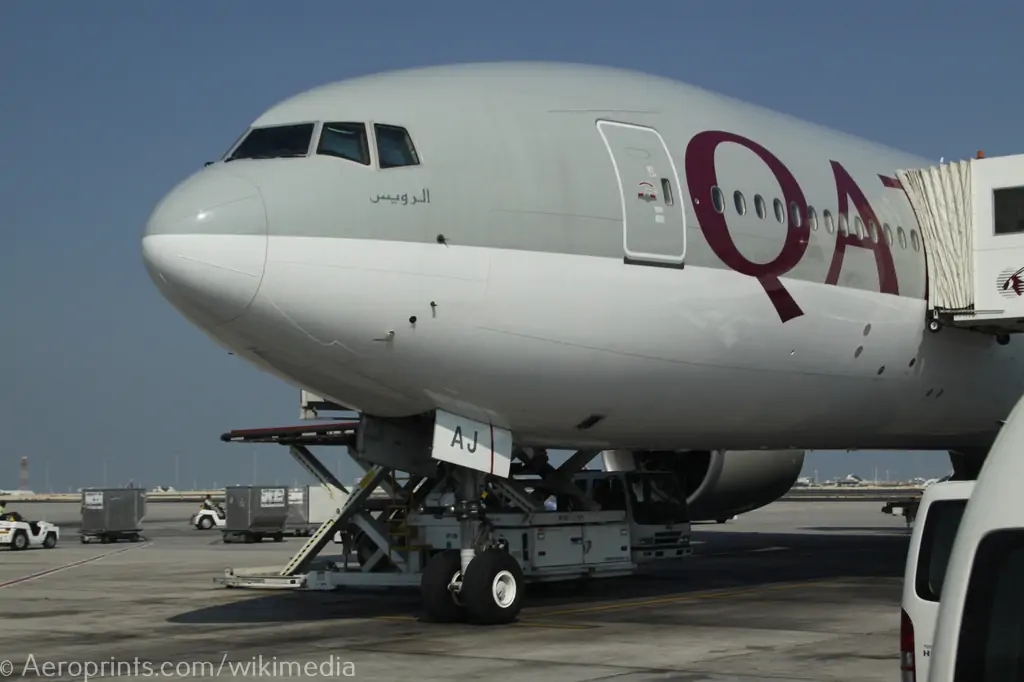
Qatar Airways will be the latest carrier to reintroduce the Boeing 737 MAX into its fleet. The airline has stated that it will begin its maiden 737 MAX operations in only two weeks. This is a big achievement for Qatar Airways, which has been eagerly anticipating the opportunity to fly the MAX following a lengthy grounding period.
Current Scenario
Qatar Airways' first commercial Boeing 737 MAX 8 flight is scheduled for May 15th. This is based on the carrier's schedule submission with OAG and Cirium, which is also displayed on Google Flights and other sites. Qatar Airways will employ the MAX 8 to fly to Abu Dhabi, Dammam, and Kuwait between then and the end of the month. While it is subject to change, this is the most recent as of May 1st.
The first revenue-generating roundtrip will be as follows, with all times in local time. It will take the place of the previously scheduled Airbus A320ceo.
- May 15th: QR1054, Doha-Abu Dhabi, 22:10-00:20+1
- May 16th: QR1055, Abu Dhabi-Doha, 01:50-01:55
Background Information on the Boeing 737 MAX Grounding
The Boeing 737 MAX was banned worldwide in March 2019 after two deadly accidents killed 346 people. Investigations following the wrecks found that the accidents were caused by a malfunctioning automatic system known as the MCAS.
Planned Schedule
Qatar Airways has planned MAX flights on the 15th, 16th, 23rd, 24th, 29th, and 30th of May as of May 1st. It is unknown whether further flights will be available; 16 flights (eight roundtrips) are tentatively scheduled.
Date | Leaves Doha | Going to | Arrives | Leaves | Arrives back in Doha | Replaces |
May 15th | 22:10 | Abu Dhabi | 00:20+1 | 01:50 | 01:55 (May 16th) | A320ceo |
May 16th | 02:30 | Dammam | 03:30 | 05:00 | 06:05 | A320ceo |
May 23rd | 02:15 | Abu Dhabi | 04:25 | 05:55 | 06:00 | A320ceo |
May 23rd | 20:00 | Dammam | 21:00 | 22:30 | 23:35 | A320ceo |
May 23rd | 22:10 | Abu Dhabi | 00:20+1 | 01:50 | 01:55 (May 24th) | A320ceo |
May 24th | 02:30 | Dammam | 03:30 | 05:00 | 06:05 | A320ceo |
May 29th | 14:40 | Kuwait | 16:10 | 17:40 | 19:10 | A320ceo |
May 29th | 22:10 | Abu Dhabi | 00:20+1 | 01:50 | 01:55+1 (May 30th) | A320ceo |
Qatar Airways' Reintroduction of the 737 MAX
Qatar Airways had intended to integrate the 737 MAX into its fleet in 2019, but the plane's grounding put those plans on hold. The airline has been looking forward to reintroducing the MAX, which it claims would help it grow its network and enhance operating efficiency.
Safety Precautions have been Implemented
Qatar Airways has listed a number of safety precautions that will be implemented when the 737 MAX is reintroduced into its service. These are some of the measures:
- Extensive training for pilots and cabin personnel to ensure they are conversant with the aircraft's new systems.
- Extensive system and performance testing and monitoring.
- Close communication with Boeing and regulators is required to ensure that any concerns are resolved as soon as possible.
The Effect on the Airline Industry
Qatar Airways' decision to return the 737 MAX to its fleet is noteworthy because it represents yet another major airline's confidence in the aircraft. A number of other carriers, notably American Airlines, United Airlines, and Southwest Airlines, have already reintroduced the MAX.
Conclusion
The decision by Qatar Airways to reintroduce the Boeing 737 MAX into its fleet is a significant move in the aviation sector. The MAX has undergone extensive testing and certification, and Qatar Airways has laid out a number of safety precautions to ensure the aircraft's safe operation.
Read next
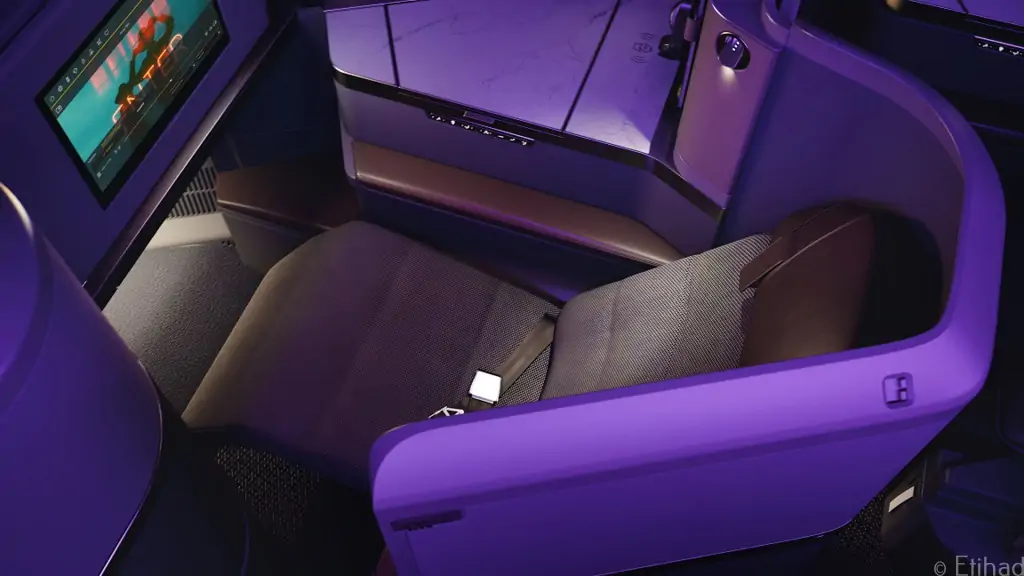
UAE. Etihad Airways, the official airline of the United Arab Emirates, is exhibiting a range of new products and innovations this week at the Arabian Travel Market in Dubai. The airline showcased the new cabin for its Boeing 787 Dreamliners, which will enter the fleet in the third quarter of this year, adding to Etihad's existing fleet of 39 Dreamliners.
"Etihad's new 787 Dreamliner cabin interior highlights additional enhancements to our award-winning and industry-renowned cabins." "With the second evolution of the Business Studio, which was launched on the Airbus A350-1000 last year, our new Business class takes the guest experience to new heights," stated Antonoaldo Neves, Chief Executive Officer, Etihad Airways.
Etihad is Synonymous with Business
The Business cabin has Etihad's distinctive, elegant décor as well as a tailored version of Collins' Elements seat. Etihad is the world's first airline to use the Elements seat on the Boeing 787.
Improving Economy
The new 787 will include 271 Economy seats that are lighter than the present fleet and hence more fuel efficient. The innovative design and modifications, including a smaller-profile armrest, provide great comfort and an improved sense of space in the chairs. Etihad's new economy class chairs are likewise intended to be comfortable and useful. The seats are set up in a 3-3-3 layout to provide customers with additional room and comfort. The seats have a pitch of 31-33 inches and a breadth of 17 inches, giving passengers plenty of freedom to stretch out and relax.
Additional Features
Etihad's new Dreamliner seats also have extra amenities that improve the customer experience. Business class seats provide a personal minibar, allowing travellers to enjoy a drink without leaving their seat. The chairs also include a privacy screen, which gives occupants greater privacy when needed. Economy class chairs include an adjustable headrest and a footrest to provide travellers with extra comfort on long-haul flights.
Technological Avenue: The new 787 Dreamliner has the most advanced in-flight entertainment technology from Safran. Rave Ultra 4K displays, Bluetooth headphone coupling, and the ability to attach mobile phones and tablets to the screen and use as a remote are among the exciting new features.
Armani/Casa and Etihad collaborate to deliver an unforgettable Business Class experience: Etihad's one-of-a-kind collaboration with Armani/Casa has now been completely implemented across the airline's Business class cabins, offering customers an unrivalled Business experience. The collection includes custom dining ware and soft furnishings created in partnership with renowned international designer brand Armani/Casa.
Dine in Economy with Etihad's eco-conscious service: Etihad's new Economy dining service is not only fashionable, but it also incorporates a closed-loop recycling system, resulting in a circular economy that eliminates single-use plastic completely. The dining equipment has been developed to deliver a superior experience for Etihad's customers while also being useful for Etihad's crew and decreasing the operation's environmental impact.
Conclusion
Etihad's new Dreamliner seats seek to elevate the customer experience by improving comfort and functionality. The new seats have been designed with the passenger's comfort in mind, with plenty of open space and features to make the journey more enjoyable. Whether travelling for work or pleasure, these redesigned seats will make your trip more comfortable and pleasurable.
With Inputs from Etihad
Read next

SpaceX launched a rocket from their Texas site, Boca Chica, on April 20, 2023. While the launch was successful, it sparked debate among environmental groups. Several organisations have filed a lawsuit against the Federal Aviation Administration (FAA), accusing the agency of failing to adequately address the environmental impact of the rocket launch.
Background: SpaceX and Environmental Concerns
Elon Musk launched SpaceX in 2002 as a commercial space exploration corporation. In recent years, the corporation has garnered attention for its lofty aims, which include colonizing Mars and revolutionizing space travel. However, environmentalists are concerned about the company's rapid expansion. SpaceX's frequent rocket launches, in particular, have been criticised for their possible environmental effects.
The Environmental Impact of the Texas Rocket Launch
SpaceX launched Starship, the world's largest rocket, from its Texas site on April 20, 2023. Even though the rocket exploded over the Gulf of Mexico shortly after liftoff, it provided valuable data that allowed the launch to be declared a resounding success. However, environmental organisations immediately expressed concern about the launch's impact on the surrounding ecosystem.
Current Situation
On Monday, conservation organisations sued the FAA, questioning the agency's permission for increased rocket launch activities by Elon Musk's SpaceX near a national wildlife refuge in South Texas without further environmental review.
SpaceX hailed the launch as a qualified success that will provide critical data to improve the construction of its Starship and Super Heavy rocket, both of which are key components of NASA's new Artemis programme to return people to the moon.
The FAA's Role in Rocket Launch Regulation
The Federal Aviation Administration (FAA) oversees commercial space launches in the United States. The agency is in charge of ensuring that launches are safe and in accordance with environmental standards. Environmental organisations, on the other hand, say that the FAA has not done enough to mitigate the environmental impact of rocket launches.
According to the complaint, the disruptions demonstrate that the FAA violated federal law by allowing expanded operations at Musk's Starbase in Boca Chica without requiring the complete environmental impact assessment (EIS) that is generally needed for big projects.
Environmental Review in a Snap
SpaceX was vehemently opposed to having its Starbase subjected to an EIS study, which generally takes years. An EIS entails a thorough examination of the project at hand and its alternatives, as well as preparations for mitigating or offsetting negative consequences. It also includes public review and feedback, as well as re-evaluation and additional research.
"It's critical that we protect life on Earth even as we look to the stars in this modern era of spaceflight," said Jared Margolis, senior counsel at the Centre for Biological Diversity, one of three organisations filing the claim in federal court in the District of Columbia.
Implications for Space Travel's Future
The FAA case articulates the increasing conflict between space exploration and environmentalists. As private firms like SpaceX continue to push the limits of what is possible in space, they will need to discover methods to reduce their negative environmental impact. Collaboration between space agencies, environmental organisations, and regulators will be required to create new technology and regulations for sustainable space travel.
Conclusion
The environmental organizations' complaint against the FAA over the SpaceX Texas rocket launch emphasizes the need for increased coordination among space agencies, environmental groups, and regulators. As space exploration advances, it will be critical to strike a balance between the advantages of new technology and the need to safeguard the environment. The lawsuit's fate is unknown, but it is apparent that the concerns it raises will have ramifications for the future of space flight.
Read next
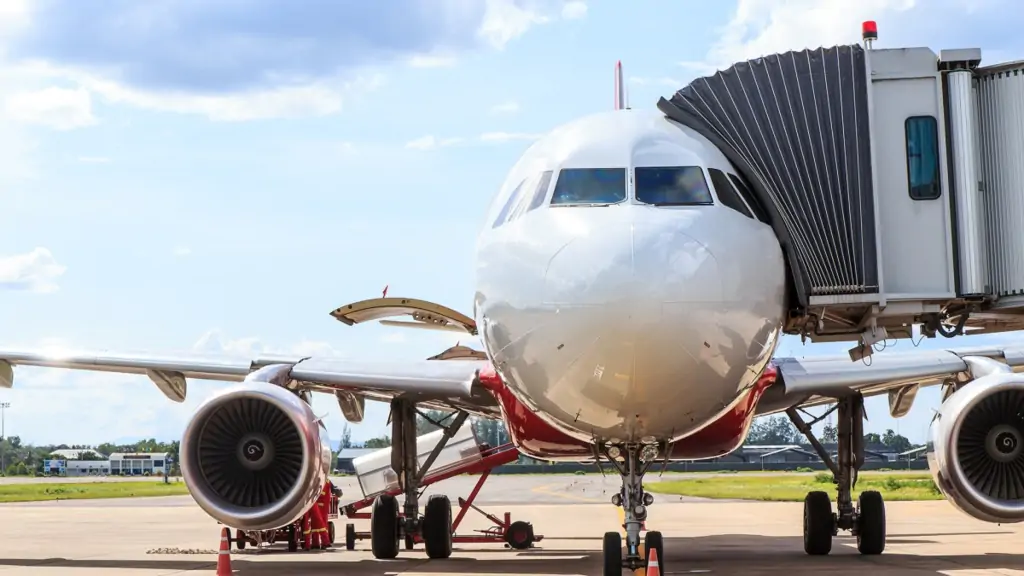
A revival in domestic travel to the pre-pandemic level has propelled India to the big league of major aviation markets, the trade body International Air Transport Association (IATA) has found. Domestic travel in India missed the pre-Covid level by 2.2% in February 2023 in terms of passenger revenue kilometres (PRK), the study said.
The growth in domestic travel is also seen in the Passenger Load Factor(PLF), which studies how efficiently an airline fills seats and generates revenue. India is the top domestic market in terms of PLF when compared to countries such as the US, China and Japan, it said.
India recorded PLFs of 81.6% in February, 85.2% in January, 88.9% in December 2022, and 87.9% in November 2022. Domestic air passenger traffic for all markets measured for February surged 25.2% over the year-ago period. Total February 2023 domestic traffic was at 97.2% of the February 2019 level.
The report estimated that nearly 35 to 40 million Indians travel by air every year. According to World Bank, pre-Covid India had about 168 million air transport passengers, with many of them repeat flyers. Airline companies anticipate that a rapid rise in middle-class incomes and a corresponding change in spending habits mated with lucrative offers from airlines could make India the fastest-growing aviation market for years to come.
Globally, traffic is now at 84.9% of February 2019 levels. Total traffic in February 2023, based on RPKs, rose 55.5% compared to February 2022. The report added, "Asia-Pacific airlines had a 378.7% increase in February 2023 traffic compared to February 2022, maintaining the very positive momentum of the past few months since the lifting of travel restrictions in the region. Capacity rose 176.4% and the load factor increased 34.9 percentage points to 82.5%, the second highest among the regions."
Big Aircraft Orders by Airlines
In March it was reported that French Finance Minister Bruno Le Maire said that IndiGo Airlines could announce an order for "several hundred" Airbus aircraft at the Paris Air Show to be held at Paris Le Bourget Airport in June. IndiGo, which is the largest airline in India in terms of its fleet, has over 300 aircraft and currently provides over 35% of all the available seat kilometres on flights in and out of Indian airports. IndiGo provides almost 48% of all flights across India's international and domestic markets, the report said.
Just in February, competitor Air India announced a world record order of 470 aircraft - 250 planes from European manufacturer Airbus and 220 from its US rival Boeing. The deal beats a 2017 order by IndiGo for 420 planes, and an order by American Airlines for 460 planes in 2011.
Besides aircraft manufacturers, foreign Airlines are also eyeing the Indian aviation market. Singapore Airlines is one of them. Following the takeover of Air India by Tata Sons, it announced a USD 267 million investment into the revamped airline giving it a 25.1% stake in the new Air India group. This adds to the money it has already put into Vistara Airlines which is to be merged with Air India.
Foreign Carriers’ Outlook Towards India
SIA released a statement during the announcement which said, "The merged entity will be four to five times larger in scale compared to Vistara, with a strong presence in all key airline segments in India. The proposed merger will bolster SIA's presence in India, strengthen its multi-hub strategy, and allow it to continue participating directly in this large and fast-growing aviation market."
International airlines too are eyeing the growth potential of the Indian aviation market. Wizz Air, a 20-year-old budget carrier from Hungary, is one of them. In an interview on April 28, Wizz Air Holdings CEO Jozsef Varadi said India is a growing opportunity. "There’s great potential in India, as the country has seen immense development. I think it may help Europe tackle its employment issues, while its emerging middle class will boost tourism. We’re looking into opportunities there, but this is more a medium-term issue," Varadi said in Budapest.
Etihad Airways is another airline that is planning to expand its presence in the Indian aviation market. In an interview with Reuters published on April 27, Etihad Airways CEO Antonoaldo Neves said: "Etihad has India as a priority.” He added that the country is among its top three markets. Etihad, which flies to places like Delhi and Mumbai, has identified six other Indian cities to which it wants to reach out.
The expansion plans of the Middle Eastern airline will focus on medium and long-haul destinations, and the airline will avoid operating ultra-long-haul flights, where it can be tough to make money. Neves explained that the goal will be connecting places like China, Southeast Asia, India, and Gulf countries, with Europe and the East Coast of the United States. Neves said that he expects Etihad's growth to be organic relying on more code sharing and interline agreements. It will not look at mergers or equity partnerships as it had done in the past. It once had a stake in the now-defunct Jet Airways.
Read next
Air India CEO & Head of Flight Safety Issued Show-Cause Notice Over Violation Of Flight Deck Rules

Radhika Bansal
01 May 2023
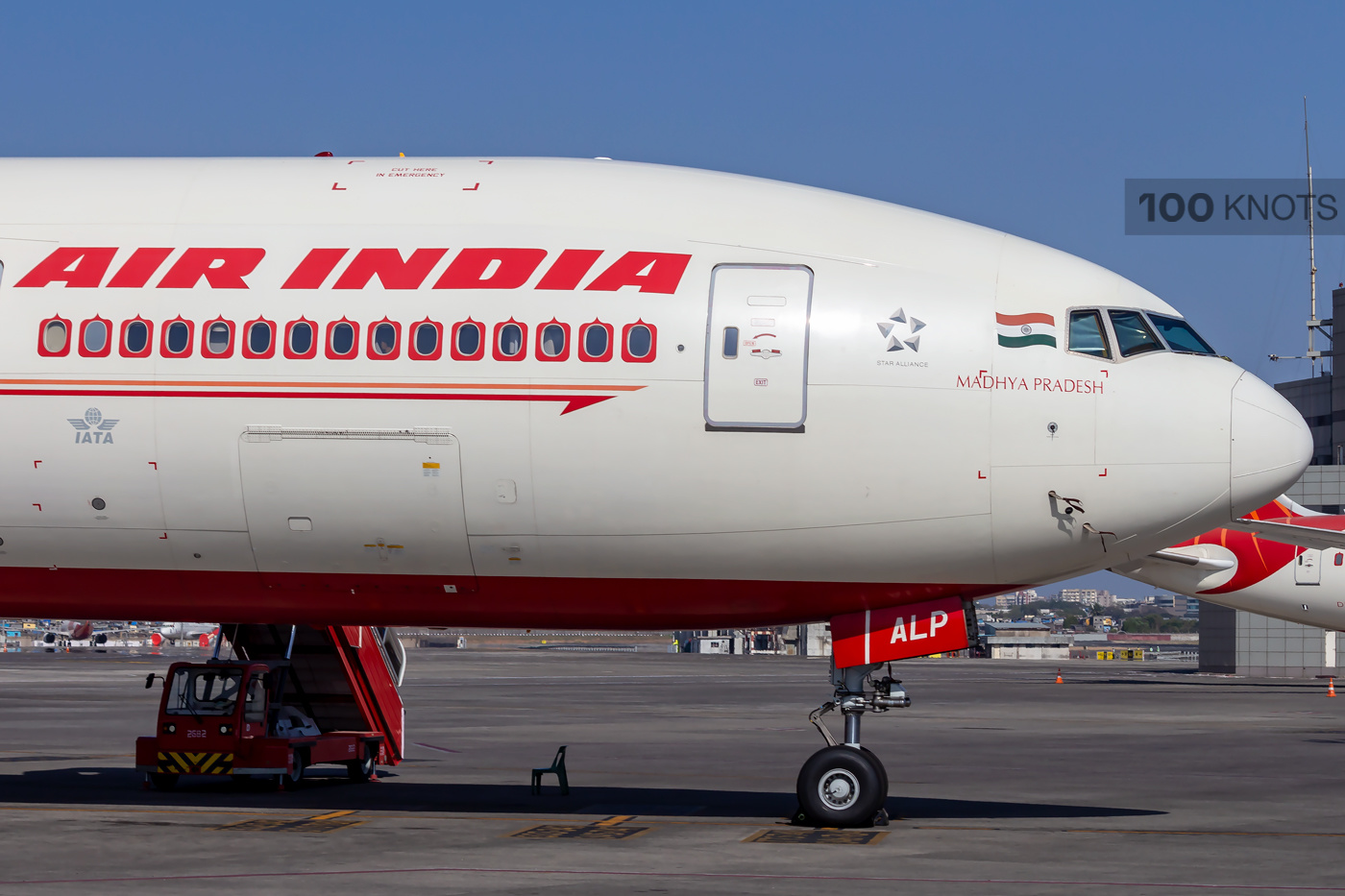
Aviation regulator DGCA has issued a show-cause notice to Air India CEO Campbell Wilson for the airline’s lapses in reporting the incident of a pilot allowing a female friend inside the cockpit during a Dubai-Delhi flight on February 27, according to a senior official. A show-cause notice has also been issued to the Tata Group-owned airline’s Head of Safety, Security and Quality Functions Henry Donohoe.
A cabin crew member of the flight had filed a complaint with the Directorate General of Civil Aviation (DGCA) about the pilot allowing a female friend into the cockpit. The incident happened on February 27. The show-cause notices were issued to the Air India CEO and the head of flight safety on April 21 for not doing timely reporting of the incident to DGCA, which violates the regulator’s safety instructions, the senior official at the DGCA said.
Besides, there was a delay in investigating the incident. The official said both executives have been given 15 days to respond to the show-cause notices. There was no immediate comment from Air India. According to sources, “the actual incident occurred on February 27 and it was reported by confidential mail to Campbell and Donohoe on March 3. The first enquiry was conducted by the DGCA on April 21 while Air India had not done any enquiry before that.” Earlier this month, DGCA directed Air India to deroster the entire crew of the Dubai-Delhi flight till investigations were complete. "There is an allegation, which is being investigated and the principle of natural justice will apply, and the pilot concerned will also be allowed to present his case," the official had said.
It may be recalled that Air India was slapped earlier this year with a fine of INR 30 lakh and INR 10 lakh for not reporting two back-to-back incidents of alleged peeing on its international flights.
The Incident
The incident came to light after a cabin crew member filed a complaint with the DGCA about the pilot allowing a female friend into the cockpit. The incident happened on February 27. As per the rules, unauthorised people are not allowed to enter the cockpit and any such entry could violate norms. After the incident, an Air India spokesperson said the airline has zero tolerance in aspects related to the safety and well-being of passengers and will take requisite action about the incident.
In September 2019, the DGCA released a statement regarding restricting people entering the cockpit. The statement read, "… to secure the safety of aircraft operations hereby directs that no person shall enter the cockpit and occupy the jump seat, wherever provided in an aircraft registered in India during the flight time."
"We have taken serious note of the reported incident and investigations are underway in Air India. The matter is reported to the DGCA and we are cooperating with the regulator's investigation as well," the airline spokesperson said in a statement.
There was no immediate comment from Air India. According to sources, “The actual incident occurred on February 27 and it was reported by confidential mail to Mr. Campbell and Mr. Donohoe on March 3. The first enquiry was conducted by the DGCA on April 21 while Air India had not done any enquiry before that.”
Earlier this month, DGCA directed Air India to deroster the entire crew of the Dubai-Delhi flight till investigations were complete. On April 21, the airline said it had taken serious note of the reported incident and that investigations were underway. Unauthorised people are not allowed to enter the cockpit; any such entry could violate norms.
Comment