

Aviation is a complex and highly regulated field, and understanding altitude is a fundamental aspect of safe and successful flight. Two acronyms, Above Ground Level (AGL) and Mean Sea Level (MSL), play a crucial role in determining an aircraft's altitude.
AGL: A Necessity Close to the Ground
Above Ground Level (AGL) is an essential altitude reference when flying at low levels close to the ground, particularly during takeoff and landing. It provides pilots with a precise measurement of their distance above the terrain or obstacles. Imagine flying at 10,000 feet near a 6,000-foot mountain range – in this scenario, your AGL would be 4,000 feet. Pilots must have accurate AGL readings during these phases of flight to avoid collisions with the ground or other obstructions.
As an aircraft ascends, AGL becomes less accurate. The transition level in the United States is typically at 18,000 feet, after which pilots shift to using Mean Sea Level (MSL) for altitude reference. In other countries, this transition level can be as low as 3,000 feet.
Modern aircraft are equipped with advanced altimeters that use radar and GPS technology to provide precise AGL readings. These readings are particularly vital when it comes to complying with weather minimums, which determine whether pilots can operate under Visual Flight Rules (VFR).
Visual Flight Rules (VFR) and AGL
Under VFR conditions, pilots rely on their visual observations and AGL readings to navigate. To fly under VFR, certain weather conditions must be met, including a minimum horizontal visibility of at least three miles during the day and five miles at night. Additionally, pilots must maintain a minimum AGL of 1,000 feet during the day and 2,000 feet at night.
AGL readings become indispensable when visibility is reduced due to clouds or poor weather conditions, as pilots need to ensure they maintain a safe distance from the ground and obstacles without visual references.

MSL: The Universal Altitude Reference
Mean Sea Level (MSL) is the altitude calculated based on atmospheric pressure above sea level. It becomes more significant as aircraft ascend to higher altitudes. Unlike AGL, which varies based on terrain and obstacles, MSL provides a consistent reference point that is crucial for air traffic control and maintaining safe separation between aircraft.
Measuring altitude using MSL involves factoring in atmospheric pressure, which can vary due to weather conditions and geographic location. To establish a standardized reference point, a unified global system known as the World Geodetic System was adopted in the 1950s. This system ensures consistency in cartography, navigation, and GPS use.
The Importance of MSL in Aviation
MSL altitude readings are essential for flight planning and safe navigation, particularly when flying over varying terrain. With the increasing volume of air traffic, air traffic controllers play a vital role in ensuring aircraft maintain proper separation and avoid mid-air collisions.
Air traffic controllers instruct pilots to fly at specific flight levels, which are determined based on MSL. This coordination is crucial to maintaining safety in the crowded skies, where altitude precision is paramount.
MSL vs. AGL: Two Essential Measurements

Both MSL and AGL measurements are indispensable in aviation, serving different purposes based on an aircraft's altitude and phase of flight. AGL helps pilots gauge their proximity to the ground and obstacles during low-level flight, while MSL offers a consistent altitude reference crucial for maintaining safe separation between aircraft at higher altitudes.
Conclusion
In the dynamic world of aviation, precise altitude measurements are vital for the safety of passengers and the efficient operation of air traffic. Understanding the distinctions between AGL and MSL is essential for pilots, air traffic controllers, and anyone interested in the fascinating realm of aviation.
With Inputs from Flying Magazine, Skybrary, USPPA

Read next
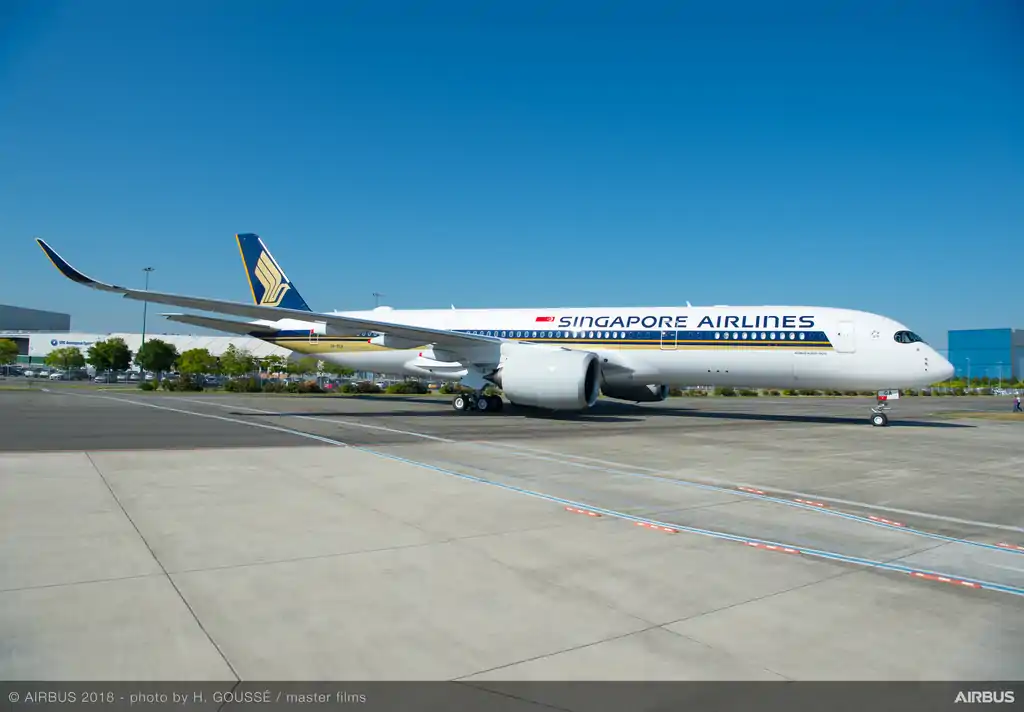
Singapore Airlines, the city-state's national carrier, has recently reported record-breaking half-year profits for the period ending September 30, 2023. The airline's robust financial performance reflects a resurgence in travel demand, particularly to the northern part of Asia, as countries fully reopened following the COVID-19 pandemic.
Strong Financial Performance
Singapore Airlines reported a remarkable net profit of S$1.44 billion ($1.06 billion) for the first half of the fiscal year 2023, demonstrating a substantial increase from the S$926.9 million recorded in the previous year. This significant growth in profits underscores the resurgence of the aviation industry as travelers return to the skies.
Factors Driving Profitability
- Resurgence in Northern Asia Travel: The resurgence in travel demand was notably driven by a rebound in passenger traffic to North Asia. Countries like China, Hong Kong SAR, Japan, and Taiwan fully reopened their borders, leading to an increased number of passengers traveling to these destinations.
- Cost Savings: The airline also benefited from a S$413 million decrease in costs associated with fuel during the six-month period. This reduction in operating costs contributed to the overall profitability of the airline.
Challenges Ahead
Singapore Airlines acknowledges the potential challenges in the coming months, especially in relation to fuel costs. It has expressed concerns about rising fuel prices due to supply risks in the oil market. These challenges are something the airline will need to navigate as it continues to rebuild its operations.

Passenger Growth
Singapore Airlines and its budget subsidiary, Scoot, experienced substantial growth in passenger numbers, carrying approximately 17.4 million passengers during the first half of the year. This represents an impressive 52.3% year-on-year increase, highlighting the strong demand for air travel in the region.
Future Prospects
The airline group has set ambitious goals for the future. Singapore Airlines aims to return to pre-COVID passenger capacity levels within the fiscal years 2024-2025, indicating its confidence in the long-term recovery of the aviation industry. The expansion of the airline's operations and services will play a crucial role in achieving this goal.
Debt Management
To strengthen its balance sheet amid the challenges posed by the pandemic, Singapore Airlines issued zero-coupon mandatory convertible bonds (MCBs) in June 2021. The company has announced its intention to redeem 50% of these MCBs, which will amount to around S$1.71 billion. This move underlines the airline's commitment to financial stability and resilience.
Mergers and Ventures
Singapore Airlines is also actively involved in a proposed merger between Air India and its joint venture with India's Tata Group, Vistara. This strategic move remains subject to approval from regulators and authorities in both countries and underscores the airline's commitment to expanding its presence and influence in the aviation industry.
Conclusion
Singapore Airlines' record half-year profit is a testament to the recovery of the aviation sector following the challenges posed by the COVID-19 pandemic. The strong financial performance, driven by increased travel demand to North Asia, cost-saving measures, and growth in passenger numbers, positions the airline well for the future. Despite potential challenges, Singapore Airlines remains optimistic about its prospects, with ambitious goals and strategic initiatives on the horizon.
With Inputs from Reuters
Read next
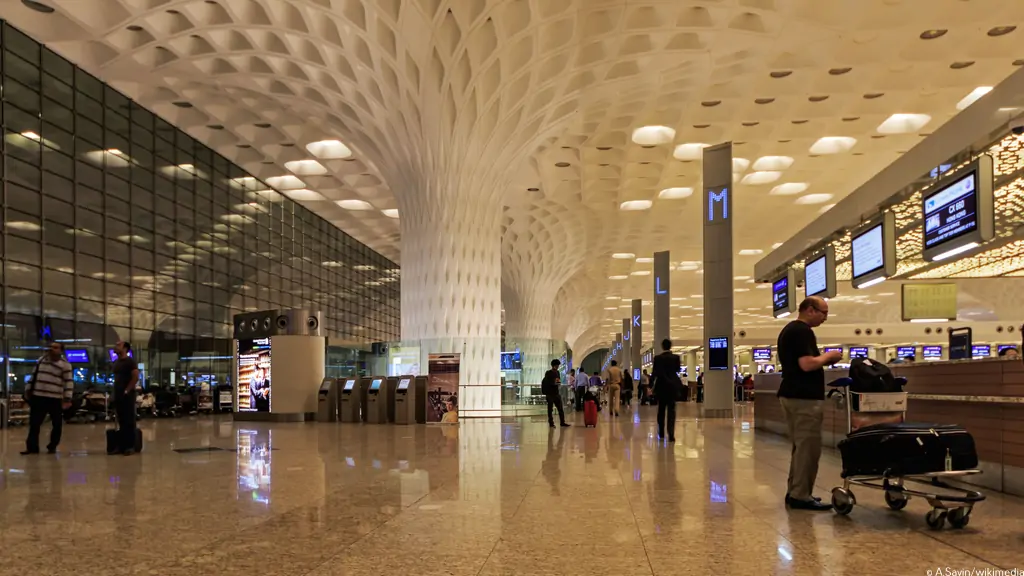
In a strategic move aimed at elevating India's aviation industry on the global stage, the Indian government is formulating a comprehensive national policy to transform its airports into major international hubs.
This visionary initiative aims to streamline regulations, ease security and immigration bottlenecks, allocate international flying rights, and develop essential infrastructure to make airports like Delhi major transit hubs, rivaling global aviation giants such as Dubai and Singapore's Changi Airport. This groundbreaking policy is poised to have far-reaching implications for India's aviation landscape and South Asia's connectivity.
Addressing India's Leakage of Revenue
In recent years, a significant portion of Indian passengers traveling to Europe and North America have chosen to transit through international hubs like Dubai, Abu Dhabi, and Doha on foreign airlines. Approximately 69% of passengers in FY20 opted for these routes, causing a substantial revenue leakage for Indian airlines and airports. The national policy on airport transformation seeks to reverse this trend, capitalizing on the tremendous growth in long-haul international traffic.
A government official involved in the policy's development emphasized that with both Air India and IndiGo eyeing more international traffic, it has become imperative to implement a comprehensive framework. The new policy aims to create a level playing field and provide a seamless experience for passengers, while also promoting the Indian aviation ecosystem.
Streamlining Multiple Ministries for Coordinated Efforts
One of the major challenges in transforming Indian airports into international hubs has been the fragmentation of responsibilities across multiple ministries. Security rules and immigration are under the purview of the Ministry of Home Affairs, while international flying rights fall within the domain of external affairs. Building the necessary infrastructure is part of the National Infrastructure Pipeline. The complexity arising from this division of responsibilities has necessitated the creation of a uniform policy framework.
By harmonizing the efforts of various ministries, the new policy aims to ensure a cohesive and efficient approach towards this transformation. This unified strategy will make it easier for different departments to collaborate seamlessly and establish coherent rules and guidelines.
Key Components of the National Policy
Streamlining Security and Immigration Procedures: The policy seeks to simplify and modernize security and immigration processes at airports, ensuring that they are in line with global best practices. This will not only enhance passenger experience but also bolster India's security measures.
Allocation of International Flying Rights: The policy will address the allocation of international flying rights, ensuring a fair and transparent system for Indian airlines. This move will promote healthy competition and enable Indian carriers to expand their global reach.
Infrastructure Development: Investing in airport infrastructure is crucial for this transformation. The National Infrastructure Pipeline will play a pivotal role in funding and executing these development projects, ensuring that India's airports meet international standards.
Competing with Global Hubs: India aims to compete with global aviation giants such as Dubai and Singapore's Changi Airport. By attracting passenger demand from the entire South Asian region, these hubs will offer multiple direct flights to major cities across the world, making India a preferred transit point for travelers.
Conclusion
India's ambitious plan to transform its airports into major international hubs is a visionary step that holds the potential to revolutionize the country's aviation industry. By creating a unified framework that streamlines regulations, eases bottlenecks, and enhances infrastructure, India seeks to capture a more significant share of the international travel market. If successfully implemented, this policy will not only benefit Indian airlines and airports but will also strengthen India's connectivity with the rest of the world, solidifying its position as a global aviation powerhouse.
With Inputs from Economic Times
Read next
IndiGo Focused on a Fast Expansion on International Routes; to Double its Fleet Size by 2030

Radhika Bansal
07 Nov 2023
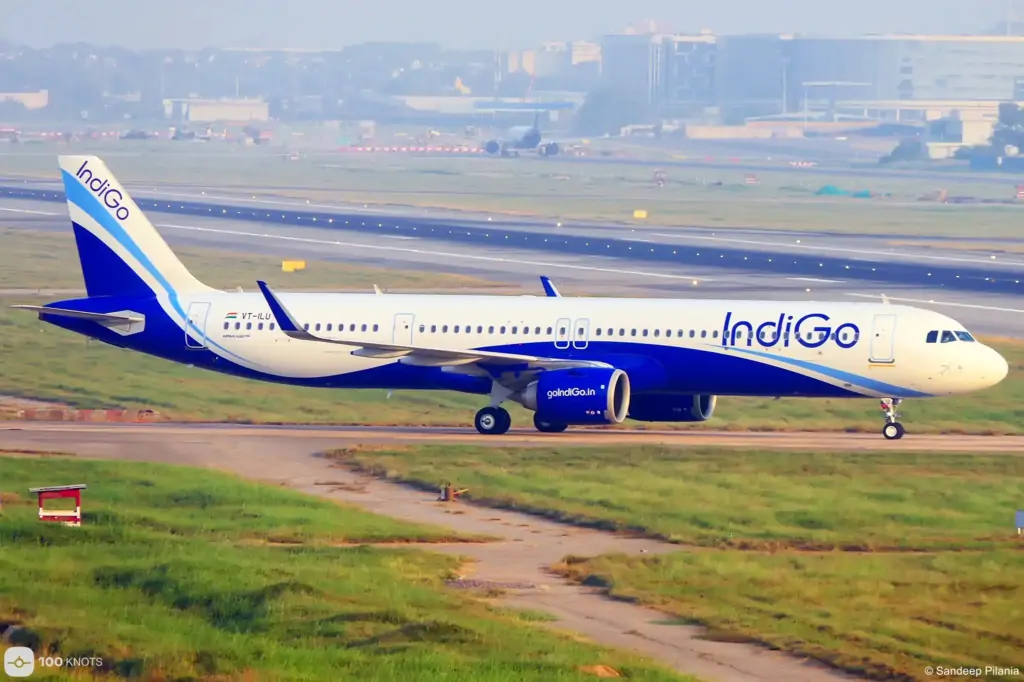
IndiGo, India's largest airline, will focus on rapidly expanding international segments, CEO Pieter Elbers said on Monday, November 6. "We are also focused on advancing our international strategy, leveraging our unique geographical position as an Indian airline. A sizable proportion of the world population is within 5-6 hours of flying range from multiple cities in India," Elbers said.
Much like its domestic strategy, IndiGo has focused on a fast expansion on international routes, too. The airline, which has more than 60% market share in the country, has added about 24 overseas routes to its network in the past year, expanding nearly 32% since October last year. The international segment contributes 26% to IndiGo's traffic, up from 20% a year ago, and the target is to reach 30% by next year, said Elbers.
The airline is "well on track" to achieve the target of carrying 100 million passengers this financial year, he told reporters here. In the September quarter, which also saw the carrier posting a net profit of INR 189 crore, it carried 26 million passengers. The airline CEO said it plans to start flights to Bali (Indonesia) and Medina (Saudi Arabia) in the current financial year. The current fiscal ends on March 31, 2024. The airline has around 970 planes on order.
IndiGo has deployed a three-pronged strategy to expand its global footprint, Elbers said, by expanding its network and through route and code-share partnerships with major global airlines. "Codeshare is a great preparation for us because we will get the Airbus A321XLR and we will start flying to more places across the world So, all the work we are doing today is part of a larger strategy, which is becoming a more global airline from a purely domestic one," Elbers said.
The airline expanded its destination count from 100 to over 115, with plans to add three more, including Bali, Medina, and Ayodhya. It currently serves 85 domestic and 32 international destinations, with several new destinations added in the past year. Additionally, IndiGo has entered into codeshare agreements with eight international airlines, including British Airways, Qantas, Qatar Airways, KLM, Air France, American Airlines and Turkish Airlines, expanding its global reach.
IndiGo is also looking to double its fleet by 2030. Having ordered around 970 planes, the airline is set to receive one aircraft per week (50 aircraft) over the next year. Of its massive orderbook, the airline is awaiting the delivery of the Airbus A321XLRs (extra long range) aircraft that will begin joining its fleet late in 2024 to fly non-stop flights (in the duration of up to 7-8 hours) from India to Athens and Seoul.
To ensure the airline continues to deliver on the capacity guidance for the next quarter, Indigo has damp-leased 11 additional aircraft which will start operating this month. The airline has also inducted a few ATRs (regional transport aircraft) to address the demand and supply mismatch and it will also add more ATRs in December.
Pratt & Whitney Engine Issues
However, the expansion plan may get impacted due to issues with Pratt & Whitney engines, which are fitted in nearly 134 of IndiGo's aircraft. US-based RTX, which manufactures the P&W engines, had said in August it would have to recall 600-700 engines between 2023 and 2026, leading to the grounding of about 350 aircraft a year. About 45 of IndiGo's aircraft are already grounded and the impact will become deeper in early 2024.
Elbers, however, said the airline will stick to its capacity guidance of 25% growth. "We continue to deliver on the capacity guidance," he said, adding that the airline has extended the lease tenure of 14 existing aircraft while wet leasing 12 from the secondary market. "We do have some challenges in the form of supply chain issues. However, we are navigating these headwinds with our mitigation plan and are in constant touch with the engine maker," Elbers said.
The Pratt & Whitney turbine engine used on new Airbus A320neo models has been manufactured with flawed components. This will ground hundreds of aircraft and affect nearly the entire fleet of GTF-powered Airbus A320neos. The company estimated an average of 350 Airbus A320 family planes per year will be grounded from next year through 2026. The airline said it expects the issue to cost up to USD 7 billion.
IndiGo will have to ground its planes fitted with P&W's PW1100G geared turbofan (GTF) engines for 250-300 days so that these engines can be inspected for defective high-pressure turbine and compressor discs. IndiGo currently operates 176 A320neo as part of its fleet of 334 aircraft and currently has over 40 aircraft grounded due to P&W engine issues.
While IndiGo did not quantify how many aircraft it expects to be grounded after January 2024, Elbers added that the airline is confident of meeting its guidance of 15-19% fleet expansion in 2023-24 when compared to a year ago. Elbers indicated that IndiGo is scheduled to take delivery of one new aircraft every week starting April 1, 2024. In Q2 FY24, the company added 18 aircraft to a fleet of 316.
Read next
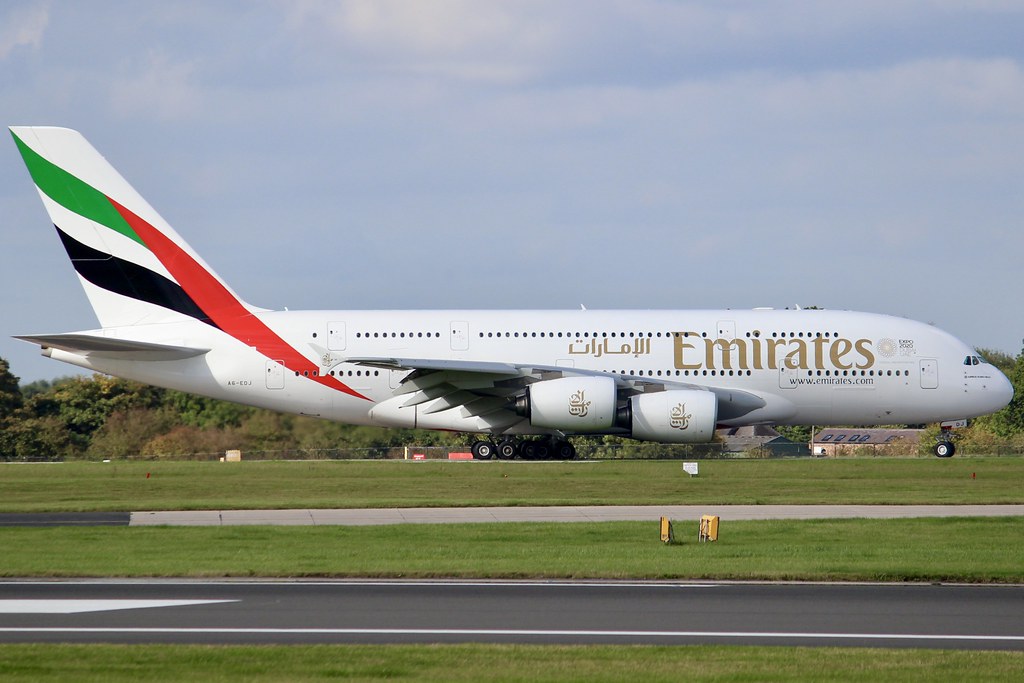
The first Emirates flights operating with sustainable aviation fuel (SAF) have taken off from Dubai International Airport (DXB), the airline announced on Monday, November 6.
Emirates’ flight EK 412 bound for Sydney on October 24 was among the first to operate with SAF, said Emirates. Shell Aviation, the fuel supplier, provided 315,000 gallons of blended SAF for use at the airline’s hub in Dubai, enabling the airline to power several missions over the last few weeks.
SAF, made from non-petroleum feedstocks, is an alternative fuel vital for the global aviation industry to reach its net-zero goal by 2050. However, its adoption is still in its early stages. Shell has supplied 315,000 gallons of blended SAF for use at the airline’s hub in Dubai with the fuel already put to work on several flights in the last few weeks.
However, the blended SAF used by Emirates comprised a ratio of 40% neat SAF and 60% conventional Jet A-1 fuel. “The chemical characteristics at this ratio are identical to conventional jet fuel and can seamlessly be integrated into the existing airport fuel infrastructure as well as in the engines of the entire Emirates fleet with no modifications required,” said Emirates.
Sir Tim Clark, President of Emirates Airline, said, “We’re pushing ahead with proactive measures to enable more sustainable flying now and in the future, and powering flights from our Dubai hub is just one of the steps we’ve taken to reduce emissions and help our customers minimize their own carbon footprint.”
However, Clark added, “We still have a long road ahead, and we hope that our partnership with Shell Aviation inspires more producers to address the supply gaps and make SAF readily available in major hubs like Dubai, as well as other points on our network.”
Partnership Between Emirates & Shell
Emirates signed an agreement with Shell Aviation in October for the supply of more than 300,000 gallons of blended sustainable aviation fuel for use at its hub in Dubai, making it the first time that the clean fuel is supplied through the Dubai International Airport's fuelling system.
Jan Toschka, President of Shell Aviation, said, "This first-ever supply of SAF to Emirates in Dubai is an example of what can be achieved when different parts of the aviation value chain come together.”
Emirates and Shell are collaborating to reduce travel emissions for Shell's business trips, and Emirates is using the Avelia platform to track SAF's environmental benefits, the airline said. The companies are also exploring personalized offerings for corporate travellers using technology like New Distribution Capabilities (NDC).
In its neat form, SAF reduces greenhouse gas emissions by up to 80% over its life cycle compared to conventional jet fuel. Emirates has also been tracking the delivery, use, and environmental benefits of SAF through Avelia, Shell Aviation’s blockchain-powered book and claim solution.
Emirates’ Commitment to Sustainable Aviation
This year, the airline also announced the establishment of a USD 200 million fund for research and development (R&D) projects focused on reducing the impact of fossil fuels in commercial aviation, representing one of the biggest single commitments of any airline to sustainability.
Emirates also operated the region’s first 100% SAF-powered demonstration flight in January. The airline first began using SAF in 2017, when it uplifted it on a flight from Chicago, and since then, flights from Stockholm, Paris, Lyon, and Oslo have also operated with blended SAF.
The airline has been actively engaged in advancing research on SAF use in higher blends, its performance, safety, and reliability, thus supporting standardisation and future certification of 100% SAF for regular commercial use. The airline actively participates in industry and UAE government working groups and engages stakeholders to enhance the production and supply of sustainable aviation fuel.
Read next
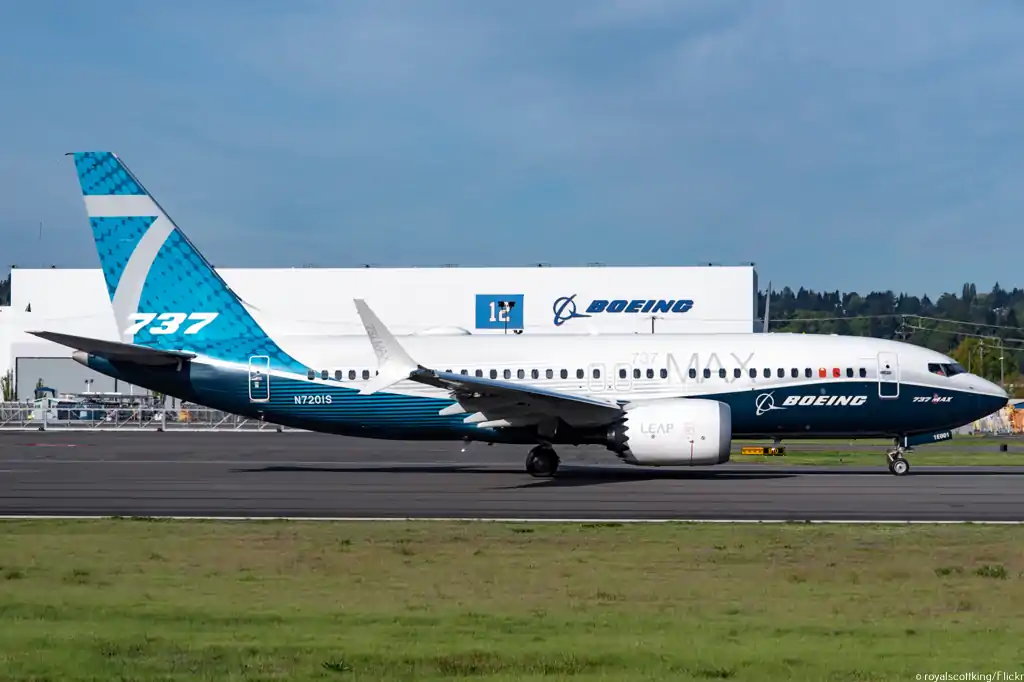
The global aerospace industry is facing a turbulent period as leading aircraft manufacturers, Boeing and Airbus, grapple with quality issues at their suppliers. Air Lease Corporation's Chairman, Steven Udvar-Hazy, recently expressed concerns that these challenges could jeopardize both companies' ability to meet their 2023 delivery targets.
Boeing's Delivery Forecast Cut

In a surprising move, Boeing reduced its delivery forecast for 2023, specifically for its best-selling 737 jets. The company cited quality issues at its key supplier, Spirit AeroSystems, as the primary reason for the downward revision. Spirit AeroSystems, a major producer of fuselages and other critical aircraft components, has struggled with production delays and quality control problems, hampering Boeing's ability to deliver aircraft on time.
Airbus's Challenges with Engine Suppliers

On the Airbus front, the situation is equally concerning. Airbus had set a delivery target of 720 commercial jets for 2023, a goal that now appears increasingly difficult to achieve. The main issue facing Airbus is related to its engine suppliers, notably Pratt & Whitney. Quality concerns and production setbacks have disrupted the supply chain, making it difficult for Airbus to meet its fourth-quarter targets.
The Impact on Airlines
The ongoing issues at Boeing and Airbus have far-reaching consequences for airlines worldwide. November and December typically see a surge in aircraft deliveries as manufacturers strive to meet their annual targets. However, delays resulting from supply chain problems have left airlines scrambling to satisfy the high demand for air travel during the busiest season of the year.
Airlines, especially those dependent on Boeing's 737 jets, are feeling the pressure as they struggle to secure the aircraft, they need to accommodate travelers. These delays have prompted airlines to seek alternative solutions, such as leasing additional aircraft or diverting engines as spare parts to keep their existing fleets operational. This situation has driven up costs for airlines and impacted their ability to operate efficiently.
Air Lease Corporation's Perspective
Air Lease Corporation, a major player in the aircraft leasing industry, has been a beneficiary of the ongoing jet shortage. The company reported a third-quarter profit per share that exceeded analysts' estimates, showcasing how lessors can capitalize on the current market dynamics. However, Air Lease's Chairman, Steven Udvar-Hazy, voiced skepticism about Boeing and Airbus reaching their 2023 delivery targets.
Outlook for the Industry
As the aviation industry navigates through these turbulent times, it is clear that Boeing and Airbus face significant challenges in meeting their delivery goals. The quality issues at suppliers have disrupted the supply chain and raised concerns about the long-term impact on the industry. Airlines are striving to adapt to the situation, and lessors like Air Lease Corporation have seized opportunities amid the turbulence.
For passengers and industry stakeholders alike, the hope is that Boeing and Airbus can address their supplier-related issues swiftly and ensure the stability of the aviation sector. The quality of aircraft production is paramount to the safety and efficiency of air travel, and resolving these challenges is in the best interest of all parties involved.
Conclusion
The aviation industry is closely watching the developments at Boeing and Airbus as they confront quality issues at their suppliers. The reduced delivery forecasts and disruptions in the supply chain have far-reaching implications for airlines and the broader aerospace sector. Industry stakeholders, including Boeing, Airbus, and their suppliers, must work together to resolve these challenges and restore confidence in the industry's ability to meet the growing demand for air travel.
With Inputs from Reuters
Comment