
Unveiling Air India Express' New Logo and Livery: A Fresh Chapter in Aviation

Abhishek Nayar
17 Aug 2023
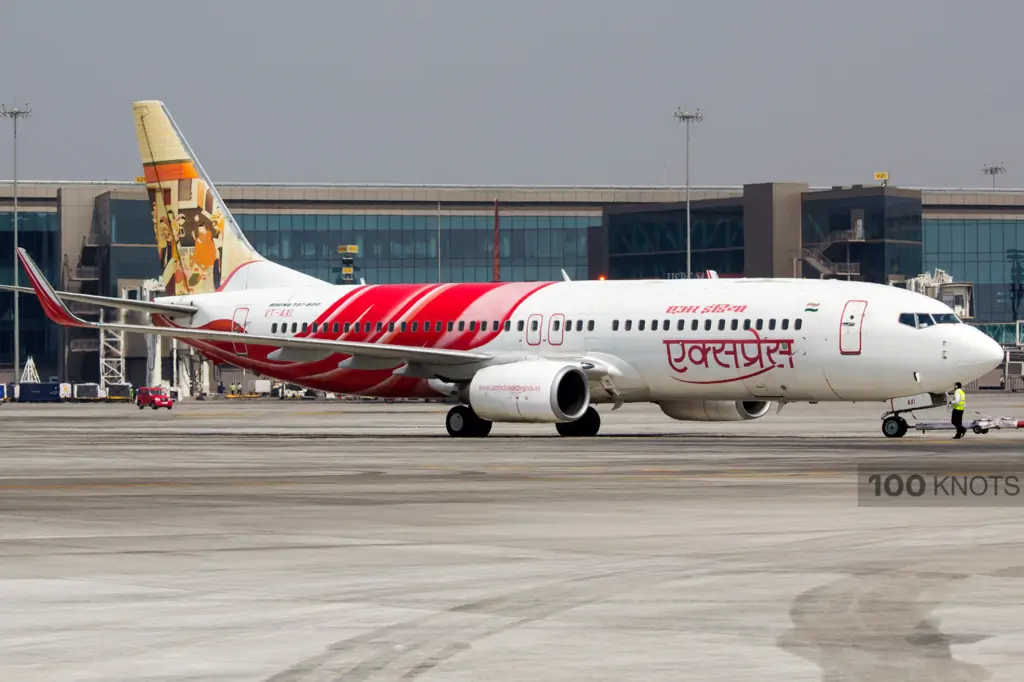
In an exciting move set to reshape the aviation landscape, Air India Express, the budget airline under the esteemed Tata Group, is all set to introduce a brand-new logo and livery. This announcement comes as a significant step forward in the airline's evolution, keeping intact its cherished tail art culture while embracing a contemporary identity. The unveiling of the new design marks the beginning of a new era for the airline, promising a visually striking and memorable experience for both passengers and aviation enthusiasts.
A Fresh Look for a Trusted Name
Air India Express, a subsidiary of the Tata Group's aviation ventures, has taken a bold stride by opting for a revamped logo and livery. The introduction of a fresh design signifies the airline's commitment to staying relevant in an ever-changing industry, while also preserving its distinctive tail art culture.
The Tale of the Tails

One of the standout features that differentiates Air India Express from its parent company, Air India, is its array of distinct tail designs for each aircraft. This unique characteristic adds a touch of individuality to each jet, setting it apart in the sky. Unlike Air India, which maintains a consistent tail design across its fleet, Air India Express's tail art culture has been a part of its identity and a visual representation of its diversity.
A Seamless Transition
To ensure a smooth transition and uninterrupted operations, the rebranding process will be executed in several phases. The meticulous approach to this transformation underscores Air India Express's commitment to maintaining the quality of its services while embracing a novel look. The airline's dedication to excellence extends to every facet of its operations, from passenger experience to safety and punctuality.
An Impending Debut
As anticipation builds, the first aircraft adorned with the new logo and livery is set to make its debut within the next two months. This eagerly awaited moment will be a testament to the airline's dedication to progress and innovation. Passengers and aviation enthusiasts alike can look forward to a stunning visual transformation that embodies the spirit of modern aviation while upholding the airline's core values.

Code-Sharing
According to two airline executives who spoke on the condition of anonymity, Air India Express Ltd. is set to sign a code-sharing agreement with Air India Ltd., withdraw from all routes requiring business-class capacity, and relocate operational control centers for AirAsia India and Air India Express to a new Gurugram office beginning this month.
These initiatives are part of a larger strategy that involves the merging of AirAsia India and Air India Express, which will function as Air India's low-cost subsidiary, delivering low-cost flights on non-trunk routes.
Comments
"The company that designed Air India's new logo, Future Brand, is involved in the rebranding of Air India Express." When it comes to tail art, we have a distinct identity that elegantly portrays India's art and culture. "The tail art will be retained, but in a different way," claimed an Air India Express official.
"At the moment, we can't reveal much about the font, color, or tail art because it's still in the works." "Because we are budget carriers with only economy class, there will be no color scheme like we have seen on Air India," he continued.
"Code-share flights will help provide much-needed connectivity strength to Air India as well as help the parent source international and domestic passengers from smaller cities that AI Express will operate to and not Air India," one of the two executives added.
Conclusion
Air India Express, backed by the reputable Tata Group, is embarking on an exciting journey of rebranding with a new logo and livery. This transformation encapsulates the airline's commitment to evolution, without forsaking its unique tail art culture. As the first aircraft prepares to take flight in its new avatar, the skies are about to witness a remarkable change that combines tradition with modernity.
With Inputs from Live Mint
Read next
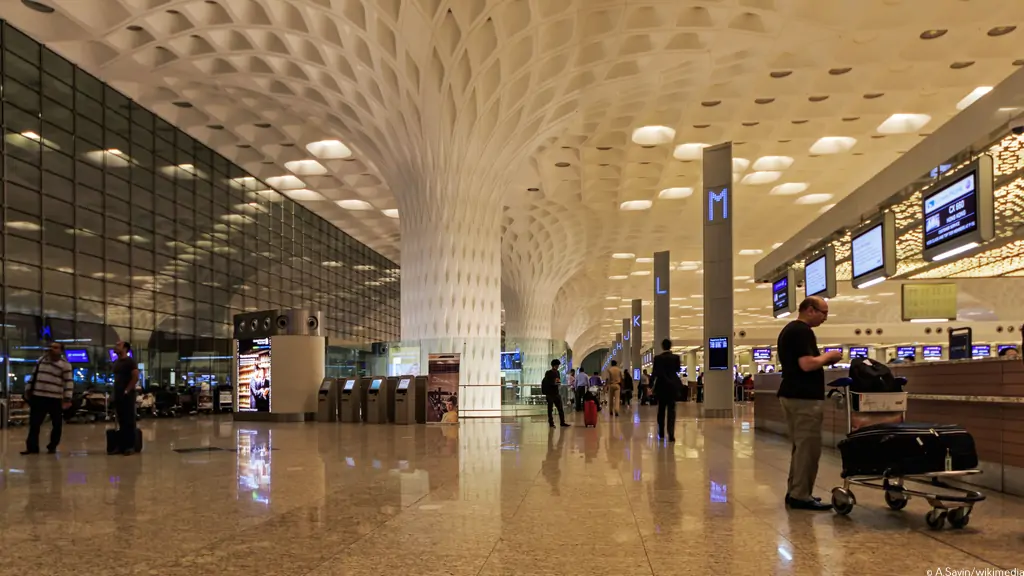
In an era where environmental concerns have taken center stage, industries are embracing innovative solutions to minimize their carbon footprint. The aviation industry, notorious for its environmental impact, is taking a significant step forward with Chairman Sanjeev Kumar's visionary plan for India's airports. This transformative endeavor aims to reshape the way airports operate while preserving the planet.
Chairman Sanjeev Kumar's Vision
Chairman Sanjeev Kumar's strategic vision for the Airports Authority of India encompasses a future where airports cease to be mere infrastructural entities and evolve into sustainable ecosystems. By harnessing the potential of renewable energy sources, Kumar envisions more than 100 airports functioning as beacons of green technology and environmental consciousness.
The Power of Renewable Energy
Renewable energy sources, including solar, wind, and hydroelectric power, have gained immense traction as the go-to alternatives to conventional fossil fuels. These sources are not only sustainable but also abundant, paving the way for an energy-efficient future. Kumar's plan taps into this potential, revolutionizing airports into energy-efficient hubs.
Integrating GRIHA-5 Standards: Paving the Path to Sustainability
GRIHA-5, the latest version of the Green Rating for Integrated Habitat Assessment, sets a gold standard for sustainable infrastructure. Chairman Kumar's vision involves integrating these standards across existing airports, ensuring that their design, construction, and operations adhere to eco-friendly principles.
Sustainable Structures: Existing Airports Undergoing Transformation
Numerous airports across India are undergoing comprehensive transformations to meet GRIHA-5 standards. The metamorphosis involves redesigning existing structures, optimizing energy consumption, and incorporating advanced waste management systems. These sustainable overhauls are propelling airports towards energy self-sufficiency.

Green Blueprint for Future Airports
As new airports take shape on the horizon, they are designed to seamlessly incorporate renewable energy solutions from the outset. By leveraging modern architectural practices and cutting-edge technology, these airports will be powered by clean energy, further reducing the aviation industry's carbon footprint.
AAI's Commitment to Renewable Energy
The Airports Authority of India's commitment to renewable energy is not only a visionary move but also a testament to the organization's dedication to a sustainable future. This commitment extends beyond the airports themselves, influencing stakeholders and partners to embrace clean energy solutions.
Benefits Beyond the Environment
The positive impact of Kumar's plan extends beyond environmental benefits. Embracing renewable energy not only mitigates greenhouse gas emissions but also reduces energy costs over the long term. This cost-efficiency translates to improved operational stability and, ultimately, enhanced travel experiences for passengers.
Overcoming Challenges and Concerns
Transitioning to renewable energy on such a grand scale does pose challenges, including initial investment costs and technological adaptations. However, Chairman Kumar's resolute determination and strategic partnerships are set to overcome these hurdles, propelling India's airports into an era of sustainability.
The Role of Technological Innovation
Technological advancements play a pivotal role in realizing the ambitious goal of powering airports with renewable energy. From efficient solar panels to smart energy management systems, innovation is the driving force behind creating energy-efficient and environmentally conscious airports.

Collaborative Efforts: Government and Private Sectors Unite
Achieving Kumar's vision necessitates collaboration between the government and private sectors. Public-private partnerships are fostering innovation, resource-sharing, and expertise, culminating in a unified effort to reshape the aviation industry's ecological footprint.
Roadmap to 2024: Phases of Implementation
The journey towards operating over 100 airports with renewable energy is divided into strategic phases. These phases encompass infrastructural upgrades, energy system implementations, and training programs for airport staff to ensure a seamless transition to the new green paradigm.
Transforming Air Travel Experience
Kumar's vision transcends the mere operation of airports; it aims to transform the very experience of air travel. Passengers will embark on their journeys with the knowledge that their flights are contributing to a cleaner planet, fostering a sense of collective responsibility.
Conclusion
Chairman Sanjeev Kumar's visionary plan for India's airports marks a pivotal moment in the aviation industry's trajectory towards sustainability. By integrating renewable energy sources and embracing eco-friendly practices, airports are not just facilitating travel; they are shaping a greener, more sustainable future for generations to come.
With Inputs from Financial Express
Read next

In the ever-evolving world of aviation, staying up-to-date with the latest technological advancements and offering unparalleled travel experiences to passengers is of paramount importance. Fiji Airways, the National Carrier of Fiji, is taking a significant leap forward in achieving this goal by introducing the newest addition to its fleet – the Airbus A350-900XWB (A350).
On a monumental day, Tuesday, August 15, 2023, Fiji Airways officially welcomed the A350, a marvel of modern engineering, as part of its strategic plan to modernize its aircraft lineup.
A Milestone in Aviation: The Arrival of the Island of Beqa
Dubbed "The Island of Beqa," the brand-new Airbus A350 marks a remarkable milestone for Fiji Airways. This aircraft, the third A350 to join the airline's fleet, is a symbol of progress and innovation. With its cutting-edge technology, the A350 is set to revolutionize the airline's long-range flights, offering enhanced comfort, efficiency, and sustainability.
Unveiling the Airbus A350-900XWB

The Airbus A350-900XWB is not just an aircraft; it's a masterpiece of aviation engineering. With a focus on improving fuel efficiency and reducing carbon emissions, this aircraft aligns perfectly with Fiji Airways' commitment to environmental sustainability. The advanced aerodynamics, state-of-the-art engines, and lightweight materials contribute to its impressive fuel efficiency and reduced carbon footprint.
Unparalleled Passenger Comfort
Passenger experience takes center stage in the design of the A350. The aircraft boasts larger windows, allowing natural light to flood the cabin, creating a more spacious and pleasant ambiance. The lower cabin altitude and advanced air filtration systems ensure passengers arrive at their destination feeling refreshed.
Cutting-Edge Entertainment and Connectivity
In-flight entertainment has been taken to the next level with personalized touchscreens for each seat. Passengers can enjoy a wide range of entertainment options, from movies and TV shows to music and games. Additionally, the A350 offers seamless connectivity, allowing travelers to stay connected with their loved ones or catch up on work during the flight.

The Island of Beqa: Connecting the World
Named after the picturesque Island of Beqa in Fiji, this A350 exemplifies the airline's dedication to showcasing the beauty and culture of the region on the global stage. With its extended range, the A350 opens up new horizons for Fiji Airways, connecting travelers to far-reaching destinations with unmatched comfort and style.
Embracing the Future of Travel
As Fiji Airways takes delivery of the Airbus A350-900XWB, it solidifies its position as a forward-thinking airline committed to excellence in every aspect of travel. This remarkable addition not only modernizes the fleet but also elevates the passenger experience to unprecedented heights.
Comments
According to Mr. Andre Viljoen, the company's Managing Director and Chief Executive Officer, "One of our 5 'Game Changer' Strategies that the National Airline has relentlessly pursued since 2017, has been the modernization of our aircraft with 'new generation' aircraft such as the Airbus A350."
“The Island of Beqa is brand new, having been stored shortly after production. We were able to negotiate a lucrative deal to acquire it." "It combines the most advanced aerodynamics, new generation engines, and lightweight materials to provide a 25% advantage in fuel burn, carbon dioxide (CO2) emissions, and operating costs over previous generation aircraft."
Conclusion
In a bold move towards the future, Fiji Airways' acquisition of the Airbus A350-900XWB brings not only a cutting-edge aircraft but also a transformative travel experience. As the Island of Beqa takes to the skies, it carries with it the hopes and dreams of modern aviation, sustainability, and unrivaled passenger comfort. With this addition, Fiji Airways continues to soar to new heights, redefining travel for a new era.
With Inputs from Fiji Airways
Read next
The FAA's Review of SpaceX's Starship Mishap: Ensuring Safety and Environmental Responsibility
Abhishek Nayar
17 Aug 2023

In the world of space exploration, innovation often goes hand in hand with challenges. SpaceX, the trailblazing aerospace company founded by Elon Musk, has been pushing the boundaries of space travel with its ambitious projects. However, not all journeys are without setbacks, as highlighted by the Federal Aviation Administration (FAA)'s recent scrutiny of SpaceX's Starship rocket mishap.
SpaceX's Starship rocket has garnered significant attention due to its potential to revolutionize space travel and colonization. With the capacity to carry both crew and cargo to various celestial destinations, the Starship project represents a significant step forward in the field of aerospace engineering.
The Mishap Incident: Unveiling the Details
In a recent incident, SpaceX faced a catastrophic failure during a test launch of its Starship rocket. The mishap raised concerns about the technology's readiness and safety protocols. The explosion not only posed a setback to SpaceX's ambitions but also prompted the FAA to step in and assess the situation.
The FAA's Mandate: Ensuring Public Safety
As the regulatory body responsible for overseeing civil aviation and commercial space launches in the United States, the FAA plays a critical role in ensuring public safety during space activities. In the aftermath of the Starship mishap, the FAA received SpaceX's detailed investigation report, signaling the beginning of a thorough assessment.
The FAA said in a statement on August 15, 2023, "When a final mishap report is approved, it will identify the corrective actions SpaceX must take." "Separately, SpaceX must modify its license to incorporate those actions before receiving authorization to launch again."
National Security and Foreign Policy Considerations
SpaceX's activities extend beyond technical aspects, encompassing national security and foreign policy considerations. The FAA's assessment includes evaluating any potential implications for national security and diplomatic relations. This comprehensive review aligns with the government's commitment to safeguarding strategic interests.

SpaceX's Insurance Obligations: Mitigating Financial Risks
Commercial space launches involve substantial financial investments. To manage potential liabilities arising from mishaps, companies like SpaceX are required to maintain substantial insurance coverage. The FAA's assessment encompasses a review of SpaceX's insurance policies to ensure they align with the potential risks associated with their operations.
Ecological Impact Assessment: Navigating Environmental Concerns
SpaceX's endeavors can also have ecological consequences. The FAA's evaluation includes an assessment of the environmental impact of the mishap and SpaceX's planned operations. This underscores the importance of responsible space exploration that minimizes negative effects on Earth's ecosystems.
Lessons Learned: Implications for Future Launches
Mishaps often provide valuable lessons for improvement. The FAA's analysis of SpaceX's incident aims to uncover the root causes and contributing factors. These insights will contribute to enhancing safety measures, refining technology, and preventing similar incidents on future space missions.
While the timeline for this process is unknown, SpaceX CEO Elon Musk stated during a conversation with journalist Ashlee Vance on X (formerly known as Twitter) on June 24, 2023, that the company has already implemented more than 1,000 design changes to its Starship rocket since the first launch.
Furthermore, SpaceX carried out a mostly successful static fire test of their Starship Super Heavy Booster 9, the ninth booster prototype for the Starship launch vehicle system, on August 6, 2023.
To avoid further issues, SpaceX rebuilt the launch pad, replacing the concrete beneath the booster with a steel plate and installing a water deluge system to decrease noise, debris, and pad damage. Despite this, the test was cut short at 2.7 seconds out of a planned five seconds, and four engines shut down prematurely.
Collaborative Efforts: FAA and SpaceX's Path Forward
The FAA's review is not a standalone endeavor. It involves close collaboration with SpaceX, fostering a partnership focused on improving safety and operational practices. This joint effort reflects the shared commitment to advancing space exploration while upholding the highest standards of safety.
Conclusion
The FAA's meticulous review of SpaceX's Starship mishap underscores the multifaceted nature of space exploration. While innovation drives progress, it must be balanced with safety considerations, national security priorities, and environmental responsibility. The outcome of this assessment will shape the future trajectory of SpaceX's endeavors and contribute to the advancement of the space industry as a whole.
With Inputs from Space
Read next

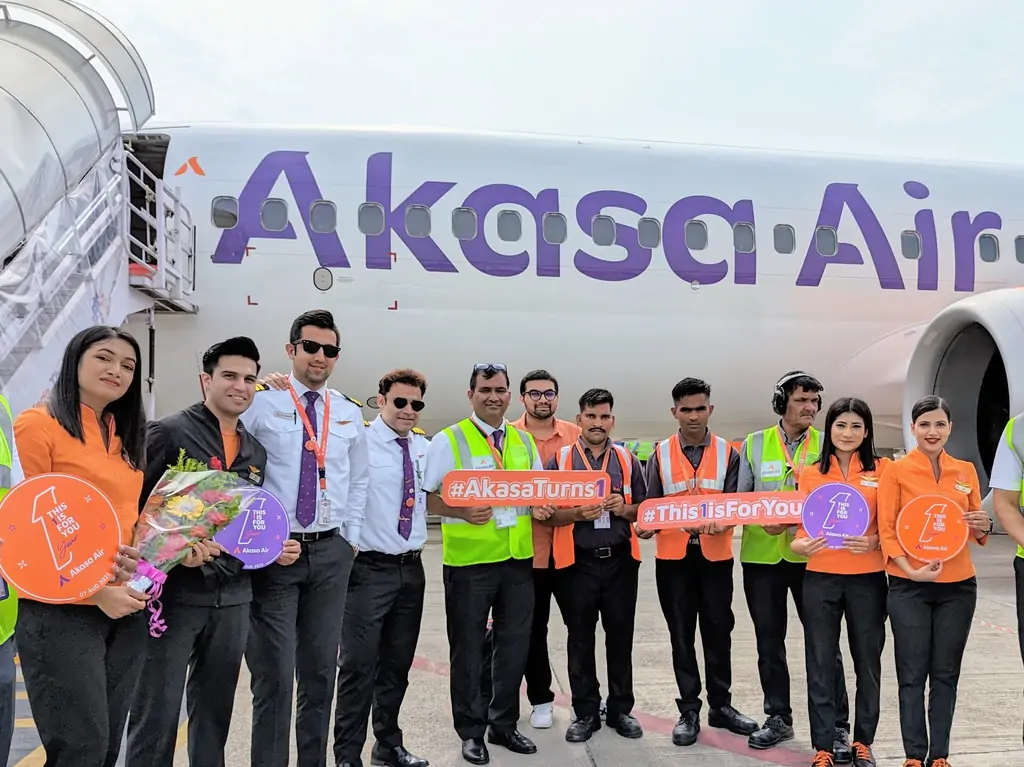
With just the blink of an eye, Akasa Air completed its first year in the skies. On August 7th, 2022, Akasa Air took its inaugural flight from Mumbai to Ahmedabad as QP 1101, and I had the privilege of being on board. To celebrate its first birthday, I was invited by Akasa Air to join the celebrations. I chose to fly to the world's oldest city, Varanasi, for this special occasion. For those unfamiliar with Akasa Air, it was founded by Vinay Dube, the former CEO of Jet Airways and Go First. Indian billionaire trader Rakesh Jhunjhunwala invested in the airline and holds a 40% stake. Now, let's delve into the review.
Check-in

Akasa Air operates all its flights from Mumbai Airport's Terminal 1. At Mumbai Airport’s Terminal 1, Gate 1 is dedicated to IndiGo Airlines, while all other airlines use Gate 2. My flight was originally scheduled for departure at 12:00 PM, but they promptly notified us via SMS and email about a rescheduled departure time of 12:35 PM. I arrived at the airport around 10:15 AM, and the Akasa Air counters were pleasantly empty. I availed the Priority Check-in and Bag service, allowing me to breeze through check-in. The staff at the check-in counters were sweet and helpful. The option to purchase priority services for just 400 rupees is worthwhile. The counters were beautifully decorated in the airline's brand colors and featured a photo booth for passengers to take pictures. It's worth noting that Akasa Air staff now handle check-in at Mumbai Airport, whereas BWFS used to manage it in the past. The distinctive uniforms of the Akasa Air ground staff set them apart and looked impressive.
Boarding Gate
Boarding for the flight was conducted via an aerobridge. There was a gate change, and they promptly communicated this through SMS and email to all passengers. The boarding gate agents took photos with passengers holding placards to celebrate the airline's first birthday. Boarding was efficiently carried out in zones, prioritizing senior citizens, travelers with infants, passengers requiring wheelchair assistance, and those who purchased priority boarding.
Aircraft Information

Akasa Air's fleet includes the Boeing 737-8MAX and a high-density version of the Boeing 737-8-200MAX. Our flight to Varanasi was operated by the 4-year-old VT-YAG, which was delivered to Akasa Air in November 2022. This particular aircraft did not feature Akasa Air's seats. The seats were black leather with no adjustable headrests, and in comparison to the aircraft with Akasa Air's seats, these seats were less comfortable. The cabin crew consisted of 5 members who were friendly and welcoming. The cabin interior was adorned with brand-colored lights during boarding, creating a visually appealing ambiance. The seats in passionate purple paired with the colorful lighting presented an outstanding visual. This use of colorful lights certainly enhanced the overall passenger experience and made a positive impression on the airline.
Seat

For this flight, I was assigned seat 1A in the first row of the aircraft. The legroom was impressive, but aviation enthusiasts won’t get a proper view of engines, and a lot of bending to catch even a glimpse of the wingtip. For aviation enthusiasts, seats in the 3rd and 4th rows will give a better view of the engine on the Boeing 737MAX aircraft. This aircraft was configured in an all-economy layout with 189 seats. Unfortunately, VT-YAG lacked USB charging ports.
Meal

Immediately after takeoff, the cabin lights shifted to blue and then orange. During an interaction with the cabin crew, I learned that orange and purple lighting is only possible during boarding and deboarding. I hope Akasa Air considers extending these brand-colored lights throughout the flight. Meal service began shortly after takeoff, featuring items from Café Akasa. I particularly enjoyed the Mushroom & Brie Croissant sandwich, which I've become a fan of since my first flight with Akasa Air. Accompanying this were the Go Bananas tri-layer pie, and the Mi-Lit Salad. All these items must be pre-booked. I highly recommend trying the Mushroom & Brie Croissant and Go Bananas – though slightly more expensive, they're definitely worth it. Akasa Air boasts an extensive menu with exceptional variety and taste. Taj Sats caters for Akasa Air.
As it was the airline's birthday flight, chocolates were distributed to all passengers, and headrest covers featured first-year birthday branding.
After Landing

We had a smooth touchdown in Varanasi and taxied to a remote parking gate. The ground crew stood in line holding Akasa Air's first birthday placards, creating a visually pleasing sight. Since it was a remote gate, we had to take a bus to the terminal. A small ceremony was held to celebrate the airline's first birthday, with the ground and flight crews cutting a cake. Thanks to the priority label on my bag, the ground crew kept our bags separate near the belt – a thoughtful gesture that I appreciated.
RETURN LEG
Check-in
At Varanasi Airport, Akasa Air doesn't yet offer Digi Yatra services. For this return flight, I again availed Priority Check-in and Bag services. Despite the smaller size of Varanasi Airport, they still had separate priority counters. At this time, Akasa Air only had one departure from Varanasi, resulting in minimal lines at the counters. When compared to newer Indian airports, Varanasi Airport's facilities appear outdated. The security area is limited in space, and there's inadequate information about carry-on items. First-time flyers seemed to struggle at security, leading to long queues.
Boarding Gate
Our aircraft was parked remotely, necessitating boarding via bus. IndoThai, the ground handling company at Varanasi Airport, provided the bus for boarding. As with Mumbai, boarding was organized by zones. Priority was given to senior citizens, passengers with infants, wheelchair users, and those with priority boarding. Ground staff were present near the aircraft to guide passengers according to their seats as they boarded from both the front and back, ensuring a seamless and efficient process. This was a significant advantage of bus boarding, and aviation enthusiasts like us had the opportunity to capture some great photos.
Aircraft Information
Once again, our flight was operated by a Boeing 737-8MAX, registered as VT-YAB. This 4-year-old aircraft was delivered to Akasa Air in July 2022.
Seat

For this flight, I was assigned seat 1F in the first row. The legroom was excellent. Unlike VT-YAG, this aircraft featured seats in Akasa Air's brand colors, USB ports, and an adjustable tray table in the first row. This aircraft was in an all-economy configuration with 189 seats.
Meal

For this sector, Café Akasa offered an Onam Special meal available for pre-booking until August 31st, 2023. The meal included Spicy Kadala Curry wrapped in Malabari Paratha, served with Nei Appam, Ada Pradhaman, and a choice of beverage. I highly recommend trying this unique offering if you're from South India. Alternatively, you can opt for my favorite – the Mushroom & Brie Croissant.
After Landing
As we descended, Mumbai welcomed us with rain. After a smooth touchdown and a short taxi, we arrived at Alpha Gates at Mumbai Airport. Deboarding was through an aerobridge. After a short walk, I reached the baggage belt; Akasa executives were present with priority bags near the belt, reinforcing the value of Priority Check-in and Bag services. Again This thoughtful gesture by Akasa Air staff was truly appreciated, even at a busy airport like Mumbai. It's worth mentioning that I haven't observed any other LCC airline providing such a service for passengers who opt for priority services.
Overall, the experience was truly memorable. It echoed the excitement of the first flight. The most significant positive change was the brand-colored cabin lighting during boarding. I hope that this vibrant ambiance will extend beyond boarding and disembarking. I extend my gratitude to Akasa Air for yet another memorable flight.

Read next
AAI Chairman Believes Airport Congestion is Positive Sign for Indian Aviation Sector

Radhika Bansal
16 Aug 2023

Noting that the congestion of passengers at several airports in the country is a positive sign for the aviation sector, the chairman of the Airports Authority of India (AAI) Sanjeev Kumar on Tuesday, August 15 said that it will meet the challenge of infrastructure development in the coming years.
"Congestion is a good thing and we must address the issues. Our minister (Jyotiraditya Scindia) is proactive on this. Last six to eight months he has taken many steps to meet the growing need of passengers and improve the infrastructure at the airports. We need to improve infrastructure at the airports through increasing the more gates, counters and with manpower which needs to increase by airports, airlines and airports operators," the AAI chairman told ANI.
Congestion at the airports in the past several months was monitored by Home Minister (Amit Shah) himself, said AAI chairman. While unfurling the flag on the occasion of Independence Day at Delhi Air Traffic Services Complex of Airports Authority of India at IGI Airport, New Delhi, the AAI chairman also emphasised that "it's a proud moment that India has placed historical aircraft's order almost 1000 planes for the future."
The AAI chairman also stressed that next year over 100 airports run by AAI will operate with renewable energy. "Being a progressive organization we must be sensitive towards the environment. Following the same, the Authority plans to bring all airport buildings and new airports under GRIHA-5, i.e. target to run all operational airports with renewable energy by December 2024," he added.
Airports Authority of India (AAI) celebrated the 77th Independence Day with patriotic fervour and zeal. While addressing the gathering, the Chairman highlighted the sacrifices made by the freedom fighters and paid tribute to them. He also highlighted the role of the Indian civil aviation sector in the progress of the nation and said that AAI is efficiently working towards making it one of the best in the world.
Ministry Tackling the Congestion
The Ministry of Civil Aviation (MoCA) announced that it is working on multiple measures to mitigate any likelihood of airport congestion during the upcoming festive season. The issue of congestion at the major airports was witnessed in the last year's festive season leading to longer waiting times at various airports. Among the steps that are being taken to tackle the problem are: additional manpower deployment by Central Industrial Security Force (CISF) in two phases by October 2023 and November 2023, adding more self-baggage drop facilities are airports, use of social media for real-time updates and reinforcement of the Bureau of Immigration (BoI) staff by October 2023.
"To support security infrastructure at airports, additional X-ray machines, check-in counters, and self-baggage drop facilities will be added at airports", the ministry said in a release. "Use of social media platforms to provide real-time updates to passengers to make airport transit seamless. Information regarding enhancement in processing capacity and expansion of security check areas will also be communicated," it added. Digi Yatra was launched on December 1 last year. It offers a biometric-enabled travel experience based on facial recognition technology.
Last year, Minister of Civil Aviation Jyotiraditya Scindia visited the Delhi Airport to inspect the arrangements and directed the airport operators at Delhi, Mumbai, Bengaluru, Hyderabad, Kolkata, and Chennai to identify bottlenecks and augment capacity to meet the growing passenger demand. The main causes of the congestion were: lack of sufficient airport infrastructure, inadequate X-Ray screening machines, bunching of flights particularly at peak hours, and inadequate CISF manpower and immigration manpower to meet the requirement.
"For improving requisite infrastructure at major airports, various actions were immediately taken. The number of X-ray machines was significantly increased at pre-embarkation security checkpoints. Additional entry gates were set up. Waiting time screens were set at entry and Police Naka Points to apprise passengers and the waiting area was increased. Support manpower was deployed to assist passengers. CISF was actively roped in for increasing CISF deployment immediately followed by fresh augmentations. Airports operators were directed to ease out the number of flights during peak hours," it added.
Comment