

Jet engines are the primary source of propulsion for modern aircraft. They work on the principle of Newton's third law of motion, which states that for every action, there is an equal and opposite reaction. In simple terms, jet engines generate thrust by expelling a high-velocity jet of exhaust gases in the opposite direction, propelling the aircraft forward.
Over the years, jet engines have undergone significant advancements in terms of efficiency, power output, and environmental impact. The early jet engines, known as turbojet engines, were efficient but had certain limitations. They consumed a large amount of fuel, resulting in high operating costs and environmental concerns. This necessitated the development of a new generation of engines that could meet these challenges.
The Basic Theory Behind Jet Propulsion
The incoming air is compressed through a series of compressor stages in a turbofan engine. In the combustion chamber, compressed air is mixed with pressurized fuel and ignited. Before exiting through the engine exhaust, the fuel-air mixture expands and passes through a series of turbine stages. The high-velocity exhaust creates thrust and propels the aircraft forward.
Introducing the LEAP Engine
The LEAP engine, short for Leading Edge Aviation Propulsion, is a state-of-the-art aircraft engine developed by CFM International, a joint venture between General Electric (GE) Aviation and Safran Aircraft Engines. It represents a leap forward in aviation engine technology, offering improved efficiency, reduced fuel consumption, and lower emissions. It is the successor to the CFM56 and competes with the Pratt & Whitney PW1000G to power narrow-body aircraft.
The Technology Behind LEAP Engines
LEAP engines incorporate cutting-edge technologies to optimize performance and efficiency. They are built using advanced materials such as ceramic matrix composites (CMCs), Carbon Fiber Reinforced Plastic (CFRP) composites, and 3D-printed components. These materials provide improved durability, temperature resistance, and weight reduction, resulting in enhanced overall engine performance.
Key Features of LEAP Engines
The LEAP engine incorporates several innovative features that set it apart from its predecessors. Some of the key features include:
Twin-Spool Architecture
LEAP engines utilize a twin-spool architecture, which improves overall engine performance. It consists of two concentric shafts, each connected to different sets of rotating components. This design allows for better control of airflow, resulting in improved fuel efficiency and thrust output.
Materials of the Future
Advanced materials, such as lightweight composites and ceramics, are used to make engine components. These materials contribute to the overall weight reduction of the engine, improving fuel efficiency and allowing for greater operating temperatures for enhanced performance.
Aerofoils in 3D
The compressor and turbine portions of LEAP engines use 3D-designed aerofoils. These aerodynamically optimized components improve airflow, resulting in enhanced efficiency and reduced fuel consumption.
Bypass Ratio
LEAP engines feature a high bypass ratio, which means a significant amount of air bypasses the core and is directed around the engine's combustion chamber. This bypassed air generates thrust while reducing fuel consumption and noise levels.
Fan Diameter
The fan diameter of LEAP engines is notably larger than previous engine models. A larger fan allows for better propulsion efficiency, contributing to increased fuel efficiency and improved performance. The fan blades are manufactured using 3-D woven RTM (Resin Transfer Molding) carbon fibre composites.
Advantages of LEAP Engines
The adoption of LEAP engines offers several advantages to the aviation industry, such as:
Fuel Efficiency
LEAP engines deliver up to 15% better fuel efficiency compared to previous engine models. This translates to significant cost savings for airlines and reduced carbon emissions, contributing to a greener and more sustainable aviation sector.
Noise Levels Have Been Reduced
The innovative design of LEAP engines decreases noise levels substantially during aircraft operation. This enhancement improves the passenger experience by making the aircraft quieter and more pleasant.
Reduced Maintenance Costs
LEAP engines are engineered to be more durable and require less maintenance. The adoption of modern materials and improved component designs helps to increase service intervals, reducing downtime and maintenance costs for airlines.
Market Demand and Future Orders
Adoption by Leading Airlines
The LEAP engine has gained substantial traction among leading airlines worldwide. Renowned carriers, such as Southwest Airlines, Ryanair, and AirAsia, have placed significant orders for aircraft equipped with LEAP engines. This underscores the industry's confidence in the engine's capabilities and its potential to deliver operational and financial benefits.
Global Market Outlook
The demand for fuel-efficient and environmentally friendly aircraft engines is projected to grow significantly in the coming years. As airlines strive to optimize operational costs and meet stringent emission regulations, the LEAP engine presents a compelling solution. Industry analysts predict a substantial increase in future orders for LEAP-powered aircraft, further solidifying its position as a game-changing engine technology.
Airlines Operating LEAP Engines
Several prominent airlines around the world have adopted LEAP engines to power their fleets. Some of the notable airlines operating LEAP engines include:

United Airlines: United Airlines has incorporated LEAP engines in their Boeing 737 MAX aircraft, benefiting from the engines' improved fuel efficiency and performance.

AirAsia: AirAsia has chosen LEAP engines to power their Airbus A320neo fleet, allowing them to achieve better operational efficiency and lower operating costs.

Ryanair: Europe's largest low-cost carrier, Ryanair, has opted for LEAP engines on their Boeing 737 MAX aircraft, prioritizing cost savings and environmental sustainability.

China Eastern Airlines: China Eastern Airlines has embraced LEAP engines on their Boeing 737 MAX and COMAC C919 fleet, benefiting from improved performance and environmental friendliness.
Environmental Impact and Fuel Efficiency
The LEAP engine variants bring substantial environmental benefits to the aviation industry. By incorporating advanced technologies and innovative design elements, these engines contribute to reducing fuel consumption and lowering emissions. The improved fuel efficiency of the LEAP engines translates into decreased greenhouse gas emissions, helping to mitigate the environmental impact of air travel. Additionally, the engines' quieter operations contribute to minimizing noise pollution around airports and neighboring communities.
Reliability and Maintenance
LEAP engines are engineered to deliver high reliability and minimize maintenance requirements. Their robust design and utilization of advanced materials ensure durability and prolonged engine life. Additionally, LEAP engines incorporate state-of-the-art monitoring systems that enable predictive maintenance, allowing airlines to proactively address potential issues before they escalate. This proactive approach significantly reduces unscheduled maintenance and enhances aircraft availability.
Technical Challenges
Despite their numerous advantages, LEAP engines face several technical challenges that need to be addressed to ensure optimal performance and safety.
Heat Management
LEAP engines operate at high temperatures, and managing this heat is crucial for their reliability and longevity. Advanced cooling systems and heat-resistant materials are employed to prevent overheating and maintain the engine's efficiency.
Combustion Dynamics
Efficient and stable combustion is vital for the proper functioning of LEAP engines. The complex interaction between air, fuel, and combustion chambers requires careful design and optimization to achieve optimal combustion dynamics, minimizing issues such as flameout or excessive emissions.
Durability Woes
LEAP engines work in harsh environments, with their components subjected to high temperatures, pressures, and mechanical strains. Developing durable and reliable materials that can withstand these demanding environments is a critical challenge in engine design.
Applications and Usage
LEAP engines power various commercial aircraft models, including the Airbus A320neo, Boeing 737 MAX, and COMAC C919. These engines have become the preferred choice for airlines globally due to their unmatched performance, fuel efficiency, and environmental consciousness. By selecting LEAP engines, airlines can optimize their operations, reduce costs, and enhance the overall passenger experience.
Variants
LEAP-1A

The LEAP-1A engine variant is specifically designed for the Airbus A320neo family of aircraft. It offers significant improvements over previous engine models, including reduced fuel consumption, lower emissions, and quieter operations. With its innovative design, the LEAP-1A engine provides enhanced reliability and durability, making it a popular choice among airlines worldwide.
LEAP-1B

The LEAP-1B engine variant is tailored for the Boeing 737 MAX series. It builds upon the success of its predecessor, the CFM56 engine, with improved fuel efficiency and reduced noise levels. The LEAP-1B engine incorporates advanced technologies, such as a larger fan diameter and optimized airflow, resulting in enhanced performance and reduced environmental impact.
LEAP-1C

The LEAP-1C engine variant is designed exclusively for the COMAC C919, a narrow-body twinjet aircraft. It brings together the latest advancements in engine technology to deliver exceptional fuel efficiency and lower emissions. With its high bypass ratio and advanced materials, the LEAP-1C engine provides improved operational efficiency, reduced maintenance costs, and a significant reduction in carbon footprint.
Challenges and Competition
While the LEAP engine has demonstrated remarkable advancements and gained significant market share, it faces competition from other engine manufacturers. Companies like Pratt & Whitney and Rolls-Royce have also developed innovative engine technologies, such as the Pratt & Whitney PurePower Geared Turbofan and the Rolls-Royce Trent series, respectively. The competitive landscape continues to drive innovation and push engine manufacturers to deliver increasingly efficient and environmentally friendly solutions.
Future Prospects
As the aviation industry continues to prioritize sustainability, LEAP engines are expected to play a significant role in shaping the future of air travel. Ongoing research and development efforts aim to further enhance the engines' fuel efficiency, reduce emissions, and improve overall performance.
Conclusion
In conclusion, the advent of LEAP engines has revolutionized the aviation industry, offering airlines a range of benefits, including improved fuel efficiency, lower emissions, and enhanced performance. Airlines worldwide are adopting LEAP engines to optimize their operations, reduce costs, and demonstrate their commitment to sustainability.

Read next
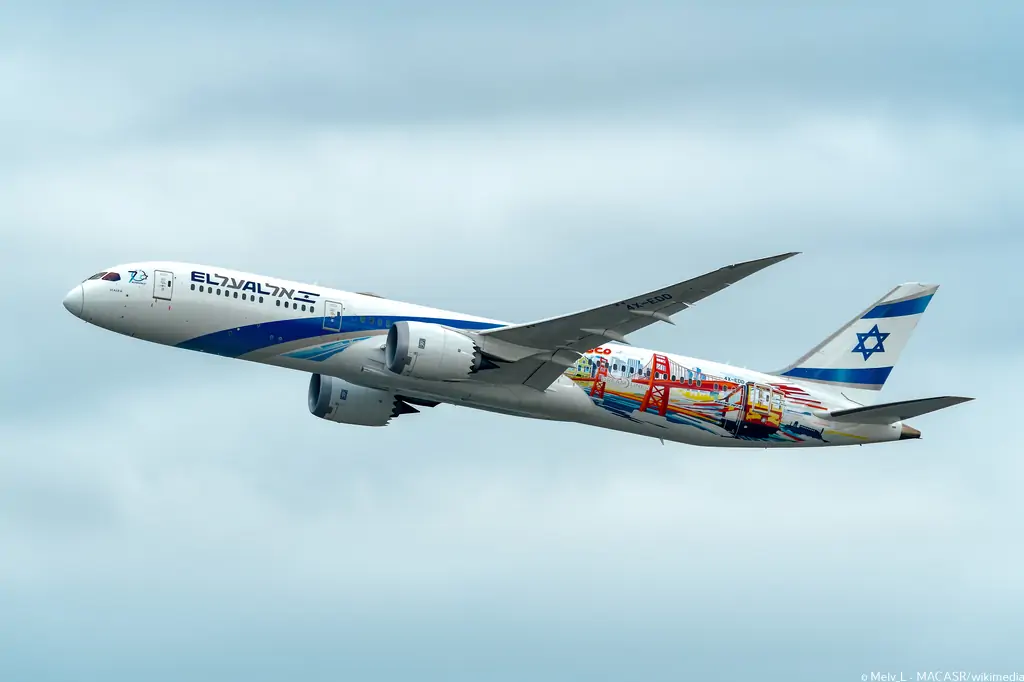
The Paris Air Show serves as a prominent platform for aviation industry leaders to unveil groundbreaking announcements. In an exciting development, AerCap Holdings N.V. ("AerCap"), a global leader in aircraft leasing, has recently disclosed their lease agreements with EL AL for two state-of-the-art Boeing 787-9 Dreamliners.
AerCap's Background
AerCap is the global leader in aircraft leasing and has one of the industry's most appealing order books. AerCap provides complete fleet solutions to roughly 300 customers worldwide. AerCap is situated in Dublin and is listed on the New York Stock Exchange (AER). It has offices in Shannon, Miami, Singapore, Memphis, Amsterdam, Shanghai, Dubai, Seattle, Toulouse, and other cities across the world.
AerCap: The World's Largest 787 Owner
AerCap's impressive fleet currently comprises 126 aircraft, including those owned, managed, or on order. As the world's largest 787 owner, AerCap has positioned itself at the forefront of the aviation leasing industry. Their commitment to staying ahead of the curve by acquiring the latest aircraft models enables them to provide their airline partners with unparalleled leasing solutions. By continually expanding its portfolio, AerCap reinforces its position as a key enabler for airlines worldwide to access the most advanced and efficient aircraft available.
Lease Contracts with El Al
AerCap has signed lease arrangements for two brand-new Boeing 787-9 Dreamliners with EL AL, Israel's national airline. These leasing agreements demonstrate the rising desire for cutting-edge aircraft that offer great comfort, efficiency, and cutting-edge technology. By cooperating with AerCap, EL AL may have access to the most recent aircraft models without making large upfront commitments. This strategic decision allows EL AL to improve its fleet capabilities and give customers a more enjoyable travel experience.
Arrival of the Boeing 787-9 Dreamliners
The arrival of the two Boeing 787-9 Dreamliners is scheduled for the fourth quarter of 2025 and the first quarter of 2026. These state-of-the-art aircraft are renowned for their innovative design, fuel efficiency, and passenger-centric features. The 787-9 Dreamliner represents the cutting edge of modern aviation technology, offering enhanced fuel economy, reduced emissions, and a quieter cabin environment. With the addition of these Dreamliners to its fleet, EL AL can elevate its operational efficiency while simultaneously reducing its environmental footprint.
Comments
"AerCap is delighted to partner with EL AL on this deal following the long history of successful cooperation between our two companies," stated AerCap's Chief Executive Officer Aengus Kelly during the announcement event. We are delighted to support EL AL's ongoing fleet modernization programme by leasing these two new 787s and assisting them in meeting their sustainability objectives. We wish Dina Ben Tal Ganancia and the rest of the EL AL team great success."
"As part of EL AL's strategic implementation plan, we signed an important agreement today for the lease of two new 787-9 Dreamliners, which will join EL AL's wide-body fleet in 2025 and 2026," commented Dina Ben Tal Ganancia, Chief Executive Officer. These cutting-edge aircraft will be the 18th and 19th in our fleet. To accomplish our business goals, as outlined in our strategic plan, we must alter our acquisition strategy, and I am glad to sign this deal today, which is another step towards realizing our fleet aspirations. These planes allow us to increase our route network and provide more appealing locations to our consumers. I would like to thank our partners at AerCap and Boeing for their support and partnership along the way.''
Conclusion
AerCap and EL AL's lease agreements for two new Boeing 787-9 Dreamliners signal a significant milestone in the aviation sector. EL AL's collaboration with AerCap allows them to modernize their fleet and provide customers with a better travel experience. The introduction of these cutting-edge aircraft in the coming years will not only improve EL AL's operating efficiency but will also help reduce its environmental impact. AerCap's dedication to innovation, as well as its position as the world's largest 787 owner, reaffirms the company's leadership in the aircraft leasing industry.
With Inputs from AerCap
Read next

Tata-owned Vistara bagged the 16th position at the Skytrax World Airline Awards 2023, also known as the Oscars of the aviation industry. Vistara jumped four spots up from the 20th position last year and is the only Indian carrier to feature in the top 20 list.
Meanwhile, no-frills IndiGo airline ranked 43rd on Skytrax's top 100 airlines list. However, it retained the lead position as the best low-cost airline in India as well as South Asia. Meanwhile, IndiGo has also been named the third-best low-cost airline by Skytrax. Air India was in the 9th spot on the list of the 10 most improved airlines.
According to Skytrax's World Airline Awards, Vistara reigned supreme as the best airline in India and South Asia region. In addition to this, the airline has also been named the airline with the best staff service in the region. Vistara was placed 19th on the list of the "World's Best Airline Cabin Crew 2023." On the list of the top 10 airlines in Asia, Vistara also claimed the eighth position. It also claimed the 20th spot in the ‘World’s Best Inflight Entertainment 2023’ category. The airline was also declared the ‘Best Business Class Airline in India and South Asia’ for the second time.
“We are overjoyed to have done it again. It is extremely gratifying for all of us at Vistara to be awarded the Best Airline in India and South Asia for the third time, and Best Airline Staff in India and South Asia for the fifth time. We are also ranked 16th amongst the world’s best airlines along with winning these stellar accolades at the 2023 World Airline Awards by Skytrax," said Vinod Kannan, CEO, of Vistara.
"These awards are a strong endorsement of our customers’ trust in our thoughtful service, consistent operational excellence and constant innovations, all aimed at elevating their travel experience. These awards are also a recognition of the hard work put in by our employees, especially the frontline teams, who have given their all to Vistara throughout our eight years of existence. We would like to express our sincere gratitude to Skytrax for these coveted awards which strengthen our resolve to delight our customers at every touchpoint and on every journey,” he added.
Congratulating Vistara and commenting on the awards, Edward Plaisted, CEO, of Skytrax said, "We congratulate Vistara on the fantastic achievement of winning this award as the Best Airline in India & South Asia. The double success of scooping the award for the Best Airline Staff in India & South Asia for the fifth time is an unprecedented achievement in this region.”
Besides Vistara and IndiGo’s awards, AirAsia was the repeat winner of the World’s Best Low-Cost Airline award, a title it has won each year since 2010. Apart from this, Singapore Airlines was voted the World’s Best Airline at the prestigious awards, followed by Qatar Airways, ANA All Nippon Airways, Emirates and Japan Airlines. Singapore Airlines won the Airline of the Year award for the fifth time in the 23-year history of the awards.
Skytrax's World Airline Awards are decided through impartial international customer voting. This year, 20.23 million eligible entries were counted in a survey that ran from September 2022 to March 2023, representing passengers with over 100 nationalities. The World Airline Awards are a resource for travellers who are looking for the best possible airline experience. The awards can help travellers to identify airlines that offer excellent service, comfort, and amenities.
Read next
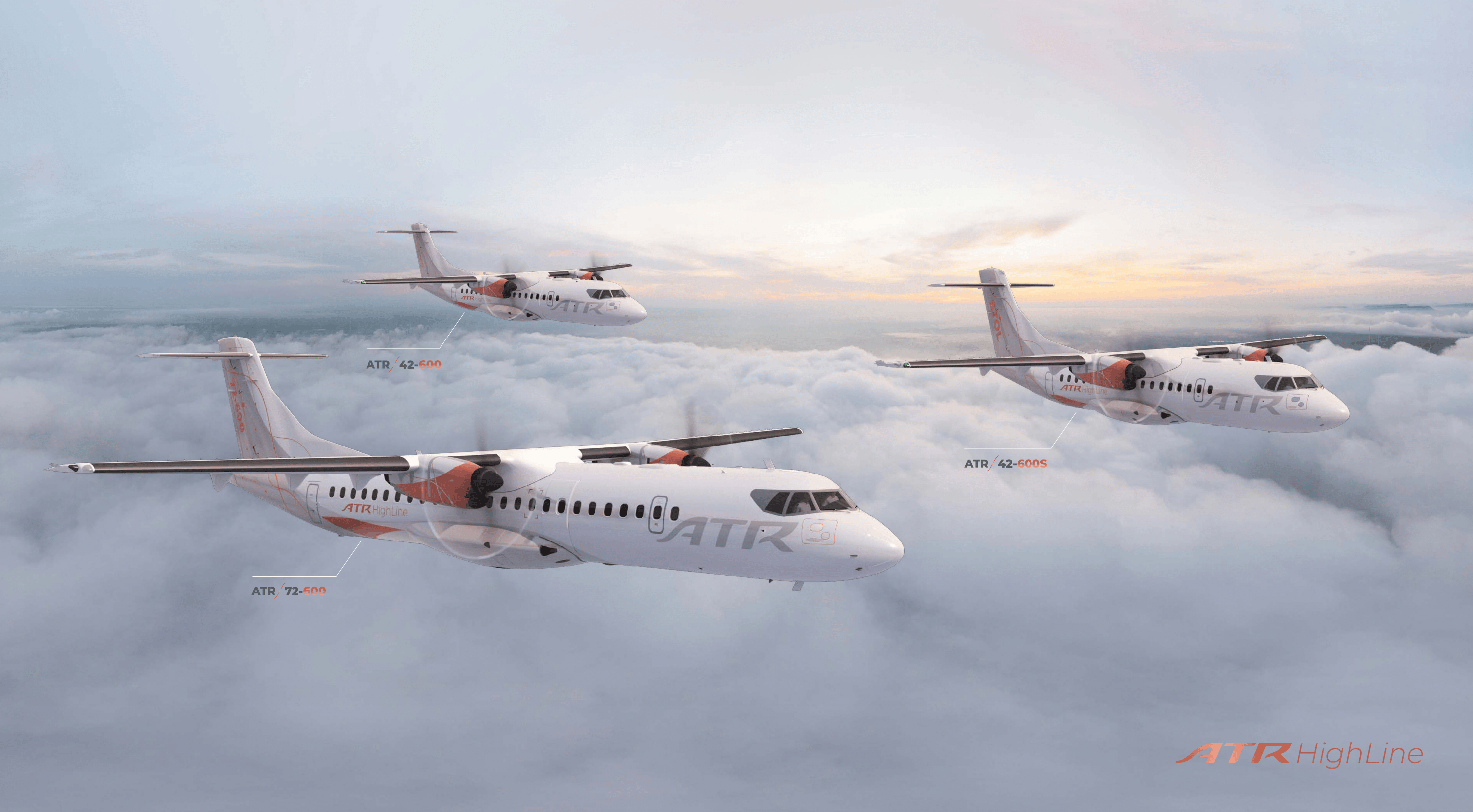
Franco-Italian aircraft manufacturer ATR has used the Paris Air Show to announce orders for 22 aircraft from eight separate customers. The bumper order was announced on Tuesday, June 20, at a press conference where Mandarin Airlines, Berjaya Air and Brazilian carrier Azul were named among the customers. The other five customers’ identities have not been revealed, but ATR confirmed the deals announced were all for purchases of the 42-600 and 72-600 aircraft.
Describing itself as the “world’s number one regional aircraft manufacturer”, ATR reported a “clear upward trend and solid market appeal for both models of its family of low-emission, comfortable and versatile turboprops with unbeatable economics”.
In the press conference, Nathalie Tarnaud Laude, ATR’s CEO, confirmed that Mandarin Airlines ordered six ATR 72-600 and Azul secured three ATR 72-600, plus options for two additional aircraft. Two ATR 72-600 ordered by Berjaya Air will use a premium configuration for a sole business class aircraft. Eight ATR 72-600 were purchased by three undisclosed customers and three ATR 42-600 from two undisclosed customers.
“These new aircraft orders demonstrate clear recovery signs from South-East Asia, traditionally one of ATR’s largest markets. We are confident that, in due time, the efficiency of our product offering, the lack of second-hand aircraft available and traffic exceeding pre-covid levels in certain areas of the globe will induce a need for low-emission and versatile aircraft to support regional operators’ plans of both fleet replacement and growth,” Tarnaud Laude said.
ATR on Supply Chain & Deliveries
In addition, despite continued tensions on the supply chain, the manufacturer is on track to achieve its 40+ delivery objective for 2023. ATR forecasts demand for 2,450 turboprops in the next 20 years, a significant part of which will be freighters. ATR delivered 25 aircraft in 2022, which was below expectations. The company wants to deliver 80 aircraft a year by the second part of the decade. ATR is jointly owned by planemaker Airbus and Italian aerospace group Leonardo.
The Mandarin Airlines order will be delivered from the end of 2023 through 2025 and will join the airline’s existing fleet of nine ATR 72-600 to serve the demand of the Taiwanese market. Berjaya’s two new aircraft will enable it to rebrand itself into a premium offering and to expand its network to serve the carrier’s many resorts and hotels.
Supply chain problems mean that ATR is being cautious with its production ramp-up. ATR is currently producing four aircraft per month, and this is set to grow to five in 2024. “We are not planning to be at 80 aircraft next year,” Tarnaud Laude said. “It is a slow ramp-up because we plan to be at 80 by 2026. We have room, and hopefully, the supply chain will be in a much better place then.”
To continue to support its production ramp-up and plans for the future, including the ongoing development of its Short Take-Off and Landing variant, ATR is looking to increase its workforce, targeting a 12% employee increase this year. Laude added: “ATR’s purpose is to connect communities and businesses affordably and responsibly in the most complex operational environments. Already today, our aircraft emit 45% less CO2 than similar-size regional jets, and with our EVO concept, we want to cut emissions further down. Thanks also to government support, we are investing in technologies which will be used on our next-generation aircraft, and we will get more results from the feasibility study by year-end.”
Read next

Global leader in identity technologies and biometric solutions IDEMIA on June 20 said that it has been selected as the technology partner by GMR Group for DigiYatra. French company IDEMIA has deployed biometric and digital technologies at over 250 airports across the globe including at Singapore's Changi Airport.
Delhi International Airport Limited (DIAL) is a joint venture, formed as a consortium between GMR Group (54%), Airports Authority of India (26%), and Fraport AG & Eraman Malaysia (10% each). DigiYatra is an industry-led initiative coordinated by the aviation ministry in line with Prime Minister Narendra Modi's Digital India vision to transform the nation into a digitally empowered society.
"We are thrilled to collaborate and partner with GMR Group for DigiYatra, yet another exemplary digitalisation initiative of the government. As a market leader for passenger flow facilitation solutions, we strive to constantly innovate to safeguard passenger trust and help pave the way for even smoother and more secure future travel," said Matthew Foxton, India Regional President, IDEMIA India.
Under this contract, DigiYatra will use IDEMIA's facial recognition technology in Delhi, Hyderabad and Goa to verify the identity of domestic flyers, making terminal entry and security clearance at the airport a seamless, hassle-free, and paperless process.
"We are glad to partner with IDEMIA's best-in-class Passenger Flow Facilitation solution, which will enable and speed up passenger clearance and increase security with embedded anti-spoofing capabilities with the least manual intervention," said GMR CEO Videh Kumar Jaipuriar.
"IDEMIA has equipped over 250+ airports across the globe with its cutting-edge solutions, applying its award-winning biometric and digital technologies. Singapore's Changi Airport, which has been named the 'world's best airport' for a record 12 times, is also powered by IDEMIA's facial and fingerprint recognition technologies," he added.
How IDEMIA works?
IDEMIA, through the use of its award-winning facial recognition and digital technologies, contributes to DigiYatra by making travel more convenient for passengers while protecting their privacy and security. Contactless biometric technologies mitigate hygiene concerns and help regain the confidence of travellers.
Advanced fingerprint, face, and iris recognition devices designed by IDEMIA for airports are not just 'simple touchless technologies' -- they identify travellers on the move, enabling greater efficiency and a smooth passenger journey while respecting the user's privacy.
"It has been an absolute pleasure working with the GMR team to create a comprehensive and innovative solution that meets global standards. We are confident that our collaboration will result in great success, and we look forward to continuing our partnership with GMR to ensure a seamless travel experience for all passengers in India," said Alok Tiwari, Sr. VP and Business Head, Public Security & Identity, IDEMIA India.
IDEMIA aims to provide Indian passengers with a novel and digital experience, making their flying experience smoother, faster, and more secure, for those who give consent to use the DigiYatra platform.
IDEMIA is also a technology partner in the government's JandhanYojna and Aadhaar programme where verification is centric to the implementation of the project. The company said that it worked alongside DIAL in solution development and delivery of a live proof of concept for about the last one and a half years.
"Our solution was successfully tested, and IDEMIA was finally awarded the contract. Under this contract, DigiYatra will use IDEMIA's facial recognition technology at Delhi, Hyderabad, and Goa to verify the identity of domestic flyers, making terminal entry and security clearance at the airport a seamless, hassle-free, and paperless process," IDEMIA said.
Read next
Pratt & Whitney Collaborates With India's Awiros to Launch AI-Powered Aircraft Engine Analysis Tool

Radhika Bansal
21 Jun 2023
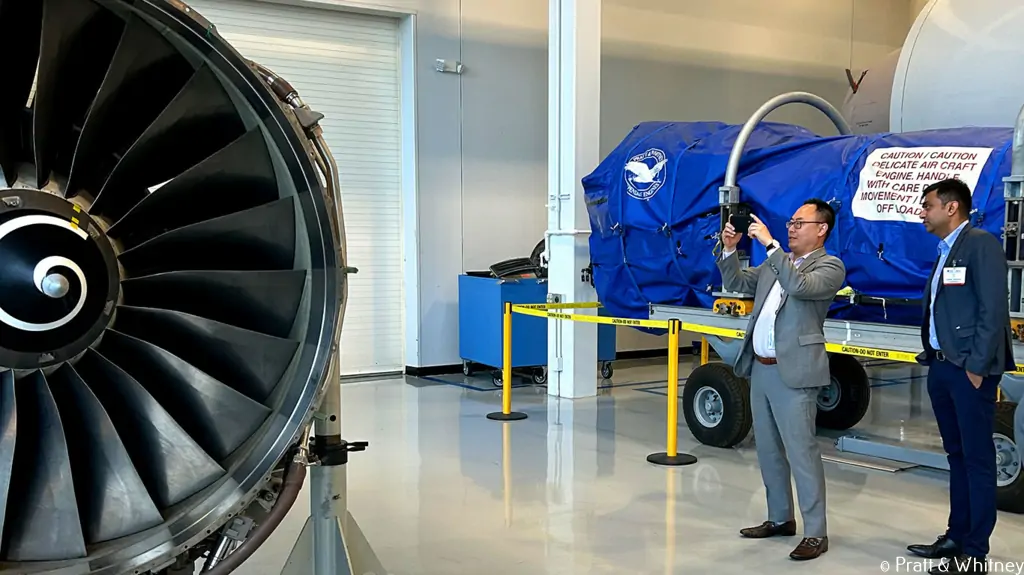
Pratt & Whitney, the aircraft engine design and manufacturing subsidiary of Raytheon Technologies, announced the launch of an ingenious AI-powered aircraft engine analysis tool called Percept. Developed in collaboration with the Indian startup Awiros, this cutting-edge tool operates on Awiros' Video Intelligence Operating System (OS), adding a touch of magic to engine inspections. The announcement was made at the Paris Air Show.
Percept boasts a cloud-based interface allowing users to capture aircraft engine images and videos using their mobile devices. It provides real-time responses on parts availability, eliminating the need for manual inspections and saving up to 90% of the usual inspection time.
"The Percept tool helps reduce time and effort involved in the pre-and-post lease analysis of aircraft engines," said O Sung Kwon, vice president, Customer Support, at Pratt and Whitney. "We have been working with Awiros, an Indian Computer Vision and Artificial Intelligence (AI) start-up for the past few years to mature this technology; we are excited to be shifting from technology development to now bringing an operational product to the market."
Awiros, the RTX Innovation Challenge winner, expressed excitement over their partnership with Pratt & Whitney. "Developing the Percept tool alongside RTX has been an exhilarating journey for Awiros," shared Vikram Gupta, the Founder and CEO of Awiros.
The Percept solution will be exclusively used for Pratt & Whitney's most advanced commercial engines, including the renowned Pratt and Whitney GTF engine and the V2500, taking aircraft engine inspections to new heights of efficiency and convenience.
Selection of Awiros
According to an official company statement issued by Pratt & Whitney on the sidelines of the ongoing Paris Air Show, Awiros was selected as the winner of the RTX Innovation Challenge. The Innovation Challenge was launched in September 2019 with over 60 Indian and global startups in Computer Vision, AI, and Machine learning (ML) domains. The teams proposed solutions to optimize and automate aircraft engine inspections with reduced human interventions. Awiros’ idea was evaluated through 2020-21 and is expected to be launched commercially later this year.
Awiros is the conduit to bring the most cutting-edge research in the areas of Computer Vision, Deep Learning and Artificial Intelligence to the market. Incorporated in 2015, Awiros is making it possible for everyone to build as well as utilize the most advanced applications of Computer Vision and AI in their everyday lives using its app-oriented open and unified Operating System model. With a stellar team of researchers and engineers, our constant endeavour is to push the boundaries of technology while delivering great value to our customers.
Comment