
What’s the Big Deal — Why Has Air India Express Just Joined IATA and Why Should Anyone Care?

Abhishek Nayar
28 Aug 2025
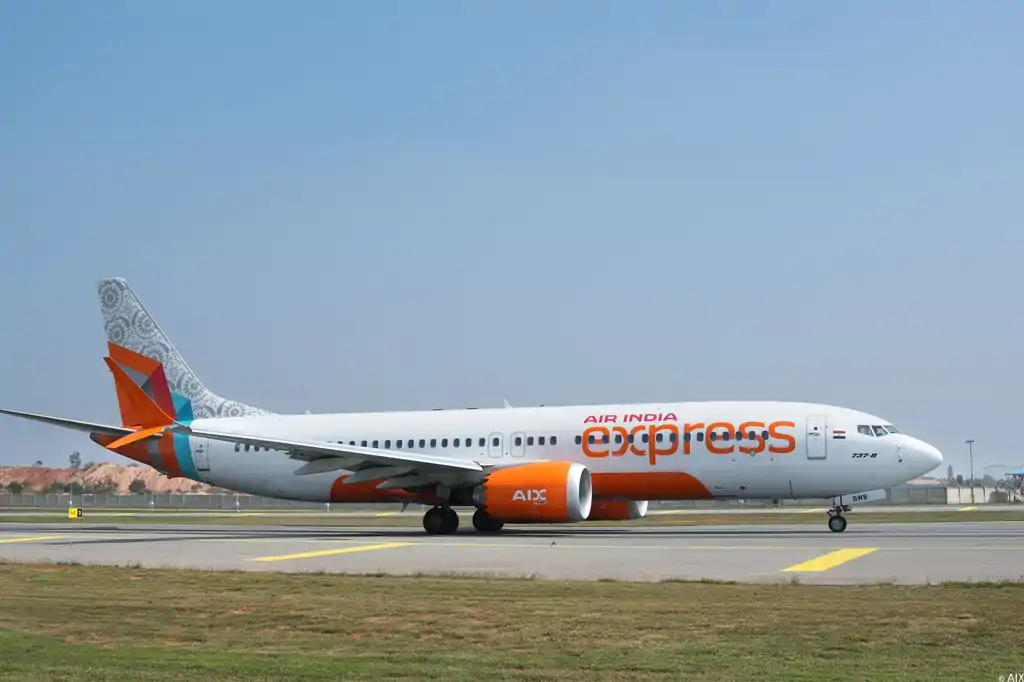
Airline news that reads like a plot twist: on 27 August 2025, IATA (the global trade body for airlines) officially welcomed Air India Express into its membership — making the Tata Group low-cost carrier the fourth Indian airline in the IATA club alongside Air India, IndiGo and SpiceJet. That may sound like a bureaucratic handshake, but it’s more like getting the keys to a few strategic doors.
A quick primer: what is IATA — and why membership matters
IATA is the airline trade association that represents about 350 carriers and handles over 80% of global air traffic. Membership isn’t just prestige — it unlocks access to industry standards (ticketing, safety audits, settlement systems), policy working groups, and commercial programs that make operating and interlining simpler and cheaper. For a carrier, that can mean smoother ticket distribution, easier global partnerships and a stronger voice in industry rules.
The headline facts

Air India Express is a Tata-owned, low-cost carrier launched in 2005. Recent public figures put its network at roughly 500 daily flights, connecting ~38–41 domestic airports and 17 international airports, and a fleet in the 115–116 aircraft range (roughly 75–76 Boeing 737s and 40 Airbus A320s). Different outlets round or update figures slightly; the airline’s own material and recent reporting show this scale. Those numbers explain why IATA would be interested: this is a sizeable regional operator with lots of passenger revenue and interline potential.
So… what changes now?
For passengers
- More reliable interline and baggage connections where IATA standards apply — fewer ticketing headaches on multi-carrier itineraries.
- Potentially smoother fare distribution and bookings through major global distribution systems (GDS) and travel agents.
For the airline
- Access to IATA systems (settlement, billing, standards) and policy groups — this can lower administrative costs and make partnerships (codeshares/interlines) easier.
- A clearer pathway to international operational harmonization (safety audits, operational standards) that investors and partners look for.
For other Indian carriers
- Strengthens India’s standing inside IATA by increasing Indian airline representation and bargaining weight. That can matter when the body discusses global slot rules, sustainability programs, or distribution reforms.

Why now?
A few likely drivers:
- Growth & consolidation under Tata — as the Tata Group reorganizes its aviation portfolio, aligning subsidiary carriers with global standards helps integration and commercial expansion.
- Commercial efficiency — joining IATA opens technical and commercial tools that reduce friction in cross-border sales and settlements.
- Reputation & safety oversight — membership and associated audits (IOSA etc.) send a positive signal to partners and corporates — especially useful after an industry landscape shaken by safety and financial headlines over recent years.
The bigger picture: India’s airlines and global integration
India’s aviation market is fast-maturing: more volume, more international travelers, and more carriers aiming beyond purely local operations. Having four IATA-member Indian airlines (Air India, Air India Express, IndiGo, SpiceJet) means India’s voice in policy and global industry standards is larger — and that helps when negotiating everything from sustainability targets to distribution rules.
A quick side note on Jet Airways: once a mainstay in IATA, Jet Airways collapsed in 2019 and — after lengthy legal and restructuring battles — entered liquidation (Supreme Court order in late 2024), so it is no longer an active operator in this picture. That gap partially explains why other Indian carriers have been stepping up to occupy more global lanes.
Watchpoints
- New codeshares / interline deals announced by Air India Express with foreign carriers (that will test the commercial upside).
- IOSA or other safety/audit disclosures and how the airline implements IATA best-practice recommendations.
- Any fleet or network growth announcements that use IATA tools (e.g., NDC, settlement systems) to accelerate distribution.
Bottom line (with a wink)
Air India Express joining IATA is more than a LinkedIn post — it’s a practical step that removes some frictions for the airline to trade, partner and scale internationally. For passengers it should gradually mean smoother interlined trips and better integration into global ticketing systems; for industry-watchers it’s another sign that Indian aviation is settling into a more standardized, globally integrated phase.
TL; DR
- What happened: Air India Express joined IATA on 27 Aug 2025, becoming the fourth Indian IATA member (with Air India, IndiGo and SpiceJet).
- Why it matters: Membership unlocks industry systems, standards and commercial tools that ease ticketing, interline partnerships and policy influence.
- Scale: The airline operates roughly 500 daily flights to about 38–41 domestic and 17 international airports with ~115–116 aircraft (c.75–76 B737s + 40 A320s).
- Wider impact: Boosts India’s presence in IATA and may accelerate commercial tie-ups and distribution improvements.
- Caveat: Keep watching safety/audit outcomes and any actual new codeshare or interline deals — those will show whether membership delivers commercial results.
Read next

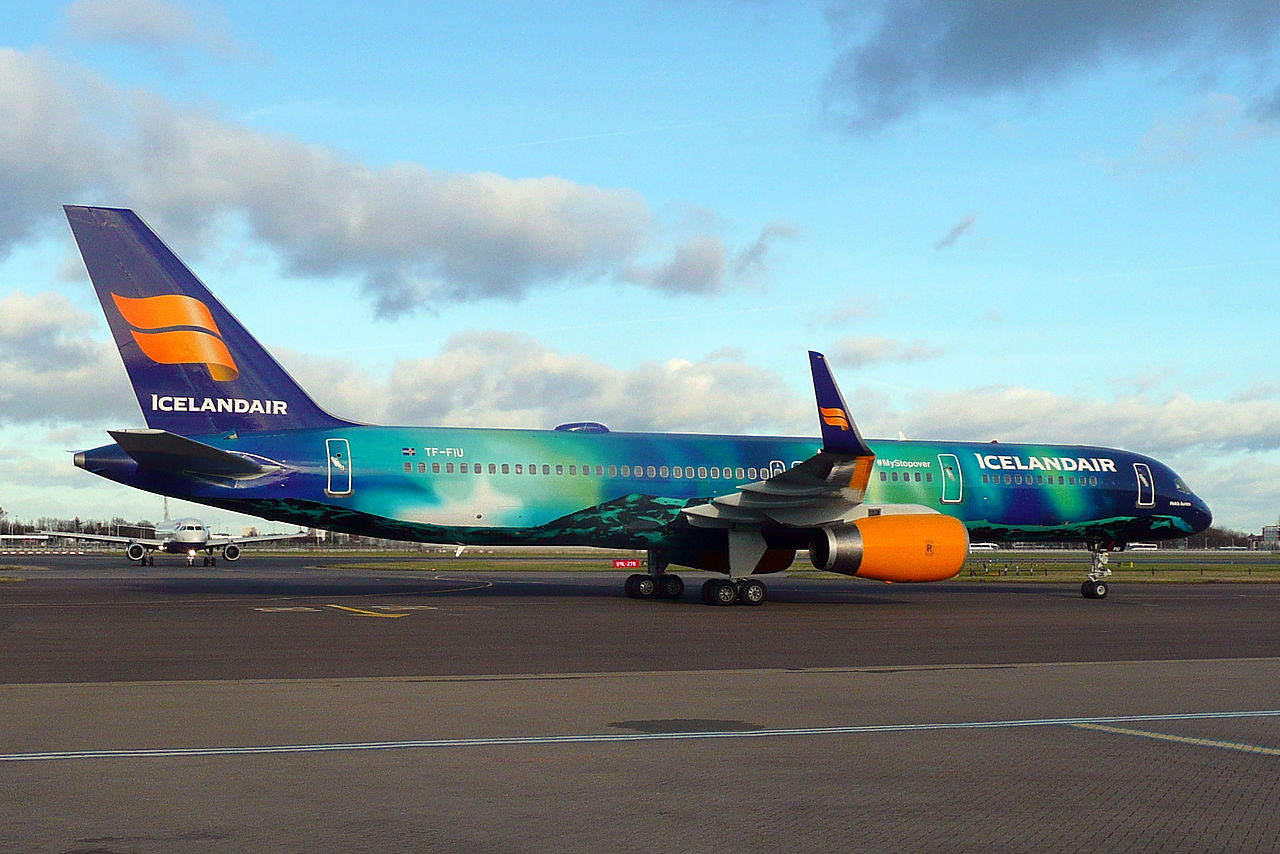
Welcome to the fascinating world of airline liveries – where paint schemes become powerful diplomatic tools, flying billboards that carry a nation's identity. This article explores how these planes don't just transport passengers; they transport perceptions, projecting national character, cultural values, and economic aspirations to every corner of the globe.
From the symbolic tailfins that serve as national calling cards to the cultural immersion that begins the moment you step aboard, airline liveries represent far more than aesthetic choices – they're strategic instruments of soft power in an increasingly interconnected world.
Historical Evolution
The concept of airline liveries as national symbols emerged alongside the golden age of aviation in the mid-20th century. Initially, aircraft were painted in basic colours for practical purposes – visibility and weather protection. However, as commercial aviation expanded and nations recognised the potential of their flag carriers as cultural ambassadors, liveries evolved into sophisticated branding exercises.
The transformation began in the 1960s when airlines like Pan Am and BOAC (later British Airways) started incorporating national symbols into their designs. This marked a shift from purely functional aesthetics to strategic national branding. The aircraft became more than transportation vehicles; they evolved into flying representations of national pride and cultural identity.
As globalisation accelerated, the importance of visual identity in the aviation industry intensified. Airlines realised that their liveries were often the first impression international travellers had of their home countries, making design choices increasingly deliberate and politically significant.

Psychology Behind Livery Design
When citizens see their national carrier's distinctive design at foreign airports, it evokes a sense of belonging and national achievement. This psychological connection transforms aircraft from mere transportation into symbols of national capability and reach.
The design elements chosen for liveries are rarely arbitrary.
British Airways' regal Union Jack-inspired tailfin communicates tradition and royal heritage, while Air France's sleek tricolor design reflects the nation's artistic sensibilities and sophisticated culture. These visual cues work subconsciously on viewers, creating immediate associations with national characteristics and values.
For smaller nations, airline liveries become particularly crucial symbols of sovereignty and independence. Air Niugini's bird of paradise design, for instance, immediately communicates Papua New Guinea's unique biodiversity and exotic appeal, helping a small nation project its identity on the global stage.

Cultural Immersion
Once passengers board, the livery's promise is fulfilled through carefully curated cultural experiences. Emirates transforms flights into showcases of Middle Eastern hospitality and luxury, while Japan Airlines offers traditional bento boxes and impeccable service that reflects Japanese values of precision and courtesy.
These cultural touchpoints create memorable experiences that shape travellers' perceptions of entire nations. The onboard experience becomes a preview of the destination's character – from the crew uniforms that echo traditional dress to the cuisine that introduces passengers to local flavours.
Every design choice, from seat fabric patterns to inflight entertainment content, is considered for its cultural authenticity and international appeal.
Iconic Liveries
Emirates, British Airways, Singapore Airlines, and Qatar Airways consistently rank among the most admired liveries globally, each representing different approaches to national branding through aviation design.
Qantas has gained particular recognition for its artistic liveries, including the "Minyma Kutjara Tjukurpa" design created by veteran artist Maringka Baker, which was painted by 100 different painters over two weeks. The airline's Flying Art series, featuring the Emily Kame Kngwarreye Dreamliner inspired by the 1991 artwork 'Yam Dreaming', represents how carriers can showcase national artistic heritage.
Special liveries have also captured global attention, with Alaska Airlines creating memorable Disney-themed aircraft, including Mickey Mouse designs and the recent "Mickey's Toontown Express" featuring Mickey, Minnie Mouse and their companions.

Economic and Diplomatic Implications
Airline liveries carry significant economic weight in international markets.
A well-designed, recognisable livery can enhance tourism promotion, facilitate business relationships, and strengthen diplomatic ties. Countries invest heavily in their national carriers' visual identity because they understand the return on investment in terms of national branding and economic development.
The diplomatic implications are equally important. During international crises, national airlines often serve as crucial tools for citizen repatriation and humanitarian assistance. Their liveries become symbols of national commitment and capability during these critical moments, reinforcing their role as more than commercial enterprises.
Bottom Line
From the psychological impact on citizens who spot their national carrier abroad to the cultural immersion that begins before passengers even reach their destination, liveries serve as powerful ambassadors of national identity.
The most successful airline liveries strike a delicate balance between honouring cultural heritage and embracing contemporary design sensibilities. As global connectivity continues to expand and competition intensifies, the strategic importance of these flying canvases will only grow. In an age where first impressions matter more than ever, airline liveries remain among the most influential tools nations possess to shape how the world perceives them – one flight at a time!
Read next
Dreamliners on the Ground, Dollars in the Air: Can Kenya Airways Turn a Sh12 billion Red into a $500m Green?
Abhishek Nayar
27 Aug 2025
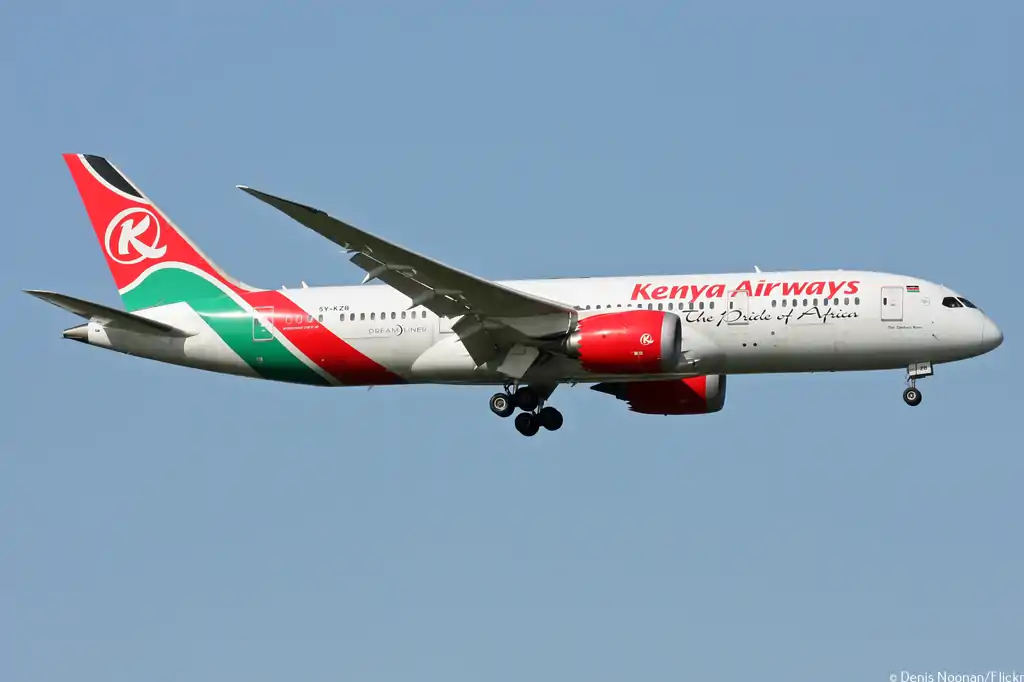
Kenya Airways — once flirting with the business-class of recovery after a surprise profit in 2024 — has been jolted back into the red in the first half of 2025. The culprit? A mix of grounded widebodies, quieter passengers and a balance sheet that suddenly looks thirstier than expected. The carrier now says it wants at least $500 million in new capital to fix the fleet and fuel growth — and it wants that plan sealed by the first quarter of next year.
How the numbers read (and sting)
- Half-year pretax loss: KSh 12.17 billion (about $94.3 million) — a dramatic reversal from a small profit in the same period last year.
- Revenue slide: Operating revenue fell from KSh 91.5 billion in H1 2024 to KSh 74.5 billion in H1 2025, showing the churn in demand and capacity.
- Fleet pain: Three Boeing 787-8 Dreamliners — roughly a third of Kenya Airways’ wide-body capacity — were out for maintenance, which slashed passenger numbers and pushed up cancellations and lost revenue. One Dreamliner returned to service in July; management is aiming for full fleet availability by next year.
Why the Dreamliners matter (and why their absence bites so hard)

Widebody jets like the 787 are cash machines on longer routes: they carry premium passengers and cargo that make international routes profitable. When a few of those birds are sidelined, the airline can’t simply swap in narrowbodies without leaving revenue on the runway — fewer seats, fewer premium fares, fewer belly-cargo dollars, and an awkward ripple through schedules and partnerships. That’s exactly what Kenya Airways felt in H1.
The $500 million ask: growth plan or life jacket?
CEO Allan Kilavuka told investors the airline is targeting at least $500 million in fresh capital to expand and improve the fleet, and that sourcing and shareholder approval should be finalized in Q1 next year. That’s a big, visible number — large enough to pay for multiple widebodies or to accelerate leases and spare-parts programs, but it also signals that Kenya Airways believes the business is investible if the operational kinks are ironed out.
If the airline lands that capital, possible uses are straightforward:
- restore and modernize widebody capacity (fix grounding risk),
- buy/lease additional aircraft to grow market share,
- shore up the balance sheet to lower financing costs,
- and plug working-capital gaps (spare parts, crew, route rollouts).
Backstory: from insolvency to a one-year miracle — and back again
The airline’s finances haven’t been stable for long. After a debt-fuelled expansion and pandemic shock, Kenya Airways slipped into insolvency in 2018 and has leaned on state support since. A bright spot: full-year 2024 produced a pretax profit of KSh 5.53 billion — its first in over a decade — thanks in part to large foreign-exchange gains as the shilling strengthened. But those gains don’t immunize the airline against fresh operational setbacks like grounded planes or spare-parts shortages.
(Separately, the government has had a visible role in stabilizing KQ, including interventions around a KSh ~19–20 billion ($150m) facility earlier in the year.)
The operational headache: spare parts, supply chains and Boeing
Public and trade reports point to spare-parts and engine availability snarls contributing to aircraft downtime — a problem many airlines faced since pandemic supply-chain shocks and OEM backlogs. Where widebodies are stalled waiting for parts or engineer slots, lost revenue compounds quickly during peak travel windows. That’s why restoring the Dreamliners is top priority before any fleet growth makes sense.
What investors and passengers should watch next
- Shareholder vote and capital mix: Will the raise be equity, debt or a combination? Equity dilutes control; debt strains cashflows. The exact structure will tell us how confident backers are.
- Fleet availability timeline: One Dreamliner resumed in July — how quickly do the others return? Full widebody availability is the signal the market wants to see.
- Revenue rebound: Are passengers returning to longer international routes, or has demand shifted? Ticket yields and cargo revenue will be deciding metrics.
- Government posture: Any more state support — or tighter repayment timetables on past assistance — will change the risk profile.

A cheeky thought: what if KQ launched a “Buy-a-Dreamliner” NFT?
Okay — not financial advice — but imagine a quirky loyalty campaign: high-value corporate customers lease a virtual seat on a Dreamliner (NFT), get benefits and help fund spare parts. It’s a PR stunt with real cash-raising potential if done cleverly — and hey, aviation and fintech love a dramatic pairing. (But seriously: regulatory and governance checks first.) No citation for the whimsy — purely fun.
Bottom line: is this rescue likely?
Raising $500m is ambitious but not impossible. The airline has a recent comeback story (2024 profit), state support track record, and an essential hub position in East Africa. But execution matters: capital needs to go into tangible fixes (planes, spares, crew, routes) and not just papering over shortfalls. If Kenya Airways can get its Dreamliners flying reliably and present investors with a credible growth plan, the carrier could convert the current wobble into forward momentum. If not, expect more pressure on liquidity and tougher choices ahead.
TL; DR
- Kenya Airways swung to a KSh 12.17bn (~$94.3m) pretax loss in H1 2025 after revenue and passenger numbers fell.
- The airline blames much of the downturn on three grounded Boeing 787-8 Dreamliners; one returned to service in July.
- KQ wants to raise at least $500 million in fresh capital and finalize plans by Q1 next year — shareholder approval to follow.
- This comes after a 2024 full-year pretax profit of KSh 5.53bn, helped by FX gains — showing the business can swing back to black with the right conditions.
- Watch the capital structure, fleet-restoration timeline, and any further government moves — those will decide whether this is a reset or a rerun.
With Inputs from Reuters
Kenya Airways, Fleet Expansion, Finance, Aviation News
Read next
Can a few tabletop exercises untangle Boeing’s production puzzle — or are we watching a slow-motion safety sequel?
Abhishek Nayar
27 Aug 2025

The Federal Aviation Administration (FAA) has signaled it will run scenario-based “tabletop” exercises with Boeing before it will even entertain lifting the current cap of 38 Boeing 737 MAX aircraft per month. The cap — an unprecedented restraint on the planemaker — was imposed after a January 2024 mid-air emergency involving an Alaska Airlines 737 MAX 9 that was found missing four critical bolts. The exercises are intended to simulate problems that could arise if Boeing ramps production, and to test whether quality controls and supply-chain fixes will hold up under pressure.
Why a tabletop drill matters (yes, really)
A tabletop exercise is not a toy. Think of it as a strategic fire-drill: regulators and Boeing walk through realistic “what ifs” — supplier delays, late-stage fixes, inspection backlogs, or parts arriving at the wrong spec — and evaluate whether processes, people and oversight can catch and correct issues before they cascade. The FAA’s aim is straightforward: don’t allow higher output to erode the quality gains Boeing says it’s made.
The timeline and the talk: who said what
FAA Administrator Bryan Bedford made clear Boeing hasn’t formally asked to increase the rate, and the FAA hasn’t agreed to any increase. Bedford said both sides agreed it made sense to develop a process for how they’d evaluate any future request — and that the tabletop exercises should be ready by the end of September. He also toured Boeing’s Renton, Washington factory earlier this month, met CEO Kelly Ortberg, and received briefings on Boeing’s quality initiatives and supply-chain stability.
Boeing’s CEO has been publicly bullish elsewhere: Kelly Ortberg indicated in May that Boeing is “pretty confident” it can go to 42 MAX jets per month — but “confidence” on the hill does not equal regulatory sign-off. The FAA, meanwhile, extended by three years (rather than the typical five) a program that lets Boeing perform certain inspection tasks on the agency’s behalf — an extension that underlines both progress and continued caution.

What regulators are worried about (the tricky bits)
Regulators and independent safety observers are focused on “traveled work” — jobs that are completed later in the production process than planned. Late rework can hide problems in complex assemblies and make detection harder. If a production ramp raises the volume of traveled work, that increases the chance defects slip through. Bedford praised Boeing’s improvements overall but said traveled work remains a sticking point.
What Boeing is trying to sell — and what it must prove
Boeing’s argument for raising output is economic and practical: airlines want jets, Boeing needs cashflow and backlogs, suppliers need volume, and jobs depend on a healthy production tempo. But the counterargument is blunt: safety and quality cannot be subject to quarterly targets. The FAA’s tabletop exercises put Boeing’s confidence to the test. Instead of a handshake, regulators want a documented roadmap — not just promises — to evaluate whether increased throughput keeps quality intact.
Scenarios that will likely be on the table
- Supplier spike: a critical parts supplier misses deliveries and Boeing must substitute or re-sequence work.
- Late inspection failures: a structural or fastener issue is found late in assembly.
- Workforce pressure: higher tempo forces overtime, hires, and potential training gaps.
- Supply-chain dominoes: foreign supplier hiccups create cascading delays and rushed work.
Running these scenarios helps identify whether current inspection regimes and oversight will catch defects or only reveal them after the aircraft has left the factory.

Stakes beyond Boeing: aviation’s confidence economy
This isn’t just about Boeing’s bottom line. The industry’s reputation, airline schedules, and passenger trust all sit on top of how regulators — and Boeing — handle the ramp. A misstep would re-ignite public and political scrutiny, while a robust process could become a template for how regulators manage production changes in a highly complex sector. The FAA’s cautious path signals a preference for verified stability over rapid normalization.
The likely next act
Expect the FAA and Boeing to complete the exercise framework by the end of September, then for Boeing to decide whether to formally request a rate increase. If it does, the FAA will have a pre-agreed roadmap to evaluate that request — including concrete metrics and on-the-ground verification steps. Any decision will tie quality metrics to production numbers; the cap won’t be lifted on faith alone.
TL; DR
- FAA will run tabletop scenario exercises with Boeing before considering lifting the 38 jets/month 737 MAX cap.
- The cap followed a Jan 2024 incident where an Alaska Airlines 737 MAX 9 was missing four bolts; regulators have kept enhanced oversight since.
- Administrator Bryan Bedford said the exercises should be ready by end of September; Boeing hasn’t formally requested a rate hike yet.
- Boeing CEO Kelly Ortberg has voiced confidence in reaching 42 jets/month, but the FAA wants a verified roadmap and has extended Boeing’s delegated-work program for only three years (a cautious sign).
- Core regulator worry: “traveled work” and whether quality controls will hold up if output increases.
With Inputs from Reuters
Read next
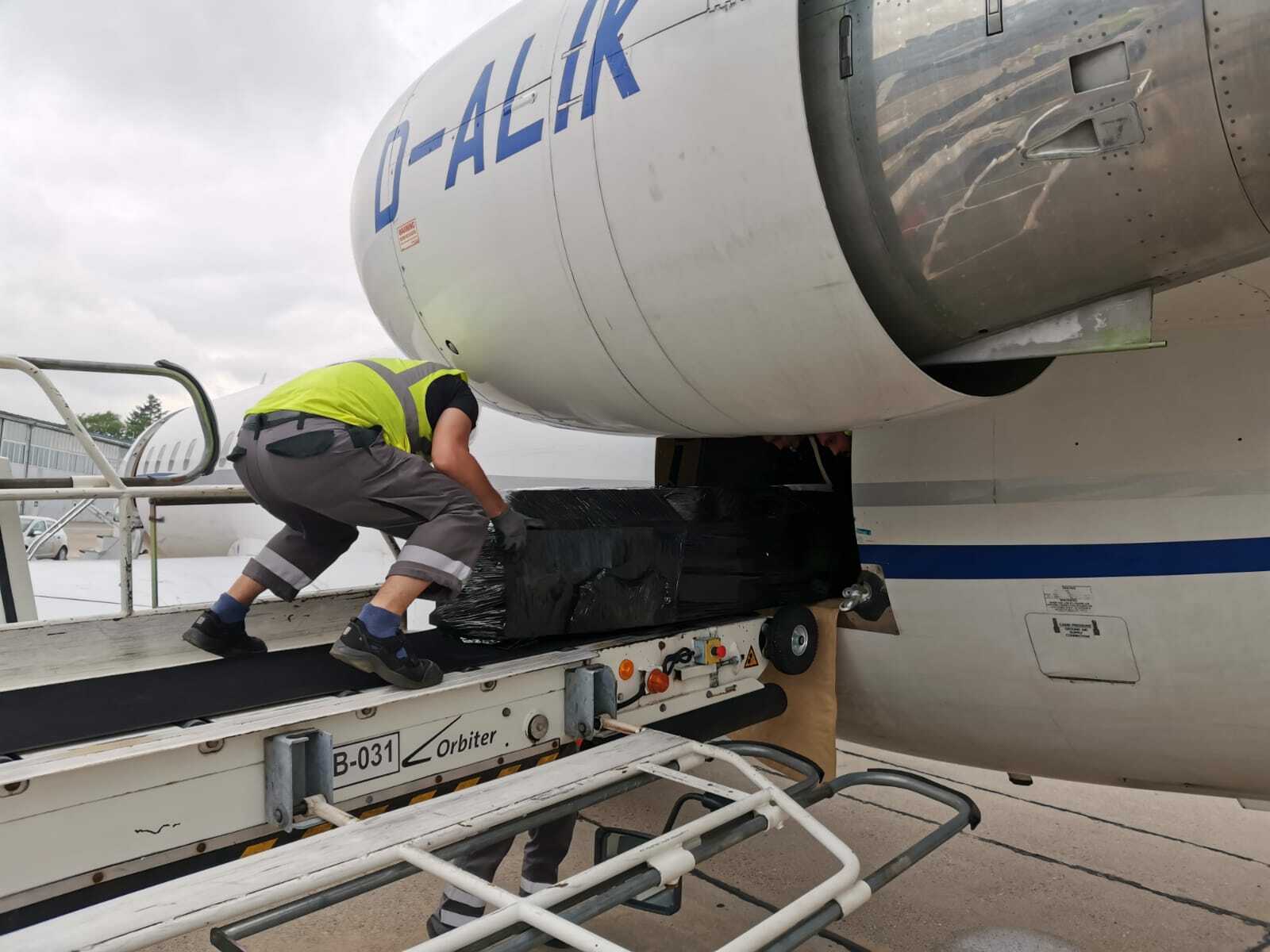
When grief-stricken families need to transport their loved ones across borders or within India, they encounter a maze of regulations. This article examines the regulatory framework governing air transportation of human remains in India, exploring the Aircraft (Public Health) Rules 1954 and airline-specific policies that ensure the deceased reach their final destination safely and legally.
Aircraft (Public Health) Rules 1954
The Aircraft (Public Health) Rules 1954, Part IV (Rules 41-49), establishes India’s comprehensive framework for transporting human remains by air. These regulations prioritize public health while facilitating the movement of the deceased across international borders.
Prohibited Diseases and Entry Restrictions
Rule 41 strictly prohibits the importation of bodies or human remains from individuals who died of yellow fever, plague, anthrax, glanders, or other government-notified diseases. However, properly cremated ashes are exempt from this restriction, acknowledging cremation’s role in eliminating infectious agents.
Advance Notification
Rules 42-43 mandate that both consignees and air transport services provide health officers with at least 48 hours’ advance notice when importing human remains. This notification system enables proper preparation and inspection procedures at airports. Special provisions exist for deaths occurring during flight, requiring immediate radio communication with destination health officers.
Packaging and Certification Standards
Rule 45 outlines meticulous packaging requirements. Cremated remains must be placed in sealed urns with appropriate outer packaging. Uncremated remains require hermetically sealed zinc or metal shells enclosed in hardwood coffins, further protected by zinc-lined wooden cases filled with carbolic powder-impregnated sawdust. These specifications ensure containment of potentially harmful substances during transport.
Documentation and Transit Protocols
Rules 46-47 require comprehensive certification from municipal or governmental authorities, endorsed by Indian diplomatic representatives. Packages must remain sealed throughout transit and cannot be opened without written health officer permission. This chain of custody protects public health while maintaining evidentiary integrity.

Airline-Specific Policies: IndiGo and Air India
IndiGo CarGo
IndiGo applies differential weight classifications for domestic transport: remains of persons aged 10 years or below are charged at 50kg, while those above 10 years are charged at 100kg (including coffin weight). International shipments accept maximum weights of 200kg, with actual weight charges applying beyond 100kg.
IndiGo requires extensive documentation, including death certificates, police no-objection certificates, embalming certificates, and coffin maker certifications. International transport demands additional clearances from destination authorities, health departments, and appropriate embassies or consulates. The airline prohibits previously used coffins, ensuring hygienic standards.
Air India Cargo
Air India Cargo transports human remains in two forms: bodies in coffins and cremated ashes in urns.
Their documentation requirements mirror IndiGo’s but include additional provisions for foreign nationals, such as FRRO certificates and WHO guideline compliance certificates. Air India emphasises proper cushioning for funeral urns to prevent spillage from breakage and requires comprehensive labelling including shipper/consignee details, handling instructions, and orientation markers. Like IndiGo, they prohibit used coffins and maintain strict packaging standards.

Disease-Specific Restrictions
Both airlines align with Rule 41’s disease restrictions, but Air India specifically notes that bodies of individuals who died from Hepatitis B, Hepatitis C, or HIV-positive persons may be transported, reflecting updated medical understanding of disease transmission risks.
Bottom Line
The air transportation of human remains in India operates within a robust regulatory framework that balances public health protection with compassionate facilitation of final journeys. The Aircraft (Public Health) Rules 1954 provide foundational standards that airlines like IndiGo and Air India have adapted into comprehensive operational policies.
While the bureaucratic requirements may seem overwhelming during times of grief, these regulations ensure that the deceased reach their destinations safely while protecting public health. For families navigating this difficult process, understanding these requirements in advance can help transform what might otherwise be a nightmarish bureaucratic ordeal into a more manageable farewell journey.
Comment