
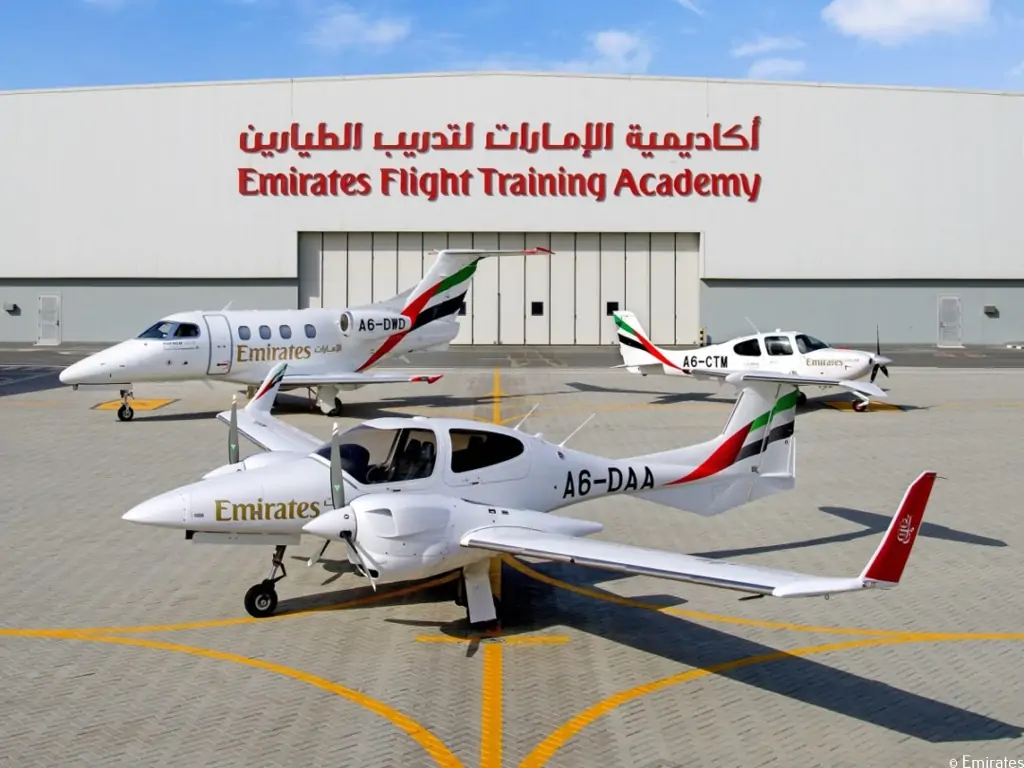
Dubai-based carrier Emirates has gained an additional 58 new pilots after its latest round of cadets graduated from its flight training academy. Emirates Flight Training Academy (EFTA) after months of rigorous training – on the ground and in the skies. EFTA’s fourth graduation was yet another milestone for the aviation industry, given the shortage of skilled pilots, and the celebrations were attended by dignitaries, graduates, their families and friends, and the academy’s faculty and cadets.
The aviation industry might be suffering from a shortage of pilots, but Emirates is certainly fighting back with an impressive system in place to secure future aviators.
On December 14, 2023, the UAE flag carrier announced that its latest batch of cadet pilots graduated from the Emirates Flight Training Academy (EFTA) after months of training on the ground and in the skies. It is the fourth generation of EFTA graduates, with 162 cadet pilots coming through the training system since its inception. There are currently over 300 cadets enrolled.
Sheikh Ahmed bin Saeed Al Maktoum, Chairman and Chief Executive Officer (CEO) of Emirates Airline and Group presented the cadets with their certificates at a special ceremony. “Emirates Flight Training Academy plays a crucial role in our airline’s strategy, nurturing Dubai’s vision of being a sustainable aviation hub, attracting top talent globally, and supporting the country’s Emiratisation goals. Our cadet pilots fly the Emirates flag globally, represent our nation’s aviation ambitions, contribute collectively to the industry’s workforce and expand its pilot pipeline,” the CEO said.
He added: “Today, we not only celebrate their triumphs but their collective impact. Congratulations to our graduates and I hope to fly with them soon. They will steer our fleet into the future.”
The graduates completed approximately 113 weeks of training with over 1,100 hours of ground-based and 270 hours of flight training. EFTA currently has over 300 cadets learning at the academy. With the fourth graduation today, EFTA has transformed 162 fresh cadets to become highly skilled aviators for Emirates and the aviation industry.
“Today marks a significant milestone in my personal and professional journey, and I couldn’t be happier to stand before you as a proud female Emirati pilot. Today is not just about the wings I have earned, but the journey I’ve started,” Fatima Al Ghumlasi, Emirates cadet graduate, said.
According to Boeing, the demand for training services has shown significant recovery, however, the global pilot shortage is set to remain a challenge for airlines worldwide. The aircraft manufacturer predicts demand for 649,000 new commercial airline pilots between 2023–2042.
About Emirates Flight Training Academy (EFTA)
Launched in 2017, the Emirates Flight Training Academy (EFTA) was initially launched with a focus on training UAE nationals, but now it is set to welcome cadets from around the world. According to the airline, over 120 graduates of the program are now flying full-time for Emirates. EFTA’s current intake of 290 cadets spans 23 nationalities and includes 27 women. In line with the program’s continued success and expansion, the airline has also announced the integration of three brand-new Diamond aircraft into its training program.
Based in Austria, Diamond Aircraft Industries is a Chinese-owned manufacturer of general aviation aircraft and motor gliders. According to Emirates, Diamond has designed its product line of modern fuel-efficient aircraft, each with a specific training application in mind. EFTA’s current cadets also fly the Diamond DA42-VI light piston twin-engine aircraft, which has successfully introduced multi-engine piston training at the academy.
This means that cadets will now train on three different aircraft types – single-engine, twin-engine and multi-engine light jets. Emirates claims that this is a “rarity” among flight training academies, which generally train cadets on just one or two aircraft types.
At the 2023 Dubai Airshow, EFTA will be showcasing its Diamond DA42-VI and Cirrus SR22 aircraft, with instructors on hand to share information about the Academy’s fleet and cadet training program.

Read next
Ayodhya Airport Receives Aerodrome License from DGCA, IndiGo to Operate Inaugural Flight
Radhika Bansal
15 Dec 2023

Aviation regulator DGCA on Thursday, December 14 issued the aerodrome license for the upcoming Ayodhya Airport. The airport has been developed at a cost of around INR 350 crore by the Airports Authority of India (AAI).
On Thursday, December 14, AAI said the airport had been granted an aerodrome license in the public use category for all weather conditions. "The airport has a 2,200m long runway with complete Aeronautical Ground Lights (AGLs) infrastructure and is supported by DVOR & Instrument Landing System (ILS) which allows the aerodrome to accommodate flights at night and during low visibility/RVR 550m," AAI said in a series of posts on social media platform X.
DVOR refers to Doppler Very High Frequency Omni Range which helps in aircraft navigation; RVR refers to Runway Visual Range. "The much-awaited Ayodhya Airport will have a terminal building with an area of 6,500 sqm, equipped to handle 600 passengers during peak hours and 10 lakh passengers annually," AAI said in a release.
The Maryada Purushottam Shri Ram International Airport at Ayodhya has an extended runway suitable for A321/B737-type aircraft operations. AAI Chairman Sanjeev Kumar received the license from DGCA (Directorate General of Civil Aviation) chief Vikram Dev Dutt.
The AAI said in a statement that the airport’s facade mirrors the architecture of the upcoming Ram temple in Ayodhya. Decorative columns and local art within the terminal depict the life-cycle of Lord Rama.
In anticipation of a surge in tourism, the Ayodhya Airport’s passenger terminal can handle 150 arrivals and departures simultaneously. Positioned to surpass conventional standards, the airport reflects the cultural richness of Ayodhya, aiming to redefine contemporary airport design and authentically embody the city’s identity—an emblem of pride for the aviation industry. For devotees and pilgrims navigating the corridors of Ayodhya Airport, the journey extends beyond the physical to the spiritual realm. The airport is strategically crafted to contribute to the transformation of Ayodhya into one of the world’s largest pilgrimage centres, offering seamless connectivity and enhancing the accessibility and enrichment of the pilgrimage journey to Ayodhya.
IndiGo to Operate the Inaugural Flight
On Wednesday, December 13, IndiGo said it will operate the inaugural flight from the national capital to Ayodhya airport on December 30 and the commercial services will commence from January 6. "The inaugural flight from Delhi will arrive in Ayodhya on December 30, 2023. Subsequently, commercial operations for a direct flight will commence between Delhi and Ayodhya from January 6, 2024, followed by tri-weekly flights between Ahmedabad and Ayodhya from January 11, 2024," the airline had said.
In addition, IndiGo has Ayodhya listed as its 86th domestic and 118th total destination on its network. Further, the airline is prepared to take off on December 30 from the Maryada Purshottam Shri Ram International Airport.
"We are delighted to announce the launch of operations from IndiGo's 86th domestic destination, Ayodhya. The new flights connecting Delhi-Ayodhya and Ahmedabad-Ayodhya will bring Ayodhya to the country’s aviation map. Given Ayodhya's historical and cultural significance, our new flights will provide ease of access to the city for pilgrims and other tourists. As India’s leading carrier, we endeavour to provide our customers with seamless connectivity across the country and we are committed to delivering on our promise of providing affordable, on-time, courteous, and hassle-free travel experiences," Vinay Malhotra, Head of Global Sales, IndiGo said.
Civil Aviation Minister Jyotiraditya Scindia, on December 8, said the airport at Ayodhya will be ready by the end of this month and that Prime Minister Narendra Modi will inaugurate the airport.
Read next
IndiGo Overtakes United Airlines in Terms of Market Capitalisation to Rank 6th Globally
Radhika Bansal
15 Dec 2023
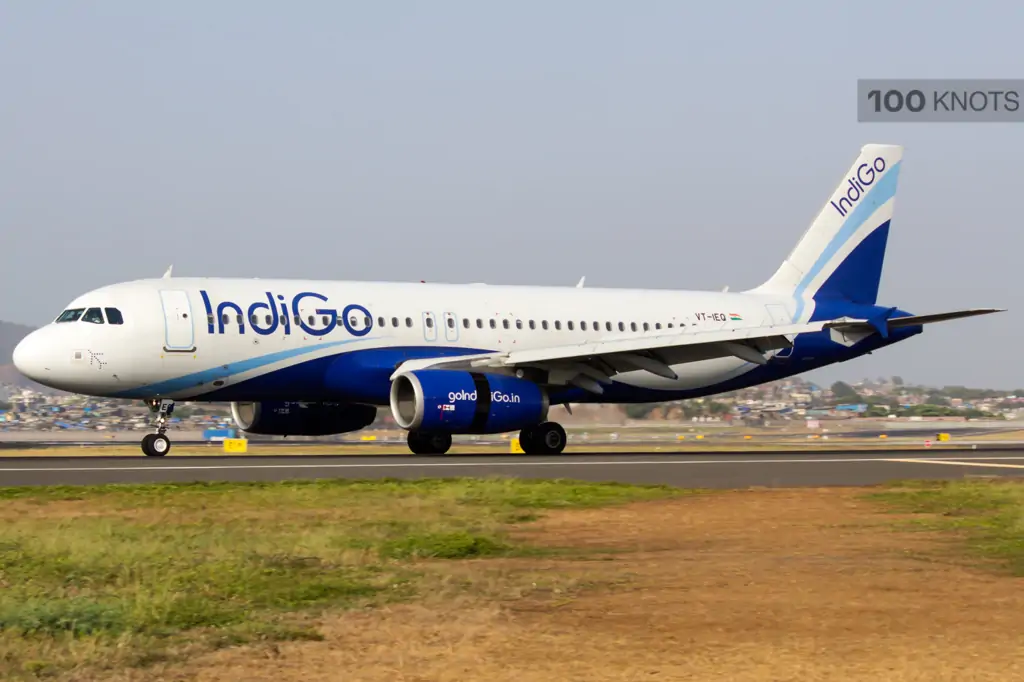
IndiGo has become the sixth largest airline in terms of global market capitalisation with a valuation of USD 13.80 billion, surpassing United Airlines at USD 13.48 billion, after parent InterGlobe Aviation shares closed up 1.73% to INR 2,982.50 on the BSE. Delta Air Lines leads the squad at USD 26.54 billion.
The InterGlobe Aviation shares crossed INR 3,000 for the first time, marking their longest winning streak since it went public in 2015. The stock traded in the green for 12 straight sessions, yielding a 16% return since November 28 and jumped over 49% so far this year.
IndiGo's market valuation surged three-fold since listing, while United Airlines faced a USD 10-billion erosion during the same period. The budget carrier widened its market share since Go First went grounded. The airline was surprised with a net profit in the September quarter, contrary to the estimated INR 755-crore net loss by Bloomberg consensus. Analysts are cautious due to aircraft groundings and soaring lease expenses.
While the Pratt & Whitney (P&W) engine issue remains a near-term headwind, IndiGo's international expansion would provide a runway for its growth despite rising competition in the domestic market. The airline has also improved its rank in the global market cap league table, six months after breaking into the world's top 10.
On a year-to-date basis, IndiGo (InterGlobe Aviation) has recorded a gain of over 45% or 933 points on the National Stock Exchange, whereas United Airlines has delivered a return of just 11% on NASDAQ during the same period.
United Airlines dwarfs InterGlobe Aviation with a seven-fold revenue. The US airline reported a net revenue of USD 52.5 billion for the 12 months ended September 2023, whereas IndiGo's revenue was USD 7.4 billion for the same period, as per Bloomberg data.
Reaching New Milestones
IndiGo has now reached the milestone of operating over 2,000 scheduled daily flights, encompassing cargo operations and charters for CAPF (Central Armed Police Forces) and the Army. The airline accomplished this feat within 17 years since its inception in 2006.
Pieter Elbers, Chief Executive Officer of IndiGo, expressed, “As we celebrate this remarkable milestone of surpassing 2000 scheduled daily flights, we reflect on IndiGo’s journey of reshaping the Indian aviation landscape. This milestone is more than a numerical feat; it’s a strategic leap positioning us for enhanced connectivity and a redefined passenger experience. Our commitment to giving wings to the nation is palpable in our mission to connect people and aspirations across India. We extend our heartfelt gratitude to our valued customers and partners for their continuous support as we look forward to soaring to new heights together.”
Read next
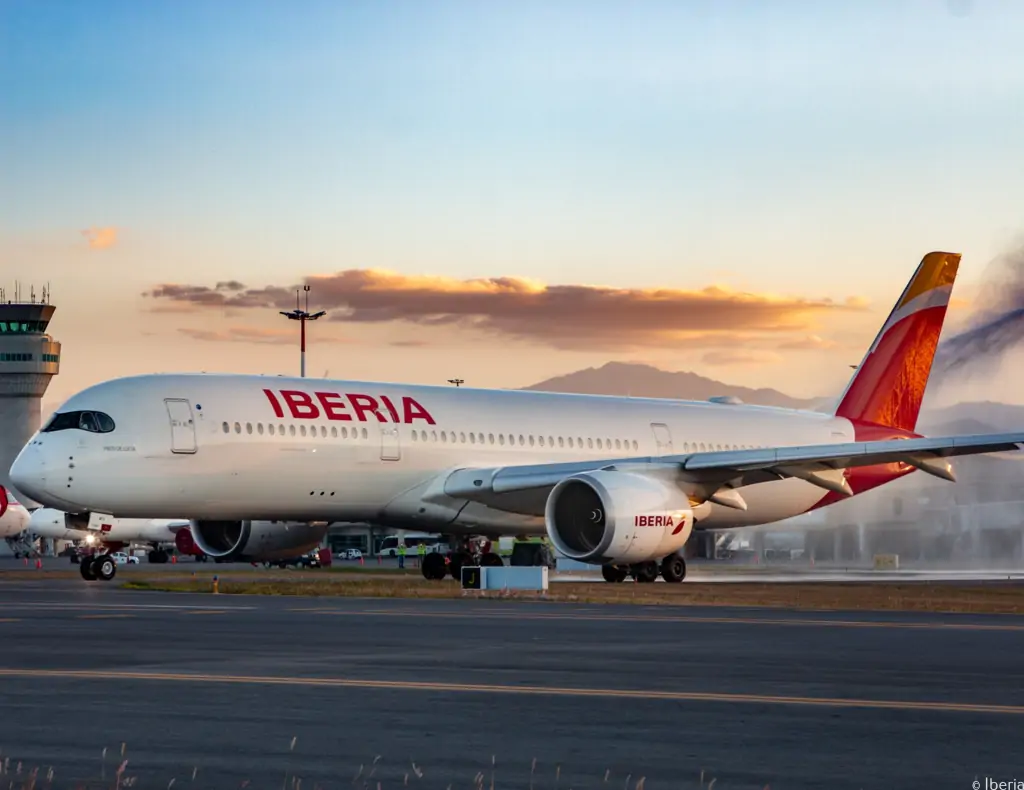
Spain's Iberia, a key player in the International Airlines Group, has announced that labor unions representing ground service workers at Spanish airports are planning to strike from late December into early January.
The country's two major unions, UGT and CCOO, have called on workers to walk out between December 29 and January 7. This move is in protest against new contracts recently signed for ground services, including baggage handling, at Spanish commercial airports, all operated by the state-controlled Aena.
Background
The conflict between ground service workers and airport authorities has been ongoing, with the unions initially threatening strikes on December 5 and December 10. However, these strikes were called off, only to be replaced by the current plans for a more extended strike during the holiday season. The root cause of the dispute lies in the new contracts awarded to different contractors by Aena, a decision that has stirred discontent among the workforce.
Reasons for the Strike
The primary reason behind the strike is the dissatisfaction of ground service workers with the new contracts. Aena has chosen new contractors for services that were previously handled by Iberia in many airports. Despite the new contractors committing to retaining workers and maintaining their existing working conditions, the move has angered unions. The disagreement centers on concerns about job security, terms of employment, and the impact on workers' rights.
Iberia's Response
In response to the strike call, Iberia issued a statement criticizing the unions' actions as "irresponsible" and claiming that the strike makes no sense. The airline argues that a strike during the Christmas season infringes upon the right of individuals to enjoy their holidays and reunite with family and friends. Iberia has taken legal action challenging the new contracts in the courts, further escalating the dispute.
Impact on Holiday Travel
The timing of the strike is particularly significant, as it coincides with the holiday season, a peak period for travel. If the strike proceeds as planned, it could lead to disruptions in ground services at Spanish airports, affecting baggage handling and other essential functions. Travelers are likely to face delays and inconveniences, potentially causing widespread frustration and impacting the overall travel experience during this festive season.
Conclusion
The ongoing conflict between ground service workers, represented by UGT and CCOO, and the airport authorities controlled by Aena has reached a critical point with the announcement of a strike during the crucial holiday period. As negotiations continue and legal battles unfold, the potential for disruptions to travel plans remains a concern. Both sides must find a resolution to ensure the rights and concerns of workers are addressed without compromising the travel experiences of passengers during this festive season.
With Inputs from Reuters
Read next

Air France-KLM, a major player in the European aviation industry, has projected a significant upturn in its operating margin for the years 2026-28. The forecast, announced during an investor day in Paris, anticipates a boost of 2 billion euros ($2.2 billion) in the next five years, leading to a surge in the company's shares.
Optimistic Outlook: Operating Margin to Exceed 8%
The airline envisions a substantial increase in its operating margin, aiming to achieve 8% or more during the period of 2026-28. This marks an optimistic shift from its earlier target of 7-8% for 2024-26. The positive projection is attributed to strategic cost reductions and an anticipated enhancement in cash flow, as detailed in the company's official statement.
Driving Factors: Cost Reductions and Cash Flow Improvement
Air France-KLM identifies two key drivers for the projected margin expansion. First, a comprehensive strategy for cost reductions is expected to contribute significantly to the bottom line. The second crucial factor is an improvement in cash flow, demonstrating the airline's commitment to achieving financial resilience in the evolving aviation landscape.
Sustainable Practices: Confirmation of Aviation Fuel Targets
In addition to financial forecasts, Air France-KLM has reaffirmed its commitment to sustainable aviation practices. The company reiterated its target for sustainable aviation fuel usage, setting a goal to meet these objectives by the year 2030. This aligns with the industry's broader efforts to mitigate environmental impact and foster more eco-friendly operations.
Market Response: Share Prices Soar
The announcement had an immediate impact on the market, with Air France-KLM shares surging by 5% upon the opening. This positive response reflects investor confidence in the airline's strategic initiatives and the overall resilience of the European aviation sector.
Industry Context: European Airlines Amidst Strong Post-Pandemic Recovery
The buoyant forecast from Air France-KLM aligns with the robust performance reported by European airlines in recent quarters. Despite economic uncertainties and geopolitical challenges, the industry has experienced a resilient post-pandemic recovery, driven by sustained demand for air travel.
CEO Perspective: Positioning for Accelerated Growth
Chief Executive Ben Smith expressed confidence in the company's current positioning, stating, "We are now well positioned to accelerate further and capture the full potential of our Group's assets to deliver sustained and more profitable growth." This signals a strategic intent to capitalize on the momentum of recovery and build a foundation for long-term success.
Continued Investment: Fleet Renewal and Expenditure Outlook
Air France-KLM intends to maintain its focus on fleet renewal, emphasizing a commitment to modernization. The company confirmed its expenditure outlook for 2024-26, estimating an annual spend of 3-3.5 billion euros during this period. Looking ahead, it anticipates an increase in spending to up to 3.8 billion euros in 2027-28, signaling sustained investment in fleet enhancements.
Conclusion
In summary, Air France-KLM's positive projections for the coming years underscore its confidence in the recovery of the aviation sector and its ability to navigate challenges effectively. The announced forecasts, coupled with continued commitment to sustainability and strategic investments, position the airline for a period of sustained and profitable growth.
With Inputs from Reuters
Read next
Virgin Australia Reaches Pay Deal with Cabin Crew Unions, Averts Year-End Travel Disruptions

Abhishek Nayar
15 Dec 2023
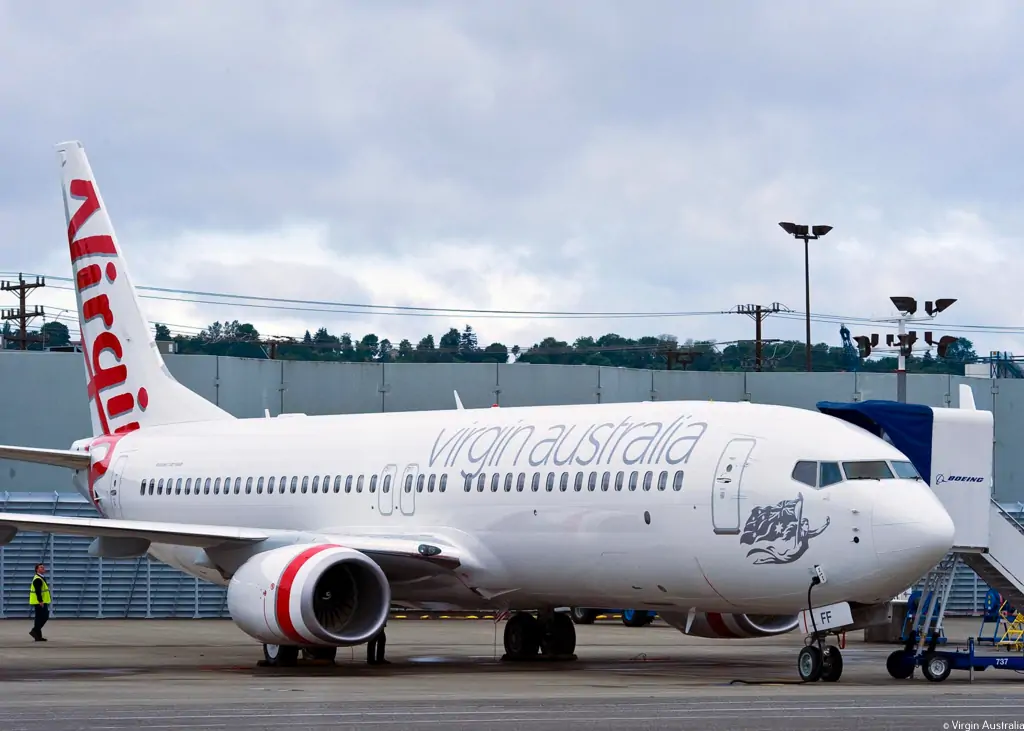
In a significant development, Virgin Australia announced on Thursday, December 14, 2023, that it has successfully reached an in-principle pay deal with unions representing its cabin crew, averting potential strikes that had loomed over the busy end-of-year travel season. The agreement comes after negotiations with the Transport Workers' Union of Australia (TWU) and the Flight Attendant's Association of Australia (FAAA).
The Terms of the Agreement
The agreed-upon terms involve substantial salary increases of 15% or more over a span of three years, contingent on an employee's skill set and tenure within the airline. Virgin Australia emphasized that the overall cost of this agreement aligns with those reached with other work groups, ensuring fairness and consistency in its compensation structure.
Union Threats and Negotiations
Earlier in the month, cabin crew members of Virgin Australia had overwhelmingly voted in favor of potential 24-hour stoppages should an agreement not be reached. This move was communicated through statements from the TWU and FAAA. The unions had been pushing for improved pay and working conditions for the cabin crew, and the threat of strikes added pressure on Virgin Australia during a crucial period for the aviation industry.
Financial Context and Industry Landscape
The announcement follows Virgin Australia's declaration in October 2023 that it had returned to profitability for the first time in 11 years for the fiscal year. The airline attributed this success to a robust recovery in travel demand post the COVID-19 pandemic. As the aviation sector strives to bounce back, securing labor agreements that balance the needs of both employees and the company is critical for sustained growth.
Relief for All Parties
"With the peak season upon us, it's a relief for everyone that protected industrial action won't be needed. Good, secure jobs are the answer to rebuilding aviation," stated the TWU in a released statement. The resolution is not only a positive outcome for the airline but also for the employees and travelers who can now experience uninterrupted services during the year-end travel rush.
Conclusion
The successful negotiation of the Cabin Crew Enterprise Agreement demonstrates the importance of constructive dialogue between airline management and unions to ensure the smooth functioning of the aviation industry. As the travel sector continues its recovery, such agreements contribute to the overall stability and sustainability of airlines, paving the way for a brighter future for both employees and the companies they serve.
With Inputs from Reuters
Comment