
Aviation's Role in Disaster Relief: Can the Skies Be Our Lifeline During Crises?

Jaideep Mirchandani
19 Aug 2024

As the world faces an increase in extreme weather events and humanitarian crises, the demand for rapid and efficient disaster relief has never been higher. While traditional rescue organizations such as the International Rescue Committee (IRC), national rescue centers, and armed forces play critical roles, the commercial aviation sector is emerging as a key player in relief missions. Helicopter services and airports are proving invaluable in airlifting people, supplying aid, and managing the logistics of rescue operations.
On World Humanitarian Day, we reflect on the vital contributions of the aviation industry to global relief efforts. Jaideep Mirchandani, the owner of Sky One Airways, highlights the crucial role aviation plays in disaster relief operations and advocates for stronger disaster response and relief management within the aviation sector.
The Essential Role of Aviation in Disaster Relief
In disaster scenarios, time is of the essence. Aviation provides the speed and reach necessary to deliver humanitarian aid to even the most remote and inaccessible areas. “The role of aviation is crucial in emergency relief scenarios, serving as a primary means of providing rapid and dependable access to humanitarian aid,” says Jaideep Mirchandani. Whether it’s a natural disaster or a conflict zone, aviation helps bridge the gap when ground infrastructure is compromised or destroyed.
Sky One Airways has actively participated in numerous rescue missions in India. Their helicopter services have been instrumental in firefighting efforts, delivering medical supplies to war-torn regions, and evacuating communities in distress. These missions underscore the indispensable role of aviation in saving lives and alleviating suffering during crises.
Challenges and Innovations in Aerial Disaster Relief
Despite its importance, aviation in disaster relief is not without challenges. Limited airfield availability, damaged infrastructure, and adverse weather conditions often complicate operations. However, technological advancements are helping to mitigate some of these hurdles. Thermal imaging cameras and drones, for instance, are enhancing the efficiency of disaster response teams, allowing them to locate survivors and assess damage more accurately.
“Disaster relief operations often face challenges such as limited airfield availability, dilapidated or damaged infrastructure, and adverse weather conditions. However, technological advancements, including thermal imaging cameras and drones, are helping disaster response teams to overcome some of these hurdles,” adds Mr. Mirchandani.
The Importance of Strategic Planning and Coordination
Effective disaster relief requires more than just advanced technology; it demands meticulous planning and coordination. According to Mr. Mirchandani, the key to successful aviation-based relief efforts lies in careful resource management. “This involves developing a detailed logistical plan to effectively utilize available aircraft and helicopters. Prioritizing essential supplies such as food, water, shelter materials, and medical kits according to the immediate requirements of disaster-affected people is also vital,” he explains.
Collaboration between governments, international agencies like the Office for the Coordination of Humanitarian Affairs (OCHA), aviation authorities, security forces, and rescue operators is essential for ensuring a swift and effective response. Mr. Mirchandani believes that the aviation industry must be fully integrated into disaster response strategies to maximize its potential in humanitarian assistance.
Conclusion: The Future of Aviation in Humanitarian Assistance
As global challenges continue to evolve, the aviation sector’s role in disaster relief is expected to grow. “An effective disaster response and relief management team is an integral part of strong aviation management practices. In an increasingly uncertain world, the importance of aviation in humanitarian assistance is expected to grow,” concludes Mr. Mirchandani.
The aviation industry is not just about commercial flights and cargo deliveries; it is a lifeline during crises. As we mark World Humanitarian Day, let us recognize and support the efforts of aviators who risk their lives to bring hope and aid to those in need. The skies can indeed be our lifeline during crises, and with the right planning and coordination, aviation will continue to play a vital role in disaster relief and rescue missions.
Read next
Deutsche Lufthansa's Discover Faces Strike Threat Despite Recent Union Accord

Abhishek Nayar
17 Aug 2024

Deutsche Lufthansa's leisure airline, Discover, is bracing for potential disruptions as two specialized unions prepare for strike action. This comes despite a recent collective bargaining agreement reached with another major union, Verdi. The labor unrest highlights ongoing challenges within the airline industry, particularly concerning worker conditions and union negotiations.
The Brewing Storm: Unions Prepare for Strike Action
Unresolved Talks Lead to Strike Ballots
On Wednesday, the pilots' union Vereinigung Cockpit (VC) and the cabin crew union Unabhängige Flugbegleiter Organization (UFO) announced plans to initiate strike ballots. The voting process is set to begin on Thursday and will continue until the following Wednesday. These unions, which represent specialized sections of Discover’s workforce, have expressed dissatisfaction with the current state of negotiations over working conditions.
Union Leaders Demand Better Conditions
VC President Andreas Pinheiro emphasized that the goal of the strike is to secure collective agreements that offer improved working conditions for employees. Pinheiro suggested that Discover could avoid the disruption by resuming and concluding negotiations with both VC and UFO, indicating that the unions are still open to dialogue if their concerns are addressed.
A Clash of Unions: Verdi vs. VC and UFO
The Rivalry Between Unions
The strike threat is particularly significant as it challenges a recent agreement struck by Verdi, one of Germany’s largest services unions. Last week, Verdi reached a collective bargaining agreement with Discover, marking the first such accord since the airline began operations in 2021. The agreement covers approximately 500 cockpit workers and 1,400 members of the cabin crew, offering them better terms after a series of strikes.
Discover’s Commitment to Verdi’s Agreement
Discover has expressed its commitment to implementing the agreement reached with Verdi. A spokesperson for the airline highlighted the importance of this deal, stating that the focus is now on ensuring that the collective agreement is effectively put into action. Discover also argued that this agreement would provide passengers with confidence in their travel plans, following a turbulent period for the airline industry marked by multiple strikes.
Implications: What Could This Mean for Discover?
Potential Disruptions on the Horizon
The looming strikes by VC and UFO could disrupt Discover’s operations, especially as the airline works to solidify its reputation and build customer trust. With the peak travel season approaching, any industrial action could have significant repercussions on the airline’s performance and passenger satisfaction.
Negotiation Opportunities Still Open
However, there remains a window for resolution. Both VC and UFO have indicated that they are willing to return to the negotiating table, providing Discover with an opportunity to address the concerns of these unions and prevent potential disruptions. How the airline navigates this complex situation could set a precedent for future labor relations within the company.
Conclusion: A Delicate Balancing Act for Discover
The situation at Discover highlights the intricate balance required in managing labor relations within the airline industry. As VC and UFO prepare for possible strikes, the pressure is on Discover to find a solution that satisfies all parties involved. The airline’s ability to effectively implement the Verdi agreement while addressing the demands of the other unions will be crucial in determining its future stability and success.
With Inputs from Reuters
Read next
El Al’s Big Leap: $2.5 Billion Deal for 737 MAX Aircraft Set to Modernize Fleet
Abhishek Nayar
17 Aug 2024
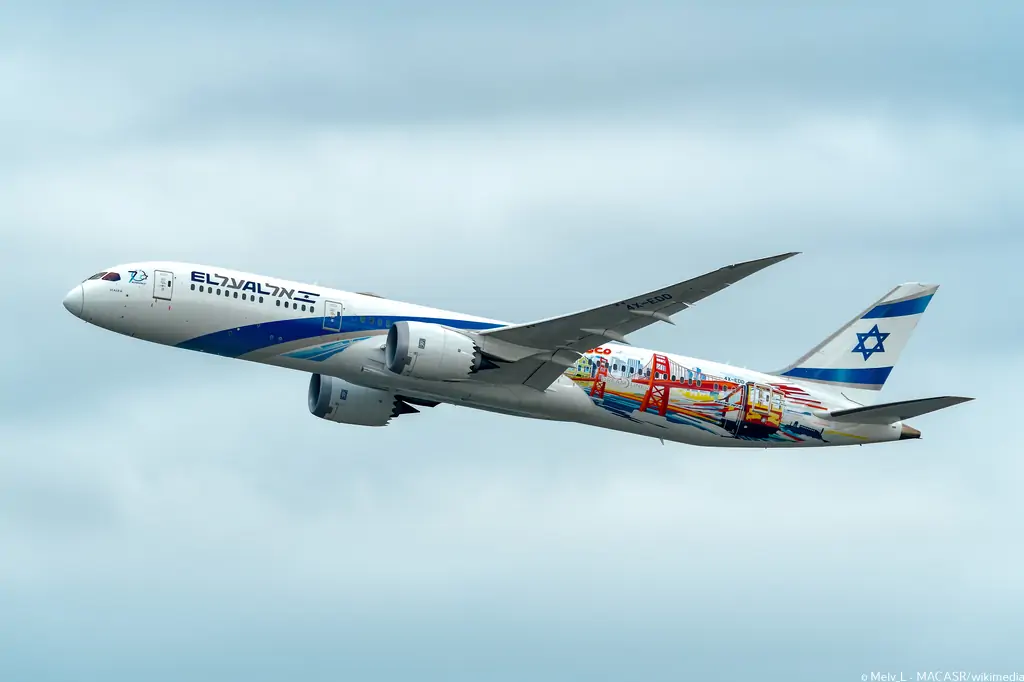
El Al Israel Airlines, the nation’s flag carrier, has made a strategic move to modernize its fleet by signing a significant deal with Boeing. This agreement, valued at up to $2.5 billion, marks a pivotal moment in the airline’s future operations, as it looks to replace its ageing fleet with the state-of-the-art Boeing 737 MAX aircraft.
El Al’s Strategic Investment
On Thursday, El Al announced a landmark agreement with Boeing for the purchase of up to 31 Boeing 737 MAX aircraft. The deal includes a firm order for 20 aircraft valued at $1.5 billion, with an option to purchase an additional 11 planes. This investment highlights El Al's commitment to upgrading its fleet with more fuel-efficient and technologically advanced aircraft, ensuring enhanced operational efficiency and passenger comfort.
A Modern Fleet for a Competitive Edge

The Boeing 737 MAX is renowned for its improved fuel efficiency, advanced technology, and enhanced safety features, making it a preferred choice for airlines worldwide. El Al’s current fleet of Boeing 737-800 and 737-900 aircraft has served the airline well, but with increasing competition and rising fuel costs, the need for a modern, cost-effective fleet has become paramount. The new 737 MAX aircraft are expected to significantly reduce operating costs and environmental impact, positioning El Al for long-term success in the competitive aviation market.
Delivery Timeline: Accelerating the Transition
While the initial delivery of the 737 MAX aircraft is set to begin in 2028, El Al is already considering advancing this timeline. The airline has indicated that it may bring forward the operation of several aircraft to as early as 2027 through a dry lease arrangement. This accelerated timeline would allow El Al to begin reaping the benefits of its new fleet sooner, providing a competitive edge in both regional and international markets.
The Bigger Picture: El Al’s Long-Term Vision
This deal with Boeing is not just about fleet renewal; it is a clear indication of El Al’s long-term vision for growth and sustainability. By investing in the 737 MAX, El Al is not only modernizing its fleet but also reinforcing its commitment to providing top-notch service to its passengers while adhering to global environmental standards. The move is expected to enhance the airline's reputation, attract more passengers, and increase its market share in the coming years.
Conclusion
El Al Israel Airlines’ decision to invest in the Boeing 737 MAX fleet underscores the airline’s focus on modernization, efficiency, and sustainability. As the aviation industry continues to evolve, El Al’s strategic partnership with Boeing will likely serve as a cornerstone of its future success, ensuring it remains a competitive force in the global market.
With Inputs from Reuters
Read next
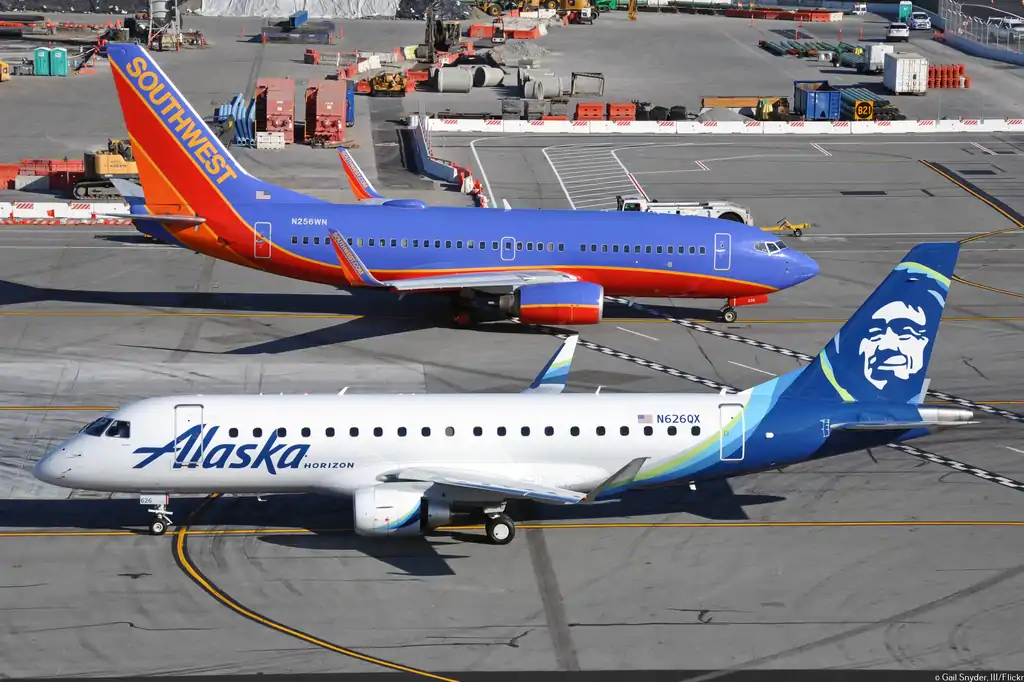
In an unexpected turn of events, flight attendants at Alaska Airlines have voted against a three-year tentative labor agreement. Despite the proposal promising an average pay increase of 32%—a significant boost for the airline's frontline workers—the deal failed to gain the necessary support. The Association of Flight Attendants-CWA (AFA-CWA), representing the cabin crew, announced the rejection on Wednesday, signaling that there are unresolved issues that need to be addressed.
What Was on the Table?
Pay Increase and Boarding Pay: A First for the Industry
The proposed agreement included a substantial pay raise, with an average increase of 32%. For many, this would be a compelling reason to accept the deal. Moreover, the agreement was groundbreaking in one particular aspect: it made boarding pay legally binding. Typically, U.S. flight attendants are only paid from the moment the cabin doors close, which does not account for the time spent assisting passengers during boarding. This clause marked a significant shift in the industry's compensation structure.
Why Was the Agreement Rejected?
Democracy at Work: The Union’s Response
"This is democracy in action, and Flight Attendants always have the final say on any contract," the AFA-CWA said in a statement following the vote. The union highlighted that while the proposed pay increase and boarding pay were positive steps, there are other key issues that need to be addressed before a final agreement can be reached.
Surveying Members: What Needs to Change?
The AFA-CWA plans to survey its members to identify the critical issues that led to the rejection of the tentative agreement. This feedback will be crucial as the union returns to the negotiating table with Alaska Airlines to hammer out a deal that better aligns with the needs and concerns of the flight attendants.
What Happens Next?
Back to the Negotiating Table
With the tentative agreement rejected, both the union and Alaska Airlines will need to re-enter negotiations. The survey results will guide the AFA-CWA in these discussions, ensuring that the most pressing concerns of flight attendants are addressed. While the timeline for a new agreement remains uncertain, both parties are likely motivated to reach a resolution that satisfies the flight attendants and prevents any disruptions to airline operations.
Conclusion: A Complex Negotiation
The rejection of a deal that included a significant pay raise and groundbreaking boarding pay highlights the complexity of labor negotiations. While pay is a critical factor, other elements of the contract—such as working conditions, scheduling, and benefits—are equally important to flight attendants. As Alaska Airlines and the AFA-CWA head back to the negotiating table, the outcome will depend on addressing these broader concerns to secure a deal that garners full support from the flight attendants.
With Inputs from Reuters
Read next

In the competitive world of aviation, mergers and acquisitions have become a strategic tool for airlines to expand their market reach and improve operational efficiency. However, these deals often face rigorous scrutiny from regulators concerned about maintaining a competitive marketplace. The recent developments in Alaska Air's proposed $1.9 billion acquisition of Hawaiian Holdings highlight the challenges that come with such high-stakes transactions.
Extension of DOJ Review Period
On Thursday, Alaska Air announced that it has agreed to further extend the review period of its proposed acquisition of Hawaiian Holdings with the U.S. Department of Justice (DOJ). The review period will now continue until 12:01 AM ET on August 20. This decision marks the second extension in just two days, with the review initially pushed to 12:01 AM ET on Friday, only to be extended again.
The repeated extensions indicate the complexity of the regulatory review process, especially in an industry where market consolidation can have significant implications for consumers and competition.
Background of the Deal
The proposed acquisition, valued at $1.9 billion, was announced last year as part of Alaska Air's strategy to strengthen its position in the Pacific region. Hawaiian Holdings, the parent company of Hawaiian Airlines, has a strong presence in the Hawaiian market, which Alaska Air views as a critical area for growth.

Since the deal’s announcement, both airlines have been working closely with the DOJ, aiming to address any potential antitrust concerns. In March, the companies expressed confidence in their ongoing cooperation with the DOJ, emphasizing their commitment to seeing the deal through.
Challenges in Aviation Mergers
The aviation industry has seen increased scrutiny from regulators when it comes to mergers and acquisitions. The DOJ and other regulatory bodies are particularly concerned about the potential for reduced competition, which could lead to higher fares, reduced service quality, and fewer choices for consumers.

Earlier this year, the industry witnessed a significant regulatory intervention when a federal judge blocked JetBlue Airways planned $3.8 billion acquisition of Spirit Airlines, an ultra-low-cost carrier. The ruling underscored the DOJ’s firm stance on preventing deals that could potentially harm competition.
Given this backdrop, Alaska Air's proposed acquisition of Hawaiian Holdings is likely to undergo a thorough examination, with regulators carefully weighing the potential benefits and drawbacks of the merger.
What’s at Stake?
For Alaska Air, successfully acquiring Hawaiian Holdings would be a strategic win, providing access to key markets and allowing for greater operational synergies. However, the stakes are equally high for the DOJ, which must balance the potential benefits of the merger against the need to maintain a competitive landscape in the aviation industry.
As the extended review period approaches its new deadline, industry watchers will be closely monitoring the outcome. The decision could set a precedent for future mergers in the industry, particularly at a time when consolidation trends are reshaping the global aviation market.
Conclusion
The extended review period for Alaska Air's $1.9 billion acquisition of Hawaiian Holdings reflects the intricate and often contentious nature of mergers and acquisitions in the aviation industry. With the DOJ's decision expected soon, the outcome of this deal will have far-reaching implications, not just for the airlines involved, but for the entire industry.
As the clock ticks down to August 20, all eyes will be on the DOJ and its ruling, which could either pave the way for a new chapter in the U.S. aviation sector or reinforce the challenges that come with consolidation in a highly regulated market.
With Inputs from Reuters
Read next

As the aviation industry continues to evolve, IndiGo, India’s largest airline, is setting a bold example in promoting diversity and inclusivity within its workforce. With a growing fleet and an expansive network, IndiGo has already become a significant player in global aviation. Now, the airline is taking on an ambitious goal: to increase the number of women pilots in its ranks to over 1,000 by August 2025.
IndiGo’s Commitment to Gender Diversity
IndiGo’s drive towards inclusivity isn’t just a corporate buzzword—it's a strategic priority. The airline, which currently boasts over 800 women pilots, aims to surpass 1,000 in the next year. This initiative reflects a broader trend of increasing gender diversity in traditionally male-dominated fields like aviation.
Sukhjit S Pasricha, Group Chief Human Resources Officer at IndiGo, has emphasized the airline’s commitment to fostering a diverse workforce. "In every work area, we are driving diversity and inclusivity. We have a 360-degree approach to it... we have grown by about 30 per cent in terms of women in engineering overall," he noted.
Women in the Cockpit: IndiGo’s Leadership Role

IndiGo has already established itself as a leader in promoting women in aviation. With women comprising around 14% of its pilot workforce, the airline significantly outpaces the global average of 7-9%. This leadership was further highlighted on Independence Day when IndiGo inducted 77 women pilots for its Airbus and ATR aircraft, symbolizing both the airline’s growth and its dedication to gender inclusivity.
A Broader Push for Inclusivity
Beyond gender diversity, IndiGo is also making strides in other areas of inclusivity. The airline’s overall female representation within the company stands at 44%, with women holding 18% of leadership positions as of March 2024. These figures are part of IndiGo’s commitment to IATA's '25 by 2025' initiative, aiming for 25% female leadership and 50% female representation in the overall workforce by 2025.
The airline is also focusing on other underrepresented groups. The number of employees with disabilities has doubled over the past year, with the team now comprising around 200 employees with various disabilities. This is a significant increase from the previous years, showcasing IndiGo’s broader commitment to an inclusive workplace.
Conclusion: A Bold Vision for the Future
IndiGo’s efforts to boost diversity, particularly by increasing the number of women pilots, is more than just a corporate goal—it’s a step towards redefining the aviation industry’s future. With its ambitious targets and inclusive policies, IndiGo is not only challenging industry norms but also setting new benchmarks for what can be achieved when diversity and inclusivity are prioritized.
As the airline continues to grow and evolve, all eyes will be on whether IndiGo can meet its goal of 1,000 women pilots by 2025. If successful, it could pave the way for even greater advancements in diversity within the global aviation industry.
Comment