
British Aviation Giant Plants Roots in India with Game-Changing Subsidiary

Abhishek Nayar
30 Jan 2026
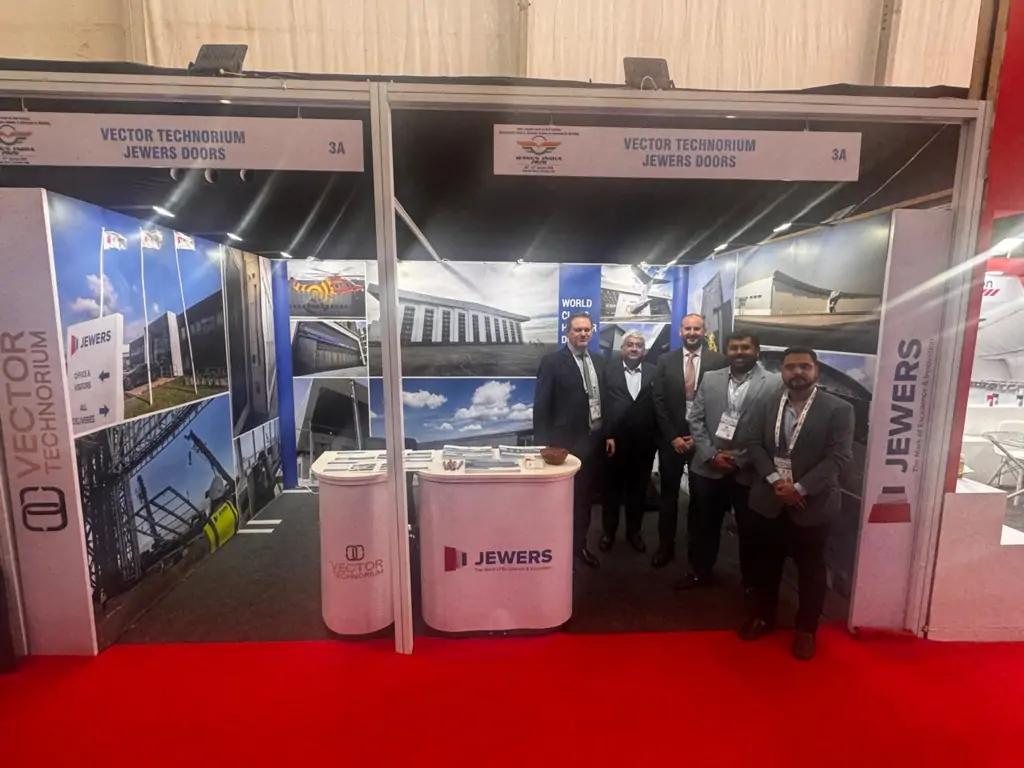
When a century-old British engineering firm decides to establish a wholly-owned subsidiary in your country, it's more than just another business transaction—it's a powerful vote of confidence in your nation's future. Jewers Doors, the family-run British company behind some of the world's most complex aircraft hangar door systems, has just made exactly that statement about India's aviation sector.
A Strategic Bet on India's Aviation Future

The establishment of this Indian subsidiary represents far more than market expansion for Jewers Doors. Managing Director Chris Jewers made clear that this move aligns directly with Prime Minister Narendra Modi's "Make in India" and "Atmanirbhar Bharat" initiatives, signaling the company's intention to invest in local manufacturing capabilities, skills development, and long-term partnerships across both civil and defence aviation sectors. India is being positioned not merely as another market, but as a center of excellence for South Asia and the broader region.
The British High Commission in India warmly welcomed the announcement, with Deputy Trade Commissioner Jaya Choraria highlighting how this investment strengthens the UK-India partnership. She noted that the timing is particularly significant, coming after the landmark UK-India Free Trade Agreement signed in July 2025, which is expected to further boost industrial collaboration between the two nations.

Built on Trust and Proven Performance
What makes Jewers Doors' commitment particularly meaningful is that it springs from demonstrated success rather than speculative opportunity. The company's most prestigious Indian project—designing and manufacturing the largest aircraft hangar door in the country for the VVIP fleet serving India's highest officials—is currently under execution. This landmark assignment for the INDIA 1 VVIP Squadron represents one of the most sensitive and demanding aviation infrastructure projects anywhere globally, requiring uncompromising standards in security, precision, and reliability.
This project became the defining experience that shaped Jewers Doors' vision for deeper Indian engagement. When a company earns the trust to handle such mission-critical infrastructure for a nation's leadership, it speaks volumes about their engineering capability and execution discipline.
A Legacy Spanning Generations
Founded in 1983, Jewers Doors carries forward the Esavian brand heritage that stretches back over a century, making it among the most enduring names in large-scale aviation infrastructure. Operating from a modern sixty-thousand-square-foot facility in Bedfordshire, the company has delivered bespoke door solutions to airline maintenance facilities, defense forces, royal families, and heads of state across every continent. Their product range encompasses everything from the renowned Esavian 126-SBR and 400 Series aircraft hangar doors—capable of unlimited width and height—to specialized acoustic, blast-resistant, and high-security doors for defense installations.
As India positions itself to become one of the world's largest aviation and maintenance hubs, Jewers Doors sees the country as a strategic cornerstone of its Asia-Pacific growth, committed to supporting India's next generation of aviation infrastructure with British engineering excellence adapted to Indian conditions.
Read next
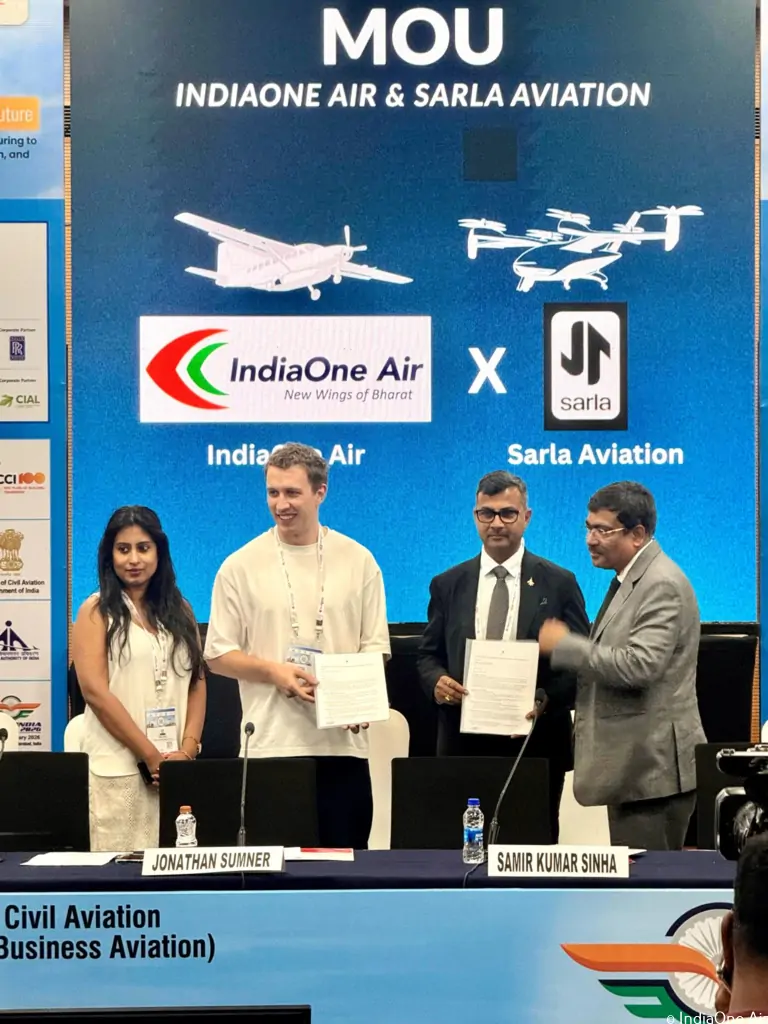
The skies above India may soon witness a transportation revolution, following a strategic partnership announced at one of the country's premier aviation events. At Wings India 2026 in Hyderabad, IndiaOne Air formalized a collaboration with Sarla Aviation that could reshape how Indians travel across shorter distances, bringing the futuristic concept of air taxis closer to everyday reality.
A Partnership Born at Wings India

The Memorandum of Understanding marks a significant milestone in India's pursuit of advanced aerial mobility solutions. The ceremony drew notable attention with the presence of Shri Samir Kumar Sinha IAS, the Secretary of India's Ministry of Civil Aviation, whose attendance underscored the government's interest in nurturing innovative aviation technologies. His support signals official recognition of the transformative potential that air taxi and STOL technologies hold for addressing India's unique transportation challenges.
Bringing Real-World Experience to the Drawing Board
What makes this collaboration particularly noteworthy is the practical wisdom IndiaOne Air brings to the table. Operating regional commuter flights across India has given the airline intimate knowledge of the country's aviation landscape, from navigating complex regulatory requirements to understanding what passengers genuinely need from air travel. This partnership will see IndiaOne Air channeling these hard-earned insights directly into Sarla Aviation's development process.
The airline will share operational feedback covering everything from daily flight operations to safety protocols, while also providing perspectives on customer experience that can only come from years of serving real passengers. These contributions will help Sarla Aviation design products and systems that are not merely technologically impressive but practically viable in Indian conditions.
Shaping Technology for Indian Skies
Sarla Aviation stands to benefit enormously from this knowledge transfer as it develops its technology roadmap. By aligning their innovations with operational realities, regulatory frameworks, and passenger expectations from the outset, the company can avoid costly redesigns and ensure their air taxi and STOL aircraft are truly suited for Indian markets. Short Takeoff and Landing capabilities are particularly relevant for India, where space constraints at many airports and the need to connect smaller towns create unique operational requirements.
A Vision for Regional Mobility
Both organizations have emphasized their shared commitment to advancing next-generation regional mobility across India. The collaboration aims to strengthen the country's aviation ecosystem while enabling air transport solutions that are safe, efficient, and importantly, scalable. As India's economy grows and urban congestion intensifies, innovative aerial solutions could provide relief by offering faster point-to-point connectivity.
Whether this partnership will successfully launch air taxis into Indian skies remains to be seen, but the combination of operational expertise and technological innovation certainly provides a promising foundation for the future of regional air travel.
Read next
Private Jet Crash in Baramati Claims the Life of Maharashtra's Deputy Chief Minister
Abhishek Nayar
28 Jan 2026
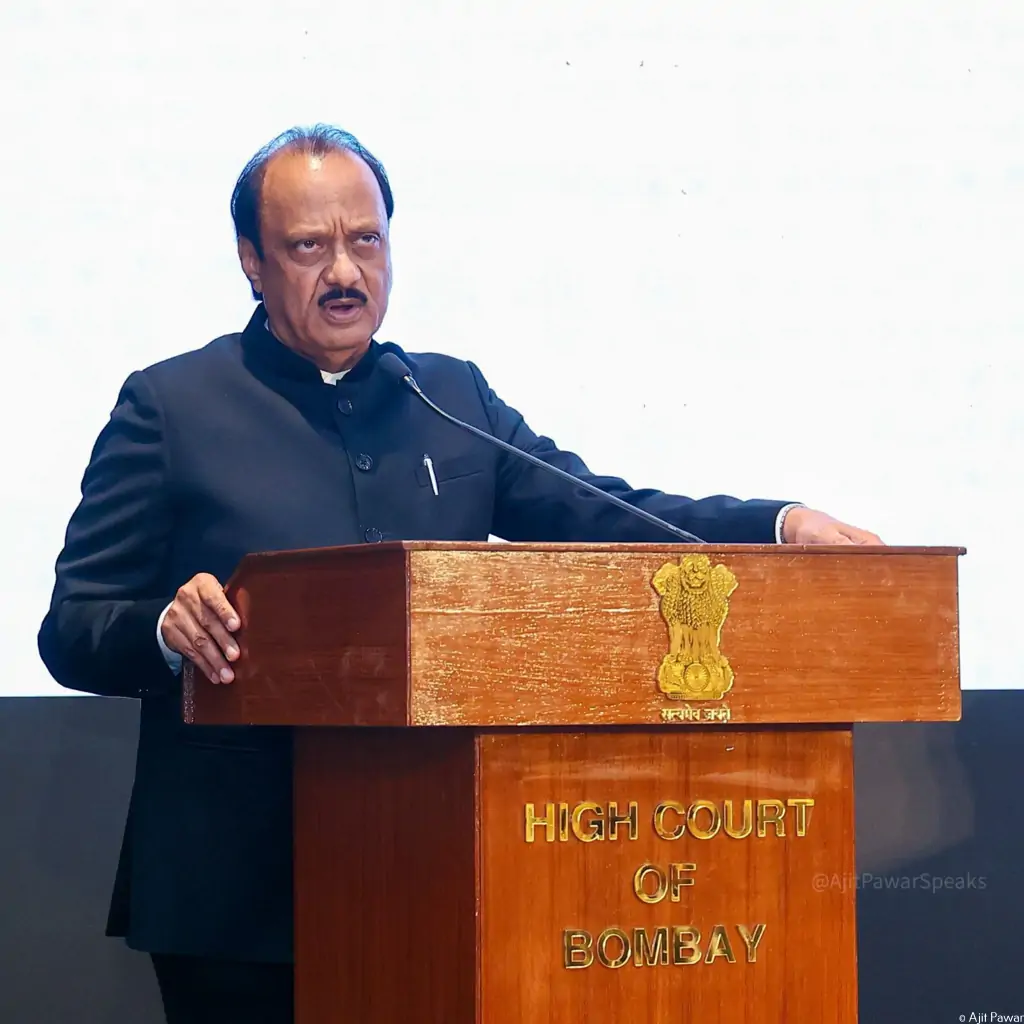
A tragic aviation accident claimed five lives on Wednesday when a Learjet 45 aircraft crashed during landing at Baramati, Maharashtra. Among those killed was Sh. Ajit Pawar, the Deputy Chief Minister of Maharashtra, along with four others who were traveling with him. The incident has sent shockwaves through the state's political establishment and raised serious questions about what went wrong during those final moments of flight.
The Fatal Descent
The aircraft, bearing registration number VT-SSK and operated by VSR, was attempting to land at Baramati when disaster struck. Eyewitnesses reported seeing the jet crash-land, though the exact sequence of events leading to the accident remains under investigation. The Learjet 45, a midsize business jet typically used for executive transport, was carrying a total of five people at the time of the crash.
On board were two flight crew members comprising the pilot-in-command and first officer, along with three passengers. Besides Deputy Chief Minister Ajit Pawar, the passengers included one Personal Security Officer and one attendant who were accompanying the senior political figure on his journey.
The Aftermath
Images from the crash site painted a grim picture of the tragedy's magnitude. Wreckage from the aircraft was scattered across a wide area, with fierce flames consuming what remained of the jet. Thick plumes of smoke rose into the sky, visible from considerable distances as emergency responders rushed to the scene. The destructive force of the impact left little intact, underscoring the severity of the crash.
Early media reports confirmed what rescue teams feared most upon arrival. There were no survivors from the incident. All five individuals aboard the aircraft perished in the crash, marking one of the most significant losses of life in a single aviation accident involving a high-ranking government official in recent times.
Questions That Demand Answers
The loss of Maharashtra's Deputy Chief Minister in such circumstances has prompted immediate attention from aviation safety authorities. Investigators will now work to piece together the final moments of the flight, examining everything from weather conditions and mechanical systems to pilot communications and flight path data. The black box, if recovered intact, will prove crucial in understanding what transpired during the landing attempt.
For the families of those lost and for a state now mourning its Deputy Chief Minister, the coming days will bring both grief and a search for answers about how a routine landing turned into a catastrophe that claimed five lives in an instant.
With Inputs from India Today
Read next

Boeing, the renowned American aircraft manufacturer, is anticipating a surge in orders for its Dreamliner aircraft from the rapidly expanding Indian aviation market. Salil Gupte, who serves as Boeing's President for India and South Asia, expressed strong optimism about the growth trajectory despite current trade tensions between the United States and India.
The executive acknowledged the ongoing tariff disputes between the two nations but remained confident in Boeing's ability to navigate these temporary obstacles. Gupte emphasized that both countries share a common vision of industrializing India's aerospace sector, which he believes will help overcome short-term challenges.
Air India Leads Dreamliner Operations

Currently, Air India stands as the primary operator of Boeing 787 Dreamliners in the Indian market. The airline's fleet comprises thirty-three Dreamliners, including twenty-six legacy B787-8 models, six B787-9s inherited from Vistara, and one newly customized aircraft. This latest addition to Air India's fleet, representing the airline's first custom-made Dreamliner since its privatization in January 2022, is scheduled to begin commercial service from February 1st.
IndiGo, another major Indian carrier, has also entered the Dreamliner space by leasing several aircraft from Norse Atlantic Airways, further demonstrating the growing appetite for these wide-body jets in India's aviation landscape.
Boeing Projects Continued Growth Despite Competition
Gupte highlighted the exceptional global demand for B787 aircraft, noting that Boeing delivered fourteen Dreamliners to various airlines last year. He confidently stated that the B787 possesses an extremely bright future in India and expressed anticipation for additional orders from Indian carriers.
When questioned about intensifying competition from European rival Airbus, Gupte maintained a pragmatic perspective. He characterized competition as a natural element of the aviation industry and described airplanes as essential tools enabling airlines to serve their passengers effectively. The executive believes that the expanding network of routes and missions that Indian carriers aim to operate will create numerous opportunities ideally suited for the B787.
Century of Experience Guides Long-Term Vision
Addressing concerns about tariff issues, Gupte drew upon Boeing's century-long history of operating through diverse challenges, including world wars, economic downturns, and international conflicts. He emphasized that neither tariffs nor financial crises fundamentally alter long-term business growth patterns, particularly as advancing societies naturally increase their travel activities.
Boeing maintains a substantial presence in India, with over two hundred sixty-five commercial and military aircraft currently operating across the country. The company has established relationships with more than three hundred twenty-five Indian suppliers, with annual procurement exceeding one point two five billion dollars. Beyond Air India, several other carriers including Air India Express, Akasa Air, and SpiceJet operate Boeing aircraft, underscoring the manufacturer's deep integration into India's aviation ecosystem.
Read next

The Indian aviation sector finds itself at a crossroads as the government orchestrates what appears to be a golden opportunity for airlines to expand their operations. Yet industry insiders remain surprisingly unconvinced about whether this window will actually translate into meaningful growth for IndiGo's competitors.
How the Crisis Unfolded
The situation began taking shape on December 9 when the Directorate General of Civil Aviation took an extraordinary step. The regulator directed IndiGo, India's largest airline, to slash its schedule by 10 per cent across sectors. The focus was particularly on high-demand and high-frequency routes, though the airline was instructed to maintain service on routes where it operated as the sole carrier.
This directive came amid concerns about operational stability and the airline's ability to maintain its extensive network without compromising safety standards or passenger experience. The decision effectively meant that IndiGo would need to reduce operations from its current schedule of approximately 2,200 daily flights, combining both domestic and international services.
The Government's Response Framework
Recognizing the potential disruption to air connectivity across the country, the Civil Aviation Ministry moved quickly to establish a redistribution mechanism. Last week, authorities formed a seven-member committee tasked with examining how other airlines could take over the vacated slots. The Ministry emphasized that this allocation process would adhere to principles of fairness, transparency, and equity.
The committee's mandate extends beyond simply handing out slots. Airlines seeking these opportunities must demonstrate comprehensive operational readiness, including adequate aircraft capacity, sufficient pilot and cabin crew availability, and proper ground support infrastructure. The government has made it clear that slots will be cancelled and reassigned if airlines cannot prove their preparedness.
IndiGo's Strategic Maneuvering
The airline has approached its schedule reduction with calculated precision. Rather than eliminating entire routes or specific flights consistently, IndiGo has distributed the cuts strategically across its network. Notably, the carrier has kept its Delhi and Mumbai operations largely untouched, concentrating reductions on other routes. Many of the cancelled flights include late-night or red-eye departures, which traditionally see lower demand.
On Monday, IndiGo provided assurances to the regulator about maintaining operational stability beyond February 10, when special flight duty time relaxations granted by DGCA will expire. The airline revealed it possesses 2,400 Airbus captains against a requirement of 2,280, suggesting adequate pilot availability for its reduced operations. These service reductions are expected to continue through March and may extend into the summer schedule.
Why Airlines Remain Skeptical
Despite the apparent opportunity, aviation industry executives express doubt about whether many carriers will actually pursue IndiGo's vacated slots. The irregular pattern of cancellations, combined with the preponderance of less desirable time slots and secondary routes, makes these openings less attractive than they might initially appear. Airlines now face a choice: attempt to incorporate these fragmented slots into their operations or request entirely new ones that better suit their strategic plans.
With Inputs from Business Line
Read next
Could This Strategic Partnership Reshape Air Travel Between India and Southeast Asia?
Abhishek Nayar
20 Jan 2026
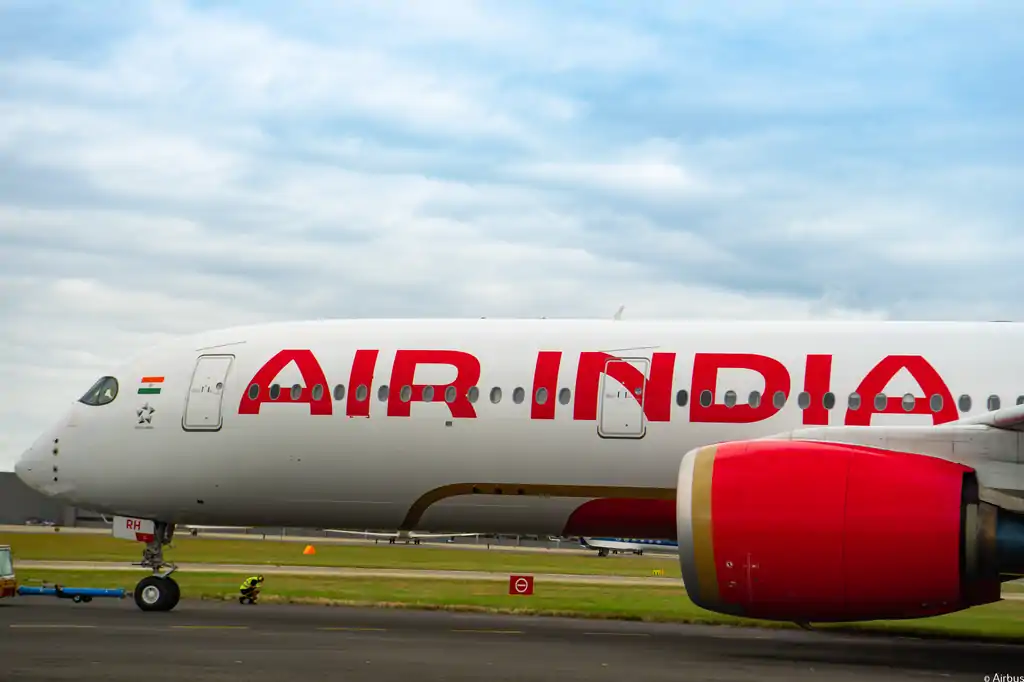
Two major flag carriers have unveiled an ambitious collaboration that promises to transform air connectivity across the region, marking a significant evolution in their longstanding relationship.
The Genesis of a Deeper Alliance
Air India and Singapore Airlines announced on Friday their agreement on a commercial cooperation framework that extends far beyond traditional airline partnerships. The announcement arrives at a pivotal moment for both carriers, signaling their intent to fundamentally reshape how they operate in overlapping markets while expanding their collective reach.
Challenges That Sparked Innovation
The timing of this framework reveals an industry adapting to geopolitical realities. Last April, Pakistan imposed an airspace ban that created immediate operational headaches for Air India, forcing the carrier to discontinue several profitable routes connecting India to the United States. This disruption became a catalyst for reimagining how the two airlines could work together more effectively.

What Makes This Partnership Different
Industry insiders describe the agreement as an advanced version of traditional codeshare arrangements, representing something more sophisticated than simply placing each airline's code on the other's flights. A source familiar with Air India's strategic thinking explained that the framework should enable both carriers to reduce the inefficiency of operating overlapping flights on identical routes, a common problem that drains resources and profits for competing airlines.
The partnership envisions expanding both carriers' corporate travel programs, which generate particularly high-yield revenue for airlines. Business travelers typically pay premium fares, making this aspect of the collaboration especially valuable for both companies' bottom lines.
Building on Existing Foundations
The two airlines are not starting from scratch. Air India already maintains a codeshare agreement with Singapore Airlines spanning twenty countries and territories. This existing relationship provides a proven foundation upon which to build more extensive cooperation. Singapore Airlines holds a twenty-five percent stake in Air India, while Tata Group owns the remaining seventy-five percent, creating aligned ownership interests that facilitate deeper collaboration.
The Road Ahead
Air India CEO Campbell Wilson characterized the pact as elevating the relationship between the two carriers to the next level, though both airlines emphasized that implementation requires regulatory approvals and the signing of definitive agreements. These necessary steps mean passengers will not see immediate changes, but the framework establishes clear direction for future cooperation.
The agreement represents a strategic response to both opportunity and necessity, allowing two respected carriers to leverage their complementary strengths while navigating the complex realities of modern international aviation.
With Inputs from Reuters
Comment