

In a recent survey conducted by the community social media platform LocalCircles, alarming revelations have emerged regarding the state of passenger comfort and service quality in India's airline industry. The survey, which garnered responses from over 13,000 air passengers across 284 districts in India, paints a concerning picture of airlines compromising on comfort and cutting corners in the past 24 months.
Rising Complaints and Issues
The surge in complaints recorded by LocalCircles since October is indicative of a growing dissatisfaction among air travelers. The issues reported range from excessive fares, flight cancellations, and delays to boarding denials, damaged or misplaced luggage, and steep hikes in onboard food prices. The holiday season exacerbated these problems, reaching a new peak as many passengers headed to airports for Christmas and New Year travel.
Passenger Sentiment Survey Highlights
- Overall Dissatisfaction: Approximately 78% of the 12,902 respondents acknowledged facing one or more issues while flying in the last two years, highlighting a widespread discontent among air travelers.
- In-Flight Services: A significant 39% of respondents expressed concerns about in-flight services, including meals and entertainment, indicating a decline in the quality of onboard experiences.
- Boarding and Check-in Procedures: About 35% of participants reported issues with boarding and check-in procedures, shedding light on challenges faced during the pre-flight phase.
- Baggage Handling: Similarly, 35% of respondents expressed dissatisfaction with baggage handling, pointing towards problems related to damaged or misplaced luggage.
- Aircraft Interiors: Thirty percent of survey participants indicated displeasure with poor aircraft interiors, encompassing discomfort related to seating arrangements and entertainment systems.
- Timely Information Sharing: Seventeen percent of respondents faced challenges due to airlines not promptly sharing information, reflecting a lack of transparency and communication.
- Flight Delays: Another 17% of participants reported hassles caused by flight delays, impacting travel schedules and causing inconvenience.
- Staff Behavior: Nine percent of respondents cited issues with the behavior of airline staff, both inside the flight and at airport check-in counters, indicating a need for improved customer service.
Common Issues and Trends
The survey findings also highlighted common issues such as airlines overbooking and denying boarding to passengers arriving slightly late, as well as instances of staff displaying rude behavior during these incidents.
Public Perception and Opinions
An overwhelming 88% of the 12,823 respondents believed that Indian airlines have been compromising on passenger comfort and cutting corners over the last two years, underscoring a widely shared sentiment of dissatisfaction within the flying community.
Demographic Insights
Breaking down the respondents, the survey revealed that 64% were men, while 36% were women. Additionally, 47% were from tier-1 cities, 33% from tier-2 cities, and 20% from tier-3, -4 cities, and rural districts.
Conclusion
The findings of the LocalCircles survey indicate a pressing need for the Indian aviation industry to address the concerns raised by passengers. As air travel continues to play a crucial role in connecting people and fostering economic growth, ensuring a positive and comfortable flying experience should be a top priority for airlines. The survey results serve as a valuable source of feedback, urging stakeholders to take corrective measures to enhance passenger satisfaction and restore confidence in the country's aviation sector.

Read next
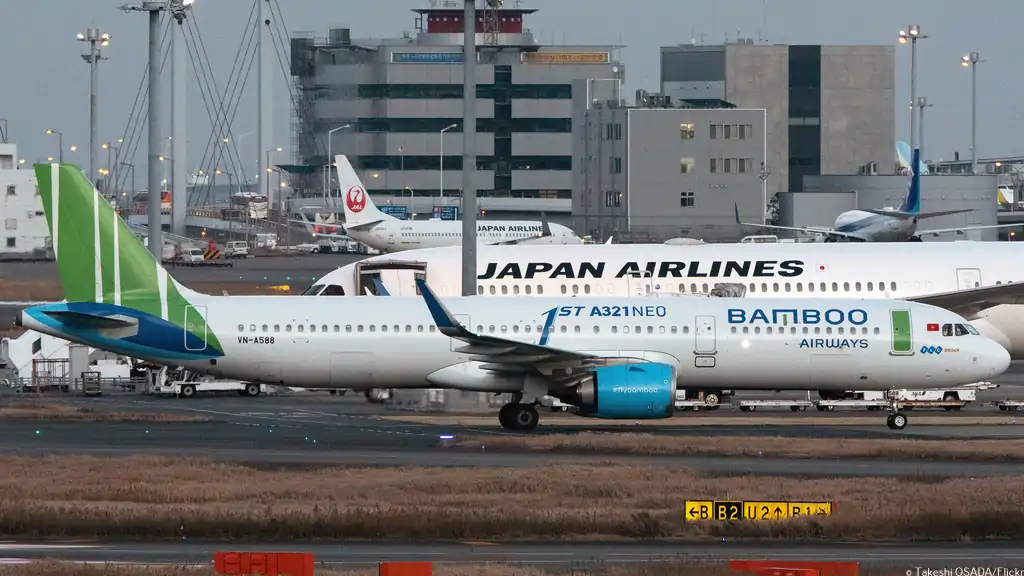
Bamboo Airways, Vietnam's private carrier, is facing financial difficulties, prompting Deputy Prime Minister Le Minh Khai to urge government ministries for assistance. The deputy prime minister has called on the transport and finance ministries to support the beleaguered airline and provide a report to the prime minister's office by December 31.
Current Situation
Bamboo Airways has encountered losses and debts attributed to unspecified challenges, as stated by Le Minh Khai. The airline has been grappling with financial instability, leading to a significant reduction in its services, including the elimination of its international routes. The carrier, once servicing destinations such as Frankfurt, London Gatwick, Melbourne, Seoul, Singapore, and Sydney, now exclusively operates domestic flights.
Job Losses and Restructuring
The removal of international routes has resulted in substantial job losses within the airline, according to reports. Bamboo Airways initiated a broader restructuring plan in 2023, marked by significant leadership changes at the top level. The airline aims to stabilize its operations and address persistent concerns about its financial stability.
Fleet Overview
As of the latest available data, Bamboo Airways currently operates nine aircraft, including five Airbus A320 family jets, two A320neos, and two Embraer E190s. Additionally, the airline has nine aircraft in storage, comprising four A320s, two A320neos, and one E190. Bamboo Airways holds orders for 10 Boeing 787-9s, reflecting its ambition to expand its fleet.
Previous Status
At the beginning of 2023, Bamboo Airways boasted a more extensive fleet, with 29 aircraft in service, featuring three 787-9s, 21 A320/A320neo family jets, and five E190s. The airline's decision to streamline its operations by focusing on domestic flights underscores the challenges it has faced in sustaining international routes.
Government Call for Support
Deputy Prime Minister Le Minh Khai's recent call for support follows a similar appeal made in August. The government is seeking assistance not only from the transport and finance ministries but also from key stakeholders such as fuel provider Petrolimex, the Airports Corporation of Vietnam, and lenders.
Conclusion
Bamboo Airways' current predicament highlights the broader challenges faced by the aviation industry, especially amid the ongoing global uncertainties. As the airline seeks government assistance to navigate its financial woes, the industry and investors will be closely monitoring developments to gauge the effectiveness of the proposed measures and the potential impact on Bamboo Airways' future operations.
With Inputs from Flight Global
Read next
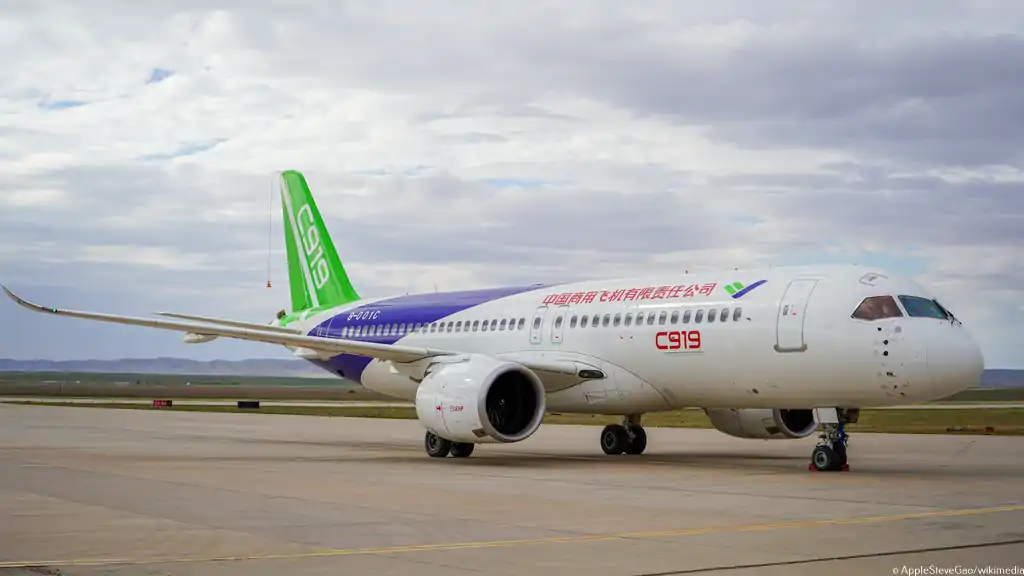
In 2008, the Commercial Aircraft Corporation of China (COMAC) announced the ambitious C919 program, aiming to disrupt the Airbus-Boeing duopoly in the commercial jetliner market. As the C919 finally enters service 15 years later, it faces pricing challenges that could impact its competitiveness.
Price Hike Raises Eyebrows
According to a recent report by the South China Morning Post, COMAC has increased the price of its C919, with an exchange filing by Air China revealing a cost of $1.07 billion for six C919s. This marks a significant jump from the 2022 list price of $99 million, raising concerns within the aviation industry.
Price Comparison with Competitors
The new price of the C919, now surpassing the entry-level Boeing 737 MAX 7, could pose a hurdle in convincing airlines to opt for the Chinese-made aircraft. The aviation industry is accustomed to negotiated prices below list values, but the C919's higher base price may impact the negotiation dynamics.
Impact on Sales and Market Dynamics
While the price increase may raise eyebrows, it is suggested that sales might not be severely affected due to customary discounts in the aviation industry. Airlines often secure discounts of up to 50% on list prices. Notably, state-owned airlines like China Eastern have already shown confidence in the C919, placing substantial orders.
COMAC's Appeal for Government Support

Amidst the pricing challenges, COMAC's General Manager, Zhou Ximin, has appealed to the Chinese government for increased support. Ximin emphasizes the need for policy support focused on the purchase and utilization of domestically produced aircraft, signaling a desire for a level playing field against established global competitors.
Focus on Domestic Market
Acknowledging that the C919 needs further work before international certification, COMAC seems to be strategically focusing on dominating the domestic market. The company plans to ramp up production significantly, aligning with Boeing's prediction that China will require a staggering 8,560 new passenger jets by 2042.
Performance Comparison
While the C919 has entered service, its performance is drawing comparisons to last-generation Airbus 320ceo and Boeing 737-NG aircraft. The standard model's range of 2,500 NM is notably less than competitors like the A320neo, which can manage 3,500 NM. This performance deficit could impact its appeal, especially for airlines operating longer routes.
Government Incentives as a Game-Changer
Despite these challenges, the large order numbers from state-owned airlines suggest a potential shift in the market dynamics. If the Chinese government provides substantial incentives for airlines to purchase COMAC aircraft, the duopoly held by Airbus and Boeing could face disruption.
Conclusion
The COMAC C919's entry into the market has been accompanied by pricing challenges that might influence its competitive standing. However, with strong government support and incentives, the C919 could still make significant inroads in the aviation industry, especially within China. As the global aerospace landscape evolves, the C919's success will depend not only on its performance but also on strategic pricing and government backing.
Read next
The Complex Valuation of Alitalia's Aviation Branch: A €1 Transaction Raises Questions
Abhishek Nayar
27 Dec 2023
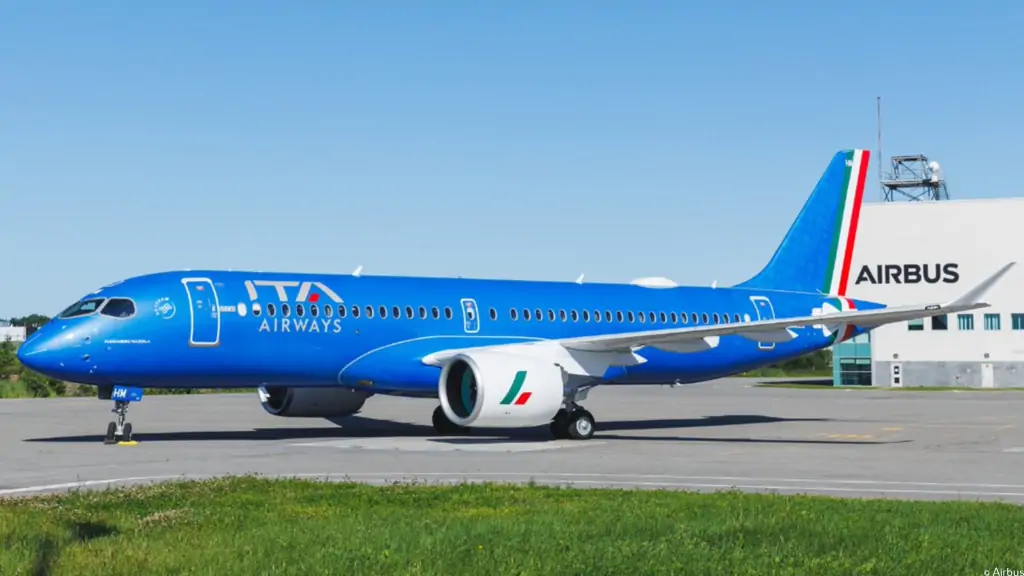
In a surprising turn of events, the recent sale of Alitalia's aviation branch to ITA Airways for a mere €1 has raised eyebrows, as a recent report by Italian newspaper Corriere della Sera suggests that the acquired assets, including planes, slots, and databases, are now valued at approximately -€5 million. This intriguing transaction, which took place in October 2021, has sparked debate over the true worth of Alitalia's aviation assets and the implications for the industry.
The Unorthodox Transaction
ITA Airways, the successor to Alitalia, acquired the aviation branch of the former national carrier for a symbolic euro, while simultaneously purchasing the Alitalia brand for €90 million. The unconventional nature of this deal has brought attention to the intricate valuation process conducted by Professor Giovanni Fiori, who played a pivotal role in assessing the worth of Alitalia's assets.
Valuation Breakdown
Professor Fiori's assessment, detailed in a 44-page report from October 2021, places the net worth of Alitalia's aviation branch at -€4.8 million. This negative valuation is attributed to various components:
- Uniforms and Spare Parts (€44.6 million): The tangible assets of Alitalia's aviation branch, including uniforms and spare parts, contributed to the negative valuation.
- Intellectual Property and Systems (€79.7 million): Trademarks, domains, copyrights, software, databases, and other systems were collectively appraised at €79.7 million.
- Landing Slots at Milan Linate Airport (€125.55 million): The valuable landing slots at Milan Linate Airport, a central hub, were estimated to be worth €125.55 million.
- Emissions Trading Scheme (€125.41 million): Alitalia's agreement in the Emissions Trading Scheme (ETS), valid until 2023, added €125.41 million to the valuation.
Controversial Aircraft and Landing Slots
Despite the inclusion of 52 aircraft in the transaction, Professor Fiori contends that these planes are essentially worthless. Since they are all leased, ITA Airways had to negotiate new agreements with lessors, making them ineligible to be considered Alitalia assets. Additionally, the landing slots at Rome's Fiumicino Airport were deemed worthless due to the airport's available capacity, challenging the perceived value of these assets.

Milan Linate Slots and Emissions Trading System as Key Assets
In contrast, Milan Linate's landing slots emerge as one of Alitalia's most significant assets. The airport's central location and limited space make these slots crucial for maintaining relevance in the region. Furthermore, the Emissions Trading System, designed to curb greenhouse gas emissions, represented a substantial financial asset for Alitalia.
Post-Sale Losses and Implications
Professor Fiori suggests that over the two years following the sale, the former Alitalia assets incurred losses amounting to approximately €380.06 million. The net worth standing at €375.26 million implies a total economic value of the aviation branch that ITA Airways absorbed at -€4.8 million. This has led Fiori to assert that the €1 paid by ITA Airways indicates creation of problems rather than opportunities for the acquiring entity.
Lufthansa's Stake and Regulatory Delays

Adding complexity to the situation is Lufthansa's proposed acquisition of a 41% stake in ITA Airways. Originally expected to be approved by the European Commission by January 15, 2024, recent reports suggest potential delays until May 2024. This regulatory uncertainty raises concerns, especially regarding the joint commercial operation between the two airlines in the upcoming summer season.
Conclusion
The Alitalia aviation branch's valuation and subsequent sale to ITA Airways for a nominal sum of €1 have sparked controversy, shedding light on the intricate nature of airline asset assessments. As regulatory decisions loom and industry stakeholders await clarity, the peculiarities of this transaction continue to capture attention, raising questions about the true value of aviation assets in a rapidly evolving industry.
Read next
India's Bid for Aviation Parity: A Demand for Seat Swaps with UAE Carriers
Abhishek Nayar
27 Dec 2023
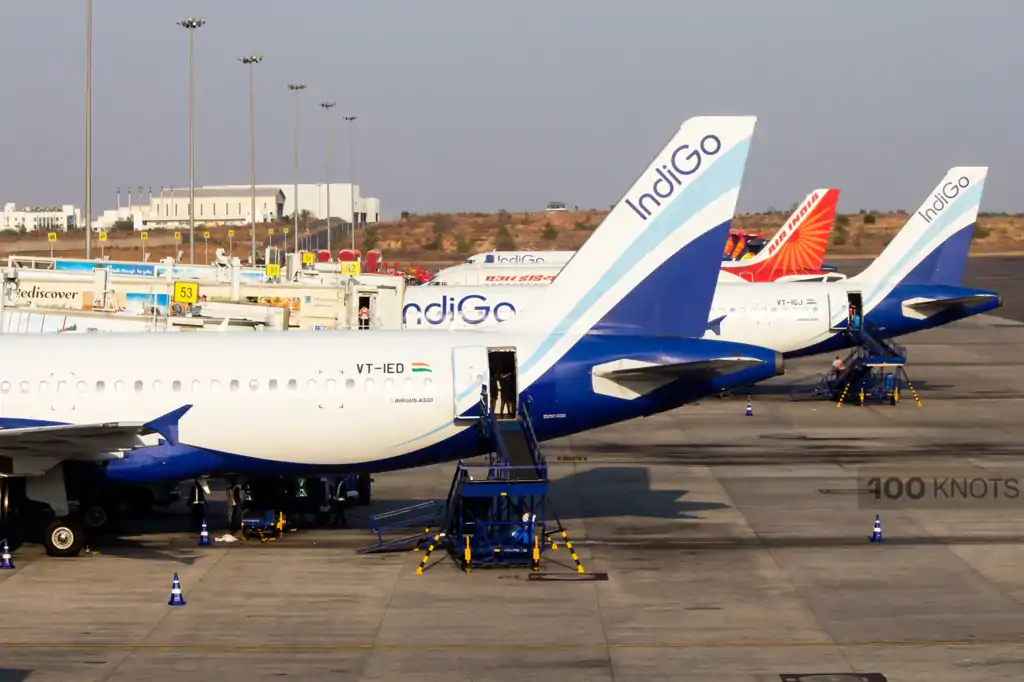
In a bold move, India has reportedly sought an unconventional demand in its aviation negotiations with the United Arab Emirates (UAE). According to sources familiar with the matter, India is proposing a unique arrangement: for every additional seat granted to Dubai-based airlines, India wants four seats for its carriers. This demand marks a departure from the traditional bilateral process governing international aviation trade.
Background: Bilateral Air Service Agreement
The foundation for these negotiations lies in the bilateral air service agreement signed between the UAE and India in January 2014. This agreement outlines the total number of seats allocated per week for flights between Dubai and 15 Indian cities. Currently capped at 66,000 seats, this allocation has been fully utilized by airlines from both nations, including major players like Emirates and Flydubai.
Seat Quota Exhausted: The Need for Expansion
With the demand for air travel steadily rising, both Indian and UAE carriers find themselves in a situation where the existing seat quota is insufficient. The UAE has requested an increase of 50,000 seats for Dubai, a proposal currently under consideration by India's Ministry of Civil Aviation.
Strategic Move for Indian Airlines
Indian authorities argue that the move aims to create a more favorable position for Indian carriers on international routes. Notably, UAE-based airlines leverage their seat allocations for "Sixth Freedom" traffic to lucrative destinations in Europe and North America. In contrast, Indian airlines primarily focus on direct services to Dubai. This disparity has prompted the Indian government to seek a more balanced policy that supports its carriers in competing on long-haul routes.
Sixth Freedom Traffic: Shifting Dynamics
The term "Sixth Freedom traffic" refers to passengers being transported from one country to another via the airline's home country. In recent years, a significant portion of Indian passengers traveling to Europe and North America have chosen West Asian hubs such as Dubai, Abu Dhabi, and Doha for their connecting flights.
Government's Stance and Airline Dynamics
The Narendra Modi government's firm stance aims to limit the expansion of West Asian airlines in order to provide a level playing field for Indian carriers like Air India and IndiGo. Despite the challenges faced during the Covid-19 crisis, Indian carriers received no state funding, unlike their UAE counterparts, which benefit from substantial government support.
Air India's Expansion Plans

Air India, under the Tata group, supports the government's position as it looks to expand its business on long-haul routes. The recent delivery of the Airbus A350 marks a pivotal moment as the airline embarks on an expansion and turnaround program.
Industry Response and Criticisms

Overseas carriers, including Emirates and Turkish Airlines, have criticized India's protectionist measures, arguing that limiting capacity expansion will adversely affect consumers. Tim Clark, President of Emirates, warns that failure to expand capacity could result in substantial financial losses for both Indian carriers and citizens.
National Policy and Future Aspirations
In parallel with these negotiations, the Indian government is working on a national policy to transform its airports into major international hubs. The objective is to provide seamless international connectivity to the entire South Asian region, positioning airports like New Delhi's as competitive transit hubs akin to Dubai and Singapore's Changi Airport.
Conclusion
India's demand for a unique seat-swapping arrangement with UAE carriers reflects a strategic move to rebalance the scales in international aviation. As negotiations unfold, the outcome will not only shape the future of air travel between India and the UAE but may also set a precedent for other bilateral agreements in the ever-evolving landscape of global aviation.
With Inputs from Economic Times
Read next
Legend Airlines A340 Carrying 303 Passengers, Mostly Indians, Allowed to Leave France

Radhika Bansal
26 Dec 2023
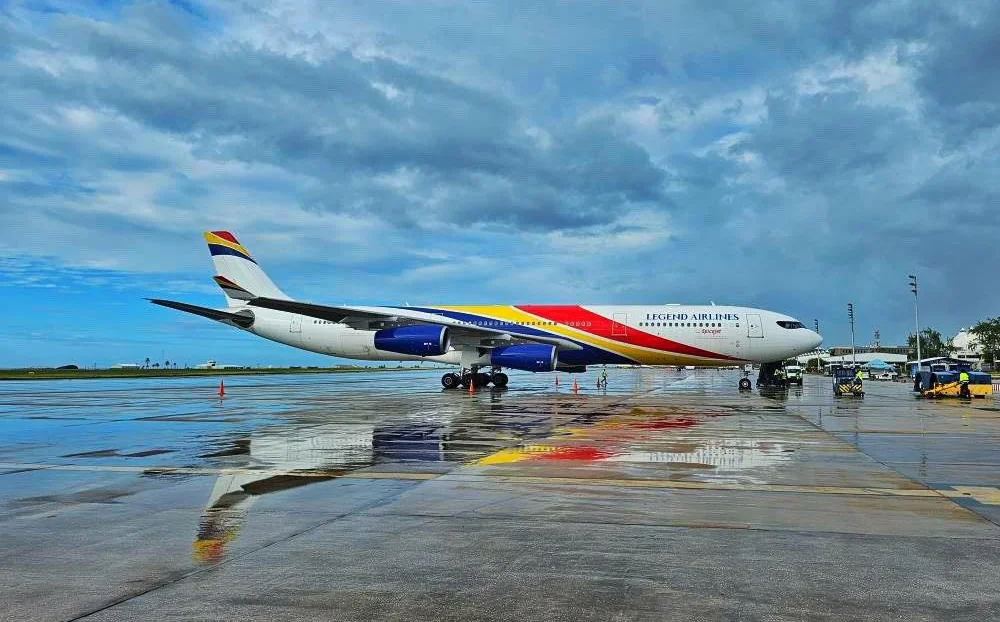
A Nicaragua-bound flight carrying 303 passengers, mostly Indians, was allowed to resume its journey on Monday, December 25, three days after they were detained by the French authorities at an airport near Paris over suspected "human trafficking", according to local media reports.
After authorising the A340 aircraft, operated by Romanian company Legend Airlines, to leave, the French judges chose to cancel the hearings of the over 300 passengers due to irregularities in the procedure, BFM TV, a French news broadcast television and radio network, reported.
Four French judges earlier in the day began questioning the passengers detained by the French authorities at Vatry airport, 150 km east of Paris, since Thursday, December 21, over suspected "human trafficking".
The hearings were conducted as part of the investigation opened by the Paris prosecutor's office on suspicion of human trafficking. The plane was expected to take off again on Monday morning. Its destination is not yet known. It could travel to India, where the passengers are from, to Nicaragua, its original destination, or Dubai, from where it took off, it added.
Another report suggests that The A340 aircraft, being operated by Romania’s Legend Airlines, is expected to land at Mumbai airport around 2.20 PM. The plane had taken off from the airport at Vatry near Paris where it was grounded, the source said.
According to the French media, some of the passengers spoke Hindi and others Tamil and are believed to have contacted their families by telephone. Ten of the passengers have requested asylum, the newspaper quoted a source close to the case as saying.
The plane includes 11 unaccompanied minors and two passengers in custody since Friday had their detention extended on Saturday evening for up to 48 hours, according to French prosecutors.
The aircraft is owned by Romanian charter company Legend Airlines. A lawyer for the firm, Liliana Bakayoko, denied any involvement in the trafficking. A partner company that chartered the plane was responsible for verifying the identity documents of each passenger, and communicated the passengers' passport information to the airline 48 hours before the flight, Bakayoko said.
Human trafficking carries a potential sentence of up to 20 years in France. On Saturday, India's embassy in France said its staff are stationed at the airport near Paris to ensure the welfare of Indian nationals after the passengers were detained by French authorities over suspected "human trafficking".
In an updated message on social media on Saturday evening, the embassy thanked the French authorities for working over the long Christmas holiday weekend in pursuit of an early resolution of the situation. According to the reports, the travel may have been planned by the Indian passengers to reach Central America from where they can attempt to enter the United States or Canada illegally.
But an anonymous tip indicated that passengers were likely to be victims of human trafficking in an organised gang, alerted the authorities.
Two passengers held
Two passengers have not been authorised to leave and may face charges. They will appear before a judge to face possible charges including involvement in an organised criminal group helping foreigners enter or stay in a country illegally, the Paris prosecutor's office said. It did not specify whether human trafficking — which the UN defines as “the recruitment, transportation, transfer, harbouring or receipt of people through force, fraud or deception, to exploit them for profit" — is still suspected, as prosecutors initially said. Prosecutors wouldn’t comment on whether the passengers’ ultimate destination could have been the US, which has seen a surge in Indians crossing the Mexico-US border this year.
Comment