
Who Watches the Digital Cockpit: The Fight for Cybersecure Skies in India

Jaideep Mirchandani
18 Aug 2025

Sky One chairman Jaideep Mirchandani argues that data protection, privacy and cybersecurity are the pillars of digital independence for Indian aviation
The airplane you board is no longer only metal and fuel. It is a moving network of sensors, software and data. As India expands airports, adds planes and welcomes more flyers, the industry is racing not just to connect cities but to protect the systems that make those connections possible. On Independence Day Jaideep Mirchandani reminded the nation what is at stake. Data protection, privacy and cybersecurity are the pillars of digital independence, he said. If those pillars fail, freedom to fly will not be far behind.
Why this moment is critical
Air travel is growing fast in India. Every part of the aviation chain from ticket booking to maintenance schedules is digitized. That efficiency brings scale and convenience. It also concentrates risk.
- Since June 2025 three major airlines reported cyber incidents where attackers targeted passenger and operational data and the incidents were assessed as data theft.
- Global signals matter too. Between January 2024 and April 2025 Thales Group recorded 27 major ransomware attacks by 22 groups and found that 71 per cent involved stolen credentials or unauthorized access to critical systems.
Those numbers are not abstract. They translate into flight disruption, loss of passenger trust, regulatory scrutiny and potential safety hazards if critical systems are compromised.
What attackers are trying to do
Attackers aim for value and leverage. In aviation that means data that can be sold or weaponized and systems that, if disrupted, cause high impact.
Typical attacker goals include:
- Stealing passenger personal data and credentials.
- Gaining unauthorized access to operational systems.
- Holding systems for ransom or leaking sensitive files.
- Using social engineering to loop employees into breaches.
Mirchandani highlights the logic: aviation is a complex web of interconnected digital technologies. That complexity equals attack surface.
What industry leaders are recommending
Experts and industry leaders are aligned on one practical truth: defense must be proactive, layered and constantly updated.
Key recommendations Mirchandani and others emphasize include:
- Build an updated digital security framework with real time threat monitoring and strict access controls.
- Prioritize human awareness through frequent training on scams and social engineering.
- Maintain secure offline backups so operations can be restored quickly if systems are hit.
- Adopt credential hygiene and least privilege access to reduce the success of stolen credentials.
- Invest in indigenous solutions that reduce dependency on external suppliers for critical functions.
India first solutions and national resilience
Mirchandani points to home grown capabilities as part of digital independence. He mentions solutions already in the ecosystem such as Vastav AI a deepfake detection platform with 99 per cent accuracy, Maya OS a secure Indian operating system and defense platforms like Akashteer that focus on airspace protection. He also cites initiatives like Bharat NCX and rising investments in research and development as momentum that can be channeled into national resilience.
Indigenous tools matter for two reasons. First, they can be tailored to local operational realities. Second, they reduce supply chain exposure to foreign vulnerabilities and geopolitical pressure.
A practical roadmap for airports airlines and vendors
Companies and regulators must move from checklist thinking to continuous readiness. A simple actionable roadmap:
- Assess critical systems and map interdependencies so the true impact of an attack is visible.
- Detect deploy monitoring that can spot anomalies in real time.
- Protect enforce least privilege credentials multi factor authentication and secure offline backups.
- Respond create tested playbooks with clear incident roles and communication protocols.
- Recover verify backups and recovery paths and run recovery drills regularly.
- Train run frequent staff awareness exercises and phishing simulations.
- Collaborate share threat intelligence across airlines airports vendors and regulators.
- Invest fund R&D and support indigenous cyber security startups and home grown platforms.
The human factor cannot be ignored
Technology alone will not secure the skies. Mirchandani reminds us that human error remains a key vulnerability. Regular training on spotting scams and clear accountability for access management can reduce breaches dramatically. Invest in people as much as in platforms.
Closing note
Independence Day is a reminder that freedom has many dimensions. For modern aviation digital freedom is as vital as physical control of runways and radars. If India wants to claim a Viksit Bharat that thrives on global connectivity it must guard that connectivity with robust data protection privacy and cyber security.
TL; DR
- Aviation is highly digitized which increases cyber risk.
- Since June 2025 three major airlines reported data theft related incidents.
- Between January 2024 and April 2025 Thales Group logged 27 major ransomware attacks with 71 per cent involving stolen credentials.
- Industry experts call for proactive multi layered defense real time monitoring strict access controls and regular staff training.
- Indigenous solutions such as Vastav AI Maya OS and Akashteer are cited as building blocks of digital independence.
- Practical steps for organizations include assess detect protect respond recover train collaborate and invest.
- Human awareness and secure offline backups are critical to resilience.
Read next
Project Sunrise: Qantas’s Revolutionary Ultra-Long-Haul Vision with A350-1000

Sakshi Jain
17 Aug 2025
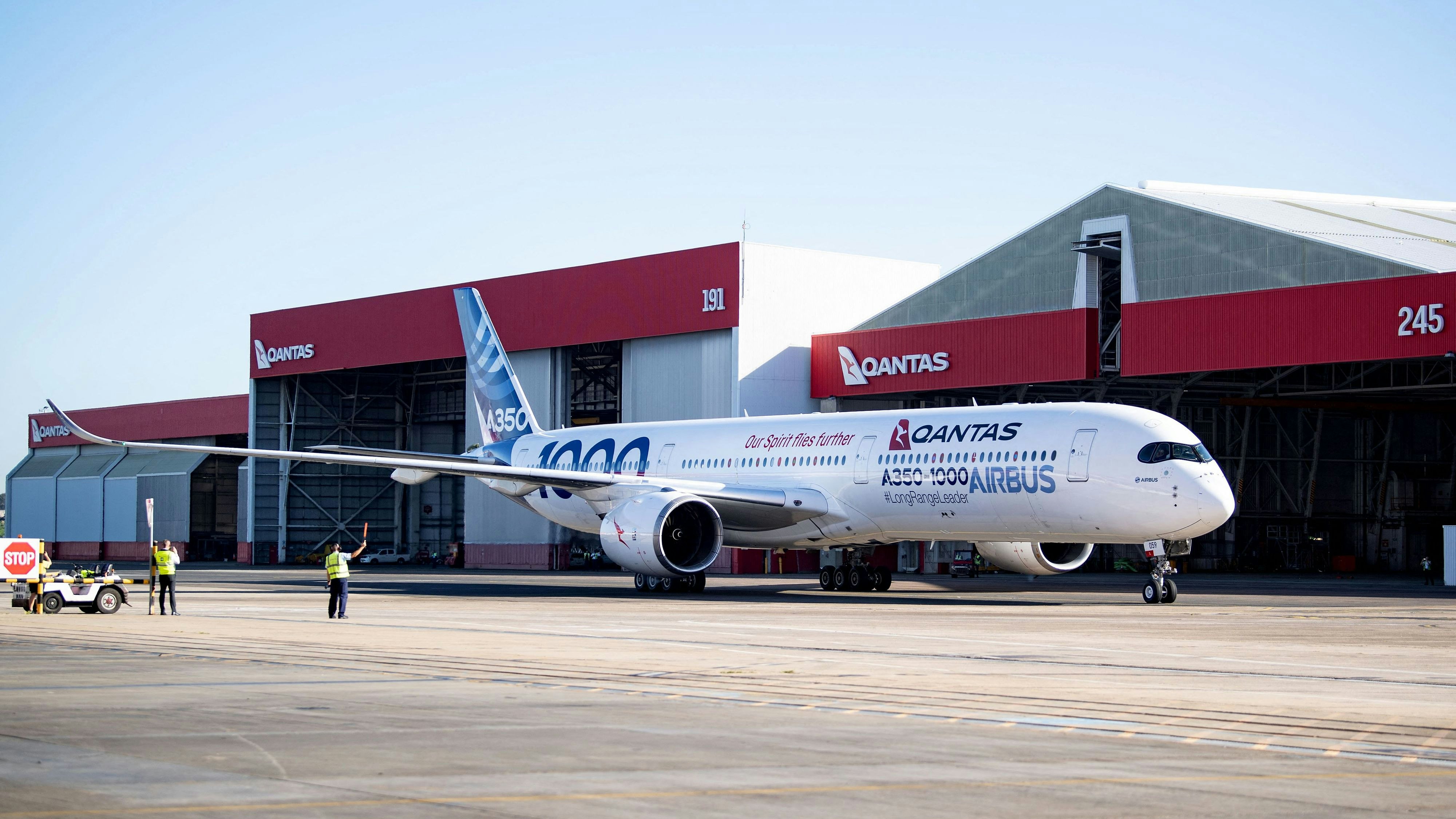
Australia’s national carrier Qantas is on the brink of making aviation history with Project Sunrise, an ambitious initiative designed to connect Australia directly to major global destinations through ultra-long-haul flights. This groundbreaking project promises to revolutionize international travel by eliminating stopovers and reducing journey times, while introducing innovative passenger comfort features for flights lasting up to 20 hours.
This article explores the evolution, challenges, and prospects of Project Sunrise, examining how Qantas plans to redefine the boundaries of commercial aviation.
History
Project Sunrise emerged in August 2017 as Qantas’s bold response to Australia’s geographical isolation.
The project’s core objective was deceptively simple yet technically complex: establish non-stop flights from Australia’s eastern seaboard cities—Sydney, Melbourne, and Brisbane—to major international destinations including London, Paris, Cape Town, Rio de Janeiro, and New York City.
The initiative’s name pays homage to the airline’s historic achievement in 1989, when Qantas operated the first commercial non-stop flight from London to Sydney aboard a Boeing 747-400. Project Sunrise aimed to recreate this pioneering spirit while pushing the boundaries of modern aviation technology!
The challenge was unprecedented. Qantas essentially threw down the gauntlet to aircraft manufacturers Boeing and Airbus, demanding they develop aircraft capable of covering distances exceeding 17,000 kilometers without refueling—a feat that would require significant advances in fuel efficiency, aircraft design, and passenger comfort systems.

Trial Flights
Before committing to aircraft orders, Qantas conducted a series of remarkable test flights to validate the feasibility of ultra-long-haul operations.
In October 2019, the airline operated flight QF7879, a 19-hour journey from New York to Sydney using a Boeing 787-9 Dreamliner. This was followed by another test flight from London to Sydney, pushing the aircraft and crew to their operational limits.
These flights served multiple purposes beyond mere distance validation. Qantas collected crucial data on passenger comfort, crew fatigue, fuel consumption, and aircraft performance. The insights gained from these trial runs proved invaluable in shaping the project’s final configuration and operational procedures.
Aircraft Selection
Following extensive evaluation, Qantas announced in December 2019 that the Airbus A350-1000 had been selected as the preferred aircraft for Project Sunrise. This decision came after both Boeing and Airbus submitted competing proposals, with Boeing’s 777-8X facing development delays that impacted its competitiveness.
The A350-1000 chosen for Project Sunrise features significant modifications, including an additional fuel tank and increased maximum takeoff weight (MTOW) to achieve the required range performance.
The aircraft’s cabin will accommodate 238 passengers across 4 classes: six first-class suites arranged three-abreast, 52 business-class suites in a four-abreast configuration, 40 premium economy seats with 40-inch pitch in an eight-abreast layout, and 140 economy seats with 33-inch pitch arranged nine-abreast.
Delays and Recovery
The COVID-19 pandemic significantly impacted Project Sunrise, forcing Qantas to place the initiative on hold for two years. However, in May 2022, the airline demonstrated its unwavering commitment by placing a formal order for 12 Airbus A350-1000 aircraft, with services initially planned to commence in late 2025.
Unfortunately, manufacturing delays attributed to regulator-required fuel tank redesigns pushed the timeline further. By February 2024, Qantas announced a six-month delay, shifting the launch to mid-2026. The certification of the third center fuel tank by June 2024 provided renewed confidence, with deliveries expected from the third quarter of 2026.
Passenger Experience
Project Sunrise isn’t just about covering distance—it’s about redefining the ultra-long-haul passenger experience. Qantas has unveiled plans for innovative features designed to combat the challenges of 20-hour flights. The “Wellness Zone” will provide passengers with dedicated space for stretching and movement, addressing concerns about deep vein thrombosis and general discomfort associated with extended flights.
Additionally, the airline promises “fast and free” Wi-Fi connectivity throughout the journey, ensuring passengers remain connected to the digital world during their marathon flights. These amenities reflect Qantas’s understanding that passenger comfort is paramount when asking travelers to spend nearly a full day aboard an aircraft.
Economic Impact
Beyond the technological achievement, Project Sunrise represents a significant economic opportunity for Qantas.
The airline projects that these ultra-long-haul flights will generate an additional A$400 million ($261 million) in annual earnings during the first full year of operation with all 12 aircraft in service.
The strategic importance extends beyond financial gains. Project Sunrise positions Australia as a more accessible destination for international travelers while providing Australians with unprecedented direct connectivity to major global cities. This enhanced connectivity could stimulate tourism, business travel, and cultural exchange.
Future Prospects
Project Sunrise stands to fundamentally alter the competitive landscape of international aviation. By eliminating the need for stopovers in traditional hub cities like Dubai, Singapore, or Hong Kong, Qantas could capture significant market share from competitors operating multi-stop services.
The project’s success could inspire other airlines to pursue similar ultra-long-haul routes, potentially leading to a new era of point-to-point connectivity that bypasses traditional hub-and-spoke models.
As Qantas prepares for its mid-2026 launch, the aviation industry watches with keen interest, knowing that Project Sunrise could set new standards for long-distance air travel and passenger experience innovation.
Read next
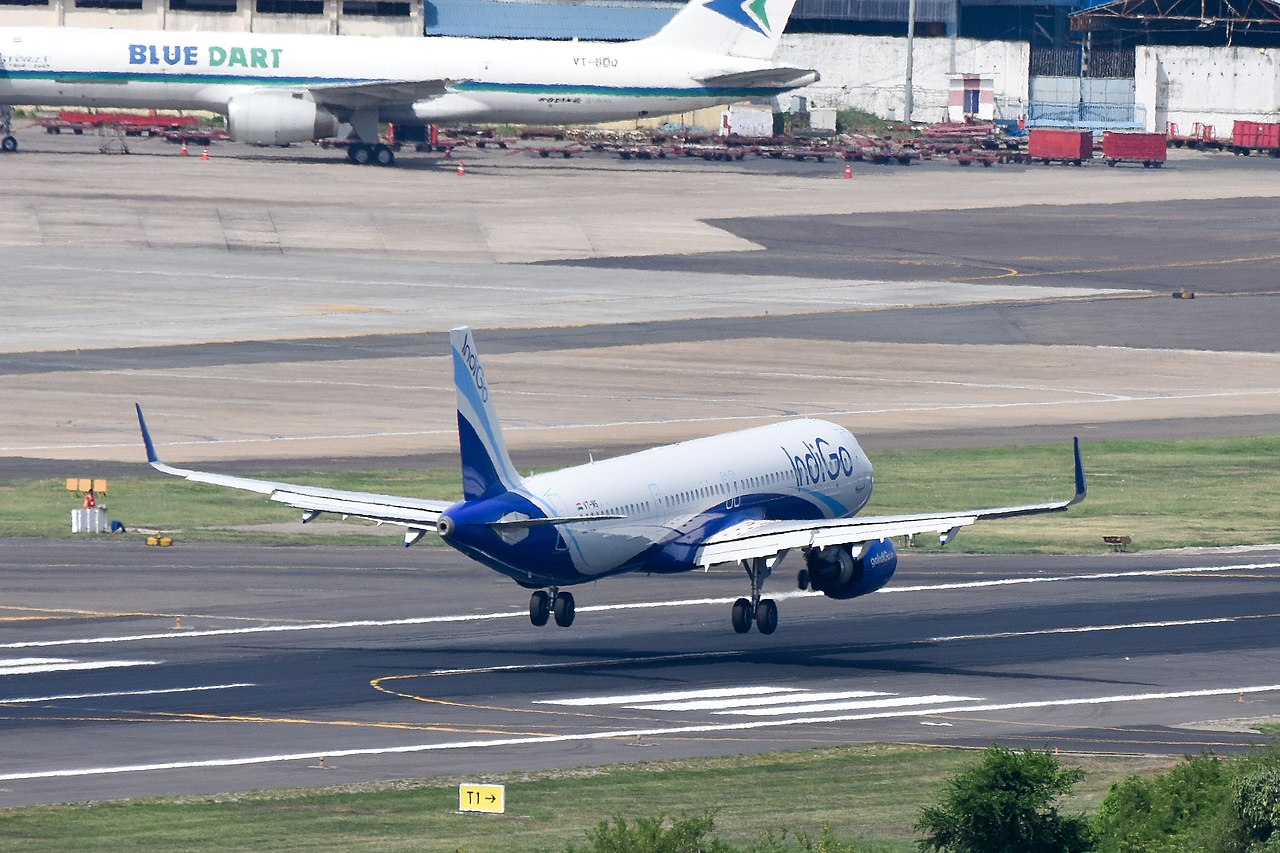
An IndiGo Airbus A321 aircraft experienced a tail strike incident at Mumbai's Chhatrapati Shivaji Maharaj International Airport (CSMIA) on Saturday, August 16, 2025, while executing a low-altitude go-around procedure amid severe weather conditions. The incident highlights the challenges faced by airlines operating during Mumbai's intense monsoon season.
Incident Details
The IndiGo Airbus A321, operating from Bangkok, experienced the tail strike while executing a low-altitude go-around due to unfavourable weather conditions at Mumbai airport. The aircraft's tail touched the runway during the very low-level go-around maneuver amid consistent heavy rainfall.
Despite the incident, the aircraft later made a safe landing on its second approach, with the aircraft circling back and making a safe landing in the second attempt. IndiGo confirmed that all passengers and crew members on board remained safe throughout the incident.
Weather Conditions
The tail strike occurred during a period of severe weather that significantly disrupted operations at Mumbai airport. Mumbai Airport reported minor disruptions in air travel due to low visibility and water logging in surrounding areas amid uninterrupted rainfall.
The challenging weather conditions extended beyond this single incident. Heavy rain in the Maharashtra capital led to disruption in ground and aerial traffic alike, with more than 350 flights delayed due to bad weather. The widespread impact demonstrates the severity of the weather system affecting the region during the incident.

Airline Response and Safety Measures
IndiGo confirmed in its statement: "On August 16, 2025, an Airbus A321 aircraft experienced a tail strike while executing a low-altitude go-around due to unfavourable weather in Mumbai". The airline emphasized that safety protocols were followed and that all passengers and crew remained unharmed.
Following standard procedures for tail strike incidents, the aircraft has been grounded for thorough inspection and assessment. IndiGo confirmed the tail strike and said the aircraft will undergo thorough inspections and repairs before being cleared for service. This precautionary measure ensures that any potential structural damage is identified and addressed before the aircraft returns to service.
Bottom Line
Tail strike incidents, while relatively uncommon, require immediate attention due to potential structural damage to the aircraft's pressure bulkhead and fuselage. The inspection process typically involves detailed examination of the tail section, pressure testing, and comprehensive structural assessment to ensure the aircraft's continued airworthiness.
Read next
Joby Takes Flight: Historic International Air Taxi Demonstration Marks New Era in Urban Mobility

Pragya Chauhan
16 Aug 2025
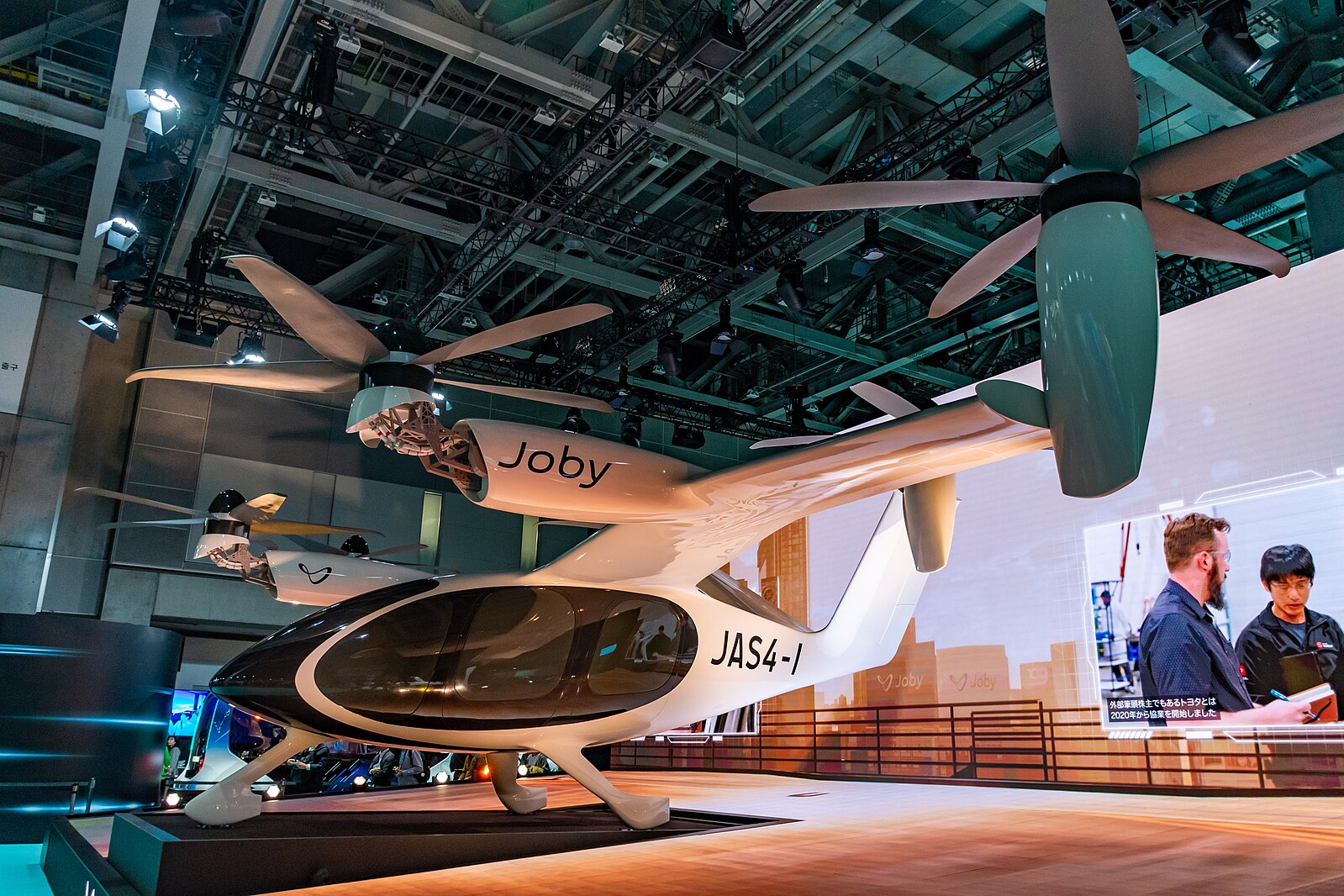
The future of urban transportation took a significant leap forward in November 2024 as Joby Aviation successfully completed its first international air taxi flight in Japan, partnering with automotive giant Toyota in a demonstration that showcased the commercial viability of electric vertical takeoff and landing (eVTOL) aircraft.
A Historic Flight Above Mount Fuji
Joby Aviation's first international exhibition flight took place at Toyota's Higashi-Fuji Technical Center in Shizuoka, Japan, against the dramatic backdrop of Mount Fuji. The gathering included executives from both companies, Akio Toyoda, chairman of the Toyota Group, and Joby CEO and founder JoeBen Bevirt, marking a pivotal moment in the partnership between the aviation startup and the automotive industry leader.
This demonstration flight represents more than just a technological showcase—it signals the maturation of air taxi technology and the growing confidence of major industrial partners in the commercial potential of urban air mobility.
The Toyota Partnership
The successful Japan flight builds upon a substantial financial commitment from Toyota, which recently made a $500 million investment in Joby Aviation. This partnership represents one of the most significant automotive-aviation collaborations in the emerging eVTOL sector, combining Toyota's manufacturing expertise and global reach with Joby's innovative air taxi technology.
Toyota's involvement goes beyond financial backing. The automotive giant brings decades of experience in mass production, quality control, and global logistics—capabilities that will be crucial as Joby scales from demonstration flights to commercial operations. The partnership also positions both companies to capitalize on Japan's growing interest in advanced air mobility solutions.
Expanding Operations
The Japan flight marks just one milestone in Joby's accelerating flight test program. The company has been steadily building its operational capabilities across multiple locations and partnerships. Joby has delivered its first eVTOL aircraft to Edwards Air Force Base to begin joint on-base operations with the US Air Force, approximately six months ahead of schedule.
This military partnership, part of Joby's $131 million contract with the U.S. Air Force, involves demonstrating a range of potential logistics use cases, including cargo and passenger transportation. The early delivery demonstrates Joby's ability to meet demanding timelines while maintaining the high standards required for military applications.

Technology and Design
Joby's air taxi represents sophisticated engineering designed specifically for urban air mobility. The aircraft is an all-electric, vertical takeoff and landing vehicle that promises to deliver fast, quiet, and convenient transportation services in cities worldwide. The company has focused on creating an aircraft that can seamlessly integrate into urban environments while meeting strict safety and noise requirements.
The vehicle's design prioritizes passenger comfort and operational efficiency, featuring multiple rotors for redundancy and safety, electric propulsion for environmental sustainability, and advanced flight control systems for autonomous or pilot-assisted operations.
Commercial Timeline
Joby Aviation expects to begin carrying its first air taxi passengers in late 2025 or early 2026, marking an ambitious timeline for commercial operations. This aggressive schedule reflects the company's confidence in both its technology and regulatory approval processes.
To support this timeline, the company reported receiving more than $1 billion of additional funding and commitments in the fourth quarter of 2024, providing substantial financial resources for scaling operations and meeting certification requirements.
Regulatory Progress
The path to commercial air taxi operations involves navigating complex regulatory requirements across multiple jurisdictions. The FAA has released an updated blueprint for airspace and procedure changes to accommodate this type of aircraft and proposed a comprehensive rule for training and certifying pilots, indicating steady progress toward regulatory framework completion.
The international nature of Joby's Japan flight also demonstrates the company's commitment to meeting diverse regulatory requirements across global markets, positioning it for international expansion once commercial operations begin.
Industry Impact
Joby's successful international demonstration flight comes at a critical time for the eVTOL industry, as multiple companies race to achieve commercial operations. The company's partnership with Toyota, substantial funding, and aggressive timeline place it among the frontrunners in what has become an increasingly competitive market.
The aviation industry and urban planners worldwide are watching these developments closely, as air taxis promise to address growing urban congestion while providing new transportation options for cities struggling with traditional infrastructure limitations.
Read next
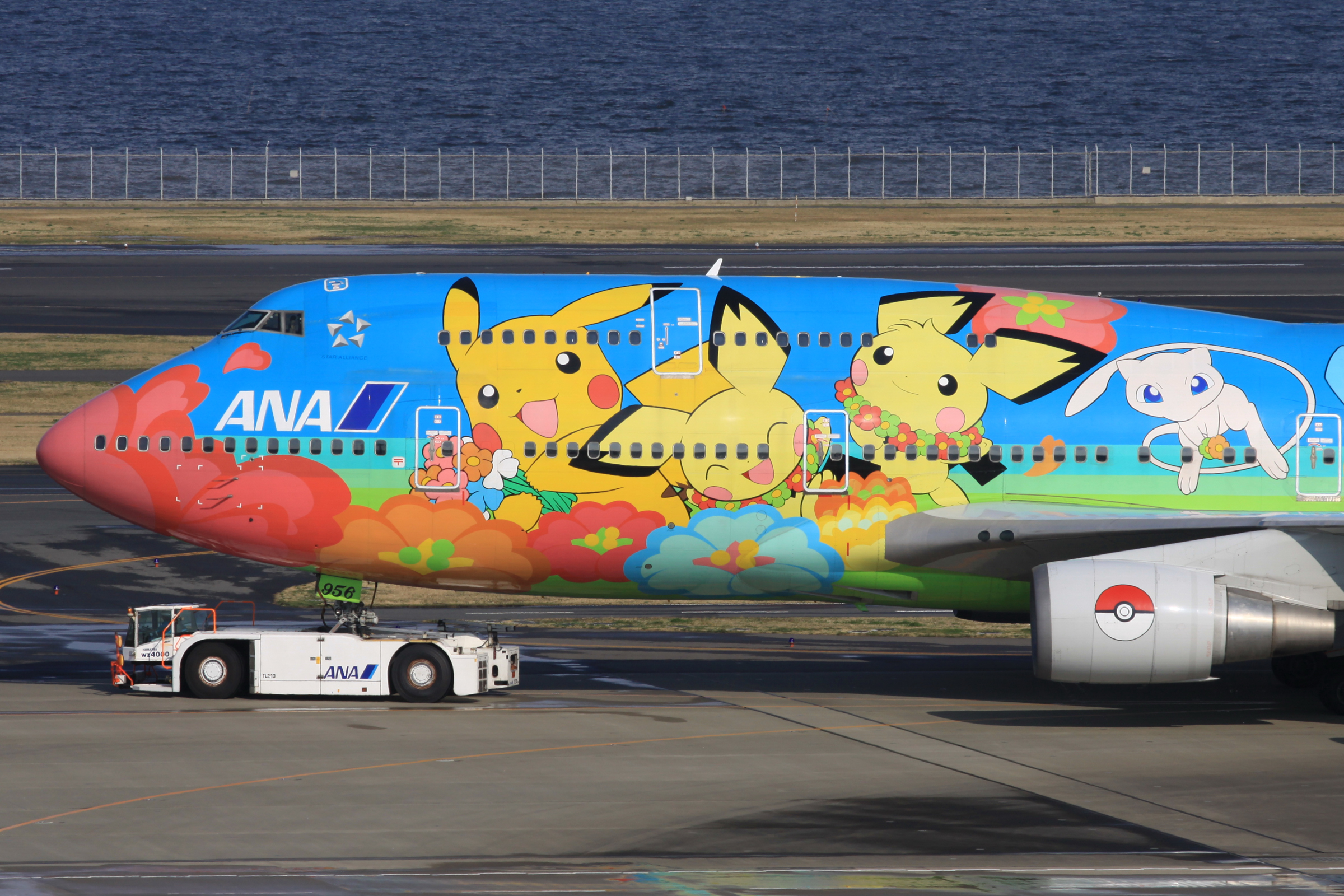
Have you ever boarded a plane expecting a routine flight, only to discover you're about to travel inside a flying Pokémon or droid from a galaxy far, far away? Do you find yourself checking aircraft registration numbers just to see if you'll be flying on R2-D2's metallic cousin?
Welcome to the whimsical world of All Nippon Airways (ANA), where aircraft liveries have transformed commercial aviation into an airborne art gallery that would make even the most stoic business traveller crack a smile. This comprehensive overview examines ANA's impressive collection of special liveries.
From the iconic Pokémon jets that have captured hearts worldwide to the Star Wars fleet that brings science fiction to life, along with their environmentally conscious Future Promise designs and the adorable Flying Honu sea turtles.
Whether you're a seasoned aviation enthusiast, a casual passenger with a smartphone camera, or someone who still gets excited spotting unusual aircraft, this guide will help you identify which of these flying masterpieces you might encounter on your next journey!
Pokémon Liveries
ANA's collaboration with Pokémon represents perhaps the most extensive and beloved special livery program in the history of commercial aviation.
The airline's first Pokémon aircraft appeared in 1998, following the success of their earlier Marine Jumbo design, marking the beginning of a partnership that has produced 12 themed aircraft across multiple generations.
The fleet includes the latest "Pikachu Jet NH" Boeing 787-9, which began operating the Tokyo Haneda to Bangkok route starting June 4, 2023. This isn't just a paint job – the aircraft features Pokémon-themed cabin attendant aprons, paper cups, headrests, and even welcome music inspired by the beloved franchise.
The program expanded with the "Eevee Jet NH" Boeing 777-300ER, unveiled in August 2023, featuring Eevee moving forward into the future with Pikachu.
The collection comprises five Boeing 747-400s, four Boeing 767-300s, one Boeing 777-300, one Boeing 777-300ER, and one Boeing 787-9, making it impossible to fly ANA frequently without eventually encountering one of these colourful aircraft.

Star Wars Liveries
ANA's Star Wars program launched in 2015 with significant fanfare, creating 4 themed aircraft that transported passengers to that galaxy far, far away.
The fleet included the iconic R2-D2 Boeing 787-9 Dreamliner unveiled in 2015, alongside a BB-8 themed Boeing 777-300ER, a mixed R2-D2 and BB-8 design on a Boeing 767-300ER, and a golden C-3PO livery on a Boeing 777-200ER.
However, the Force has recently experienced a disturbance. ANA retired its special livery Star Wars R2-D2-themed Boeing 787 on August 6, 2025, with the airline planning to end the decade-long Star Wars livery program by March 2026. The R2-D2 aircraft, registered JA873A, had become an icon of ANA's fleet since its public debut in 2015. For Star Wars fans, catching a glimpse of the remaining themed aircraft has become increasingly urgent!
Flying Honu Collection
All 3 of ANA's Airbus A380-800s sport the charming Flying Honu liveries, with "honu" meaning sea turtle in Hawaiian. These gentle giants serve the Tokyo-Honolulu route exclusively, making them perhaps the most geographically specific special liveries in the ANA fleet. The sea turtle design perfectly captures the peaceful, ocean-crossing nature of these massive aircraft, though passengers might be disappointed to discover the planes don't swim to their destination!

Anime in the Sky
Capitalising on the massive popularity of the Demon Slayer anime series, ANA created 6 themed aircraft featuring characters from Kimetsu no Yaiba. The collection includes 2 Boeing 767-300ERs, one Boeing 777-200ER from the main airline, and 3 De Havilland Canada DHC-8 400s operated by regional subsidiary ANA Wings. This represents a perfect marriage of Japanese pop culture and aviation, proving that even demon slayers need to catch connecting flights occasionally.
Future Promise Livery
Demonstrating their commitment to sustainability, ANA painted 2 Boeing 787s and one DHC-8 400 in their Future Promise livery. These aircraft promote sustainable flying practices, though one might argue that any airline genuinely committed to environmental protection might consider fewer special paint schemes requiring additional chemical treatments – but who are we to question flying art in the name of environmental awareness?
Star Alliance Livery
7 ANA aircraft wear Star Alliance livery, representing the airline's membership in the global alliance. The collection includes 2 Boeing 777-200s, one Boeing 777-300ER, one Boeing 767-300ER, one Boeing 767-300, one Boeing 737-800, and one Boeing 787-9.
While perhaps less exciting than cartoon characters or movie droids, these liveries serve the important function of reminding passengers that airline alliances exist, even if most travellers still can't figure out how to redeem miles across partner airlines.

Tracking the Elusive Liveries
For aviation enthusiasts, encountering these special liveries has become something of a treasure hunt. Equipment can be changed or swapped last minute by the airline, meaning that booking a flight allegedly operated by a Pokémon jet doesn't guarantee you'll fly on one. This uncertainty has created a peculiar subset of travellers who check aircraft registration numbers with the intensity of stock traders monitoring market fluctuations.
The integration extends beyond mere paint schemes. From December 1, 2024, passengers can enjoy ANA in-flight safety and disembarkation videos featuring Pokémon on all domestic and international flights, ensuring that even standard-livery aircraft maintain some connection to these beloved characters.
Bottom Line
ANA's special livery program represents more than just creative marketing – it's a testament to aviation's ability to bring joy and wonder to what could otherwise be routine transportation. From the nostalgic charm of Pokémon characters to the epic grandeur of Star Wars droids, these flying canvases have transformed planespotting from a niche hobby into mainstream entertainment.
While some liveries like the Star Wars fleet are retiring, others continue to evolve, ensuring that ANA's skies remain filled with colour, creativity, and just enough whimsy to make even the most jaded frequent flyer look up from their smartphone during boarding.
Whether you've flown with Pikachu, R2-D2, or a peaceful sea turtle, each encounter with these special aircraft creates memories that extend far beyond the destination itself. In an industry often criticised for becoming increasingly sterile and corporate, ANA's commitment to turning its aircraft into flying art galleries proves that commercial aviation can still surprise, delight, and inspire wonder at 35,000 feet!
Read next

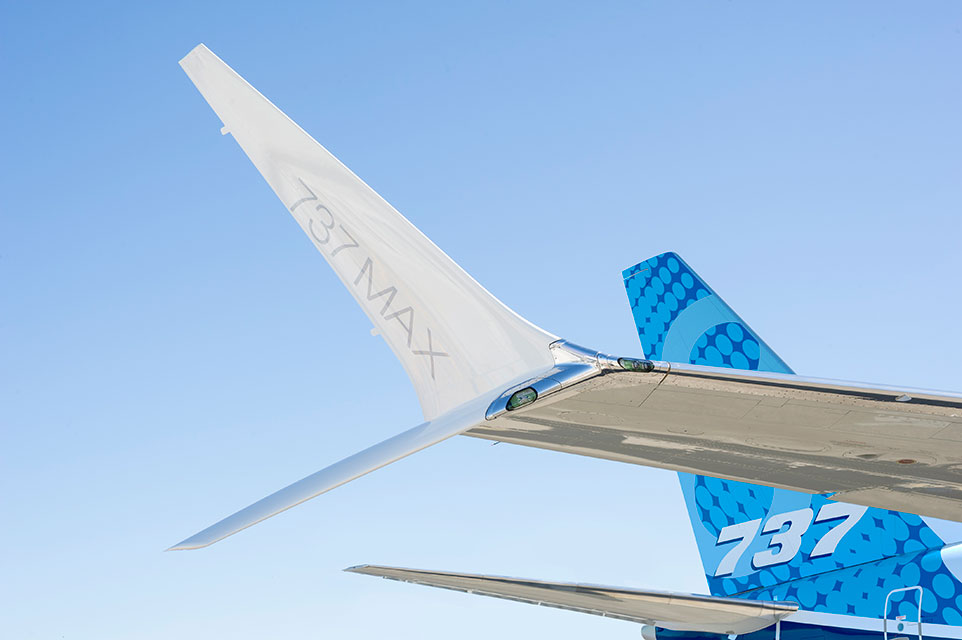
Boeing delivered 48 jets in July 2025, its busiest July since 2017 but down from 60 in June. Airbus handed over 67 jets in July and remains firmly ahead in cumulative deliveries this year.
July snapshot for both makers
Boeing

In July Boeing delivered 48 aircraft, including 37 of its workhorse 737 MAX family, eight 787 Dreamliners, two 777 freighters and one 767 freighter. The July total was five more than July 2024 but 20 percent lower than June. Boeing’s deliveries this year through July stand at 328.
Airbus

Airbus reported 67 deliveries in July to 41 customers, lifting its year to date deliveries to 373. Its July mix included a strong showing of A320neo family jets alongside A350s and A220s. Airbus still expects to deliver about 820 jets for the full year.
Who leads the single aisle market now
Single aisle aircraft drive most airline capacity growth. Airbus has the edge this year with 286 A320neo family jets delivered so far versus Boeing’s 243 737 MAX jets. That gap helps explain why Airbus is currently ahead in total deliveries.
Orders bookings and backlog in plain terms
Boeing booked 31 gross orders in July, including 30 for the 737 MAX and one for a 787, and has roughly 699 gross orders for the year so far, which translates to about 655 net orders after cancellations and conversions. Boeing’s order backlog was reported at 5,968 aircraft after accounting for U S accounting rules. These handover events matter because planemakers collect a large share of payment when jets are delivered.
The supply chain snag that is reshaping the calendar

Airbus growth is being squeezed by engine supply constraints. Its largest engine partner CFM International has created a growing pool of completed airframes without engines, and delays have also spread to Pratt and Whitney following labor unrest. Despite those problems Airbus remains confident it can hit the 820 aircraft target for 2025 but must accelerate deliveries in the second half of the year.
Boeing’s production repairs and market impact

Boeing is still focused on stabilizing production quality after a mid air panel blowout on a new 737 MAX in January 2024 highlighted broader assembly and quality control problems. The company has raised production rates and is working through quality and regulatory checkpoints while trying to keep deliveries climbing. Investors have reacted positively to recent progress but the firm has not issued a formal full year delivery guidance.
Why Wall Street and airlines watch deliveries so closely
Deliveries are the cash inflow trigger for both manufacturers and an operational milestone for customers. A higher delivery count improves near term revenue recognition for the planemaker and relieves pressure on airline capacity plans that depend on new jets arriving on schedule. Supply chain delays or production quality setbacks therefore ripple quickly into airline schedules and investor sentiment.
What to watch next
- Will Airbus manage to turn gliders into powered jets fast enough to meet the 820 target for 2025.
- Whether Boeing can resume a steadier climb in monthly deliveries without fresh quality related interruptions.
- Engine supplier progress at CFM International and Pratt and Whitney, including any production or labor developments that could change delivery schedules.
Bottom line
July 2025 was a solid month for both manufacturers in different ways. Boeing posted its best July since 2017 and is slowly rebuilding delivery momentum. Airbus continued to out deliver Boeing for the year so far but must overcome engine supply constraints to keep that lead through year end.
TL; DR
- Boeing delivered 48 jets in July 2025, down from 60 in June but its best July since 2017.
- Airbus delivered 67 jets in July and has delivered 373 so far this year.
- Airbus leads in single aisle deliveries with 286 A320neo family jets versus Boeing’s 243 737 MAX jets.
- Boeing booked 31 gross orders in July and has an order backlog near 5,968 aircraft.
- Engine supply constraints at CFM and Pratt and Whitney are the main risk to Airbus’s delivery target while Boeing is focused on production quality fixes after the 2024 panel incident.
With Inputs from Reuters
Comment