

Airspace plays a crucial role in aviation, serving as the three-dimensional territory through which aircraft navigate. This article explores the history, boundaries, special use airspace, and the importance of pilots learning about different airspace classes. Additionally, we'll delve into the pros and cons of flight training within specific airspace categories.
History of Airspace
In the early days of aviation, the concept of national airspace lacked fixed boundaries. Customary laws prevailed, with many countries, including the United Kingdom and the United States, considering airspace as international above approximately 13,000 feet during times of peace. The establishment of the Karman Line in the 1950s marked a significant milestone, providing a clear demarcation between Earth's atmosphere and outer space.
Boundaries of Airspace

Airspace is subject to international law, granting a nation complete sovereignty over the airspace above its territory, extending to 12 nautical miles from its coastline. International airspace, analogous to the high seas in maritime law, exists beyond these territorial limits. Countries may assume responsibility for controlling parts of international airspace, forming Flight Information Regions (FIRs). Vertical boundaries lack international consensus, with suggestions ranging from 30 km to 160 km.

Special Use Airspace
Special Use Airspace includes Prohibited, Restricted, Warning, Military Operations Areas (MOAs), Alert Areas, and Controlled Firing Areas (CFAs). Prohibited areas are off-limits for security reasons, while Restricted areas may have hazardous activities. MOAs separate military training from other flights, and Alert Areas highlight high pilot training or unusual aerial activity. CFAs, though not on charts, involve activities suspended upon detection of approaching aircraft.
Importance of Learning Airspace Classes for Pilots
Understanding airspace classes is vital for pilots, influencing safety and compliance with regulations. Each class, from A to E, has specific weather minimums for Visual Flight Rules (VFR) flights. A deviation, such as entering Class B airspace without clearance, can lead to severe consequences, including the loss of pilot privileges. Awareness of Military Operations Areas is crucial to avoid unnecessary diversions.
Pros and Cons of Flight Training in Different Airspace
Flight training in various airspace types offers distinct advantages and challenges:
Class C Airport (Pros):
- Learn busy airport operations.
- Develop proficiency in radio communications.
- Gain heightened situational awareness.
- Prepare for professional careers.
Class C Airport (Cons):
- Increased likelihood of airport delays.
- Extended taxi times.
- Greater potential for deviation from ATC instructions.
- Overwhelmed by the larger, faster aircraft in a stressful environment.
Class D and Class G Airports (Pros):
- Quick access to runways with fewer delays.
- More flying and practice time.
- Easier-to-follow instructions.
- Laid-back environment for learning fundamentals.
Class D and Class G Airports (Cons):
- Limited exposure to large airport operations.
- Potential anxiety and stress when transitioning to larger airports.
Conclusion
In summary, a thorough understanding of airspace is paramount for pilots. Knowledge of boundaries, special use airspace, and the nuances of different classes ensures safe and compliant flight operations. Choosing a flight training environment aligned with individual preferences and career goals allows aspiring pilots to maximize their learning experiences and develop the necessary skills for successful aviation careers.
With Inputs from Skybrary, ATP Flight School, FAA

Read next


AirAsia plans to launch new routes to India as the airline boosts its robust presence there, linking millions of Indian travellers to an extensive network of 130 destinations across Asia and the Asia Pacific.
AirAsia Aviation Group Ltd group chief executive officer Bo Lingam said that India has always been a key market for the group and following recent changes to its operations in the country, the airline remains committed to serving the market.
"We have flown a remarkable 1.6 million guests from India between January and November this year, showcasing the enduring strength of our great value fares and connectivity. As we continue to strengthen our presence in India, we are excited to announce our expansion plans, including the launch of a new route to Thiruvananthapuram soon," said Lingam.
AirAsia now provides 10 international routes directly from India to Malaysia and Thailand with 104 flights weekly from short-haul airlines AirAsia Malaysia and AirAsia Thailand. Destinations served by AirAsia across India include Guwahati, New Delhi, Mumbai, Bengaluru, Chennai, Kolkata, Tiruchirappalli, Kochi, and Hyderabad.
Medium haul affiliate airline AirAsia X Malaysia provides two direct routes from New Delhi and Amritsar to Kuala Lumpur with eight flights weekly. The continued growth in AirAsia services to India ensures a comprehensive and seamless travel experience for AirAsia's guests across India to the widest low-cost network in Asia.
AirAsia head of regional commercial (India) Manoj Dharmani said it remains deeply committed to India, and while the airline no longer operates domestic flights, its guests should rest assured that India remains at the core of its operations. Over the years, Dharmani said AirAsia has witnessed tremendous growth, connecting countless cities and regions in India to the world.
AirAsia Head of Regional Commercial (India), Manoj Dharmani, added, “AirAsia remains deeply committed to India, and while we no longer operate domestic flights, our guests should rest assured that India remains at the core of our operations. Over the years, we have witnessed tremendous growth, connecting countless cities and regions in India to the world, and we are proud to share that AirAsia now serves 11 destinations in India. Our expansion in India has resulted in 104 weekly flights, making us a vital and reliable link between India and the globe. We look forward to serving the Indian market with the commitment to further enhancing connectivity and accessibility for our guests across the country. Our expansion in India has resulted in 104 weekly flights, making us a vital and reliable link between India and the globe.”
AirAsia's Global Expansion Plans
The AirAsia group also aims to capture connecting traffic to route through its network across Southeast Asia, Australia, and New Zealand with one booking. The group announced it is expanding the capacity of existing routes, including Australia's Gold Coast, and launching an entirely new subsidiary in Cambodia.
Recovery has been strong for the aviation group, which reported substantial load factors in its third-quarter results. The group as a whole recorded a 49% increase in passenger numbers over the same period last year and has now recovered to three-quarters of its pre-pandemic levels.
Read next
Turkish Airlines and Airbus Set to Forge Strategic Partnership with Major Aircraft Order
Abhishek Nayar
16 Nov 2023
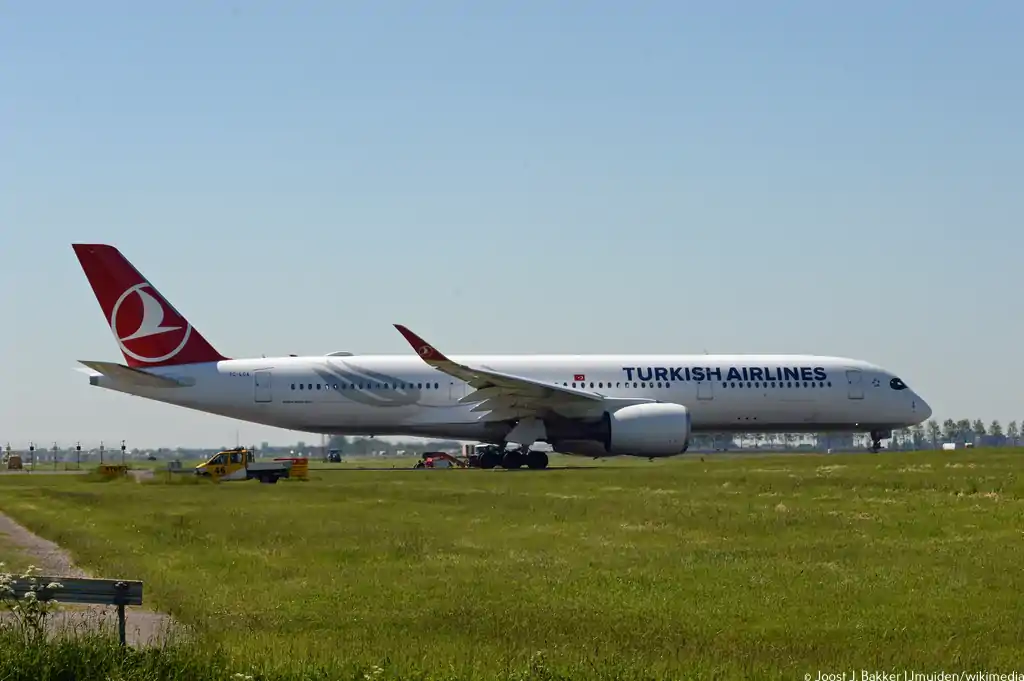
In a significant development for the aviation industry, Turkish Airlines and Airbus have reportedly reached an agreement in principle for a substantial commercial aircraft order. The announcement came on Monday, November 13, 2023, following talks held in Istanbul between officials from Turkish Airlines and representatives from Airbus. The deal, once ratified, is poised to reshape Turkish Airlines' fleet and solidify its position in the global aviation market.
Agreement in Principle: A Milestone for Turkish Airlines and Airbus
The Airbus spokesperson confirmed the preliminary agreement on Monday, hinting at the substantial scale of the impending commercial aircraft order. While the details are yet to be officially disclosed, the spokesperson emphasized that the agreement is in the process of being ratified and will be formally communicated in the coming days.
Turkish Airlines' Ambitious Fleet Expansion Plans
According to reports from Turkey's state-run Anadolu news agency, Turkish Airlines engaged in discussions with Airbus on Saturday, November 11, 2023, to explore the possibility of a remarkable order for 355 new aircraft. The discussions centered around a comprehensive fleet expansion plan, encompassing various Airbus models.
Wide-Body and Narrow-Body Aircraft: A Comprehensive Approach
During the talks, Turkish Airlines officials expressed interest in acquiring 75 wide-body A350-900 and 15 wide-body A350-1000 aircraft. Additionally, the carrier is considering a substantial order for narrow-body aircraft, comprising 250 A321neo jets. The discussions also included the potential purchase of five A350F cargo aircraft and 10 A350-900s, for which terms have already been agreed upon.
Lease Contracts to Supplement Fleet Growth
In a move to expedite its fleet expansion plans, Turkish Airlines has signed new lease contracts with prominent aircraft lessors. The carrier is set to lease a total of twenty narrow-body aircraft and one wide-body aircraft from CDB Aviation, Jackson Square Aviation, and DAE Capital. The deliveries of these leased aircraft are anticipated to be completed by the first quarter of 2026.
Lease Details and Delivery Schedule
The lease contracts include six narrow-body aircraft from CDB Aviation, with deliveries scheduled between the first quarter of 2025 and the first quarter of 2026. Jackson Square Aviation will provide four narrow-body aircraft to Turkish Airlines in the first quarter of 2025, while DAE Capital will deliver ten narrow-body aircraft between the fourth quarter of 2024 and the first quarter of 2025. All narrow-body leases are structured for a duration of 12 years.
Strategic Partnerships for a Thriving Future
The single wide-body aircraft leased from CDB Aviation is slated for delivery in the second quarter of 2024, with a lease term of six years. While the specific details of the wide-body aircraft remain undisclosed, the strategic move signifies Turkish Airlines' commitment to diversifying its fleet to meet the demands of an evolving global aviation landscape.
Conclusion
As Turkish Airlines navigates this transformative phase in its fleet expansion, the collaboration with Airbus and the strategic lease agreements with prominent lessors underscore the airline's commitment to growth and excellence. The aviation industry will be closely watching for the formal communication of the Airbus agreement, anticipating the unveiling of one of the most significant commercial aircraft orders in recent times.
With Inputs from ch-aviation, Reuters
Read next

Thai Airways International, the flagship carrier of Thailand, is set to receive a boost with the expected delivery of 23 leased aircraft by the end of 2025, as outlined by Piyasvasti Amranand, the chairman of the airline's debt rehabilitation administrator. The announcement comes on the heels of the airline's fourth consecutive quarterly profit, signaling a positive trajectory in its recovery from the impacts of the COVID-19 pandemic.
Lease Agreements and Delivery Schedule
Thai Airways has existing lease agreements for a diverse fleet, including eleven A350-900s, two A330-300s, one B787-9, and twelve unspecified A321-types. Notably, three A350-900s have already been delivered, HS-THQ (MSN 266), HS-THR (MSN 245) sourced from Avolon, and HS-THV (MSN 187) sourced from AerCap, with two more expected before the year's end. The remaining 23 aircraft are scheduled for delivery by the end of 2025. Eight of these are anticipated to arrive in Bangkok by mid-2024, with an additional six A350-900s expected to join the fleet by the middle of the same year.
Financial Performance and Quarterly Profits
Despite uncertainties in the global economic landscape, including concerns about the Chinese economy and geopolitical tensions, Thai Airways has shown resilience. As of September 30, 2023, the airline and its soon-to-be-merged subsidiary, Thai Smile, boasted a fleet of 68 active aircraft, with seven in long-term parking and 26 decommissioned aircraft either sold or in the process of being sold.
Thai Airways reported a net profit of THB1.54-billion-baht (USD43.4 million) in the third quarter of 2024, marking a significant turnaround from the THB4.79 billion (USD134.9 million) loss reported during the same period in 2022. The airline's passenger loads have averaged 77.3%, surpassing last year's average of 77.0%. The total number of passengers carried reached 3.27 million, reflecting a commendable 22% increase from the comparable 2022 quarter.
Successful Restructuring and Rehabilitation
Amranand, the debt rehabilitation administrator, confirmed that Thai Airways is on track to exit the court-supervised restructuring and rehabilitation plan by the end of 2024. Thailand's insolvency legislation typically allows firms five years for the rehabilitation process, and Thai Airways is poised to comfortably beat that deadline. The comprehensive restructuring efforts have involved fleet reorganization, cost-cutting measures, debt restructuring, and the recapitalization of the airline.
Outlook and Future Prospects
As Thai Airways progresses through its recovery, the positive financial results and the upcoming fleet expansion signify a promising future for the airline. With a strengthened fleet and a more resilient financial position, Thai Airways is well-positioned to navigate challenges in the aviation industry and capitalize on the anticipated rebound in global travel demand.
Conclusion
Thai Airways International's strategic initiatives and solid financial performance underscore its commitment to recovery and growth. The imminent delivery of 23 leased aircraft aligns with the airline's vision for a more robust and competitive future in the dynamic aviation sector.
With Inputs from ch-aviation
Read next
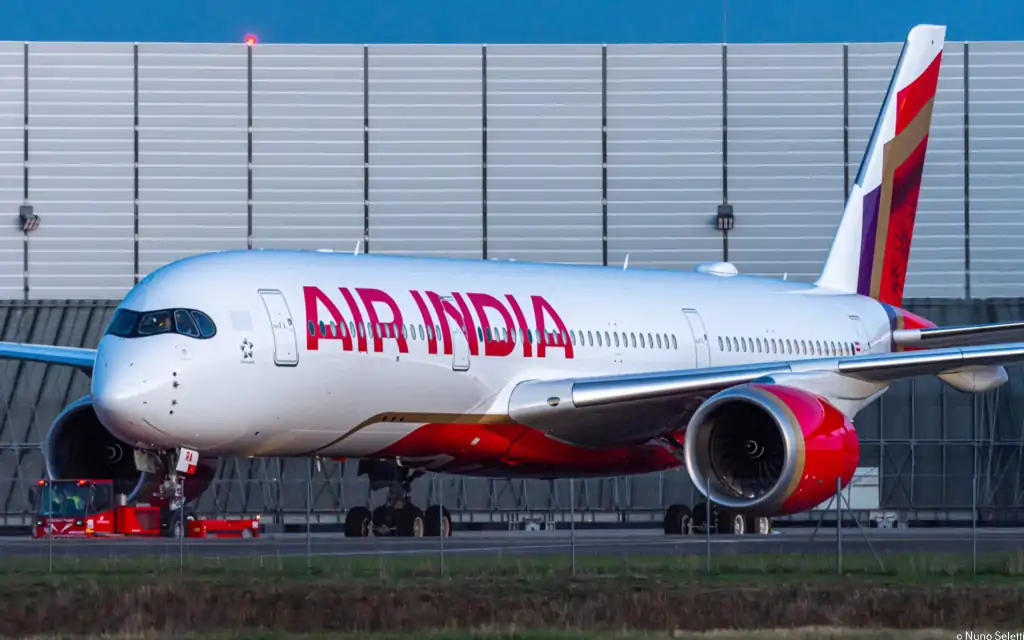
In a significant turn of events, Air India, under new private ownership, is poised to embark on a transformative journey, garnering interest from various global airlines eager to partner with the carrier. The recent statements from Air India's CEO, Campbell Wilson, shed light on the airline's strategic vision and its efforts to revitalize its position in the aviation industry.
Emerging Partnerships and Global Interest
Allure of the Indian Diaspora
Air India's CEO highlighted the growing interest from numerous airlines seeking partnerships, driven by the recognition of the vast potential in connecting with the carrier that serves as a major source of traffic. With a diaspora of 37 million people, Air India aims to better serve this demographic, signaling a positive shift in its global strategy.
Recent Interline Agreement with Alaska Airlines
The announcement of an interline agreement with Alaska Airlines further underscores Air India's commitment to expanding its presence in the crucial U.S. market. The partnership suggests ambitious plans for growth in the country, with talks of including key cities like Boston and Los Angeles in its network.
Operational Changes and Milestones
Fleet Expansion and Network Reshuffling
Air India has undergone substantial changes, encompassing fleet expansion and network reshuffling. These strategic moves aim to position the airline for sustained growth, ensuring enhanced operational capabilities and improved service offerings.
Upcoming Merger with Vistara
The impending merger with Vistara adds another layer to Air India's transformative journey. The consolidation of resources and expertise is expected to contribute significantly to the overall operational efficiency of the airline.
Global Collaborations and Codeshare Agreements
Existing Codeshare Deals
Air India has strategically engaged in codeshare agreements with several global airlines, including LOT Polish, Egypt Air, Singapore Airlines, Air Mauritius, Avianca, SriLankan Airlines, TAP Portugal, Croatia Airlines, Ethiopian Airlines, Swiss, and Lufthansa. These partnerships enable the sharing of resources and routes, fostering a collaborative approach to the aviation market.
Interest from Lufthansa and Air France-KLM
Lufthansa, closely monitoring Air India's recent progress, has expressed a desire to explore further opportunities with the Indian carrier. Reports suggest discussions about a potential collaboration, alongside Air France-KLM, for the acquisition of the government-owned maintenance repair and operations (MRO) company AI Engineering Services Limited (AIESL).
Strengthening Air India's Position
Addressing Historical Weakness
Campbell Wilson acknowledged the historical weakness of Air India, attributing the strength of some foreign airlines in India to this factor. The airline is now committed to rectifying these issues, with a focus on delivering quality service to passengers.
Ambitious Network Expansion
Air India's future plans involve a massive expansion of its domestic and international network. The objective is to offer passengers a plethora of convenient flying options, ultimately reclaiming lost market share and solidifying its standing in the aviation industry.
Conclusion
Air India's recent developments underscore a pivotal moment in its history, marked by strategic partnerships, operational enhancements, and a commitment to providing quality service. As the airline navigates this transformative journey, the global aviation community watches closely, anticipating the positive impact of these initiatives on Air India's resurgence in the competitive market.
With Inputs from Live Mint
Comment